The Texas Tree Most Houston Gardeners Are Planting Right Now For Clean Looks And Pest Resistance
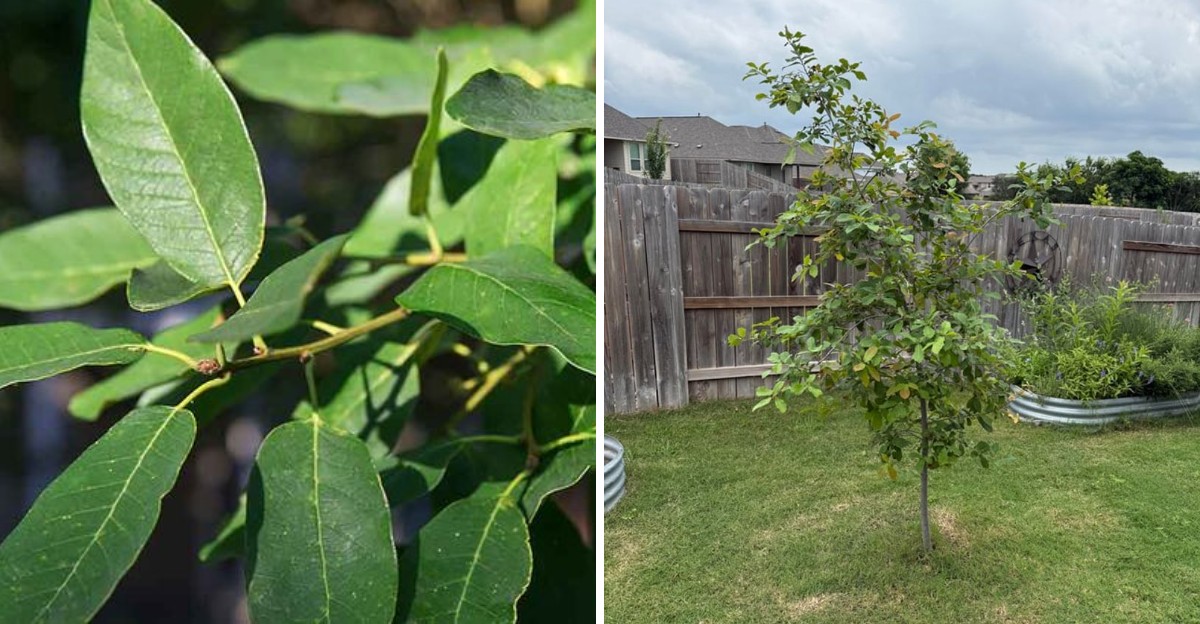
Houston nurseries are moving one particular shade tree faster than almost anything else on the lot right now.
It holds its leaves most of the winter. It drops almost nothing under the canopy. It grows fast enough to provide real shade within a few years and shrugs off many of the pests and diseases that take down red oaks and live oaks across the Gulf Coast.
It is also not without limits, and some of what gets said about it at the point of sale deserves a closer look before anyone commits to a planting location.
The enthusiasm is largely earned. The caveats are real. Both deserve space in the same conversation, which most nursery visits do not provide.
Here is what this oak actually delivers, what it genuinely resists, and where the limits of its reputation live.
Meet Mexican White Oak
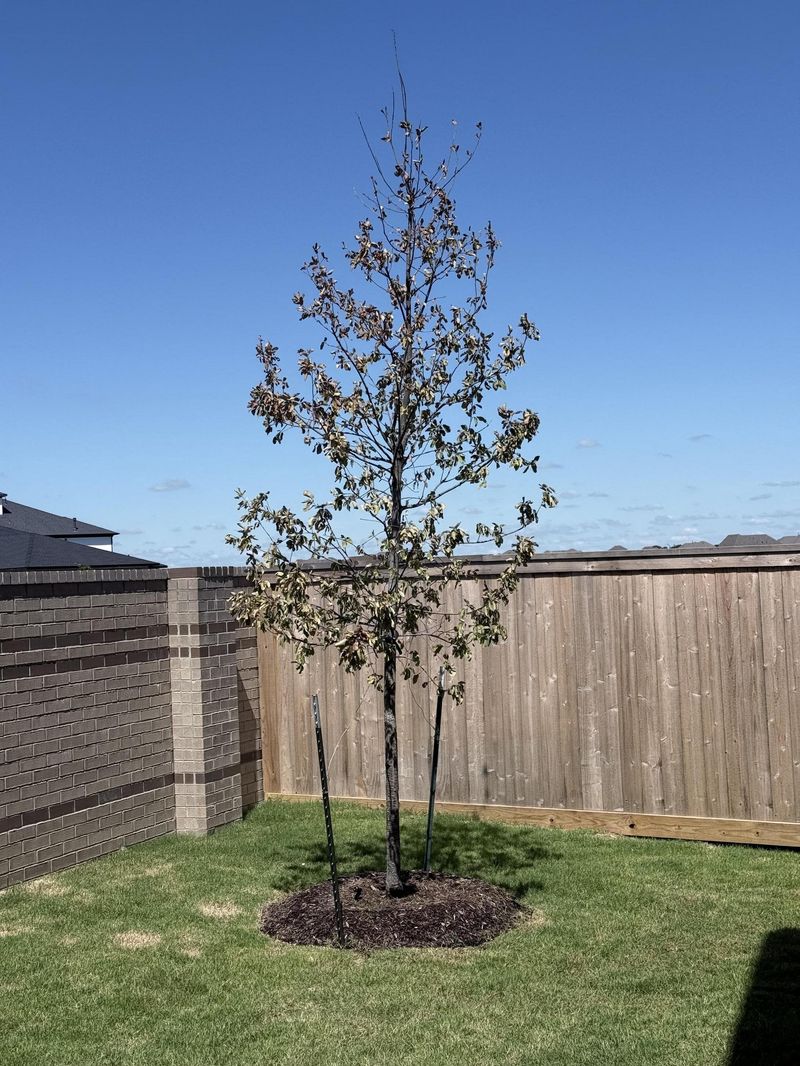
The tree showing up in one newly landscaped Houston yard after another is Quercus polymorpha, sold at most nurseries as Mexican white oak and sometimes as Monterrey oak or netleaf white oak.
Native to a narrow stretch of Val Verde County in Texas and down into northeastern Mexico, it has quietly become one of the most requested shade trees at nurseries across the Houston metro.
The species sits in the white oak group, which matters beyond taxonomy. White oaks as a family tend to handle many common Texas diseases and pests more cleanly than red oak group members like Shumard and water oak, both of which are common and frequently troubled local trees.
In a landscape setting, expect a broadly rounded crown reaching 40 to 60 feet tall with a spread nearly as wide.
Growth during the early years is fast for an oak, often two to three feet per year under decent conditions. Wood quality stays solid despite the pace, which is not something every fast-growing tree can claim.
Bark on young trees is smooth and pale gray with a quiet sheen, aging into shallow furrows that look genuinely handsome in winter light when there is nothing else to look at in the canopy.
The name polymorpha means many forms, which fits. Leaf shape and size vary more on this species than on most oaks, and behavior shifts noticeably with the severity of the winter.
Houston sits comfortably within its cold hardiness range, which removes one of the concerns that follows this tree into colder parts of Texas.
Start here and everything else about the tree makes considerably more sense once the basic picture is in place.
Little Litter Compared To Other Oaks
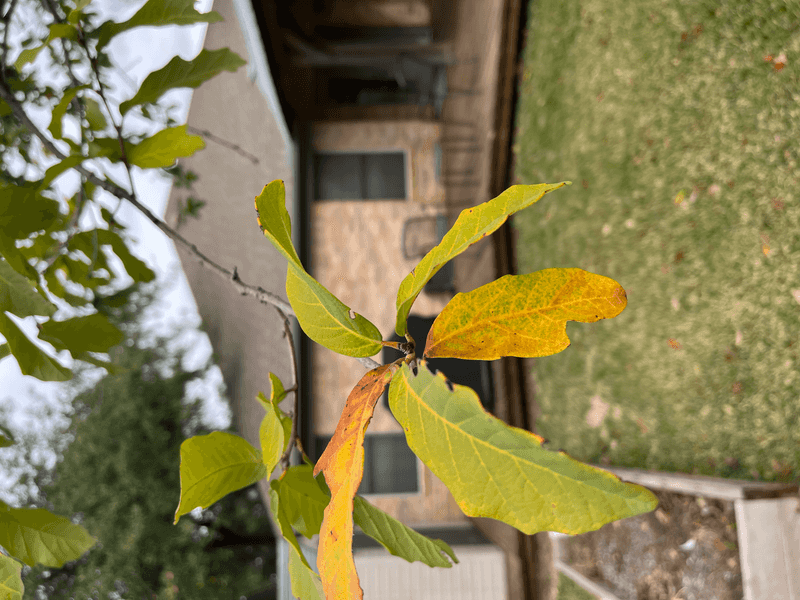
Anyone who has raked under a mature live oak knows exactly what this means in practice.
Tiny leaves wedged into St. Augustine, catkins matting on the driveway, acorns rolling underfoot like a trap course: live oak is a full-time maintenance commitment.
Mexican white oak asks far less.
Acorn production tends to be light and inconsistent, especially on younger trees, and the acorns themselves are smaller than the chunky ones dropped by bur oak or the seemingly endless crop from live oak.
Your Texas Garden Changes Every Week. Your Plan Should Too.
Gardening in Texas changes quickly throughout the season. Every Friday you’ll receive a simple weekly plan showing exactly what to plant, prune, fertilize, harvest, and protect so you never miss the right timing.
Fewer acorns means fewer squirrels staging roof disputes and fewer seedlings volunteering in the flower beds every spring.
Leaf drop stays modest too. Because the tree holds foliage into late winter and sheds over a short stretch, most homeowners handle cleanup in one or two sessions rather than a two-month grind.
The leaves are medium-sized and firm, so they rake up cleanly without shredding into small pieces that work into turf and disappear from the rake.
Pollen catkins still show up in spring the way they do on every oak. They will collect on cars and porches for a week or two. No oak avoids that entirely, and this one is no exception.
Gardeners with pools tend to be the loudest fans of this trade-off.
Less constant debris means less skimming and fewer clogged filters, which is exactly why landscape designers around Memorial and Sugar Land keep specifying this oak for poolside shade where a messier tree would quickly become the homeowner’s least favorite decision.
Naturally Tougher Against Common Oak Diseases
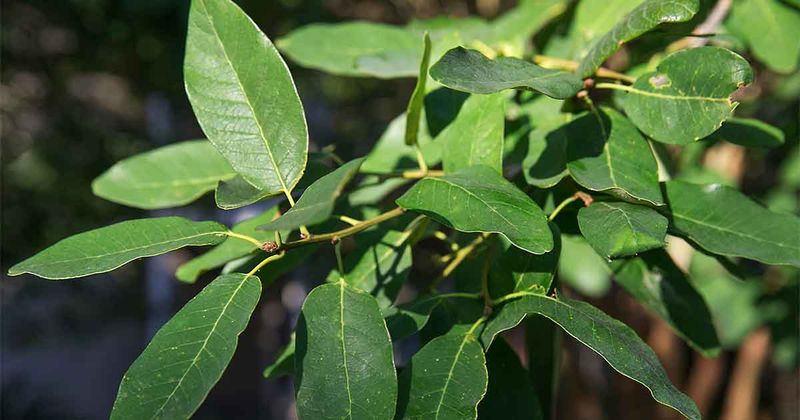
Resistance is the headline feature that pushed this species from obscure collector tree to nursery staple in Houston.
Comparison helps explain the enthusiasm.
Red oak group members like Shumard oak and water oak, both common in local landscapes, get hit hard by hypoxylon canker, leaf galls, borers, and a long list of foliage problems.
Mexican white oak sits in the white oak group, which as a whole tends to fare considerably better against several of those issues.
That family-level difference matters in practical terms and shows up in how trees look from one season to the next.
Insect damage on this tree is usually cosmetic. A few leaf galls or minor chewing shows up on some specimens, but heavy defoliation is uncommon on healthy, well-placed trees.
Caterpillars and aphids rarely reach the levels that send homeowners to the garden center for a sprayer.
Vigor plays a real role here. A tree that grows strongly and roots deeply resists opportunistic problems better than one sitting in compacted soil with drainage issues.
Stress invites trouble in any oak, and this one rewards good planting conditions with noticeably cleaner performance.
A fair warning belongs here: resistance is not immunity. Reports of clean performance come largely from landscape observation rather than long-term controlled trials, since the species is still relatively new to wide Texas cultivation.
Lower disease pressure is genuine and worth planting for. Guaranteed perfection is a different claim, and nobody credible is making it.
Oak Wilt Resistance Comes With A Caveat
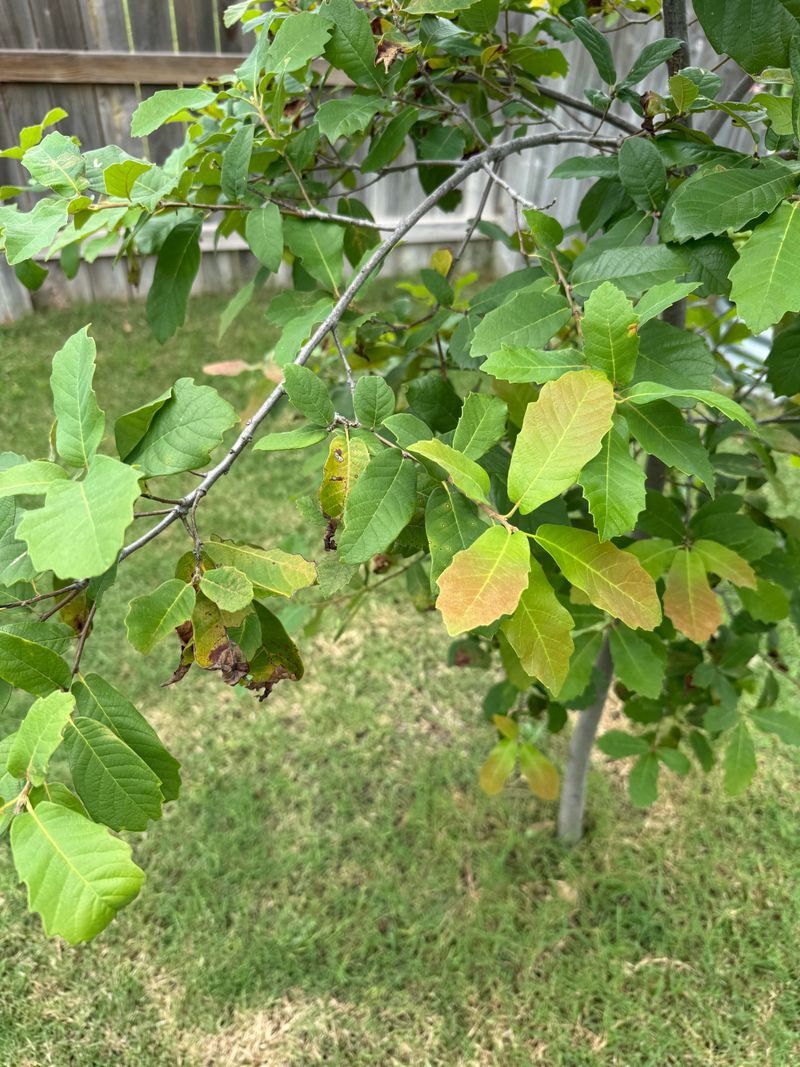
Oak wilt has reshaped Texas landscapes, and it is the main reason many Houston gardeners started shopping for alternatives in the first place.
Mexican white oak is widely described as more resistant to the fungus than red oaks or live oaks, and that reputation appears consistently across the professional literature on Texas tree selection.
Here is the part that gets glossed over in nursery conversations.
Some professional arborists point out that this species cross-grafts readily with live oak root systems.
Root grafting is a documented pathway for oak wilt to move underground from an infected tree into a neighboring healthy one, and that pathway does not pay much attention to species-level resistance ratings.
A Mexican white oak planted twenty feet from an infected live oak is not automatically protected.
Species resistance may slow the disease or reduce severity, but transmission through connected roots remains a genuine concern, and independent long-term data on this specific interaction is limited.
Practical steps still apply regardless of what tree goes in the ground. Avoid pruning oaks between February and June, the peak risk window in Texas. Paint every fresh oak wound immediately, no matter the season.
If an infected oak already stands nearby, consult a certified arborist about trenching before committing to a planting location.
Treat this oak as a smart bet, not a guaranteed shield.
Lower risk is genuinely worth money and peace of mind in Houston. It is just not the same thing as zero risk, and keeping that distinction clear leads to better decisions than the alternative does.
Powdery Mildew Still Shows Up Sometimes
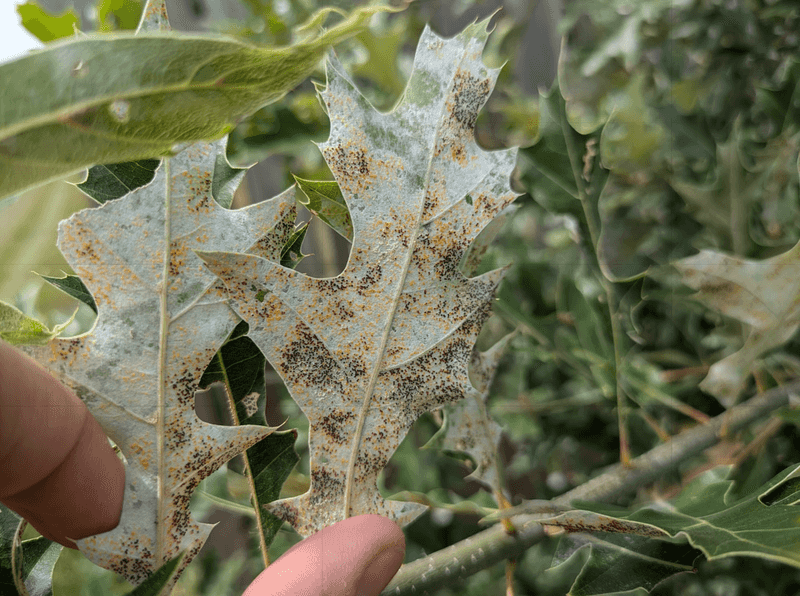
A dusty white film on new spring leaves sends plenty of first-time owners into a panic that turns out to be mostly unnecessary.
Powdery mildew does occasionally show up on Mexican white oak, especially on tender young growth during humid, mild stretches. Houston serves those conditions up generously and reliably.
The reassuring part: it is generally a mild and cosmetic problem.
Infected leaves may look chalky or slightly distorted, but established trees rarely suffer real harm, and the tree typically outgrows the damage as weather warms and air dries out through the season.
Conditions drive outbreaks more than anything else. Crowded plantings, shady spots with stagnant air, and overhead irrigation that keeps foliage wet all encourage the fungus.
Heavy nitrogen fertilizer makes it worse by pushing out soft, susceptible new growth exactly when the conditions for infection are best.
Simple management usually handles it.
Water at the base with a soaker hose rather than spraying the canopy, thin crowded shrubs beneath the tree to improve air movement, and skip late-season feeding that forces tender flushes heading into fall and winter.
Fungicide is rarely justified on a landscape shade tree experiencing cosmetic mildew, and treating it aggressively tends to cost more than the problem is worth.
Oak leaf blister can turn up too, showing as puckered pale spots after a cool, wet spring. Like mildew, it looks alarming and causes very little lasting damage to an otherwise healthy tree.
Keeping expectations calibrated protects enthusiasm over the long run. A tree that occasionally gets a cosmetic blemish is still a remarkably low-maintenance choice compared to what most Houston yards have been managing for decades.
Fast Growth Without Weak Wood
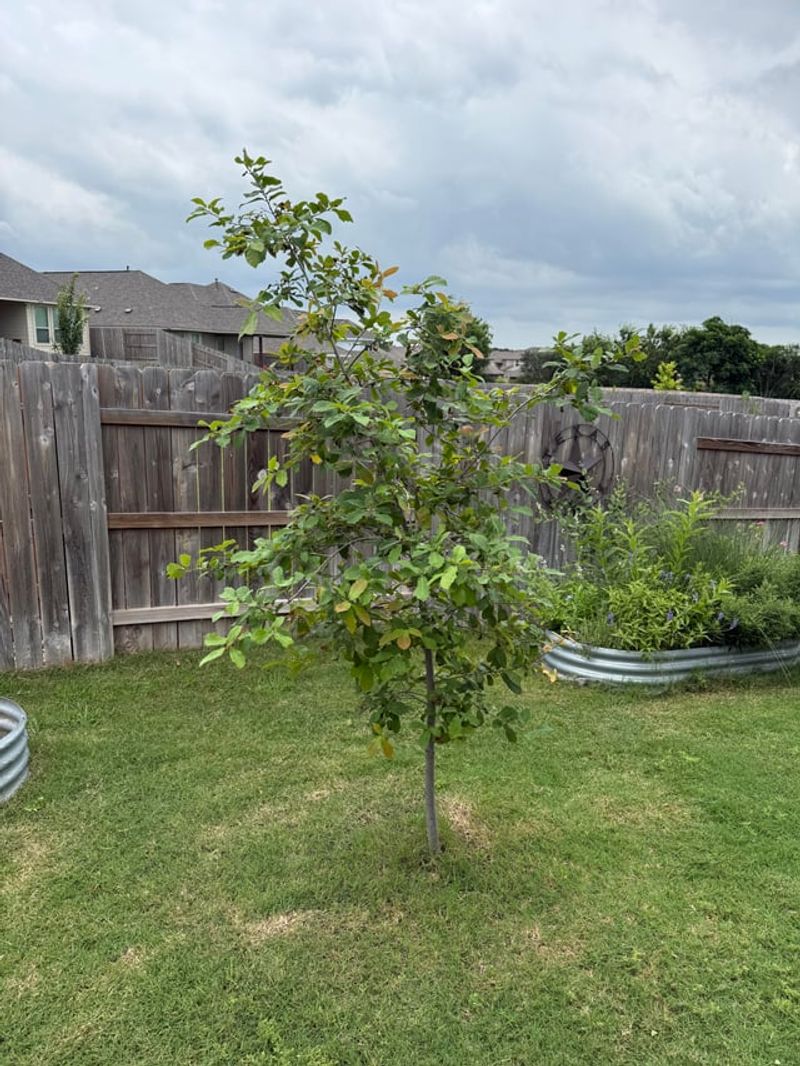
Patience is not most homeowners’ strong suit, which explains why so many Houston yards ended up with Bradford pears, silver maples, and Arizona ash.
Those trees grow fast and then fall apart, splitting at branch unions in storms and rotting from the inside with a consistency that makes them one of the more reliable sources of arborist business in the region.
Mexican white oak offers speed without that ugly tradeoff.
Under decent conditions with regular water during establishment, it can add roughly two to three feet per year while young. Some Houston-area gardeners report even faster gains in deep, well-watered soil with good drainage.
Wood quality stays true to its family. Branches are strong, the wood is dense, and the tree develops a sturdy central structure rather than the weak, narrow crotches that make softer species unreliable during Gulf Coast windstorms.
Structural pruning in the first several years pays dividends for decades. Remove crossing limbs and any codominant leader while cuts are small.
Paint every fresh wound immediately regardless of the season or what anyone else says about it being unnecessary in warm weather.
Bark earns its own quiet compliment. Young trunks show a smooth, pale gray surface with a faint sheen, aging into shallow furrows that look genuinely handsome in winter light when the detail is actually visible.
Meaningful shade typically arrives within five to seven years from a fifteen-gallon container tree.
That timeline is why builders and landscape architects around The Woodlands and Katy keep reaching for this oak when clients want results before their kids leave for college, which is a deadline that focuses the decision considerably.