More Dense Plantings In Your Pennsylvania Garden, Less Tick Habitat (Here’s What To Plant)
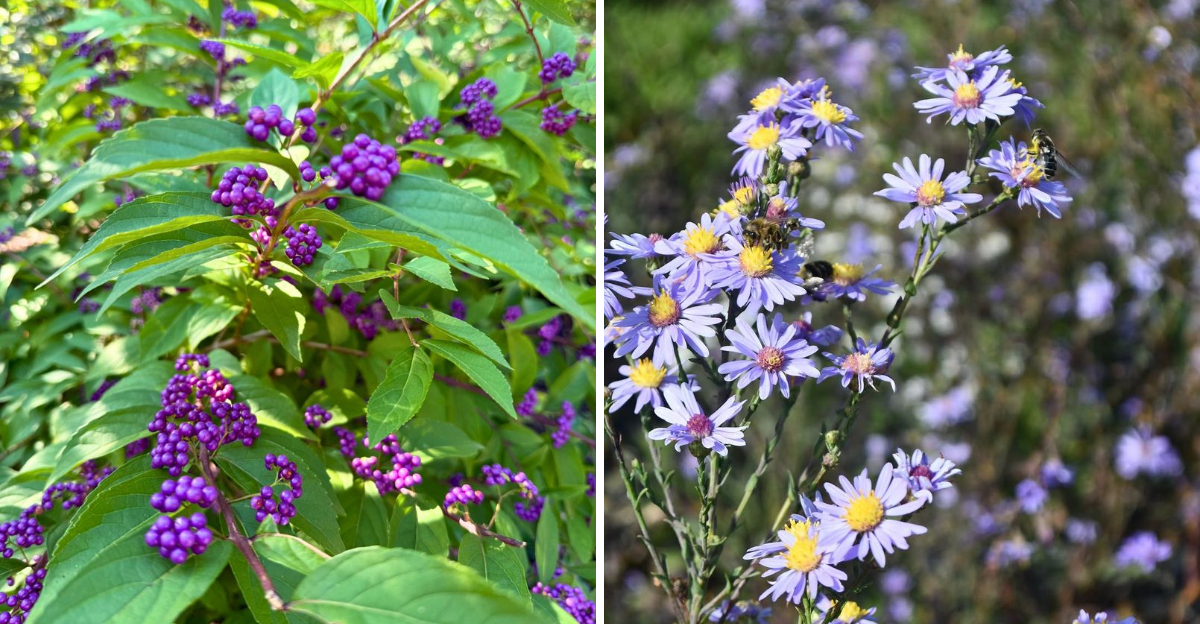
Tick habitat in Pennsylvania thrives on the kind of open, transitional ground that exists between managed lawn and unmaintained edges, bare soil under sparse plantings, leaf-covered patches that stay damp, and the low-traffic corners of a yard that never quite get addressed.
Dense plantings work against all of that by closing off the ground-level environment ticks need to move through, shelter in, and wait for a host.
It is not a complete solution on its own, but as a strategy it adds a layer of passive tick deterrence that works through every active month without any ongoing input from the homeowner.
Pennsylvania has a strong selection of plants that create the kind of dense, layered coverage that makes tick-friendly habitat harder to maintain, and several of them are native species that bring additional value to the yard in terms of pollinator support, seasonal interest, and ecological health.
Getting the right plants established in the right places is one of the more practical and lasting contributions a Pennsylvania gardener can make to reducing tick pressure around their home.
1. Pennsylvania Sedge
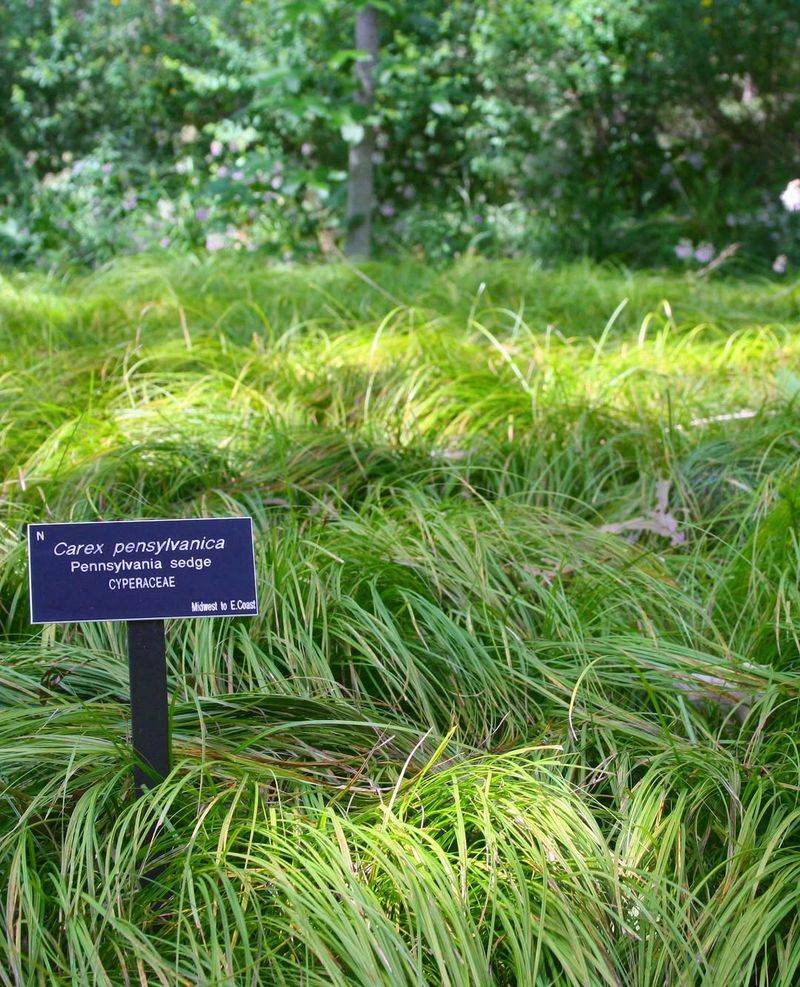
You might not think a grass-like plant could be one of your best tools against ticks, but Pennsylvania Sedge proves that looks can be deceiving.
This native groundcover grows low and spreads steadily, forming thick, soft mats that cover bare soil completely. Bare soil is exactly where ticks love to hang out, so filling it in is a smart move.
Pennsylvania Sedge thrives in shady spots under trees, along woodland edges, and in areas where grass struggles to grow. It stays green through much of the year and only reaches about six to twelve inches tall.
That low profile means it does not block your view or take over your garden beds in an aggressive way.
What makes this plant so effective at reducing tick habitat is its density. When planted close together, individual plants weave into each other and create a nearly solid carpet.
Sunlight barely reaches the soil beneath, which keeps the ground cooler and drier. Ticks prefer moist, shaded leaf litter, and a healthy sedge mat gives them far less of that to work with.
Maintenance is minimal, which is a huge bonus for busy gardeners. Pennsylvania Sedge rarely needs watering once it is established, and it does not require mowing unless you want a tidy look.
It also resists deer browsing better than many other groundcovers.
Planting in drifts of at least ten to fifteen plants will give you that dense coverage fastest. Space them about eight to twelve inches apart, and within a couple of seasons you will have a solid mat that keeps weeds and tick-friendly conditions at bay.
2. Foamflower
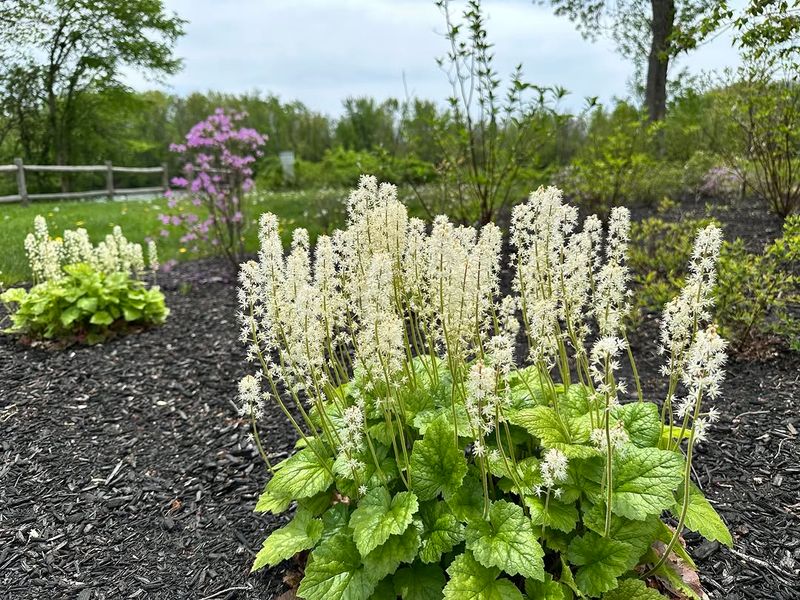
Walk through a Pennsylvania woodland in spring and you might spot a carpet of soft, heart-shaped leaves topped with delicate white flower spikes that look almost like seafoam.
That is Foamflower, and it is one of the most charming native perennials you can add to your garden. Beyond its good looks, it is a surprisingly tough plant that works hard to reduce tick-friendly habitat.
Your Pennsylvania Garden Changes Every Week. Your Plan Should Too.
Gardening in Pennsylvania changes quickly throughout the season. Every Friday you’ll receive a simple weekly plan showing exactly what to plant, prune, fertilize, harvest, and protect so you never miss the right timing.
Foamflower spreads through runners and forms dense clumps that hug the ground tightly. Once established, it creates a thick layer of foliage that shades the soil beneath and keeps it from staying moist and loose.
Ticks need humid, shaded ground-level conditions to stay active, and Foamflower takes away exactly that kind of environment.
It is a natural fit for shady spots under deciduous trees or along the north side of a house where little else wants to grow. Foamflower is not picky about soil, though it does appreciate some moisture and organic matter to get started.
After the first season, it becomes quite tough and self-sufficient. The spring blooms are a bonus that pollinators absolutely love. Bees and butterflies flock to the small white flowers, making your garden a little more alive and buzzing.
The foliage often develops attractive reddish or bronze tones in fall, adding seasonal interest long after the blooms are gone.
For best tick-reducing results, plant Foamflower in masses rather than as single specimens. Spacing plants about twelve inches apart allows them to fill in within one to two growing seasons.
A solid planting along a shady border or woodland edge can make a noticeable difference in your yard’s overall tick habitat.
3. American Beautyberry
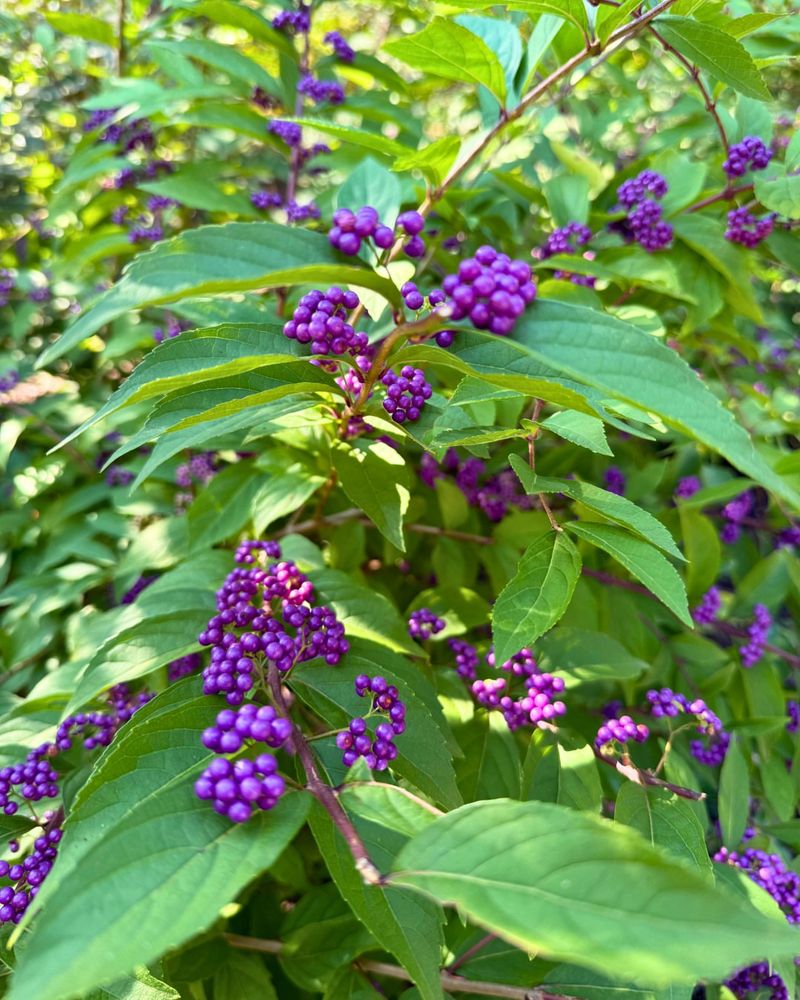
Few plants stop people in their tracks the way American Beautyberry does in the fall. Those clusters of electric purple berries, lined up along arching stems like tiny jewels, are genuinely jaw-dropping.
But this shrub is not just a showstopper. Its dense, spreading structure makes it one of the most effective plants you can use to create physical barriers against tick movement in your garden.
American Beautyberry grows quickly into a rounded, multi-stemmed shrub that can reach four to six feet tall and wide. The branches arch outward and overlap, creating a layered thicket of stems and foliage.
Along garden borders and edges, this kind of dense structure acts like a natural fence that discourages ticks from moving from wild areas into your yard.
Interestingly, research has shown that compounds found in the leaves of Beautyberry have natural tick-repelling properties. Indigenous communities historically crushed the leaves and used them to keep insects away.
So planting this shrub might offer even more protection than its physical structure alone suggests.
Growing American Beautyberry in Pennsylvania is straightforward. It tolerates part shade and adapts well to average garden soils.
It does best with at least some morning sun to support strong berry production in fall. Pruning it back hard in late winter encourages vigorous new growth and keeps the plant full and bushy.
Birds love the berries too, so you will attract cardinals, mockingbirds, and other species to your yard throughout the colder months.
Planting several shrubs in a row along a property line or woodland edge creates a living barrier that is both beautiful and functional all year long.
4. Christmas Fern
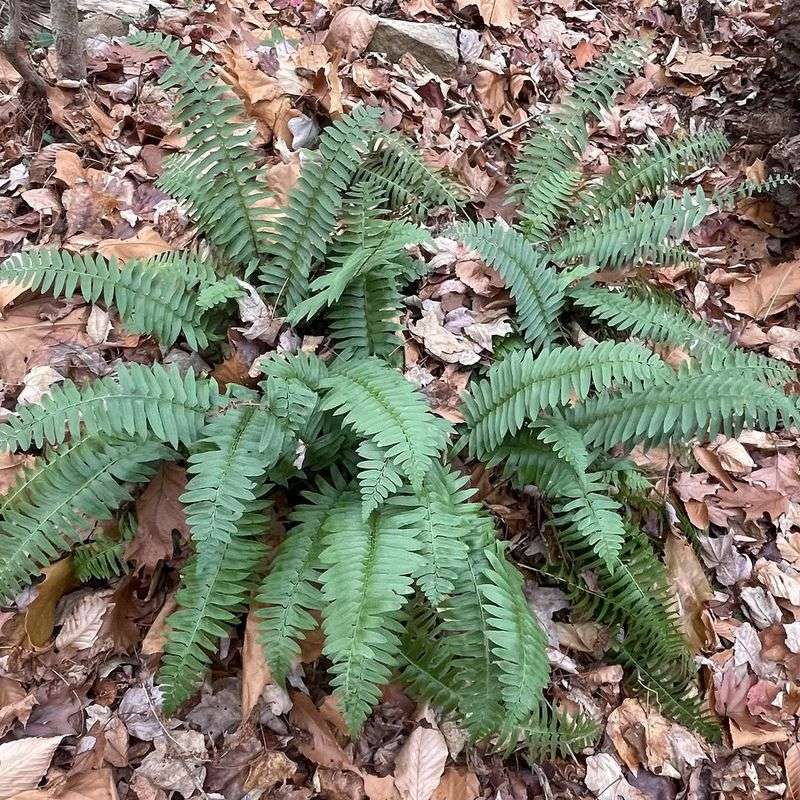
Named for the fact that it stays green straight through the holiday season, Christmas Fern is one of the most reliable and low-maintenance native plants you can grow in Pennsylvania.
While other plants go dormant and leave bare patches of soil exposed, Christmas Fern keeps its dark green fronds all winter long. That year-round coverage is a major advantage when it comes to reducing tick habitat.
Ticks are actually active in fall and early spring, not just summer. They need moist leaf litter and exposed soil to thrive during those shoulder seasons.
Christmas Fern covers that ground consistently, keeping the soil shaded and less hospitable to ticks even when the rest of the garden has gone to sleep for the year.
This fern grows in thick, arching clusters that can reach two feet tall. The fronds fan outward from a central crown and overlap with neighboring plants when massed together.
In a shaded border or along a stream bank, a planting of Christmas Ferns creates a lush, dense understory layer that is hard for anything to penetrate.
Soil erosion is another problem this fern tackles beautifully. On slopes and hillsides under trees, where bare soil tends to wash away after heavy rain, Christmas Fern holds the ground firmly.
It also tolerates dry shade better than most ferns, making it useful in spots where water does not reach easily.
Plant Christmas Ferns about eighteen inches apart in groups of five or more for the best coverage. They establish slowly in the first year but spread reliably after that.
A shaded bed full of these ferns is both elegant and practical, working quietly all year to keep your garden healthier.
5. Smooth Aster
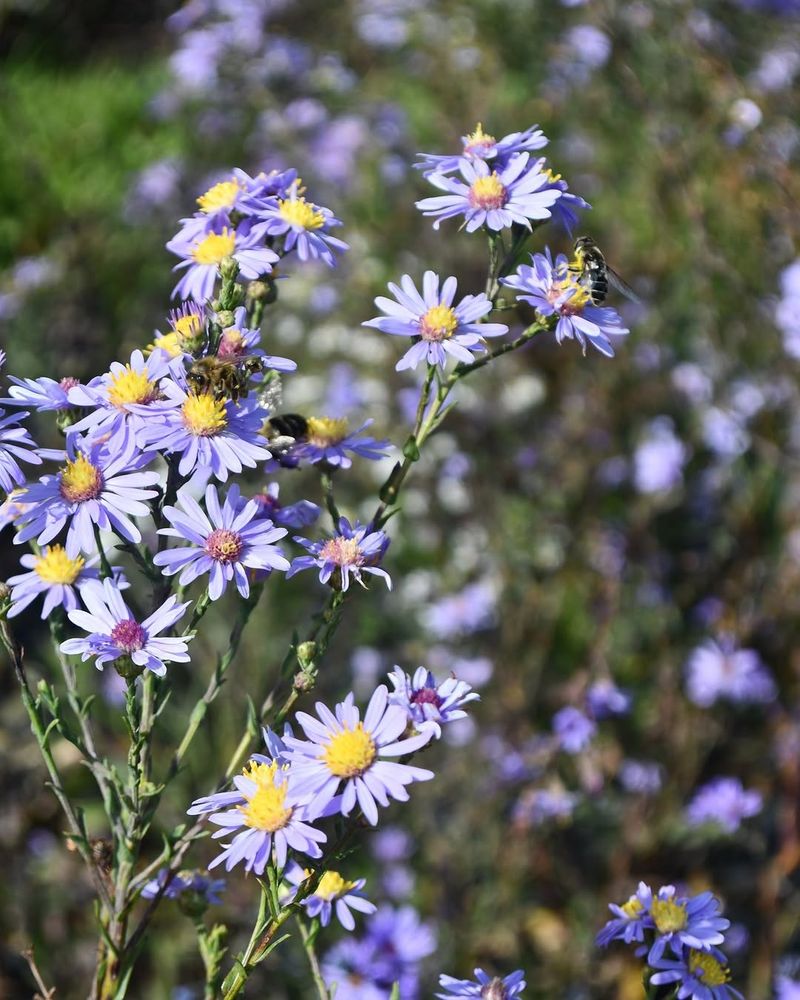
Late summer in Pennsylvania can feel like the garden is winding down, but Smooth Aster has other ideas. Just when most perennials are fading, this native plant bursts into bloom with hundreds of small violet-blue flowers that cover the plant from top to bottom.
It is one of the most cheerful sights in an autumn garden, and it pulls double duty as a tick habitat reducer.
Smooth Aster forms upright, clumping growth that reaches two to four feet tall. The stems are sturdy and densely leafed, and when multiple plants are grouped together, they create a thick wall of foliage and stems that fills gaps in garden beds.
Exposed soil in those gaps is exactly where ticks tend to gather, so plugging those spaces matters.
Unlike some asters that flop or sprawl messily, Smooth Aster lives up to its name by staying relatively tidy and upright. The blue-green leaves have a slightly waxy texture that gives the plant a clean, polished look even before the flowers arrive.
It is a plant that earns its space in the garden all season long. Pollinators absolutely go wild for Smooth Aster. Monarchs, bees, and dozens of other butterfly species rely on it as a critical late-season nectar source during their migration south.
Planting it not only helps your garden but supports the broader ecosystem in a meaningful way.
Full sun to light shade works well for Smooth Aster, and it handles average to dry soil without complaint.
Mass plantings of at least five to seven plants spaced eighteen inches apart will give you the dense coverage needed to make a real dent in tick-friendly bare spots along sunny borders or meadow edges.
6. Winterberry
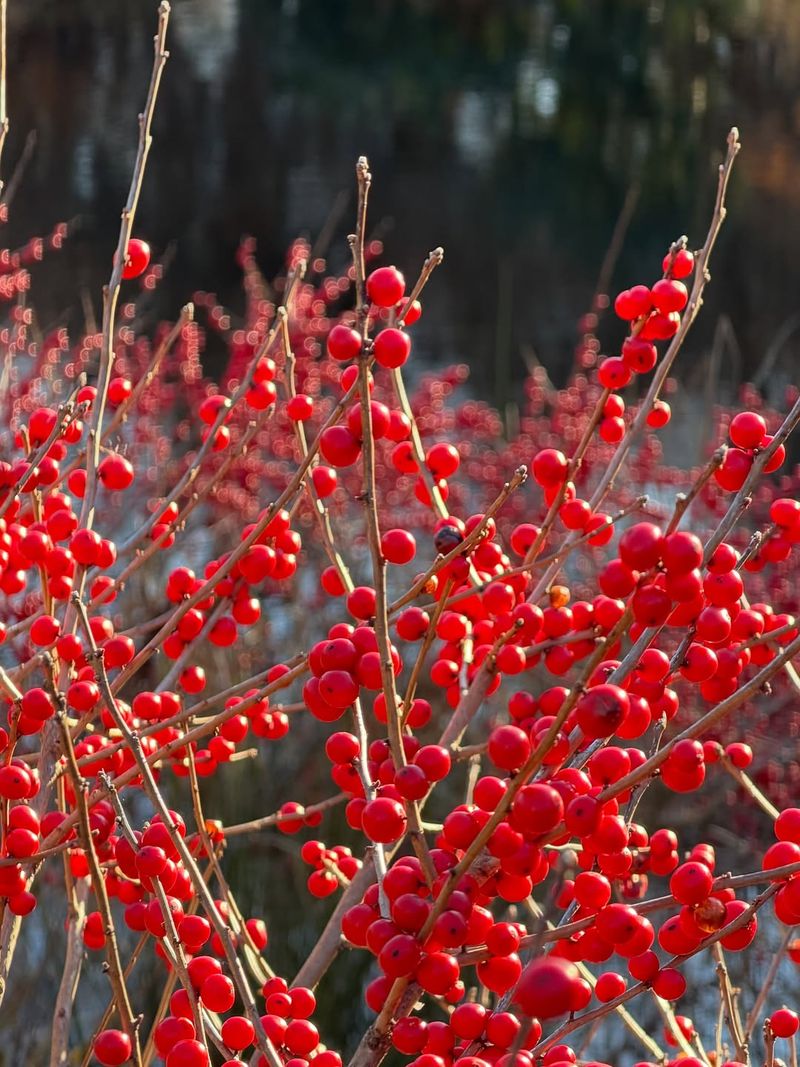
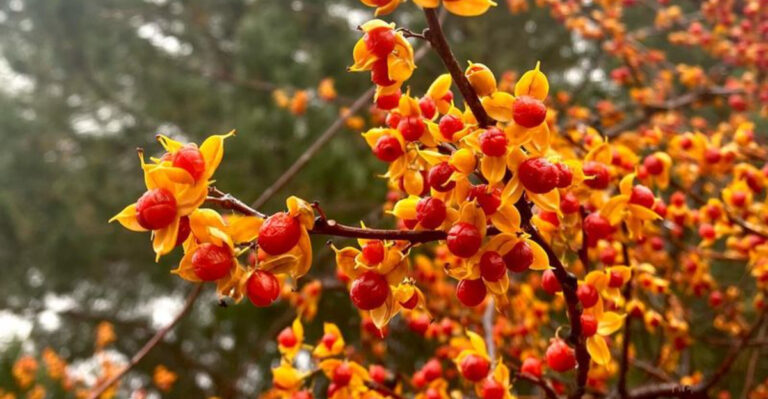
Imagine stepping outside on a gray January morning and seeing a shrub absolutely loaded with bright red berries glowing against the bare winter landscape. That is Winterberry, and it is nothing short of spectacular in the cold months.
Beyond being a visual standout, this native shrub brings serious structure and density to your garden that works against ticks all year long.
Winterberry is a deciduous holly, meaning it drops its leaves in fall to reveal those famous red berries on bare stems. But before the leaves drop, the shrub is a thick, multi-stemmed mass of foliage that creates a solid visual and physical barrier along garden edges.
That dense structure limits tick movement from wild, weedy areas into your lawn and garden beds.
It grows naturally in wet areas, stream edges, and low spots that stay moist. If you have a soggy corner of your yard that other plants struggle with, Winterberry will thrive there.
It can handle standing water for short periods and adapts well to clay soils, which are common across many parts of Pennsylvania.
One thing to keep in mind is that Winterberry needs both male and female plants to produce berries. One male plant can pollinate up to five female plants, so plan your planting accordingly.
The females are the ones that produce the berries, so plant mostly females with one male nearby. Birds flock to Winterberry in winter, especially robins, cedar waxwings, and bluebirds.
Planting a row of these shrubs along a fence line or property edge creates a living hedge that attracts wildlife, blocks tick movement, and puts on a stunning seasonal show from late summer straight through to spring.