More Elf Owls Hunting Your Arizona Yard At Night Means Fewer Rats (How To Attract Them)
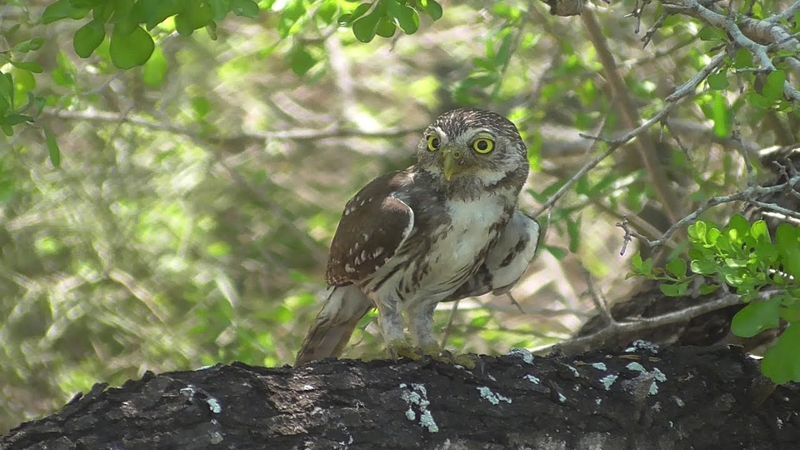
Elf Owls are tiny, fierce, and genuinely worth having around your Arizona yard at night. But if you spotted one perched near your patio and hoped it would take care of your roof rat problem, there is some important news to sort out first.
These little owls eat mostly insects, not rodents, so supporting them and controlling rats are two separate jobs that need two separate plans.
Elf Owls are not a dependable rat-control plan
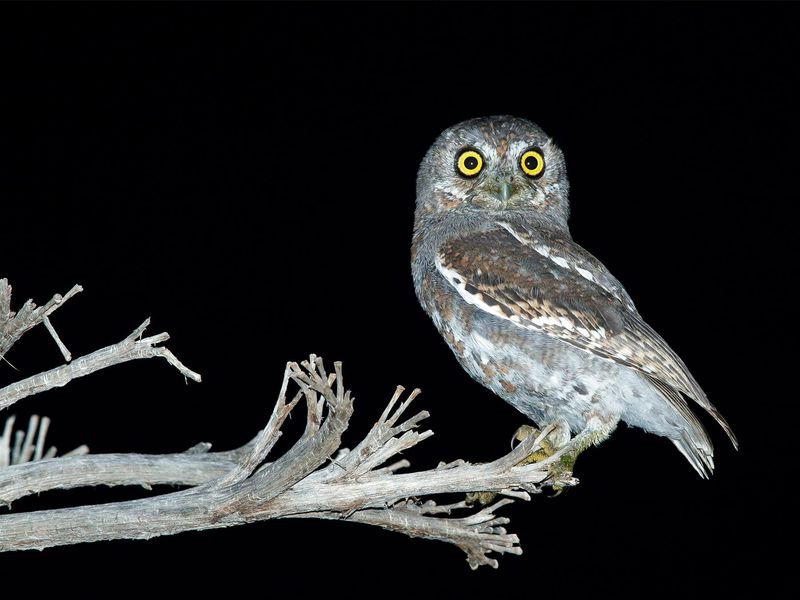
Plenty of Arizona homeowners have spotted a small owl flitting around after dark and wondered if it might be working on the rat situation. Elf Owls are Arizona’s smallest raptor, weighing about as much as a golf ball, and they do hunt at night.
The problem is what they are actually hunting.
According to Cornell Lab of Ornithology’s life history profile, Elf Owls feed primarily on insects and other arthropods, including moths, beetles, crickets, spiders, centipedes, and scorpions. Rodents show up in their diet only occasionally.
One owl catching a mouse once a week is not going to put a dent in a roof rat colony.
The owl that actually earns its reputation as a rodent hunter is the Barn Owl. Arizona Game and Fish describes Barn Owls as feeding mostly on rodents, making them far more relevant to any conversation about natural pest control for small mammals.
Elf Owls and Barn Owls are completely different species with different diets, and that distinction matters when you are setting expectations.
The realistic goal is to support Elf Owls as the remarkable desert predators they are, enjoy the arthropod benefits they may provide, and handle roof rats through methods that actually address the problem directly. Both goals are worth pursuing, but not as the same goal.
A low-desert yard needs more than one attractive plant
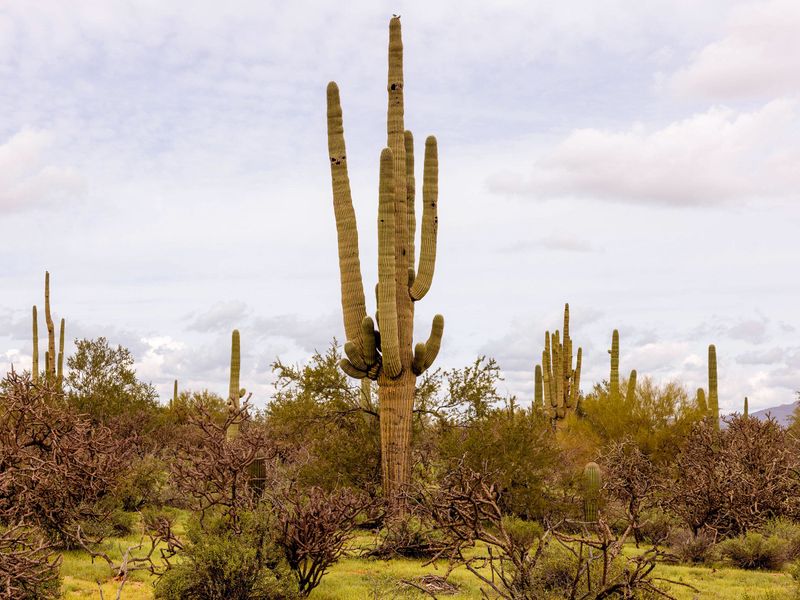
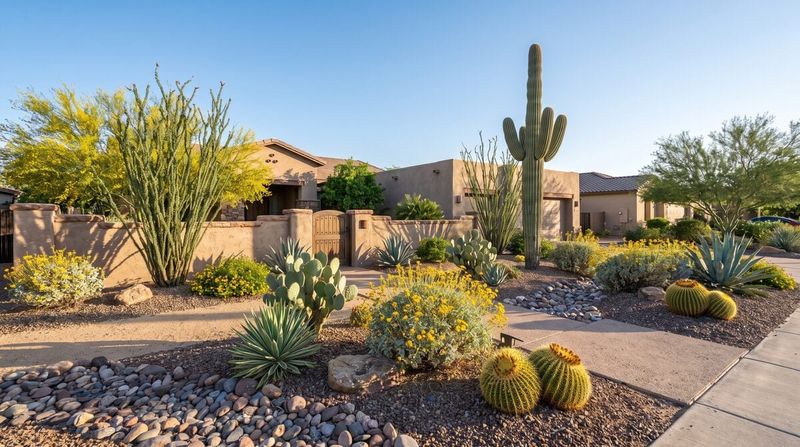
Making your yard usable to Elf Owls starts with understanding the habitat they actually need, not just picking a plant off a list and hoping for the best. Elf Owls are associated with mature desert vegetation, and in the Sonoran Desert that means a mix of plants such as desert ironwood, ocotillo, palo verde, and tall columnar cactus like saguaro.
These are not decorative choices; they are the structural backbone of a functional desert ecosystem.
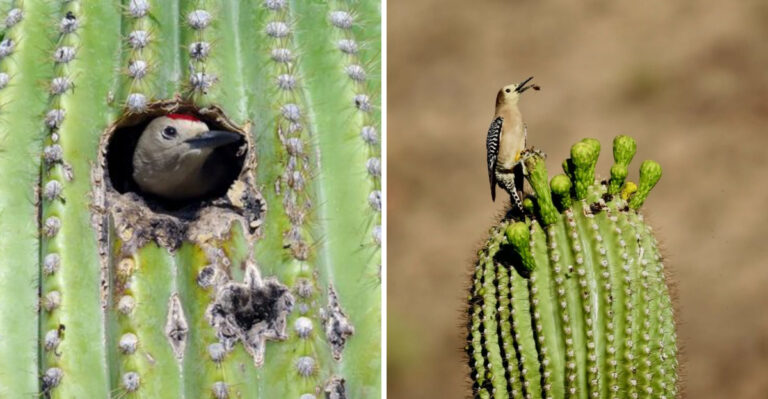
Cavities matter just as much as the plants themselves. Elf Owls commonly nest in abandoned woodpecker holes in saguaros, dead trees, and other large woody plants.
A yard that has removed every dead limb and snag in the name of tidiness has also removed potential nesting sites. Leaving mature, structurally sound dead wood in place, where it is safe to do so, keeps those options open.
Prey availability is the third piece. An Elf Owl is a small insect hunter, so a yard that supports native moths, beetles, and other arthropods through native plantings is more inviting than a chemically treated monoculture.
Cornell’s species overview reinforces that habitat suitability, not a single ornamental plant, drives whether an owl finds a yard worth using. Plant broadly, choose water-wise desert natives, and think of the whole yard as a system rather than a single owl magnet.
Your Arizona Garden Changes Every Week. Your Plan Should Too.
Gardening in Arizona changes quickly throughout the season. Every Friday you’ll receive a simple weekly plan showing exactly what to plant, prune, fertilize, harvest, and protect so you never miss the right timing.
A nest box can replace a missing cavity—but not missing habitat
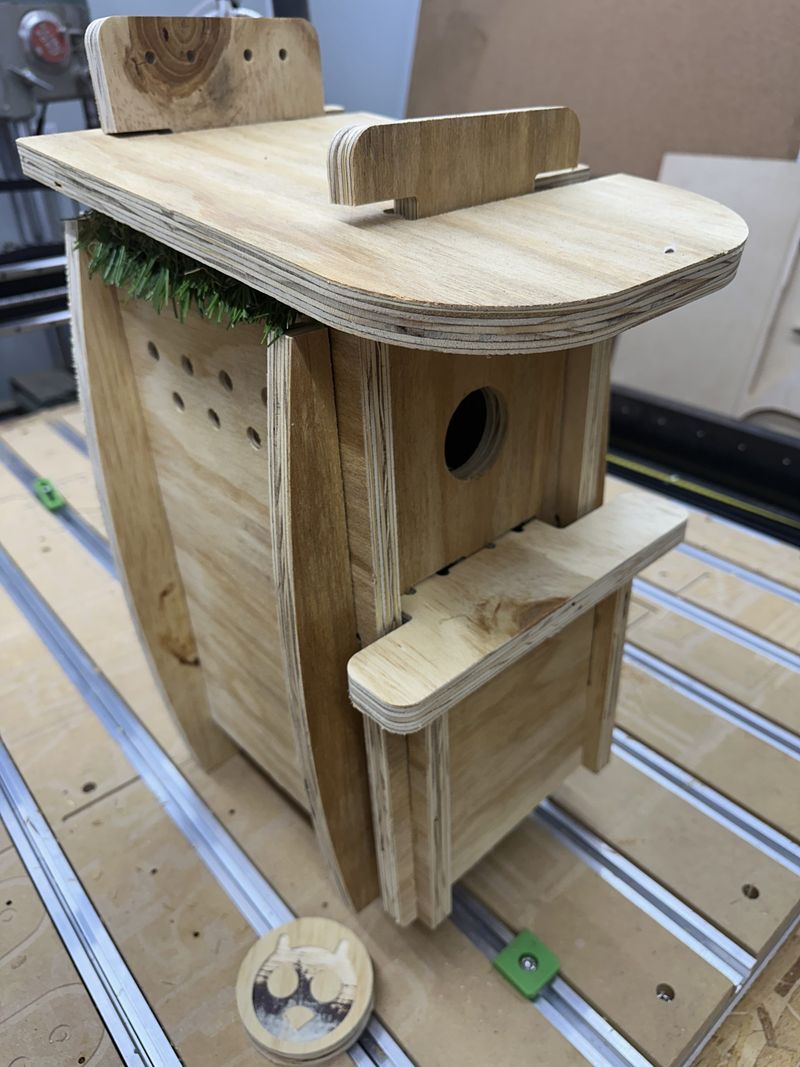
Where natural cavities are limited, a nest box gives Elf Owls one more option. That framing matters because a box is an option, not a guarantee.
Occupancy depends on whether the local habitat is suitable, whether Elf Owls are present in the area, and whether the box competes well with any natural cavities already available nearby.
Cornell NestWatch specifies the researched dimensions for an Elf Owl box: a 2-inch entrance hole, an interior floor of approximately 7.25 by 7.25 inches, and an interior depth of about 13 inches. Getting the entrance size right is especially important.
Too large and the box becomes attractive to larger species that may exclude smaller ones; too small and the owls cannot enter comfortably.
Owls do not build conventional nests, so the interior should contain only a thin layer of wood chips or coarse wood shavings, not sawdust, which can compact and cause problems. Tucson Bird Alliance recommends wood shavings specifically for owl boxes.
Do not add nesting material that might appeal to other species or create moisture issues in the Arizona summer heat.
Arizona Game and Fish cautions through its wildlife conservation data that habitat-suitability models do not guarantee a species will appear at any specific location. A well-built box in a yard that otherwise lacks desert vegetation, cavities, and prey is unlikely to attract an Elf Owl.
Build the habitat first; the box is one useful component of that larger effort.
Arizona heat makes box placement part of the habitat plan
Getting the box dimensions right is only half the job. In Phoenix and Tucson, a correctly sized nest box placed in the wrong spot can overheat to the point that it becomes unusable, even dangerous, during the peak summer months when Elf Owls are actively breeding.
Cornell NestWatch recommends mounting the box at a height of 6 to 10 feet with the opening facing north or northwest. Tucson Bird Alliance guidance suggests north- or east-side placement, with overhead shade and a clear flight path, away from areas with heavy foot traffic.
The two sources differ slightly on compass direction, but they share the same core requirements: protection from harsh afternoon sun, reliable shade, and low disturbance.
Rather than treating any single compass direction as a universal rule, focus on the shared principles. An east-facing box shaded by a tree canopy may work well in one yard, while a north-facing box on an exposed fence post may overheat because it lacks overhead shade.
The afternoon sun in a low-desert Arizona summer is the real threat to box temperature, so evaluate the actual shade pattern at your chosen location before committing to a mount.
A clear, unobstructed flight path in front of the entrance is also a practical requirement. Owls need to approach and exit without navigating a tangle of branches directly in front of the hole.
Keep the approach open, keep the box shaded, and minimize foot traffic near it during the breeding season.
Support the owls without creating new wildlife hazards
Good intentions can backfire when it comes to attracting wildlife. Two specific habits, one involving outdoor lighting and one involving pest control products, deserve a candid look before you set up any owl habitat.
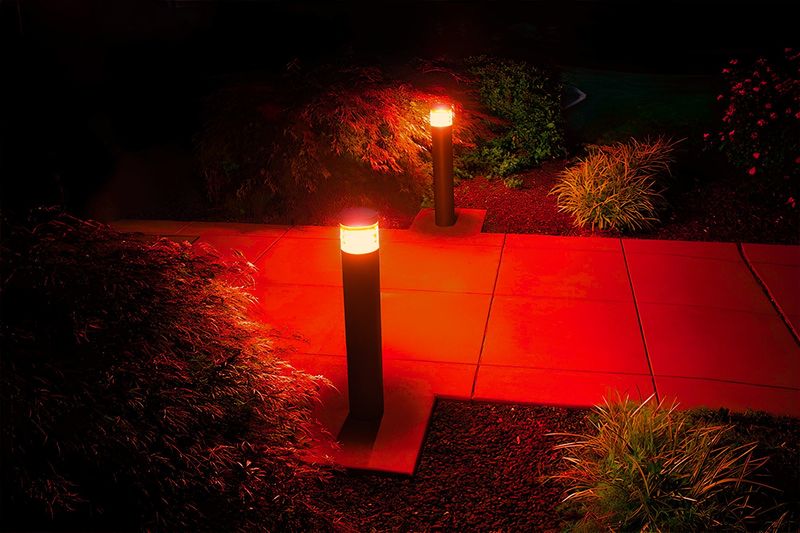
Elf Owls sometimes hunt near lights because artificial light draws insects, which draws the owls. That observation is real, but it should not become a reason to flood your yard with bright outdoor fixtures.
Excess artificial lighting can disorient birds, disrupt their navigation, and increase collision risks. If you use outdoor lighting at all, choose fixtures designed to minimize light scatter, point downward, and use warmer color temperatures.
The goal is a yard that is usable to wildlife, not a floodlit insect trap.
Rodent poison is the more serious hazard. When a rat or mouse consumes poison bait and then dies or slows down, it becomes easy prey for an owl, a hawk, or a scavenging mammal.
The EPA is direct on this point: predators and scavengers can be harmed by eating poisoned rodents, particularly when the residues persist in carcasses. Using rodenticide in a yard where you are also trying to support raptors works against both goals at once.
Skip the poison entirely. Snap traps placed in enclosed, tamper-resistant stations are the safer mechanical alternative for rodent control in yards where owls and other predators may be present.
Supporting Elf Owls and managing pests responsibly are compatible, but only when the methods do not put wildlife at risk.
Rat reduction still starts with the yard and the structure
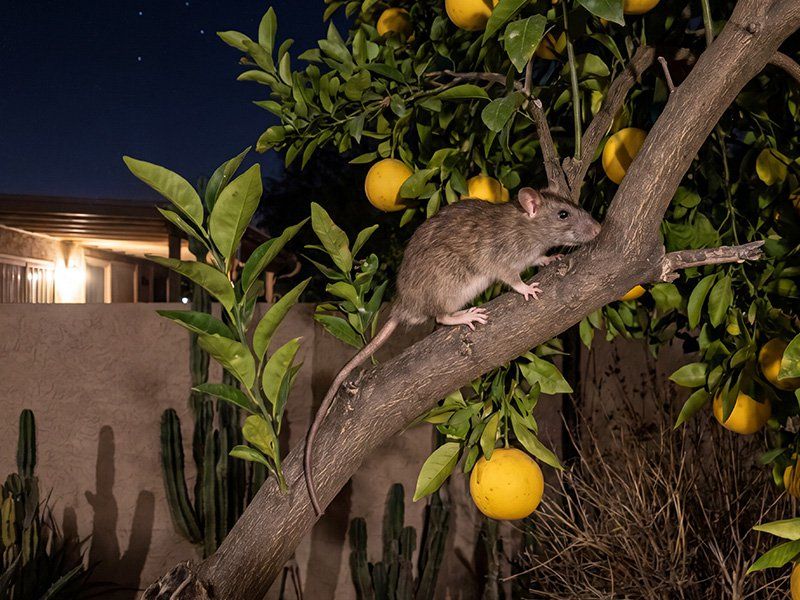
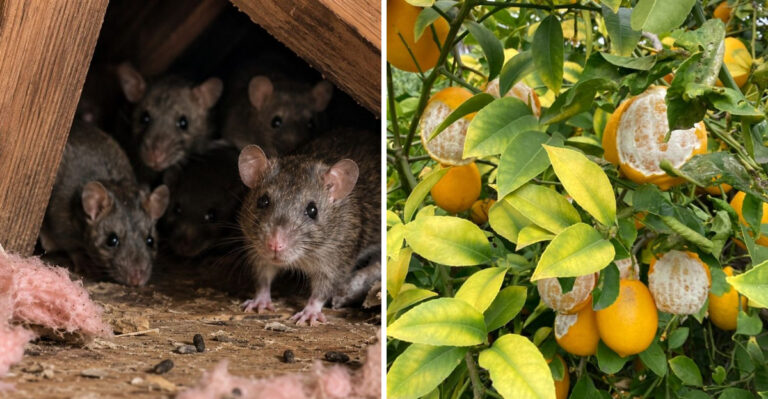
Roof rats are a real and persistent problem in Phoenix and Tucson neighborhoods. They travel along block walls and tree branches, access roofs through gaps smaller than a quarter, and thrive wherever fruit trees, bird feeders, or unsecured trash offer a reliable food source.
Waiting for an owl to handle this is not a workable strategy.
University of Arizona guidance on roof rats outlines the practical starting points: prune tree branches and shrubs so they do not touch or overhang the roofline or exterior walls, remove fallen fruit from the ground promptly, secure garbage containers with tight-fitting lids, and eliminate any standing food sources including outdoor pet food left overnight. These steps reduce what draws rats to your property in the first place.
Once food and access are addressed, monitoring helps you understand where activity is concentrated. Look for droppings, gnaw marks, grease trails along walls, and disturbed insulation.
Sealing entry points, including gaps around pipes, vents, and eaves, prevents rats from moving indoors. For active infestations, appropriately placed snap traps in enclosed stations are a direct and effective mechanical tool.
For indoor or structural problems, securing all food including pet kibble in hard-sided containers and sealing interior gaps are essential first steps. CDC guidance supports this combined approach of removing attractants and sealing entry points as the foundation of rodent control.
Sanitation, exclusion, and trapping address the actual conditions that allow rat populations to persist, whereas an owl flying through the yard occasionally does not.
Treat an Elf Owl as a seasonal habitat bonus
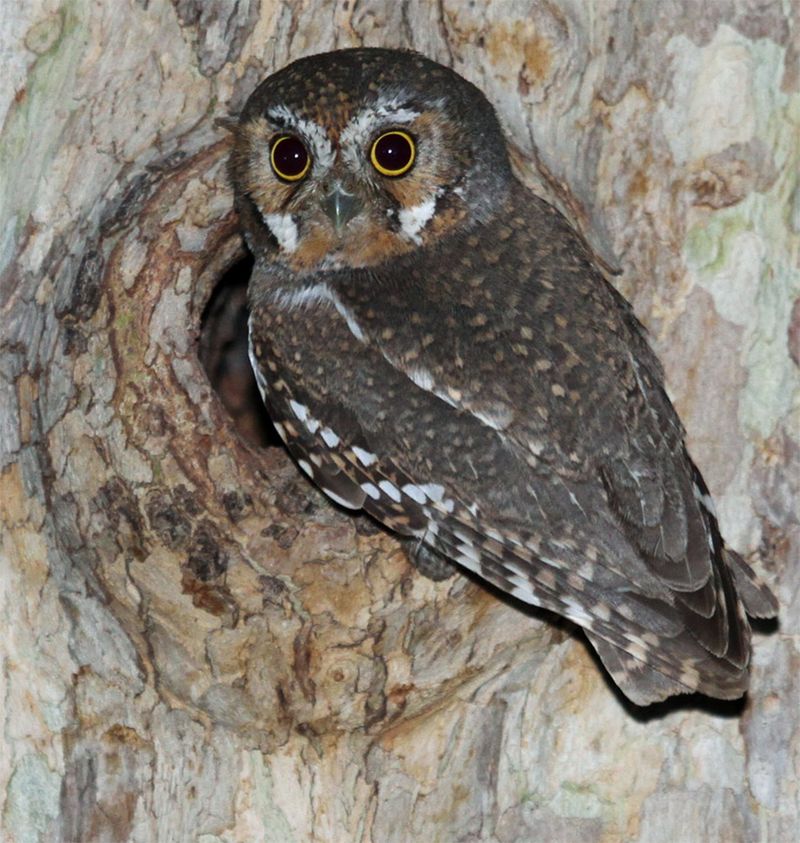
Elf Owls are summer residents in Arizona. They arrive to breed and raise young, then migrate south for the winter.
If your yard goes quiet in October and you hear nothing through February, that is normal seasonal behavior, not a sign that your habitat failed or that your nest box was rejected.
Spotting one is not easy. These owls are small, fast, and well-camouflaged.
A daytime search is likely to come up empty. Your best chance of confirming a presence is listening after dark for their distinctive high-pitched, rapid yapping call, which carries surprisingly well on a quiet desert night.
Silence does not prove absence, and a single daytime walk-through tells you very little about what is happening in your yard after midnight.
The honest takeaway is straightforward. Build the habitat, offer a properly placed cavity if you want to, and keep up the direct rat-control work regardless of whether an Elf Owl ever shows up.
A yard with mature native desert plants, minimal pesticide use, and responsible lighting is genuinely better for a wide range of desert wildlife, owls included. Whether an Elf Owl chooses it is partly up to the owl.