Cedar Apple Rust Galls On Georgia Red Cedars Can Infect Nearby Apple Trees Next Spring
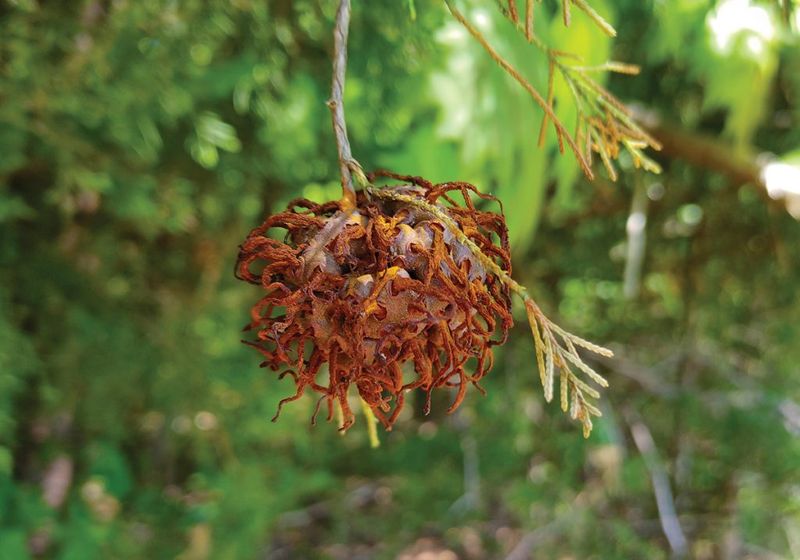
A brown ball on a cedar twig can swell up after a spring rain and sprout bright orange jelly horns. They look like something from a science fiction movie, and they can launch spores that ride the wind for miles.
I still remember the first time I spotted them on an old cedar near a Georgia fence row. My first thought was that a bird had left a strange snack behind.
I was surprised to learn that wrinkly lump had been growing quietly for nearly two years.
The real twist is where those spores land. They need a totally different plant to finish their life story, and your backyard fruit trees may be next in line.
That strange growth on your cedar could mean trouble for nearby apple trees when spring arrives, making it worth a closer look before winter sets in.
1. Those Brown Knobs On Your Cedar Branches Have A Two-Plant Secret
Most backyard puzzles involve one plant and one problem. The brown knobs on eastern red cedar break that pattern, because they belong to a fungus called Gymnosporangium juniperi-virginianae that needs two hosts to survive.
The galls are the cedar stage of a disease called cedar apple rust. Each one starts as a tiny swelling and grows for about 18 months into a hard, kidney-shaped lump that can reach the size of a golf ball.
On the surface, you will see small dimples that look a bit like the outside of a golf ball.
Those dimples are where the action happens later. When warm spring rains arrive, orange tendrils push out and release spores meant for apple and crabapple trees.
The fungus cannot spread from cedar to cedar, and it cannot spread from apple to apple.
That back-and-forth cycle explains the whole headline. A gall you see this winter can send spores to a nearby apple tree in spring, and the apple tree then sends spores back to the cedar in late summer.
Cedars rarely suffer much from the galls. Apples usually take the bigger hit.
2. Spring Rain Turns Cedar Galls Into Orange Jelly Horns
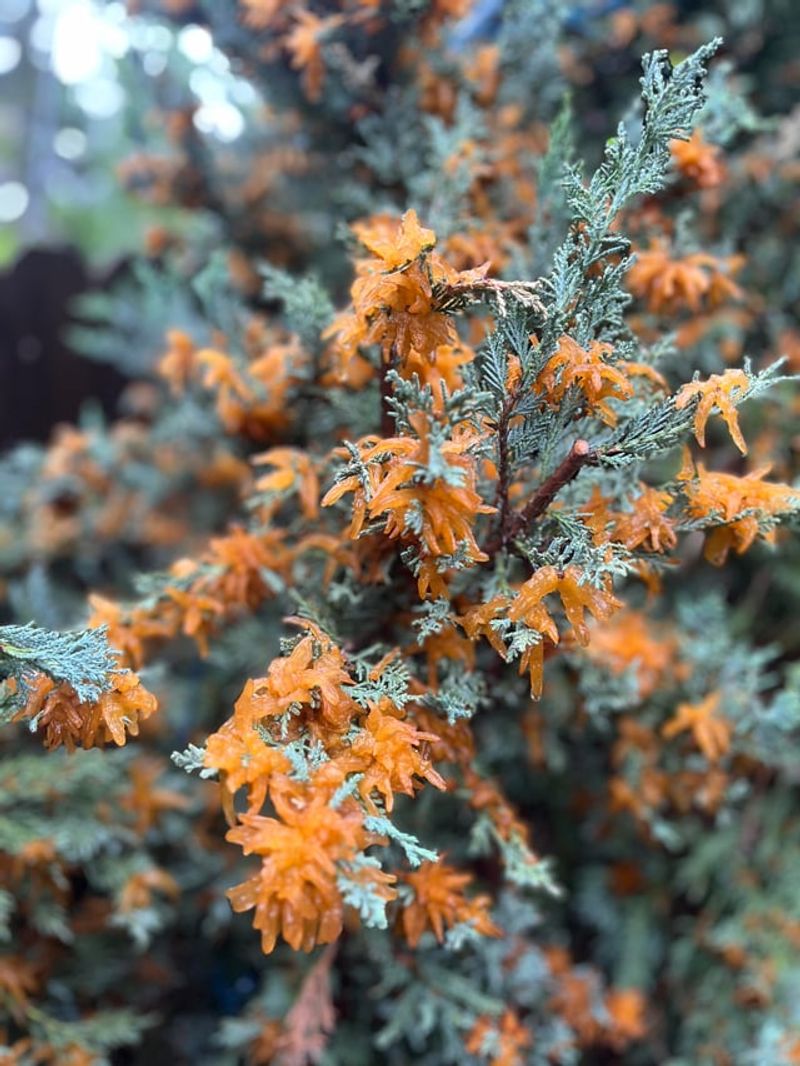
After a warm, soaking rain in early spring, mature galls swell and push out bright orange, jelly-like horns. Some folks say they look like tiny sea creatures clinging to the tree.
In Georgia, this show often starts in March and can run into April, depending on your region. North Georgia mountain areas may lag a bit behind the warmer Piedmont and coastal plain.
Those horns are packed with spores. During wet spells, they release spores that drift on the breeze toward apple and crabapple leaves, which are just opening at the same time.
University of Georgia Extension notes that this timing lines up neatly with apple bloom and leaf growth.
Each gall can swell and shrink several times through a rainy spring. After the season ends, the gall stops producing and slowly hardens.
It may stay stuck to the branch for a year or longer, but it will not make new spores again.
Personally, I love watching the horns appear, even though I know what they mean. If you spot them, take it as a clear signal.
Your apple trees are entering the riskiest weeks of the year for this disease.
3. Apple Leaves Show Yellow-Orange Spots A Few Weeks Later
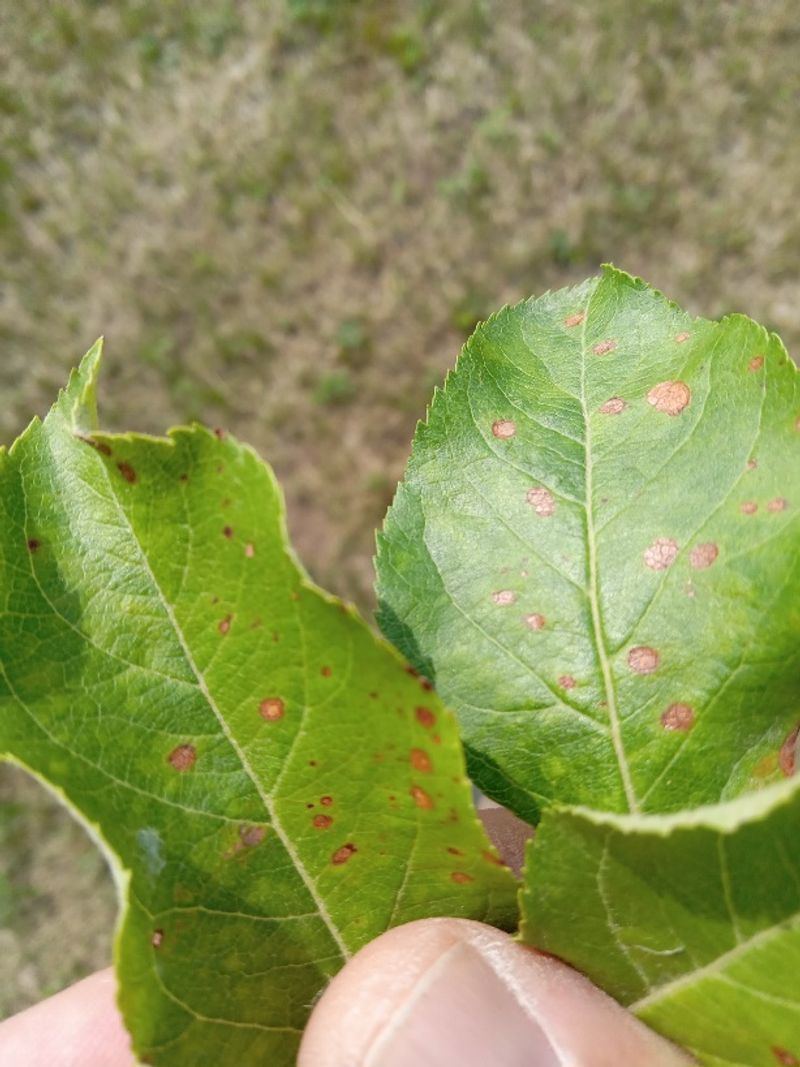
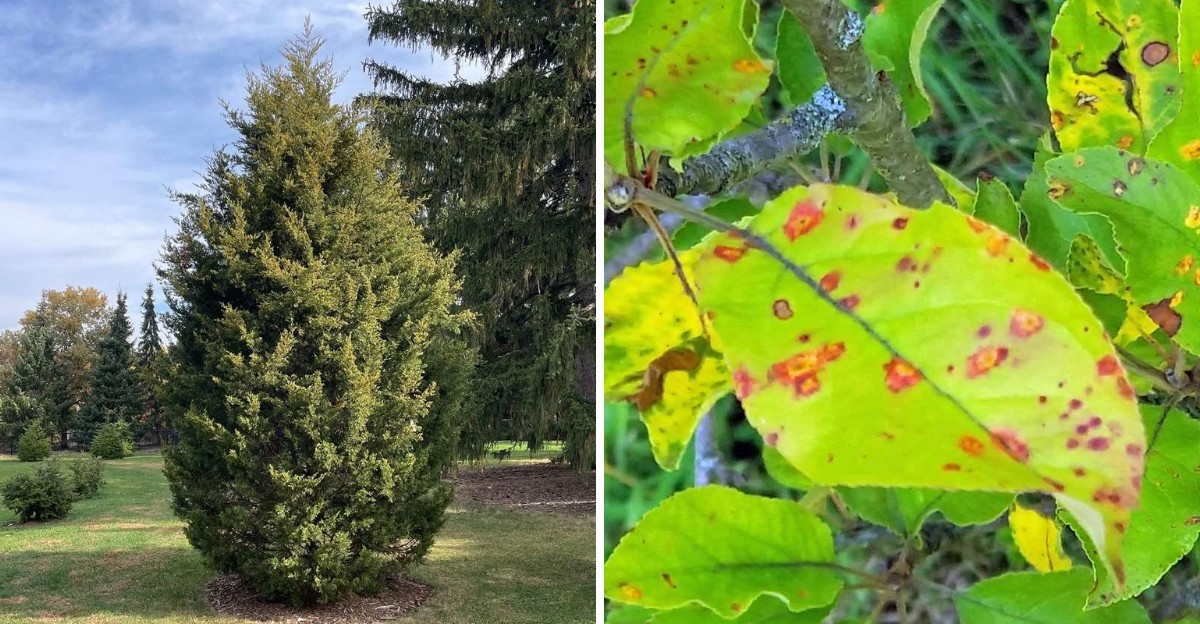
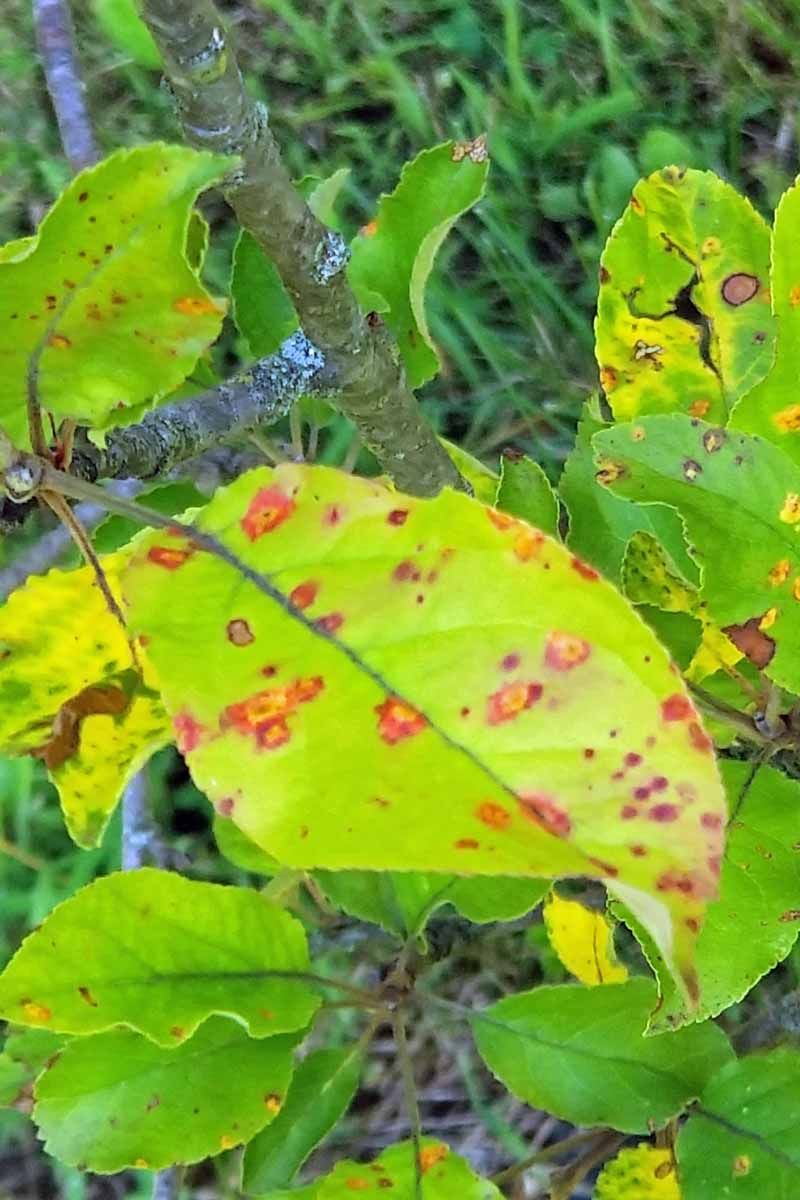
A week or two after those orange horns release spores, keep an eye on your apple leaves. Small pale yellow spots appear on the upper surface, then turn bright yellow-orange.
Many spots develop a reddish border as they grow. Look closely and you may see tiny black dots in the center.
Those are fungal structures doing their part in the life cycle.
By midsummer, the underside of each spot can form small tube-like growths with fringed edges. Gardeners sometimes describe them as little cups or hairy bumps.
These release spores in late summer that fly back to cedars to start new galls.
Fruit can show the same problem. Infected apples develop orange or brown spots, often near the blossom end, and may grow lopsided or drop early.
Heavy leaf infection can cause apple trees to shed leaves early in summer. A tree that loses leaves year after year often grows weaker and produces fewer apples.
Crabapples and hawthorns can host related rust diseases too. If your ornamental crabapple has spotty, orange leaves every June, you may already have this cycle running in your yard.
4. Snip Those Cedar Galls Before The Orange Horns Appear
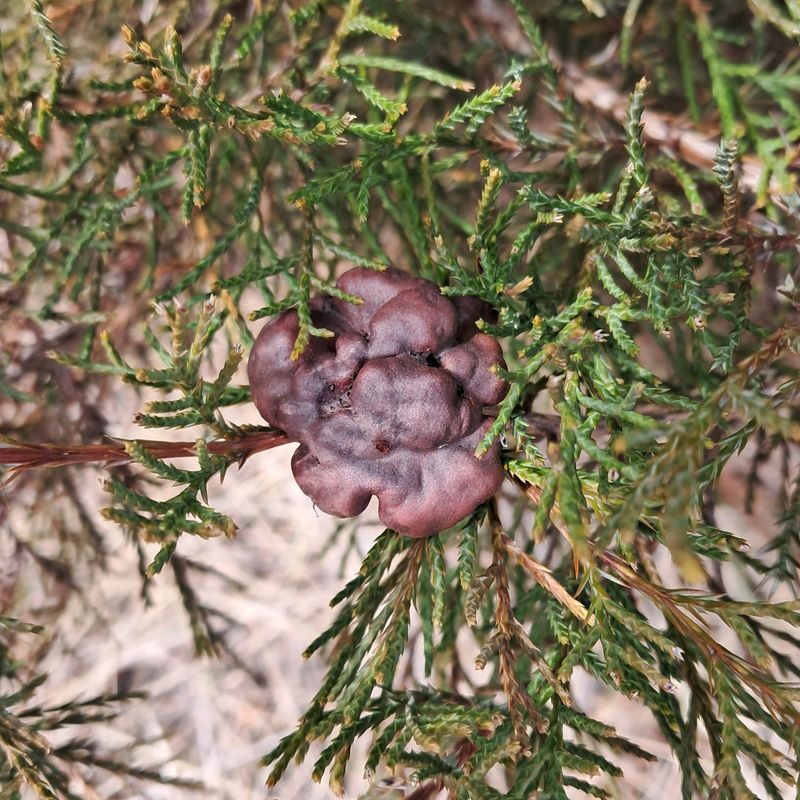
Late winter is your best chance to break the cycle. Grab a pair of sharp pruners and walk around any cedars you own before spring rains begin.
Look for the brown, dimpled galls on small twigs. Cut each twig a few inches below the gall and bag the clippings.
Toss them in the trash rather than leaving them on the ground.
Removing galls helps most on small cedars or ornamental junipers you can reach easily. On a big, tall cedar, you will probably miss many of them, so expect partial results.
Spores can travel a long way. Research summarized by extension services shows they can move a mile or more, though most infection comes from cedars much closer.
Your neighbor’s trees may still send spores your way.
Even so, pruning lowers the local spore load. Fewer galls nearby usually means fewer orange spots on your apple leaves.
Some people consider removing cedars entirely. That choice is personal, since eastern red cedar is a native tree that feeds birds like cedar waxwings.
I prefer careful pruning and smarter apple choices over cutting down a valuable native evergreen.
5. Rust-Resistant Apple Varieties Make Life Much Easier
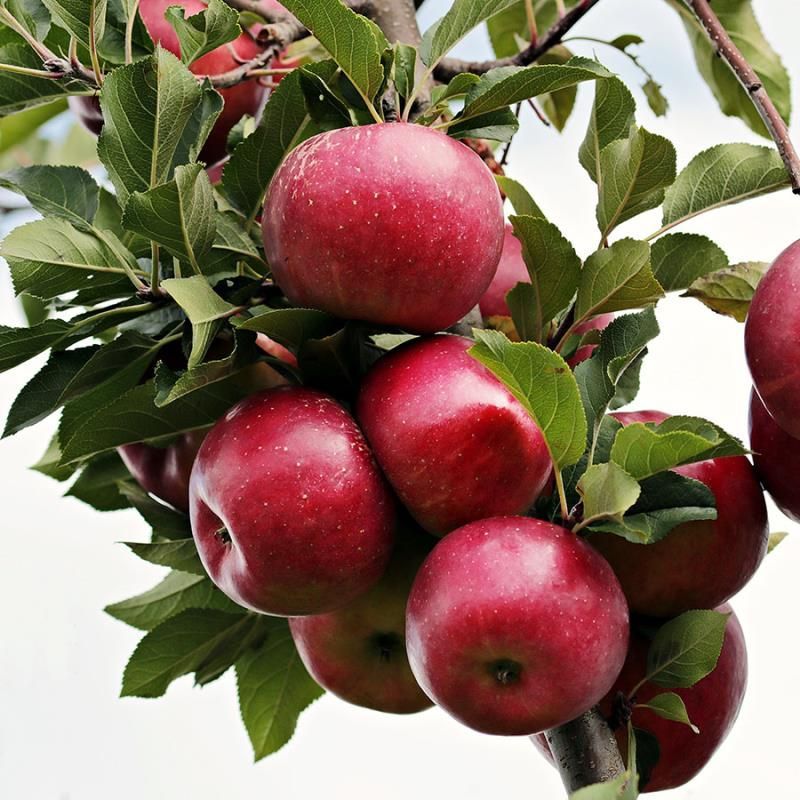
My favorite trick is planting apples that barely notice this disease. Choosing the right variety can save years of frustration and spraying.
Several apple types show good resistance to cedar apple rust. Extension lists commonly include Liberty, Freedom, Enterprise, Redfree, and William’s Pride.
Each one handles rust far better than the most popular grocery store types.
Some well-loved varieties are quite sensitive. Golden Delicious, Rome Beauty, and Jonathan often struggle where cedars grow nearby.
If those are on your wish list, plan on extra care.
Variety matters for crabapples too. Many modern crabapples were bred for disease resistance, so check the tag or ask your nursery before buying.
Georgia gardeners also need to think about chill hours. Apples need a certain amount of winter cold to bloom well, and south Georgia gets far less than the mountains.
Ask your county extension office which resistant varieties match your area.
Keep in mind that resistant does not mean immune. A wet spring can still bring a few spots, but the damage stays mild, and you can usually enjoy your harvest without much worry.
6. Fungicide Sprays Work Best Right Around Apple Bloom
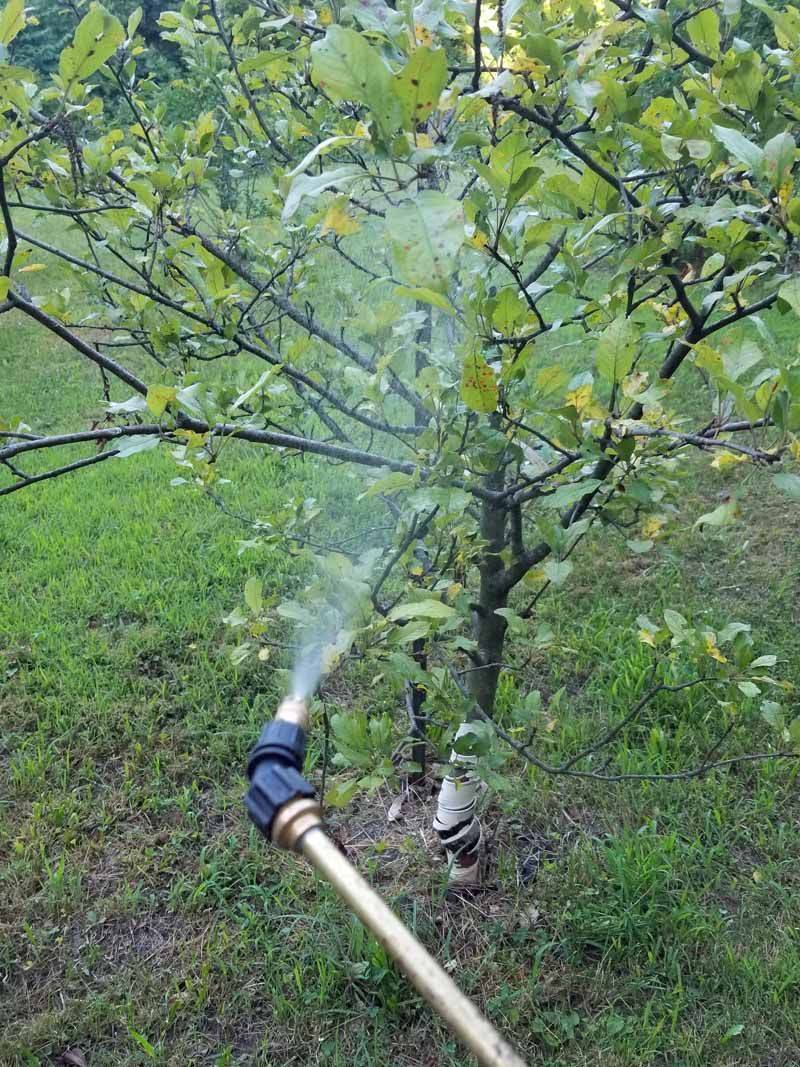
Timing is everything with fungicides. Spraying in summer after spots appear does very little, because the infection already happened weeks earlier.
Protection works best from the pink bud stage through about two to three weeks after petal fall. That window matches the weeks when cedar galls release the most spores.
Home gardeners can find products containing myclobutanil, which extension specialists often list for rust control on apples. Some sulfur and copper products offer limited help.
Always read the label, follow the spray intervals, and check that the product is approved for apples.
Pay attention to the weather. Rust infections need leaves to stay wet for several hours, so rainy stretches are the riskiest.
A spray applied before a rainy period gives the best coverage.
Protect pollinators by avoiding insecticide applications during bloom and following all fungicide label restrictions, since spraying at dawn or dusk alone does not eliminate pollinator risks.
For backyard trees, ask yourself whether spraying is worth it. If you grow a resistant variety and prune galls, you may skip chemicals entirely.
Commercial orchards follow detailed spray guides, and the UGA Extension publishes updated recommendations each year.
7. Distance Between Cedars And Apple Trees Still Helps
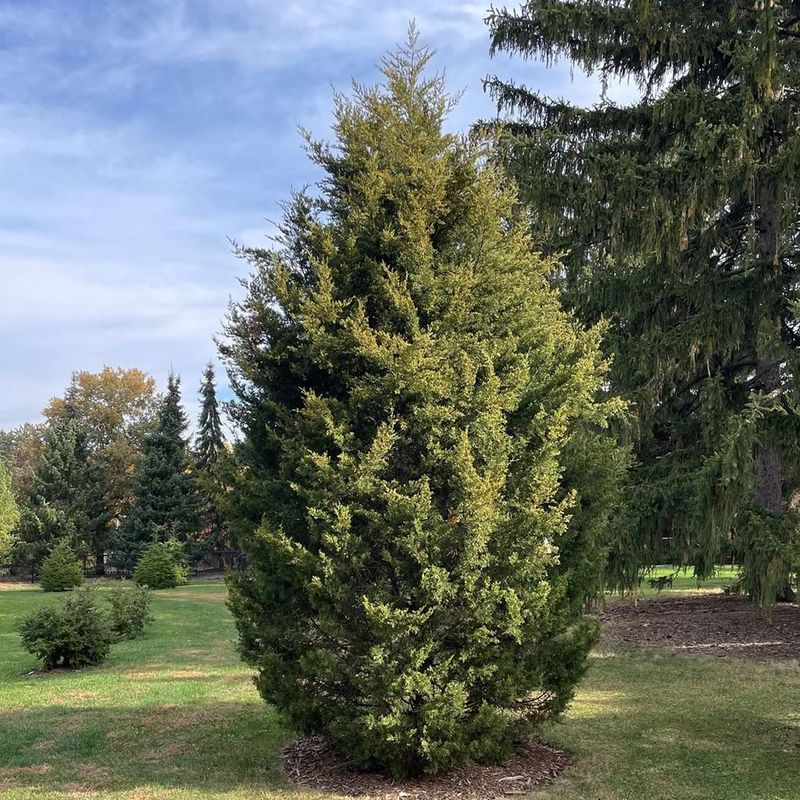
Planting an apple tree right next to a cedar is like setting up a mailbox for spores. Space between the two hosts lowers the amount of spores that land on apple leaves.
Older advice suggested keeping apples a mile or more from cedars. In much of Georgia, that is nearly impossible, since eastern red cedar grows wild along fence lines, roadsides, and old fields.
Even modest distance helps. Spore numbers drop as they travel, so a cedar 300 feet away usually causes less trouble than one hanging over your fence.
When planning a new orchard spot, walk the area first. Count the cedars and junipers within view, including ornamental junipers in foundation beds.
Good airflow matters too. A sunny, open site lets leaves dry quickly after rain, which shortens the wet periods rust needs to infect.
Prune apple trees to keep an open center so breezes move through the canopy. Proper spacing between trees adds even more air movement.
None of these steps will stop rust alone. Together with resistant varieties, they tip the odds in your favor without much extra work.
8. A Yearly Cedar And Apple Checkup Keeps Rust In Check
Gardening rewards people who notice things early. A simple yearly routine can keep cedar apple rust from becoming a headache.
Start in January or February with a cedar walk. Clip any galls you can reach and jot down which trees seem to carry the most.
In March and April, watch for orange horns after rain. Their appearance tells you apple leaves are at risk, so this is the moment to apply any planned protection.
By May and June, check apple leaves for yellow-orange spots. Make notes on which trees and varieties look worst, since that helps guide future planting choices.
Rake up fallen apple leaves and fruit in summer and fall. They do not reinfect apples directly, but cleaning up helps manage other diseases like scab.
Keep trees healthy with steady watering during droughts and balanced fertilizer based on a soil test. Your county extension office can run that test for a small fee.
Once you understand the two-host cycle, the whole thing feels far less mysterious. Those odd cedar balls become an early warning system, and your apple harvest benefits from paying attention.