Native Michigan Shrubs To Plant Instead Of Azaleas In Full Sun Yards
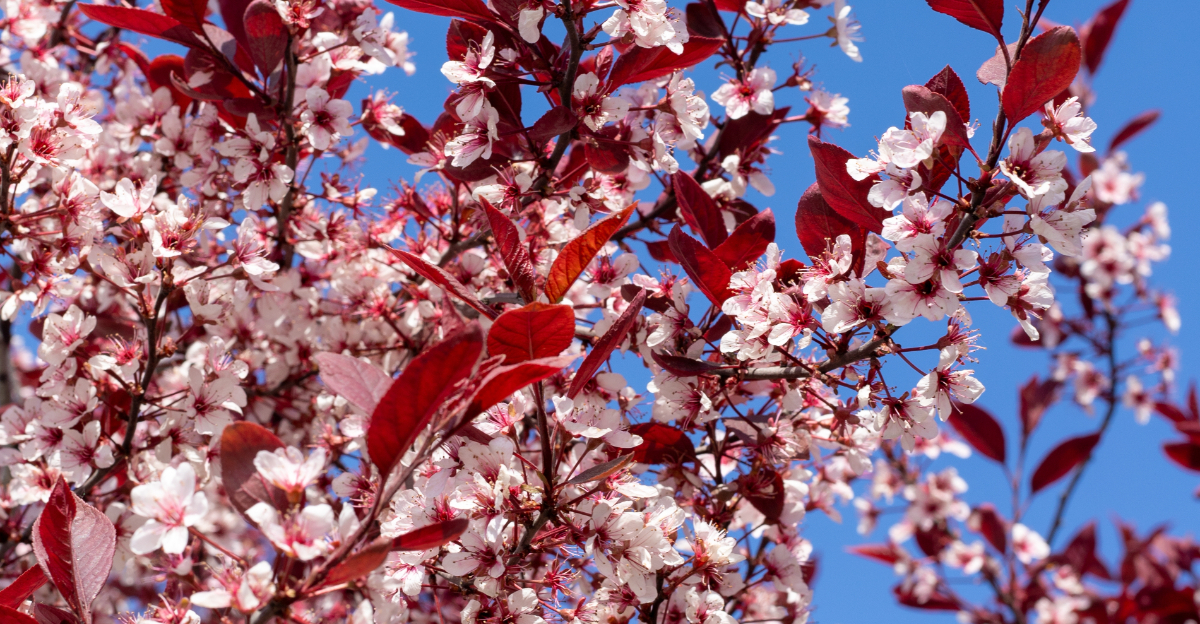
Azaleas have a strong following among Michigan gardeners, and the spring bloom is genuinely hard to argue with. The problem shows up the rest of the year.
In full sun Michigan yards they struggle with the heat, the soil, and the winters in ways that require ongoing attention just to keep them looking presentable. Native shrubs built for this climate offer something azaleas rarely can in those conditions: reliable performance without the extra work.
Several of them bloom just as impressively in spring, bring color into summer and fall, and support the birds and pollinators that pass through Michigan yards each season. Trading one for the other is not a compromise.
For most full sun yards in this state, it is genuinely the better choice from the start.
1. New Jersey Tea
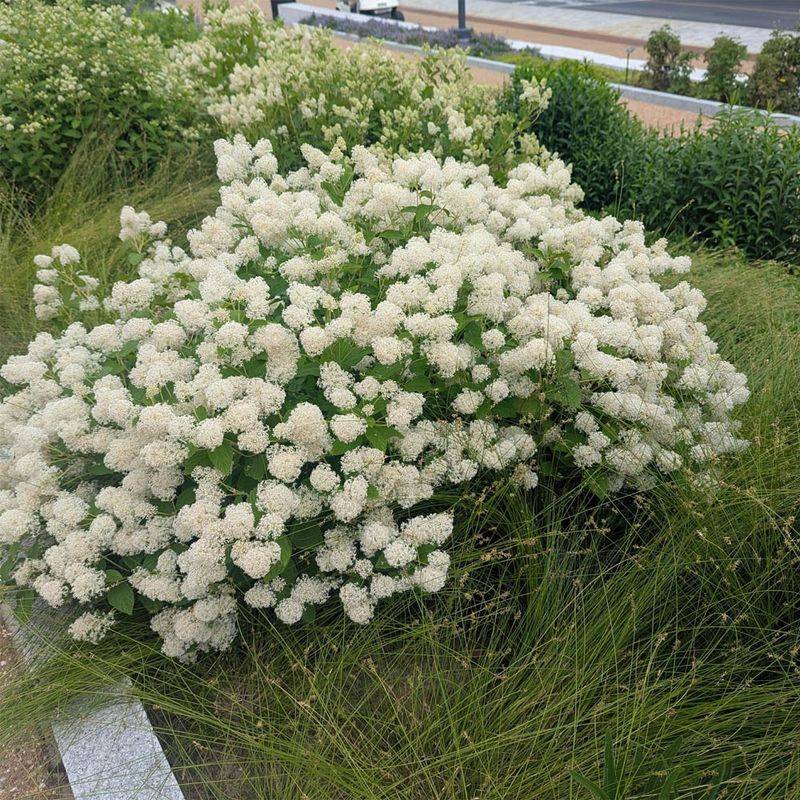
New Jersey Tea has a story worth knowing. During the American Revolution, colonists brewed its leaves as a substitute for imported tea, and the name stuck.
Today, Ceanothus americanus earns its place in Michigan gardens not for its history but for its outstanding performance in dry, sunny spots where azaleas simply cannot survive.
This compact shrub typically grows three to four feet tall and wide, making it a great fit for smaller yards or mixed borders. In early to midsummer, it produces fluffy clusters of tiny white flowers that absolutely buzz with pollinators.
Bumblebees, native bees, and butterflies all flock to the blooms, making it one of the most pollinator-friendly native shrubs you can plant.
New Jersey Tea develops an impressively deep root system that reaches far down into the soil to find moisture during dry stretches. That deep rooting is exactly why it handles drought so well once established.
It needs well-drained soil and does not tolerate standing water, so avoid low spots in the yard. Sandy or loamy soil suits it best.
During the first season, water regularly to help the roots get established, but after that it needs very little attention. Full sun brings out the best flowering, and no serious pests bother it.
For a sunny, dry corner of your Michigan yard, New Jersey Tea is a genuinely rewarding plant.
2. Ninebark
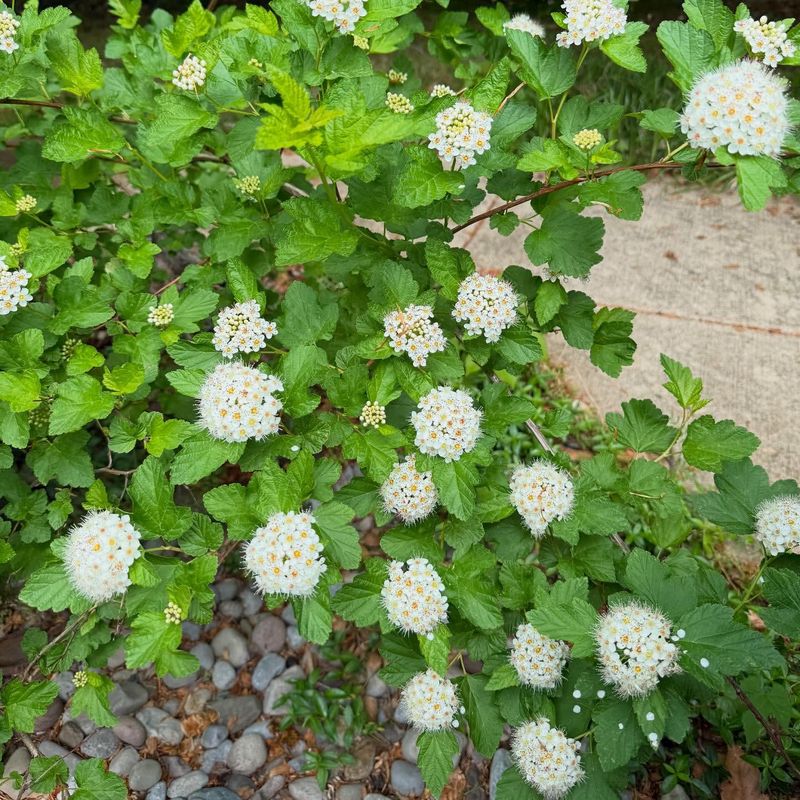
Few native shrubs can match Ninebark for sheer toughness in a Michigan yard. Physocarpus opulifolius is a powerhouse plant that handles clay soil, full sun, cold winters, and summer heat without skipping a beat.
Azaleas demand acidic, well-drained soil and shade from afternoon sun, but Ninebark thrives right where azaleas would struggle most.
In late spring, Ninebark covers itself in rounded clusters of white to pale pink flowers that attract bees and butterflies by the dozens. Once the blooms fade, reddish seed capsules take over and add texture through summer.
The bark peels in thin, papery layers, which gives the shrub an interesting look even in winter when everything else looks bare.
Mature plants reach six to ten feet tall and wide depending on the variety, so give them room to spread. Compact cultivars like Diablo and Little Devil stay smaller and work well in average-sized yards.
Your Michigan Garden Changes Every Week. Your Plan Should Too.
Gardening in Michigan changes quickly throughout the season. Every Friday you’ll receive a simple weekly plan showing exactly what to plant, prune, fertilize, harvest, and protect so you never miss the right timing.
Pruning right after flowering keeps the shape tidy and encourages fresh new growth. Ninebark rarely needs fertilizer and handles drought once it settles in.
Birds use the dense branching for nesting cover, and the seed heads feed small songbirds through fall. For a full sun Michigan yard that needs a reliable, low-maintenance shrub with year-round appeal, Ninebark is one of the smartest choices you can make.
3. Shrubby Cinquefoil
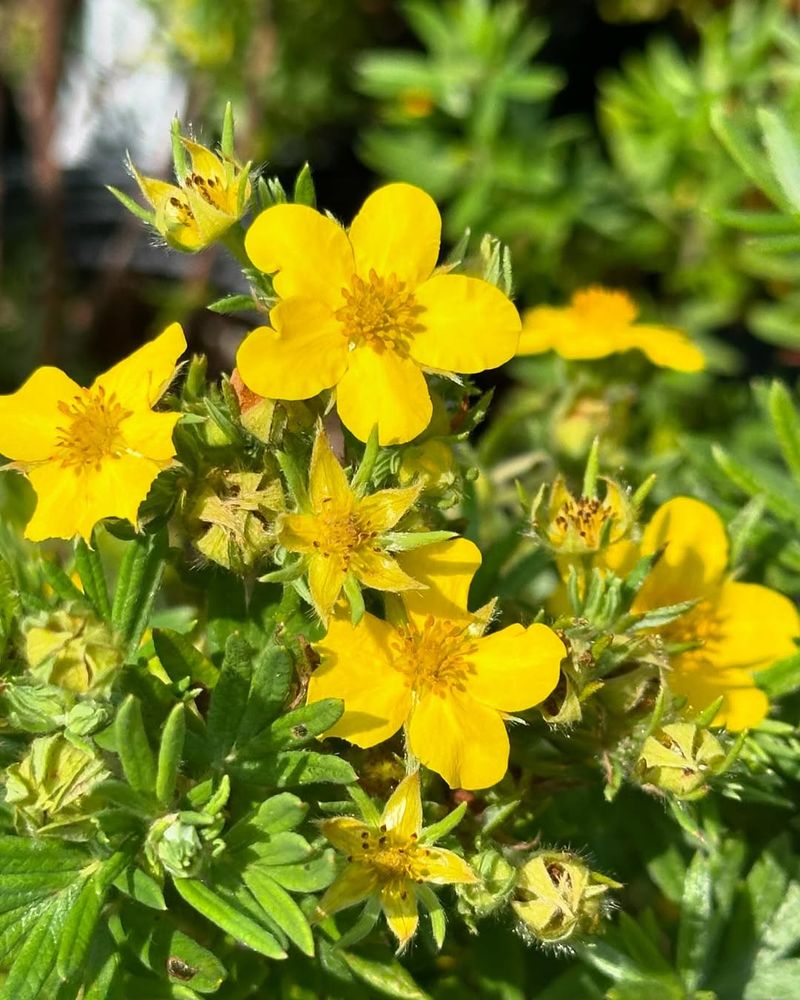
Bright yellow flowers from June all the way through September? That kind of extended bloom season is rare in the shrub world, and Shrubby Cinquefoil delivers it reliably every single year.
Dasiphora fruticosa is a native Michigan shrub that thrives in full sun and handles cold winters without any protection, making it a far better choice than azaleas for open exposed yards.
Most plants reach two to four feet tall and about as wide, giving it a neat, rounded shape that works well along walkways, in rock gardens, or as a low informal hedge. The cheerful yellow blooms keep coming all summer long, attracting bees and small native pollinators throughout the season.
White and soft pink flowering varieties are also available if yellow is not your style.
Soil quality matters less to Shrubby Cinquefoil than it does to most ornamentals. It tolerates clay, sandy soil, and even slightly rocky ground without complaint.
Good drainage is the one thing it truly needs, so avoid planting it in areas where water pools after rain. Water it consistently during the first growing season to help roots establish, but after that it handles dry spells well.
Light pruning in early spring removes older woody stems and encourages the freshest, most floriferous growth. Few shrubs offer this much color for this little effort in a Michigan full sun garden.
4. Fragrant Sumac
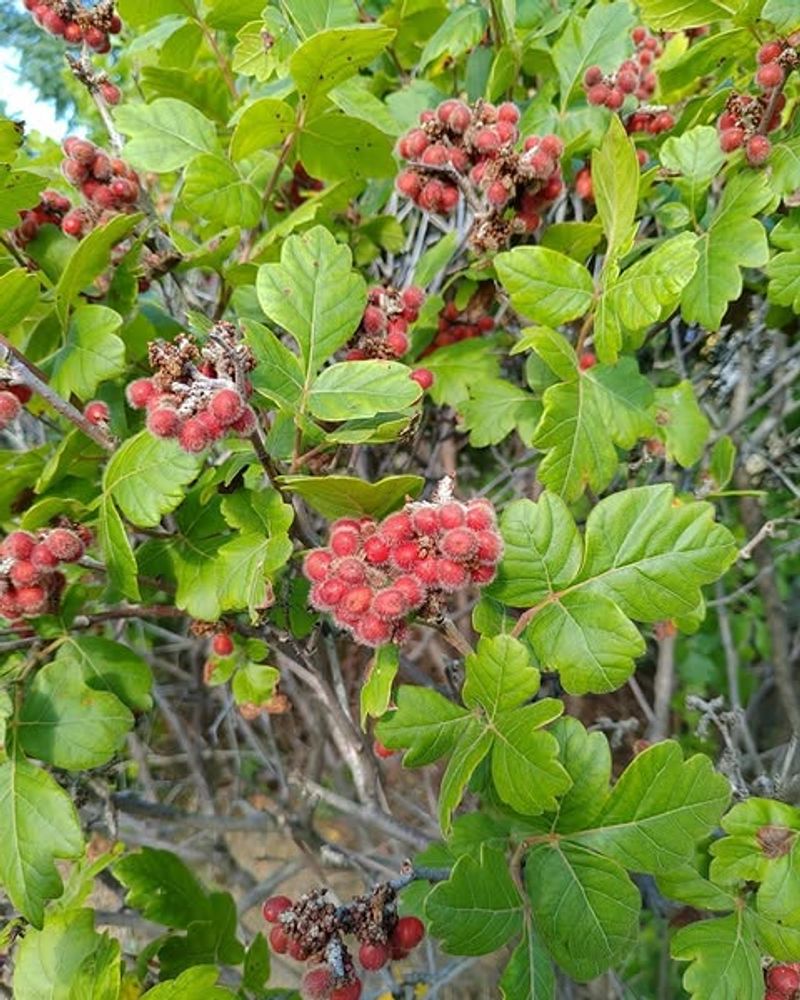
Fragrant Sumac is the kind of plant that makes a tough spot look intentional. Rhus aromatica is a low-spreading native shrub that naturally colonizes dry slopes, sunny banks, and lean sandy soils across Michigan.
Those are exactly the spots where azaleas fail quickly, making this aromatic native a smart replacement in challenging areas of the yard.
Plants typically grow two to six feet tall and can spread six feet or more wide over time. In early spring, small clusters of yellow flowers appear before the leaves even open, offering one of the earliest nectar sources for pollinators waking up after winter.
The foliage is glossy and attractive through summer, and come fall it transforms into stunning shades of orange, red, and burgundy that rival any ornamental shrub on the market.
The leaves release a pleasant citrusy scent when brushed, which is where the common name comes from. Birds and small mammals eat the fuzzy red berries through late summer and fall, adding real wildlife value to your yard.
Fragrant Sumac spreads by suckers, which makes it excellent for erosion control on slopes but means you may need to pull a few shoots if you want to keep it contained. It needs no fertilizer, tolerates drought once established, and rarely needs pruning.
For a sunny, dry, or sloped yard in Michigan, few natives work as hard or look as good.
5. Black Chokeberry
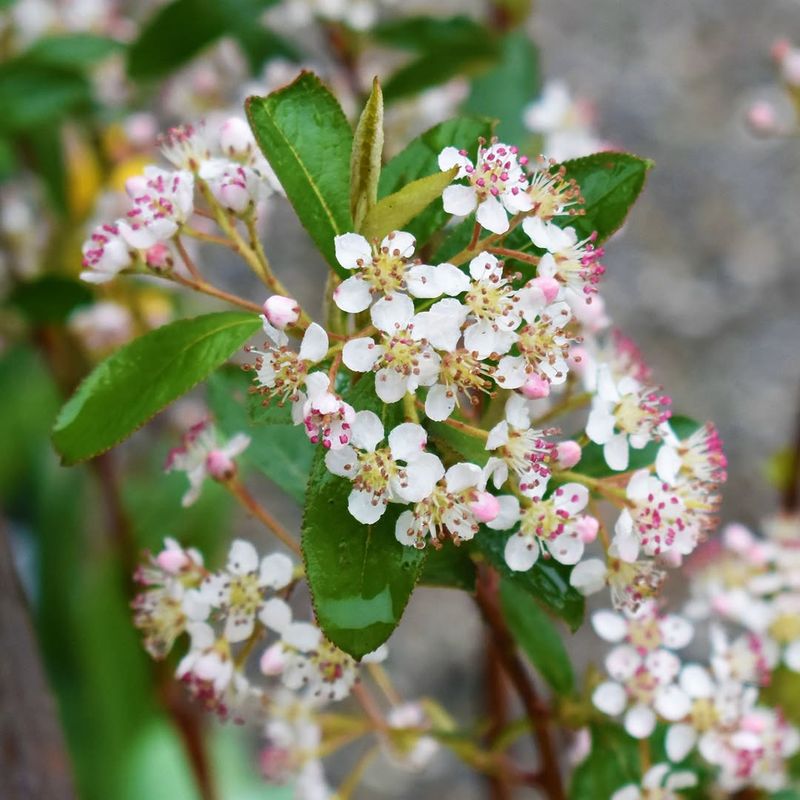
Black Chokeberry might just be the most underrated native shrub in Michigan. Aronia melanocarpa handles full sun, cold winters, wet soil, and average clay garden conditions without a complaint, which puts it in a completely different league from azaleas when it comes to adaptability.
It grows three to five feet tall and spreads by suckers to form a dense, multi-stemmed clump over time.
Spring brings a generous flush of small white flowers that bees love, and by late summer those flowers turn into clusters of deep purple-black berries. The berries are packed with antioxidants and are technically edible, though very tart on their own.
Birds find them irresistible, and a mature plant can feed flocks of cedar waxwings and robins through the fall migration season.
Fall foliage is another strong selling point. The leaves turn brilliant shades of red and orange that make the shrub look like it is on fire in the best possible way.
Black Chokeberry works well in rain gardens, along pond edges, or in low spots in the yard where other shrubs would rot. It also performs fine in drier average garden soil once established.
Pruning is minimal, just remove older stems at the base every few years to keep the plant looking fresh. For Michigan gardeners who want a four-season native shrub that practically takes care of itself, this one is hard to beat.
6. American Hazelnut
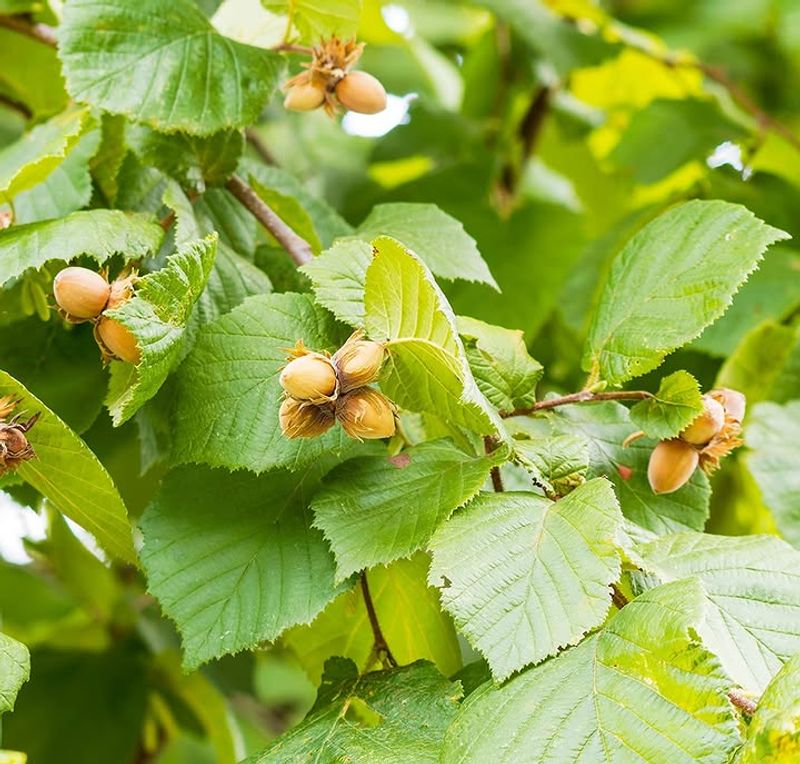
American Hazelnut is one of those native shrubs that brings something exciting to the yard in every single season. Corylus americana sends out long dangling yellow catkins in late winter or very early spring, sometimes while snow is still on the ground, making it one of the earliest signs that warmer days are coming.
That early bloom is a huge boost for pollinators that emerge on the first warm days of the year.
This is a larger shrub, typically reaching eight to twelve feet tall and spreading just as wide through natural suckering. It works best along property edges, in naturalized areas, or as a privacy screen at the back of a yard.
If you have the space, it is far more rewarding than azaleas for an open sunny location where a bold, informal presence is welcome.
By late summer, small clusters of edible hazelnuts ripen inside papery husks. Squirrels, blue jays, and other wildlife find them before most gardeners do, but that wildlife activity is part of the fun.
Fall color arrives in warm yellows and oranges before the leaves drop. American Hazelnut grows in average to moist soil and tolerates clay reasonably well.
It needs full sun to part sun for the best nut production. Prune out older stems at the base every few years to keep the clump vigorous and prevent it from getting too dense in the center.
7. Gray Dogwood
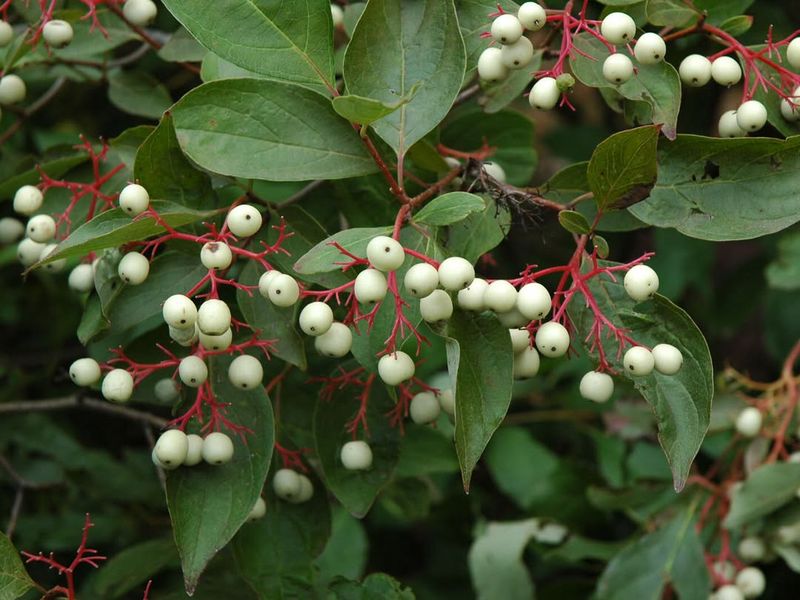
Gray Dogwood is a workhorse native shrub that earns its place in Michigan yards through sheer reliability. Cornus racemosa handles full sun, cold winters, clay soil, sandy soil, and just about everything in between, which makes it far more versatile than azaleas in open or naturalized settings.
It grows six to ten feet tall and spreads steadily by root suckers to form a wide, dense colony over time.
White flower clusters appear in late spring and early summer, attracting a wide variety of pollinators. By midsummer those flowers become clusters of small white berries held on bright red stems, and the contrast is genuinely striking.
More than 100 species of birds are documented eating Gray Dogwood berries, which makes this one of the most wildlife-valuable native shrubs you can plant in Michigan.
The spreading habit means Gray Dogwood is best placed where it has room to naturalize, such as along a fence line, at the edge of a property, or in a larger rain garden. It is not the right pick for a tight formal bed, but in the right spot it creates incredible wildlife habitat with almost no maintenance required.
Pruning is simple, just cut older stems to the ground every few years to keep growth fresh. Fall foliage turns reddish purple before dropping.
For a naturalized sunny yard that needs structure, seasonal interest, and wildlife value, Gray Dogwood delivers on every level.
8. Red Osier Dogwood
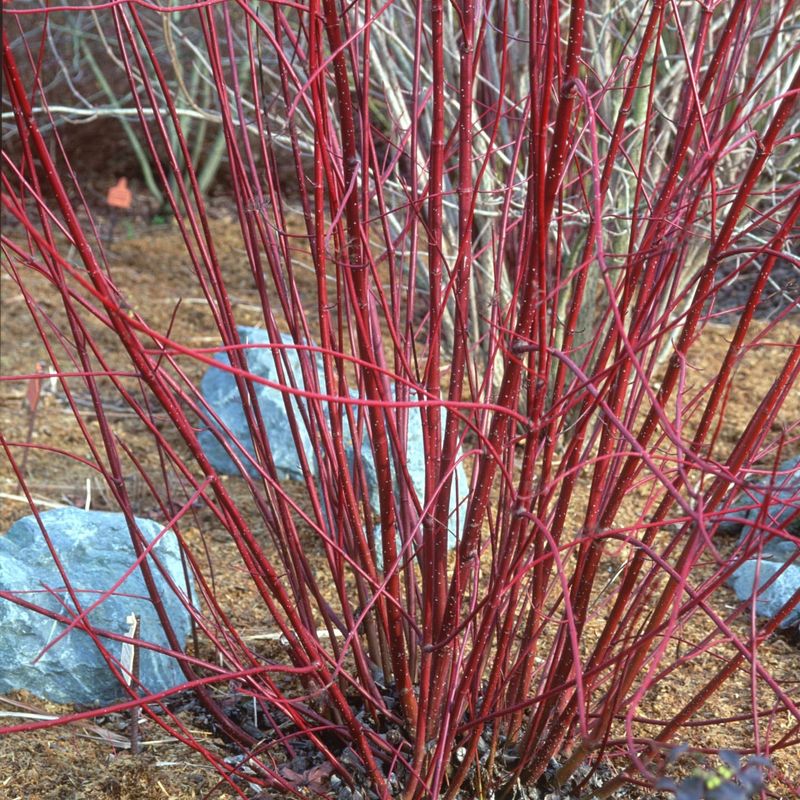
Winter in Michigan can feel very long, but Red Osier Dogwood makes it beautiful. Cornus sericea is famous for its brilliant red stems that practically glow against snow and gray skies, turning a bare winter yard into something worth looking at from inside the house.
No azalea comes close to offering that kind of winter interest, especially in a wet or low-lying sunny area.
Red Osier Dogwood grows six to nine feet tall and spreads vigorously by root suckers, forming a wide, dense thicket over time. It is the native shrub of choice for rain garden edges, wet swales, pond banks, and any sunny spot where water sits after a heavy rain.
Azaleas would struggle badly in those conditions, but Red Osier Dogwood actually prefers them.
White flower clusters appear in late spring and attract pollinators reliably. Small white to bluish berries follow in summer and are quickly eaten by birds including thrushes, waxwings, and woodpeckers.
To keep the stem color at its most vivid, cut one-third of the oldest stems to the ground each spring. New growth produces the brightest red color, so regular renewal pruning is the key to keeping the plant looking its best.
It handles clay soil and full sun without any special care beyond occasional pruning. For wet sunny spots in Michigan, Red Osier Dogwood is genuinely the right plant in the right place.
9. Sand Cherry
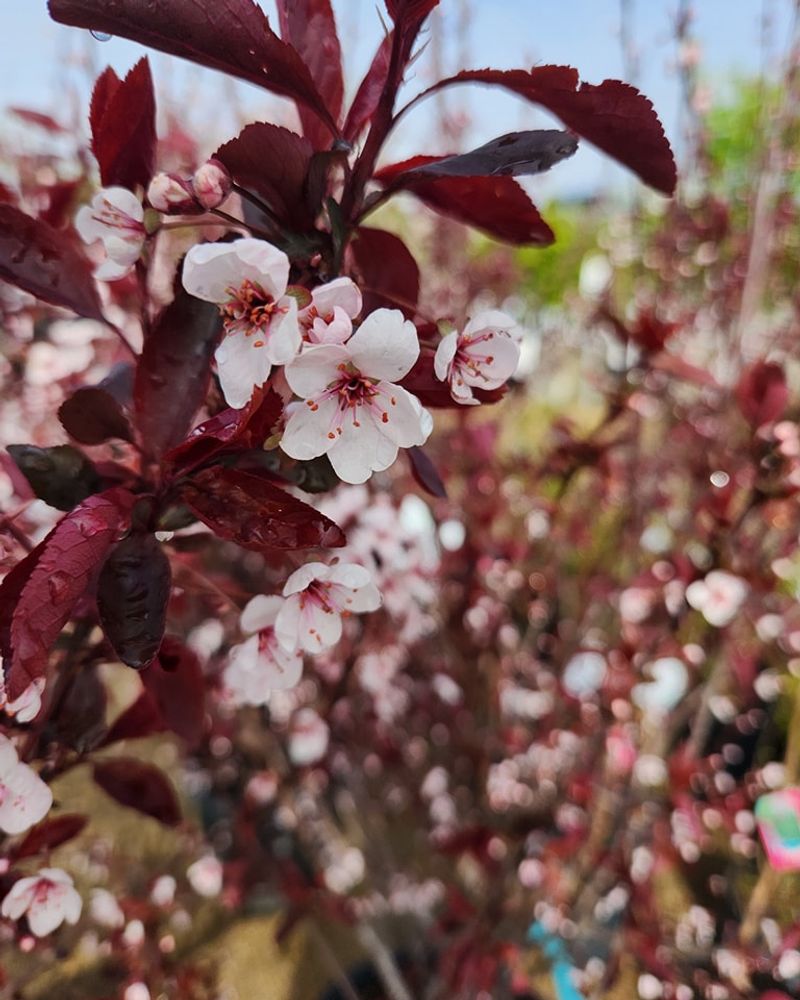
Sandy, dry, full sun spots are some of the hardest places to grow anything, but Sand Cherry was practically made for them. Prunus pumila is a low-growing native shrub that naturally occurs on sand dunes, sandy lakeshores, and dry open areas across Michigan.
While azaleas need rich, moist, acidic soil to survive, Sand Cherry asks for almost nothing and rewards you generously in return.
In spring, the branches cover themselves with small white flowers before the leaves fully open. The display is charming rather than flashy, with a delicate quality that suits naturalized and cottage-style gardens perfectly.
Pollinators visit the blooms early in the season when other food sources are still scarce. By midsummer, small dark purple cherries ripen and birds move in fast to claim them, so you may not get many for yourself but the wildlife activity is well worth it.
Most plants stay one to three feet tall and spread three to six feet wide, forming a low, sprawling mat that works beautifully on slopes, sandy banks, or as a ground-covering shrub at the front of a border. The foliage turns orange and red in fall before dropping, giving the plant one last burst of seasonal color.
Established plants are remarkably drought-tolerant and need no fertilizer in lean sandy soil. Water during the first growing season to get roots established, and after that Sand Cherry largely takes care of itself in the right conditions.