Plant Asiatic Lily Bulbs In Georgia Before November Ends For Stunning Summer Blooms
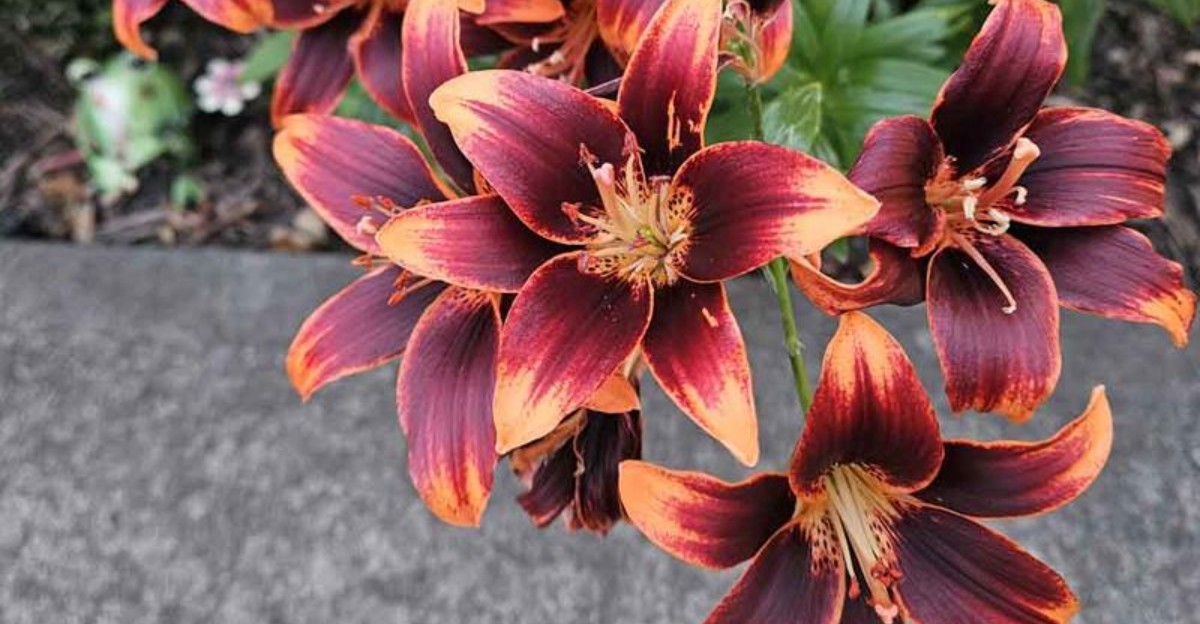
Even a bulb no bigger than a golf ball can push up a stem taller than your toddler and crown it with flowers the size of your palm. That trick starts underground in the chilly months, long before anyone notices.
I love a plant that does its hardest work out of sight. These scaly bulbs quietly grow roots through the cool weeks, then wake up ready to show off once the days stretch long and warm.
You’re in for a treat, because the blooms face straight up at the sky. They come in shades like tangerine, lemon, ruby, and blush, and they mostly shrug off the fuss that fancier flowers demand.
Gardeners in Georgia have a sweet window right now that many folks overlook. A few minutes with a trowel this month could change how your yard looks next June.
The chance to get those spectacular summer flowers started is closer than you think.
1. Cool November Soil Holds A Secret For Lily Bulbs
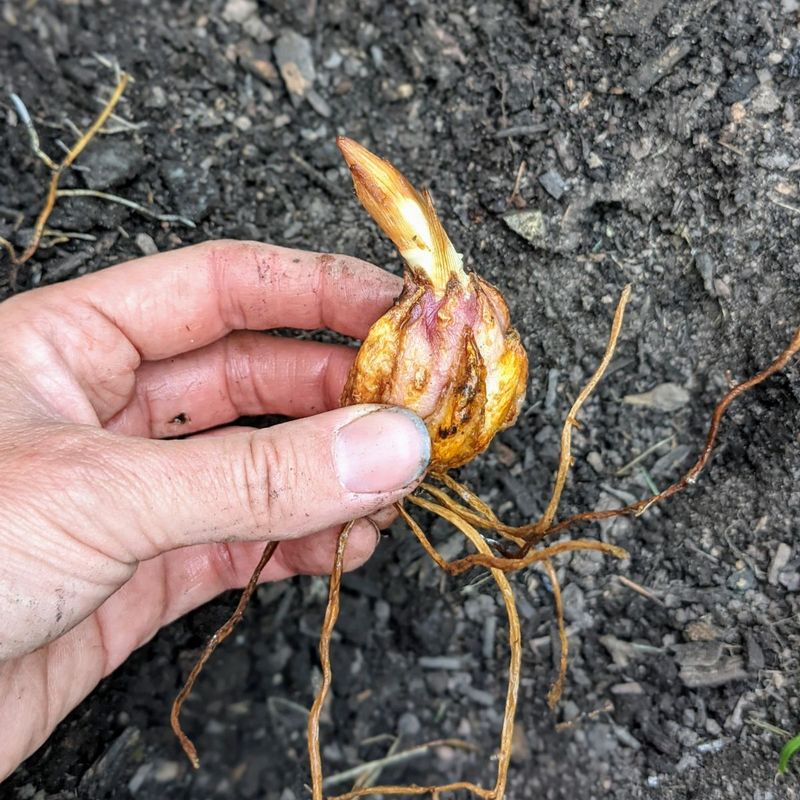
Underground, things get busy in late fall. Asiatic lily bulbs planted now start sending out roots while the soil is still mild, even as the air turns crisp.
Those roots are the real engine of the plant. A bulb with a strong root system in spring can feed a sturdy stem and plenty of buds.
A bulb planted late often spends its first season playing catch-up, giving you shorter stems and fewer flowers.
Georgia gardens have a big advantage here. Soil temperatures across much of the state stay workable well into late fall, so roots can keep growing for weeks after you plant.
Up north, gardeners race the ground freeze, but you get a longer, gentler head start.
Asiatic lilies also need a cool rest period to bloom well. Your winter provides enough chill in most of the state, especially in the Piedmont and mountain areas.
Bulbs planted in fall get that natural chill without any help from your refrigerator.
I find it oddly satisfying to plant something and walk away. The bulb handles the hard part all winter.
All you need to do is pick a good spot, tuck it in, and let the cold months work in your favor.
2. Get Those Lily Bulbs In The Ground Before Thanksgiving Leftovers Run Out
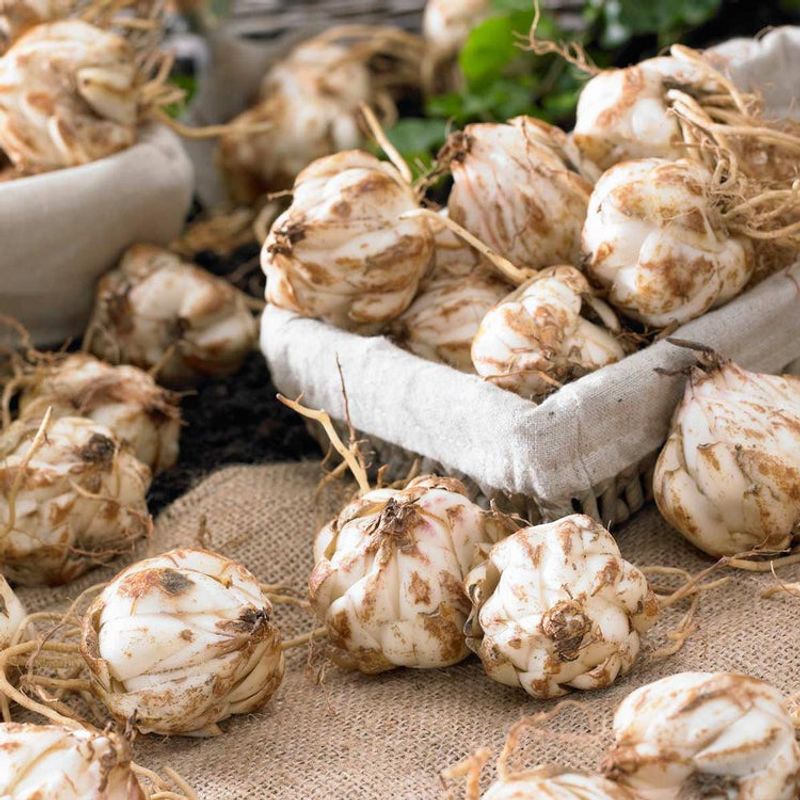
Timing is simple to remember. Aim to plant your Asiatic lily bulbs from mid-October through the end of November, while the soil is cool but not frozen.
Georgia stretches across USDA zones 6b in the far north mountains to 9a near the coast. Mountain gardeners should lean toward the earlier side of that window, since the ground cools faster up there.
Folks in middle and south Georgia have a bit more breathing room, and some even plant into early December without trouble.
Buy bulbs that feel firm and heavy for their size. Skip any that look shriveled, moldy, or mushy.
Lily bulbs never go fully dormant like tulips, so they dry out fast. Plant them within a few days of bringing them home.
If life gets hectic, store them in a paper bag with slightly damp peat or wood shavings in a cool spot. A garage that stays above freezing works fine for a short wait.
Missed the window this year? You can still plant in early spring once the soil thaws.
Spring-planted bulbs often bloom a bit later and a little smaller the first summer, though, which is why fall planting wins.
3. Six Inches Deep Is The Sweet Spot For Each Lily Bulb
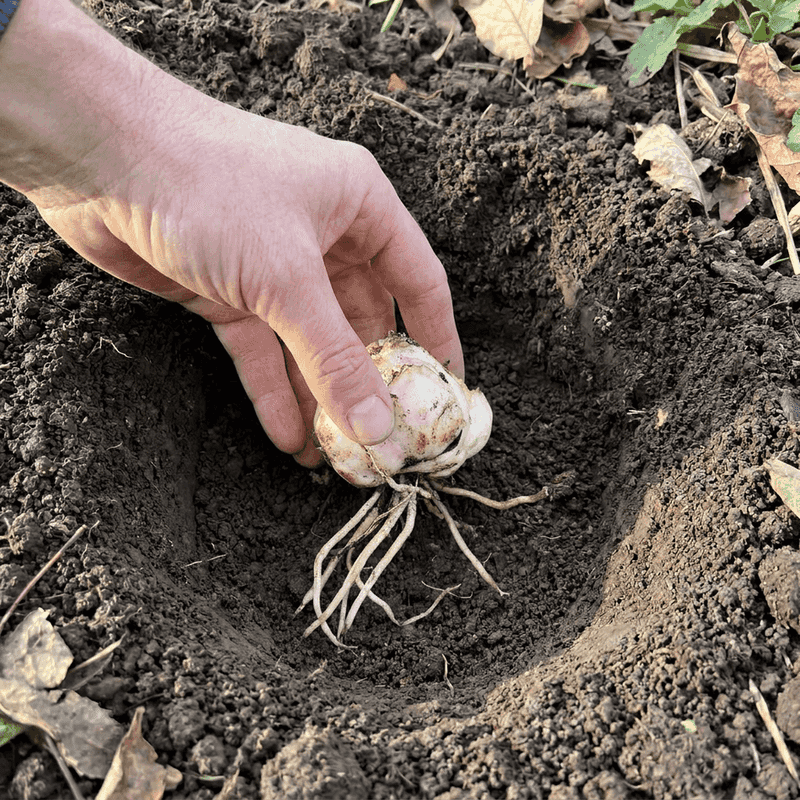
Grab a ruler, because depth matters more than most people think. A good rule is to plant each Asiatic lily bulb about three times as deep as the bulb is tall, which usually works out to 6 inches for full-size bulbs.
Point the tip up and the flat root plate down. If you can’t tell which end is which, look for the little leftover roots on the bottom.
Set bulbs about 8 to 12 inches apart so air can move between the stems later.
Planting in groups of three or five looks far more natural than a single soldier standing alone. I like to dig one wide hole and nestle a cluster inside, almost like eggs in a basket.
Deep planting has a hidden bonus. Lilies grow extra roots along the buried part of the stem, and those stem roots help anchor tall plants and pull in water.
Shallow bulbs tend to flop over in summer storms.
After backfilling, water the spot well to settle the soil and remove air pockets. Then add a 2 to 3 inch layer of pine straw or shredded leaves.
That blanket keeps soil temperatures steady and holds moisture through dry winter spells.
4. Soggy Red Clay Can Rot Lily Bulbs Fast
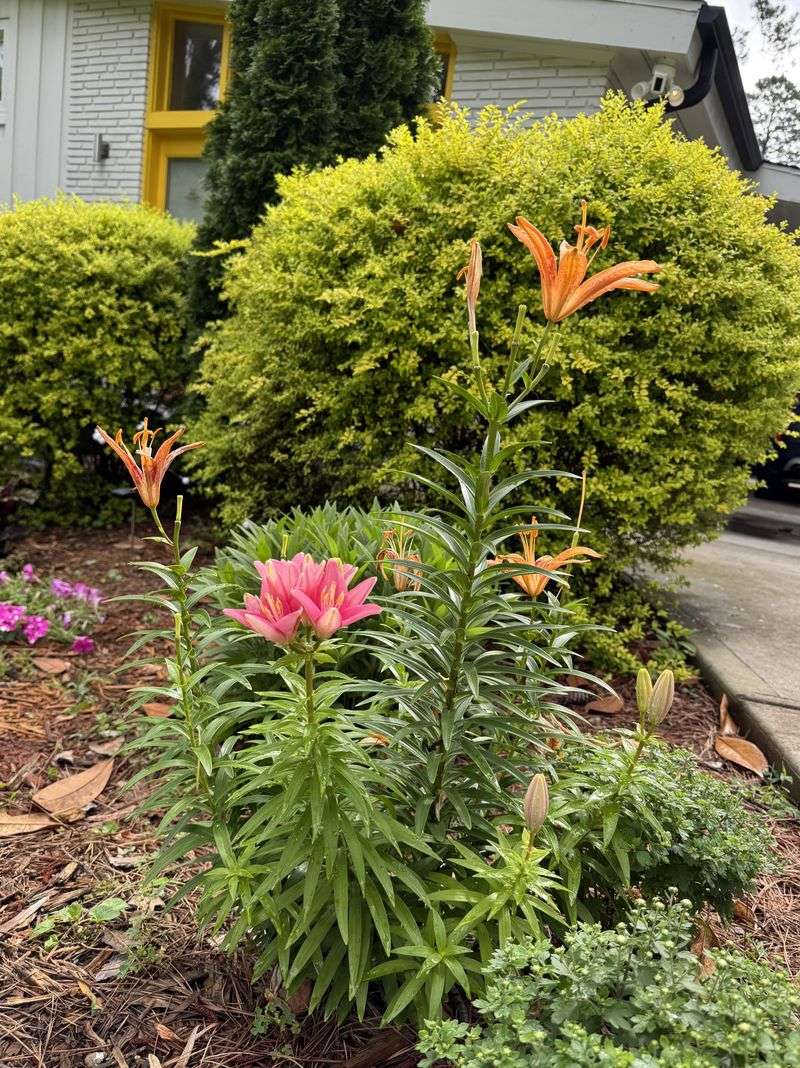
Ask any Georgia gardener about red clay and you’ll probably get a sigh. That dense soil holds water like a sponge, and lily bulbs sitting in wet ground for weeks tend to rot.
Good drainage is the number one need for Asiatic lilies. University of Georgia Extension experts often point gardeners toward raised beds or heavily amended soil for bulbs in clay areas, and lilies fit that advice perfectly.
Here’s a quick test. Dig a hole about a foot deep and fill it with water.
If it still holds water after a few hours, that spot needs help before any bulbs go in.
Mix several inches of compost or finely shredded pine bark into the top 10 to 12 inches of soil. Building a raised bed or a gentle mound also lifts bulbs above soggy ground.
In sandy coastal soils, compost helps the opposite way by holding a little more moisture and nutrients.
A soil test from your county Extension office is cheap and handy. Lilies like slightly acidic soil, roughly a pH of 6.0 to 6.5, which many Georgia yards already have.
The test tells you if you need lime or just a little fertilizer.
5. Morning Sun And Afternoon Shade Keep Lily Petals Bright
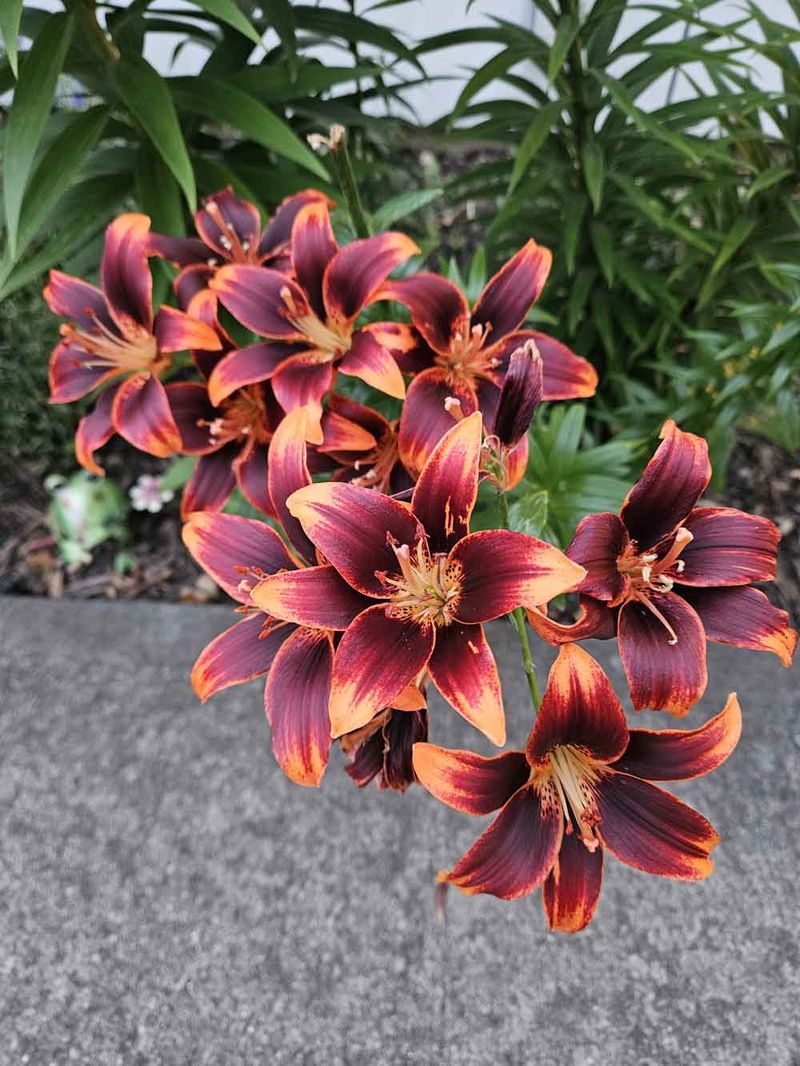
Sunshine fuels those big flowers. Asiatic lilies want at least six hours of direct sun each day, and more light usually means stronger stems and more buds.
Southern summers add a twist, though. Blazing afternoon sun in July can fade petal colors and shorten how long each bloom lasts.
A spot with full morning sun and light shade after about 2 p.m. often gives you the best of both worlds, especially in middle and south Georgia.
Lilies also love the old saying about cool feet and warm heads. Their roots prefer shaded, cool soil while the flowers bask in light.
Low plants like catmint, dianthus, or a mulch layer around the base help shade the ground.
Avoid cramming them under large trees. Tree roots steal water, and deep shade leads to stretched, leaning stems reaching for light.
Planting near a fence or wall can help shelter tall stems from wind. Just leave enough space for air to move, because stuffy corners invite fungal problems like botrytis.
I tuck mine where I can see them from the kitchen window. Morning coffee with a view of fiery orange lilies is hard to beat.
6. Upward-Facing Asiatic Lily Blooms Steal The Show By June
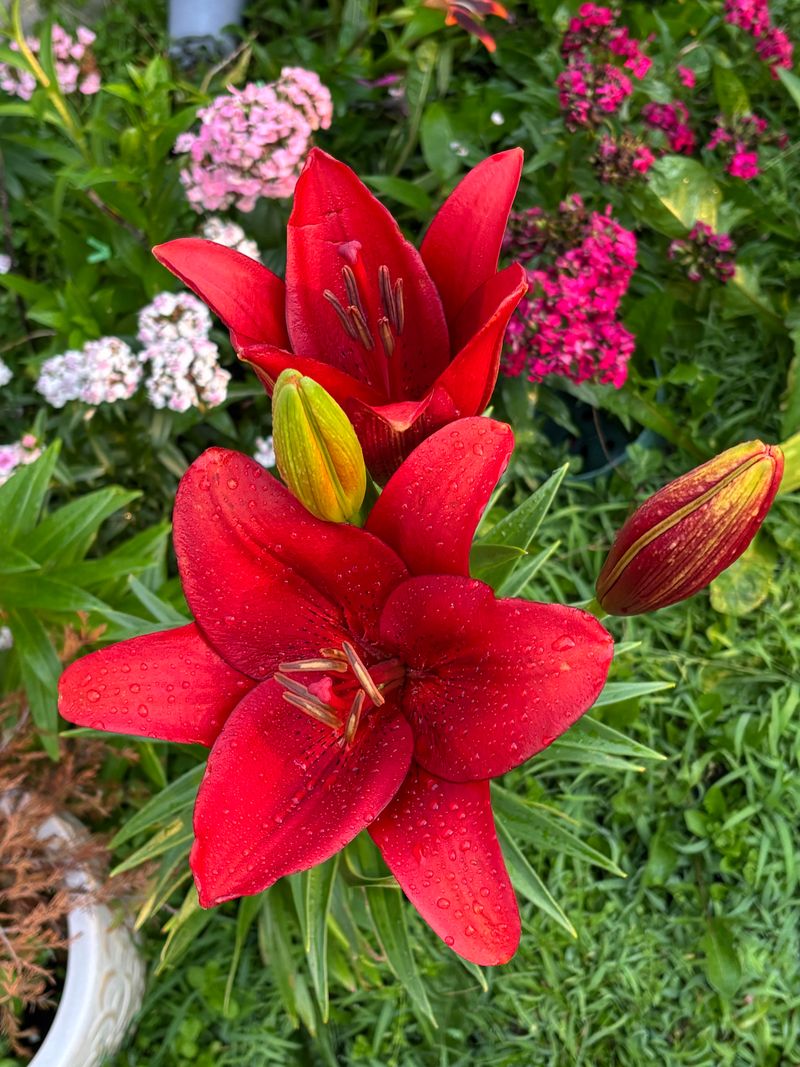
Most lilies nod or face sideways. Asiatic hybrids look you straight in the eye, with wide, upward-facing blooms that seem to soak up the sky.
In Georgia, they usually start flowering in late May or June, earlier than Oriental lilies and many summer perennials. Each stem can carry several buds, and the show often lasts two to three weeks.
Planting a few varieties with different bloom times stretches the color even longer.
Colors run from deep burgundy and fire-engine red to sunny gold, peach, cream, and soft pink. Many have freckles or brushstroke markings near the center.
Heights range from compact 18-inch types for pots to tall varieties close to 4 feet.
One fun fact surprises people. Most Asiatic lilies have little or no scent, which actually makes them great for anyone sensitive to strong perfume indoors.
They also make fantastic cut flowers. Cut stems when the first bud starts to open, but leave at least a third of the stem on the plant to feed the bulb.
Snipping off the orange pollen-covered anthers keeps petals and tablecloths free of stains. That rusty pollen is surprisingly stubborn on fabric.
7. Red Lily Beetles, Voles, And Curious Cats Need Watching
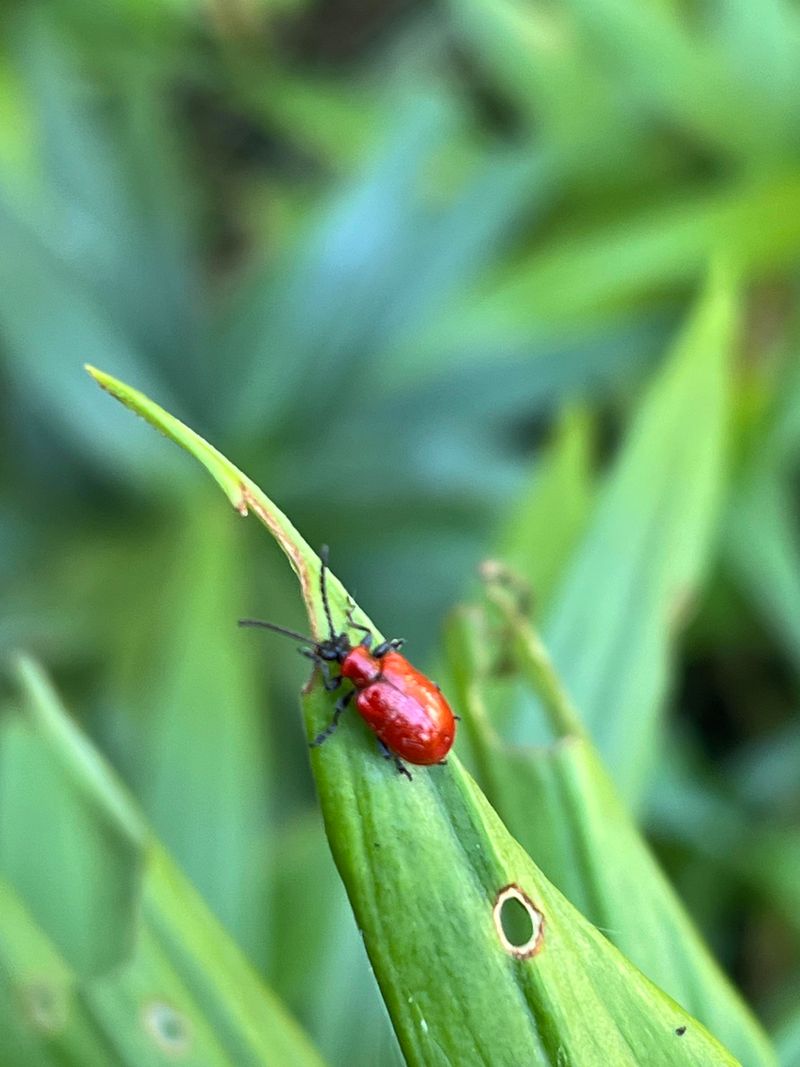
Trouble rarely announces itself loudly. With lilies, it often shows up as chewed leaves, a missing bulb, or a stem that suddenly flops.
Voles and chipmunks enjoy digging up lily bulbs for a winter snack. Lining planting holes with hardware cloth or adding a handful of sharp gravel around bulbs helps reduce the raids.
Deer may nibble buds too, so a repellent spray can help in wooded areas.
The scarlet lily leaf beetle is a real pest in parts of the Northeast, but it is not widely established in Georgia. Aphids and botrytis blight, a gray fuzzy mold, are more common local headaches.
Good spacing and watering at the base keep leaves drier and less inviting to mold.
Now for the serious part. All true lilies, including Asiatic types, are extremely toxic to cats.
The ASPCA warns that even a little pollen licked off fur or water from a vase can cause sudden kidney failure.
If you share your home with a cat, skip lilies in bouquets and plant them where your cat cannot wander. Call your veterinarian right away if you suspect your cat touched one.
Dogs are not affected the same way.
8. Leave Those Yellowing Lily Stems Alone For Bigger Blooms Next Year
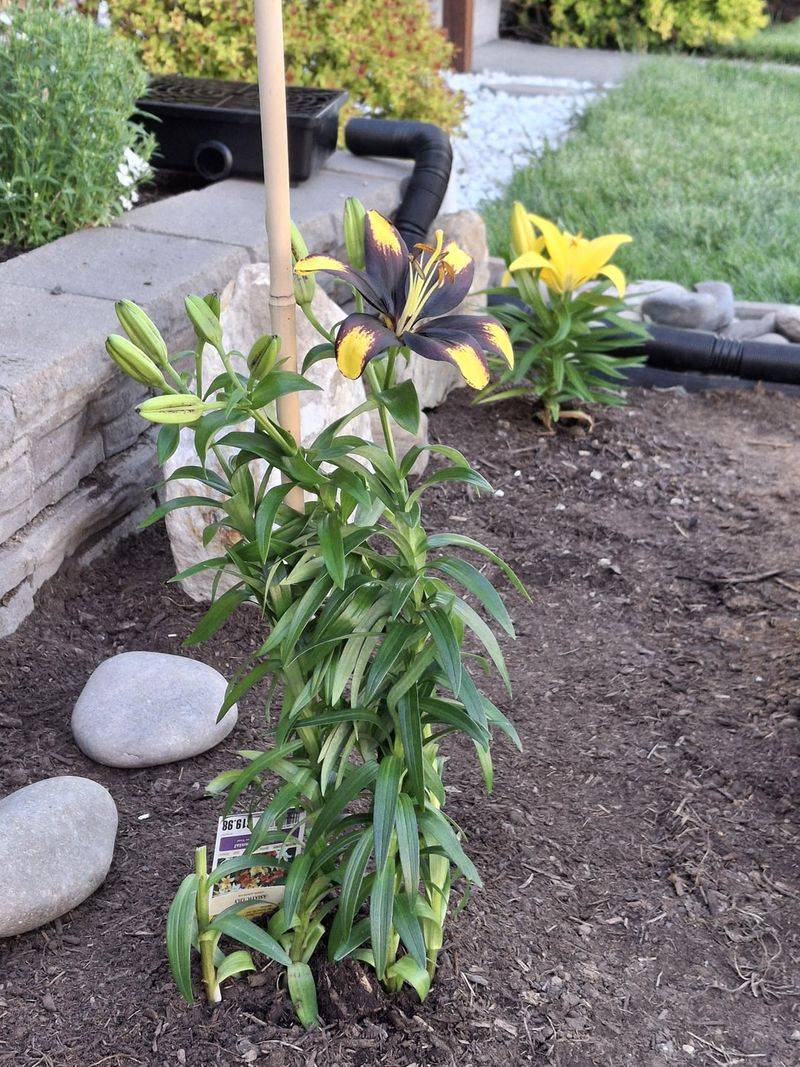
After the last petal falls, a little patience pays off big. Those green stems and leaves are recharging the bulb for next summer.
Snip off faded flowers and any swelling seed pods so the plant stops putting energy into seeds. Keep the stem and leaves standing until they turn yellow or brown in fall.
Cutting them early starves the bulb and leads to weaker blooms later.
Feed lilies lightly in early spring when shoots appear. A balanced, slow-release fertilizer works well, and too much nitrogen gives you floppy stems with fewer flowers.
Water deeply about once a week during dry stretches, especially while buds form.
Every three or four years, clumps may get crowded and flower less. Fall is the right time to lift and divide them, so your next November project could be sharing bulbs with friends.
So here’s my honest takeaway. Buy a handful of firm bulbs, pick a sunny, well-drained spot, and plant them six inches deep before November slips away.
Come June, your Georgia garden could hold some of the boldest color on the block. Few gardening jobs this quick give such a big summer reward.