8 Native Ohio Grasses To Plant Instead Of Pampas Grass This Fall
Pampas grass makes a statement. Tall, dramatic, those feathery plumes catching light in fall.
It also makes a statement about what it does to the surrounding landscape once nobody is looking at the plumes anymore. It spreads.
It does not belong here. And the native grasses that do belong here make the same visual argument without the ecological bill that follows.
Ohio native grasses rival pampas for presence, for fall interest, for the kind of structural drama that makes a yard look considered rather than accidental. Several of them peak in fall specifically.
Right when pampas grass earns most of its loyal following. Same season.
Same drama. None of the consequences.
Fall is the right time to make the switch. The native options are ready and the planting window is open right now.
1. Switchgrass Brings Airy Plumes Without The Pampas Lookalike
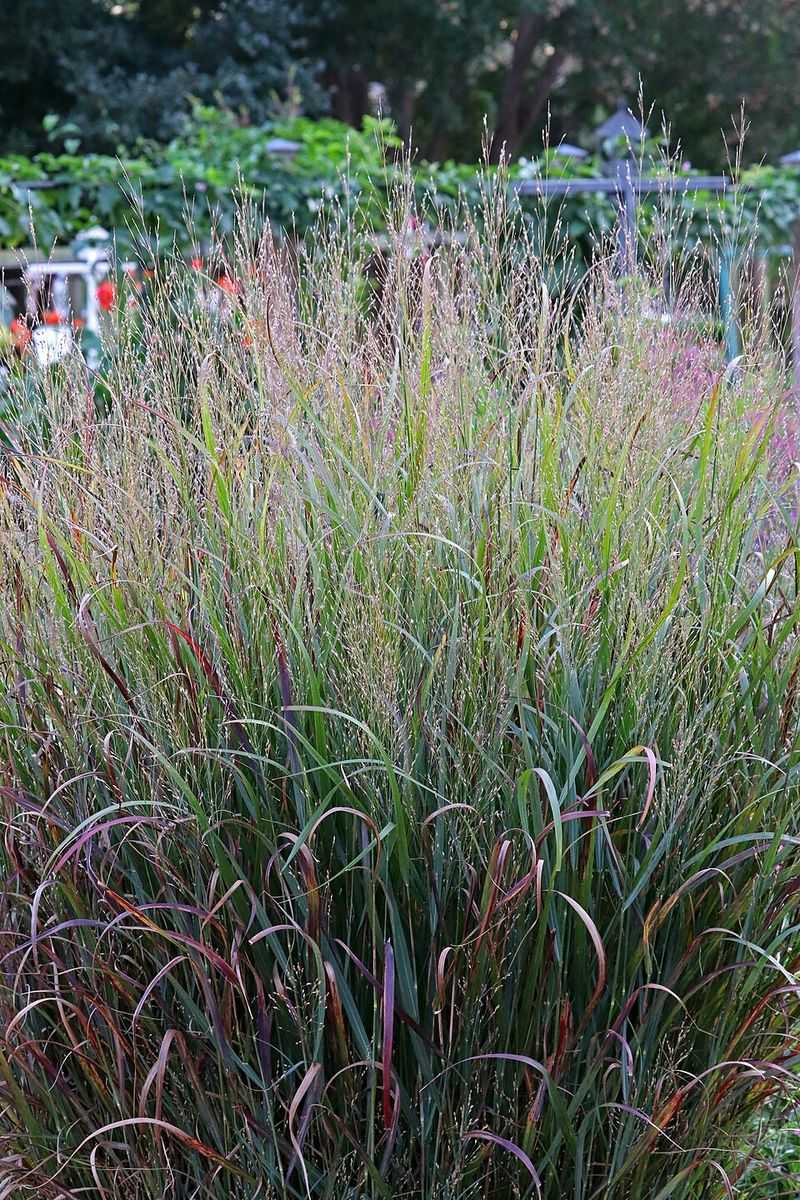
Prairie roadsides across the Midwest have long relied on switchgrass, Panicum virgatum, for structure and movement. This warm-season native grows throughout Ohio in a wide range of soil types, from heavy clay to sandy loam.
Its airy seed panicles emerge in midsummer and linger well into winter, catching low autumn light in a way few grasses can match.
Cultivars vary widely, so matching the right one to your space matters. Straight species plants can reach five to six feet tall and spread broadly over time.
Compact cultivars like ‘Shenandoah’ top out closer to three to four feet, making them far more practical for smaller beds. Some cultivars develop rich red or burgundy fall tones, while others stay more gold or tan.
Switchgrass handles occasional flooding and short dry spells once established, but new transplants need consistent moisture while their roots are getting started. Avoid fertilizing heavily in fall, since pushing soft new growth before a freeze can set the plant back.
Full sun produces the most upright, tidy form. Shade tends to cause flopping, which can make the plant look unkempt.
Cut stems back to a few inches in late winter before new growth begins. Nursery-grown container plants establish far better than wild-collected material, so always source from a reputable native plant grower.
2. Indiangrass Sends Golden Seed Heads High Above The Bed
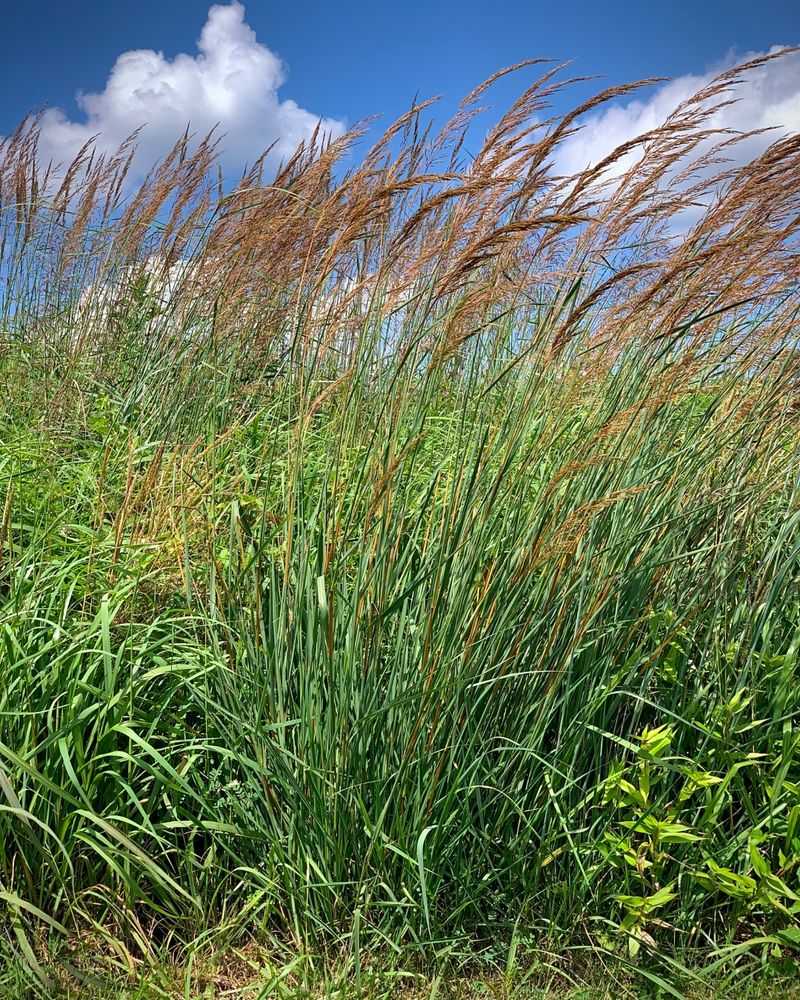
Few native grasses put on a fall show quite like Indiangrass, Sorghastrum nutans. Its golden-yellow to bronze seed heads rise on tall stems in late summer and hold their color deep into autumn.
The feathery plumes catch the slightest breeze, giving a large border constant gentle movement.
Mature plants typically reach four to eight feet tall depending on soil richness and moisture. That height makes Indiangrass a strong choice for the back of a wide border or a naturalistic screen planting.
Placing it in a narrow foundation bed without accounting for its spread would be a mistake, since clumps widen steadily over several seasons.
Full sun is a firm requirement for strong, upright growth. Plants grown in partial shade tend to lean and produce fewer seed heads.
Your Ohio Garden Changes Every Week. Your Plan Should Too.
Gardening in Ohio changes quickly throughout the season. Every Friday you’ll receive a simple weekly plan showing exactly what to plant, prune, fertilize, harvest, and protect so you never miss the right timing.
Indiangrass prefers well-drained to moderately moist soils and tolerates dry conditions reasonably well once established. Rich, heavily amended soil can actually push overly lush growth that flops before fall arrives.
New transplants still need regular watering through their first season to build a deep root system. Avoid cutting plants back immediately after fall planting.
Wait until late winter to remove old stems, which provide some insulation for the root crown and offer winter interest in the garden. Source plants from a reputable Ohio native plant nursery rather than collecting from wild prairies or preserves.
3. Big Bluestem Builds A Tall Screen With Fiery Fall Color
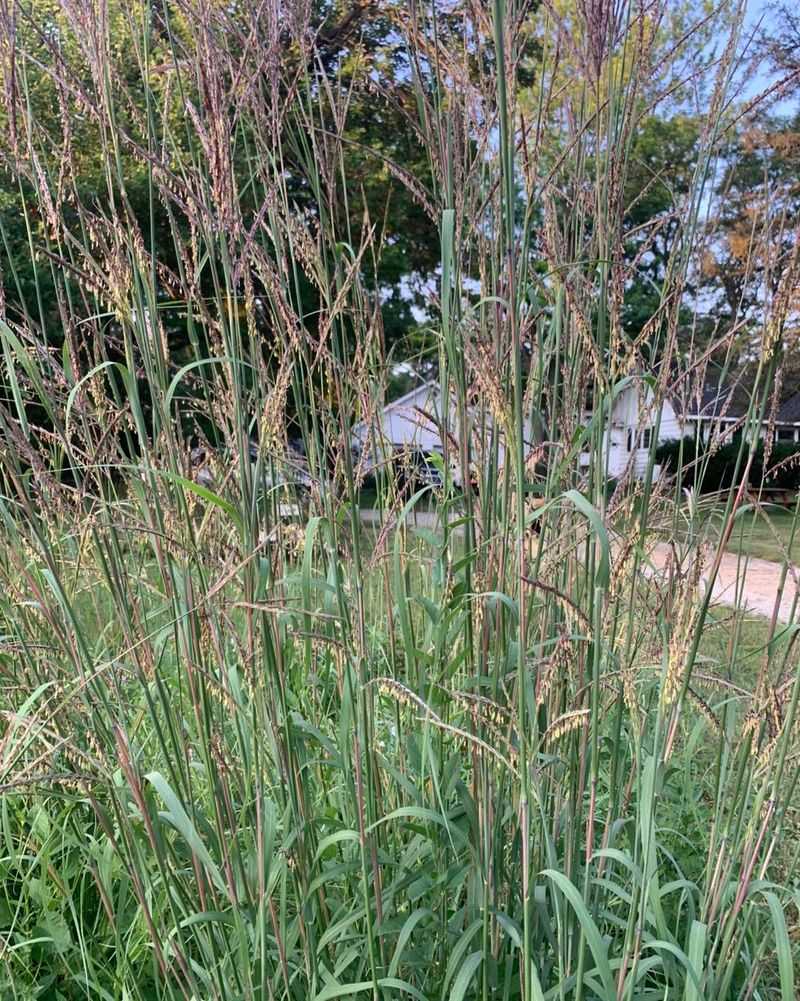
Big bluestem, Andropogon gerardii, once covered millions of acres of North American tallgrass prairie. Its presence in a garden still carries a sense of that wide-open history.
The seed heads split into three branching parts at the tip, which prairie naturalists have long compared to a turkey’s foot. That distinctive shape sets it apart from nearly every other ornamental grass available at a nursery.
Fall color ranges from copper and bronze to deep red and purple, though exact tones depend on the site, the cultivar, and the season’s weather. Do not count on one specific shade every year.
Plants typically reach five to eight feet tall in good full-sun conditions. They are far better suited to large beds, meadow plantings, or informal screens than to tight foundation spots near a front door.
Big bluestem is a warm-season clump former that spreads slowly by rhizomes over time. It handles a range of soils from sandy to clay but performs best with full sun and reasonable drainage.
Shade reduces height and weakens the plant’s upright habit noticeably. New fall transplants need consistent moisture until the ground freezes.
Skip heavy fertilizing, which encourages soft growth that struggles in cold weather. Cut old stems back to several inches in late winter, just before new growth begins pushing up from the base.
Always buy from nurseries selling responsibly propagated stock.
4. Eastern Gamagrass Adds Bold Height To Moist Garden Spots
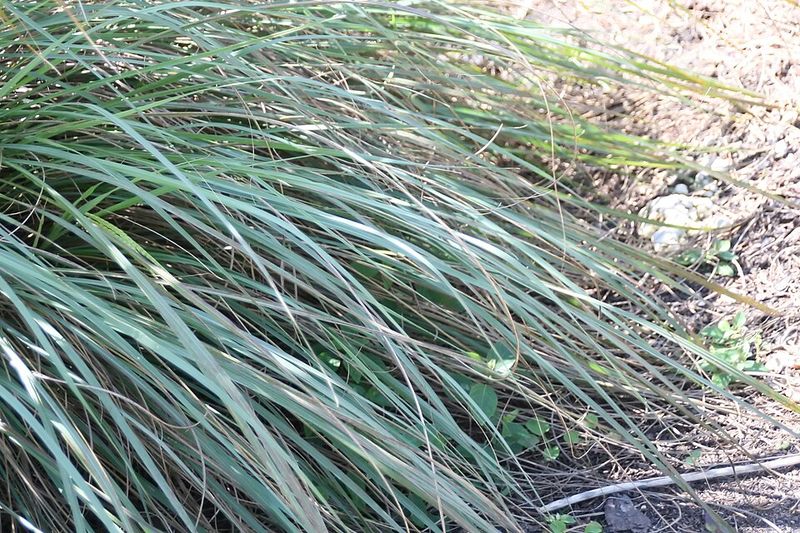
Eastern gamagrass, Tripsacum dactyloides, brings a completely different visual weight to the garden compared to fine-textured prairie grasses. Its broad, corn-like leaves are coarse and bold, giving the plant an architectural presence that reads clearly from a distance.
This is not a delicate, wispy grass; it is a structural statement plant.
Mature clumps can reach six to nine feet tall and spread several feet wide, so giving it plenty of room is not optional. Rain garden edges, bioswale plantings, and large moist landscape beds are genuinely good spots for this native.
It prefers moist to moderately wet soils and performs best when moisture is consistently available. Placing it on a sharp, dry slope without supplemental water during establishment would put the plant under real stress.
The flower structures are narrow and upright, quite different from the broad feathery plumes of pampas grass. Its value comes from bold height, strong foliage texture, and the kind of architectural form that anchors a large planting bed.
Eastern gamagrass is native to Ohio and suits the state’s wetter lowland habitats particularly well. New fall transplants in moist sites tend to establish more reliably than those placed in dry ground.
Water regularly if rainfall is scarce in the weeks after planting. Cut stems back in late winter rather than immediately after fall installation.
Purchase only nursery-propagated plants from reputable sources.
5. Little Bluestem Turns Copper Red As Autumn Settles In
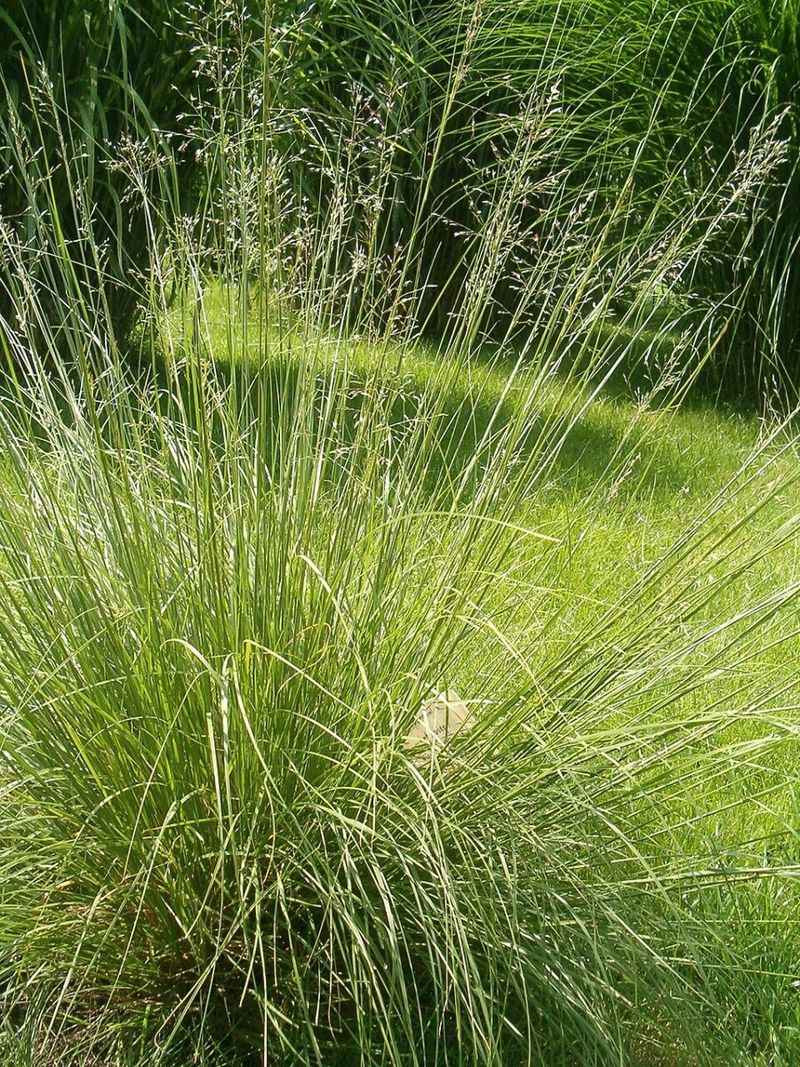
Copper-red fall color is little bluestem’s most celebrated feature, and it earns that reputation reliably in full-sun gardens.
Schizachyrium scoparium grows in tidy upright clumps that typically reach two to four feet tall, making it genuinely useful where big bluestem would be far too large.
The fluffy, silvery-white seed heads that appear in late summer persist through winter and catch frost beautifully on cold mornings.
Little bluestem thrives in well-drained to dry soils and actually looks its best in lean conditions. Rich, heavily amended beds or persistently wet spots can cause lax, weedy-looking growth and reduce the intensity of fall color.
Good drainage is the single most important site requirement. Full sun produces the strongest stems and the deepest autumn tones.
Shade leads to flopping and a washed-out appearance.
Cultivars like ‘Twilight Zone’ and ‘Standing Ovation’ have been selected for more upright habits and reliable color. Verify mature sizes before purchasing, since cultivar dimensions vary.
Fall color is influenced by temperature, sun exposure, and soil fertility, so results differ from site to site. New transplants need regular water through their first season even though established plants handle dry spells well.
Do not fertilize in fall. Cut old stems back in late winter to a few inches above the ground.
Source plants from nurseries selling Ohio-appropriate native stock rather than collecting from natural areas.
6. Sideoats Grama Keeps Sunny Borders Lighter And Neater
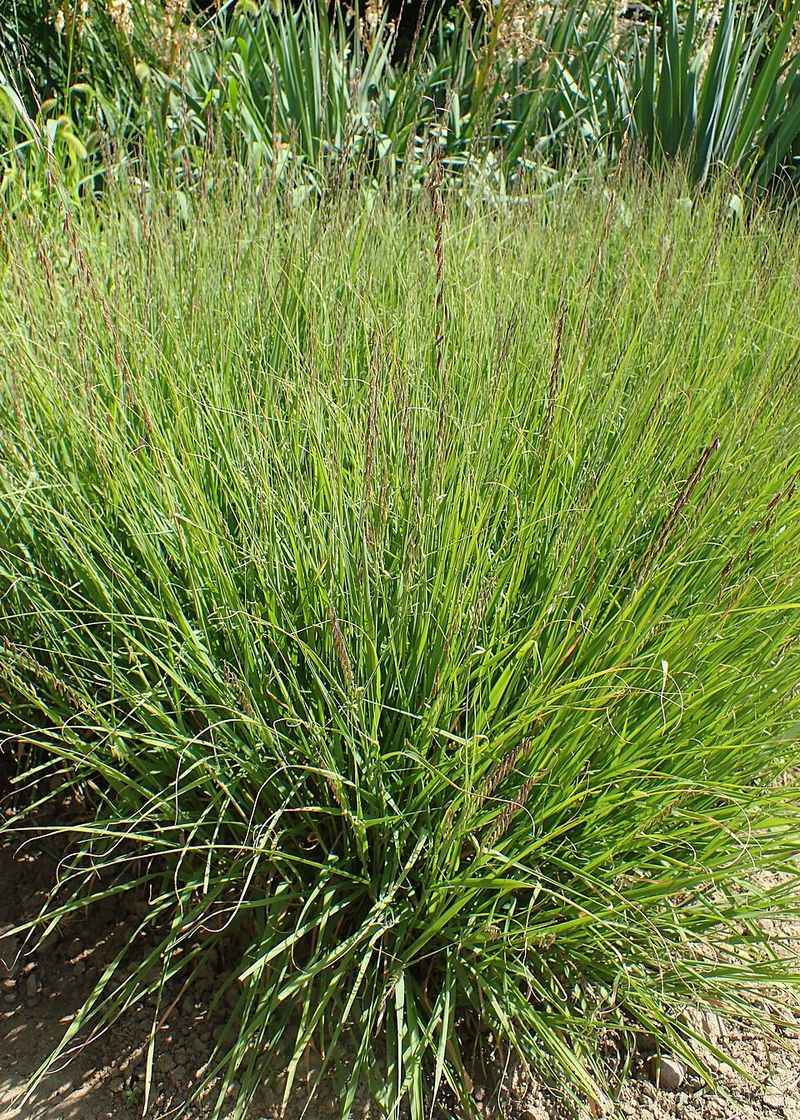
Sideoats grama, Bouteloua curtipendula, has a quiet charm that rewards a close look. Small, oat-like florets hang neatly along one side of each slender flowering stem.
This gives the plant a delicate, almost whimsical texture that heavier grasses cannot match. That lighter scale is exactly what makes it so useful in sunny borders planted alongside shorter native perennials.
Mature plants typically reach one to three feet tall with a clumping habit that stays relatively tidy. This grass is not a replacement for a tall privacy screen, but it fills the front and middle of a sunny prairie-style bed with genuine grace.
It handles dry, well-drained soils and full sun with ease once established. Like every new transplant, however, it needs consistent moisture during its first season in the ground.
Sideoats grama can self-seed in open, well-drained ground near the original clump. Seedlings are not particularly aggressive, but some spread beyond the parent plant is possible in loose or sandy soil.
Fall color shifts to warm tan and gold tones as temperatures drop, and the seed stems hold their structure well into winter. Avoid planting in heavy, poorly drained clay without amending the drainage first.
Skip fall fertilizing entirely. Cut plants back to a few inches in late winter before new growth emerges.
Buy nursery-grown plugs or container plants rather than collecting from roadsides or natural areas.
7. Canada Wild Rye Adds Arching Seed Heads To Part Shade
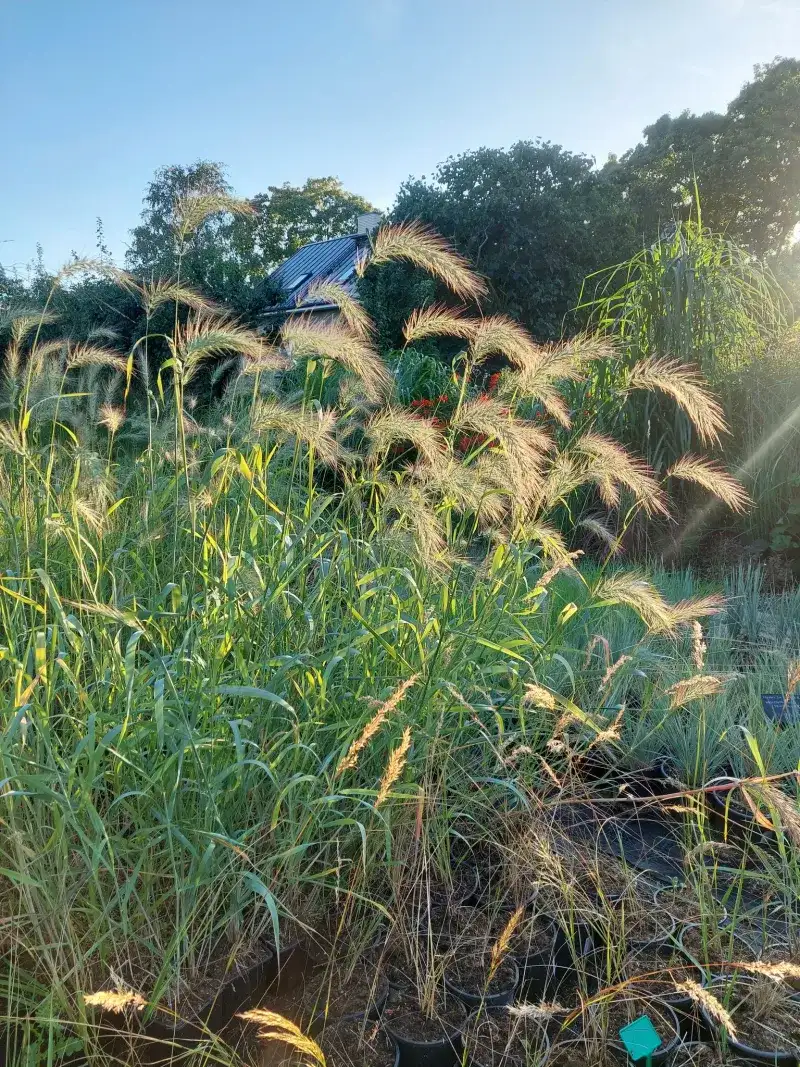
Arching, nodding seed heads give Canada wild rye, Elymus canadensis, a relaxed, naturalistic quality that works beautifully in informal plantings. The seed heads are large and bristly, drooping gracefully at the tips of stems that typically reach three to five feet tall.
That combination of height and gentle arching form suits a woodland edge or a shaded border far better than stiff, upright grasses.
Canada wild rye tolerates more partial shade than most prairie grasses, which makes it genuinely useful in spots where switchgrass or big bluestem would struggle. Do not expect it to thrive in deep, dense shade; it needs reasonable light to stay healthy and produce good seed heads.
It grows as a cool-season grass, meaning it greens up in spring and goes somewhat dormant in summer heat before reviving in fall.
This grass behaves more like a short-lived perennial than a long-lived clump former. It tends to maintain itself through self-seeding in suitable conditions rather than persisting as a tight, permanent clump in one spot.
That informal, self-renewing habit suits naturalistic beds well but may feel untidy in a formal landscape design. Moist to moderately well-drained soils suit it best.
New fall transplants need regular water until the ground freezes. Avoid heavy fertilizing.
Cut old stems in late winter. Purchase only nursery-propagated plants from reliable native plant sources.
8. Purple Lovegrass Creates A Soft Purple Haze Near The Ground
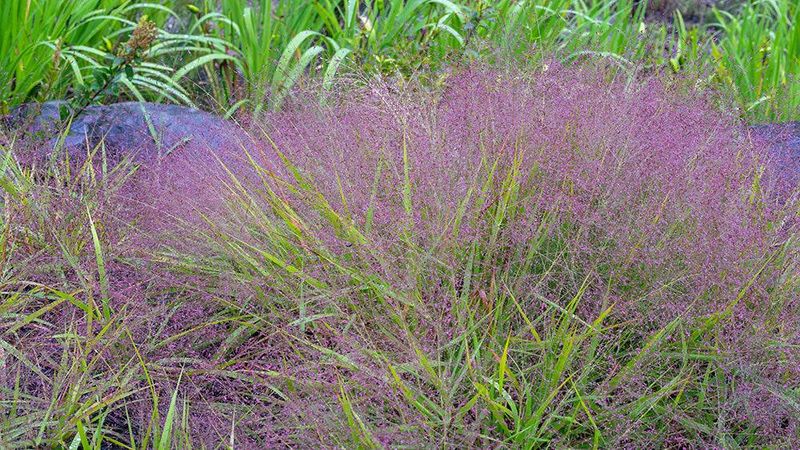
Nothing else in the native grass palette creates quite the same effect as purple lovegrass in full bloom. Eragrostis spectabilis sends up masses of tiny reddish-purple florets on branching stems that spread into a low, airy cloud above the foliage.
The overall impression is a soft purple haze hovering just above the ground, which makes it a striking front-of-border plant from late summer through early fall.
Mature plants stay relatively compact, typically reaching one to two feet tall and spreading a similar width. This is not a tall pampas substitute.
Its value is a much smaller, softer ornamental effect that works well near low perennials or along a sunny path edge. It thrives in dry, sandy, or lean soils and full sun.
Rich, moist soil tends to produce lax, overly leafy growth with fewer flowers.
Purple lovegrass can self-seed fairly freely, and the lightweight seed heads sometimes tumble across open ground, depositing seeds at a distance from the parent plant.
That spreading behavior is worth knowing before you plant it near a formal bed with clear edges.
The plant is native across much of the eastern and central United States, including Ohio. New fall transplants still need regular watering until the soil freezes, even though established plants handle dry spells well.
Choose native grasses by mature scale and site conditions rather than plume size alone, and your fall planting will reward you for many seasons ahead.