The One Thing You Must Do To Ohio Coneflowers In July Before Seed Heads Form
Ohio coneflowers in July are living their best life, and honestly the garden is better for it. Bold color, pollinators everywhere, the whole midsummer display doing exactly what it is supposed to do.
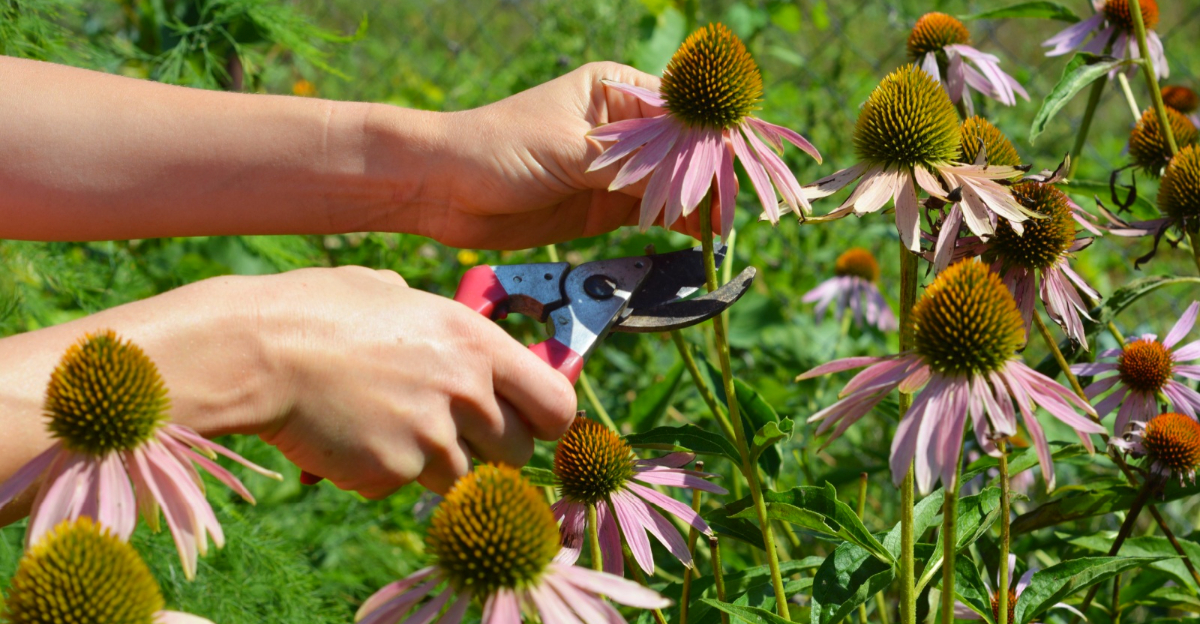
But look a little closer and you will notice something interesting happening: some blooms are still bright and fresh while others have faded petals and firm centers that are quietly shifting toward seed production.
This is actually a really important moment in the coneflower calendar, and knowing what to do with it makes a noticeable difference.
A little careful deadheading right now can keep plants looking tidier and encourage more side buds to open up. The trick is knowing what to cut and what to leave alone, because those mature seed heads later in the season are basically a goldfinch buffet.
Balance is everything here.
1. Deadhead Faded Flowers In July
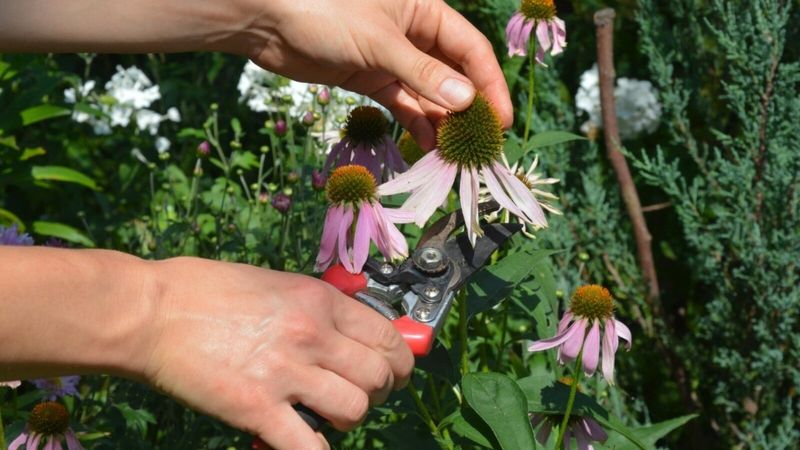
July is when many Ohio coneflowers shift from fresh purple blooms to older flowers with drooping petals and firm centers. That is the right time to decide which blooms to remove and which ones to save for later seed heads.
Removing faded flowers can keep the plant looking cleaner and may encourage more side shoots to bloom, especially while the plant is still actively growing. The key is to work carefully.
Do not just pinch off the flower head at the top, because that can leave an awkward bare stem. Follow the spent flower stem down until you find a healthy leaf joint, a new side shoot, or a smaller bud forming below it.
Make your cut just above that point with clean pruners. This keeps the plant’s shape more natural and gives new growth room to develop.
In an Ohio garden, this is especially useful along walkways, front borders, and pollinator beds where coneflowers are highly visible. You do not need to remove every faded bloom at once.
A selective pass every week or so is enough for many home gardens. Think of the task as guiding the plant, not forcing it.
Remove the roughest flowers first, keep the healthy stems, and let the planting keep its loose summer character.
2. Cut Back To A Healthy Leaf Node
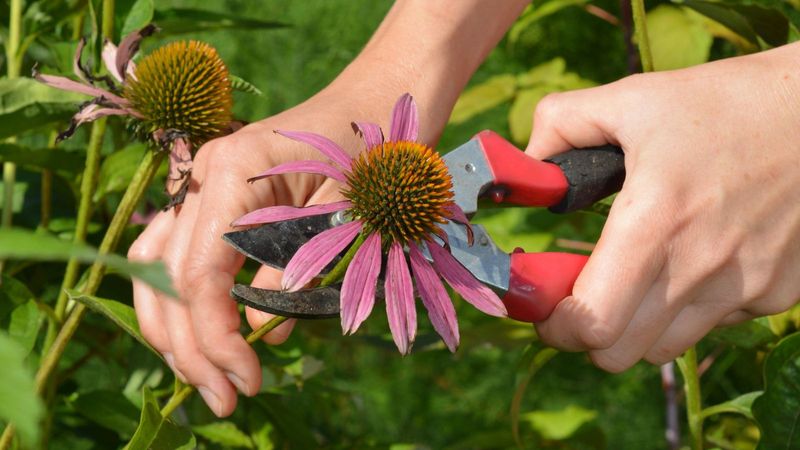
A clean cut in the right place makes coneflower care much easier. When a flower fades, look down the stem for the next strong set of leaves or a side branch.
That point is often called a leaf node, and it is where new growth can form. Cutting just above it helps the plant keep a balanced shape instead of leaving tall empty stems behind.
In Ohio gardens, where coneflowers often bloom during hot, humid weather, this small detail can make the whole clump look fresher through July. Use sharp pruners or flower snips so the stem is not crushed.
If you see a small side bud below the faded flower, keep that bud in place and cut just above it. That bud may open later, giving the plant a longer display.
Avoid cutting far down into leafy growth unless the stem is damaged, leaning badly, or crowding nearby plants. Coneflowers need healthy leaves to keep feeding the roots and supporting future bloom.
Your Ohio Garden Changes Every Week. Your Plan Should Too.
Gardening in Ohio changes quickly throughout the season. Every Friday you’ll receive a simple weekly plan showing exactly what to plant, prune, fertilize, harvest, and protect so you never miss the right timing.
After cutting, step back and check the plant from a normal viewing distance. A good cut should almost disappear into the foliage.
The plant should look lighter, not chopped. This is the difference between careful summer grooming and a rough midsummer haircut.
3. Remove Blooms Before Seeds Mature
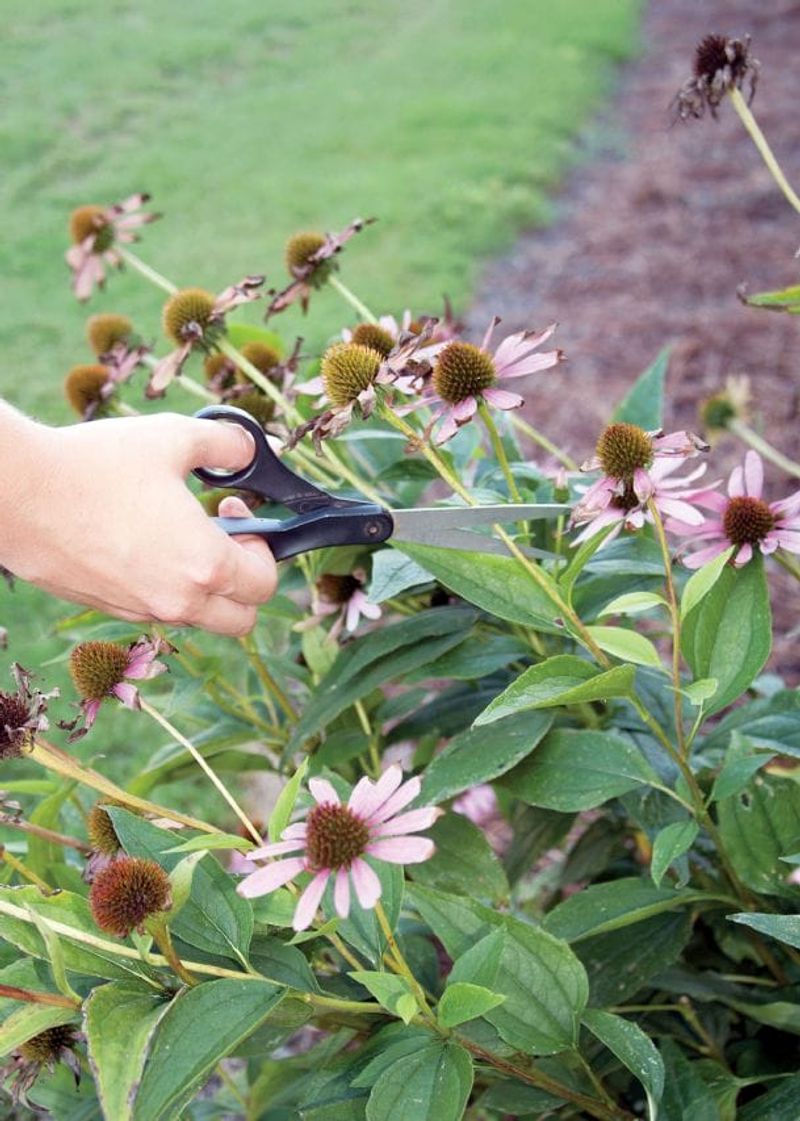
Coneflowers naturally move from bloom to seed, and that process is useful if you want birds, winter texture, or a little reseeding.
In July, though, removing some faded flowers before the seeds mature can help the plant stay tidier and may encourage more flowering while the season is still active.
The important word is “some.” You do not need to clear every cone from the plant. Focus first on flowers that have lost their petals, are leaning across other plants, or make the clump look tired.
Cut those stems back to a healthy leaf node or side shoot. Leave fresh flowers and new buds alone.
This approach gives Ohio gardeners the best of both worlds: a cleaner summer planting now and the option to keep later seed heads for birds.
Seed formation takes energy, so removing early spent blooms can redirect some of the plant’s effort toward additional flowers.
Still, coneflowers are not high-maintenance annuals, and they do not need constant cutting to survive in the garden. They are sturdy perennials that can handle a relaxed approach.
In a front border, you may remove more faded flowers for neatness. In a native-style bed, you might leave more standing.
The right balance depends on your garden style and wildlife goals.
4. Watch For New Side Buds
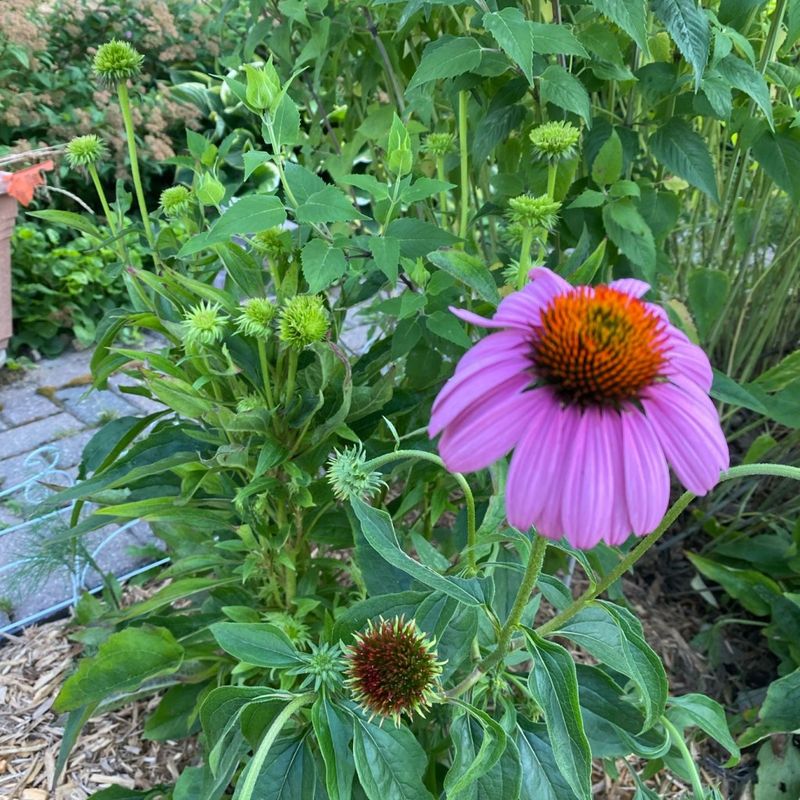
Fresh side buds are easy to miss if you are moving quickly through a July flower bed. Coneflowers often hide small developing buds just below the older bloom, tucked near a leaf joint or branching stem.
Before making any cut, take a moment to follow the stem with your eyes and fingers. If you see a rounded bud forming below the faded flower, do not cut below it.
Trim just above that bud so it can keep developing. This is one of the most common mistakes gardeners make when grooming coneflowers.
A rushed cut can remove the very bloom the plant was preparing to open next.
In Ohio gardens, where midsummer heat can make plants look a little rough between flushes of flowers, saving those side buds helps extend the display without extra fertilizer or heavy pruning.
New buds also tell you the plant is still actively flowering, so it is worth continuing light cleanup. If a stem has no side buds and looks finished, cut it back to the next healthy leaf node or lower branching point.
If the whole stem is still strong and attractive, you can leave it. Careful observation matters more than speed.
A few seconds of checking can keep more flowers in the garden later.
5. Keep Some Flowers For Later Seed Heads
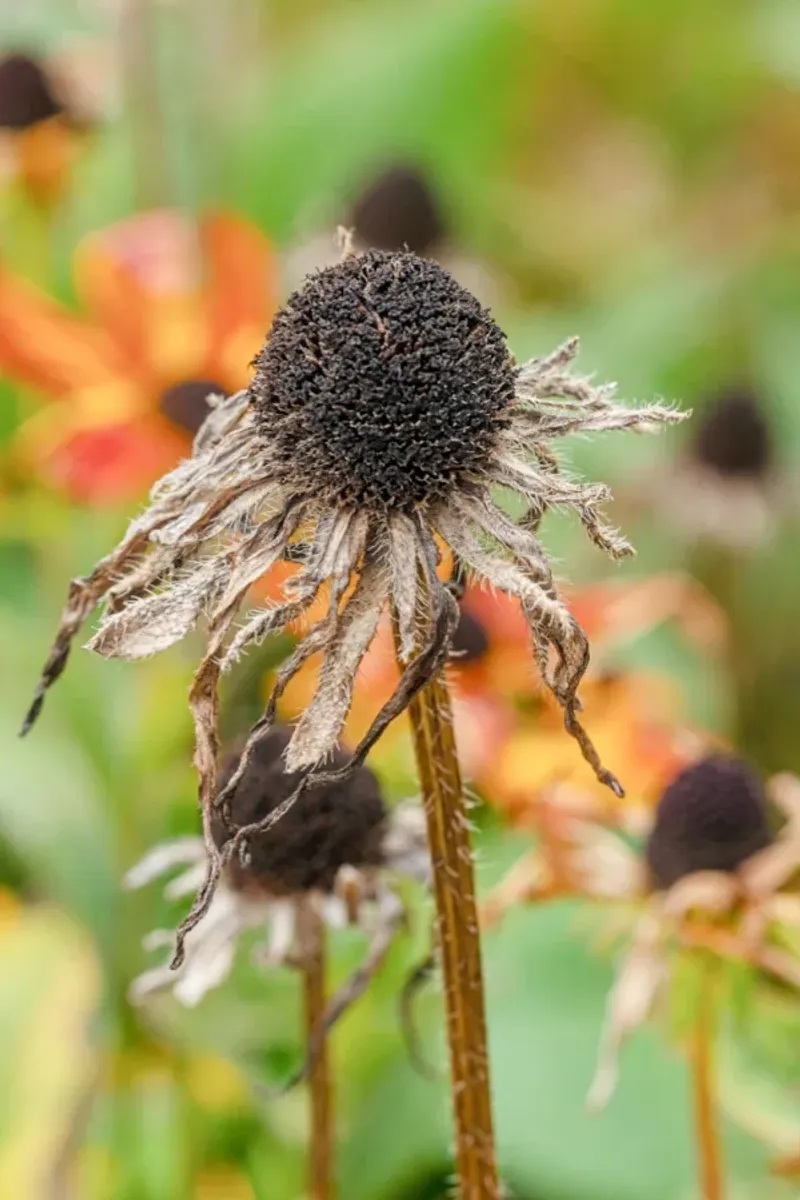
A tidy garden does not have to mean removing every fading coneflower. Some of those older blooms can become valuable seed heads later in the season, and they also add shape to the planting after the petals fade.
In Ohio gardens, coneflowers often sit in the middle of sunny borders where their stiff centers bring structure among softer plants like grasses, asters, and black-eyed Susans.
Choose the strongest stems to leave, especially ones standing upright and not crowding the center of the clump.
Remove the bent, messy, or poorly placed flowers first. This selective method keeps the garden neat enough for a front yard while still saving seed heads for later.
It also reduces the all-or-nothing thinking that makes coneflower care confusing. If your goal is more flowers in July, remove some early spent blooms.
If your goal is wildlife value, leave some later ones to mature. Both choices can fit the same garden.
The plant does not need to be treated like a formal hedge. Coneflowers look best when they keep some natural movement and texture.
By saving a few flower heads, you give the bed a more seasonal feel and create a simple bridge from summer color into late-summer seed interest.
6. Leave Late Seed Heads For Goldfinches
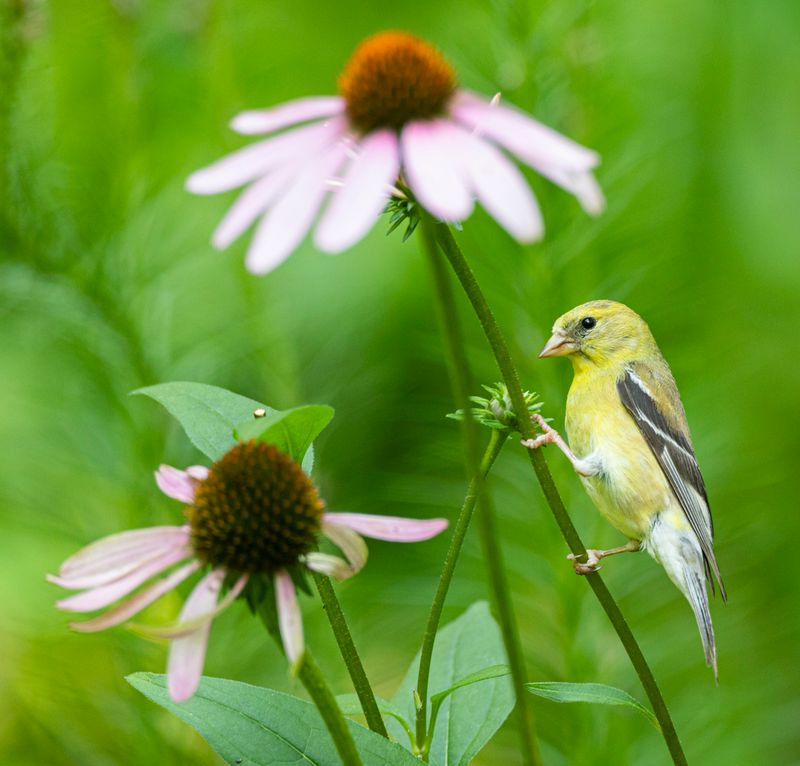
Goldfinches are one of the best reasons to stop cutting every coneflower once the season moves later. These small yellow birds feed heavily on seeds, and they are known for balancing on seed heads while they pick food from plants.
Coneflowers belong to the larger group of composite flowers that can support seed-eating birds, so leaving some mature cones can turn a sunny Ohio border into a useful feeding spot. The timing matters.
In July, you can still remove some faded blooms if you want more flowers and a tidier plant. As late summer approaches, begin leaving more of the firm, upright seed heads in place.
Pick stems that stand well and are not leaning into paths. If you prefer a very neat garden, leave seed heads toward the back of the bed where they are less noticeable.
If you enjoy a more natural style, let several remain where they add texture. Goldfinches may visit once the seeds are ready, not just because a cone looks brown or dry from a distance.
Avoid spraying seed heads or cutting them too early if birds are part of your garden plan. This small choice adds wildlife value without requiring feeders, special equipment, or a major redesign.
7. Avoid Cutting Healthy Green Growth
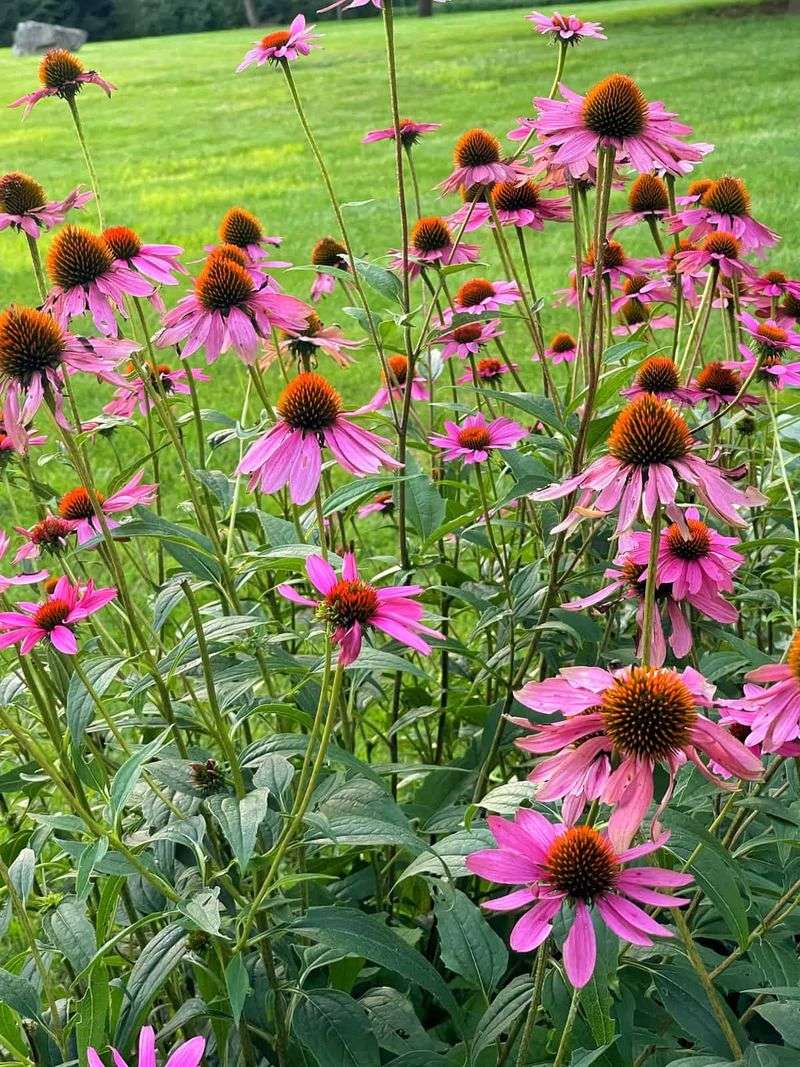
Healthy green leaves are doing important work for coneflowers, even when the flowers above them have faded. Leaves gather sunlight and help support the roots, future growth, and the plant’s overall strength.
That is why July grooming should be selective rather than severe. When you remove spent blooms, avoid cutting deep into the plant unless there is a clear reason.
A stem with fresh leaves, new side buds, or sturdy growth should usually stay. In Ohio’s midsummer heat, a plant that loses too much foliage may look sparse and take longer to recover its shape.
The better approach is to remove faded flowers one stem at a time. Look for the nearest healthy leaf node, side shoot, or branching point, then cut there.
If a leaf is badly spotted or resting on damp soil, you can remove that leaf separately, but do not strip the plant bare. Coneflowers are valued partly because they are durable, informal perennials.
They do not need the kind of constant shaping used on some annual flowers. Keeping healthy foliage also helps shade the soil around the crown and gives pollinators a fuller plant to work around.
A careful cut improves the clump while preserving the energy-producing growth that keeps it moving through summer.
8. Water During Long Dry Spells
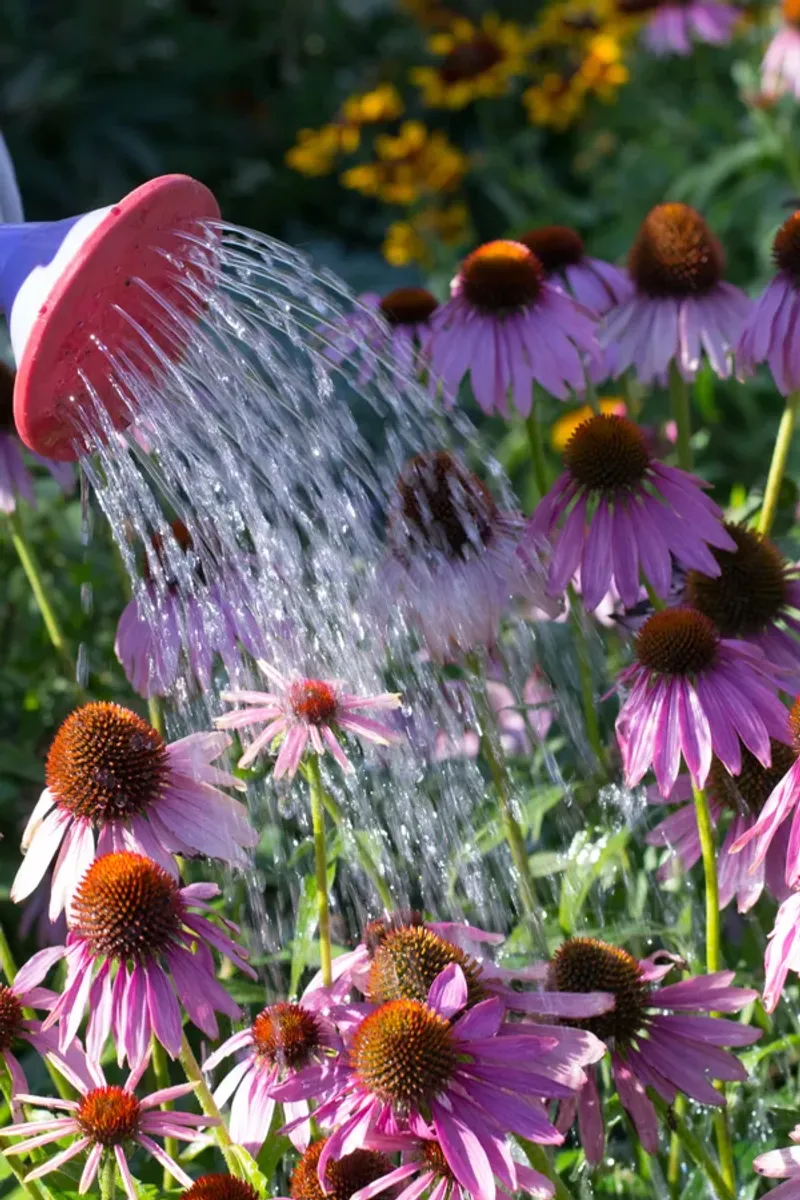
Established coneflowers can handle some dry weather, which is one reason they are popular in sunny Ohio borders. That does not mean they perform best with no attention during a long July dry spell.
If the soil stays dry for days and the plants look wilted beyond the hottest part of the afternoon, water deeply at the base. A slow soak is better than a quick splash over the leaves.
Aim for the root zone, then let the soil begin to dry before watering again. Coneflowers generally prefer well-drained soil, so the goal is steady support, not soggy conditions.
Mulch can help hold moisture and moderate soil temperature, but keep it pulled back slightly from the crown of the plant. In new plantings, water more carefully during the first season while roots establish.
Older clumps often need less help, but they may still appreciate watering during unusually long dry periods, especially in raised beds, sandy soil, or spots near pavement. Good watering also supports continued flowering after you remove faded blooms.
A stressed plant may slow down, while one with reasonable moisture can keep producing side buds. Check the soil before watering.
If it is still moist a couple of inches down, wait another day.
9. Let Some Seedlings Fill Open Spots
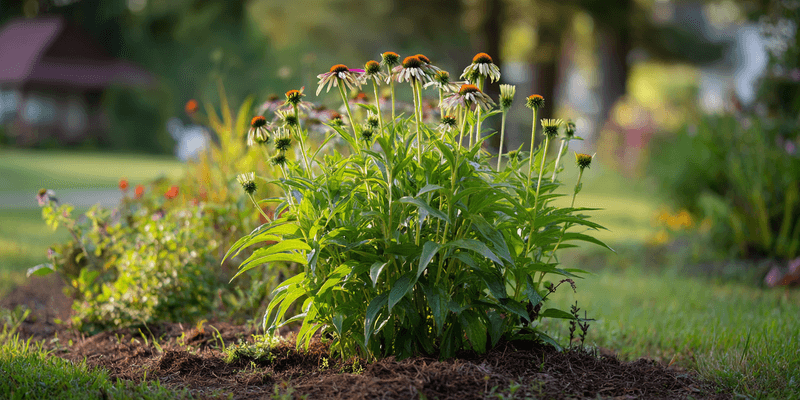
Coneflowers can reseed in open soil when conditions suit them, and that can be useful in a relaxed Ohio garden. A few seedlings near the parent plant can fill gaps, soften bare edges, and make a sunny border look more natural over time.
This does not mean letting seedlings take over every path or crowd every perennial. The best approach is to edit them.
In spring or early summer, look for small coneflower seedlings with rough leaves near mature plants. Keep the ones growing where you actually want more flowers, and pull or move the extras while they are still small.
Leaving some seed heads later in the season gives the plant a chance to create those volunteers.
If you grow named cultivars, seedlings may not look exactly like the parent plant, which can be interesting in a cottage-style bed but less useful in a formal design.
In native-style plantings, a little natural reseeding can help the bed feel fuller and more connected. In tight foundation beds, you may want more control.
July is a good time to decide which flowers to cut and which to let mature for seed. That choice shapes not only this season’s look, but also where new coneflowers may appear next year.