Why Michigan Raised Beds Drain Better Than Ground Soil After A Flood Watch
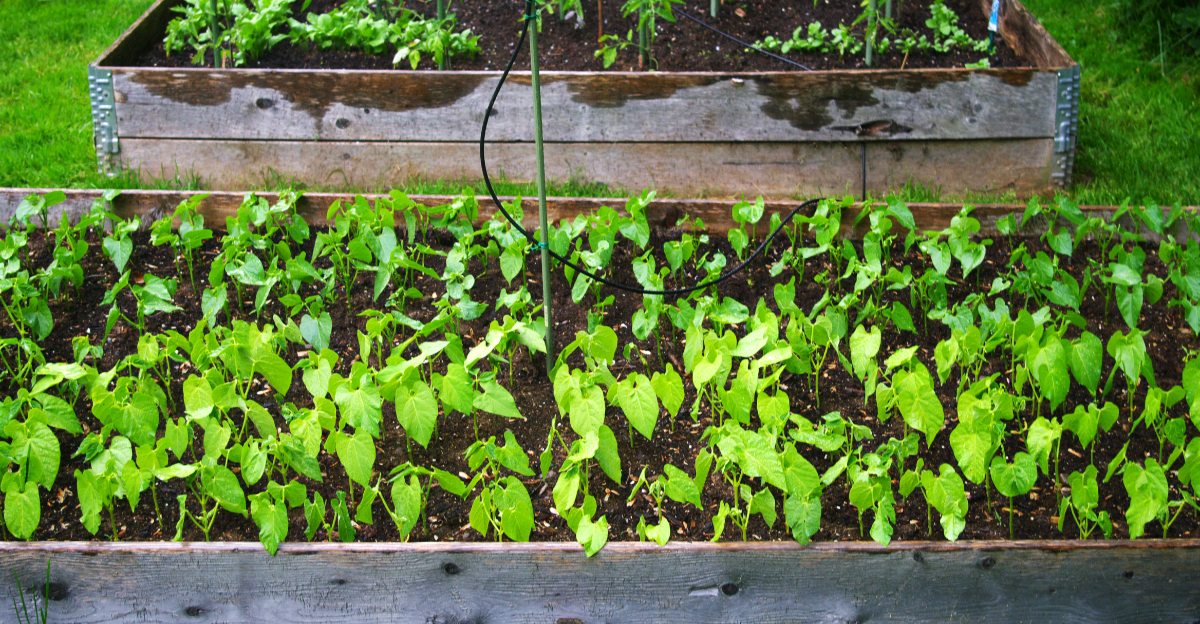
Raised beds offer a significant drainage advantage over traditional ground soil, especially when Michigan issues a flood watch during heavy rain events.
Elevated soil allows excess water to drain downward and outward more efficiently, rather than pooling around plant roots.
Ground level gardens, particularly those with heavier clay soil, often struggle to move water away quickly enough during intense storms. This difference becomes especially important for vegetables and other plants sensitive to prolonged saturation.
Raised beds also warm up faster after storms, helping soil dry out and return to a healthy, workable state sooner. Adding extra organic matter to raised beds further improves their drainage capacity beyond what ground soil typically offers.
Gardeners with raised beds often see less root rot and fungal issues following major rain events compared to in ground plantings. This built in advantage makes raised beds a smart choice for Michigan’s increasingly unpredictable summer storms.
1. Raised Beds Keep The Main Root Zone Above Ground Level
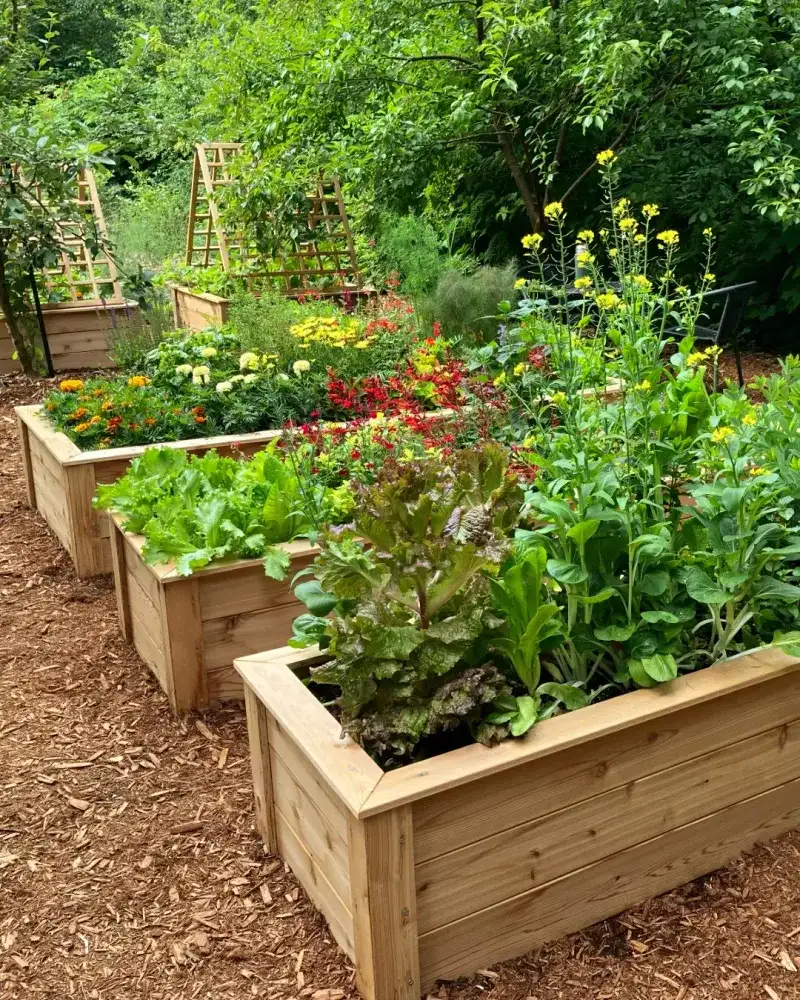
Picture your garden after a heavy Michigan rainstorm, water creeping across the yard while your raised bed sits a few inches higher, completely out of reach of the spreading puddles.
That simple elevation is one of the most straightforward drainage advantages a raised bed offers.
When your vegetable roots sit above the surrounding yard level, water has to rise much farther before it can saturate your entire growing area.
After intense Michigan rain, low sections of an in-ground garden can collect water quickly, leaving roots sitting in soggy conditions for hours or even days. A raised bed changes that equation.
Because the root zone starts higher up, the standing water that gathers around the base of the bed has to climb before it becomes a real problem for your plants.
Gardeners sometimes assume that elevation alone makes a raised bed completely flood-proof, but that is not quite accurate.
If floodwater rises above the bed walls or if the surrounding site has nowhere for water to escape, even a raised bed can become saturated. Elevation reduces risk significantly, but smart site planning still matters.
Choosing a raised bed location where water naturally flows away from the structure gives your plants the best possible protection. Pairing elevation with good site selection creates a much stronger defense against waterlogged soil.
Raised beds are not magic, but they give your garden a meaningful head start when Michigan weather turns wet and unpredictable.
2. Loose Bed Soil Has More Space For Water To Move
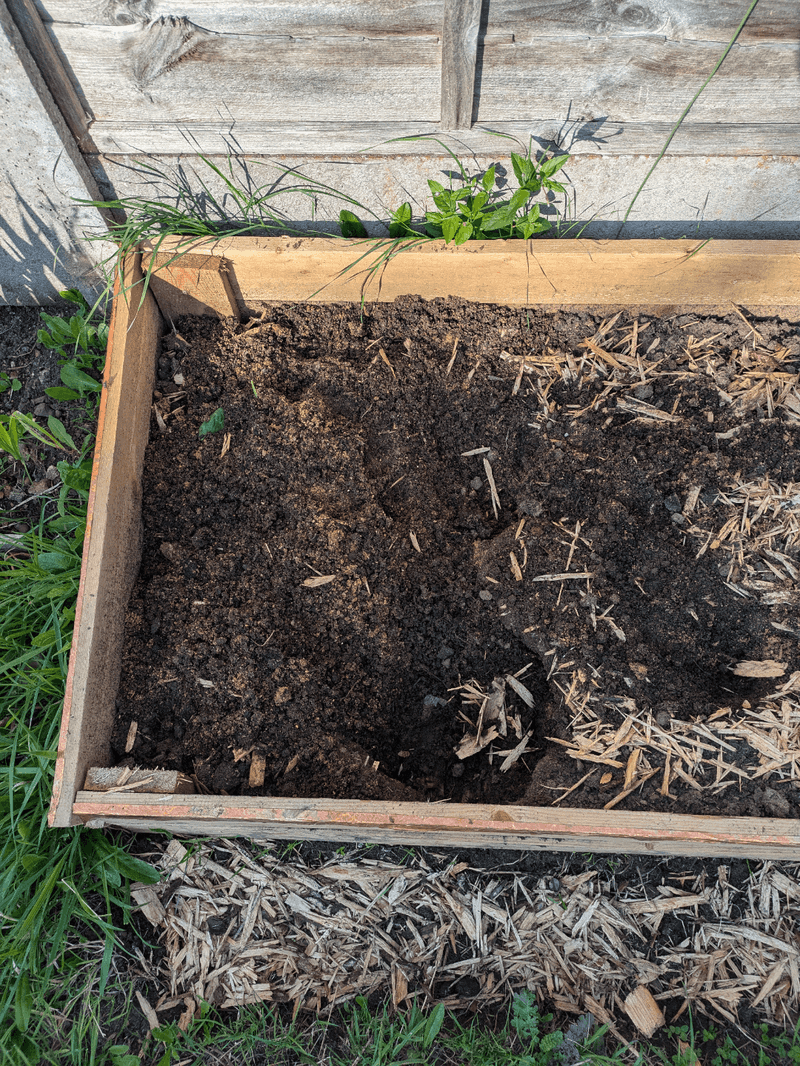
Healthy soil is not just dirt. It is a living, breathing structure full of tiny spaces that let air and water travel freely through the root zone.
Properly prepared raised bed soil contains far more of these open spaces, called pore spaces, than the compacted ground soil found in many Michigan yards.
Those gaps are exactly what allows water to drain downward after a storm instead of pooling near the surface.
When pore spaces are plentiful, water moves through the soil efficiently and oxygen can reach plant roots soon after rain stops.
Your Michigan Garden Changes Every Week. Your Plan Should Too.
Gardening in Michigan changes quickly throughout the season. Every Friday you’ll receive a simple weekly plan showing exactly what to plant, prune, fertilize, harvest, and protect so you never miss the right timing.
That quick recovery is huge for vegetable plants, which struggle when their roots sit in waterlogged conditions for extended periods.
Compacted Michigan soil, especially the heavy clay found in many parts of the state, tends to hold water near the surface because there simply is not enough open space for it to travel downward quickly.
MSU Extension has long recommended adding organic matter to garden soil to improve structure and drainage. Organic matter creates and maintains those critical pore spaces over time, giving both air and water room to move.
Raised beds make it easier to build and protect that structure right from the beginning.
One thing worth keeping in mind is that filling a raised bed with extremely dense soil defeats the whole purpose. Some gardeners use heavy topsoil or clay-rich fill that compacts almost as badly as the ground around it.
Choosing a well-balanced growing mix keeps those pore spaces open and working in your favor all season long.
3. Gardeners Can Build A Better Soil Mix From The Start
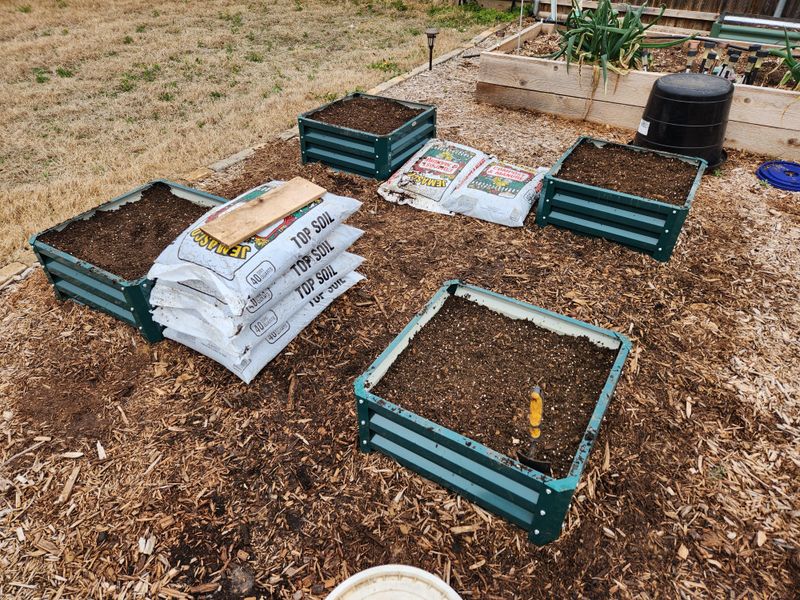
One of the most exciting advantages of a raised bed is the ability to start fresh. Instead of working with whatever native soil happens to be in your backyard, you get to create a custom growing medium tailored specifically to vegetables.
That kind of control is genuinely hard to achieve with an in-ground garden, especially if your yard has heavy clay, sandy patches, or poorly draining spots.
A balanced mixture of quality garden soil and finished organic matter can provide far better structure than compacted or poorly draining ground soil ever could.
Organic matter plays a key role here because it helps create the tiny spaces that allow both air and water to move freely through the root zone.
Heavy Michigan clay soil benefits enormously from this kind of amendment, and a raised bed makes it simple to build that improved structure from day one.
Gardeners sometimes assume that filling a raised bed entirely with compost will automatically produce perfect drainage and fertility. That is actually a common mistake.
Pure compost can become dense and soggy when wet, and it may shrink significantly over a single growing season. A balanced mix that combines quality topsoil with compost and other amendments tends to perform much better over time.
Building your soil mix thoughtfully at the start pays off every single season. A well-structured growing medium drains efficiently after heavy rain, supports healthy root development, and stays workable even during wet Michigan springs.
Starting with the right foundation gives your vegetables a strong advantage before you ever plant a single seed.
4. Raised Beds Avoid Much Of The Compaction Caused By Foot Traffic
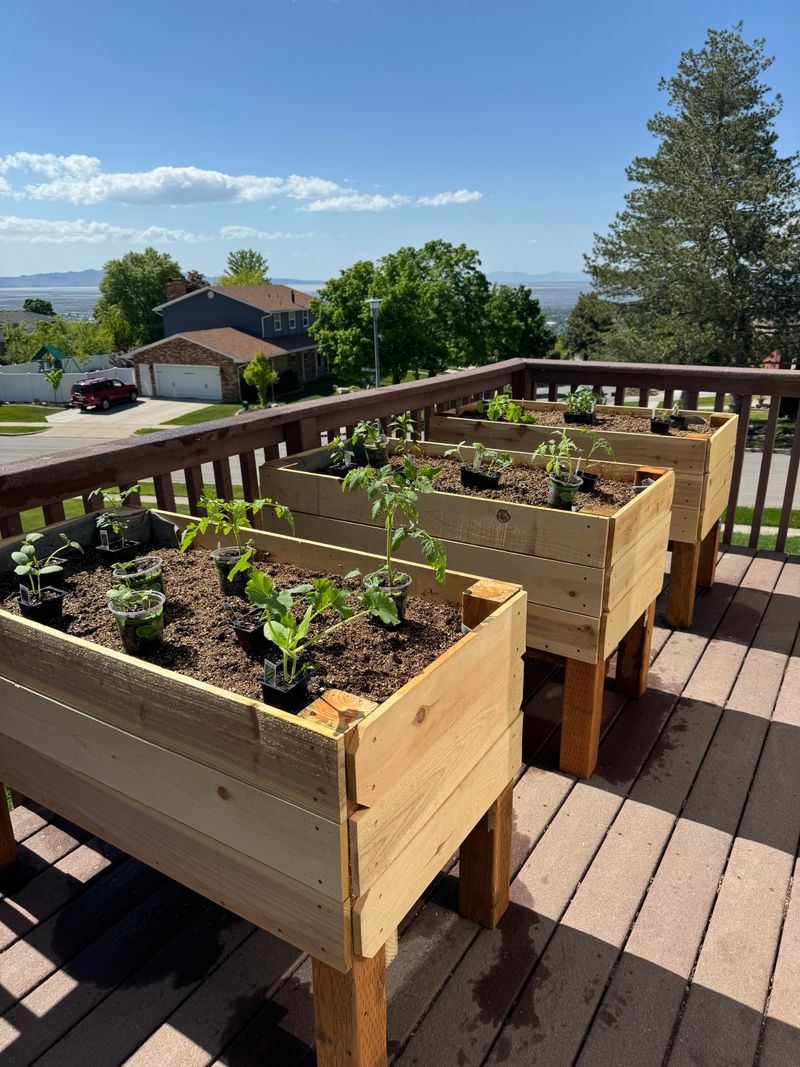
Every time someone walks across garden soil, the weight of their footsteps pushes soil particles closer together and squeezes out those precious pore spaces that allow water and air to move freely.
In a traditional in-ground garden, that kind of compaction happens constantly, especially when gardeners walk through wet soil after a storm.
Over time, the growing area becomes denser and less able to drain effectively. Raised beds naturally solve this problem by changing how gardeners interact with the soil.
Because the growing area sits inside a defined frame, most people work from paths or walkways around the outside of the bed rather than stepping directly on the soil inside.
That simple habit preserves the open, airy structure that makes drainage work well in the first place.
After a big Michigan rainstorm, the temptation to get out and check on your plants is real. But wet soil is especially fragile and vulnerable to compaction.
Walking on saturated garden soil even once can undo months of careful soil building and leave you with a dense, poorly draining mess that takes a whole season to recover.
Raised beds make it much easier to resist that temptation because the narrow width means you can reach every part of the bed without stepping inside. Better soil structure leads directly to more effective drainage after future rains.
When pore spaces stay open and intact, water moves through the root zone quickly, roots get the oxygen they need, and your vegetables bounce back faster after heavy weather.
Protecting your soil from compaction is one of the simplest and most powerful things a Michigan gardener can do.
5. Excess Water Has A Shorter Path Out Of The Root Zone
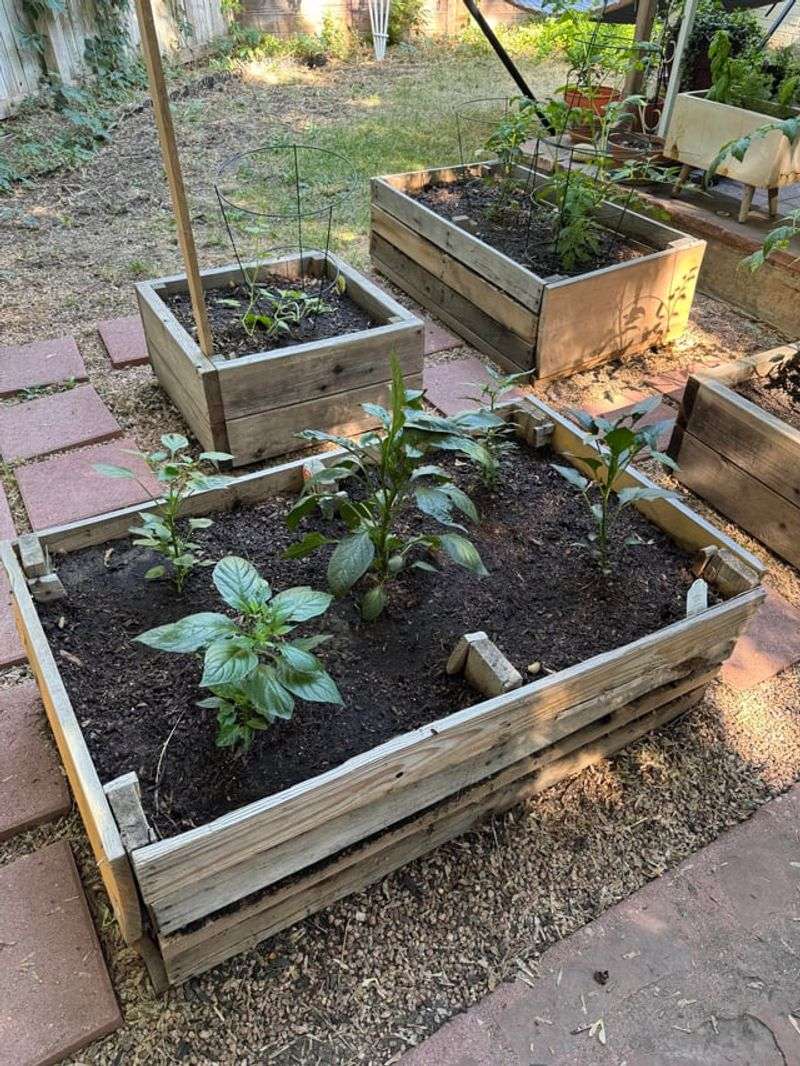
After a heavy rain, the race to get water out of the root zone begins immediately. Plant roots need oxygen, and waterlogged soil cuts off that supply quickly.
One underappreciated advantage of a raised bed is that the cultivated soil mass is relatively shallow and elevated, which gives excess water a shorter distance to travel before it exits the root zone entirely.
In a deep area of poorly draining ground soil, water can sit stubbornly in the root zone for a long time because it has a long way to go before reaching a layer where it can drain freely.
A raised bed concentrates the growing medium in a more manageable, elevated layer. When rain stops, water can move below or out of that layer faster, giving roots quicker access to the oxygen they need to thrive.
This advantage does come with a few important conditions. The bottom of the raised bed needs to remain open to drainage rather than sitting on an impermeable surface like solid concrete or thick plastic sheeting.
If the bed sits in a deep low spot where the surrounding ground stays saturated for long periods, the shorter path out of the root zone matters much less because there is nowhere for the water to go once it exits the bed.
Gardeners who build beds over compacted surfaces or in obvious depressions should take extra steps to improve drainage beneath the structure.
Adding a layer of coarse gravel at the base or choosing a naturally sloped location can make a real difference. Small decisions at build time create big drainage benefits all season long.
6. Raised Beds Can Be Positioned Away From The Wettest Parts Of The Yard
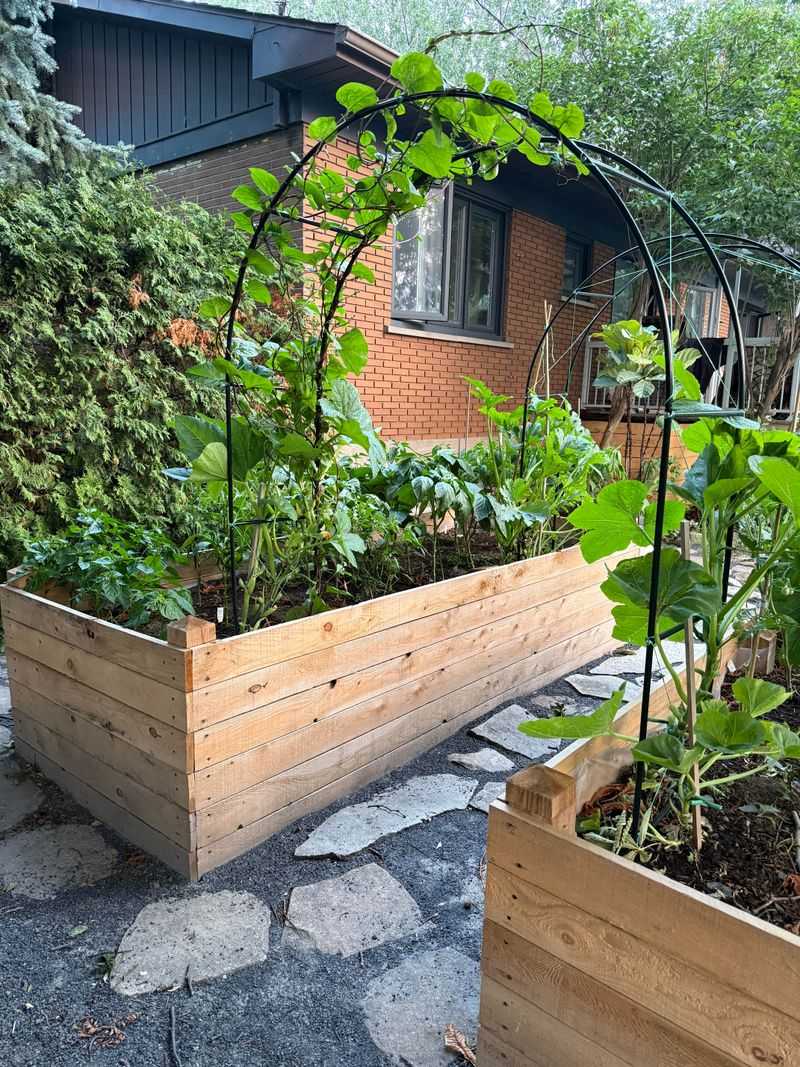
Before a single seed goes in the ground, raised bed gardeners get to make a choice that in-ground gardeners rarely have: where exactly to put the growing area. That might sound simple, but placement is one of the most powerful drainage tools available.
Choosing the right spot before building can prevent dozens of soggy-soil problems before they ever start.
MSU Extension recommends selecting vegetable garden sites with good natural drainage and specifically suggests raised beds when natural drainage on a property is inadequate.
Raised beds give gardeners the flexibility to avoid obvious trouble spots like natural depressions, areas near downspout discharge points, drainage channels, and places where water visibly lingers after storms.
In-ground gardens are stuck wherever the soil happens to be, but raised beds go where you put them.
Watching your yard during or shortly after a heavy rain is one of the best ways to identify where water collects and where it flows away quickly. Those observations are incredibly useful when deciding where a new bed belongs.
A spot that looks perfectly fine on a dry day might reveal a hidden drainage problem the moment a real storm rolls through.
Positioning a raised bed on slightly elevated or naturally sloped ground gives it a significant head start when Michigan flood watches arrive.
Water flows away from the bed naturally, the surrounding soil drains faster, and the root zone stays workable much sooner after heavy rain.
Good placement costs nothing extra but pays off every single season with healthier plants and fewer weather-related setbacks.
7. Raised Beds Can Recover Faster After Heavy Rain When Built Correctly
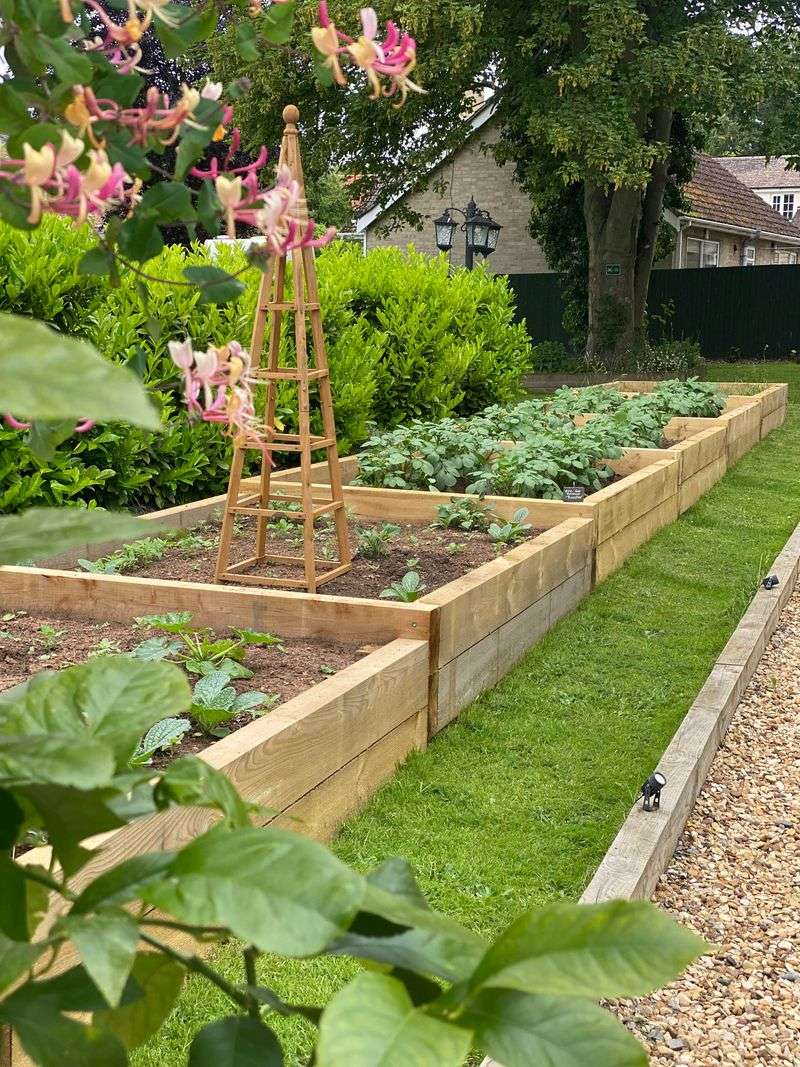
A well-designed raised bed has several things working in its favor all at once.
The root zone sits elevated above the surrounding yard, the soil stays loose and full of pore spaces, foot traffic stays out, and the entire structure was placed in a spot chosen for good drainage.
When those factors combine, the bed can return to workable moisture conditions noticeably sooner than nearby compacted ground soil after a heavy Michigan rainstorm.
Michigan sees plenty of intense rain events, particularly in spring and early summer, and heavy clay soil across much of the state can stay waterlogged for days after a big storm.
Raised beds built with the right soil mix and placed thoughtfully tend to drain faster and dry out more quickly, getting gardeners back to planting and tending much sooner in the season.
Patience still matters even with a raised bed. Working or cultivating soil that is still saturated can damage its structure just as badly as foot traffic on wet ground.
Squeeze a handful of soil from the bed and if it forms a tight ball that does not crumble easily, it is still too wet to work. Waiting even an extra day or two protects the soil structure you worked hard to build.
One critical point every Michigan gardener should keep in mind involves food safety. Ordinary heavy rain draining through a raised bed is very different from actual floodwater.
If potentially contaminated floodwater covered edible crops or entered the bed, follow Michigan Extension food safety guidance carefully rather than assuming the raised bed elevation made the produce safe to harvest and eat.