The Michigan Lawn Mistakes That Make Your Yard A Hotspot For Ticks
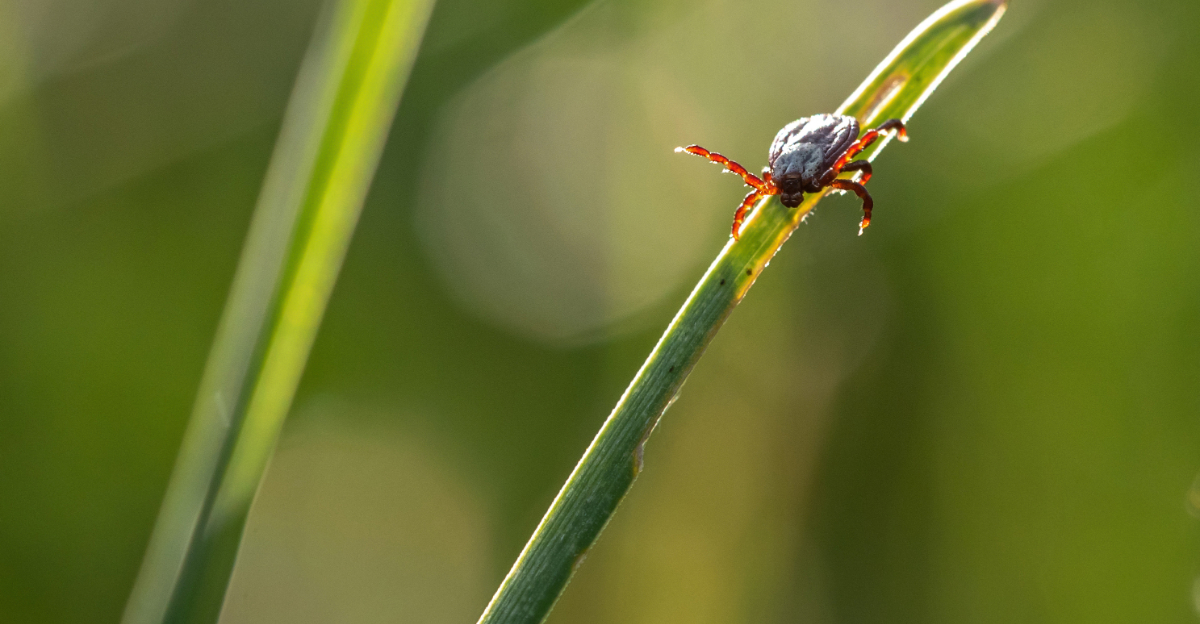
Tick pressure in Michigan yards is not evenly distributed.
Some properties seem to have a persistent problem while neighboring yards with similar surroundings do not, and the difference almost always comes down to specific lawn and yard management habits rather than location alone.
Certain common practices create conditions that ticks actively seek out, and most homeowners maintain these conditions without realizing what they are doing.
Grass kept slightly too long along borders, leaf debris that sits through winter in low-traffic corners, and landscape features that create permanent zones of shade and moisture all contribute more than most people expect.
Understanding which specific habits are building the problem in your yard is more useful than any single treatment applied once a season and forgotten.
1. Allowing Grass To Grow Too Long

Tall grass is basically a five-star hotel for ticks. When your lawn grows beyond three to four inches, it creates a shaded, humid layer close to the ground where ticks love to hang out and wait for a host to walk by.
Michigan summers bring enough moisture on their own, and long grass traps that moisture even longer after rain or morning dew.
Most cool-season grasses common in Michigan, like Kentucky bluegrass and tall fescue, do best when kept between two and a half to three and a half inches tall.
Mowing weekly during the growing season from May through September keeps your turf at a healthy height while removing the microclimate ticks depend on.
Skipping even one or two mowing sessions during a wet stretch can give ticks the cover they need to move closer to your patio or play area.
Set a realistic mowing schedule and stick to it. If your yard has shaded spots under trees, those areas dry out more slowly and need extra attention since ticks favor exactly that kind of low-light, damp environment.
Keeping the blade sharp and never cutting more than one-third of the grass height at once also encourages thicker, healthier turf that naturally resists pest activity. A well-mowed lawn is one of the simplest and most effective tools you have.
2. Ignoring Leaf Litter And Debris
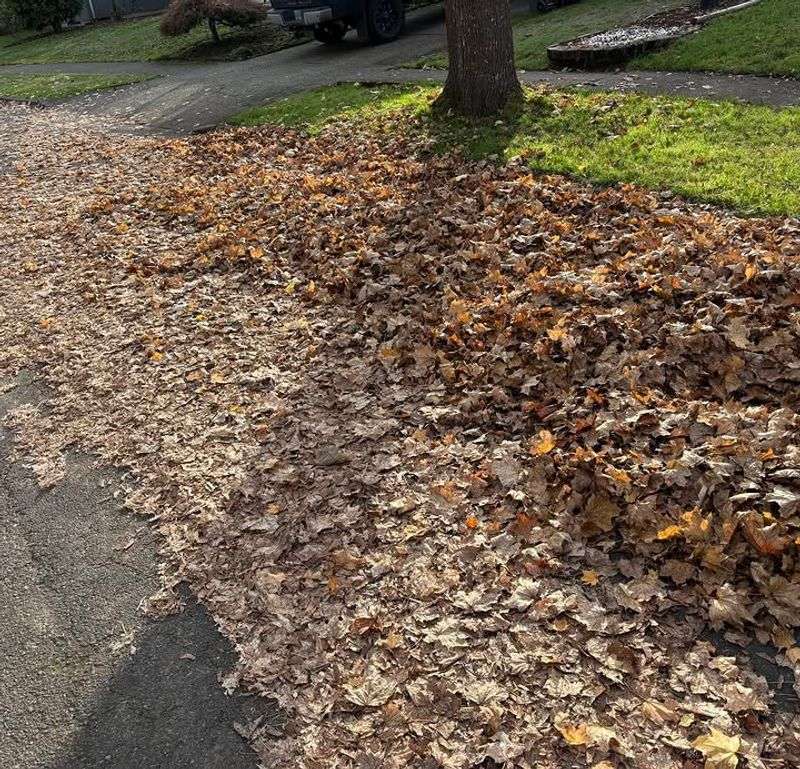
Raking leaves might feel like one of fall’s least exciting chores, but skipping it creates a thick, cozy layer of debris that ticks absolutely love.
Piles of leaves, sticks, and old garden waste hold moisture and block sunlight, creating the dark, damp conditions that ticks need to survive through Michigan’s cooler months.
They do not just vanish when winter arrives either since they can shelter under debris and become active again the moment temperatures rise above freezing.
The best approach is to rake and remove leaf litter throughout fall rather than waiting for all the leaves to drop at once.
Bagging and curbside pickup works well for most Michigan neighborhoods, but if you compost, keep the pile as far from high-traffic yard areas as possible.
Leaving brush piles or stacked wood near the house gives ticks a perfect bridge from wooded edges right into your backyard.
Your Michigan Garden Changes Every Week. Your Plan Should Too.
Gardening in Michigan changes quickly throughout the season. Every Friday you’ll receive a simple weekly plan showing exactly what to plant, prune, fertilize, harvest, and protect so you never miss the right timing.
Pay attention to garden beds too. Old mulch that has broken down into a soggy mat is just as attractive to ticks as a leaf pile.
Refreshing mulch in spring, keeping it no deeper than three inches, and pulling it slightly away from your home’s foundation reduces the risk significantly. Tidying your yard is not just about looks.
It is genuinely one of the most practical ways to make your outdoor space less welcoming to ticks all year long.
3. Overwatering Shady Areas
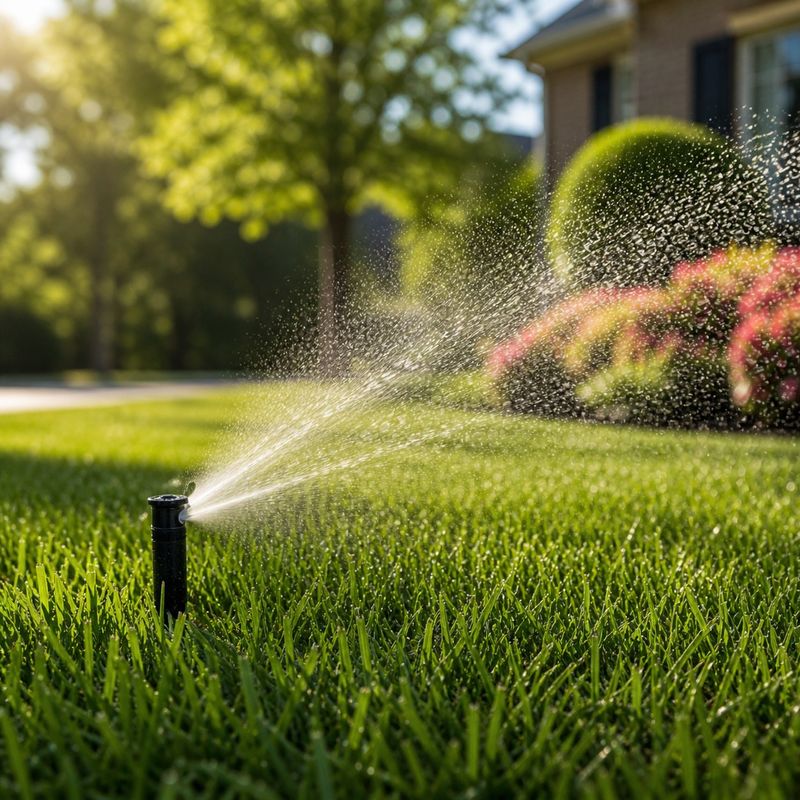
Watering your lawn feels responsible, but there is a real cost to overdoing it, especially in shaded spots. Ticks need humidity to survive, and shaded areas of a Michigan yard already retain more moisture than sunny spots.
Add a generous sprinkler schedule on top of that, and you end up with the kind of persistently damp environment where ticks thrive from spring all the way through fall.
Shaded areas under trees or along the north side of a house typically need far less supplemental water than open, sunny sections of the lawn.
A good rule of thumb is to water deeply but infrequently, aiming for about one inch of water per week total, including rainfall.
Using a rain gauge takes the guesswork out of it and prevents you from watering right after Michigan has already dropped an inch of rain in two days.
Soil moisture probes are inexpensive and make it easy to check whether the ground actually needs water before turning on the hose or sprinkler system.
In persistently shaded areas, consider trimming lower tree branches to let in more sunlight and improve airflow, which naturally speeds up drying after rain.
Switching to drip irrigation in garden beds also reduces surface moisture compared to overhead sprinklers. Less standing moisture in shaded zones makes those spots noticeably less attractive to ticks without sacrificing the health of your plants.
4. Crowding Shrubs And Perennials

There is something satisfying about a lush, full garden border, but planting shrubs and perennials too close together creates a problem that goes beyond aesthetics.
Crowded plantings block airflow at ground level, trapping humidity close to the soil and creating exactly the kind of shaded, moist microclimate that ticks prefer.
Along Michigan fences and property edges, these dense zones can become a hidden highway for ticks moving from wooded areas into your main yard.
The fix is simpler than most gardeners expect. Thinning out overcrowded shrubs so that air can move freely between plants makes a noticeable difference in how quickly the area dries after rain or morning dew.
Most shrubs and perennials also perform better when given proper spacing since they get more light, better root development, and fewer fungal issues. Pruning lower branches from shrubs so they do not touch the ground removes another favorite tick resting spot.
When planning new plantings, follow the mature spread recommendations on plant tags rather than spacing things tightly for an instant full look. Wider spacing now means healthier, easier-to-manage plants later.
For existing crowded borders, tackle thinning in early spring before new growth kicks in. Removing one or two plants from a dense cluster can dramatically improve airflow without making the garden look sparse.
A well-spaced border is both more beautiful and far less inviting to ticks lurking near your yard’s edges.
5. Leaving Standing Water
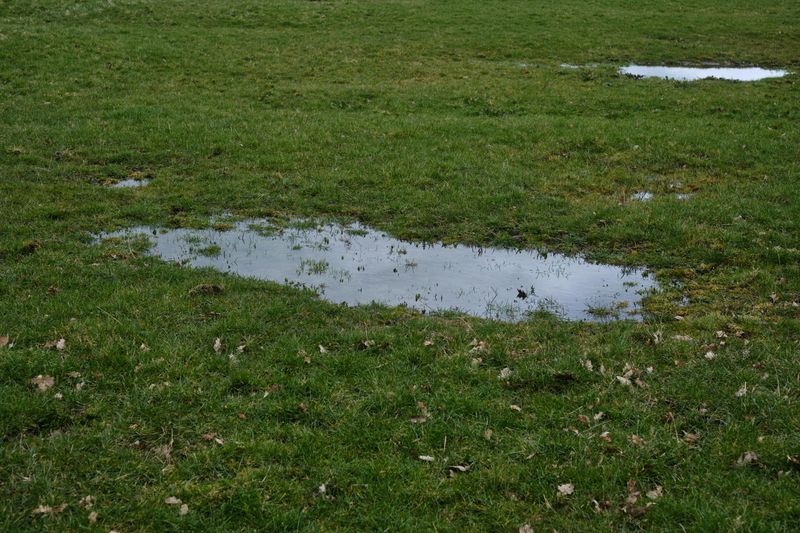
Standing water in a yard is a well-known invitation for mosquitoes, but the ripple effect goes further than most homeowners realize. Stagnant water sources attract rodents like mice and voles, which are among the most common carriers of ticks in Michigan.
When rodents move through your yard searching for water, they bring ticks with them, and those ticks can easily drop off and wait in your grass for the next warm-blooded host to pass through.
Common culprits include clogged gutters, overturned pots, low spots in the lawn that collect rainwater, bird baths that go unchanged, and even old tires or tarps left outside.
Michigan’s spring and early summer bring enough rainfall that standing water can appear quickly and linger for days if drainage is poor.
Walking your yard after a heavy rain and noting where water pools gives you a clear map of problem areas to address.
Simple fixes go a long way. Tip and drain any container that holds water weekly, clear gutters at least twice a year, and fill low spots in the lawn with topsoil or compost to improve drainage.
For decorative water features like bird baths or small ponds, moving water with a pump or fountain attachment prevents the stagnation that attracts pests.
Addressing standing water is one of those yard tasks that pays off fast, making your outdoor space healthier and far less hospitable to unwanted wildlife and the ticks they carry.
6. Encouraging Deer And Wildlife Traffic
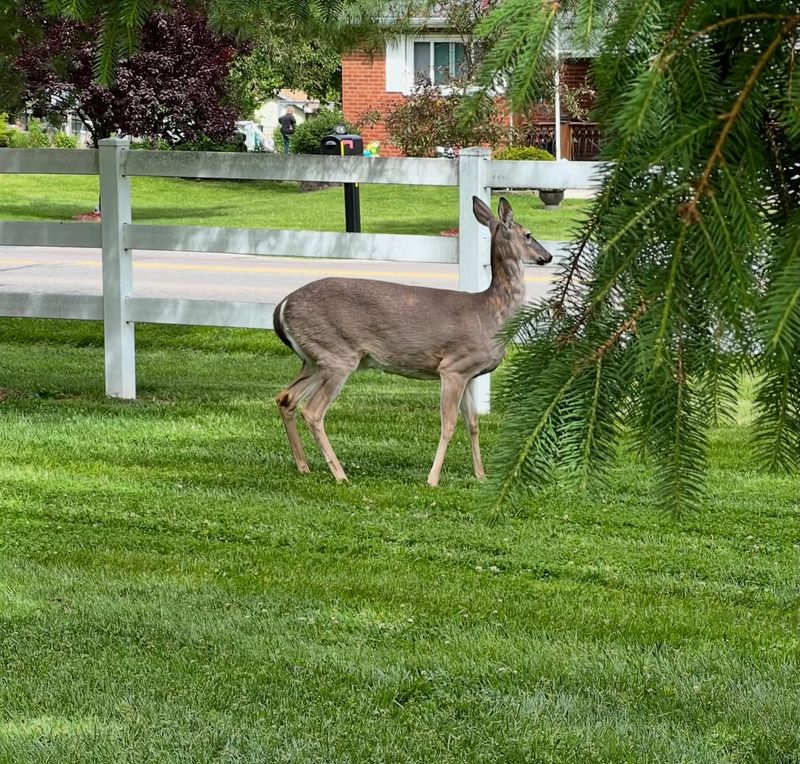
White-tailed deer are a familiar sight across Michigan, and while they are beautiful to watch, having them wander through your yard regularly is one of the fastest ways to increase tick activity.
Deer are major carriers of ticks, particularly the black-legged tick, also known as the deer tick.
Every time a deer passes through your lawn, it can deposit ticks that then wait in the grass, garden beds, or leaf litter for a new host.
Feeding deer or leaving brush piles near the yard’s edge makes your property far more attractive to them. Small mammals like mice, chipmunks, and rabbits also carry ticks, and the same habitat features that attract deer tend to attract rodents too.
Brush piles, dense ground cover near the property line, and accessible food sources all signal to wildlife that your yard is a safe place to visit regularly.
Practical steps to reduce wildlife traffic include installing deer-resistant plantings like lavender, catmint, or Russian sage along borders, using motion-activated sprinklers near garden beds, and removing brush piles or relocating them well away from the house.
Fencing vegetable gardens and eliminating bird feeders during high-tick season from April through October also helps.
The goal is not to make your yard unwelcoming to nature overall, but to create enough boundaries that deer and rodents choose to spend their time elsewhere rather than cutting through your lawn regularly.
7. Skipping Mulch Barriers Between Lawn And Wooded Areas
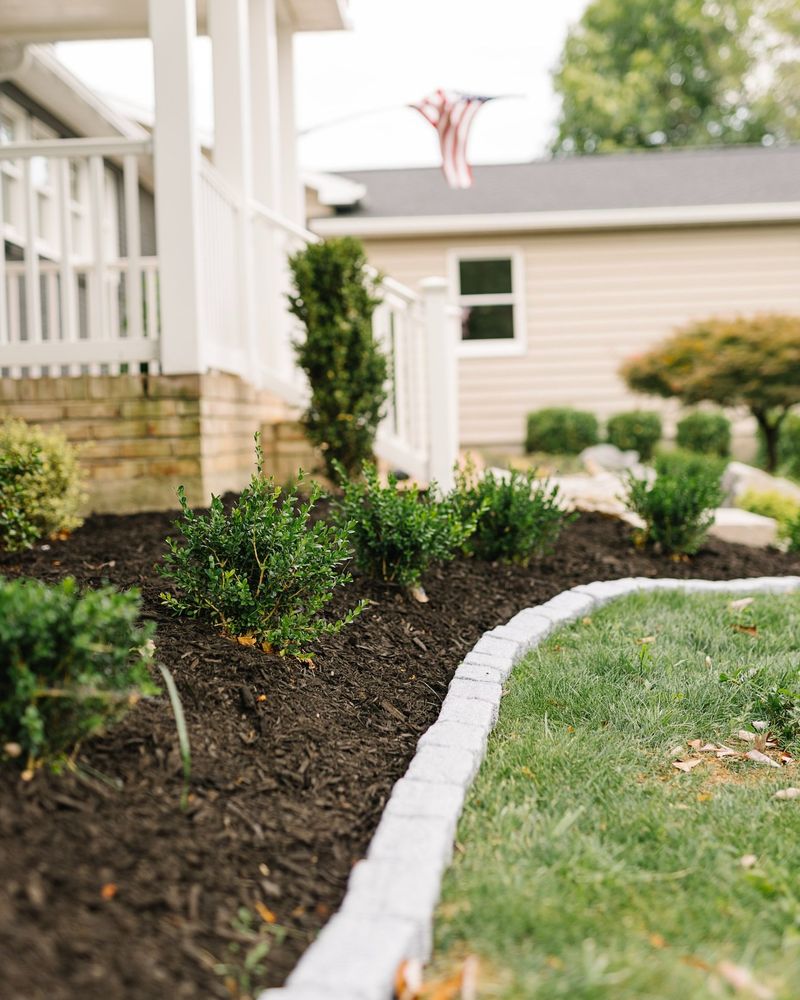
One of the most overlooked tick prevention strategies is also one of the most straightforward. A dry mulch or gravel barrier placed between your lawn and any wooded or brushy area creates a zone that ticks are reluctant to cross.
Ticks prefer moisture and shade, and a three-foot-wide strip of wood chip mulch or pea gravel sitting in the sun offers neither. It acts as a simple but effective buffer that slows tick migration from the woods into the main yard.
Michigan yards that back up to woodlands, nature preserves, or overgrown neighboring lots face the highest risk of tick movement along these edges.
Without a transition zone, ticks can travel freely from shaded leaf litter right into your lawn with nothing to stop them.
Research from the Centers for Disease Control and Prevention supports the use of mulch barriers as part of a practical tick management strategy for residential yards.
For best results, use wood chip mulch or gravel to create a barrier at least three feet wide along the entire wooded edge. Keep the mulch dry by avoiding overhead irrigation in that zone and rake it lightly each spring to break up any compacted, moist layers underneath.
Replace or refresh the mulch every one to two years to maintain its effectiveness. Combining this barrier with regular lawn maintenance along the edge gives you a strong first line of defense against ticks entering your yard from surrounding natural areas.
8. Planting Tall Grasses And Groundcovers Near Play Areas
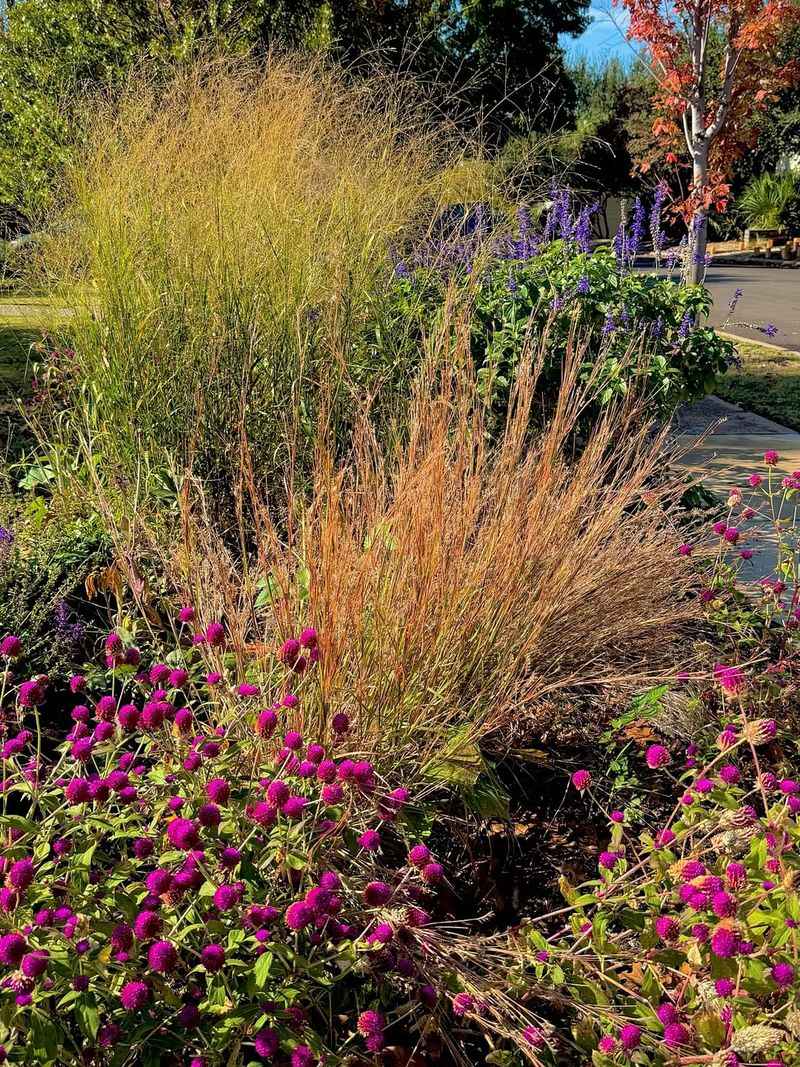
Ornamental grasses and spreading groundcovers are popular landscaping choices in Michigan because they look great and require minimal maintenance. The problem starts when these plants get placed right next to patios, decks, or children’s play areas.
Tall grasses create shaded, humid pockets at their base, and dense groundcovers like pachysandra or English ivy stay cool and moist close to the soil, which are exactly the conditions ticks look for when searching for a resting spot near potential hosts.
Children playing in or near these plantings face a higher chance of tick contact simply because they are lower to the ground and tend to brush against vegetation more than adults do.
Placing tick-friendly plants right where kids spend the most time dramatically increases the odds of a tick encounter during a summer afternoon outside.
Rethinking the placement of these plants is a practical step that does not require giving them up entirely.
Moving tall ornamental grasses and dense groundcovers at least ten feet away from high-use areas like swing sets, sandboxes, and seating zones makes a real difference.
In those closer zones, swap in low-growing, open plants like creeping thyme or dwarf mondo grass, which dry quickly and do not create the same humid microclimate.
Keeping a clear, mowed buffer of at least a few feet around play structures gives kids a safer space to enjoy the yard without dramatically changing your overall landscaping style or vision.
9. Using Pesticides Improperly
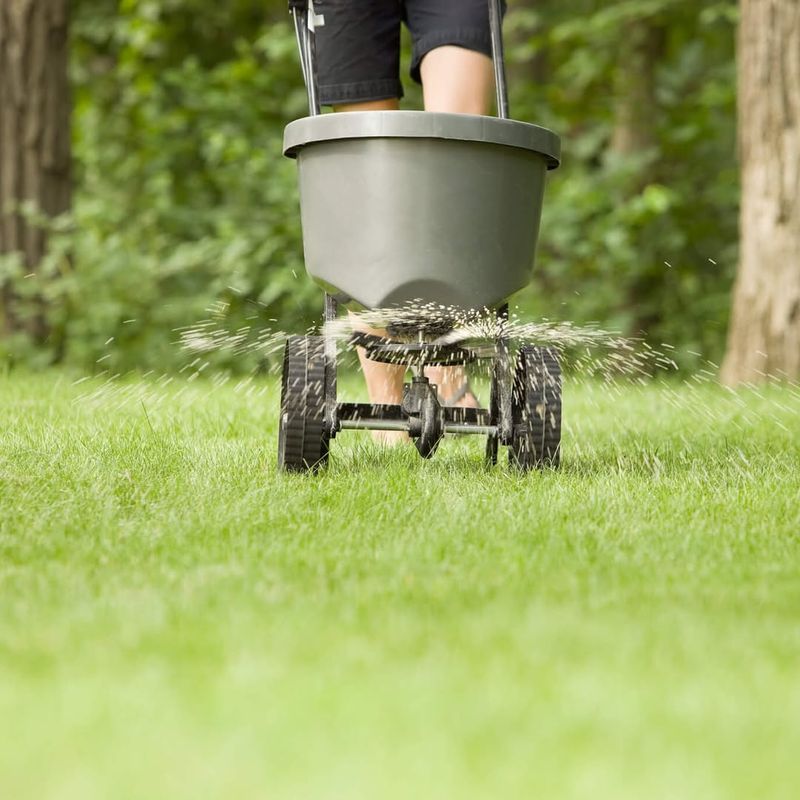
Reaching for a broad pesticide spray every time you spot a pest in the yard might feel like the safest move, but overusing or misapplying lawn pesticides can actually backfire when it comes to ticks.
Many common pesticides harm beneficial insects like ground beetles and spiders, which are natural predators of ticks and tick eggs.
When those populations drop, ticks face far less natural competition and can establish more easily across your yard.
Broad-spectrum sprays applied all over the lawn also affect birds and other wildlife that feed on insects, gradually reducing the natural checks that help keep pest populations balanced.
Michigan’s ecosystem already faces enough pressure from habitat changes, and unnecessary chemical use adds to that stress in ways that ripple through your entire yard environment over time.
Smart pest management focuses on targeted application rather than blanketing the whole lawn.
Integrated pest management, commonly called IPM, is a practical approach that combines targeted treatments with habitat changes and natural controls.
If tick activity is high in specific areas like wooded edges or shaded garden corners, applying a targeted acaricide treatment to just those zones is far more effective and less disruptive than spraying the entire yard.
Always read product labels carefully, follow Michigan-specific application guidelines, and consider consulting a licensed pest management professional before treating.
Using the right product in the right place at the right time protects your yard without undermining the natural balance that helps keep tick populations in check.
10. Failing To Inspect And Manage Lawn Edges

Lawn edges are easy to overlook, but the strip of ground where your mowed grass meets a fence, woods, or unmaintained area is one of the most active tick zones in any Michigan yard. Ticks do not wander randomly across open sunny lawns.
They tend to stay close to vegetation edges where they can find shade, humidity, and passing hosts. An unmanaged transition zone gives them everything they need to move deeper into your yard every season.
Regular trimming and edging along these borders removes the tall grass and weedy growth that ticks use as resting habitat.
Using a string trimmer to keep that edge tight and clean, and then raking away the clippings, reduces the organic material that holds moisture and creates hiding spots.
Doing this every two weeks during the growing season keeps the edge from becoming a tick staging ground right at the entry point to your main yard.
Beyond trimming, periodically inspecting the edge zone for encroaching brush, fallen branches, or leaf accumulation is worth building into your regular yard routine.
Moving firewood piles, compost bins, or any debris storage away from these edges further reduces the habitat complexity that ticks favor. Think of the lawn edge as a border crossing that needs regular monitoring.
Staying consistent with edge management throughout Michigan’s spring, summer, and fall tick season is one of the most direct and effective ways to reduce how many ticks make it into the spaces where your family spends time outdoors.