What It Means When Hummingbirds Start Leaving Georgia In Late August
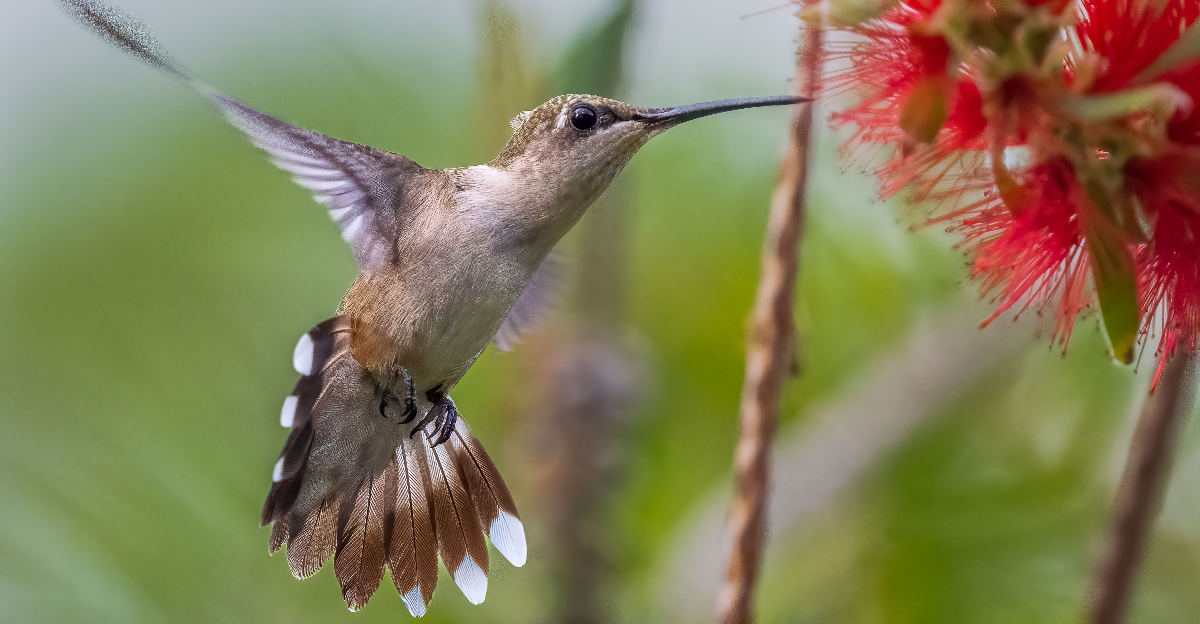
Your hummingbird feeder may suddenly seem quieter after weeks of constant activity, and that change can feel surprisingly noticeable. Those quick little visitors are beginning an important seasonal shift that happens around this time each year.
Late August can bring the first signs that hummingbird activity is changing across Georgia. Some birds begin moving south while others may still appear regularly around flowers and feeders.
Do not assume an empty feeder means every hummingbird has already moved on. Migration happens gradually, with different birds passing through at different times.
Your yard can even receive unfamiliar visitors traveling from areas farther north.
This changing activity makes the weeks ahead especially interesting for anyone watching closely.
Understanding what is happening now can help you make sense of every arrival, disappearance, and unexpected visitor.
1. Late August Marks The Start Of Fall Migration
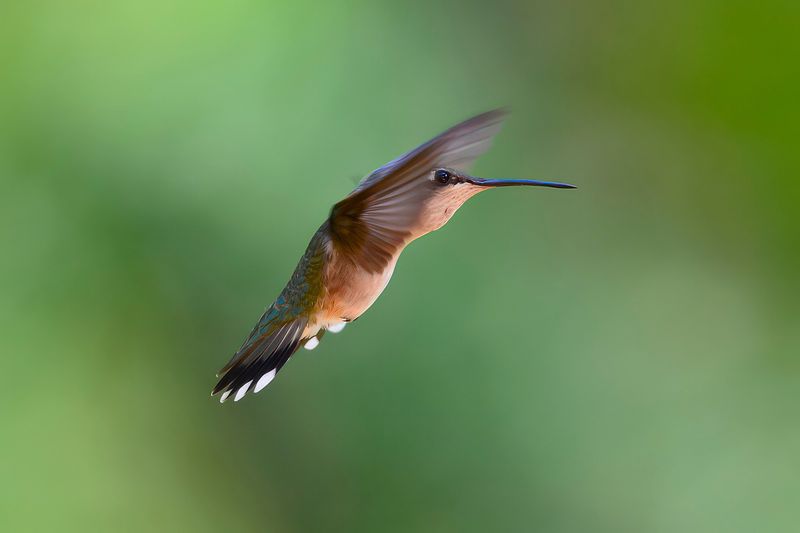
Something shifts in the hummingbird world right around late August. It is not random, and it is not because your yard stopped being interesting.
Migration is one of the most reliable natural events in the bird calendar, and it runs on a biological clock that has been ticking for thousands of years.
Ruby-throated hummingbirds are the most common hummingbirds seen in Georgia during summer. By late August, most adults have finished raising their young and are physically ready to move.
Their bodies have been building fat reserves for weeks, preparing for the long flight ahead.
Fall migration for hummingbirds generally begins earlier than most people expect. Late August is not the tail end of the season.
For many birds, it is actually the beginning of the departure window. Sightings may still be frequent early in the month, but numbers tend to thin out as weeks pass.
Hummingbirds do not migrate in flocks. Each bird travels alone, following its own internal schedule.
Some leave earlier, some linger longer, but the overall trend points clearly toward departure as August winds down. Watching this happen in your own yard is one of the more quietly remarkable things late summer has to offer.
2. Shorter Days Tell Hummingbirds It Is Time To Leave
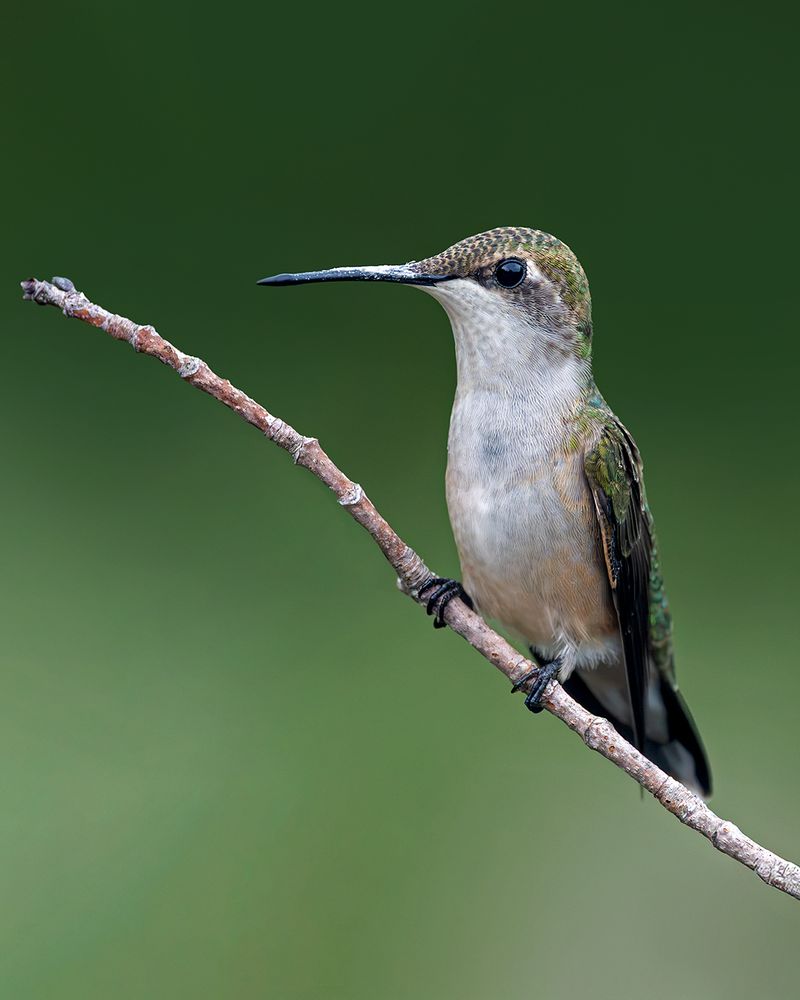
Hummingbirds do not check a calendar, but they do read the light. As summer fades, the days grow shorter, and that change in daylight is one of the primary signals that triggers migration behavior.
Scientists call this response photoperiodism, and it is built into the biology of many migratory birds.
Shorter days cause hormonal changes inside the bird. Appetite increases, fat storage ramps up, and restlessness grows.
Birders sometimes call this restless pre-migration energy “zugunruhe,” a German word used to describe the urge to move that migratory animals experience before departure.
Cooler nights also play a role. When temperatures start dropping after sunset, hummingbirds sense the seasonal shift even if daytime temperatures still feel warm.
Late August nights in the South can carry just enough of a chill to reinforce what the shortening days are already signaling.
Nectar availability also begins to decline as summer flowers fade. Fewer blooms mean less fuel, which adds another layer of pressure to move on.
Your Georgia Garden Changes Every Week. Your Plan Should Too.
Gardening in Georgia changes quickly throughout the season. Every Friday you’ll receive a simple weekly plan showing exactly what to plant, prune, fertilize, harvest, and protect so you never miss the right timing.
Hummingbirds are incredibly efficient at reading their environment. When multiple cues line up together, including light, temperature, and food supply, the urge to migrate becomes hard to ignore.
The combination of these signals, not just one factor alone, is what sends them heading south.
3. Adult Males Are Usually The First To Head South
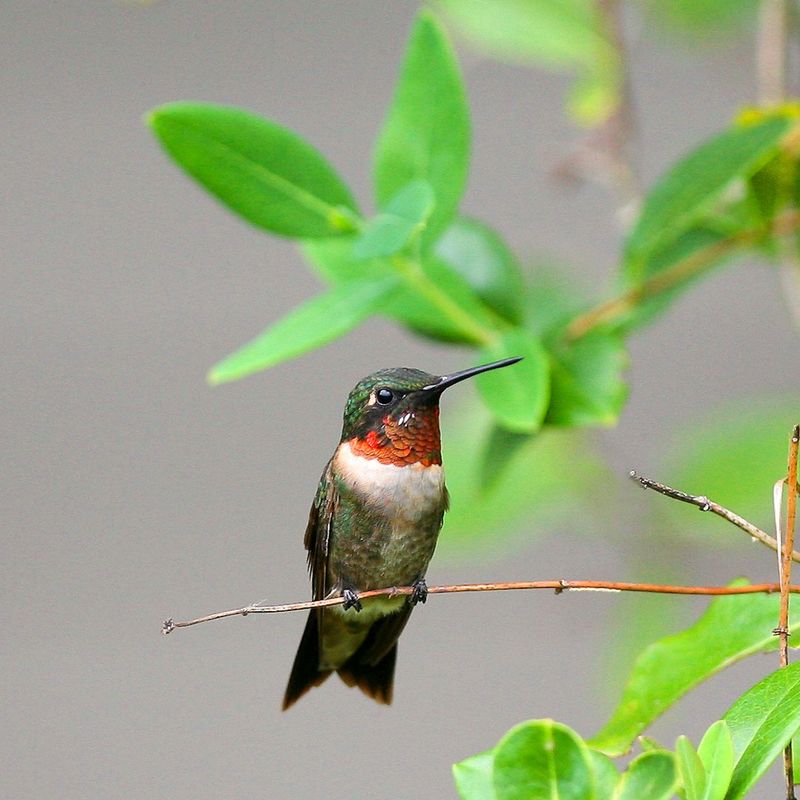
Adult male hummingbirds are typically the first to leave each fall, and the timing makes sense when you understand their role in the season. Males do not help raise young.
Once breeding season wraps up, their main job is done, and there is little reason to stick around.
By mid to late August, many male ruby-throats have already begun moving south. If you notice fewer of those flashy red-throated birds at your feeder, that is likely what is happening.
It is not cause for concern. It is just the males doing what they do every year.
Male hummingbirds tend to be more territorial and aggressive earlier in the season, defending feeders and flowers from rivals. As August progresses, that behavior often quiets down noticeably.
Fewer males competing means less drama at the feeder, and sometimes a calmer yard overall.
Spotting a male at your feeder in late August is still possible, especially early in the month. Some males linger longer than others, depending on how their individual season went.
But as a general pattern, males lead the migration wave south, leaving females and juveniles to follow on their own schedule over the coming weeks.
Paying attention to which birds you see can help you track how migration is progressing right in your own backyard.
4. Females And Young Hummingbirds Usually Leave Later
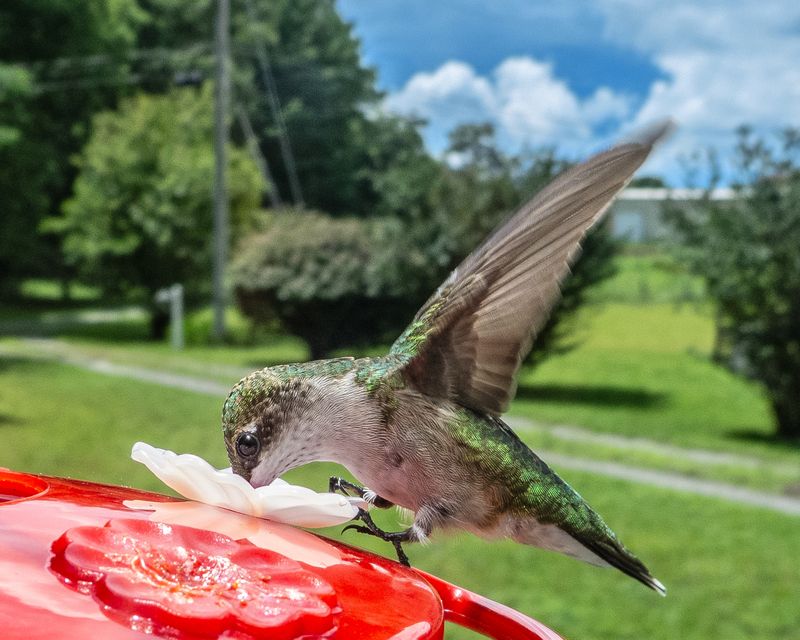
After the males head south, females and juveniles follow at their own pace. Female hummingbirds spend much of the summer incubating eggs and feeding nestlings, so they finish their seasonal duties later than males.
Once the young birds are independent, females begin preparing to migrate.
Juvenile hummingbirds, born earlier that same summer, are making their very first migration. They have never done this before, yet they manage to find their way south using instinct alone.
No adult guides them. Each young bird figures out the route on its own, which is a remarkable feat for such a small creature.
Because females and juveniles leave later, yards that see fewer birds in late August may still get visits well into September. Some juveniles linger in Georgia into early October before finally departing.
If your feeder stays active, you may be hosting these late travelers without even realizing it.
Female and juvenile ruby-throats look similar, both sporting green backs and white or lightly streaked throats. Telling them apart takes a trained eye.
But knowing that both groups pass through after the males helps explain why feeder activity does not stop all at once. Migration happens in waves, and the later waves are often the quieter ones that people tend to overlook.
5. Migrating Hummingbirds May Still Visit Your Yard
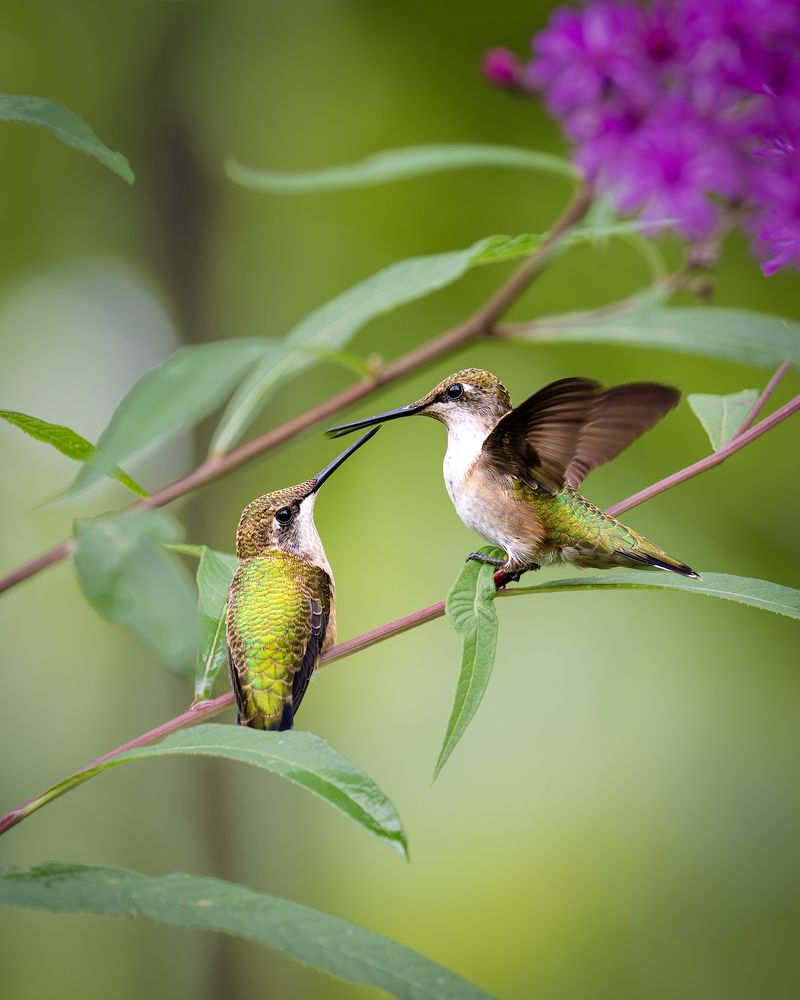
Just because migration has started does not mean your yard goes quiet overnight. Late August and September can actually bring new faces to your feeder.
Birds passing through from farther north may stop in your yard to refuel before continuing their journey south.
Hummingbirds are not loyal to one spot during migration the way they are during breeding season. A bird that has never visited your yard before might show up for a day or two, fuel up on nectar, and then move on.
You may never see that exact bird again, but it benefited from what you offered.
Keeping feeders clean and full during this period matters more than people sometimes realize. A migrating hummingbird that finds a reliable food source can rest and recover faster.
Fresh nectar, free of mold or fermentation, gives them the best fuel possible for the miles ahead.
Planting late-blooming flowers alongside your feeders adds even more value. Salvias, cardinal flowers, and native trumpet vines can still be producing nectar well into September.
A yard that offers both feeders and natural flowers becomes a genuinely useful stopover point.
You may not know where those visiting hummingbirds came from or where they are headed, but providing a good rest stop along the way is a real contribution to their successful journey south.
6. Feeders Can Stay Up While Hummingbirds Are Leaving
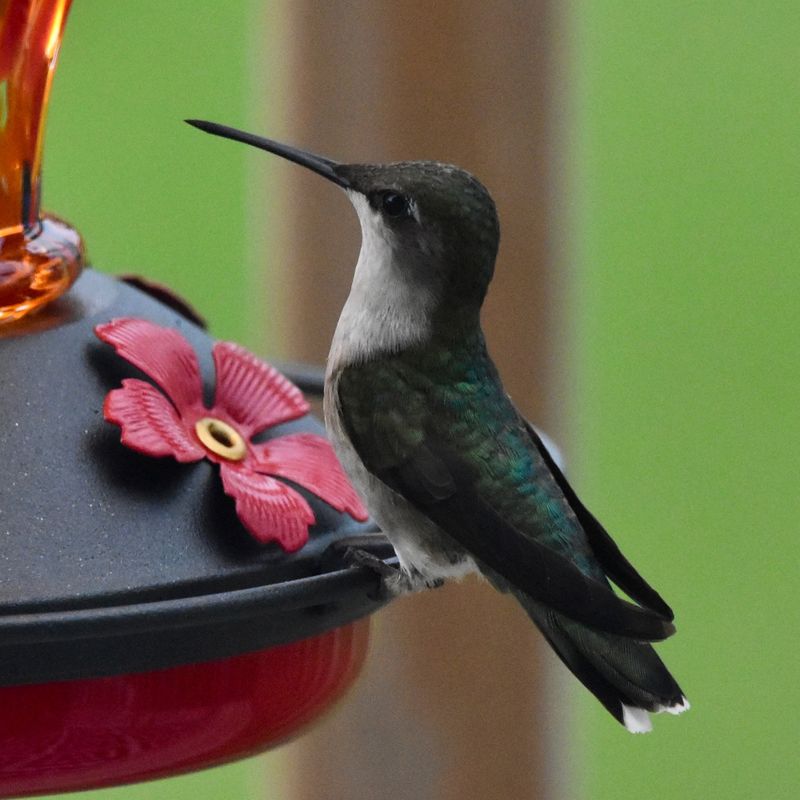
One of the most persistent myths about hummingbirds is that leaving feeders up in fall will prevent them from migrating. That is simply not accurate.
Hummingbirds migrate because of biological cues like changing daylight, not because of food availability. A full feeder will not convince a bird to stay when its instincts say it is time to go.
Leaving feeders up through late August and into September is actually helpful. Migrating birds passing through need fuel stops, and a clean, full feeder gives them exactly that.
Taking feeders down early could mean turning away a bird that genuinely needed the energy boost.
Feeder maintenance matters during this time. Nectar can ferment faster in late summer heat.
Changing the nectar every two to three days keeps it fresh and safe. A simple mix of one part plain white sugar to four parts water works well and does not require any dye or additives.
If you want a practical guideline for when to finally take feeders down, waiting until about two weeks after your last hummingbird sighting is a reasonable approach.
Timing varies by location and year, so staying observant is more useful than following a fixed date.
Keeping feeders up a little longer than you think you need to costs very little and can genuinely help birds that are still moving through your area.
7. Most Hummingbirds Will Be Gone By October
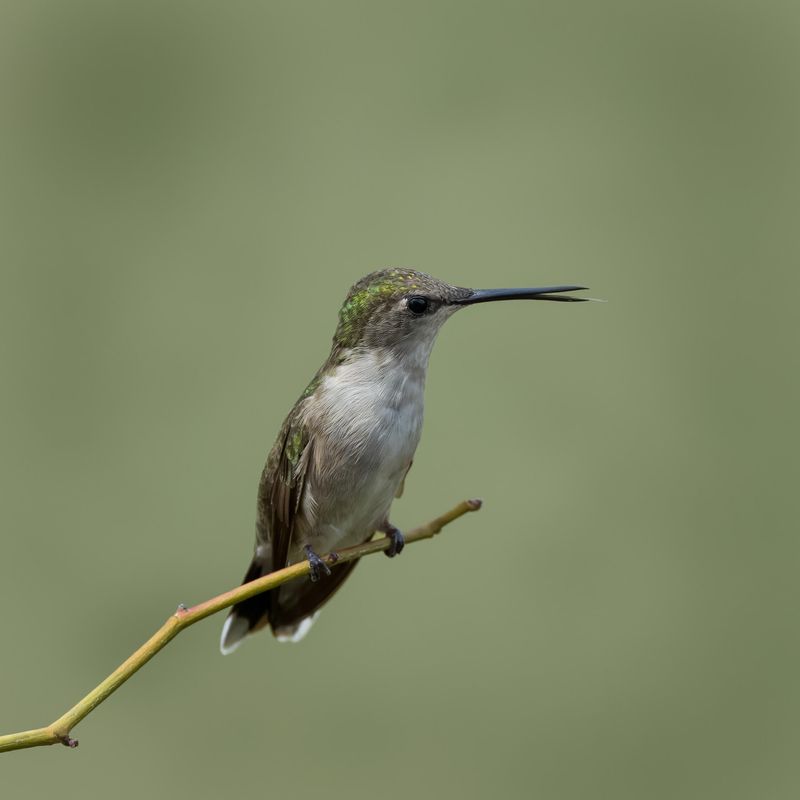
October tends to be the quiet month. By then, the bulk of ruby-throated hummingbirds have moved through and continued south toward their wintering grounds in Central America and Mexico.
A few stragglers may still pass through early in the month, but regular feeder visits become rare.
Occasional late sightings in October are not unheard of. Juvenile birds especially can run behind schedule.
Spotting one at your feeder in early October is worth noting but not worrying over. Healthy birds generally make it south on their own timeline.
Some parts of the Southeast, including coastal areas, occasionally see rare western hummingbird species during fall and winter. Rufous hummingbirds, for example, sometimes wander east during migration.
Keeping a feeder up through October could attract one of these unexpected visitors if you live in the right area.
Wrapping up the hummingbird season does not have to feel like a loss. Watching the last visitors of the year has its own kind of satisfaction.
Knowing you provided fuel and shelter throughout the season, from early summer arrivals to late-migrating juveniles, is genuinely worthwhile. Clean your feeders before storing them, and make a mental note of when you saw your last bird.
That information helps you plan better for next year and gives you a clearer picture of how migration moves through your specific location.