The High Desert Oregon Plants That Actually Thrive When Summer Refuses To Rain
High desert Oregon summers do not gently suggest drought. They show up with dry wind, blazing sun, and a sky that acts like rain forgot the address.
That is exactly where the right tough plants get to show off. While fussier garden picks wilt, crisp, or demand constant attention, true dryland survivors keep their shape and charm.
They are built for lean soil, big temperature swings, and long stretches without help. The trick is choosing plants that match the region instead of fighting it.
Once established, the best choices can make a yard look intentional, textured, and alive without turning watering into a part-time job. Summer may refuse to rain, but your garden does not have to look defeated.
A smart high desert planting plan can feel rugged, beautiful, and almost annoyingly calm about the whole thing.
1. Desert Globemallow Loves Baked Soil
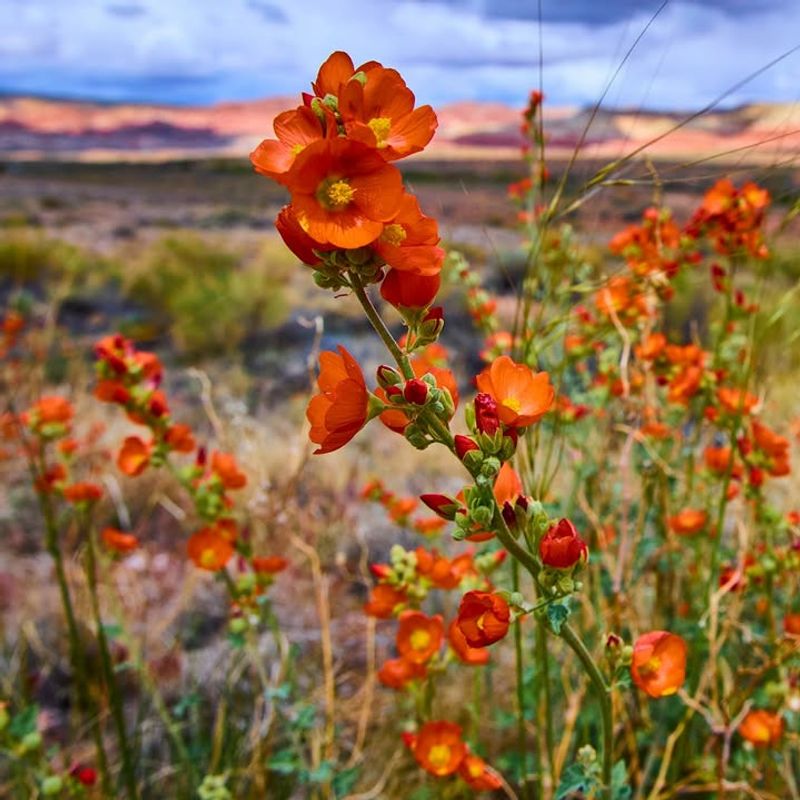
Few plants look as cheerful as Desert Globemallow when it is pushing up vivid orange blooms from bone-dry, sun-baked ground. It thrives in the kind of soil that would frustrate most garden plants.
Sandy, rocky, and nutrient-poor ground is exactly where this tough beauty feels most at home.
Native to the western United States, Desert Globemallow has deep roots that search far below the surface for any available moisture.
It can handle full sun all day long without showing any stress. Once established, it rarely needs watering at all.
The flowers are small but abundant, covering the plant in warm shades of orange, pink, or red through late spring and into summer. Pollinators absolutely love it.
Native bees and butterflies flock to the blooms regularly. Planting it is straightforward. Choose a spot with excellent drainage and full sun exposure.
Avoid rich soil or heavy clay, because too much moisture can actually weaken this plant over time.
It grows between one and three feet tall, making it a great mid-border option. It pairs beautifully with sagebrush and other native shrubs.
In winter, the dried stalks add quiet texture to a bare garden bed.
One fun fact: the fuzzy leaves and stems help reflect sunlight and reduce water loss. That fuzz is not just decoration.
It is a survival tool that keeps the plant cool and hydrated during the hottest months.
2. Scarlet Gilia Blooms With Little Water
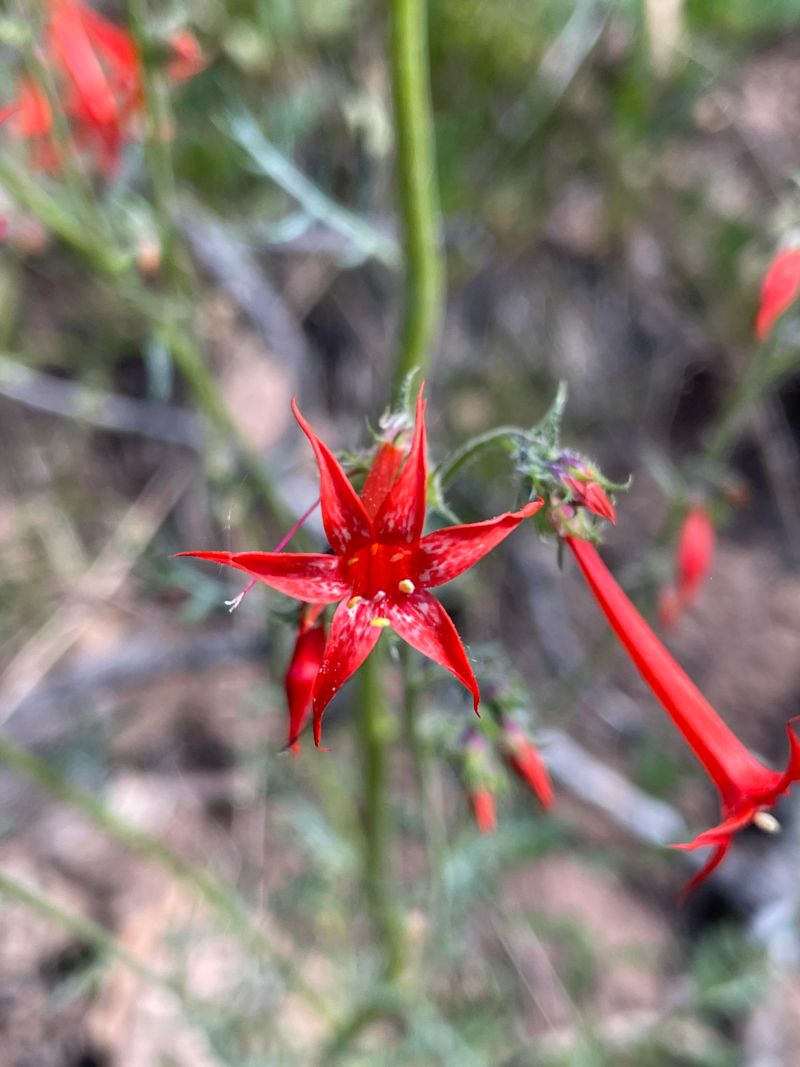
Scarlet Gilia is one of those plants that makes you stop and stare. The bright red, trumpet-shaped flowers seem almost too bold for such a dry and dusty landscape.
But that contrast is exactly what makes it so striking. Also called Skyrocket, this plant shoots up a tall flowering stalk that can reach three feet or more. Hummingbirds are drawn to those red blooms like magnets.
Planting a few of these near a window or porch gives you a natural hummingbird show all summer long.
What is remarkable is how little water it needs once established. The plant stores energy in its taproot during dry spells and keeps on blooming through the heat.
It is built for the kind of summers our region delivers year after year.
Your Oregon Garden Changes Every Week. Your Plan Should Too.
Gardening in Oregon changes quickly throughout the season. Every Friday you’ll receive a simple weekly plan showing exactly what to plant, prune, fertilize, harvest, and protect so you never miss the right timing.
Scarlet Gilia is biennial, meaning it completes its life cycle over two years. In the first year, it grows a low rosette of ferny leaves.
In the second year, it sends up that spectacular flower stalk.
It self-seeds readily, so a small patch can spread naturally over time. Let some flowers go to seed at the end of the season and you will have new plants coming up the following year without any extra effort.
Plant it in well-drained, sandy, or gravelly soil for best results. Full sun is a must.
With the right spot, Scarlet Gilia rewards you with almost no maintenance and a whole lot of color.
3. Blanketflower Keeps Color In Lean Beds
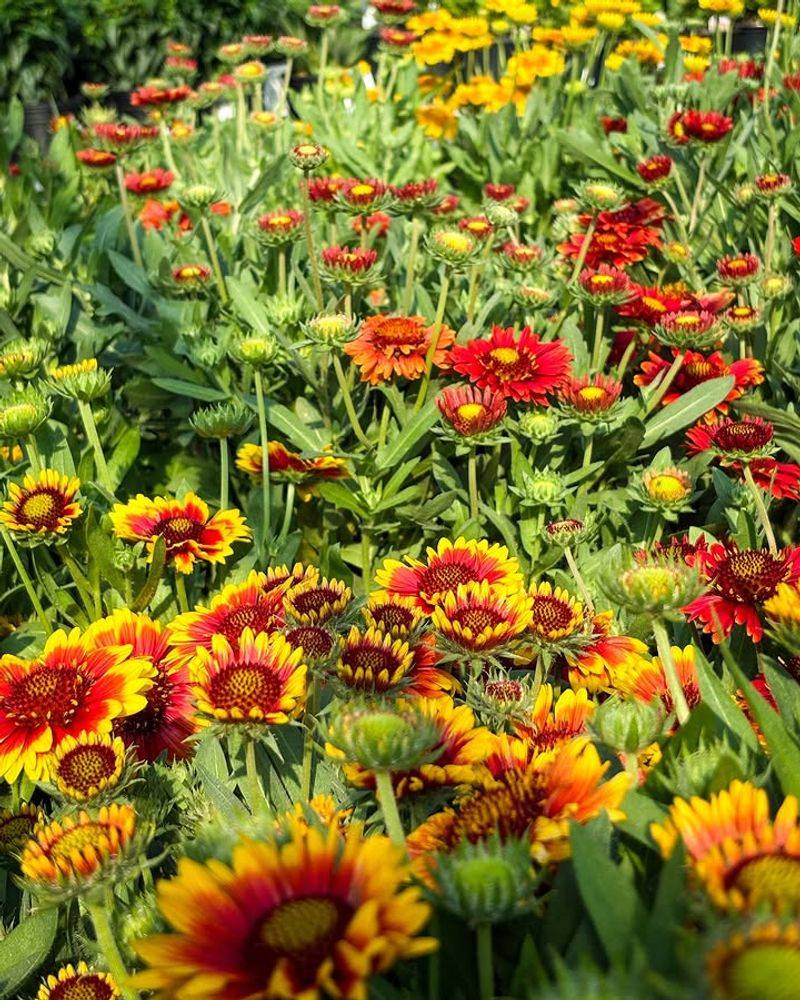
Bold, cheerful, and almost impossible to ignore, Blanketflower is a powerhouse in dry garden beds.
The daisy-like blooms come in fiery combinations of red, orange, and yellow that practically glow in the summer sun.
Best of all, they keep blooming even when the soil has nothing left to offer.
Lean soil is actually where Blanketflower shines brightest. Rich, heavily amended soil causes it to grow floppy and weak.
In sandy or gravelly ground with little organic matter, it stays compact and produces far more flowers per plant.
Native to North America, this plant has been used in gardens across dry regions for generations. It is a reliable bloomer from early summer all the way through fall.
Few native plants can match that kind of long-season color.
Deadheading spent flowers encourages more blooms. But even if you skip that step, the plant keeps producing.
It is forgiving in that way, making it a solid choice for low-maintenance landscapes.
Oregon pollinators visit constantly throughout the day. Bees, butterflies, and even some beetles use the wide, open blooms as a landing pad.
The seeds that form after blooming are also a food source for small birds heading into fall.
Blanketflower works well planted in drifts or masses. A large grouping creates a stunning visual impact.
Pair it with ornamental grasses or sagebrush for a look that feels natural and rooted in the high desert landscape.
4. Prairie Smoke Adds Texture After Bloom
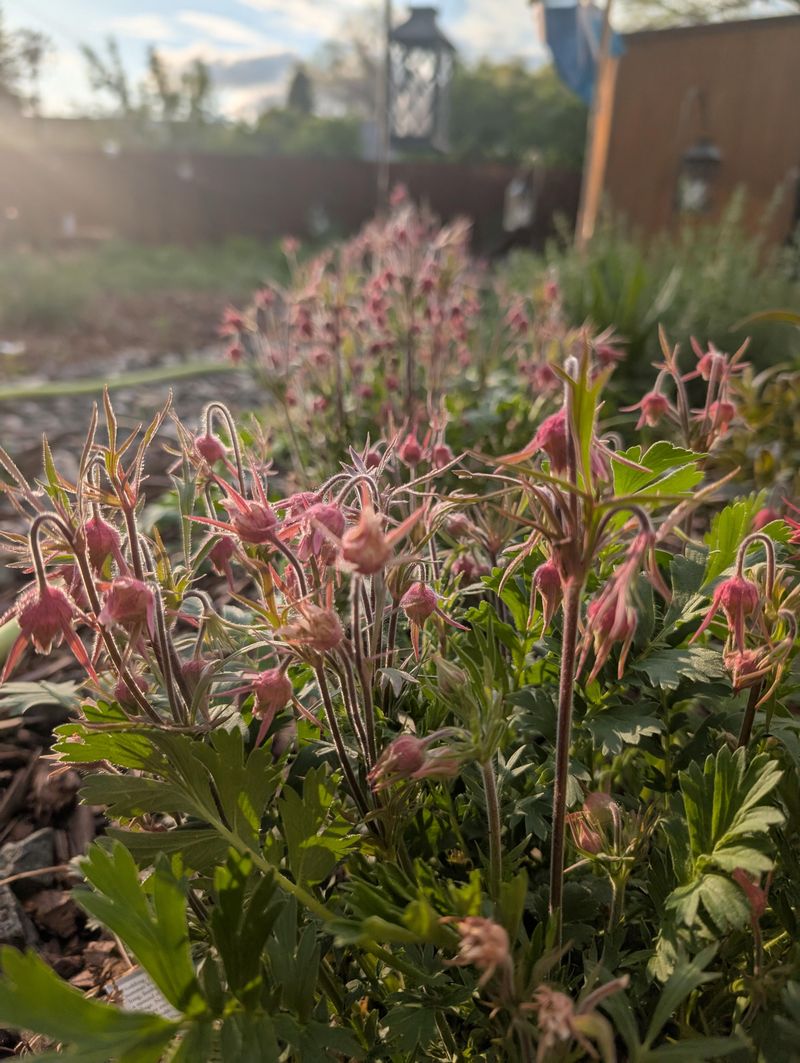
Most plants get all the attention when they are in bloom. Prairie Smoke is different.
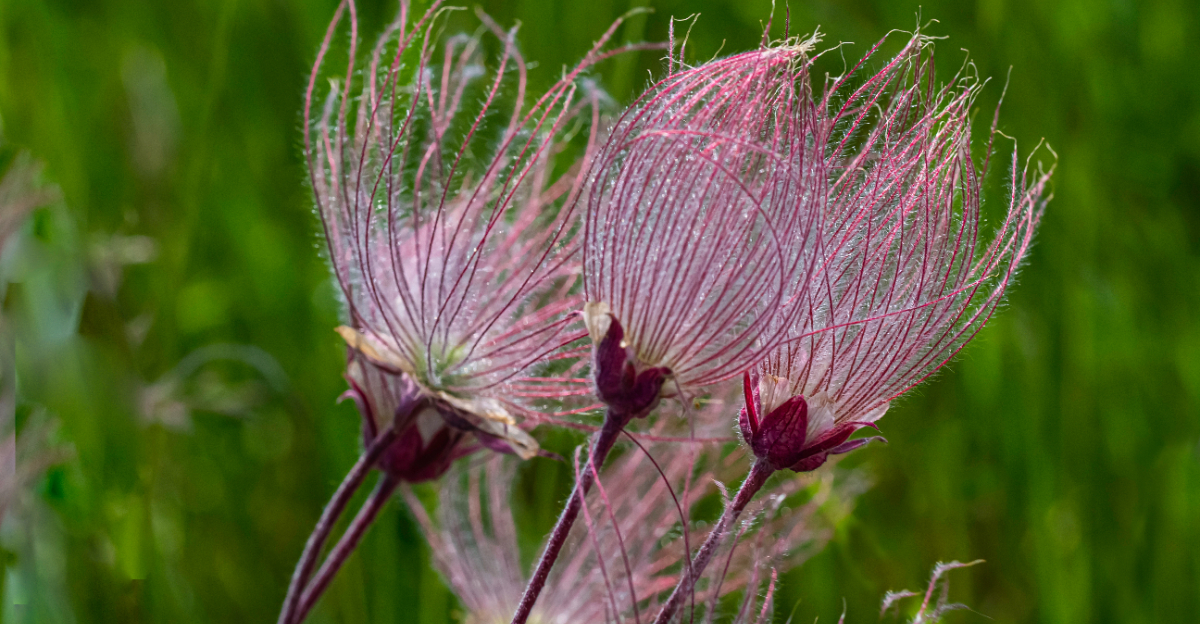
It actually becomes more visually interesting after the flowers fade. The seed heads turn into wispy, pink-purple plumes that look like tiny puffs of smoke drifting above the foliage.
That post-bloom texture is rare in native plant communities. It adds movement to a garden bed, especially when a breeze rolls through.
The effect is soft, dreamy, and completely unexpected from such a tough little plant.
Prairie Smoke is low-growing, typically reaching only six to twelve inches in height. It spreads slowly by rhizomes, gradually filling in gaps in a garden bed.
That slow spread makes it easy to manage without becoming invasive.
The nodding, bell-shaped flowers appear in early spring before many other plants have even woken up. They are a soft pinkish-red and quite delicate looking.
Early-season pollinators appreciate having this bloom available when little else is flowering.
Full sun and well-drained soil are the main requirements. Prairie Smoke handles rocky and sandy conditions with ease.
It does not like wet feet, so avoid planting it in low spots where water tends to collect after rain.
One thing gardeners love about this plant is its four-season interest. Spring brings the flowers, summer delivers the smoky plumes, fall turns the leaves reddish, and winter shows off the evergreen rosette. That is a lot of value from one small plant.
5. Rocky Mountain Penstemon Lights Up Dry Borders
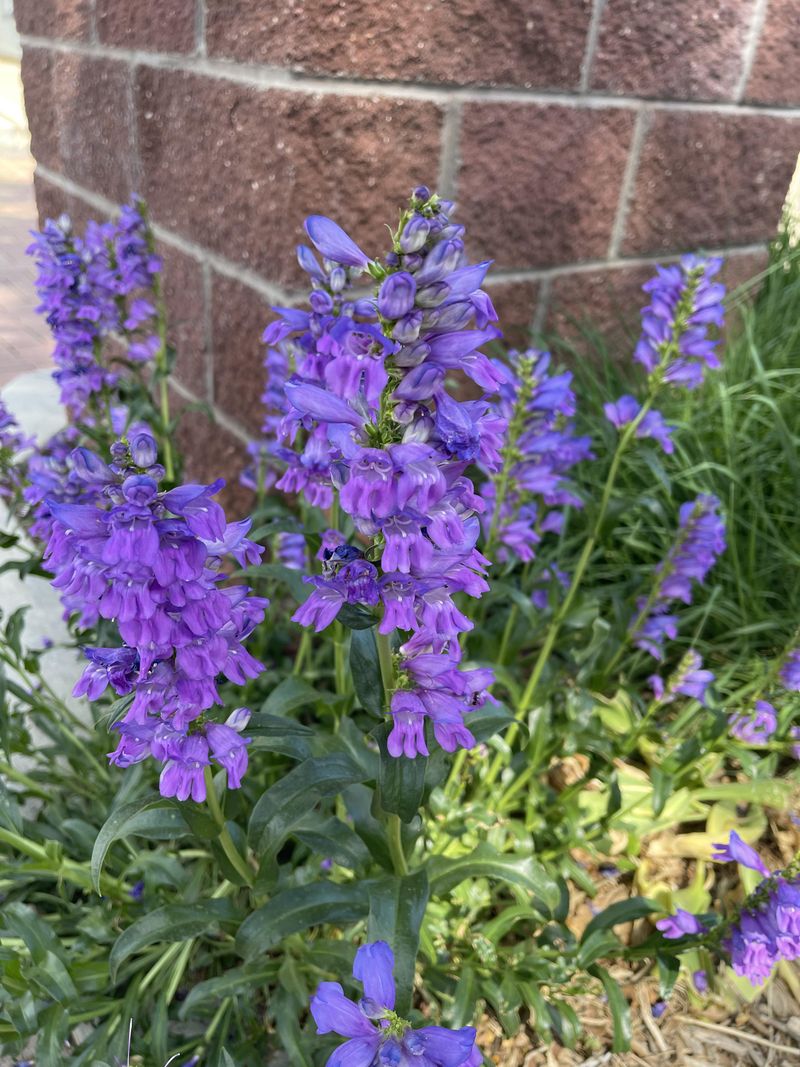
There is something electric about seeing Rocky Mountain Penstemon in full bloom. Tall spikes loaded with vivid blue-purple tubular flowers rise up from dry, rocky ground and demand attention.
It is the kind of plant that makes a garden border look intentional and dramatic. Hummingbirds are especially fond of these tubular blooms.
The long flower tubes are shaped perfectly for a hummingbird’s bill, making it one of the best native plants for attracting them to your yard. Plant a row along a fence or path and watch the activity pick up quickly.
Rocky Mountain Penstemon is native to higher elevations across the western part of the country, including Oregon’s rugged interior. It is accustomed to cold winters, hot summers, and very little summer rain.
That combination of toughness and beauty is hard to find in any other plant.
It grows two to three feet tall and blooms in late spring to early summer. After blooming, the seed capsules that remain on the stalks are attractive in their own right.
Leave them standing through fall for added texture. Plant it in full sun with fast-draining soil. Avoid overwatering once established.
Too much moisture around the roots is the most common mistake people make with Penstemon.
It pairs naturally with Desert Globemallow, sagebrush, and native grasses. Together, these plants create a layered, wildlife-friendly planting that practically takes care of itself through the dry summer months.
6. Blue Flax Opens Flowers In Morning Heat
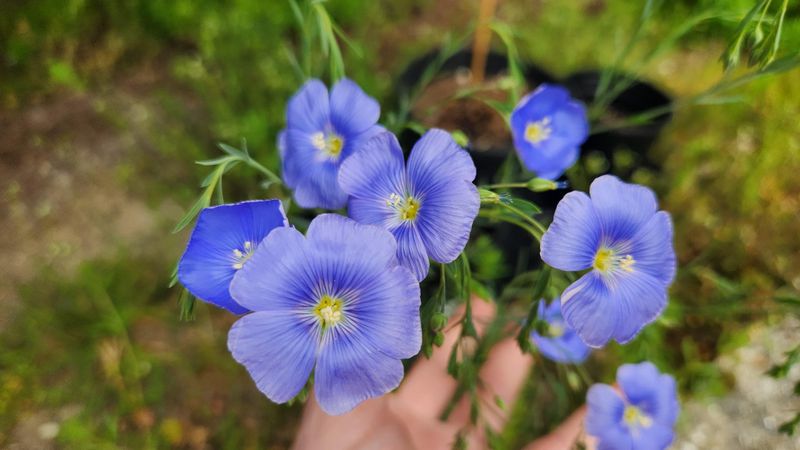
Every morning during the blooming season, Blue Flax puts on a quiet little show. The delicate, sky-blue flowers open with the rising sun and close again by afternoon.
That daily rhythm is part of what makes this plant so charming and easy to appreciate.
The blooms are small but plentiful. A healthy patch of Blue Flax can look like a cloud of blue hovering just above the ground on a calm morning.
The slender stems sway gently in even the lightest breeze, adding graceful movement to a dry garden bed.
Native across much of the western United States, Blue Flax has a long history of use by Indigenous peoples. The fibers from the stems were used to make cordage and fabric.
The seeds were used as food and medicine. It is a plant with deep roots in this land, both literally and culturally.
Growing Blue Flax from seed is easy and inexpensive. Scatter seeds directly on prepared soil in fall or early spring.
They need a cold period to germinate well. Once they sprout, they grow quickly and begin blooming in their first year.
Full sun and lean, well-drained soil are all it needs. It tolerates sandy, rocky, or even clay-heavy ground as long as drainage is reasonable.
Avoid overwatering, as soggy soil is the one condition it truly struggles with.
It self-seeds readily, so a small initial planting can expand naturally over several seasons. That spreading habit fills in bare spots and reduces the need for replanting each year.
7. Western Wallflower Brings Early Dryland Color
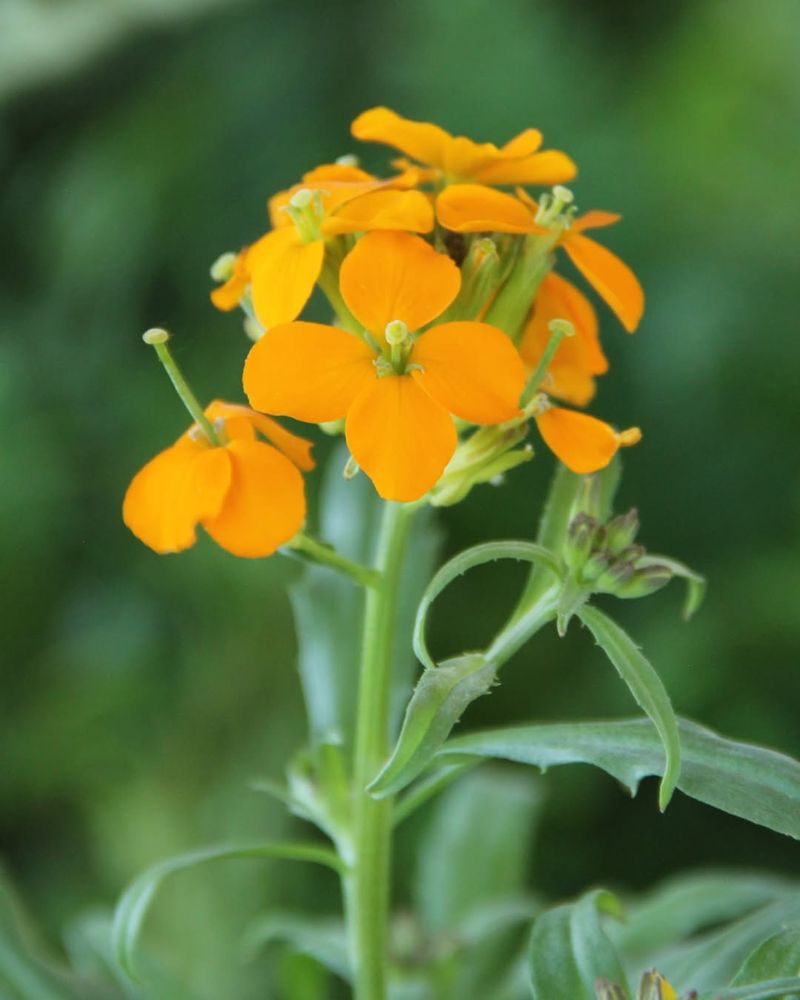
Long before most desert plants have started waking up, Western Wallflower is already putting on a show. It blooms in early spring, sometimes while there is still a chill in the air.
That early color is genuinely exciting after a long, grey winter.
The flowers cluster tightly at the top of upright stems and come in warm shades of orange, yellow, and gold. The sweet fragrance is noticeable even from a few feet away.
It is one of the most fragrant native plants found in the dry interior regions of Oregon.
Western Wallflower is a biennial or short-lived perennial, depending on conditions. It tends to self-seed freely, which keeps it coming back year after year without any extra effort from the gardener.
Once you have it established, it takes care of its own continuation.
Dry, rocky slopes and sandy flats are its favorite habitats. It grows naturally along roadsides, open meadows, and disturbed areas throughout the region.
That adaptability makes it a great choice for challenging spots in the garden where other plants have not worked out.
Full sun is essential. In shaded spots, the plant stretches toward light and becomes weak and floppy.
Give it an open, sunny location and it stays compact and blooms heavily.
Pair it with Blue Flax or Prairie Smoke for a layered early-season display. The combination of textures and colors creates a naturalistic look that feels right at home in the high desert landscape.
8. Bluebunch Wheatgrass Moves In Dry Wind
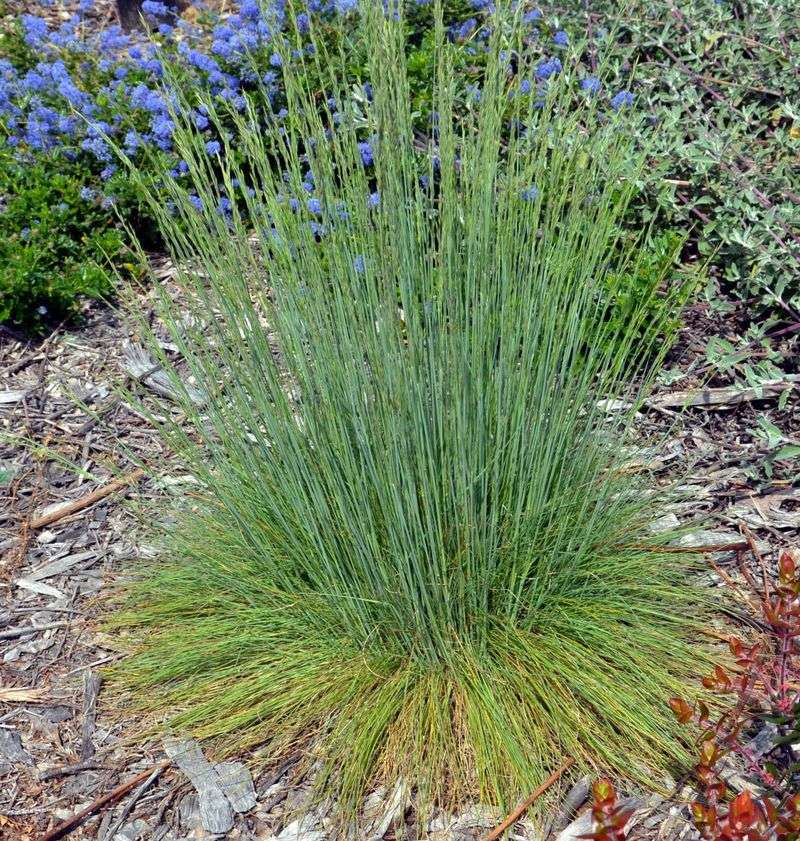
Not every plant in a dry garden needs to produce showy flowers to earn its place. Bluebunch Wheatgrass is proof of that.
Its graceful, arching stems and long seed heads create beautiful movement in the wind, adding a rhythm to the landscape that no flowering plant can quite replicate.
This grass is one of the most important native species in the high desert ecosystem of Oregon. It once covered vast stretches of the interior before invasive grasses pushed it out of many areas.
Replanting it in home gardens and restoration sites helps bring back an important piece of the original landscape.
Wildlife depend on it heavily. Deer, elk, and pronghorn graze on it.
Ground-nesting birds use the dense clumps for cover. Insects shelter in and around the base of the plant. It is a true ecological workhorse in dry environments.
Bluebunch Wheatgrass grows two to four feet tall and stays attractive through all four seasons. In summer, the blue-green blades are striking.
In fall and winter, the dried golden stems continue to add structure and texture to the garden.
Plant it in full sun with well-drained soil. It handles poor, rocky, or sandy ground without complaint.
Watering is rarely needed after the first growing season.
It grows in clumps rather than spreading aggressively, making it easy to control in a garden setting. Space plants about two feet apart for a natural, meadow-like look that fills in beautifully over time.
9. Idaho Fescue Softens Tough Borders
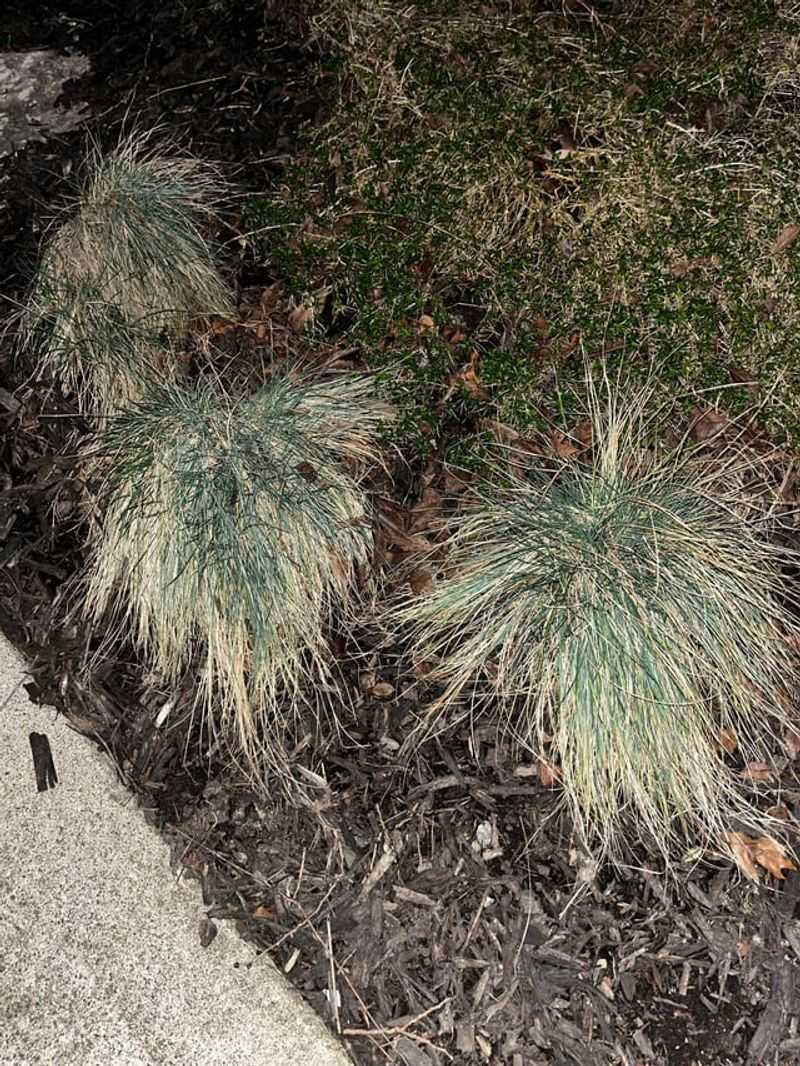
Sharp angles, rocky soil, and exposed sunny borders can feel harsh and unwelcoming. Idaho Fescue has a way of softening all of that without needing any special care or extra water.
Its fine, blue-green blades form tidy mounds that bring a gentle, flowing quality to even the toughest spots.
This cool-season grass grows actively in spring and fall, going semi-dormant during the hottest part of summer. That growth pattern is perfectly matched to the rhythm of the high desert climate.
It conserves energy when conditions are harshest and greens back up when temperatures drop again in autumn.
Oregon deer tend to avoid it, which is a practical bonus for gardeners in areas with heavy wildlife pressure. The dense clumping habit also discourages weeds from taking hold nearby.
That means less time pulling weeds from your garden beds.
Idaho Fescue pairs well with flowering natives like Blanketflower, Penstemon, and Desert Globemallow.
The fine texture of the grass creates a strong visual contrast against the bolder shapes of those flowering plants.
That contrast makes the whole planting look more interesting and layered.
Full sun to light shade works well for this grass. It handles a range of soil types, from sandy to rocky, as long as drainage is good.
Overwatering in summer is the main thing to avoid.
Divide clumps every few years to keep them looking full and healthy. New divisions can be replanted elsewhere in the garden, giving you more coverage without spending extra money on new plants.