This Plant Is Worth Knowing If You Find It Growing Near Your Texas Yard
Have you ever spotted a plant near your Texas yard producing berries so vivid and so unusual that you assumed it couldn’t possibly be native?
That reaction is completely understandable. The color this plant displays in fall is genuinely striking.
It looks more like something escaped from a cultivated garden than something that belongs to the Texas landscape. It belongs here completely.
This native plant grows in woodland edges, along creek banks, and in semi-shaded spots that border many Texas properties.
Most homeowners walk past it without knowing what it is. Some remove it without a second thought. The ones who take a closer look tend to have a very different reaction.
Here’s why this plant is worth knowing if it’s growing anywhere near your Texas yard.
The Native Plant Worth Knowing
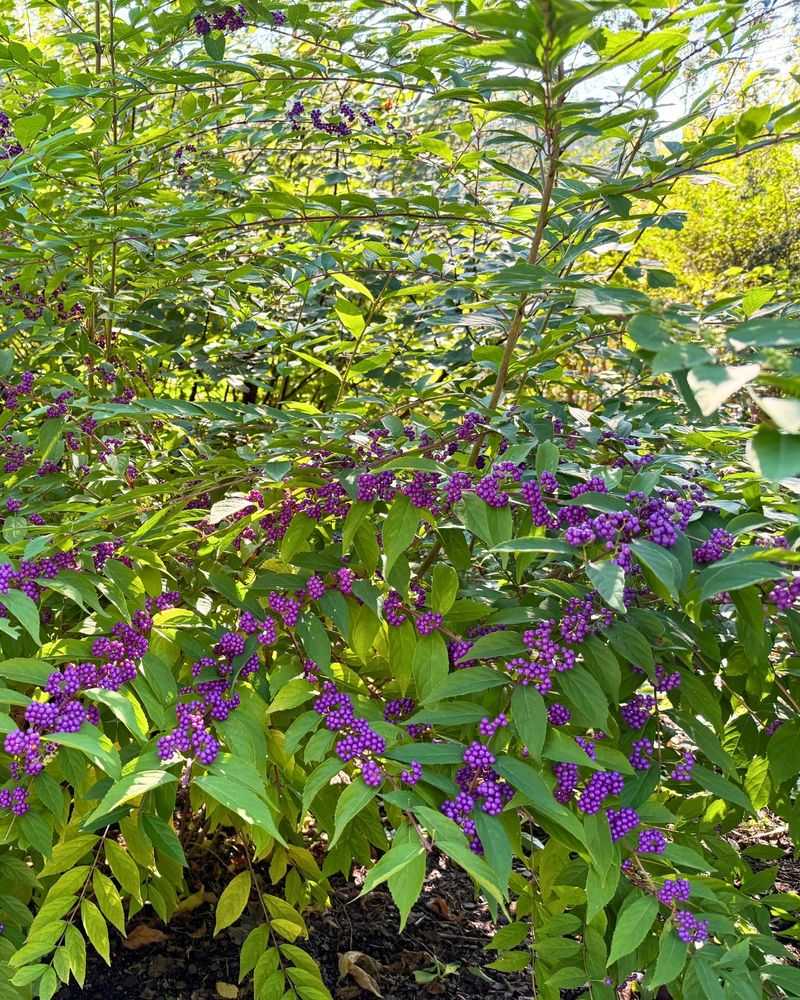
Picture walking along the edge of your yard and spotting a loose, arching shrub you don’t remember planting.
That’s often how folks first meet American beautyberry, known to scientists as Callicarpa americana.
This native shrub belongs in Texas, and it has been here long before neighborhoods and fences ever showed up.
It tends to appear naturally around woodland edges, along fence lines, and in open areas where the soil stays a little moist. Birds usually plant it for you by dropping seeds after eating the fruit.
The plant has a relaxed, rounded shape. Its branches spread outward in gentle curves, and it can reach about three to six feet tall.
The leaves are large, soft, and slightly fuzzy, with a light green color that fits right into a wooded scene.
What makes beautyberry so worth knowing is that it belongs to the local landscape. Native plants like this one need less care than fussy imported shrubs.
They handle Texas heat, survive dry spells, and rarely need extra watering once they settle in.
If you find one growing near your yard, there’s a good chance it arrived because the conditions were just right. That’s a clue your spot has decent soil and enough light for other native plants too.
Getting to know beautyberry early helps you decide what to do with it. Some people treat it like a weed and remove it, but many gardeners come to see it as a gift.
Once you understand its value, you may look at that mystery shrub in a whole new way.
Those Purple Berries Are The Biggest Clue
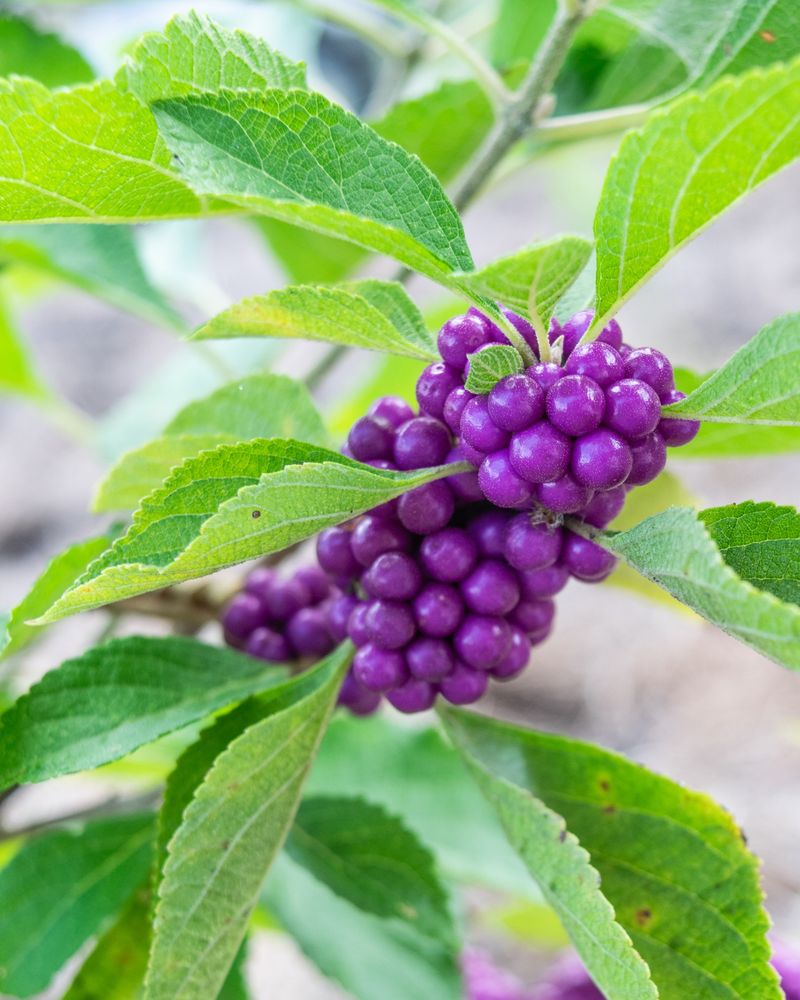
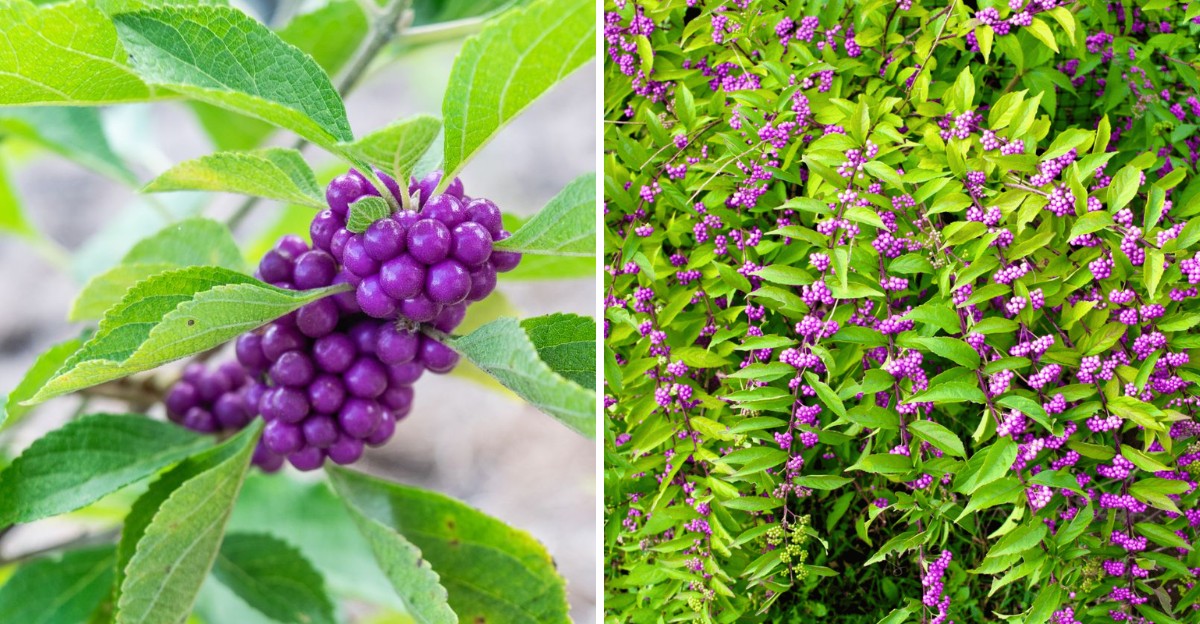
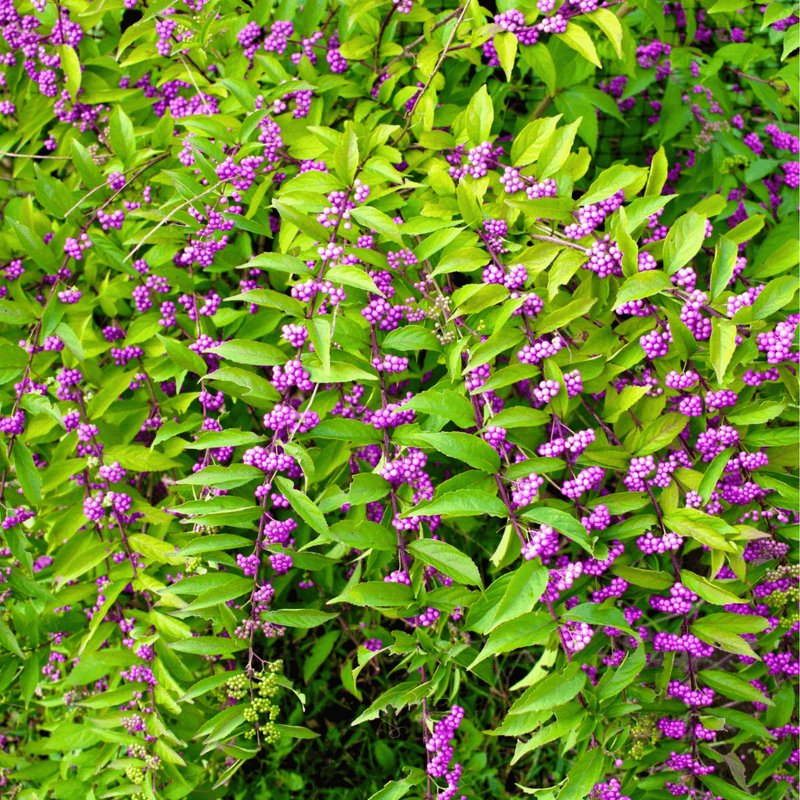
If you ever spot bright purple beads wrapped around a branch, you’ve almost certainly found beautyberry. Nothing else in a Texas yard looks quite like it.
The berries grow in tight clusters that hug the stems right where the leaves meet the branch. They start out green and hard to notice in summer.
Then, as the season turns toward late summer and fall, they ripen into a shocking shade of magenta purple.
The color is so bright it almost looks fake. Many people do a double take the first time they see it, thinking someone painted the fruit.
Your Texas Garden Changes Every Week. Your Plan Should Too.
Gardening in Texas changes quickly throughout the season. Every Friday you’ll receive a simple weekly plan showing exactly what to plant, prune, fertilize, harvest, and protect so you never miss the right timing.
These clusters can wrap all the way around the stem, making the branches look like they’re covered in beaded bracelets.
Each little berry is small and round, about the size of a peppercorn. Dozens of them bunch together at every leaf joint, so a single branch can hold hundreds of berries by autumn.
This is the easiest time of year to identify the plant. Even a beginner can point out beautyberry once the fruit shows up.
Before the berries appear, the shrub blends in with other green plants, but the purple gives it away instantly.
The bright color isn’t just for show. That vivid purple acts like a signal to hungry birds, telling them dinner is ready. The fruit stands out against the green leaves so animals can find it fast.
So if a mystery shrub near your fence suddenly turns purple in September, you can feel confident. You’ve found American beautyberry, and now you know exactly what it is.
Why Beautyberry Matters To Texas Wildlife
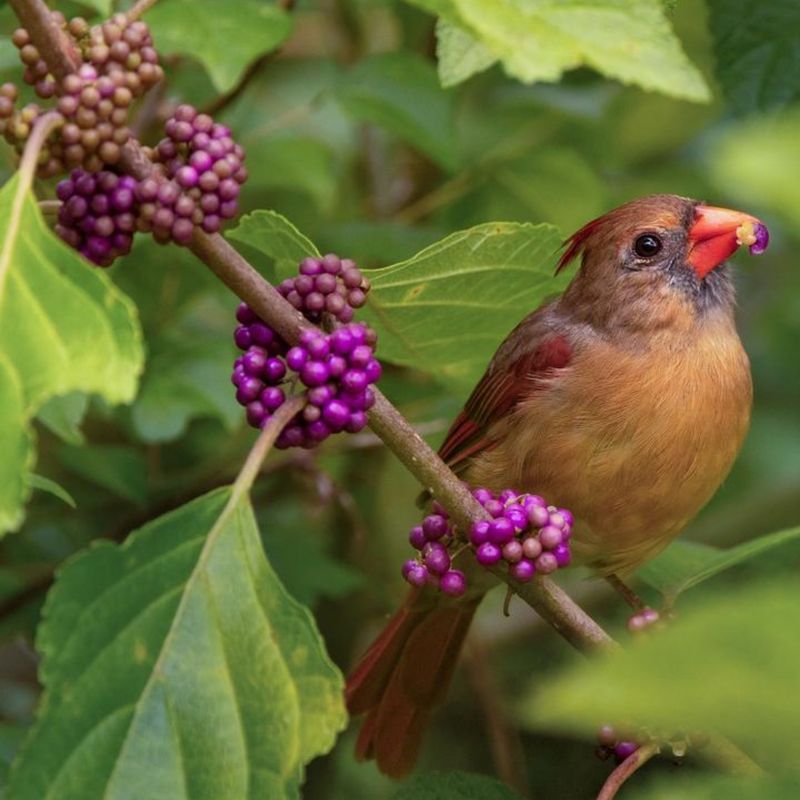
Think of beautyberry as a busy roadside snack stop for wildlife. When food gets scarce in fall, this shrub keeps a whole crowd of creatures fed.
More than 40 kinds of birds enjoy the purple fruit, including mockingbirds, cardinals, robins, and finches.
They flock to the branches and pick the berries clean over several weeks. The fruit ripens right when many birds need extra energy for migration.
Birds aren’t the only fans. Raccoons, opossums, foxes, and other small animals also nibble the berries. Even white-tailed deer will browse the leaves when tender growth is available.
The plant does more than feed animals. Its loose, branching shape creates safe cover where small birds can hide from hawks and cats. The leafy layers give insects a place to live too, and those insects become food for baby birds in spring.
By supporting bugs, berries, and shelter all at once, beautyberry becomes a mini habitat. It links together many parts of the local food web in one tidy shrub.
There’s another neat bonus. Crushed beautyberry leaves have long been used as a natural bug repellent, and researchers have studied chemicals in the plant that seem to keep mosquitoes away.
When you leave a beautyberry standing, you’re really helping your whole yard come alive. More birds visit, more butterflies pass through, and the space feels busier and healthier.
For anyone who loves watching wildlife from the porch, this shrub is like buying a front-row ticket. It brings the show right to your backyard, season after season, with almost no effort on your part.
Where American Beautyberry Grows Best
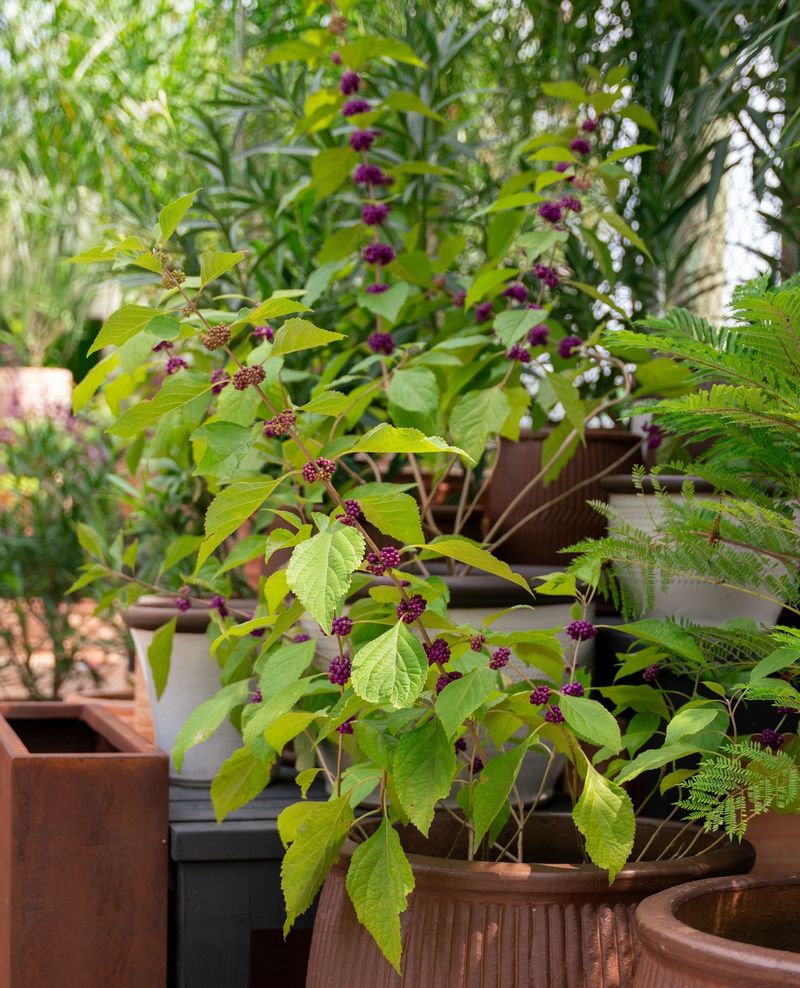
Beautyberry is not a picky guest. It settles into all sorts of spots, which is part of why it pops up on its own so often.
The shrub does best with a mix of sun and shade. Full sun gives you the heaviest crop of berries, while partial shade keeps the leaves lush and green.
Many plants live happily right at the edge of trees, where they get bright light in the morning and shade in the afternoon.
When it comes to soil, this plant is easygoing. It grows in sandy soil, clay, and loam, as long as water doesn’t sit around its roots for too long. Slightly moist ground with some organic matter makes it truly happy.
Beautyberry likes a little elbow room. Given space, it spreads into its natural rounded shape with long, arching branches. Crowded plants stay smaller and produce fewer berries, so open areas suit it best.
Because it’s native, it handles Texas weather like a champ. Once its roots are established, it shrugs off heat and gets by on rainfall alone during normal years. During long dry spells, a deep drink now and then keeps it looking fresh.
You’ll often find it in the eastern and central parts of the state, where rain is a bit more reliable. Still, it adapts to many regions with a touch of extra care.
Understanding where it thrives helps you plan. If you have a shady fence line, a woodland corner, or a spot that gets afternoon shade, beautyberry will likely reward you with strong growth and plenty of fruit.
When To Keep It And When To Manage It
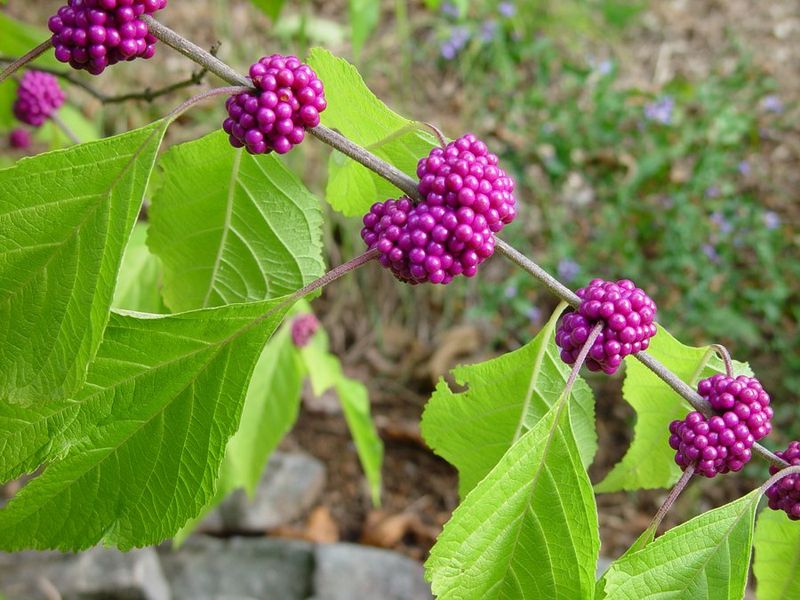
Finding a volunteer shrub in your yard leaves you with a simple choice: let it grow or move it out. With beautyberry, the answer usually depends on where it landed.
If the plant popped up in a spot with room to spread, keeping it is often the smart move. A beautyberry along a back fence, near woods, or in a wild corner adds beauty and feeds wildlife without causing trouble.
Sometimes, though, it sprouts in the wrong place. Seeds dropped by birds can land in flower beds, next to walkways, or too close to the house. In those cases, a little management keeps your yard neat.
Pruning is easy and forgiving. You can trim beautyberry in late winter before new growth starts. Cutting it back hard actually helps, since it blooms and fruits on fresh wood.
A good trim leads to bushier plants and more berries. If a seedling shows up where you truly don’t want it, pulling it while young is simple. The small roots come up easily when the plant is still short.
For bigger plants you’d rather relocate, dig them up in the cooler months and move them to a better spot. They handle transplanting pretty well when they’re not stressed by summer heat.
The main idea is balance. You don’t have to remove every beautyberry you find, and you don’t have to keep them all either. Let the useful ones stay where they help, and manage the ones that wander into busy areas.
With a bit of planning, you get the beauty and the wildlife benefits without letting the shrub take over.
Add Beautyberry To A Wildlife-Friendly Texas Yard
Once you see how much beautyberry gives back, you might want more of it on purpose. The good news is this shrub fits beautifully into a wildlife-friendly yard.
Try tucking it into a naturalistic border where plants are allowed to grow in soft, flowing shapes. Its arching branches and purple fruit add color and movement without looking stiff or overly manicured.
Woodland gardens are another perfect home. Plant beautyberry beneath tall trees along with other Texas natives like Turk’s cap, inland sea oats, and native ferns. Together they build layers that mimic a real forest edge.
Grouping a few beautyberry plants creates a bigger buffet for birds. A little cluster produces more fruit and cover than a single shrub, and it looks fuller and more dramatic in fall.
You can also use it as a friendly screen along a fence. The plant fills in nicely during the growing season, then puts on its purple show just when the garden starts to fade.
Pair it with a birdbath or a small water feature nearby. The combination of food, cover, and water turns your yard into a magnet for songbirds and butterflies.
Here’s a fun bit of history: people once rubbed crushed beautyberry leaves on their skin to keep bugs away, long before store-bought repellents existed. That old trick makes the plant feel even more useful.
Adding native shrubs like this one supports pollinators, cleans the air, and cuts down on the watering and chemicals a fussy garden demands.
With beautyberry as part of the mix, your yard becomes a lively, low-effort haven that both you and local wildlife can enjoy all year.