9 Native Seeds Virginia Gardeners Should Scatter in November for Spring Color
Certain wildflower seeds carry a built-in alarm clock that only starts ticking after weeks of cold, wet soil. Scientists call this waiting game cold stratification, and many plants native to Virginia depend on it every winter.
Spring sowing skips that chilly wake-up call, so stubborn seeds may just sit there and sulk for months. Winter rain and repeated freezes handle that hard work for free while you stay warm and cozy indoors.
Take it from someone who once stored a whole packet in the fridge and then forgot about it. My garden taught me that a gray November afternoon outdoors beats any refrigerator method I ever tried.
Late fall offers that sweet spot after the heat fades but before the ground freezes hard. So which nine natives deserve a spot in your pocket the next time you head outside?
1. Eastern Red Columbine
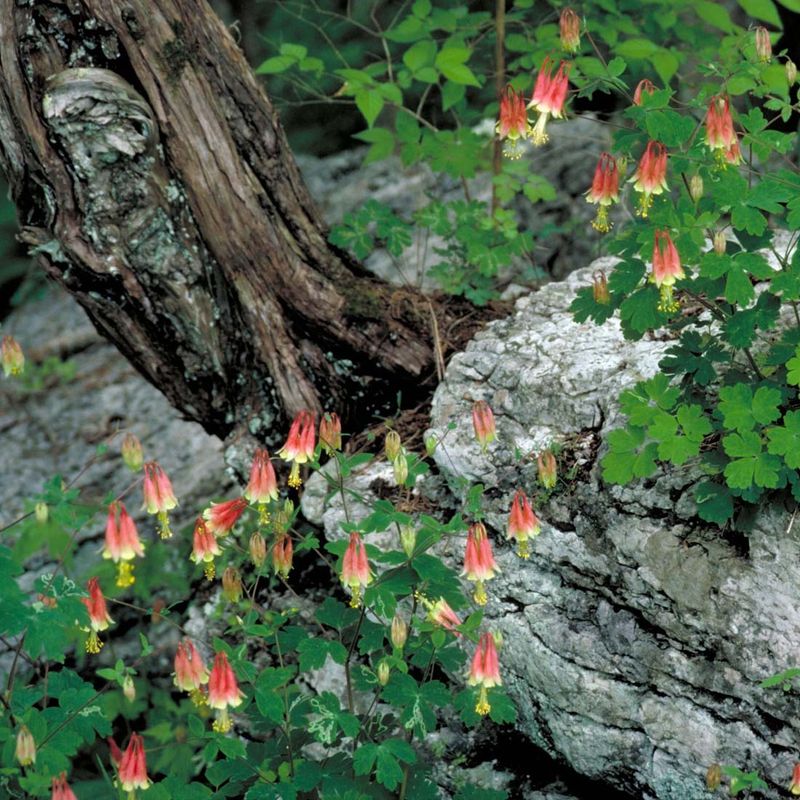
Hummingbirds returning in April seem to know exactly where the columbine grows, and they head straight for it. Those red and yellow flowers dangle upside down, with long spurs pointing skyward like tiny party hats.
Each spur holds a sweet pocket of nectar that hummingbirds and long-tongued bees can reach with ease. I still grin every spring when a ruby-throated hummingbird zips past my head to sample the blooms.
Aquilegia canadensis grows wild on rocky slopes and woodland edges across much of the eastern United States. It usually stands one to three feet tall and handles USDA zones 3 through 8 without any fuss.
For sowing, press the tiny black seeds onto the soil surface instead of burying them under a thick layer. Light helps them germinate, and a few weeks of cold, damp weather breaks their natural dormancy over winter.
Choose a spot with partial shade and loose, well-drained soil, since soggy ground can rot the crowns quickly. Rocky or sandy soil suits this plant surprisingly well, which makes it handy for tricky slopes and walls.
Between you and me, first-year seedlings often grow only leaves, so the big flower show usually arrives later. Patience pays off, because established plants scatter their own seeds and pop up in fresh spots each year.
Deer tend to leave columbine alone, though leaf miners sometimes draw squiggly white trails across the foliage. Those trails look odd but rarely harm the plant, so simply snip off damaged leaves and move on.
2. Wild Geranium
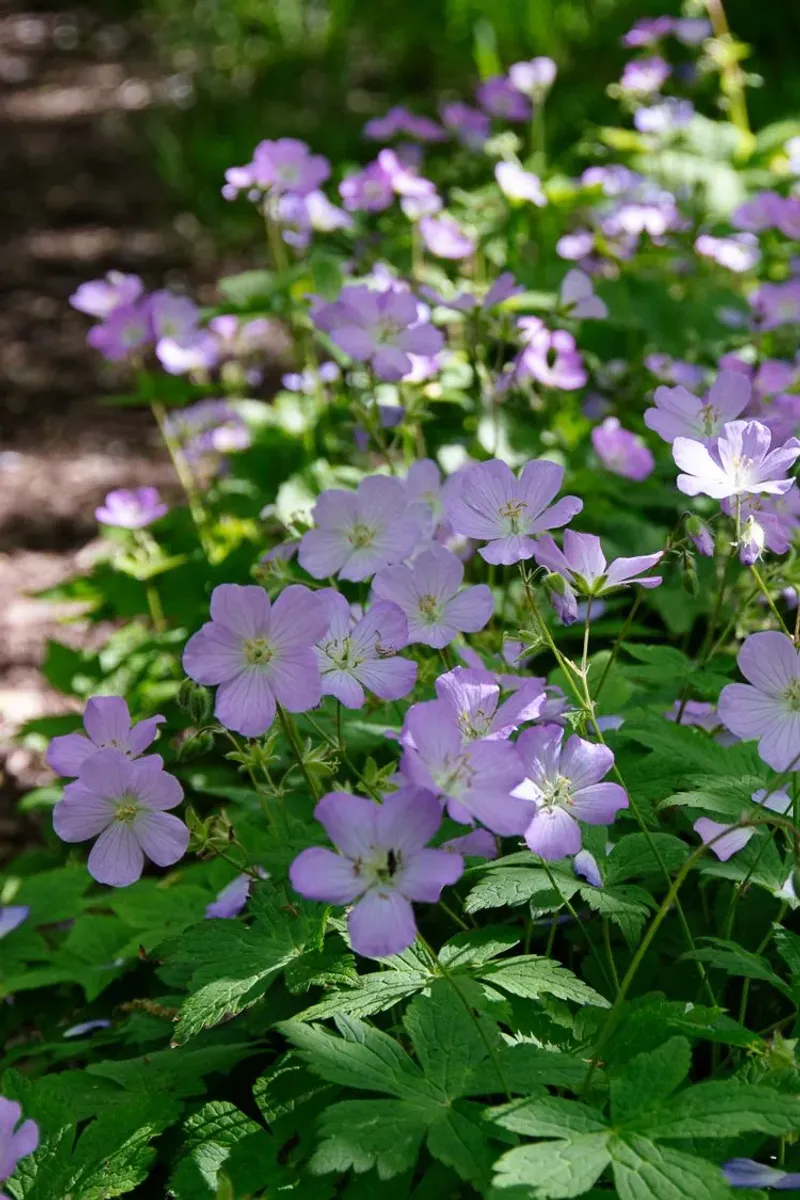
Wild geranium seed pods work like tiny catapults, flinging ripe seeds several feet away from the parent plant. I once watched a dried pod snap open in my hand, and the seed shot clear across the path.
That beaked pod shape explains the old nickname cranesbill, since it resembles the long bill of a wading bird. Geranium maculatum differs from the red potted geraniums at garden centers, which actually belong to the genus Pelargonium.
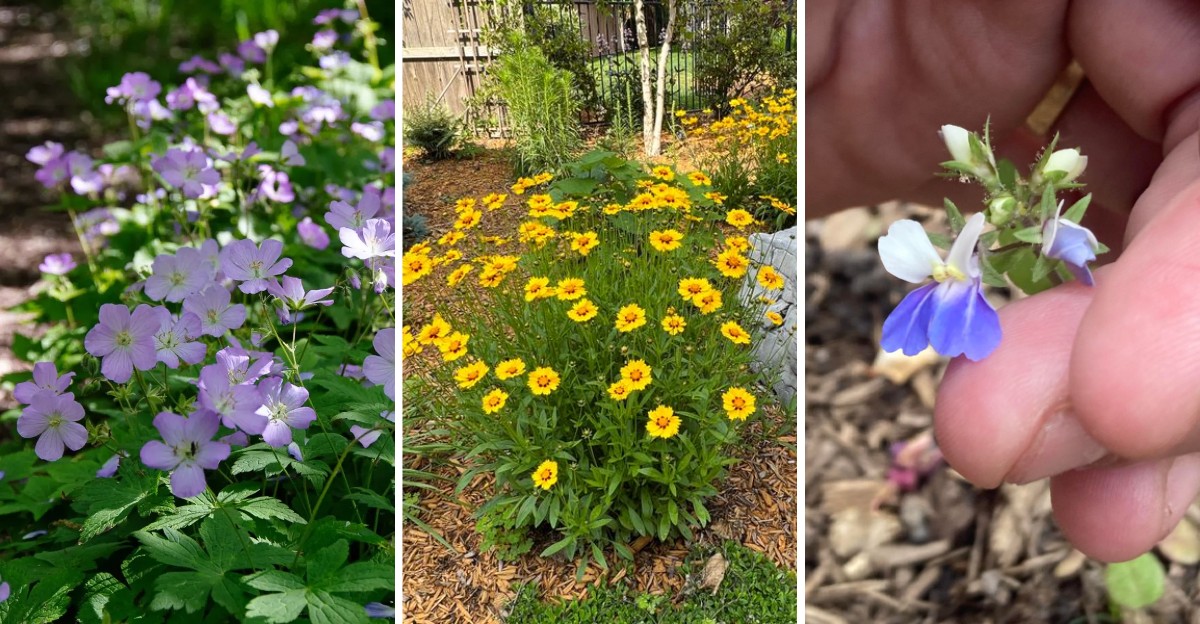
Spring brings soft pink to lavender flowers with five rounded petals, held above deeply lobed green leaves. Blooms usually open from April into June, and each clump reaches about one to two feet tall.
Native bees visit the flowers often, and you might spot small sweat bees or bumblebees working the blossoms. Planting a few clumps near a shady patio gives you a front-row seat to all that buzzing activity.
Scatter seeds in a spot with partial shade and rich, moist soil that holds some leaf litter. Rake them lightly into the surface, then let winter cold and moisture soften their tough outer coats.
Don’t make my mistake of tidying the bed too much afterward, because seedlings like a light mulch blanket. Shredded leaves keep the soil moist and mimic the forest floor where this plant naturally grows best.
Most seedlings need a season or two to reach flowering size, so think of this as a long-term investment. Once settled, clumps return reliably each spring and tolerate short dry spells beneath tall deciduous shade trees.
3. Golden Alexanders
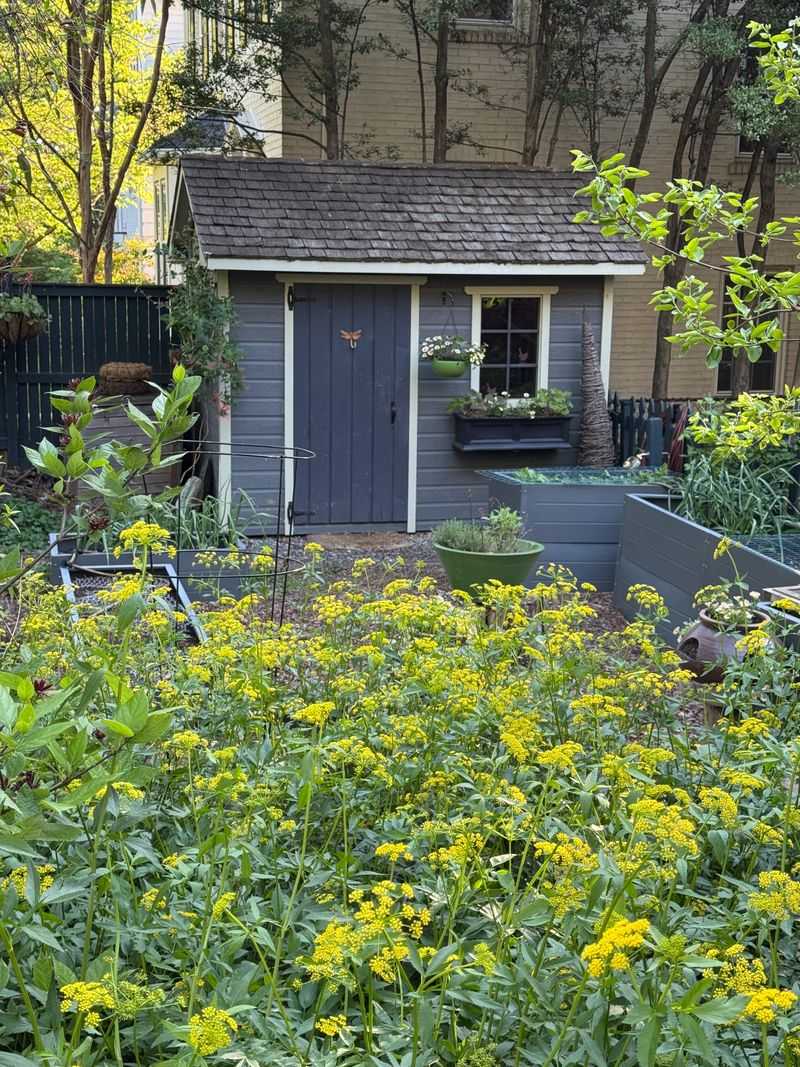
Black swallowtail butterflies go looking for carrot family plants to lay eggs on, and golden Alexanders fits perfectly. Those striped green caterpillars munch the leaves, then turn into some of the prettiest butterflies in any backyard.
Flat clusters of bright yellow flowers appear from late April into June, looking like tiny umbrellas turned upside down. Zizia aurea belongs to the same plant family as dill and parsley, which explains the butterfly attention.
Short-tongued native bees and small flies love these open flowers, since the nectar sits right at the surface. If you ask me, few early bloomers pack more pollinator value into such a modest little plant.
Expect clumps about one to three feet tall that grow happily across USDA zones 3 through 8. Full sun or partial shade both work, and the plant tolerates clay along with moist, low spots.
These seeds typically need around two months of cold, moist conditions before they will sprout in spring. That timing makes a November sowing ideal, because winter supplies the chill without any fridge or paper towels.
Rake bare soil lightly, scatter the seeds, then press them down with your shoe for good contact. Mark the spot with a stick, since the young seedlings look a lot like ordinary weeds at first.
Plants often bloom in their second year, then reseed politely to fill nearby gaps without taking over. Leave a few caterpillar-chewed leaves in place, because those hungry visitors are the whole point of growing it.
4. Virginia Bluebells
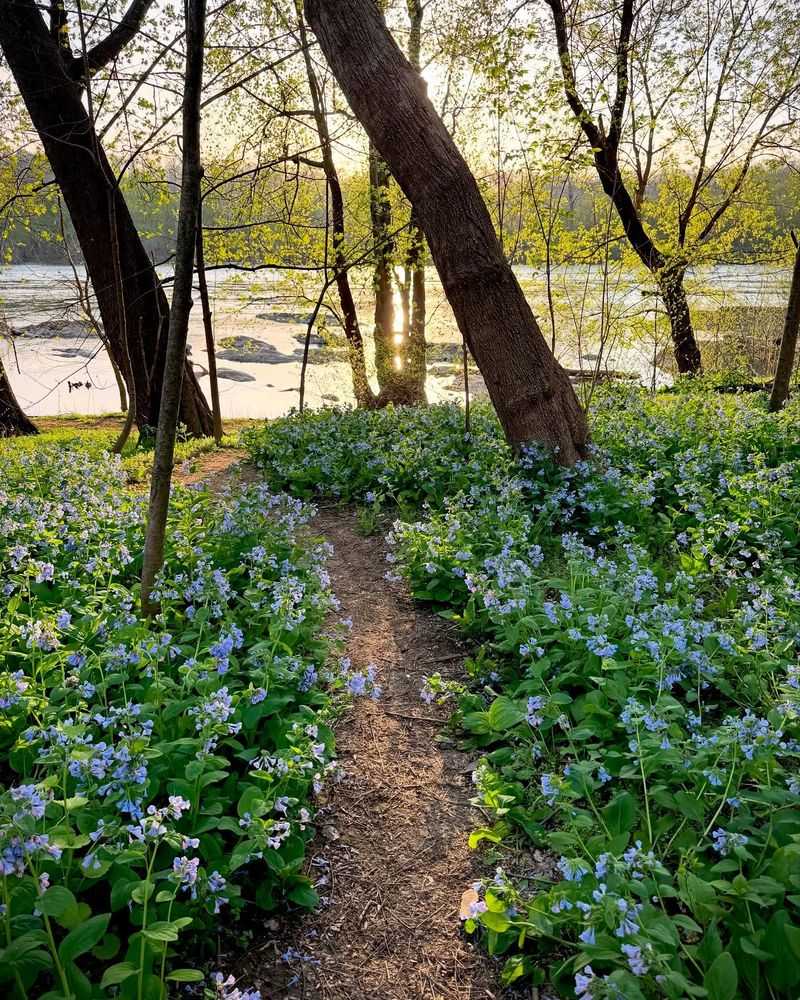
Pink buds that slowly turn sky blue make these spring wildflowers look like they change their minds overnight. The color shift comes from changing chemistry in the petals as each bell-shaped flower opens and matures.
Mertensia virginica grows naturally along river floodplains, where whole hillsides turn blue in late March and April. Seeing a riverbank covered in bluebells is one of those moments that makes me want to plant everything.
Bumblebees are the main pollinators, since they are strong enough to push into the narrow hanging tubes. Butterflies also stop by, and hummingbirds sometimes sip from the blooms when they return early from their migration.
Plants reach about one to two feet tall and suit USDA zones 3 through 8 in moist, rich shade. By early summer the leaves yellow and fade back, and the roots rest underground until the next spring.
Fresh seed works best, so sow it soon after you get it and keep the soil evenly moist. Winter cold breaks dormancy naturally, and you can expect small seedlings to appear once the ground warms.
Let’s just say this plant tests your patience, because seedlings often need three years or more to flower. That slow start is worth it, since mature clumps spread into lovely colonies that return for decades.
Pair bluebells with ferns or hostas that will fill the empty space after the foliage fades in summer. Mark the planting area clearly too, so nobody digs into those hidden roots during summer garden chores.
5. Blue Eyed Mary
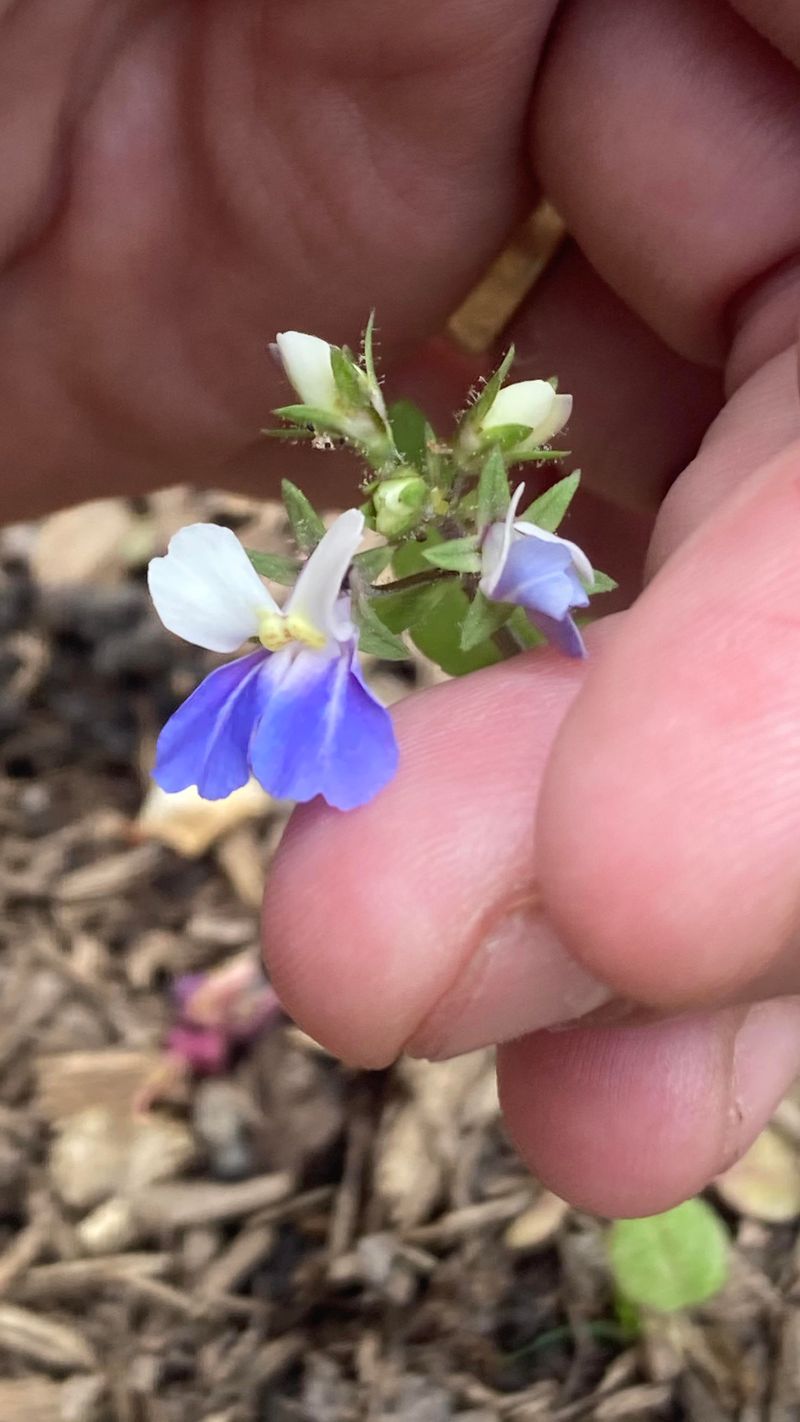
Blue-eyed Mary is a true annual, so the seed you scatter this fall can bloom just a few months later. That quick turnaround makes it a rare treat on this list, since most native perennials take longer to flower.
Each tiny flower wears two colors, with white upper petals sitting above bright blue lower ones like a bonnet. Collinsia verna belongs to the plantain family today, though older books placed it with the snapdragons.
It grows wild in moist woods and stream banks, mostly in the western and central parts of the state. Plants usually stay under about a foot tall, forming soft drifts when they find conditions they like.
Timing matters here, because the seeds sprout in fall or winter and need cold weather to finish developing. Spring sowing rarely works well, which is why seed sellers recommend getting it into the ground before winter.
Scatter seeds over loose, moist soil in light shade, then press them gently without burying them too deep. A spot under deciduous trees works nicely, since spring sunlight reaches the ground before the leaves fill in.
Native bumblebees and mason bees visit the flowers, prying open the lower lip to reach nectar and pollen. For what it’s worth, my favorite part is watching a heavy bee make the little flower bob down.
After blooming in April and May, plants set seed and fade away by early summer to finish their cycle. Leave them standing until the pods ripen, and a healthy patch can reseed itself for years to come.
6. Lyreleaf Sage
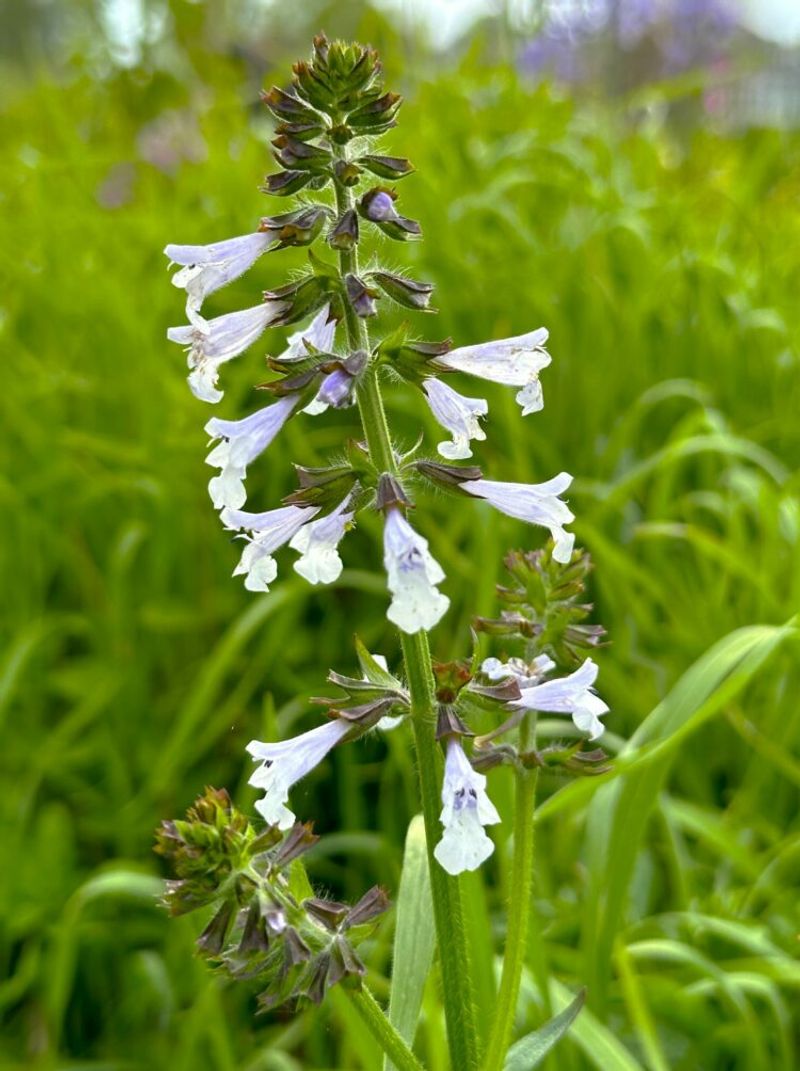
Lyreleaf sage keeps a flat rosette of purple-tinged leaves hugging the ground right through the coldest winter months. Those leaves get their name from their lobed shape, which reminds some people of an old stringed lyre.
Spring brings tall spikes of pale lavender to blue flowers, rising one to two feet above the rosette. Blooms usually appear from April into June, and bumblebees along with hummingbirds visit them regularly for nectar.
Salvia lyrata is a true sage, although it lacks the strong kitchen scent of the culinary herb. Crush a leaf anyway and you might notice a faint, mild aroma that hints at its family ties.
It handles USDA zones 5 through 9 and accepts poor, sandy, or clay soil better than many wildflowers. Full sun or light shade both work, so try it along a path edge or in a meadow patch.
Scatter seeds on bare soil and press them in lightly, since they germinate best with some light exposure. Fall sowing lets winter weather settle the seeds into place, and they sprout once the soil warms up.
Looking back, I should have planted it sooner, because it fills shady lawn gaps where grass struggles. It reseeds freely though, so pick a spot where a few wandering seedlings will feel like a bonus.
Mowing high after flowering keeps the rosettes healthy and lets the plant spread into a soft, colorful carpet. Some people even let it replace patches of turf, creating a low-mow lawn that blooms every single spring.
7. Foxglove Beardtongue
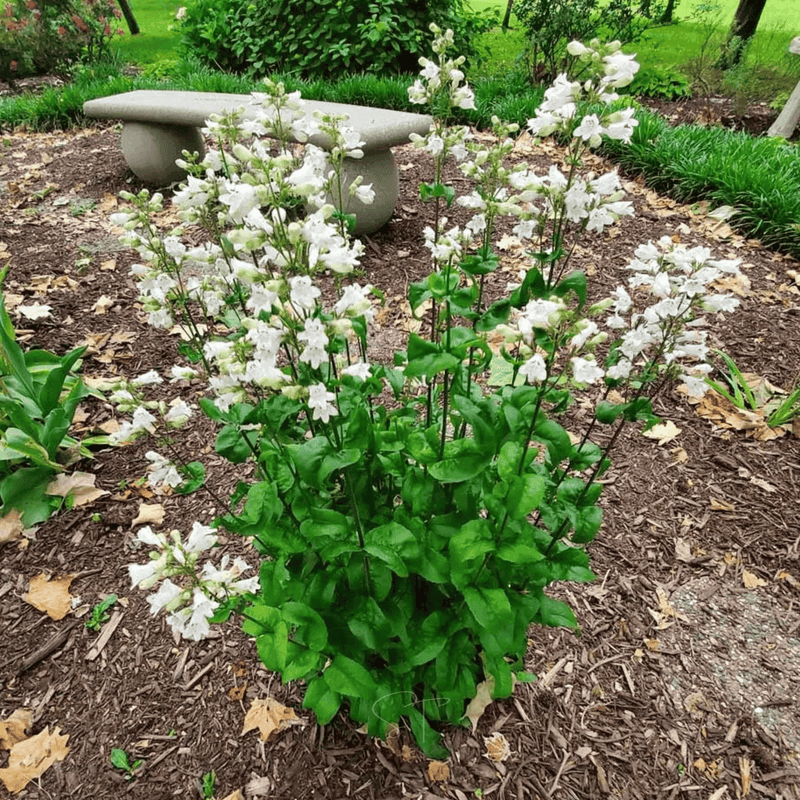
Peek inside a beardtongue flower and you will spot a fuzzy sterile stamen resting along the bottom like a tongue. That hairy little structure gives the plant its funny common name and helps guide visiting bees inside.
Penstemon digitalis produces tall stems of white tubular flowers, sometimes blushed with pale lavender, in late spring. Clumps commonly reach about three to four feet tall when blooming, so they stand out in sunny beds.
Bumblebees adore these blossoms, and watching one crawl deep inside a tube still makes me laugh every time. Hummingbirds visit occasionally too, though the white flowers mostly attract bees rather than the red-loving birds.
This plant thrives across USDA zones 3 through 8 and tolerates heavy clay that frustrates many other perennials. Give it full sun or light shade, plus soil that drains reasonably well during wet winter months.
The tiny seeds need cold, moist conditions to germinate, which makes a late fall sowing a smart choice. Sprinkle them on the soil surface, press gently, and resist the urge to cover them with extra dirt.
Seedlings often focus on roots and leaves first, then flower in their second spring with real gusto. The basal leaves stay green through much of winter and sometimes take on handsome reddish tones in cold weather.
After the flowers fade, the brown seed stalks add winter interest and feed small birds looking for snacks. Leave a few standing, and the plant will scatter fresh seed into nearby bare spots on its own.
8. Lanceleaf Coreopsis
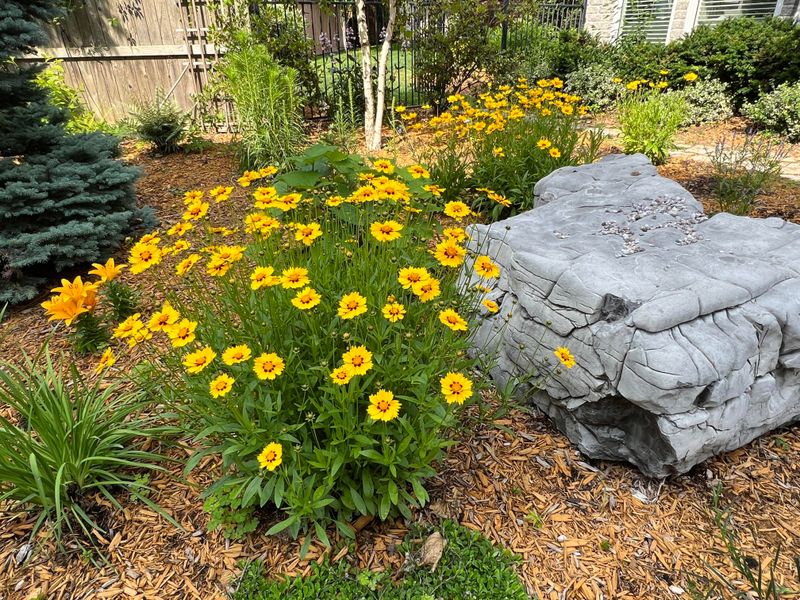
Bright yellow daisies with notched petal tips make lanceleaf coreopsis look like it was cut out with pinking shears. A patch in full bloom glows so brightly that neighbors may slow down their cars to take a look.
Coreopsis lanceolata starts flowering in late spring, usually around May, and often keeps going into midsummer with trimming. Plants stay about one to two feet tall, with narrow lance-shaped leaves that give the species its name.
Its genus name comes from Greek words meaning bug-like, because the flat seeds resemble tiny ticks or beetles. American goldfinches love picking those seeds, so leaving some spent flowers standing feeds the birds in late summer.
This sun lover handles USDA zones 4 through 9 and actually prefers dry, sandy, or rocky soil. Rich, heavily fertilized beds can make stems flop over, so skip the extra compost for this one.
A winter chill helps the seeds germinate more evenly, which is why fall sowing works so well here. Scatter them on bare ground, rake very lightly, and let rain press them into firm contact with soil.
Individual plants tend to be short-lived, but they reseed readily and keep a patch going for many years. Take it from someone who sowed one small packet and now enjoys a golden strip each late spring.
Butterflies and many native bees also visit these flat, open flowers for easy access to nectar and pollen. Check seed packets for the native species, since some popular garden coreopsis types come from other regions.
9. Virginia Spiderwort
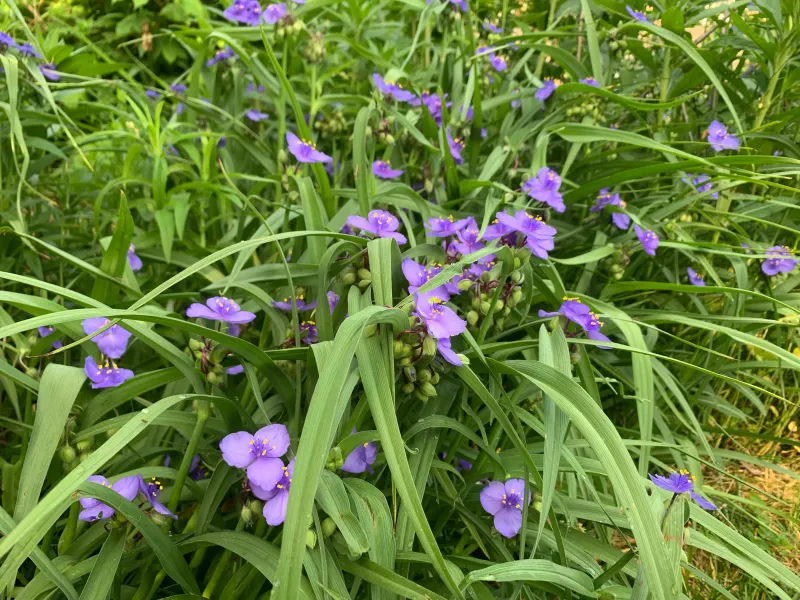
Each spiderwort flower opens for just one morning, then folds into a soft, jelly-like blob by afternoon. Luckily new buds keep opening day after day, so the plant stays colorful for weeks in late spring.
Three rounded petals in blue or purple surround fuzzy stamens tipped with bright yellow pollen, a striking combination. Bumblebees grab that pollen eagerly, since the flowers offer little nectar but plenty of protein-rich food.
Scientists once used spiderwort stamen hairs to detect radiation, because exposed cells can shift from blue to pink. The genus name honors John Tradescant, an English gardener who helped bring the plant to European gardens.
Tradescantia virginiana grows about one to three feet tall and suits USDA zones 4 through 9 nicely. Its long grassy leaves form loose clumps that look tidy in spring, though they can sprawl later.
Partial shade and moist soil keep it happiest, but it also tolerates sun and clay surprisingly well. In hot summers, cutting the foliage back by half encourages fresh growth and sometimes a second flush of flowers.
Sow seeds in fall so winter cold and moisture can prepare them for spring germination outdoors. Cover them with about a quarter inch of soil, then mark the spot so you remember where they are.
Seedlings may need a year to bulk up, but established clumps spread slowly and share easily by division. Between the morning flowers and that quirky science history, this plant gives you plenty to talk about.