These Native North Carolina Perennials Hold A Steep Sunny Slope Better Than Daylilies Ever Could
You stand at the top of that baking hillside in July, watching the mulch wash downhill again after an afternoon storm rolled through the Piedmont. The daylilies you planted look tired, the clay keeps sliding, and you are tired of hauling bags up a slope that fights you every step. Here is the good news your neighbor with the pretty bank already knows. North Carolina has native perennials that dig in deep, hold the soil like a fist, and feed the bees and monarchs while they do it.
These nine plants earn their spot, and they ask for almost nothing back.
1. Little Bluestem
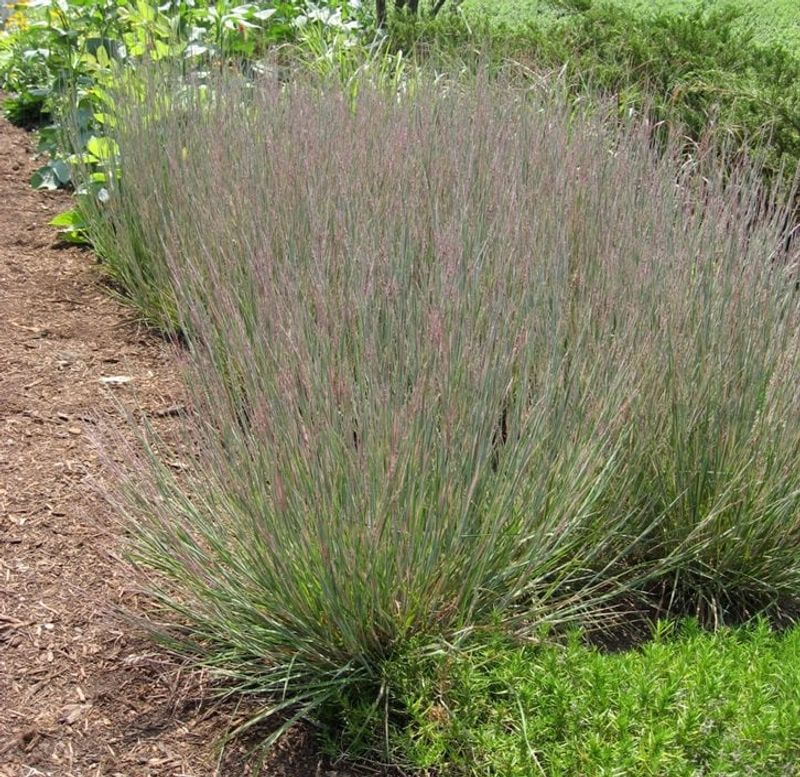
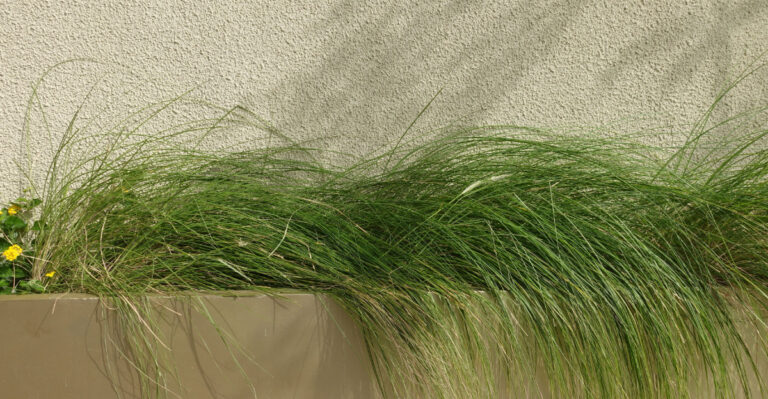
Picture that slope in October, the sun low and gold, and the whole bank glowing a coppery rust color that makes people slow down when they drive by. That is little bluestem (Schizachyrium scoparium), a native grass doing what daylilies never could.
Here is where it gets good. This grass sends roots down 5 to 6 feet, which is far deeper than any daylily clump. Those roots knit the red clay together and stop it from sliding after a hard rain. And it does not care about drought once it settles in, so you are not standing out there with a hose in August.
Plant plugs or small pots about 18 inches apart in full sun, any time from spring through early fall. NC State Extension lists it as a tough choice for lean, dry spots, which is exactly what a sunny slope tends to be. Do not baby it with rich soil or extra water, because that just makes it flop over.
The kicker is the wildlife. Little bluestem hosts skipper butterfly caterpillars, and songbirds pick through the seed heads all winter. So you get erosion control, fall color, and a living bird feeder, all from one grass that never needs dividing. Genuinely low effort for that much return.
2. Butterfly Weed
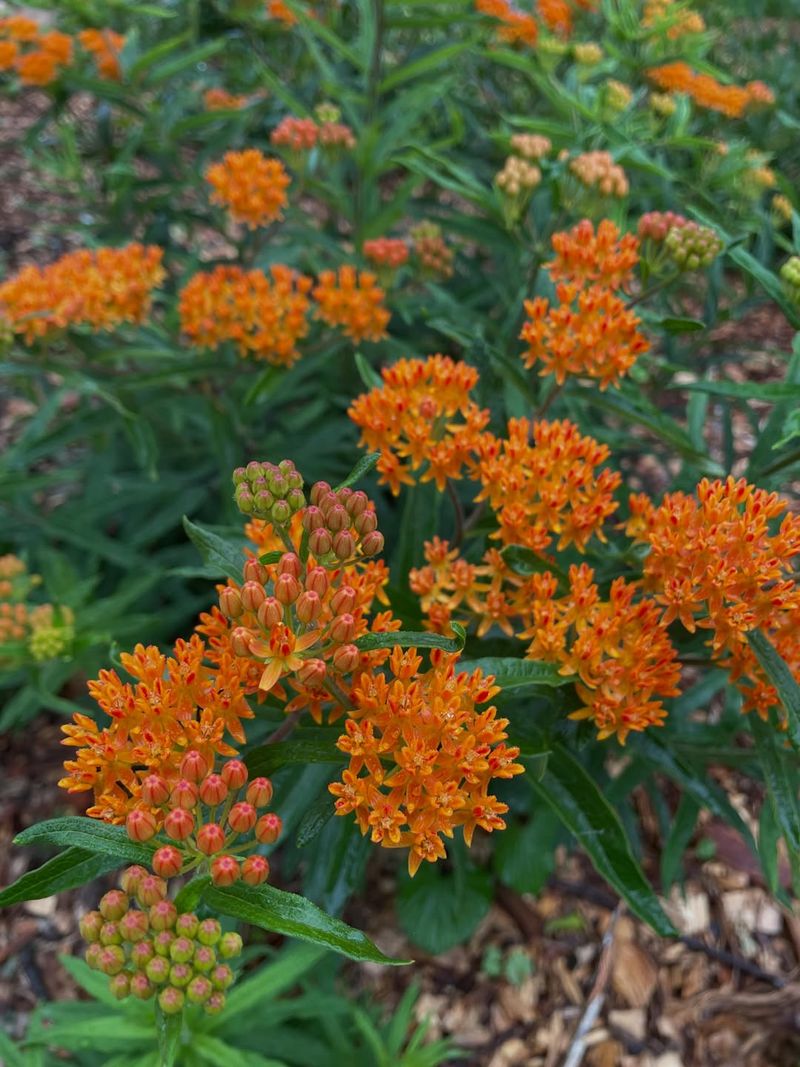
Bright orange flowers glowing on a hot bank in June, with a monarch resting on top, that is the picture most folks fall for. Butterfly weed (Asclepias tuberosa) is the native milkweed built for exactly the dry, sunny slope where your daylilies sulk.
Most people do not realize it grows a thick taproot that plunges straight down, sometimes past 2 feet. That root is why it survives a Piedmont drought and why you should never dig it up and move it once it settles. It anchors soil and stores water at the same time.
Set plants out in spring, spacing them about 18 to 24 inches apart, and give them the leanest, sunniest ground you have. Rich, wet clay will rot the crown, so poor soil is actually a gift here. It blooms from late spring into midsummer with almost no fuss.
And the payoff feeds the whole yard. Monarch caterpillars eat the leaves, fall migrants sip the nectar, and native bees swarm the flowers. You are handing the slope back to the pollinators while the taproot quietly holds the hill in place. Not a bad trade for a plant that asks for nothing but sun.
Your North Carolina Garden Changes Every Week. Your Plan Should Too.
Gardening in North Carolina changes quickly throughout the season. Every Friday you’ll receive a simple weekly plan showing exactly what to plant, prune, fertilize, harvest, and protect so you never miss the right timing.
3. Black-Eyed Susan
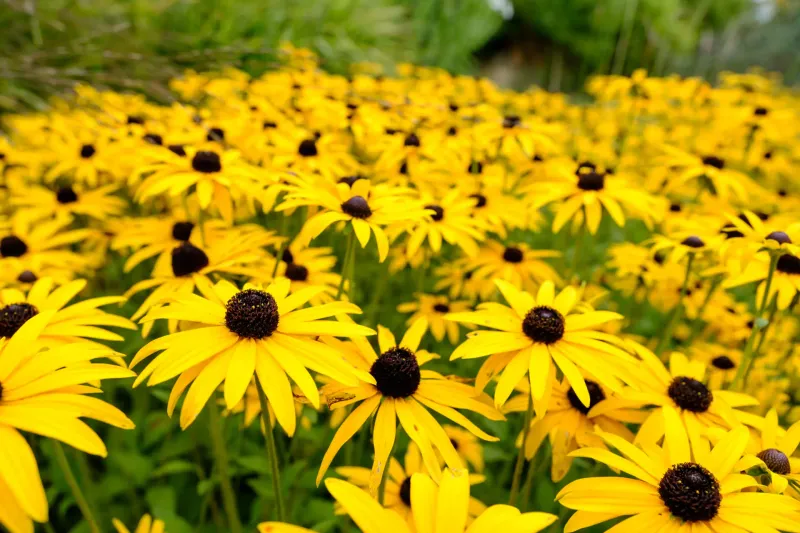
Nearly everyone in North Carolina recognizes those cheerful yellow daisies with the dark button centers, but few plant them where they shine hardest. Black-eyed Susan (Rudbeckia fulgens, often sold as Rudbeckia hirta) turns a rough sunny bank into a river of gold from midsummer into fall.
The trick is how it spreads. It seeds itself and forms a fibrous mat of roots that grips loose soil and holds the surface against runoff. So a few plants become a dense colony in two or three seasons, filling gaps where erosion would start.
Space starter plants about 18 inches apart in full sun and let them self-sow. They shrug off the muggy heat and clay of the Piedmont, and they bloom for weeks with zero deadheading required. Leave the seed heads standing through winter.
That is where the goldfinches come in. Birds cling to the dried heads and pick the seeds on cold January mornings, giving you movement in a bare season. Cheerful, tough, and generous, it fills a slope faster and cheaper than any daylily ever managed.
4. Aromatic Aster
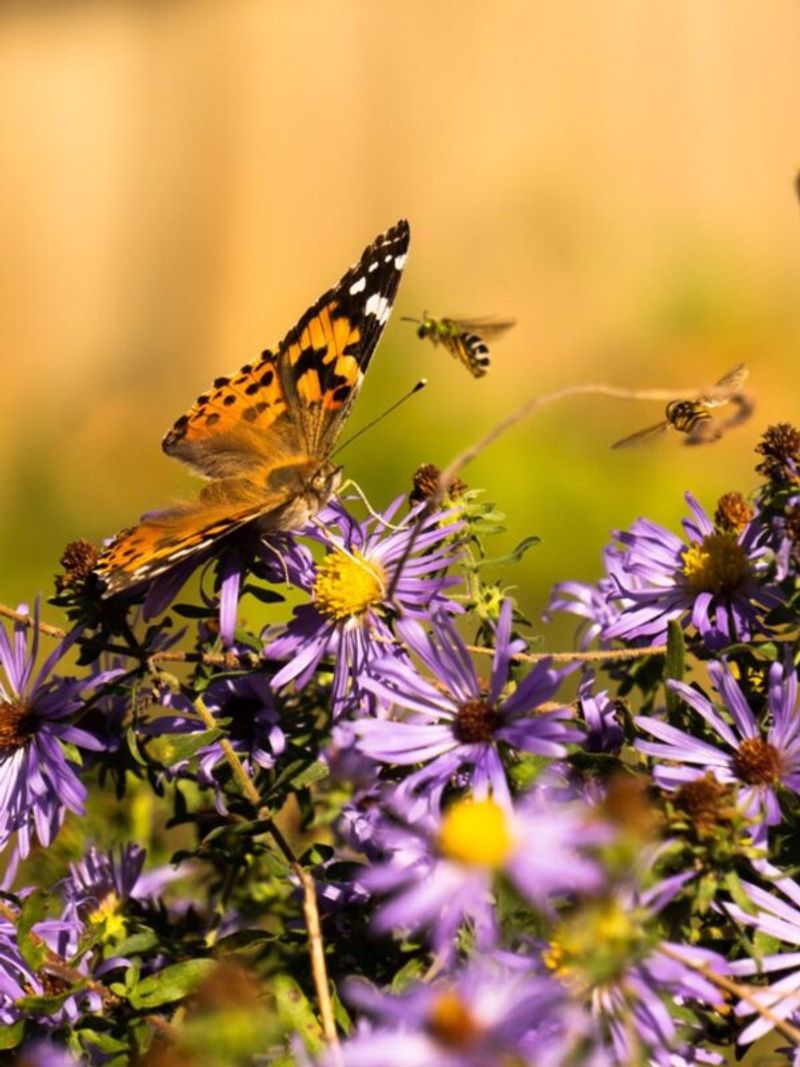
Come late October, when most of the yard has quit for the year, one plant on the slope is buzzing with bees and covered in blue-purple flowers. Aromatic aster (Symphyotrichum oblongifolium) shows up exactly when everything else fades.
Here is the part that surprises people. It stays low and mounded, roughly 1 to 2 feet tall, and its roots spread sideways into a tight web that stitches the soil surface together. Crush a leaf and it smells faintly like balsam, which is where the name comes from, and deer tend to leave it alone because of that scent.
Plant it about 18 to 24 inches apart in full sun on dry ground, spring or early fall either one. It laughs at drought and the clay banks that bake all summer. A light shear in early June keeps it compact and loaded with buds.
The timing is the gift. When fall monarchs are pushing south through North Carolina, this aster is one of the last big nectar tables open. So your slope becomes a rest stop right when the migration needs it, and you get color long after the daylilies went brown.
5. Coreopsis
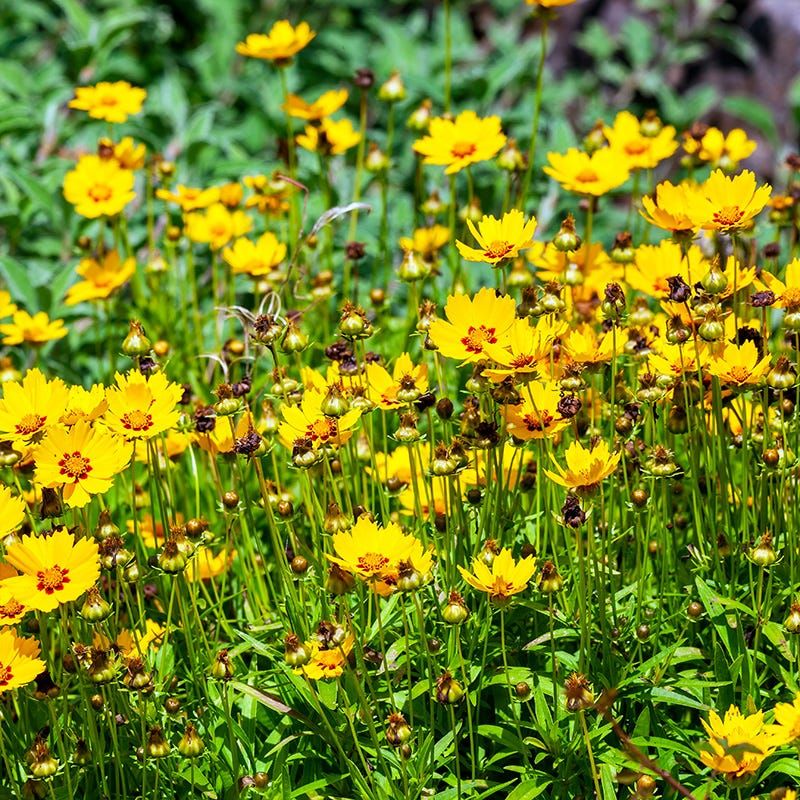
Some plants seem built for the worst spot in the yard, and coreopsis is one of them. Native tickseed (Coreopsis lanceolata) throws up a haze of small yellow flowers on the driest, sunniest, most neglected slope you can hand it.
What makes it a slope hero is that it thrives on poor, gritty ground. Sandhills gardeners and Coastal Plain folks with sandy soil already know this. It forms clumps that reseed freely, so the bare patches between plants fill in and lock down loose surface soil before rain can carry it off.
Set plants roughly 12 to 18 inches apart in full sun and skip the fertilizer entirely. Too much richness makes it leggy and short-lived. Shear it back after the first flush and it often blooms again into late summer.
Small bees and beneficial insects work the flowers all season, and finches take the seeds later. Bright, unfussy, and honestly hard to kill, coreopsis covers ground that most perennials refuse, and it does it on a shoestring.
6. Purple Coneflower
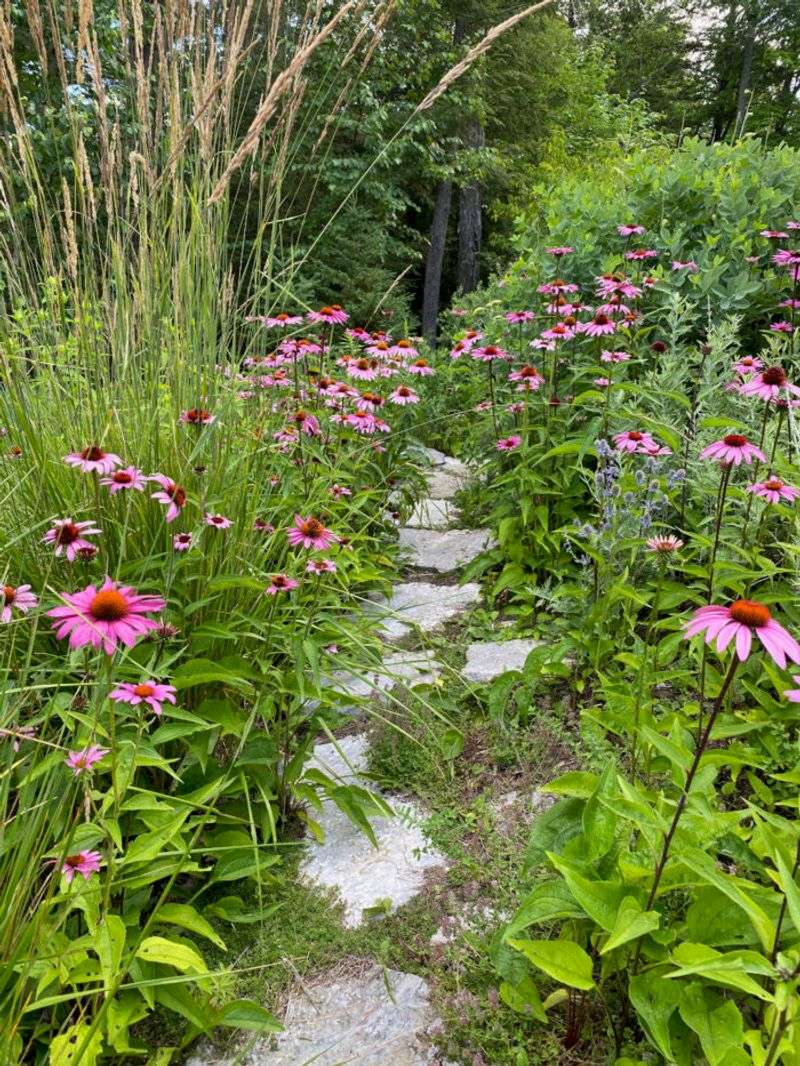
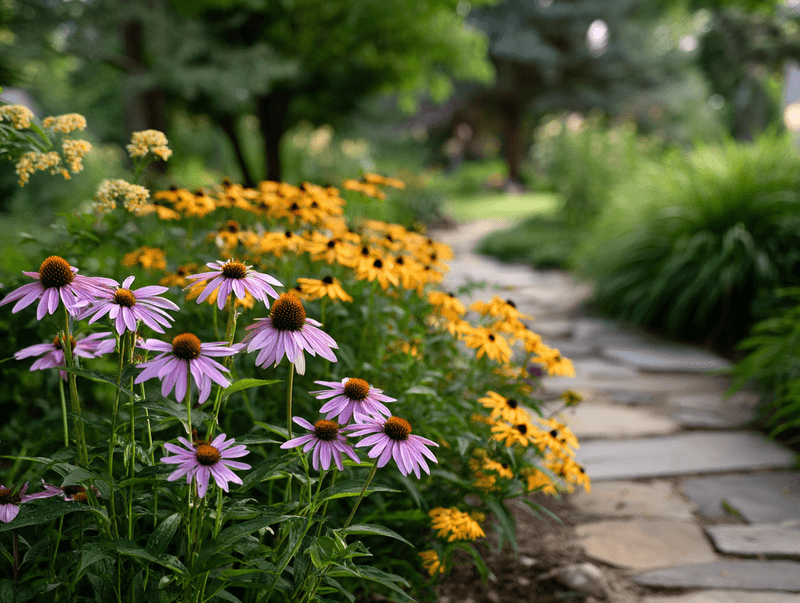
Ask a Piedmont gardener for one tough, pretty native and purple coneflower comes up almost every time. Echinacea purpurea stands 2 to 4 feet tall with big daisy blooms that hold up through the ugliest heat July can throw at you.
The reason it belongs on a slope is underground. It grows a deep central root that reaches moisture the surface has lost, which is why it stays standing when shallow-rooted plants wilt. That same root helps stabilize the bank while the plant looks like a proper flower garden.
Plant it 18 to 24 inches apart in full sun to light shade, in spring or fall. It handles clay as long as the spot drains and does not stay soggy. Butterflies cover the flowers in summer, and this is the important part, you leave the spent heads up.
Goldfinches pull the seeds all winter, clinging to the stiff stalks on frosty mornings. So you trade a flat sweep of daylilies for a standing, self-feeding perennial that works from June bloom straight through a January cold snap.
7. Eastern Bluestar
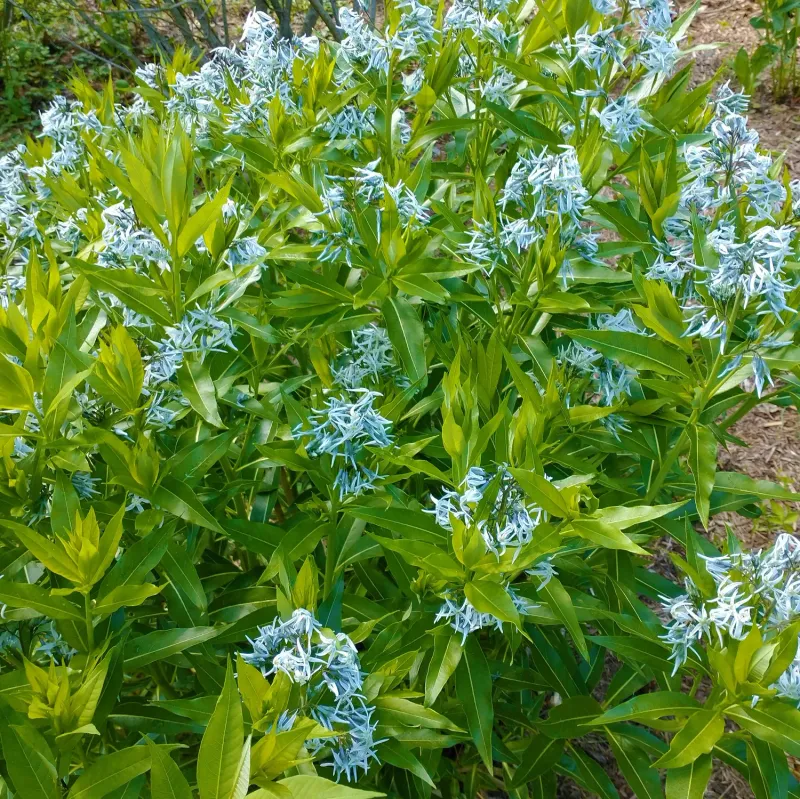
Most folks plant something for spring flowers, then forget it exists by fall. Eastern bluestar (Amsonia tabernaemontana) refuses to be forgotten, because it puts on two completely different shows in one season.
In spring it opens clusters of soft, powder-blue star flowers on shoulders of feathery foliage. That would be enough. But the turn comes in October, when the whole plant blazes a clean golden yellow that lights up the bank like a lantern.
Here is why it holds a slope. Bluestar grows into a dense, shrublike mound roughly 2 to 3 feet across with a fibrous, spreading root system that grabs the soil surface and refuses to let go. Plant it about 24 to 30 inches apart in full sun to part shade, and once established it barely needs water.
Deer generally pass it by, since the stems ooze a milky sap they dislike. So you get spring blue, fall gold, erosion control, and browse resistance from a single mound that keeps getting better every year. That is a lot more range than a daylily offers.
8. Wild Bergamot
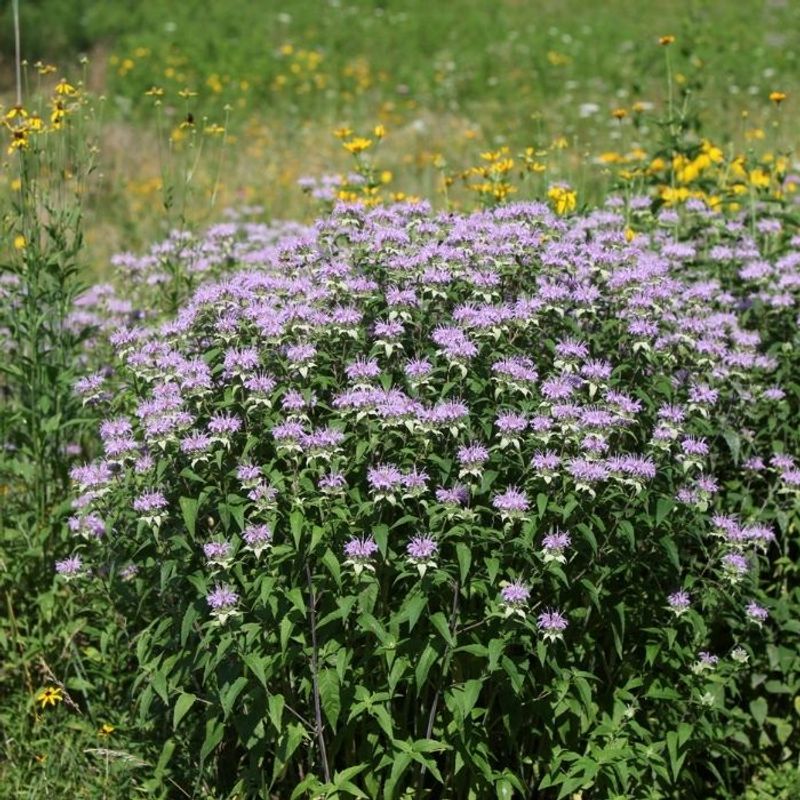
Walk past this one on a July evening and the whole slope hums, loud enough that you stop and listen. Wild bergamot (Monarda fistulosa) draws so many bees and hummingbirds that the plant seems to vibrate.
Its ragged lavender flowers sit on top of stems that reach 2 to 4 feet, and the leaves smell like the tea that gives the plant its old nickname, bee balm. That minty scent does double duty. Deer and rabbits tend to skip it, so the colony fills in unbothered.
The roots spread by shallow runners, weaving a mat just under the surface that binds loose ground on a bank. Plant it 18 to 24 inches apart in full sun with decent airflow, because crowding invites powdery mildew, a white dusty coating on the leaves. Space it right and you sidestep most of that.
Hummingbirds, native bees, and clearwing moths all work the flowers from midsummer on. So a hot, exposed slope turns into the busiest corner of your yard, and the runners quietly hold the hill while the show goes on.
9. Creeping Phlox
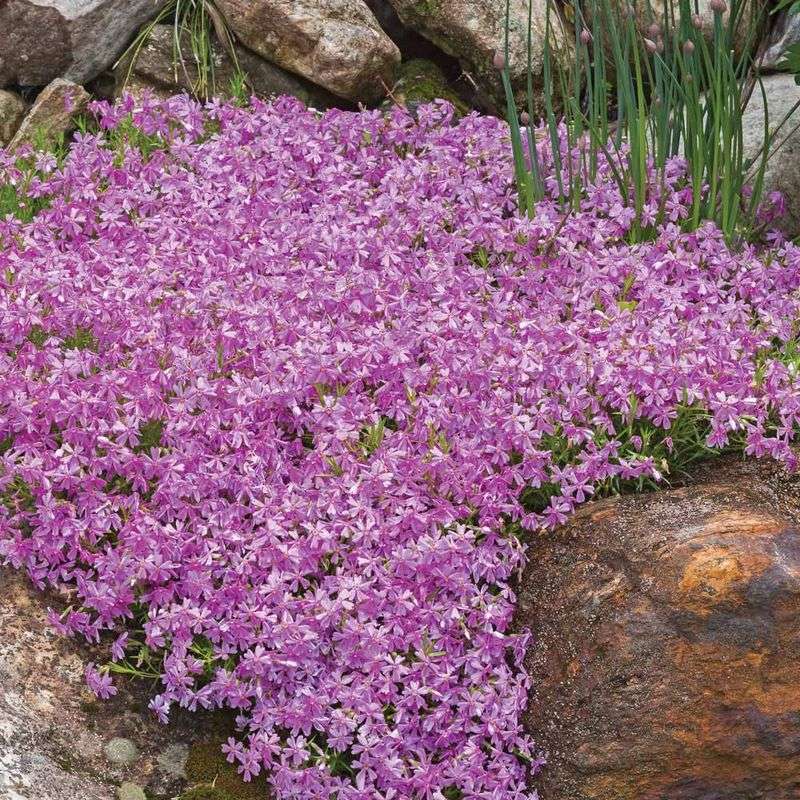
Early April on a bank blanketed in pink and lavender, so thick you cannot see the soil underneath, that is the sight that ends this list. Creeping phlox (Phlox subulata) is the mat-forming native that solves the hardest part of any slope, the bare ground between bigger plants.
Unlike everything else here, it hugs the earth. It grows barely 4 to 6 inches tall and spreads into a dense evergreen carpet that covers 2 feet or more across per plant. That living mat is what stops raindrops from hitting bare clay and starting a rill.
Set plants about 12 to 18 inches apart in full sun on well-drained ground, spring or fall. Once it knits together you have a permanent green cover, needleleaf and tough, that stays put through mild NC winters and surprise cold snaps alike. A quick shear after bloom keeps it dense.
Early native bees and butterflies find those first spring flowers when little else is open. So you close the season loop, a low carpet holding the surface while the taller natives above it anchor the deep clay. Together they hold a slope the daylilies never could, and your hillside finally stops fighting you.