The Prickly Brown Balls Littering Indiana Driveways Fall From A Tree With Star-Shaped Leaves
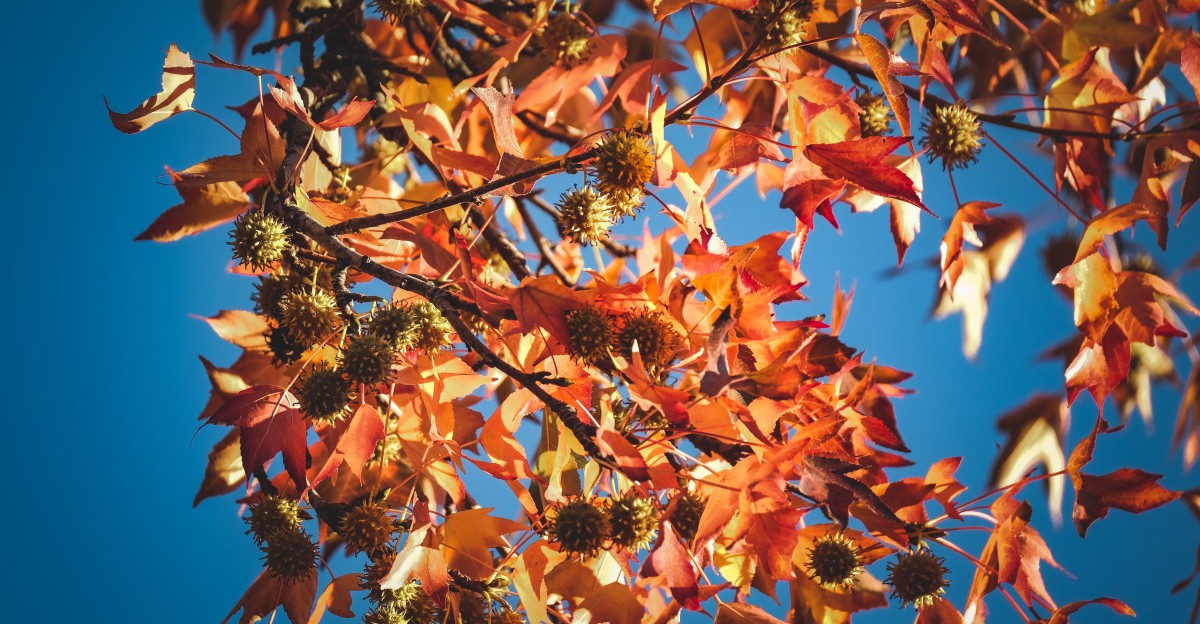
Each spiky ball rolling across your driveway once held up to about 50 or more tiny seeds. Some of those seeds even sport little wings for catching the breeze.
I learned the hard way that these woody spheres act like marbles with thorns. One wrong step in socks, and you will remember it for a week. Kids call them monster eggs, and honestly, I get it.
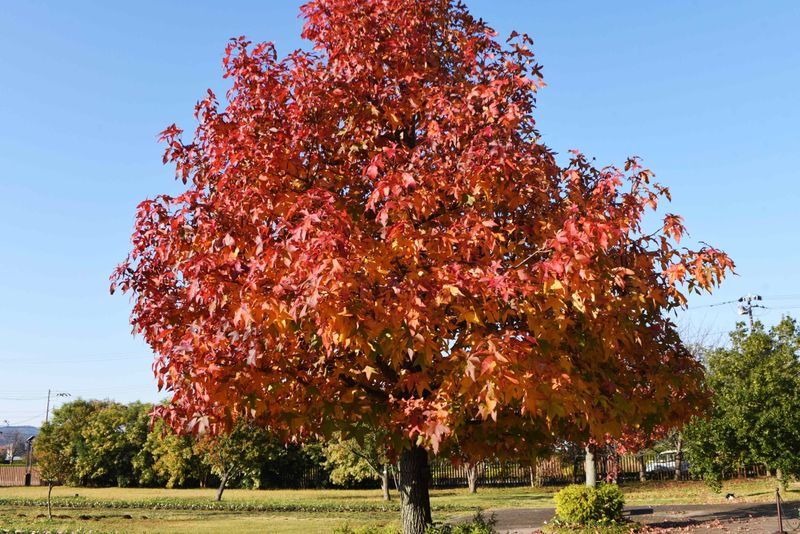
The tree behind them is no villain. It grows wild in the southern half of Indiana and lines plenty of streets farther north. In fall, its leaves glow red, orange, gold, and deep purple, often all on one branch.
Truth is, I spent years cursing the balls before I ever looked up at the leaves. Once I did, the whole mess made a little more sense. So what is this tree, and can you actually live with it?
Those Spiky Gumballs Come From A Tree You Have Probably Admired
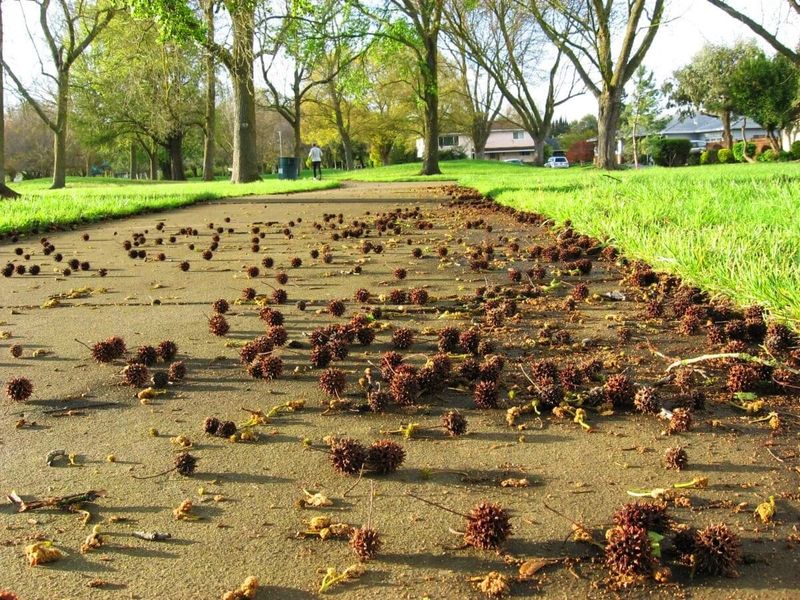
Guilty as charged, I once blamed a neighbor’s kids for the pile of spiky balls on my driveway. The real culprit was the tall tree near the curb, the American sweetgum, known to botanists as Liquidambar styraciflua.
Those prickly brown balls are the tree’s fruit. Each one is a cluster of many small seed capsules fused together. Every capsule ends in a hooked, pointy tip, which gives the ball its spiky feel.
The fruit forms in spring after the tree flowers. It stays green through summer, then turns brown and woody by fall. Once dry, the little capsules open and release their seeds.
Here comes the tricky part. The empty balls cling to branches for months and drop slowly. That means they can pile up from fall through winter and even into early spring.
A big, healthy sweetgum can make hundreds or thousands of these balls in a good year. Seed crops often vary from year to year, so some autumns feel worse than others.
Once you know the source, the mystery is solved. Look straight up from any heavy patch of gumballs, and you will likely spot a sweetgum standing tall overhead.
Star-Shaped Sweetgum Leaves Make The Tree Easy To Spot
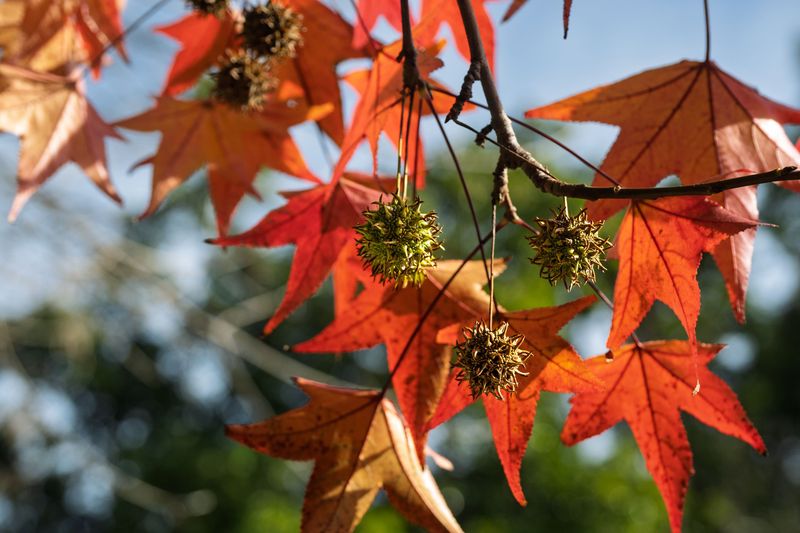
Grab a leaf and count the points. Most sweetgum leaves have five sharp lobes spread out like a star, though some have three or seven.
People often mix sweetgum up with maple. A quick trick helps here. Maple leaves sit in pairs across from each other on the twig, while sweetgum leaves alternate, one here and one there.
In summer, the leaves look shiny and deep green. Fall turns them into a fireworks show of yellow, orange, scarlet, and plum purple, sometimes all on a single tree. Crush one, and you may notice a sweet, piney scent.
Check the twigs too. Many sweetgums grow corky ridges, almost like little wings, along the young branches. Not every tree has them, but when they show up, they make a great clue.
The bark on older trees looks gray-brown with deep grooves. Mature trees in yards often reach 60 to 75 feet tall with a neat, pyramid-like shape.
Put all of these clues together, and you can name the tree in seconds. The spiky balls on the ground are the final giveaway that seals the deal.
Cleaning Up Sweetgum Balls Without Losing Your Mind
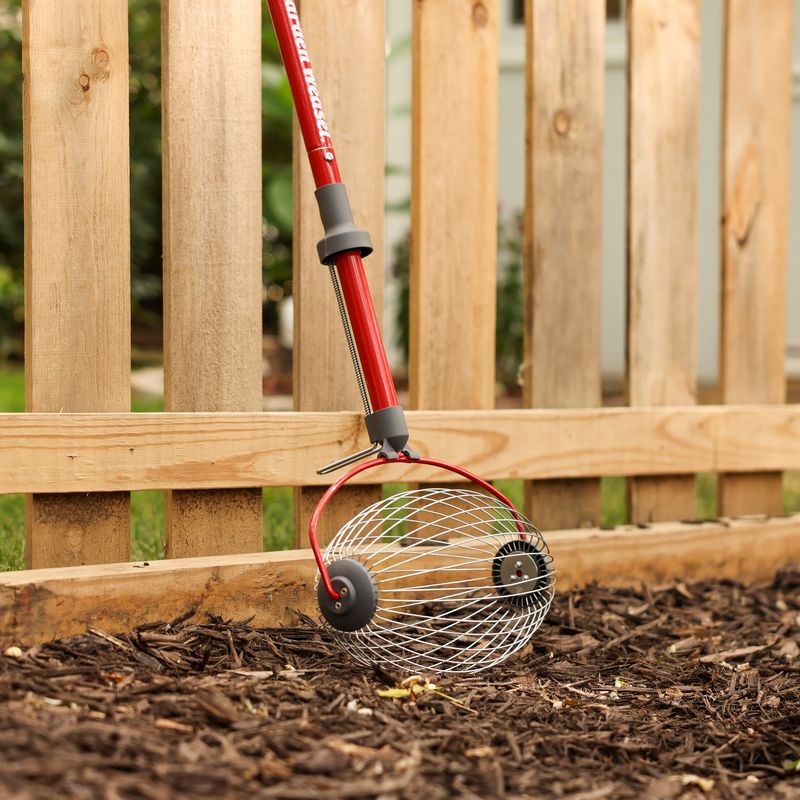
Not going to lie, a regular leaf rake is a weak weapon against gumballs. They slip right through wide tines and roll away like they are laughing at you.
A rolling nut gatherer works much better. The wire basket picks up balls as you push it across the lawn, and you can dump them straight into a bucket. Your back will thank you.
For bigger yards, try a mower with a bagging attachment. It collects balls along with leaves, though you should raise the deck and watch for stray ones that fly out sideways.
Leaf blowers help on hard surfaces like driveways and patios. Push the balls into one pile, then scoop them up with a flat shovel.
Timing makes a difference. Several short cleanups through fall and winter beat one giant job in spring, since the tree keeps dropping fruit for months.
Safety counts too. Gumballs on steps and sidewalks can roll underfoot and cause slips, so clear walkways first.
Under the tree itself, a thick layer of mulch hides fallen balls nicely. Over time they break down slowly and blend into the bed.
A Spring Spray Can Cut Down Next Year’s Gumball Crop
Fair warning, the best time to fight gumballs is months before you see them. Fruit control works only while the tree is in bloom, which usually falls in April or May in Indiana.
Products with the growth regulator ethephon, such as Florel fruit eliminator, can cause flowers to drop before fruit forms. University extension sources note that results vary, and timing must hit full bloom closely.
Spray too early or too late, and you may see little change. Weather matters too, since rain or cool temperatures can lower how well the product works.
Big sweetgums are tall, so coverage gets tough with a garden sprayer. Most homeowners hire a certified arborist with the right equipment and training. Some tree companies also offer trunk injection products aimed at reducing fruit.
Keep expectations realistic. These treatments reduce gumballs but rarely stop all of them, and they need repeating every spring.
Always read and follow the label exactly. Overspray can drift onto nearby plants, and too much product may cause leaf drop on the tree itself.
Still, a lighter gumball season can be worth the effort for busy walkways.
Goldfinches And Squirrels Love Those Sweetgum Seeds
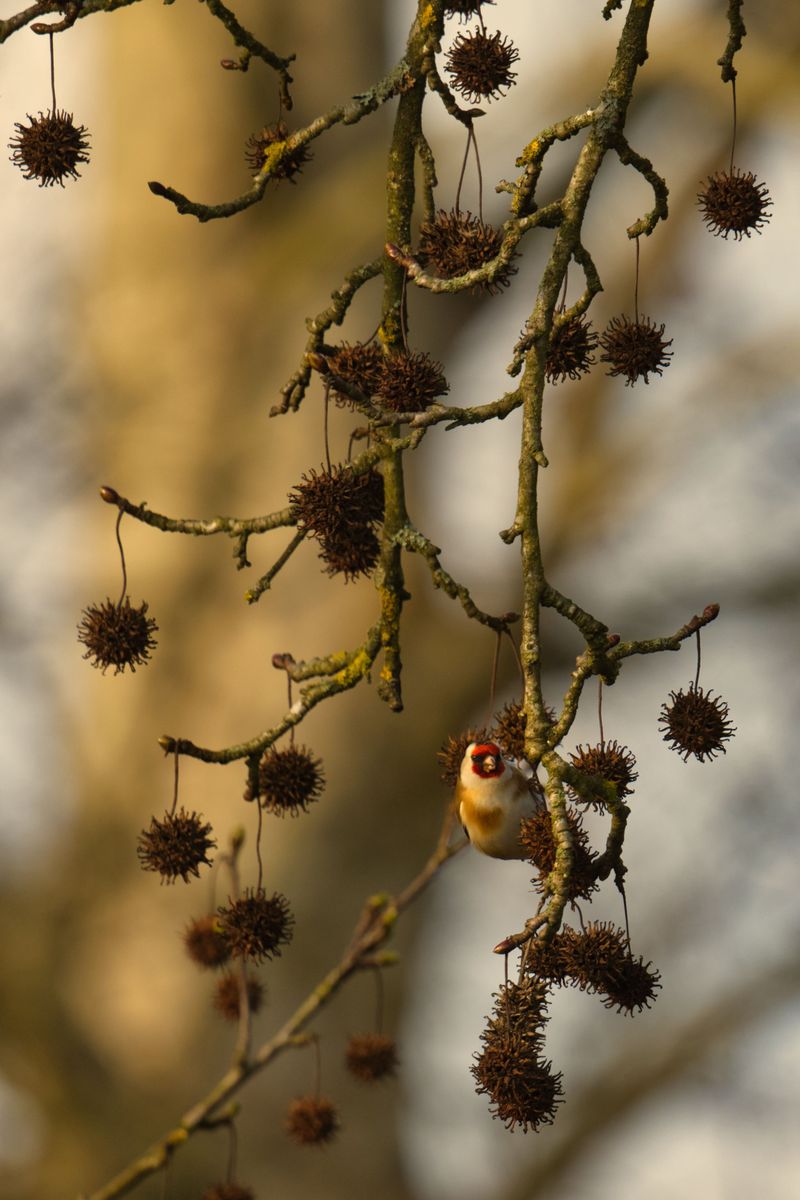
Every winter, I watch a little flock of goldfinches hang upside down from my sweetgum. They poke their beaks into the dangling balls, picking out seeds the wind left behind.
Sweetgum seeds are small, but they matter to wildlife. American goldfinches, chickadees, sparrows, and other songbirds eat them through the cold months when food runs short.
Squirrels and chipmunks join the party too. Wild turkeys and bobwhite quail have been noted eating the seeds in forests where sweetgum grows naturally.
The tree helps insects as well. Its leaves feed caterpillars of several moths, including the striking luna moth. Those caterpillars then become food for nesting birds raising babies in spring.
That changes how I see the mess underfoot. The balls left hanging on branches act like a slow-release bird feeder all winter long.
If you can, leave some gumballs in garden beds or under the tree rather than raking every last one. A few corners of your yard can stay a bit wild without bothering anyone.
Grab binoculars on a frosty morning and watch the branches. You might be surprised at who shows up for breakfast.
Fruitless Sweetgum Cultivars Keep The Color And Skip The Spikes
Planting a new tree? Good choices now can save you years of raking later.
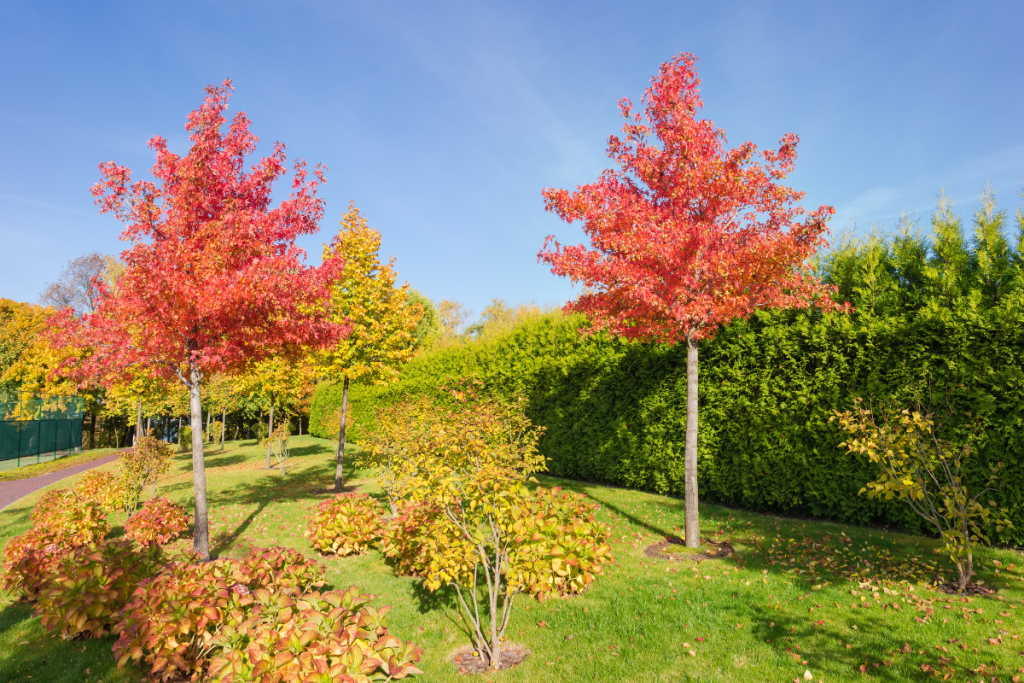
The best known option is ‘Rotundiloba,’ a sweetgum that produces little or no fruit. Its leaves have rounded tips instead of sharp points, but it still offers fall color.
Another, ‘Cherokee,’ is described as producing far fewer gumballs than wild trees. It also has a reputation for good cold hardiness, which helps in northern parts of the state.
Hardiness deserves a careful look. Indiana spans roughly USDA zones 5b to 7a, and some cultivars handle cold better than others. Ask a local nursery which types do well in your area.
Sweetgum is native to southern Indiana, so planting one there supports local wildlife. Choose the right spot, though. Mature trees grow large, and their roots can lift sidewalks and pavement planted too close.
Give your tree plenty of room, well away from driveways and foundations, since mature roots spread wide. Full sun and moist, slightly acidic soil keep it happiest.
Fall is a fine planting season here, and so is early spring once the ground thaws.
Your Sweetgum Is Worth Keeping Around
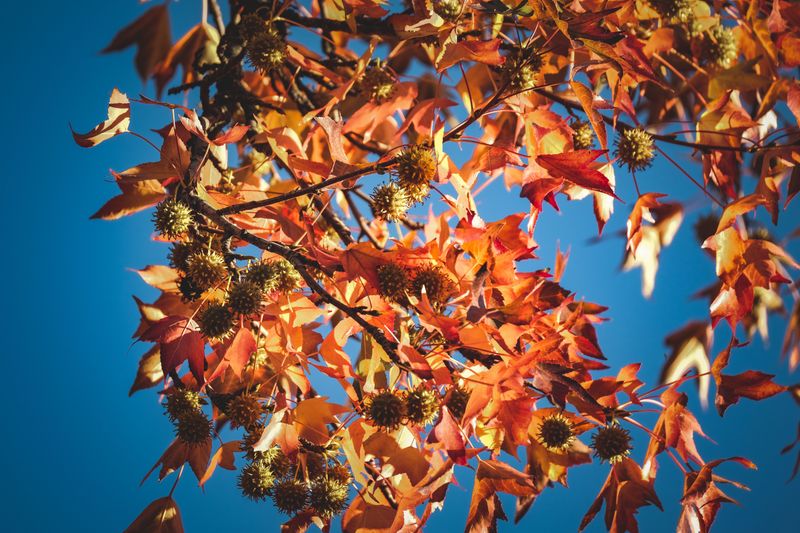
I’m the first to admit I once daydreamed about cutting my sweetgum down. One golden October afternoon under its glowing canopy changed my mind for good.
A mature sweetgum offers cool summer shade, which can help lower cooling needs for a nearby home. Its roots help hold soil in place, and the tree handles wet spots better than many other species.
History adds charm too. The resin, sometimes called storax, gave the tree its name. Early records describe Native Americans and settlers chewing hardened sap and using it in folk remedies.
Removing a big, healthy tree costs a lot and takes away years of growth. Most homeowners do better by managing the mess instead.
Try a mix of tactics. Clear walkways often, use a nut gatherer on the lawn, and mulch under the canopy. Consider a spring fruit treatment if the drop near your door feels unbearable.
Gumballs also make fun crafts. Kids paint them for ornaments, and some gardeners spread them lightly in beds to discourage digging pets.
Give your sweetgum a second look this season. Those spikes come with one of the prettiest shows in fall.