North Carolina Gardeners Who Do This Get Oakleaf Hydrangeas That Bloom Bigger Every Year
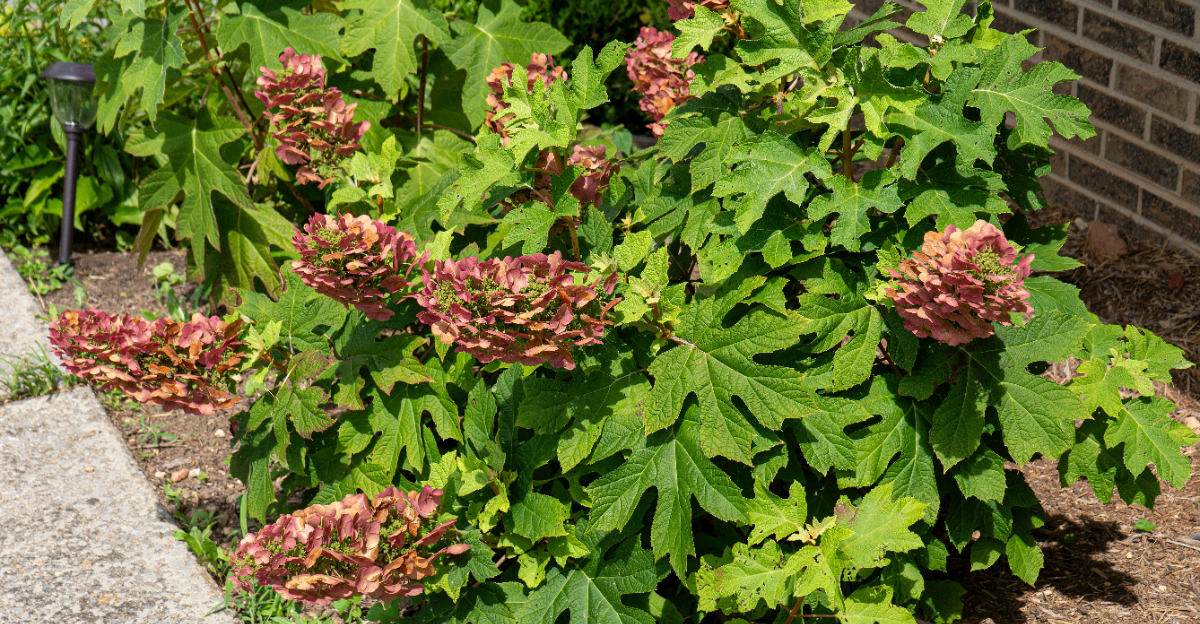
Oakleaf hydrangeas are already one of the most rewarding shrubs a North Carolina gardener can grow, with their long-lasting bloom clusters, dramatic foliage, and exceptional tolerance for the heat and humidity that challenge so many other plants through summer.
What most gardeners do not realize is that one specific and consistently overlooked practice separates oakleaf hydrangeas that improve noticeably with each passing season from ones that plateau and stay there.
The shrub is not demanding. It does not require complicated care or specialized products.
But this one thing, done at the right time and with the right approach, compounds across seasons in ways that show up clearly in bloom size, stem strength, and the overall presence the shrub carries in the landscape.
1. Prune Right After Flowering
Timing is everything when it comes to pruning oakleaf hydrangeas, and getting it right can completely change what your shrub does next spring.
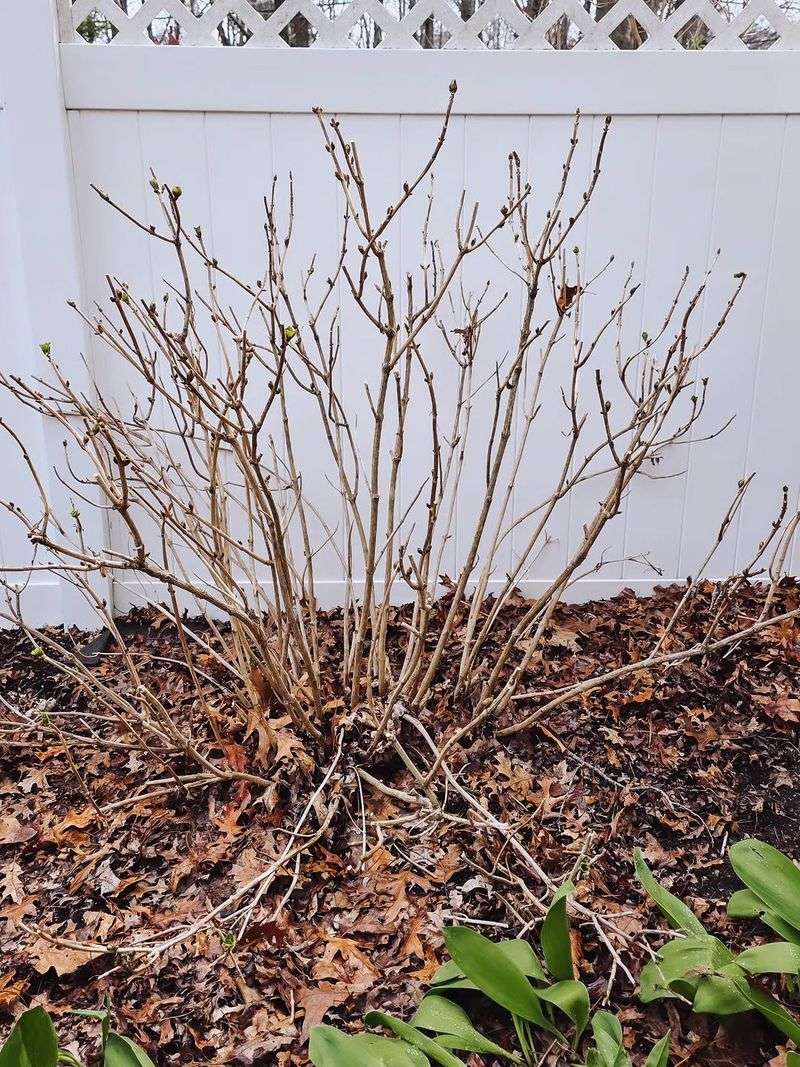
Oakleaf hydrangeas bloom on old wood, which means the flower buds for next year form on the same stems that just finished blooming this year.
If you wait too long to prune, you risk cutting off the very wood that was going to give you those big, cone-shaped flower clusters.
The sweet spot for pruning in North Carolina is right after the blooms fade, usually sometime in mid to late summer.
That window gives the shrub enough time to push out new growth before fall, and that new growth is what matures into blooming wood for the following season.
Think of it as giving the plant a head start rather than a setback. Grab your shears when the flowers start looking tired and brown, and do your shaping then.
Keep your cuts light and purposeful, removing only what you need to shape the plant or open it up a bit.
Gardeners who stick to this window year after year often notice their shrubs putting on a noticeably stronger flower show each season. It is one of the simplest changes you can make, and the results speak for themselves.
2. Leave Old Wood Alone After Summer
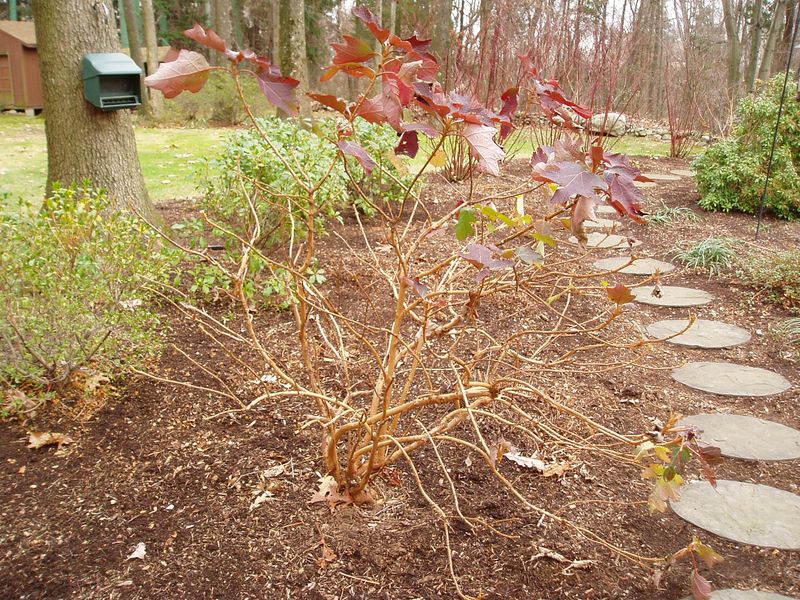
Once that post-bloom pruning window closes, the best thing you can do for your oakleaf hydrangea is step back and leave it alone.
Many gardeners feel the urge to tidy things up in late summer or early fall, but that urge can quietly cost you a season of blooms.
The stems that look like they are just sitting there are actually doing important work beneath the surface.
After blooming, the shrub shifts its energy toward maturing and hardening the stems that will carry next year’s flower buds.
Those buds need time to develop properly, and any cutting after the pruning window can interrupt that process.
The older and more established a stem becomes, the better it tends to support strong flower production the following year. It helps to think of the shrub as being in preparation mode from late summer onward.
Resisting the urge to shape or trim during this period is one of those habits that separates gardeners who get average results from those who get spectacular ones.
Your North Carolina Garden Changes Every Week. Your Plan Should Too.
Gardening in North Carolina changes quickly throughout the season. Every Friday you’ll receive a simple weekly plan showing exactly what to plant, prune, fertilize, harvest, and protect so you never miss the right timing.
Mark your calendar if you need a reminder, and make a rule for yourself: once summer pruning is done, the shears go away.
Your oakleaf hydrangea will reward that restraint with fuller, more impressive blooms when spring rolls back around.
3. Remove Only Problem Stems Later
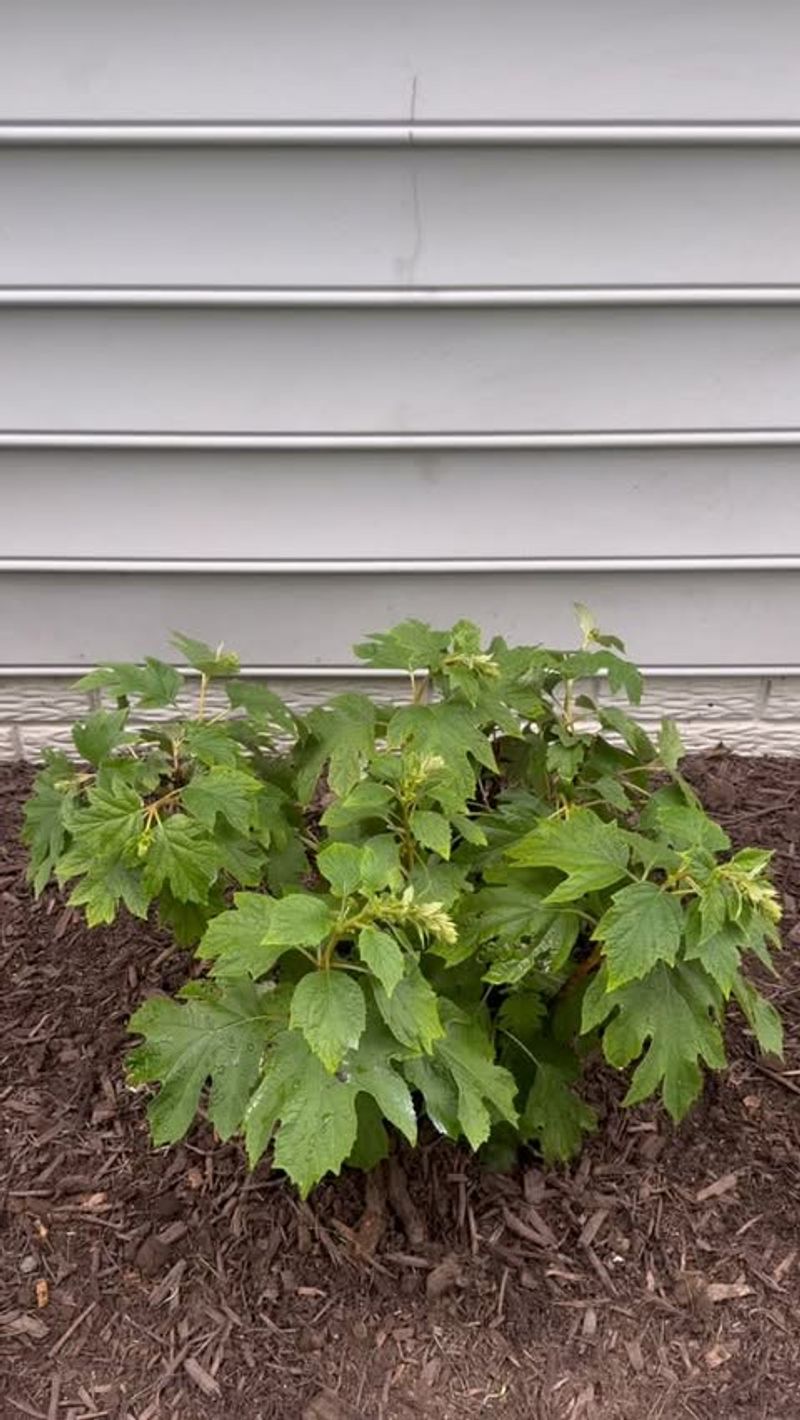
North Carolina winters can be unpredictable, and sometimes oakleaf hydrangeas come out of the cold season with a few stems that took a hit.
Knowing how to handle those problem stems without overdoing it is a skill that pays off every single year.
The key is being selective and restrained rather than reaching for the shears and going to town. When you spot a stem that got winter-injured or snapped during a storm, go ahead and remove it cleanly.
That kind of targeted trimming is perfectly fine and actually helps the plant direct its energy toward healthy wood.
What you want to avoid is using that as an excuse to do a full reshape or heavy cutback in fall, winter, or early spring, because that is when you are most likely to remove buds that have already formed for the upcoming bloom season.
A good rule of thumb is to only cut what is clearly damaged or broken, and leave everything else untouched until after the next bloom cycle.
Even stems that look a little rough on the outside may still carry viable buds. When in doubt, wait and watch.
Gardeners who take this patient, problem-only approach tend to enjoy a much fuller flower show each year because they are protecting the blooming potential that is already built into the plant.
4. Give The Shrub Enough Sun To Bloom
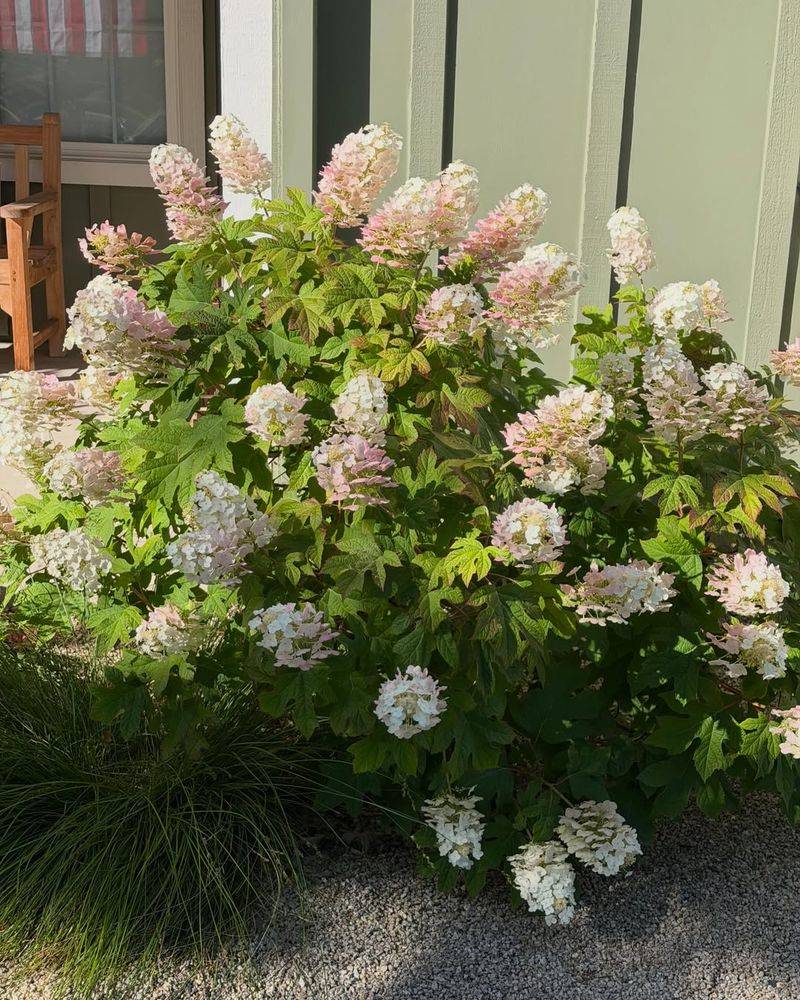
Oakleaf hydrangeas have a reputation for handling shade, and they do handle it better than many other flowering shrubs.
But there is a big difference between handling shade and thriving in it when it comes to flower production.
Gardeners who plant them in deep, dense shade often end up with a lush, leafy shrub that puts out very few blooms, and that can be frustrating when you were expecting a big flower show.
For the best bloom performance in North Carolina, part shade or a spot with morning sun and afternoon protection tends to work really well.
The morning sun gives the plant the light energy it needs to build strong flower buds without exposing it to the intense afternoon heat that North Carolina summers are famous for.
A spot under a high canopy that lets in filtered light can also be a great option.
If your oakleaf hydrangea has been looking healthy but blooming lightly, take a look at how much direct sun it actually gets during the day. Sometimes nearby trees or structures cast more shade than you realize.
Moving a struggling shrub to a brighter spot, or selectively thinning nearby trees to let in more light, can completely transform its blooming performance.
More light, when balanced with protection from harsh heat, almost always means more flowers.
5. Keep The Root Zone Mulched In Summer
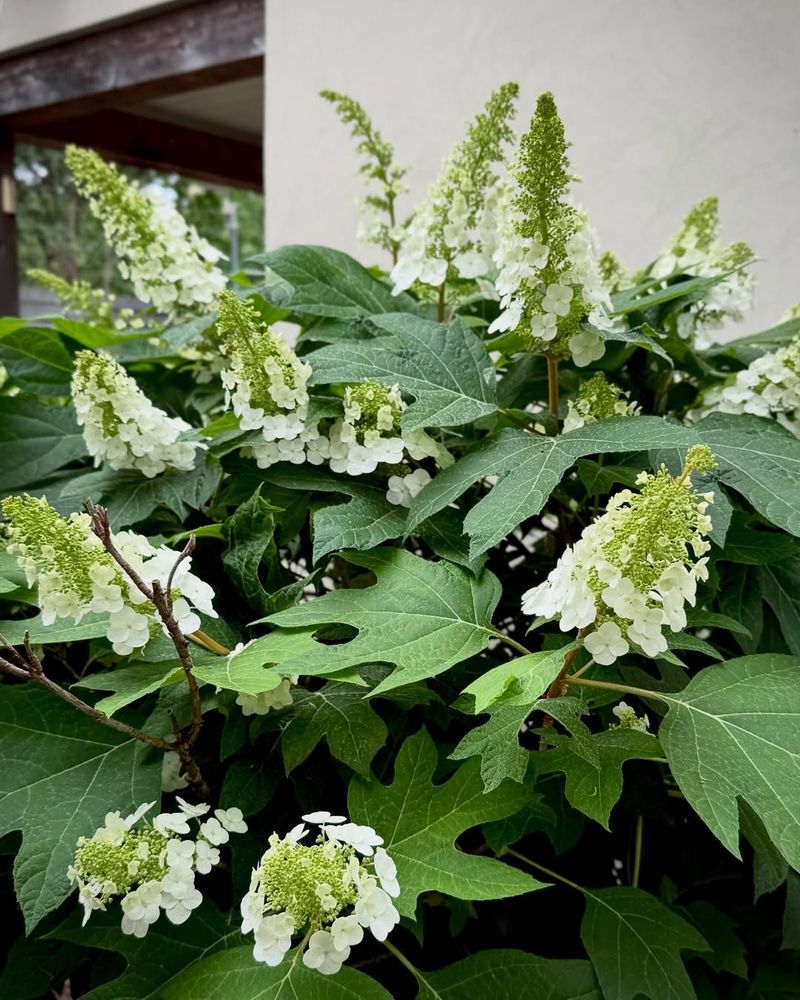
Summer in North Carolina is no joke. The heat and humidity can stress plants in ways that show up weeks later, long after the worst of the hot days have passed.
One of the simplest and most effective things you can do for your oakleaf hydrangea during those hot months is keep a good layer of mulch over the root zone.
It sounds almost too easy, but the results are genuinely impressive over time. Mulch works by slowing down moisture evaporation from the soil, which helps keep the roots consistently hydrated even between waterings or rain events.
It also moderates soil temperature, keeping the root zone cooler than bare soil would be during a heat wave.
Both of those benefits directly support the shrub’s ability to build strong new growth and develop the buds that will become next year’s blooms.
Aim for about two to three inches of organic mulch like shredded bark, wood chips, or pine straw spread out to the drip line of the shrub.
One thing to keep in mind is to pull the mulch back a few inches from the main stems rather than piling it up against them.
Mulch pressed against stems can trap moisture and create problems over time. Keep it spread wide and loose, and your roots will stay happy through even the toughest North Carolina summers.
6. Water During Dry Stretches
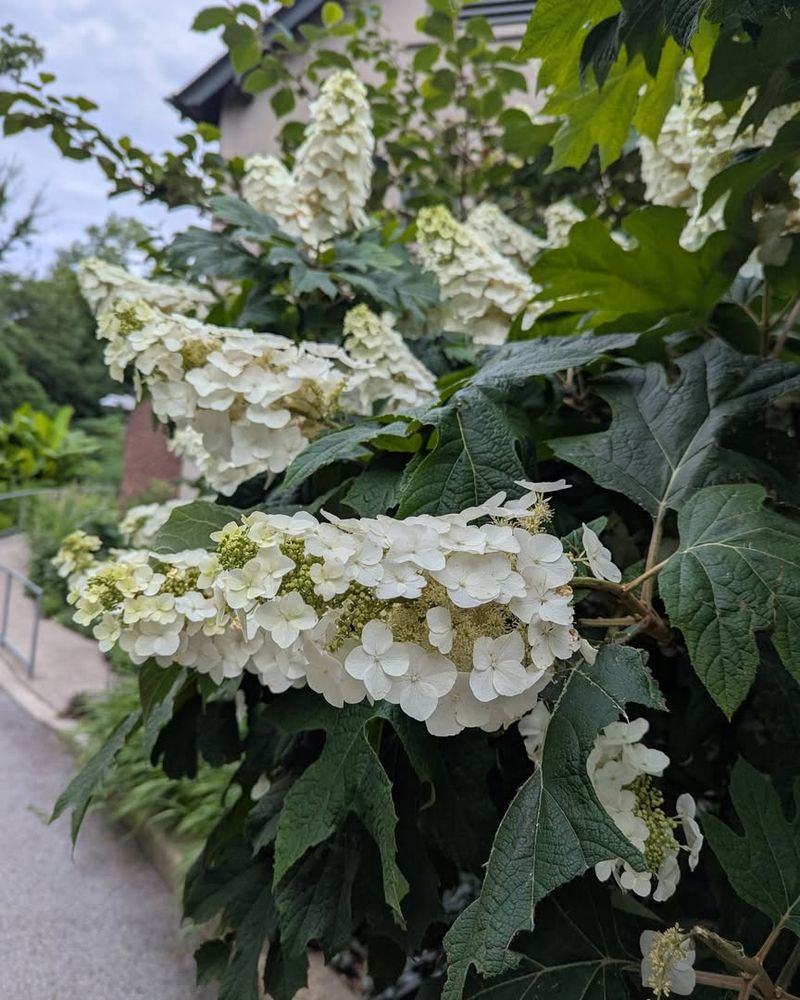
After an oakleaf hydrangea finishes blooming, it might seem like the hard work is done for the season.
But what happens in those weeks and months after the flower show is actually just as important as what came before it.
The shrub is doing double duty during that time, recovering from the energy it spent on blooming while also building the new growth that will support next year’s flowers.
Steady moisture plays a big role in how well that recovery and preparation goes.
When North Carolina summers turn dry, which they often do, oakleaf hydrangeas can struggle without some help from the garden hose.
The trick is to water deeply rather than giving the plant a quick, shallow splash.
Deep watering encourages roots to grow further down into the soil where moisture tends to stay longer, which makes the plant more resilient over time.
A slow, steady soak at the base of the shrub once or twice a week during dry spells is far more effective than light daily watering. You want the water to reach down several inches into the soil, not just wet the surface.
Gardeners who keep up with deep watering during summer dry stretches often notice stronger overall growth and more impressive bloom potential the following spring.
Consistent moisture during the recovery phase is one of the quieter secrets behind big, healthy flower clusters.
7. Avoid Heavy Fertilizer Pushes
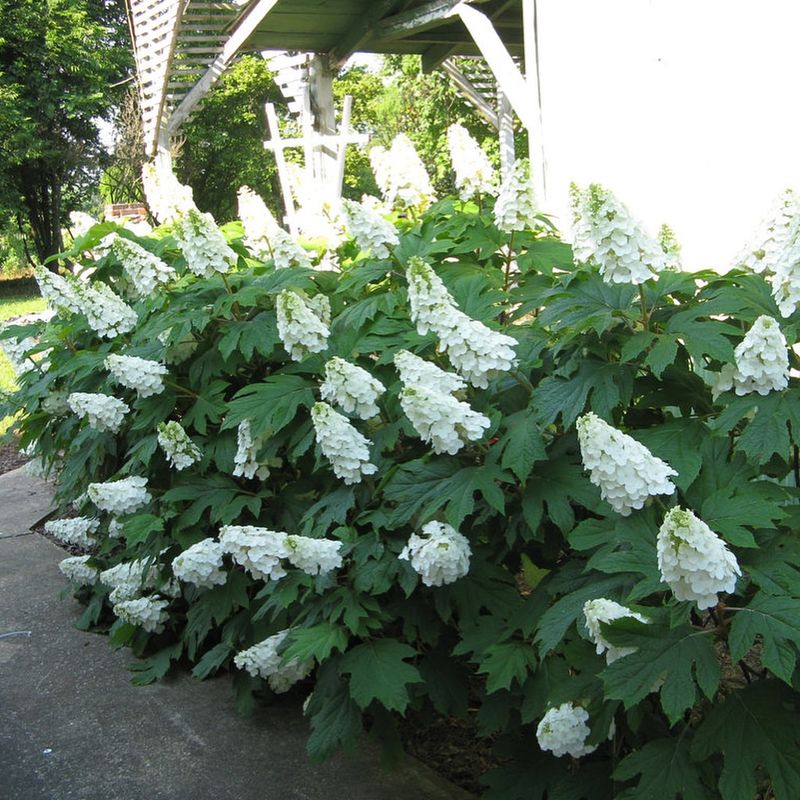
It is tempting to think that more fertilizer means more flowers, but with oakleaf hydrangeas, that logic tends to backfire.
Heavy doses of nitrogen-rich fertilizer push the plant to produce a lot of soft, lush leafy growth in a hurry, and that kind of fast growth is not the same as the strong, mature wood that supports good blooming.
Gardeners who fertilize heavily often end up with a big, bushy shrub that flowers far less than expected.
Oakleaf hydrangeas are actually pretty well suited to average soil conditions, and they respond better to gentle, consistent soil improvement than to big fertilizer pushes.
Working compost into the soil around the root zone each year, keeping up with mulch, and letting the plant grow at its own pace tends to produce better flowering results than any fertilizer program.
Rich, well-amended soil gives the roots what they need without triggering excessive soft growth.
If you feel like the plant needs a little boost, a light application of a balanced, slow-release fertilizer in early spring is about as far as most North Carolina gardeners need to go.
Even then, less is usually more. Watch how the plant responds over a full season before deciding to add anything else.
The best bloomers in most gardens are the ones that grew steadily and were not pushed into overdrive by too much fertilizer too fast.
8. Give Oakleaf Hydrangeas Room To Mature
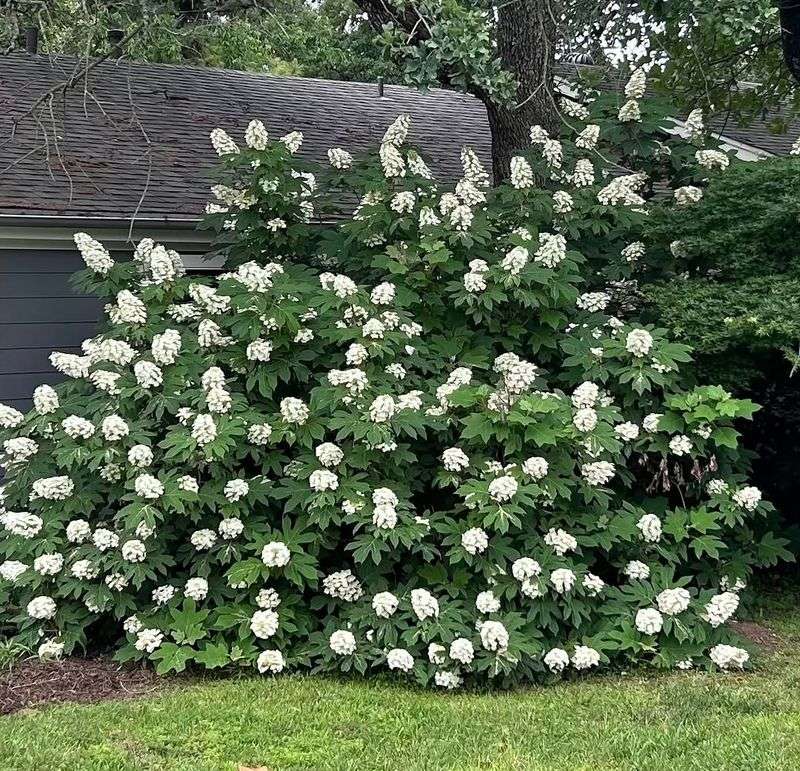
Oakleaf hydrangeas have a natural urge to spread out and get bigger over the years, and that is actually a good thing when it comes to blooming.
The wider and more established the shrub becomes, the more old wood it carries, and more old wood means more potential bloom sites.
Gardeners who try to keep their oakleaf hydrangea small by cutting it back repeatedly every year often wonder why it never puts on the big flower show they were hoping for.
The answer is usually pretty simple: they keep removing the wood that would have bloomed.
Every time you cut the shrub back to a smaller size, you are essentially starting the blooming clock over again.
The plant has to regrow, re-establish, and re-mature those stems before it can flower as well as it would have if it had just been left to develop naturally.
Planting your oakleaf hydrangea in a spot where its mature size fits without constant control is one of the smartest decisions you can make.
Most varieties reach six to eight feet wide and tall, sometimes more, so give them that space from the start.
When a shrub does not have to fight for room, it puts its energy into flowering rather than just surviving.
Patience with a mature oakleaf hydrangea almost always pays off in dramatically larger and more plentiful blooms.
9. Protect Buds From Late Season Mistakes
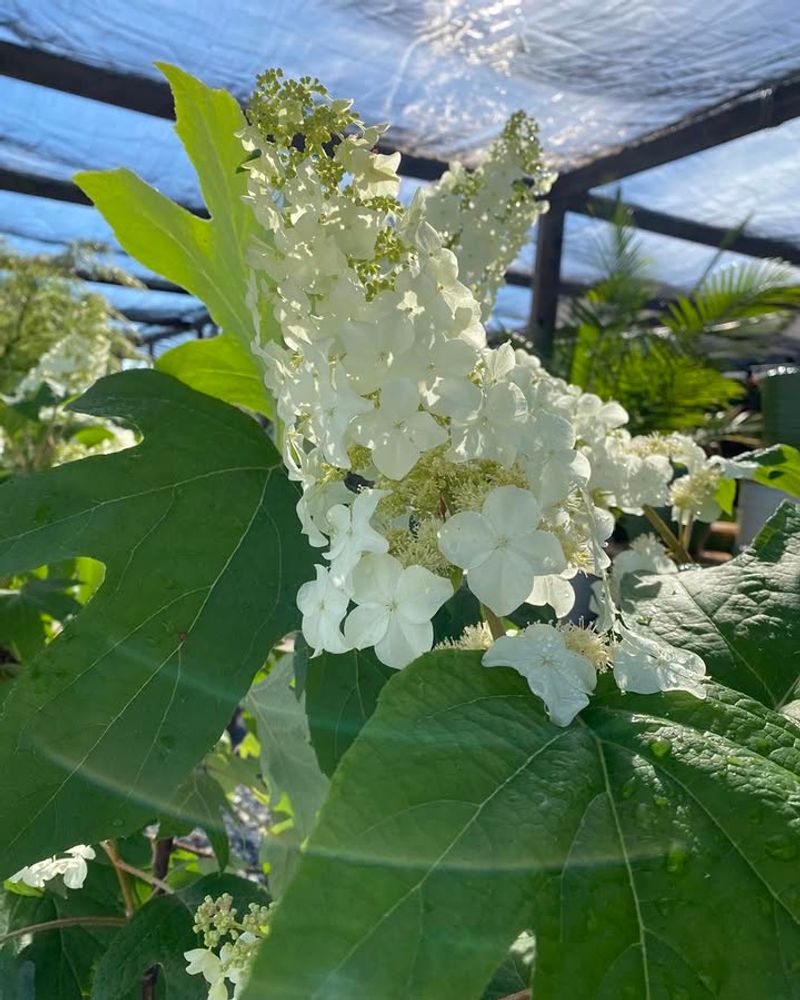
One of the most common reasons oakleaf hydrangeas bloom poorly is something that happens after most gardeners think the season is already over.
Late summer and fall can feel like a natural time to clean up the garden, and it is easy to grab the pruners and start shaping things without thinking too much about the consequences.
With oakleaf hydrangeas, that habit can quietly wipe out a whole season of blooms before you even realize it.
By late summer, the shrub has already begun forming the buds that will open into flowers next year.
Those buds sit right on the stems that are still attached to the plant, and they are not always easy to spot.
Cutting into the shrub during this window removes those buds along with the stems, and when spring arrives, those sections simply will not bloom. The plant looks fine, but the flower potential is gone for that year.
The simplest and most effective protection is to put your pruners away after the post-bloom trimming window has passed and not pick them up again for general shaping until after the next bloom cycle.
It takes a bit of discipline, especially when the garden is calling for attention in fall, but keeping that rule is one of the most reliable ways to protect next year’s flower show.
Fewer late-season cuts almost always means more blooms come spring.
10. Build Bigger Blooms With Better Timing
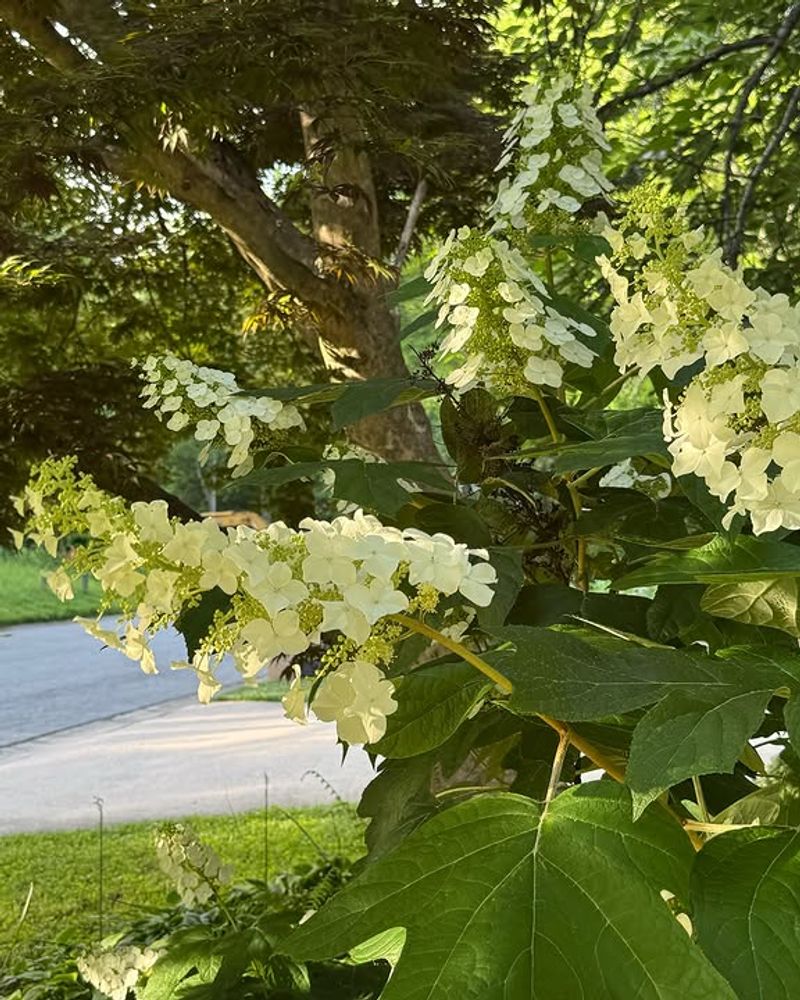
When you step back and look at everything that goes into a truly spectacular oakleaf hydrangea, one theme keeps coming up: patience.
The gardeners who get the biggest, most impressive blooms are not the ones doing the most work.
They are the ones doing the right things at the right times and then trusting the plant to do what it naturally wants to do.
That mindset shift alone can completely change your results. The routine itself is not complicated.
Prune only after flowering wraps up, leave old wood alone once that window closes, mulch the root zone through summer heat, water deeply during dry spells, and give the shrub a spot with enough light to actually flower well.
Skip the heavy fertilizer, resist the urge to keep it small, and protect those buds by putting the pruners away after the right time has passed.
Stick with that routine year after year, and the improvement tends to build on itself. Each season, the shrub gets a little more established, carries a little more blooming wood, and rewards you with a flower show that is noticeably better than the year before.
Weather and site conditions always play a role, and no two seasons are exactly alike, but the gardeners who follow these habits give their oakleaf hydrangeas the best possible chance to bloom bigger, fuller, and more beautifully every single year.