The Most Underrated North Carolina Native Shrub To Plant While Soil Is Still Warm
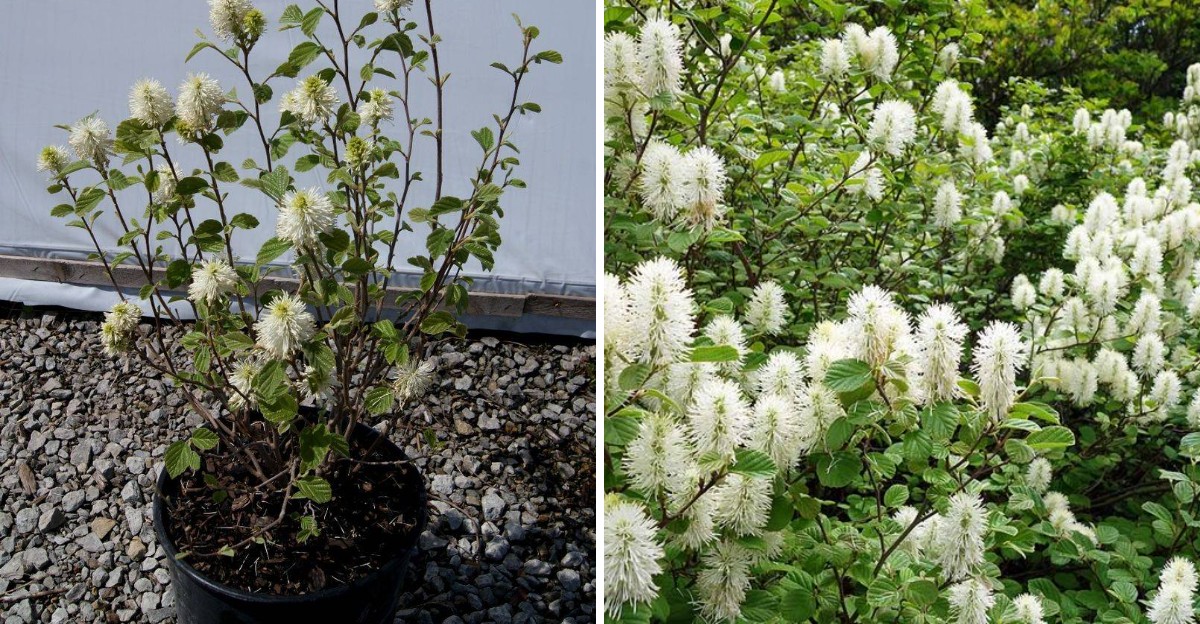
One of the loveliest native shrubs in the Southeast grows flowers without a single petal. Each fuzzy white bloom is really a cluster of stamens, and it smells faintly of sweet honey.
Spring is only act one. Come autumn, the same branch can glow yellow, orange, and scarlet all at once, like a sunset that refuses to pick a favorite color.
I can’t believe more North Carolina yards skip this plant. Deer usually pass it by, early bees adore it, and it rarely asks for fussing.
Personally, I think it might be the best-kept secret at the garden center.
You also have perfect timing on your side right now. The ground still holds summer’s warmth, and roots love that cozy head start before winter.
So why is this little charmer still hiding on the back row at most nurseries?
1. Meet Fothergilla, North Carolina’s Overlooked Native Gem
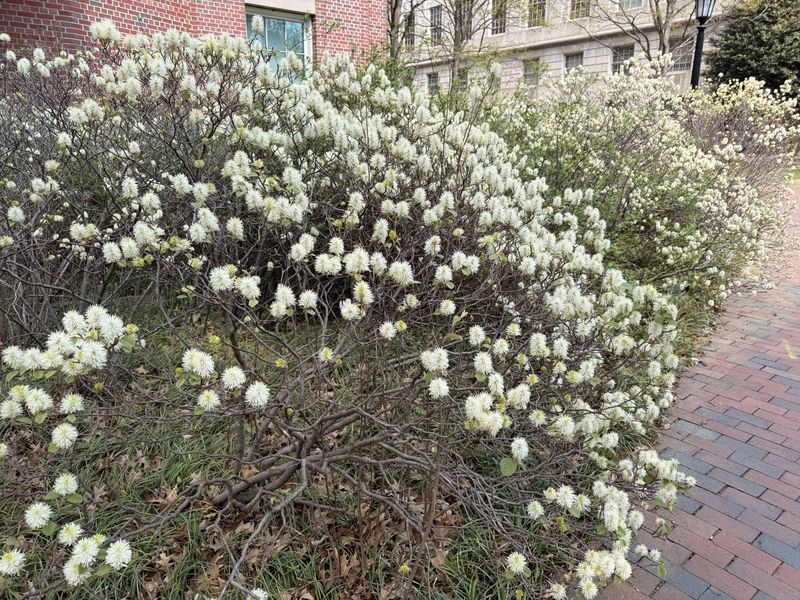
Few shrubs carry a name with this much history. Fothergilla honors Dr. John Fothergill, an 18th-century English physician who loved collecting American plants for his London garden.
It belongs to the witch hazel family, and you can see the family resemblance in its rounded, slightly wavy leaves. Two species grow wild in the Southeast.
Dwarf fothergilla (Fothergilla gardenii) lives along pocosin edges and wet pine savannas in the Coastal Plain, while large fothergilla (Fothergilla major) shows up on rocky slopes in the mountains and upper Piedmont.
So why does it get overlooked? Most of the year it blends in quietly, with no flashy berries or giant blooms to grab attention at the nursery.
Shoppers walk right past it in summer when it is simply a tidy green mound.
I find that a little funny, because the plant is a quiet overachiever. It has been grown in gardens for more than two centuries, and gardeners in Europe have prized it for generations.
Fothergilla is also deciduous, slow to moderate in growth, and long-lived once settled. Plant one now, and you could be admiring it for decades.
2. This Shrub Deserves a Spot in More Home Gardens
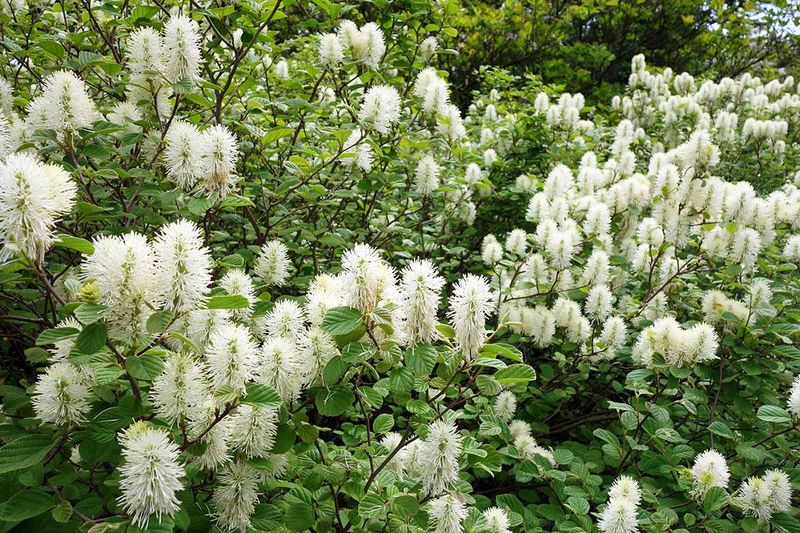
Ask any busy gardener what they want, and the answer usually sounds like this: pretty, tough, and easy. Fothergilla checks all three boxes without making a fuss.
Deer browsing is a constant headache in many neighborhoods, and this shrub is generally listed as deer resistant. No plant is truly deer proof, but hungry herds tend to nibble other choices first.
Pests rarely cause serious trouble either. NC State Extension’s plant database lists no serious insect or disease problems, which feels like a relief next to azaleas battling lace bugs.
Wildlife benefits are a big part of the appeal. Early bees visit the fragrant blooms for pollen at a time when food is scarce, and the shrub fits nicely into pollinator-friendly native plantings.
Size flexibility helps too. Compact types tuck into foundation beds or along walkways, while taller ones make an informal hedge or a soft screen near a patio.
Swap out a tired row of non-native shrubs, and you get a yard that feels more connected to the local landscape. Mass three or five plants together, and the seasonal show becomes even more dramatic.
Pair it with native companions like inkberry, Virginia sweetspire, or mountain laurel for a layered look.
3. Fothergilla Delivers Spring Blooms and Fiery Fall Color
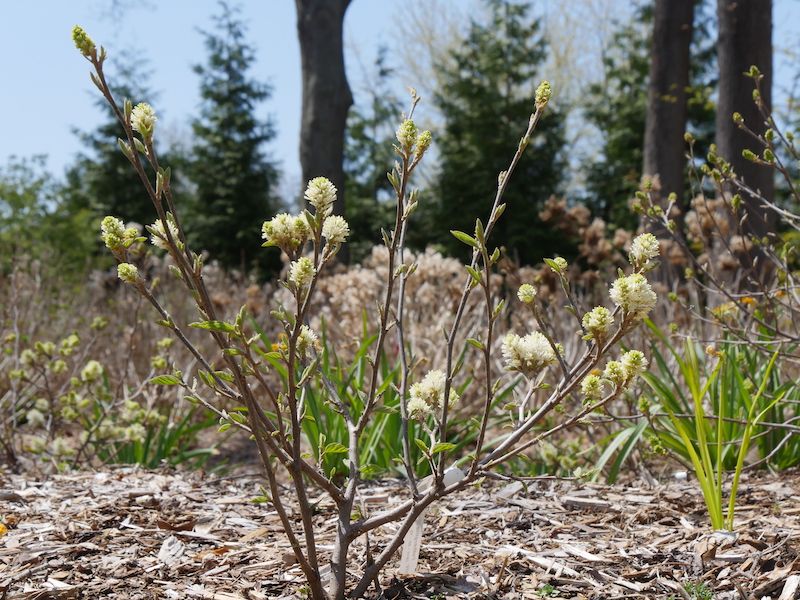
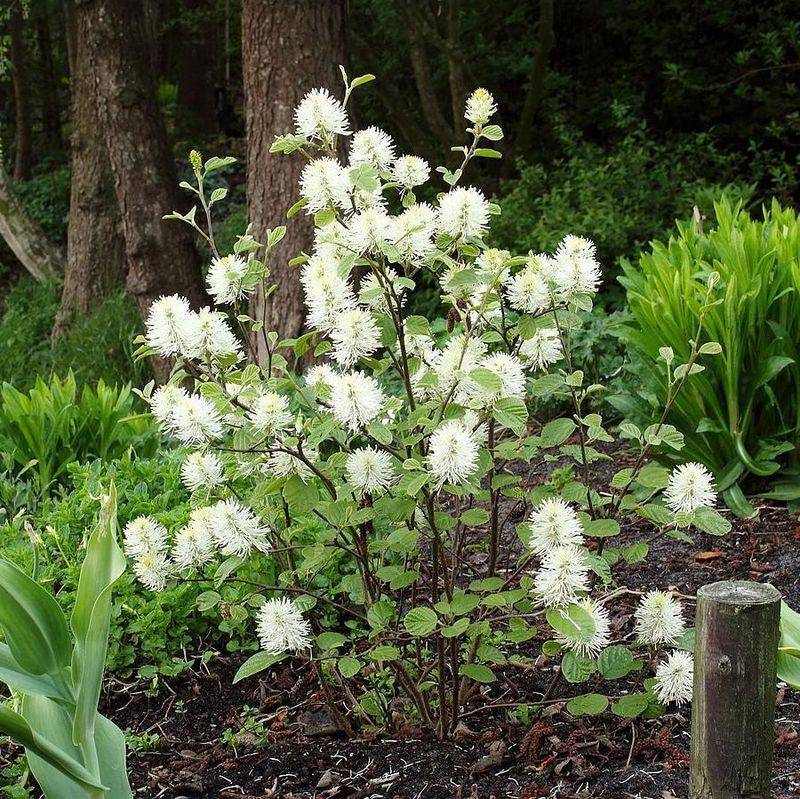
April in a fothergilla bed smells like a honey jar left open in the sun. The creamy white flower spikes appear in early to mid-spring, often just before or as the leaves unfold.
Each spike is about one to two inches long and looks like a tiny bottlebrush. The fluffy part is not petals at all.
You are looking at dozens of stamens tipped with little yellow anthers.
Summer brings a calmer chapter. The leaves are leathery and dark green, and some types have a lovely blue-gray tint that looks cool even on a steamy July afternoon.
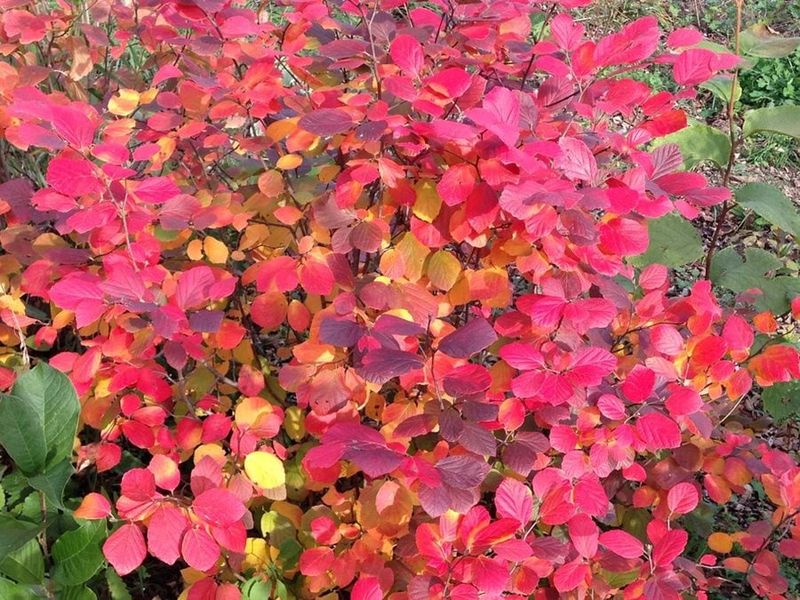
Then autumn arrives, and the shrub turns into a bonfire. Leaves shift to gold, orange, crimson, and sometimes purple, often with several shades mixed on one branch or even one leaf.
The show usually peaks in late October and November across much of the state, and it can last for weeks. Sunlight plays a big role.
Plants in full sun color up most intensely, while shady spots tend to lean toward softer yellows.
Weather matters as well. Sunny autumn days and cool nights usually bring brighter reds, so each year’s display feels a little different.
Personally, I love that surprise.
4. Fall Is an Ideal Time to Plant Fothergilla
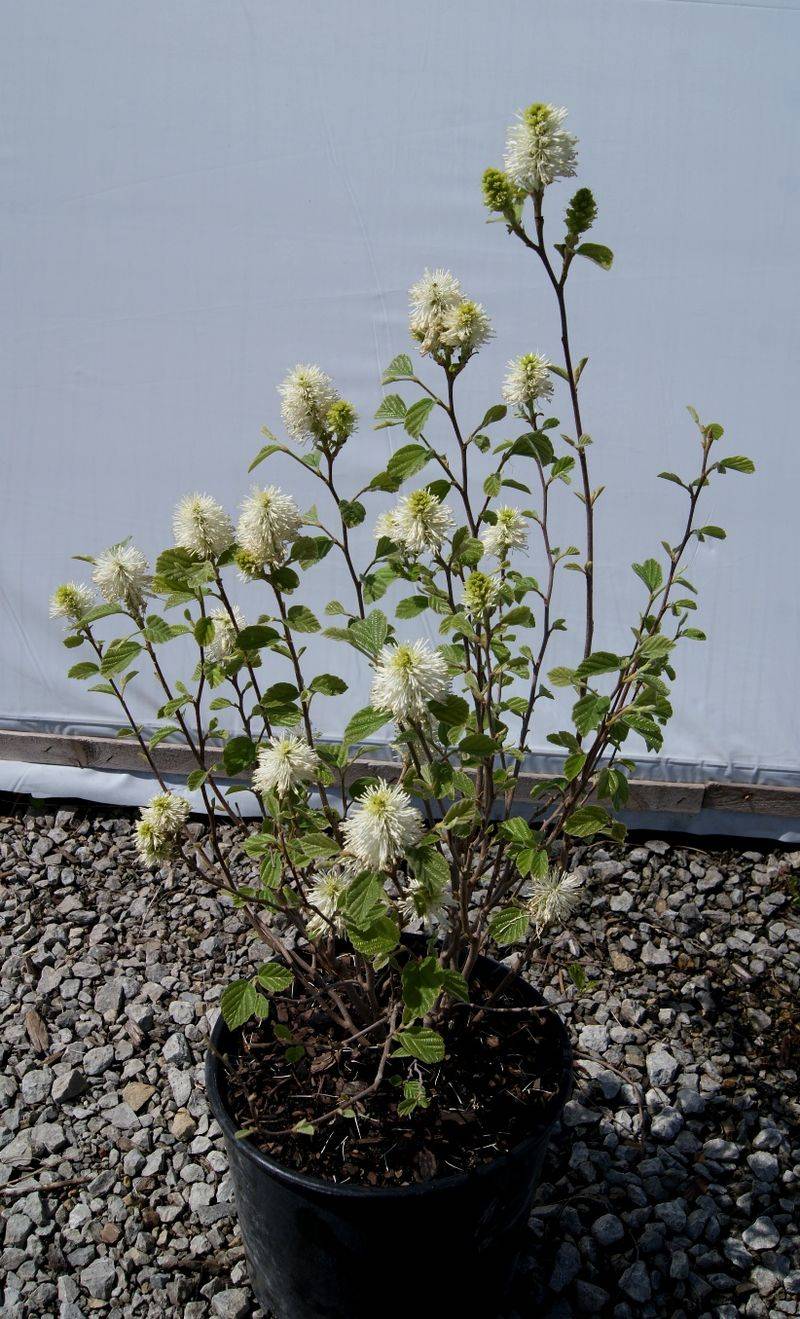
Warm soil is a root’s best friend. Even when the air turns crisp in October, the ground stays warmer for weeks, and roots keep growing while the top of the plant slows down.
That gives fothergilla a head start. By the time next summer’s heat shows up, the shrub has an established root system ready to find water on its own.
NC State Extension recommends fall as the preferred planting season for most trees and shrubs in the state. In the mountains, aim for September through mid-October so roots settle before the ground gets cold.
Gardeners in the Piedmont and Coastal Plain can often plant through November.
Dig a hole two to three times wider than the root ball but no deeper. Set the top of the root ball level with or slightly above the surrounding soil.
If roots circle the pot, gently loosen them with your fingers.
Backfill with the native soil you removed, then water slowly and deeply to settle everything in place. Skip fertilizer at planting time, since you want roots to grow, not tender new shoots.
Fall sales are another bonus. Many nurseries mark down shrubs at the end of the season, so your wallet benefits too.
5. Fothergilla Grows Best in Acidic, Well-Drained Soil
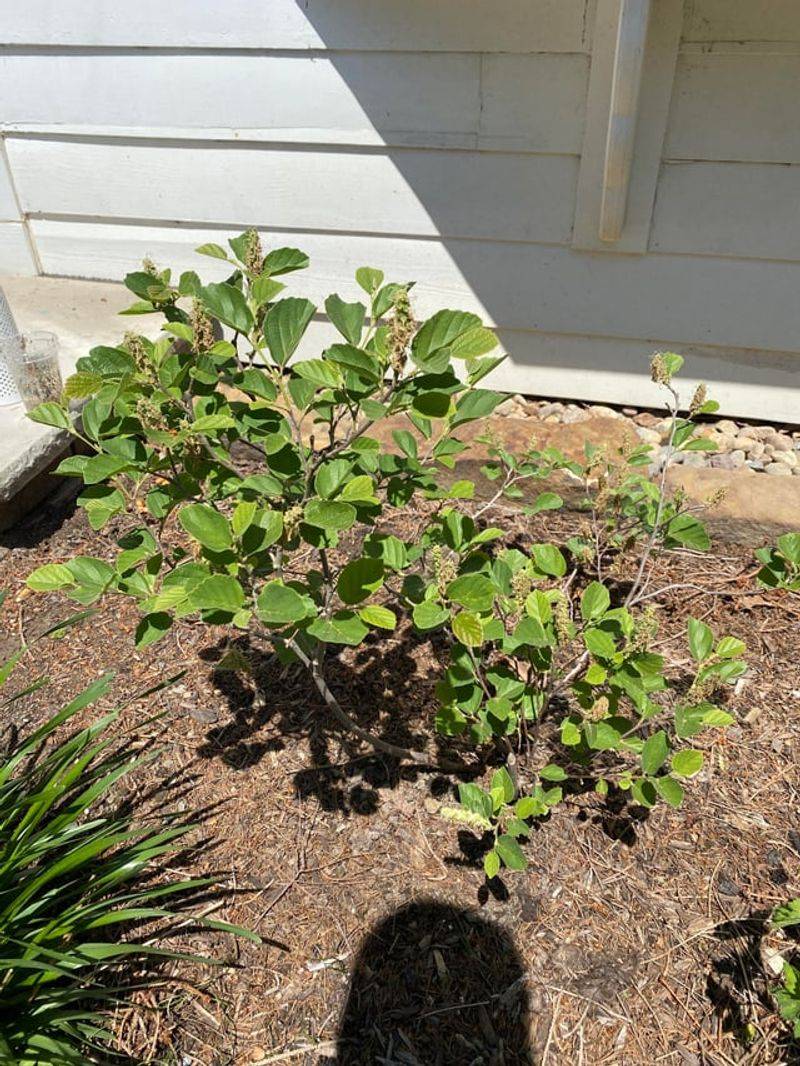
Picky about soil? A little, yes, but in a way many Southern yards already accommodate.
Fothergilla prefers acidic ground with a pH roughly between 4.5 and 6.0.
Soil that leans too alkaline causes chlorosis, which shows up as yellow leaves with green veins. Ground near concrete foundations or driveways can sometimes run higher in pH, so keep an eye on those spots.
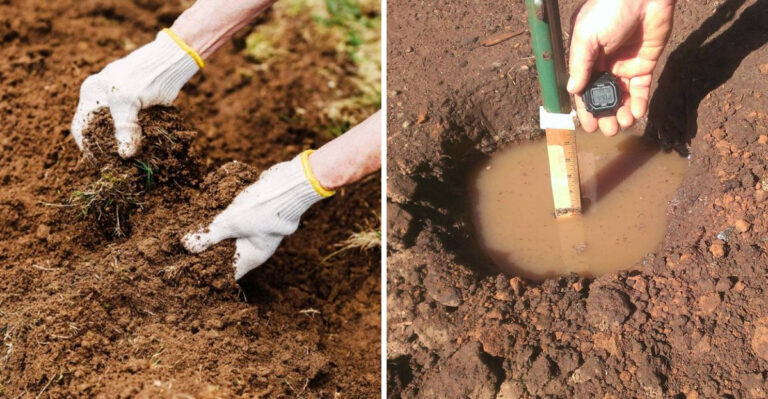
A soil test takes the guesswork out. Your county Cooperative Extension office provides sample boxes, and the NC Department of Agriculture tests samples for free most of the year, with a small fee during the busy winter season.
Drainage matters just as much as pH. The plant enjoys steady moisture, but roots sitting in soggy, waterlogged clay can rot.
Red clay in the Piedmont is a common challenge. Mix compost or finely shredded pine bark into a wide planting area, not just the hole, so water can move freely.
On heavy sites, a gently raised bed works wonders.
Sandy coastal soils have the opposite issue, draining fast and holding few nutrients. Adding organic matter there helps the soil hold moisture longer, which dwarf fothergilla especially appreciates.
6. A Little Aftercare Helps Fothergilla Thrive
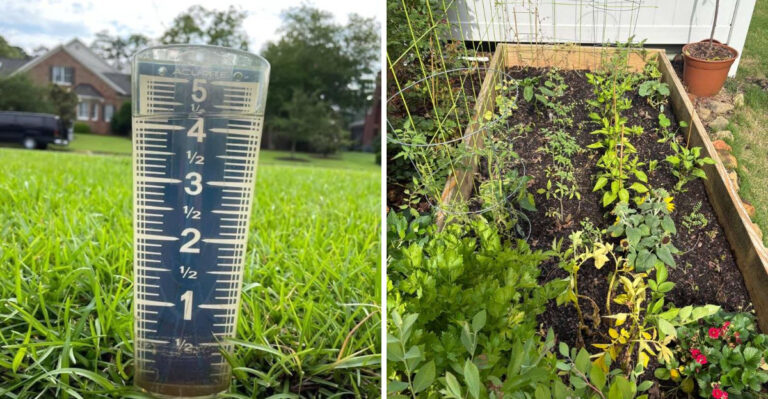
Water is the big job during year one. Give your new shrub about an inch of water each week, including rain, and check the soil with a finger before watering.
Deep, slow soaking beats a quick daily sprinkle. A soaker hose or a slow trickle from a garden hose encourages roots to grow downward instead of staying near the surface.
Mulch is your helper here. Spread two to three inches of pine straw, shredded bark, or leaf mulch around the plant, keeping it a few inches away from the stems.
Pine straw is easy to find in the South and suits acid-loving plants nicely.
Fertilizer is often unnecessary in decent soil. If growth looks weak, a light dose of a slow-release fertilizer for acid-loving plants in early spring is plenty.
Pruning needs are minimal, since the shrub forms a pleasing shape by itself. If you do trim, wait until right after spring flowering.
Flower buds for next year form during summer, so late pruning removes the blooms you were looking forward to.
Some fothergillas send up suckers from the base. Snip them off if you want a tidy look, or let a few grow to fill a naturalized area.
7. Several Varieties Suit North Carolina Gardens
Choosing a fothergilla feels a bit like picking a puppy from a friendly litter. Every option is charming, so the real question is how much room you have.
Dwarf fothergilla stays around 2 to 4 feet tall and suits small beds and coastal gardens. Large fothergilla can reach 6 to 10 feet, making it a good choice for screens or woodland edges in the mountains and Piedmont.
‘Mount Airy’ is the crowd favorite, selected by Dr. Michael Dirr from a plant at Mount Airy Arboretum in Ohio. It grows about 5 to 6 feet tall, flowers heavily, and colors up reliably in fall.
‘Blue Shadow’ is a sport of ‘Mount Airy’ with striking powder-blue summer leaves. ‘Legend of the Small’ stays compact at roughly 2 to 3 feet, perfect for tight spaces.
‘Beaver Creek’ is a compact, upright choice with bright autumn color on a smaller scale.
Whichever you pick, buy from a nursery that sells native plants, and check the tag for mature size. Then plant it while the soil is still warm, and look forward to a spring of honey-scented blooms.
My guess? You will want a second one by next autumn.