What Raccoons Raiding Your North Carolina Yard At Night Are Actually Telling You
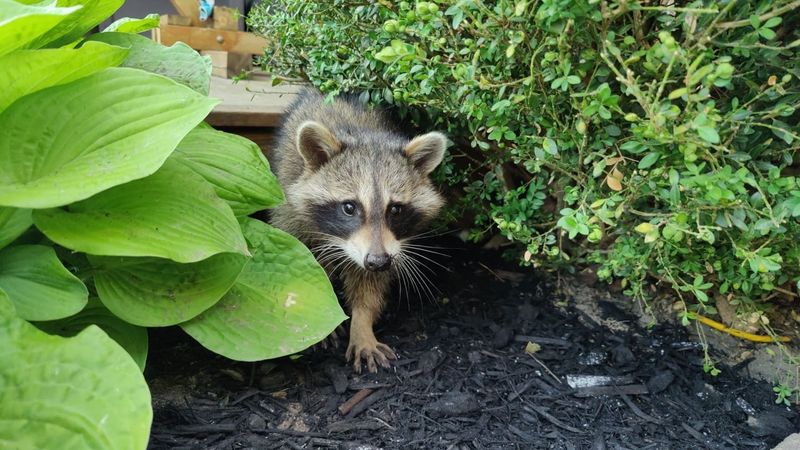
Catch a raccoon working your yard after dark and the first instinct is to wonder what went wrong. Nothing has, necessarily. That masked visitor keeps coming back because your property is offering something reliable, and figuring out what that something is tells you far more than the animal’s presence alone ever could. Treat the raccoon as a clue worth following rather than a verdict on your yard.
Your Yard Is Offering a Repeatable Resource
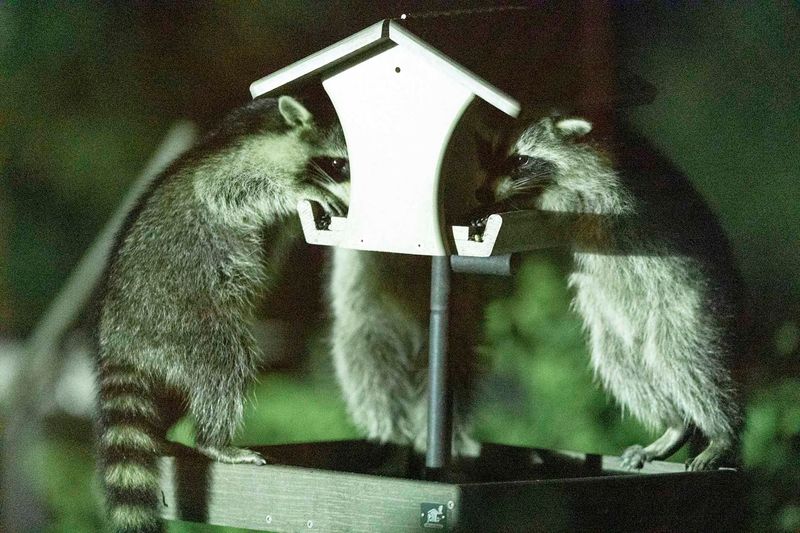
Most raccoons do not wander randomly. When the same animal shows up at the same corner of your yard three nights running, it has found something worth returning for, and NC State Extension describes raccoons as opportunistic omnivores that tend to revisit a location as long as food remains available. That resource could be almost anything: fallen peaches rotting under a tree, a trash can with a loose lid, a cat bowl left on the porch, grubs working through your lawn, or a crawl-space vent with a missing screen.
Raccoons are primarily nocturnal, so seeing one move through your yard at 11 p.m. on a Tuesday is completely ordinary behavior for the species. They adapt well to suburban and urban settings, which means a neighborhood full of houses, gardens, and careless food storage is genuinely comfortable habitat for them. Research on urban raccoon ecology shows that human-provided food and den sites can matter as much to a raccoon as any natural habitat feature.
Here is the distinction worth holding onto: a repeatable resource is not the same thing as a healthy ecosystem. A raccoon returning to an unsecured garbage can tells you that the lid fits poorly, not that your yard is teeming with native biodiversity. Conversely, a yard rich in native plants, insects, and water may also attract raccoons, but for entirely different reasons. The rest of this article is a practical investigation, not a diagnosis, and the raccoon is your starting clue.
Food And Water Leave Different Clues
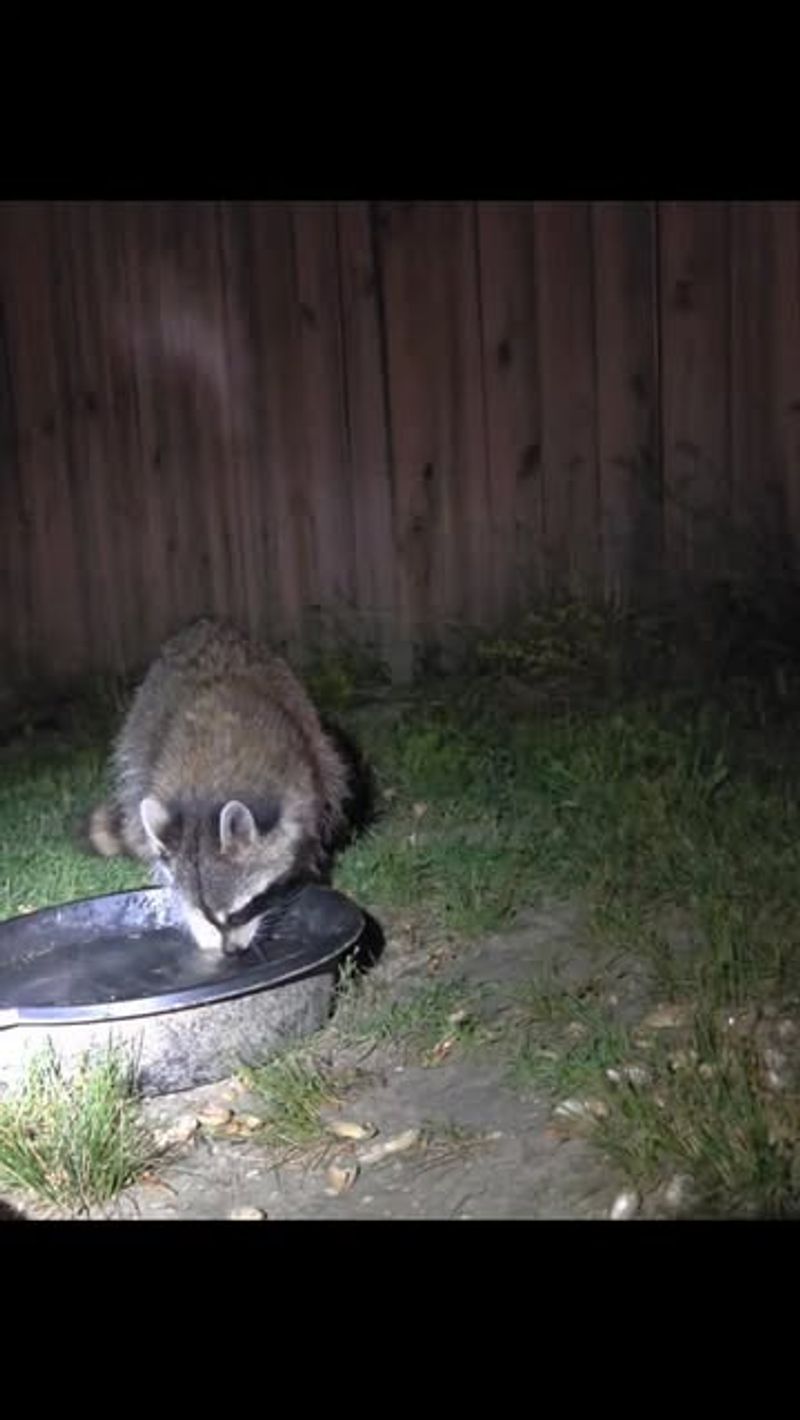
Raccoons eat a genuinely wide range of things, and the clue they leave behind usually depends on what they found. A tipped bird feeder with scattered seed points in one direction. A garden bed with disturbed mulch and small cone-shaped digging holes suggests they were hunting insects or grubs. Chewed corn husks, missing strawberries, or a raided fig tree each point somewhere else entirely.
University of California IPM notes that raccoons consume fruits, nuts, insects, small animals, fish, frogs, crayfish, eggs, garden crops, garbage, and pet food, so a single dramatic behavior does not identify the exact attractant.
Seasonal shifts complicate the picture further. A raccoon that spent spring eating earthworms and grubs may switch to your ripening peaches in July and then move on to acorns and pecans by October. What disappears or gets disturbed from one week to the next is more useful information than any single observation.
Water deserves special attention because many homeowners overlook it entirely. NC State Extension states that raccoons depend heavily on water and must drink daily, making permanent open water a critical habitat feature. A backyard pond, a water garden, a leaking outdoor spigot, a pet bowl left out overnight, or even a shallow wildlife basin can be the primary draw on a given night. Track what disappears, what gets disturbed, and where the animal lingers, because those patterns together tell a more honest story than any single visit.
Your North Carolina Garden Changes Every Week. Your Plan Should Too.
Gardening in North Carolina changes quickly throughout the season. Every Friday you’ll receive a simple weekly plan showing exactly what to plant, prune, fertilize, harvest, and protect so you never miss the right timing.
A Raccoon Can Touch A Food Web Without Measuring It
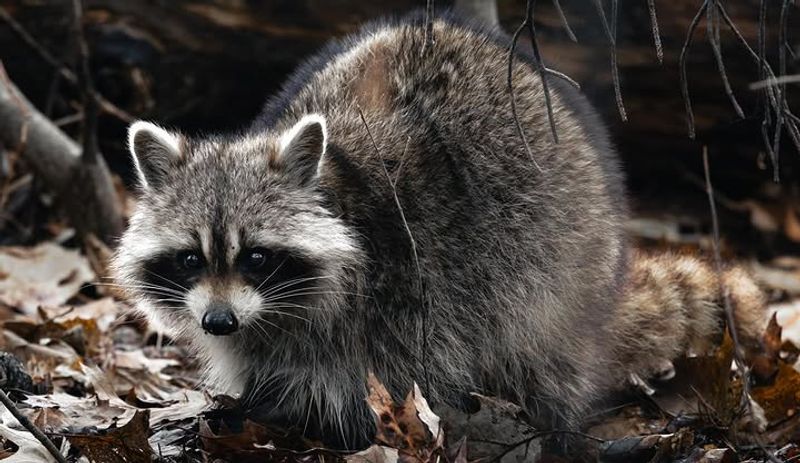
A raccoon moving through your yard genuinely does interact with several parts of the local food web. It may eat insects, frogs, crayfish, snails, wild berries, seeds, fallen fruit, or carrion on one circuit and then tip your neighbor’s compost bin on the next. That flexibility is exactly what makes raccoons hard to read as ecological indicators.
One animal cannot measure your yard’s biodiversity, pest balance, or ecological health on its own. A raccoon nosing around native plant beds and a pond edge is touching a living system, but so is a raccoon that found your koi pond and your unsecured trash can. UC IPM and University of Wisconsin Extension both document that raccoons consume eggs and young of ground-nesting birds, prey on fish, frogs, and turtles, and occasionally take poultry or small pets. They can provide genuine benefits and cause genuine harm within the same season.
To actually read your yard’s food web, look at the combined picture: the variety of native plants, the presence of birds and butterflies, the insects you notice at dusk, the amphibians near any water, and the condition of the soil. NC State Extension’s native-plant landscaping guidance and its backyard bird habitat resources offer a fuller framework for that kind of assessment. The raccoon is one thread in the fabric, not the whole cloth.
Observe Changes Without Overdiagnosing The Cause
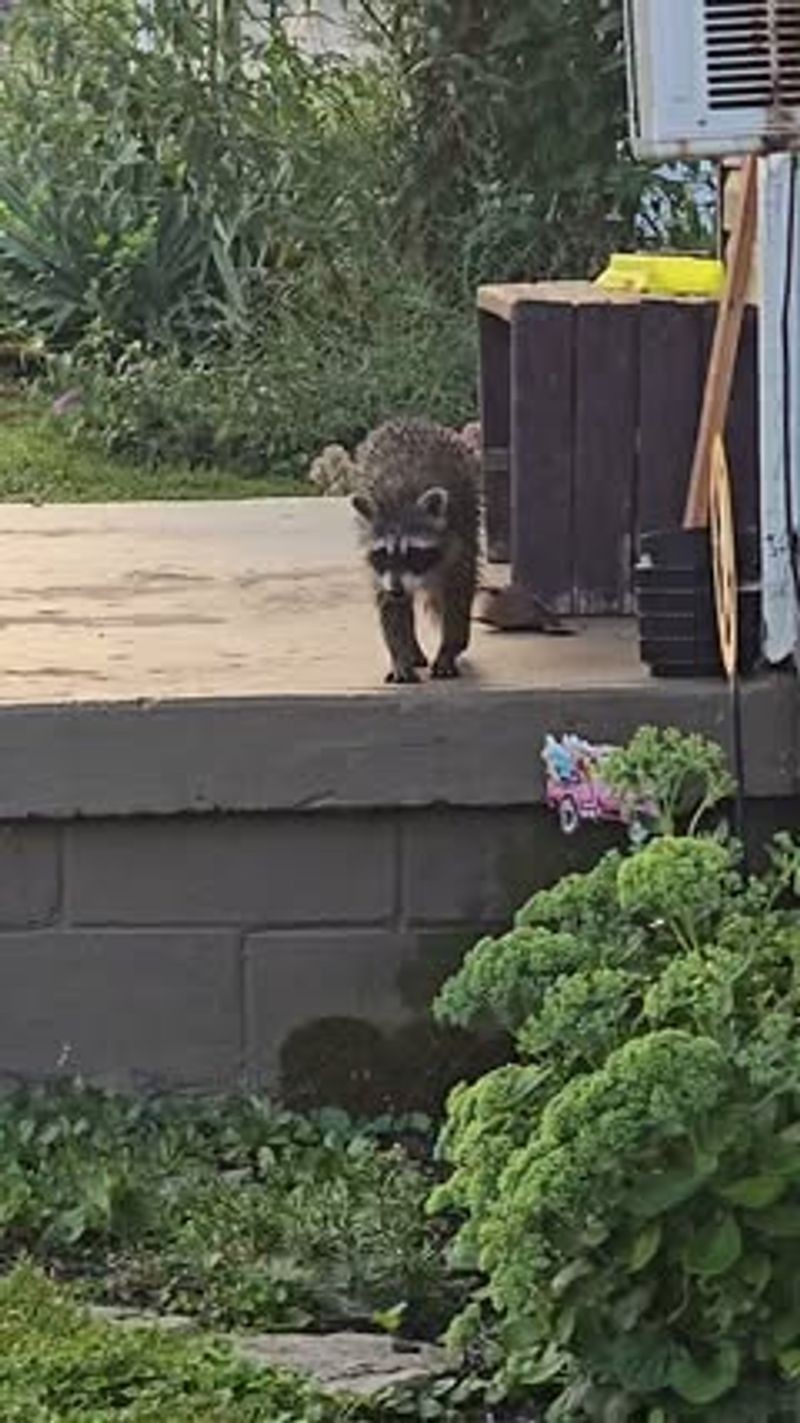
Run an informal 7-to-10-night observation before changing anything. Keep a simple log: what time the animal appears, where it goes, what looks disturbed in the morning, and whether anything is missing. Tracks in soft soil near a garden bed, tipped containers, disturbed mulch, chewed fruit, or splashing near a pond all tell part of the story. Note entry routes without approaching the animal.
Once you have a baseline, change one safe variable at a time when practical.
NC State Extension specifically recommends feeding pets indoors, storing pet and bird food in sealed containers, securing garbage, and temporarily suspending bird feeding when raccoons are actively using feeders. Pick up fallen fruit in the evening, close compost bins, and bring pet water bowls inside at night. If visits decline after one change, that pattern suggests one or more altered resources contributed, but it does not prove which specific resource was the cause.Two things can confound the whole observation: the season and your neighbors. A raccoon that disappears from your yard in September may have simply shifted to the oak mast dropping two streets over. UC IPM notes that raccoons shift their diet with seasonal food availability, so a change in visit frequency is suggestive evidence, not a controlled result. Keep that humility handy, because it keeps you from over-fixing a yard that may not need much fixing at all.
Protect Crops And Remove Easy Invitations
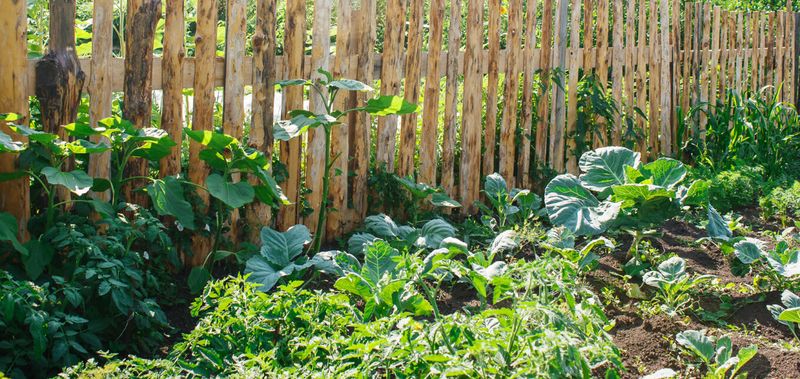
Physical exclusion works. Odor products do not, and NC State Extension does not recommend any repellents for raccoons, so skip the vinegar, ammonia, mothballs, predator urine, and chili powders sold at hardware stores. None of those have reliable evidence behind them, and some create hazards of their own. What does work is making the food genuinely inaccessible.
For gardens, NC State Extension’s exact guidance calls for a wire fence with 2-inch mesh, standing 4 feet high, buried 6 inches into the ground, and extended 18 inches outward at the base as a flat apron. That underground extension stops digging under the fence. An electrified wire strand added near the top is an option for high-value plantings like sweet corn. For ripening peaches, corn ears, or strawberry rows, paper bags or row netting can protect individual plants or sections without a full fence build.
Around the rest of the yard, the list of easy invitations is short and fixable. Bring pet bowls inside before dark. Use trash cans with locking or bungee-secured lids. Remove unnecessary standing water, like a bucket that collects rain or a low spot that stays wet, while accepting that a garden pond or stream is a permanent feature worth protecting differently.
And never feed raccoons intentionally or leave food out as bait. North Carolina public health guidance says not to feed wildlife and recommends keeping pet food indoors, because a habituated raccoon creates more conflict, not less.
Inspect Shelter Before You Seal An Opening
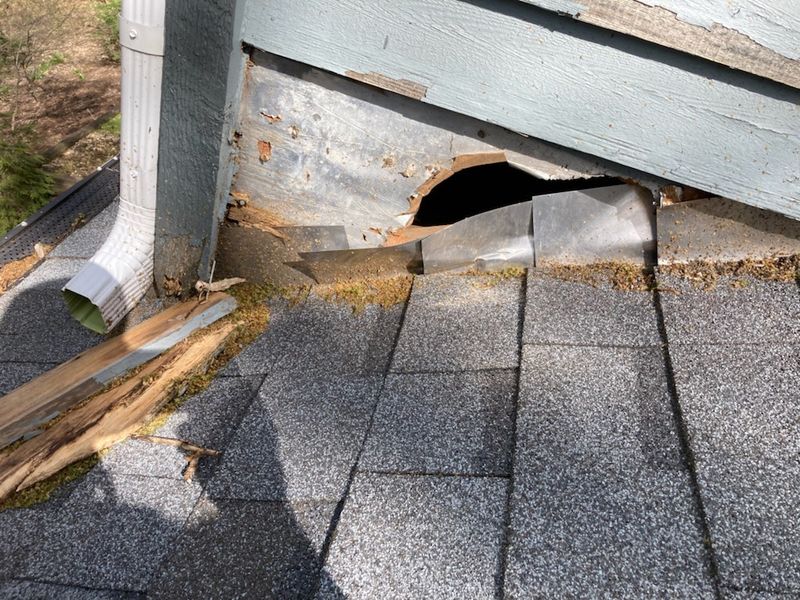
Raccoons den in hollow logs, brush piles, abandoned burrows, and cavities, but a warm attic, a dark crawl space, or the space under a deck is just as appealing. Before you seal any opening, stop and look. If young are present and you close the entry point, you may trap them inside or cut off a nursing mother from her litter, and the results are worse than the original problem.
Humane World for Animals recommends confirming that animals have left before completing any exclusion. One practical method in suitable conditions: loosely stuff the opening with crumpled newspaper and check it after 2 to 3 nights. If the paper is undisturbed, the animal has likely moved on. If it is pushed aside, the opening is still in active use and needs more time before sealing.
When you do seal, use materials the animal cannot chew or pry through. Humane World specifically recommends 16-gauge wire mesh or metal flashing for permanent exclusion. For chimneys, a commercial chimney cap is the right fix. Never use smoke or fire to drive an animal out of a chimney or enclosed space, as that is both dangerous and inhumane.
If the situation involves an occupied attic, a complicated crawl space, or an animal that will not leave on its own, call a licensed wildlife-control professional rather than attempting improvised removal.
Handle Health Risks And Feces Carefully
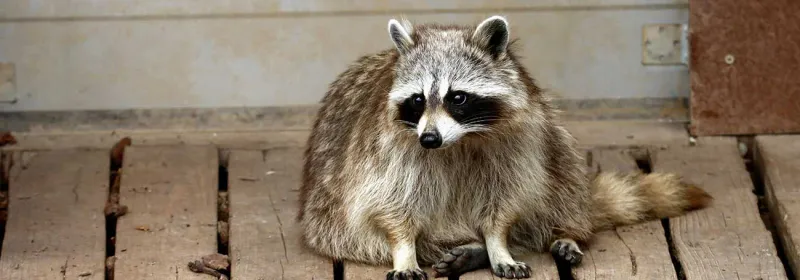
Nighttime activity is normal for raccoons, full stop. A raccoon moving through your yard at 2 a.m. is not sick. Even daytime movement can have ordinary explanations: a nursing mother feeding young, an animal shifting between den sites, or a juvenile exploring new territory. The clock alone is not a warning sign.
Behavior is what matters. Staggering, paralysis, unexplained aggression, repeated high-pitched vocalizing, or self-mutilation are the signs that warrant a call to your local animal control rather than personal investigation. Do not corner, feed, or attempt to handle the animal under any circumstances. The North Carolina Department of Health and Human Services confirms that raccoon-variant rabies is present in raccoon populations in virtually every county in the state.
That does not mean every raccoon is infected, and simply seeing one is not an exposure.
Risk becomes urgent after a bite, scratch, or contact between saliva and broken skin, eyes, mouth, or another mucous membrane. If that happens, wash the area with soap and running water for a full 15 minutes, then contact a doctor or your local health department promptly.
CDC guidance on rabies prevention and North Carolina rabies control rules both require that dogs, cats, and ferrets be kept current on rabies vaccination, which is also required by state law.Raccoon feces carry a separate risk. CDC advises avoiding contact with raccoon feces because raccoon roundworm eggs are invisible to the naked eye and can survive in soil for years. Lightly mist a latrine area before cleanup to reduce dust, wear gloves, and wash hands thoroughly afterward. Keep sandboxes covered when not in use.
Heavily contaminated areas, like a latrine site under a deck or in an attic, may need professional cleanup rather than a DIY approach. Humane World also warns against using smoke or fire in any enclosed space to drive animals out, which creates fire and health hazards without solving the underlying problem.
Read The Whole Yard, Not One Visitor
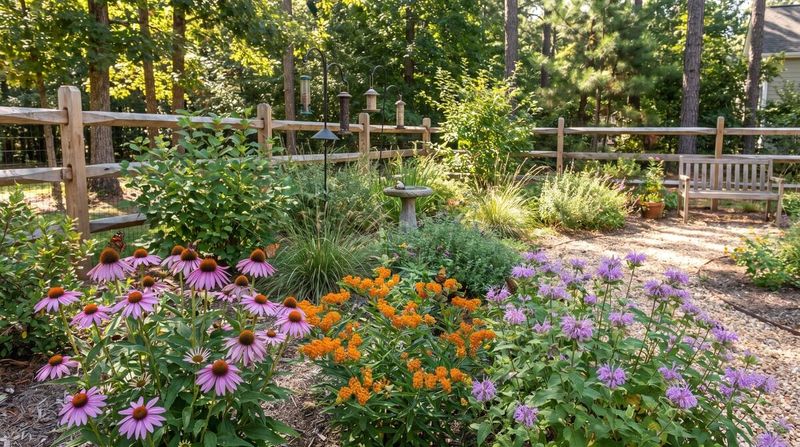
The raccoon is a clue, not a verdict. One animal working your yard after dark cannot tell you whether the property supports a thriving food web or a bare one, but the rest of the yard can. Look at the combination: native plants that flower and fruit across the season, insects active at dusk, birds using the shrub layer, amphibians near any standing water, and patches of ground cover or leaf litter left undisturbed.
NC State Extension’s native-plant landscaping guidance recommends plants that provide fruit, seeds, nectar, and caterpillar host foliage across the season. Its backyard bird habitat resources and butterfly gardening guide both point toward reducing unnecessary lawn, allowing small areas to stay less manicured, and avoiding invasive plants. These practices support birds, butterflies, and beneficial insects, but they may also provide food that raccoons exploit, so they work best alongside the attractant-reduction steps covered earlier.
The practical choice is not raccoon versus habitat. Keep the useful habitat, remove the artificial invitations, protect vulnerable garden areas with physical exclusion, and protect your pets and household with the health precautions already covered. When a nuisance continues despite those steps, North Carolina Wildlife Resources Commission depredation rules and trapping regulations govern what is allowed, and licensed wildlife-control professionals can handle situations that go beyond a homeowner’s reach. A yard that supports native habitat and keeps artificial food sources locked away is not a raccoon-free yard, but it is a yard where the raccoon has far less reason to stay.