The Holiday Plant Indiana Families Fear Most Isn’t The One That’s Actually Dangerous
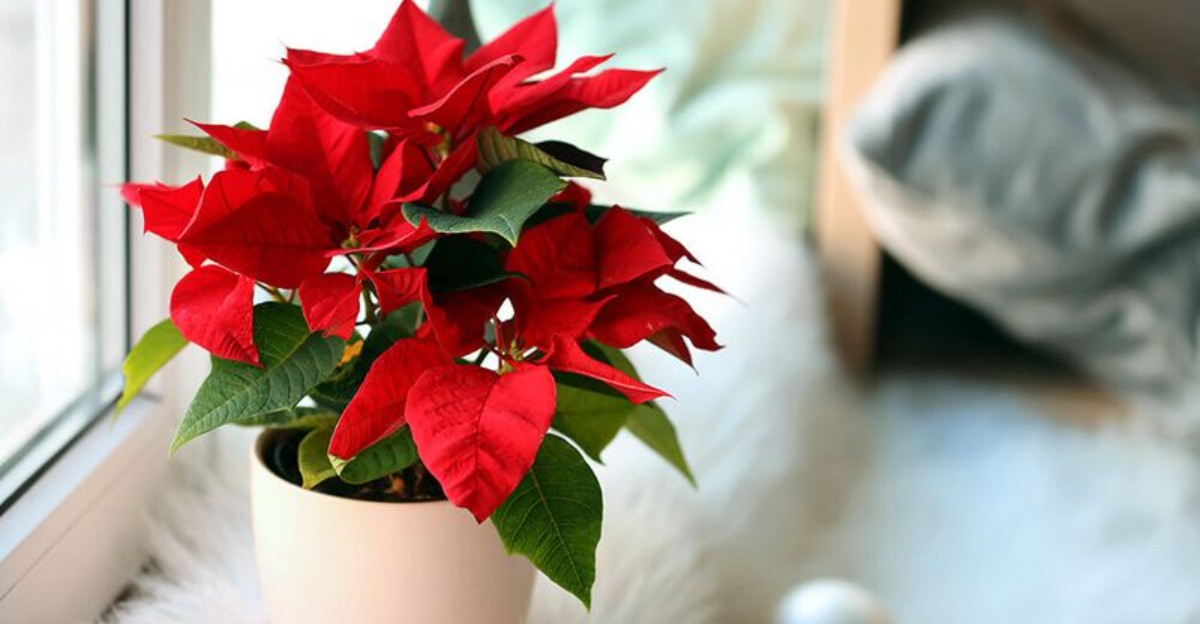
A 1919 rumor about one child in Hawaii still shapes how millions of us decorate every December. Nobody ever confirmed the story, yet it stuck like glitter on a sweater.
I used to think that famous red holiday plant belonged on the top shelf, far from kids and pets. Guilty as charged, I even shooed my cat away from it like it was a lit candle.
Funny thing is, poison control data tells a very different story. Huge studies of exposure calls found mostly mild tummy trouble or no symptoms at all.
The part I can’t shake is what sits right beside it. Indiana homes fill up with gift bouquets, kissing sprigs, and fat bulbs this time of year, and some of those carry far bigger risks than the one we all fear. Let’s take a closer look at what’s really sitting on your holiday table.
That Famous Red Poinsettia Has a Reputation It Didn’t Earn
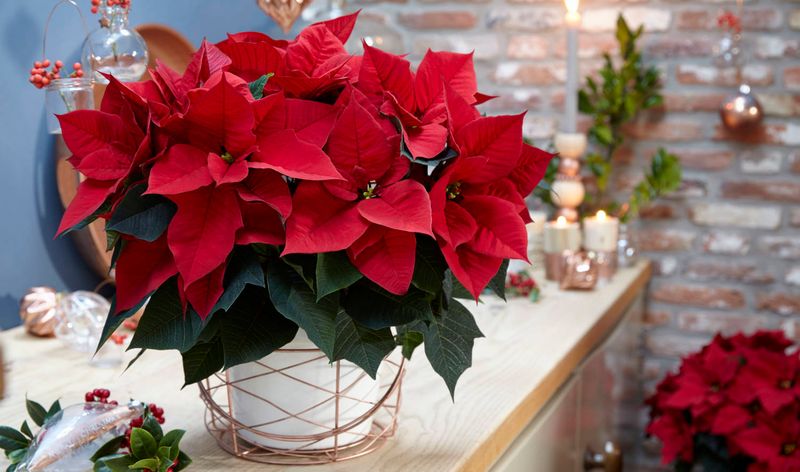
Blame a story nobody could prove. Back in 1919, a rumor spread that a child in Hawaii died after eating a poinsettia leaf, and the tale took off from there.
No one ever confirmed it. Still, the warning was repeated by parents, teachers, and even some old garden books for decades. By the time most of us were kids, poinsettias had a scary reputation they hadn’t really earned.
Science caught up eventually. A large study published in 1996 looked at more than 22,000 poinsettia exposures reported to U.S. poison control centers. There were zero fatalities, and the vast majority of cases needed no treatment at all.
Ohio State University researchers also tested the plant years ago and found no toxic effect even at very high doses in lab animals. That lines up with what Purdue Extension and poison specialists say today.
I’ll admit, I felt a little silly reading all of that. I had parked my poinsettia on top of the fridge like a hazardous package for years.
So go ahead and set that red beauty on the coffee table. It’s a showpiece, not a threat, and it pairs perfectly with a sunny window and a little extra care.
Poinsettia Sap and Leaves Cause Tummy Trouble, Not Emergencies
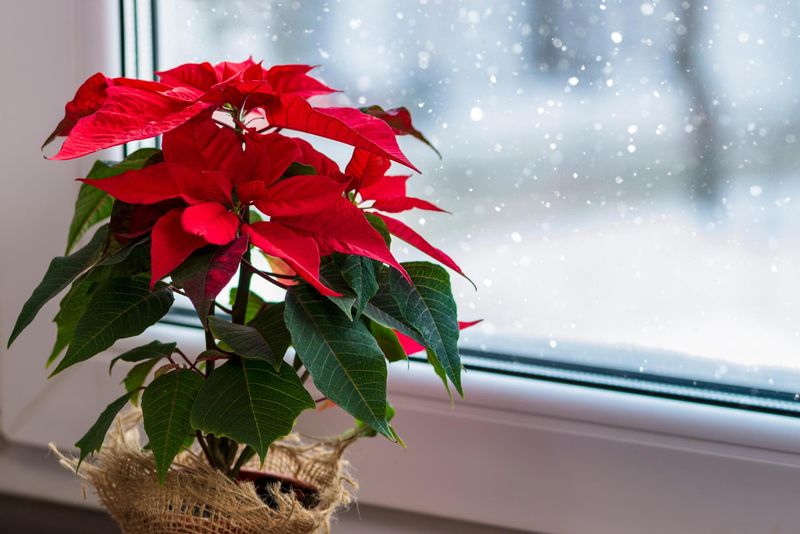
Not going to lie, “safe” doesn’t mean “snack.” Poinsettias are mildly irritating, and it helps to know what that actually looks like.
Snap a stem and you’ll see milky white sap ooze out. That latex can cause redness or an itchy rash on sensitive skin. It can also sting if it gets into eyes, so rinse with cool water if that happens.
If a toddler or a dog chews a leaf, the most likely result is drooling, a little nausea, or maybe vomiting. The leaves taste bitter, so most kids spit them out quickly. That bad flavor works like a built-in safety feature.
Cats can react a bit more, but the ASPCA still lists poinsettia effects as mild. Symptoms usually fade on their own within a few hours.
People with latex allergies should wear gloves when repotting or trimming. The sap comes from the same plant family as rubber trees, the spurge family, so sensitivity can show up.
My simple routine is easy. I pinch off fallen bracts so pets don’t play with them, wash my hands after handling, and keep the pot steady so it doesn’t tip. That’s plenty of caution for this cheerful plant.
Lilies in Holiday Bouquets Are the Real Worry for Cats
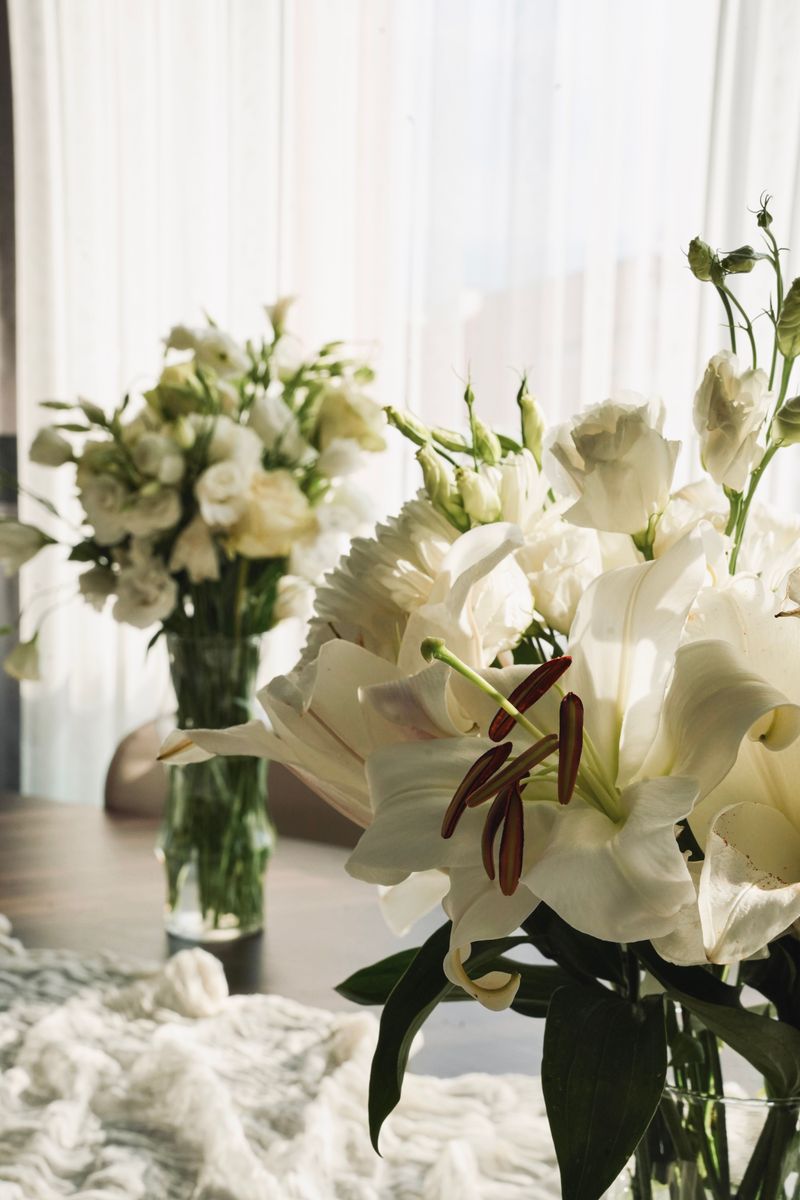
Here’s the plant that truly earns a warning label, and it often shows up disguised as a thoughtful gift. Lilies tuck into holiday bouquets, centerpieces, and get-well arrangements all season long.
For cats, true lilies are a serious emergency. The ASPCA and veterinary poison experts report that eating a small bit of leaf, chewing a petal, licking pollen off fur, or even sipping vase water can lead to sudden kidney failure.
The risky ones belong to the Lilium genus, like Easter, tiger, Asiatic, and stargazer lilies. Daylilies, the Hemerocallis group, carry the same danger. Peace lilies and calla lilies are different plants and cause mouth irritation instead.
Early signs include vomiting, drooling, hiding, and a sudden loss of appetite. Quick veterinary care makes a huge difference, so don’t wait to see if things improve.
Fair warning, a high shelf isn’t enough. Cats jump, and pollen drifts.
If a cat shares your home, the safest move is to pull lilies out of any bouquet before it comes inside. Florists will happily swap them for roses or alstroemeria if you ask. Dogs and kids are much less affected, but cats need that extra protection.
Mistletoe Sprigs Deserve a Spot Far Above Curious Paws
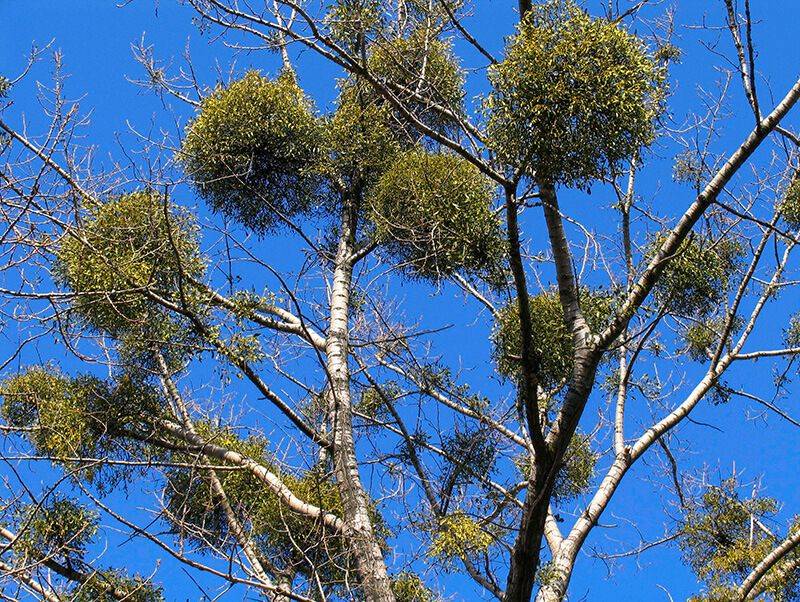
Smooching under a doorway sounds harmless enough. The little bundle overhead, though, deserves more respect than our poor poinsettia.
Two main types show up in stores. American mistletoe, Phoradendron, grows wild in southern Indiana on tree branches. European mistletoe, Viscum album, is often sold in decorations and contains stronger compounds.
Both can cause vomiting, diarrhea, and stomach pain if eaten. Pets that eat larger amounts may show a slow heart rate, low blood pressure, or wobbly walking, according to veterinary sources. The ASPCA lists mistletoe as toxic for dogs, cats, and horses.
Kids usually eat only a berry or two, which rarely causes serious trouble. Still, those squishy white berries can be a choking risk for little ones, and they drop easily as the sprig dries.
Trust me on this one, plastic mistletoe looks surprisingly convincing. I switched years ago and nobody at my holiday party noticed.
If you love the real thing, hang it high and tie it in a small mesh bag to catch falling berries. Sweep the floor below every couple of days. Toss the sprig once the holidays wrap up and it starts shedding leaves.
Bright Red Holly Berries Tempt Toddlers More Than You’d Expect
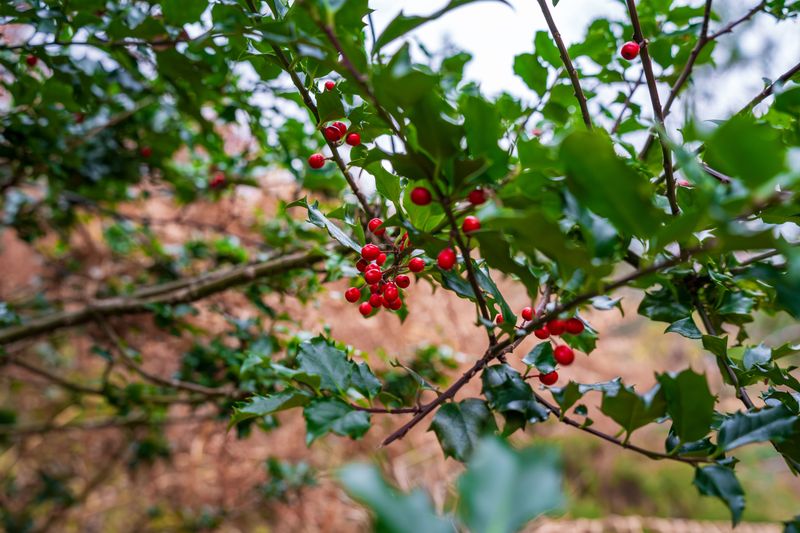
Those shiny red berries look like candy to a toddler. Honestly, they look a little like candy to me too, which is exactly the problem.
Holly berries contain saponins and other compounds that upset the stomach. Eating them can bring on vomiting, diarrhea, and drowsiness in kids and pets. Poison centers note that swallowing a handful of berries is more likely to cause symptoms than a single nibble.
The prickly leaves add another hazard. Pets that chew a lot may show tremors, drooling, and loss of appetite, according to the ASPCA.
Plenty of Indiana gardeners grow American holly or winterberry outside, and cutting branches for wreaths is a classic tradition. Winterberry, a native deciduous holly, puts on a fantastic berry show and feeds birds through winter, so it’s worth growing.
Indoors, though, smart placement matters. Keep holly arrangements on tables kids can’t reach and check for fallen berries daily. They roll under furniture easily and become a surprise find for crawling babies.
Artificial holly picks look great in garland too. If you want the real deal, try using it on the front porch where the fresh air keeps it looking nicer anyway.
That Giant Amaryllis Bulb Looks a Lot Like an Onion
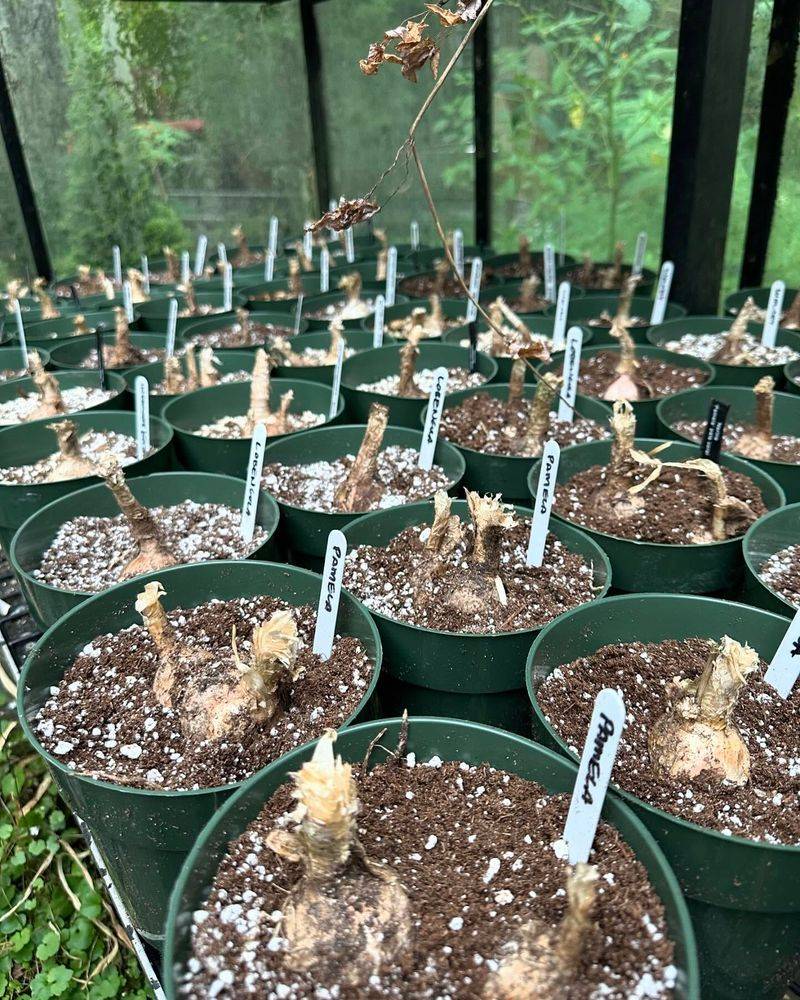
I’m a sucker for a big amaryllis bloom in January. Those huge trumpet flowers feel like a pep talk when the yard outside is gray and frozen.
The catch hides underground. Every part of the amaryllis contains lycorine and related alkaloids, and the bulb holds the highest amount.
Eating it can cause vomiting, drooling, belly pain, and diarrhea. Pets that chew a lot may show tremors or drops in blood pressure, according to the ASPCA. Dogs that love digging in pots are the usual culprits.
Here’s a real-life risk people miss. Unpotted bulbs look a lot like onions or shallots, and they often sit in a kitchen waiting to be planted. Store them in a labeled paper bag away from food.
Once potted, set the plant somewhere stable that pets can’t tip or dig into. A layer of decorative stones over the soil discourages paws.
After the flowers fade, you can keep the leaves growing in a sunny window and move the pot outdoors after the last spring frost. With some rest in fall, it can rebloom next winter. Just keep the safety habits going all year.
Christmas Cactus and Other Safe Swaps for a Worry-Free Mantel
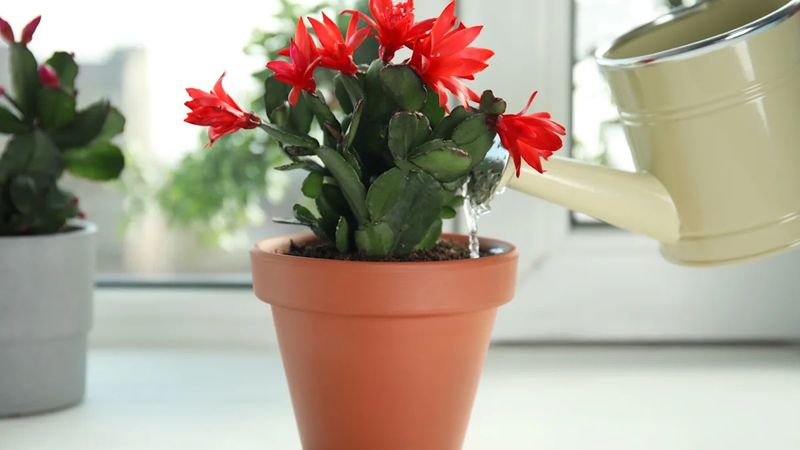
Good-looking holiday decor doesn’t have to come with a worry list. A few plants bring plenty of color while staying friendly to kids and pets.
Christmas cactus tops my list. The ASPCA lists it as nontoxic for cats and dogs, and its pink, red, or white blooms dangle beautifully from a mantel. Water when the top inch of soil feels dry.
Potted rosemary trimmed into a little tree shape smells amazing and doubles as a cooking herb. Give it your sunniest window, since winter light in the Midwest runs short.
African violets, Swedish ivy, and Boston ferns are also on nontoxic lists. They add soft greenery without the stress.
Orchids, especially moth orchids, make elegant gifts and are considered safe for pets. They bloom for weeks with very little fuss.
And yes, the poinsettia still belongs on this list of reasonable choices, since its effects are mild.
Not every pet reacts the same way, so any plant can upset a sensitive stomach if eaten in large amounts. Still, swapping the riskier options for these makes the season a whole lot more relaxing. I sleep better knowing my cat can sniff around without trouble.
Keep the Indiana Poison Center Number Next to Your Holiday Decor
Every December, I tape two phone numbers inside a kitchen cabinet. It takes thirty seconds and saves a panicked search if something goes wrong.
For people, call Poison Help at 1-800-222-1222. In Indiana, that line connects you to the Indiana Poison Center, staffed around the clock by nurses and pharmacists. The call is free and confidential.
For pets, contact your veterinarian or the ASPCA Animal Poison Control Center at 888-426-4435. A consultation fee may apply, but quick advice is worth it.
Before calling, grab the plant or a photo of it. Experts will want to know what was eaten, roughly how much, and when. Knowing the exact plant name speeds everything up.
Don’t try to make anyone throw up unless a professional tells you to. That can sometimes cause more harm than good.
The bigger takeaway is simple. Stop fearing the poinsettia, and start paying attention to lilies, mistletoe, holly, and amaryllis.
Read plant tags, ask florists questions, and check bouquets before they come inside. A little know-how lets your Indiana home look festive while everyone, furry or not, stays comfortable all season.