Arizona Native Plant Protections and HOA Landscaping Rules: A Homeowner Guide

A wild saguaro on private land can fall under state plant law, yet your HOA may still have its own landscaping rules. Many Arizona homeowners are surprised that both can be true at once.
Knowing which rule does what can save you stress, money, and a few angry letters. Here is a clear guide to sorting it out with confidence.
Native Does Not Mean HOA-Proof
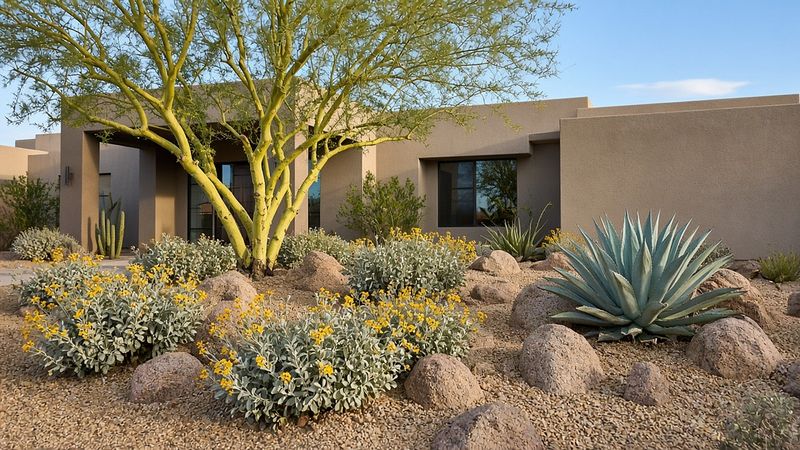
Love for a native plant is a great place to start, but the word native does not settle a landscaping dispute. Three ideas often get mixed together: a plant being native, a plant being protected under state plant law, and a plant being safe from HOA landscaping rules.
They are separate questions with separate answers.
Arizona’s plant statute, A.R.S. § 3-903, covers listed plants that are growing wild. That is a narrower group than every plant that naturally belongs in the desert.
A native shrub bought at a nursery and planted by you is not automatically on that list.
Your HOA is a different layer. Its power comes from community documents, which state law defines in A.R.S. § 33-1802, such as the recorded declaration and rules.
The outcome of any dispute depends on the plant’s legal status, local rules, and what your own documents say. No outcome is guaranteed, but knowing the layers puts you in a stronger spot.
Check Whether State Plant Protections Apply
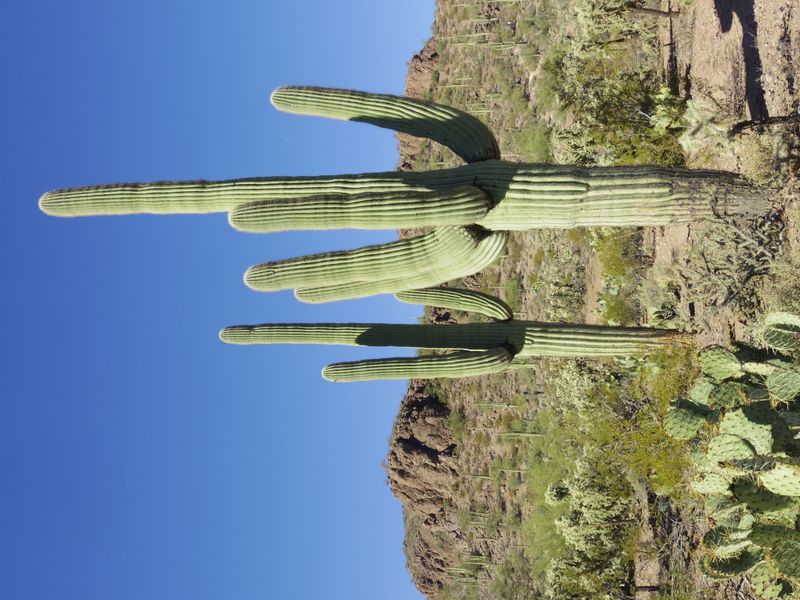
Start by asking where your plant came from. Arizona’s native plant law applies to listed plants growing wild, and that includes plants on private property.
The key test is whether people have propagated or cultivated the plant, as laid out in the statute itself.
A cactus that sprouted naturally on your lot and was never cultivated may fit the wild category. A nursery-grown native, or one that people planted and tended, is not automatically covered just because the species is native.
That difference matters a great deal when you decide what to do next.
Do not rely on the label native to answer the legal question. Check the plant’s status and growing history, and look at University of Arizona Cooperative Extension guidance for a plain-language overview.
A saguaro is a well-known example of a regulated cactus, but its regulated status alone does not tell you how an HOA dispute will turn out.
Read HOA Documents And Local Rules

Before you plant or remove anything, pull out your recorded declaration, bylaws, rules, and any landscape or design-review guidelines. Those papers are what an HOA relies on, and the definitions appear in A.R.S. § 33-1802.
Look for plant lists, approval steps, and rules about front yards.
State law does give HOA members a few specific protections. One example is the limited artificial-turf provision in A.R.S. § 33-1819.
That rule is about artificial turf, not living native plants, so it does not create a general exemption for desert or native landscaping.
Also check your city or county rules, since local requirements can add to state law. The University of Arizona notes this in its cactus transplanting guidance.
A quick call to the local planning office can answer questions your documents do not.
Separate Destruction Rules From Moving Rules
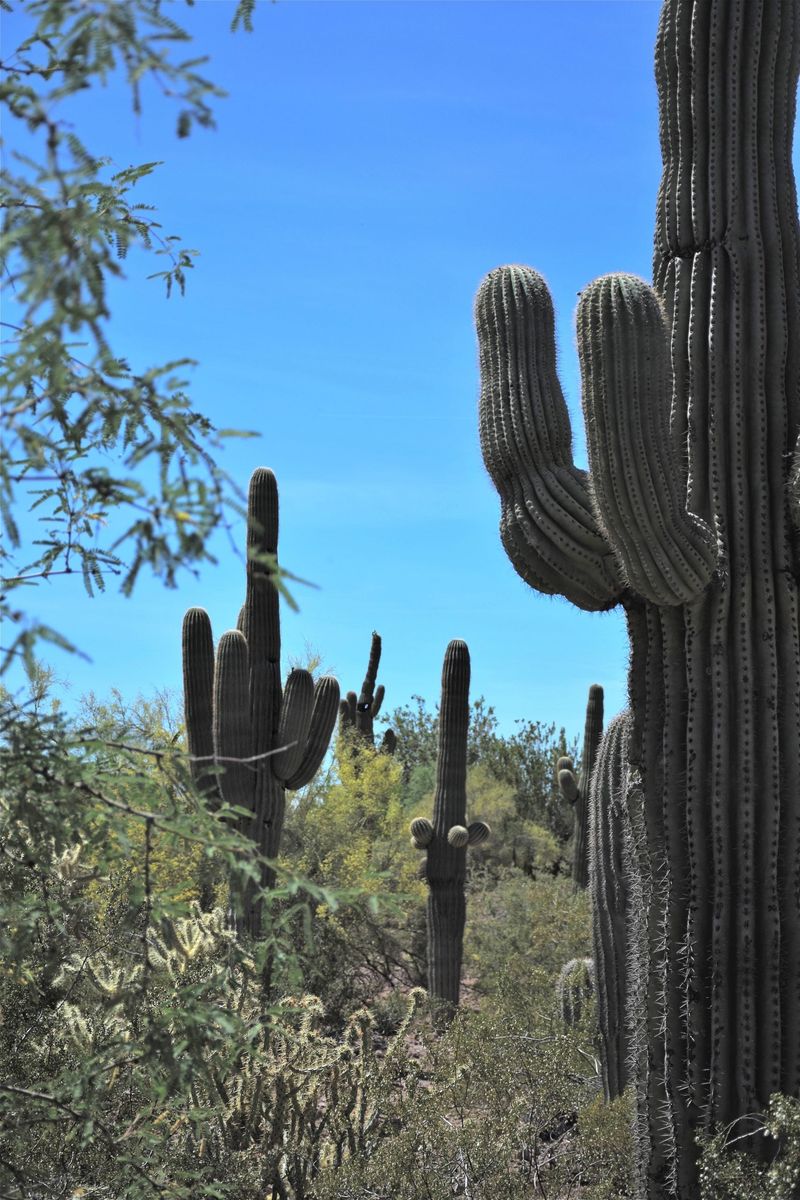
Removing a plant and moving a plant are two different legal topics. Under A.R.S. § 3-904, a private landowner may destroy qualifying protected plants, subject to notice requirements.
Those requirements do not apply to protected plants on individually owned residential property of ten acres or less where initial construction has already occurred. Other qualifying cases generally involve notice periods of 20, 30, or 60 days, depending on acreage.
That notice exception does not settle an HOA dispute. Your community documents may still say what you can or cannot do.
Transport is separate. Moving a protected plant away from its growing site generally requires a permit, and A.R.S. § 3-906 adds permit, tag, and seal requirements for a saguaro over four feet tall, subject to statutory exceptions.
Never dig up or haul a wild cactus without checking permits, tags, ownership permission, and local rules. Large cacti can also be a safety risk, so hire qualified help.
Respond To A Landscaping Violation Notice

A violation letter can feel personal, especially when it targets a plant you care about. Take a breath and read it closely.
Arizona law gives you a defined path to answer.
Under A.R.S. § 33-1803, a member may respond in writing by certified mail within 21 calendar days. The association’s notice must identify the community-document provision it says you violated and explain how to contest the notice, among other requirements.
Use those details to build a calm, factual reply. Mention the plant, its history, and any approvals you hold.
A response does not automatically cancel the violation or guarantee a particular result, but it keeps your side on the record and your options open.
Make A Native-Landscaping Plan
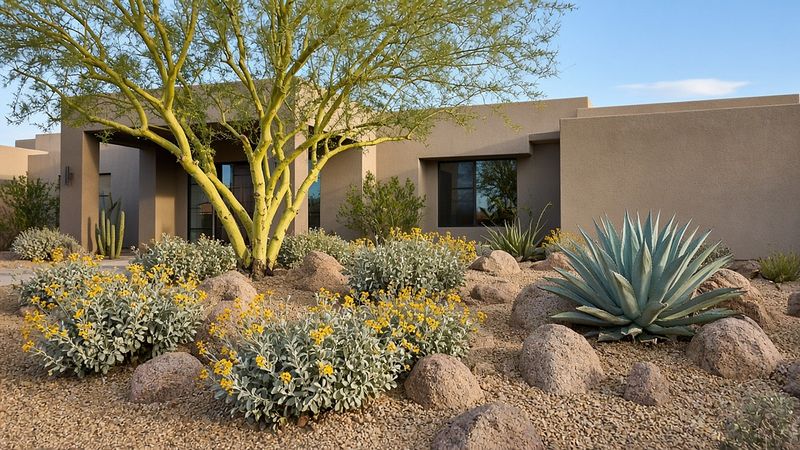
A simple checklist keeps you out of trouble and keeps your pride in your yard intact. First, find out whether the plant is wild or cultivated under A.R.S. § 3-903.
Second, check state and city or county requirements.
Third, review your HOA’s documents, which fall under the definitions in A.R.S. § 33-1802, before planting or removing anything. Fourth, get approvals in writing and keep copies of every email and letter.
Native landscaping is worth speaking up for. Share your plans at board meetings, ask about design-review options, and propose plant choices in a friendly way.
No law guarantees a win, but a prepared neighbor is hard to ignore.