Stop Fall Armyworms Before They Turn Your Georgia Lawn Brown Overnight
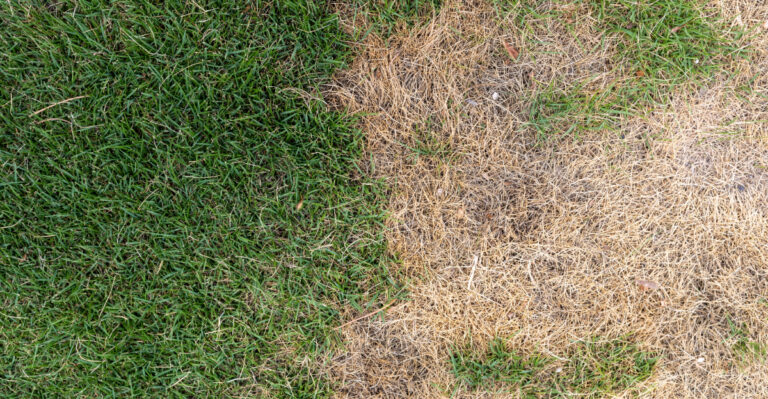
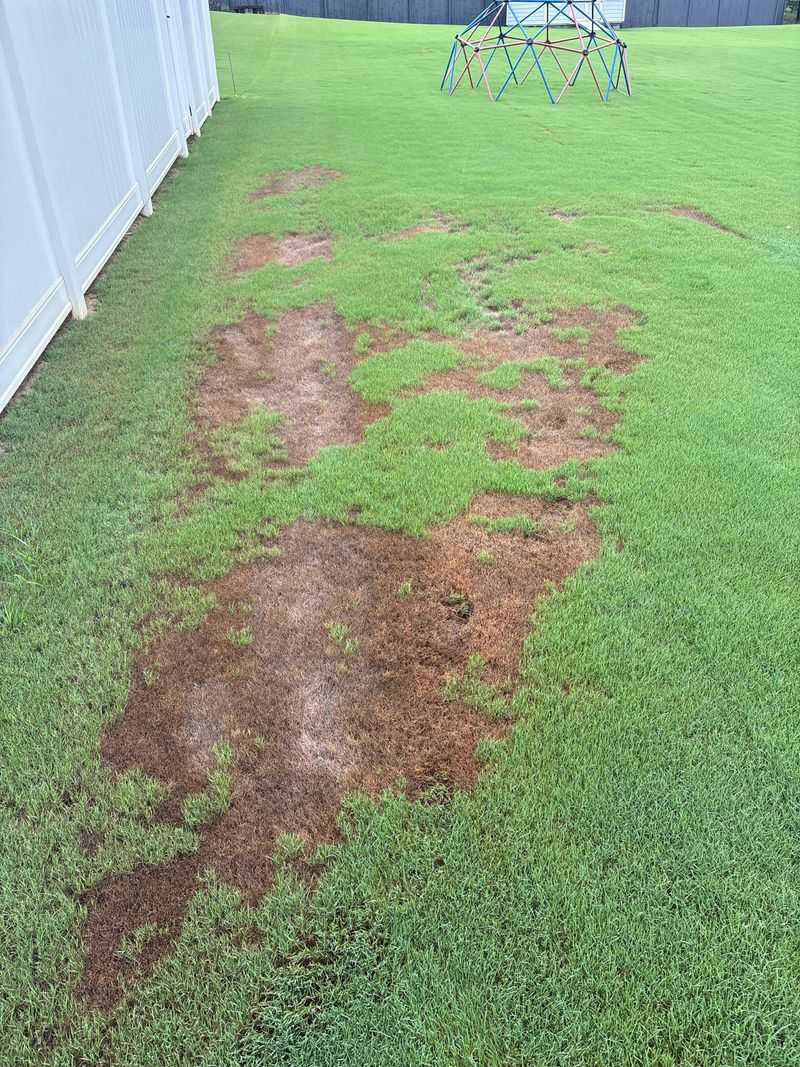
Your bermuda lawn was thick and green on Monday. By Thursday, entire patches look scorched, like someone dragged a blowtorch across your yard overnight.
It’s not drought or fungus. Fall armyworms are chewing through your grass in waves, moving fast, leaving bare dirt behind at a pace that feels almost impossible.
Georgia homeowners see this exact pattern every late summer, and most don’t catch the cause until half the yard is already gone. These caterpillars hide in plain sight during the day, then do their worst work while you sleep.
Let’s see what you can do about them.
Early Detection Signs Catch Fall Armyworms Before Damage Spreads
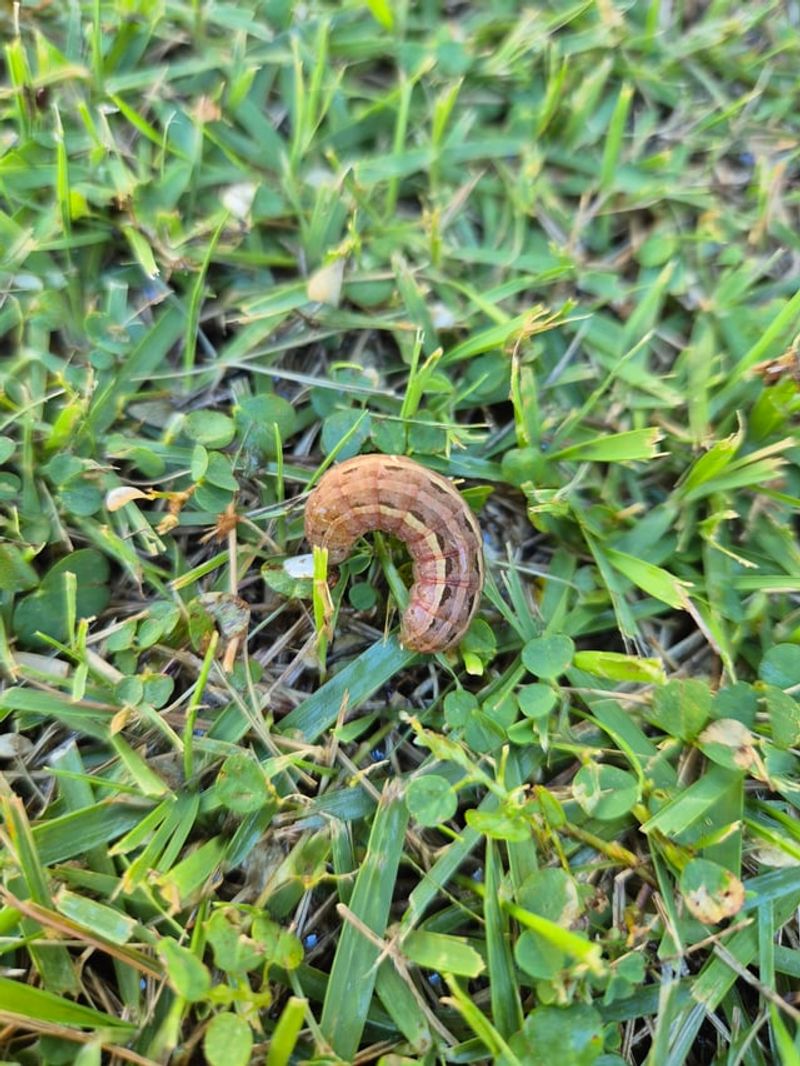
Your Georgia lawn shows clear warning signs when armyworms move in. Small, ragged patches of grass that look chewed or thinned out are the first warning signs of a fall armyworm outbreak.
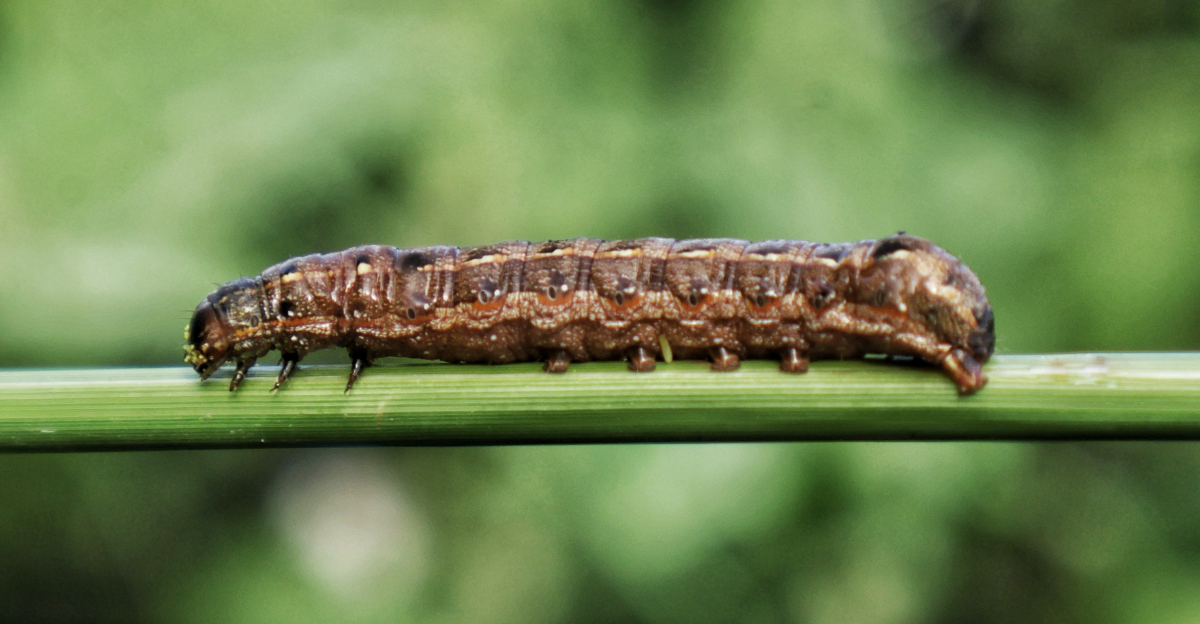
Look closely at the grass blades near those thin spots. You might spot tiny green or brown caterpillars with a white stripe running down each side of their bodies.
Another clue is bird activity. If you notice robins, starlings, or mockingbirds pecking aggressively at your lawn, they may be feasting on armyworms hiding in the turf.
Check your lawn in the early morning or late evening. Armyworms feed most actively when temperatures cool down, so that is your best window for spotting them in action.
The soap flush test is a quick trick that works well. Mix two tablespoons of dish soap with one gallon of water, then pour it over a suspicious patch of grass.
Within minutes, armyworms will surface to escape the soapy solution. If you count several caterpillars per square foot, your Georgia lawn has a serious problem that needs immediate attention.
Eggs are laid in clusters on grass blades and look like small fuzzy masses. Catching egg clusters before they hatch gives you a major head start on stopping the damage.
Early detection is your strongest tool against fall armyworms spreading across your entire yard overnight.
Regular Lawn Inspections Reveal Armyworms Before Brown Patches Form
Catching armyworms early starts with a habit, not a product. Walking your lawn two or three times a week during late summer gives you the best shot at spotting trouble before it spreads.
Focus your inspections on the edges of the lawn first. Armyworms typically march in from field edges, tree lines, or neighboring properties, so perimeter grass shows damage before the center does.
Get down low and part the grass with your hands. You are looking for frass, which is the dark, grain-like droppings that armyworms leave behind as they feed through the turf.
Frass looks like tiny black or green pellets scattered across the soil surface. Spotting frass before you see actual caterpillars means you are ahead of the curve and can treat fast.
Check the thatch layer carefully. Armyworm larvae hide in the thatch layer during the day, making it easy to miss them during a quick visual scan of the grass tops.
Use a flashlight at dusk to scan the lawn surface. Armyworms become much more visible after sunset, crawling up grass blades to feed under the cover of darkness.
Your Georgia Garden Changes Every Week. Your Plan Should Too.
Gardening in Georgia changes quickly throughout the season. Every Friday you’ll receive a simple weekly plan showing exactly what to plant, prune, fertilize, harvest, and protect so you never miss the right timing.
Set a weekly calendar reminder so inspections become routine rather than reactive. Consistent monitoring protects your lawn from fall armyworms far better than any single treatment ever could.
A few minutes of inspection each week can save you hundreds of dollars in lawn repair costs later.
Natural Predators Help Keep Armyworm Populations Under Control
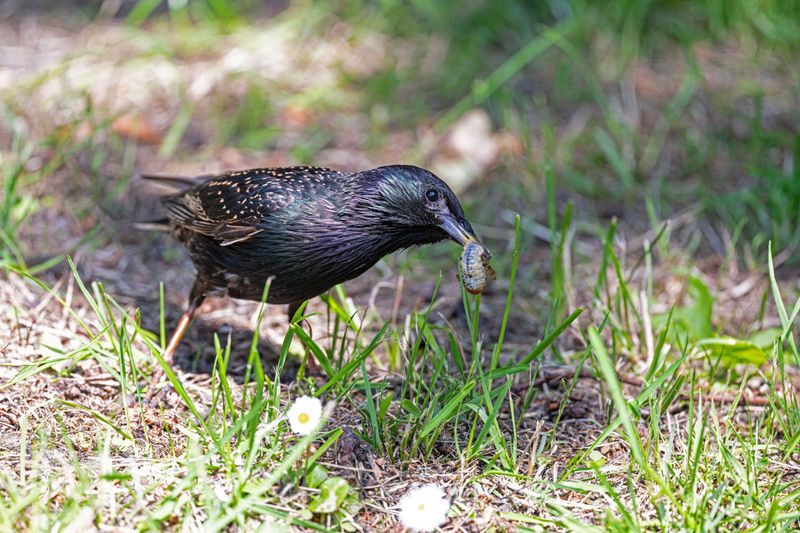
Nature already has a plan for armyworms, and it involves some impressive allies. Birds, parasitic wasps, ground beetles, and even spiders all prey on armyworm caterpillars and their eggs.
Encouraging birds to visit your yard is one of the easiest free strategies available. Install a birdbath, add a few bird feeders, and plant native shrubs that attract insect-eating species.
Parasitic wasps like Cotesia marginiventris lay eggs inside armyworm caterpillars. The larvae hatch and feed on the pest from the inside, which reduces populations effectively.
Ground beetles are nocturnal hunters that patrol the soil surface at night. A healthy population of these beetles can significantly reduce armyworm numbers without any chemical input from you.
Avoid broad-spectrum pesticides that eliminate beneficial insects along with pests. Removing your natural allies creates a vacuum that armyworms can refill even faster on their next cycle.
Beneficial nematodes are microscopic roundworms that attack armyworm pupae in the soil. You can purchase them online or at garden centers and apply them with a standard lawn sprayer.
A lawn treated with nematodes stays protected for weeks after application. Pairing biological controls with good inspection habits creates a layered defense that is tough for armyworms to break through.
Working with nature instead of against it gives your yard long-term resilience against fall armyworms and many other turf pests.
Targeted Treatments Stop Active Infestations From Spreading Further
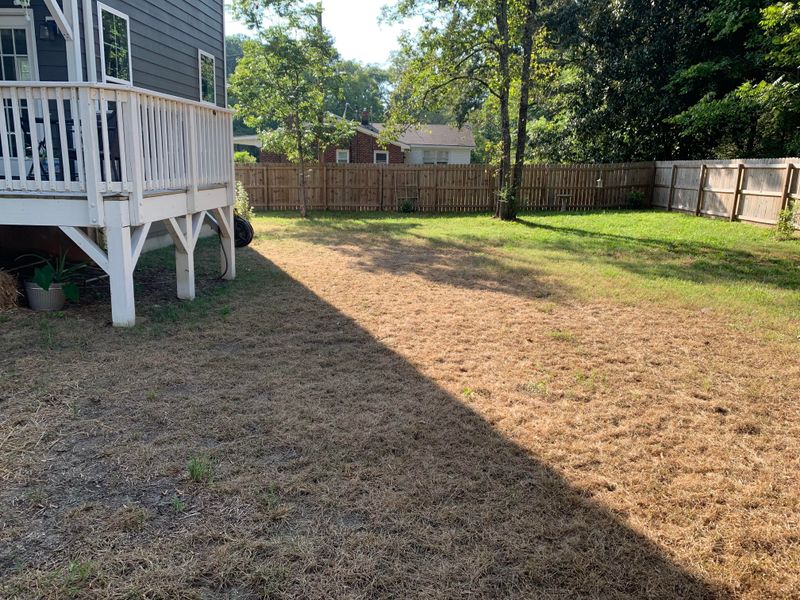
When armyworms are already moving through your Georgia lawn, waiting is not an option. Fast, targeted treatment is the best way to stop an active infestation before it wipes out large sections of turf.
Spinosad is a naturally derived insecticide that works well on armyworms without harming most beneficial insects. It comes from soil bacteria and breaks down quickly in the environment after application.
Apply spinosad in the late afternoon for best results. Armyworms feed most actively at dusk, so treating right before their feeding window means they consume the product at peak effectiveness.
Bifenthrin is a synthetic pyrethroid that works quickly on contact. It is widely available at hardware stores and provides fast knockdown when armyworm pressure is high and damage is escalating rapidly.
Read the label carefully before applying any pesticide to your Georgia lawn. Label directions protect you, your pets, your kids, and the surrounding environment from unnecessary chemical exposure.
Treat a buffer zone around the damaged area as well. Armyworms on the move spread outward from the infestation, so treating only the brown patch misses the caterpillars already advancing into healthy grass.
Water the treated area lightly after applying granular products to activate the insecticide. Liquid sprays should be applied to dry grass and left undisturbed for at least 24 hours.
Stopping fall armyworms mid-march is possible with the right product and the right timing.
Proper Lawn Care Practices Reduce Armyworm Attraction Overall

A stressed lawn is an open invitation for armyworms to move in and stay. Healthy, properly maintained turf recovers faster from feeding damage and is less attractive to egg-laying moths in the first place.
Mow your bermuda or zoysia grass at the recommended height for your specific variety. Cutting too short weakens the root system and makes it harder for the lawn to bounce back after pest pressure.
Avoid over-fertilizing with nitrogen-heavy products in late summer. Lush, tender grass growth from excess nitrogen is exactly what armyworm moths seek out when choosing where to lay their eggs.
Water deeply but infrequently to encourage deep root growth. Shallow watering creates weak turf that suffers more severely from armyworm feeding than grass with a strong, established root system.
Dethatch your lawn if the thatch layer exceeds half an inch in thickness. Thick thatch creates a cozy hiding spot for armyworm larvae and makes it harder for treatments to reach the soil.
Core aeration improves soil structure and helps lawn treatments penetrate more effectively. A well-aerated lawn allows insecticides and beneficial nematodes to reach the root zone where larvae and pupae are found.
Overseed thin or bare areas after treating for armyworms. Getting grass growing again quickly prevents weeds from moving into the recovery zones left behind after an infestation.
A strong lawn is a resilient lawn, and resilience is your best long-term protection against fall armyworms returning season after season.
Acting Quickly Protects Your Lawn From Overnight Damage
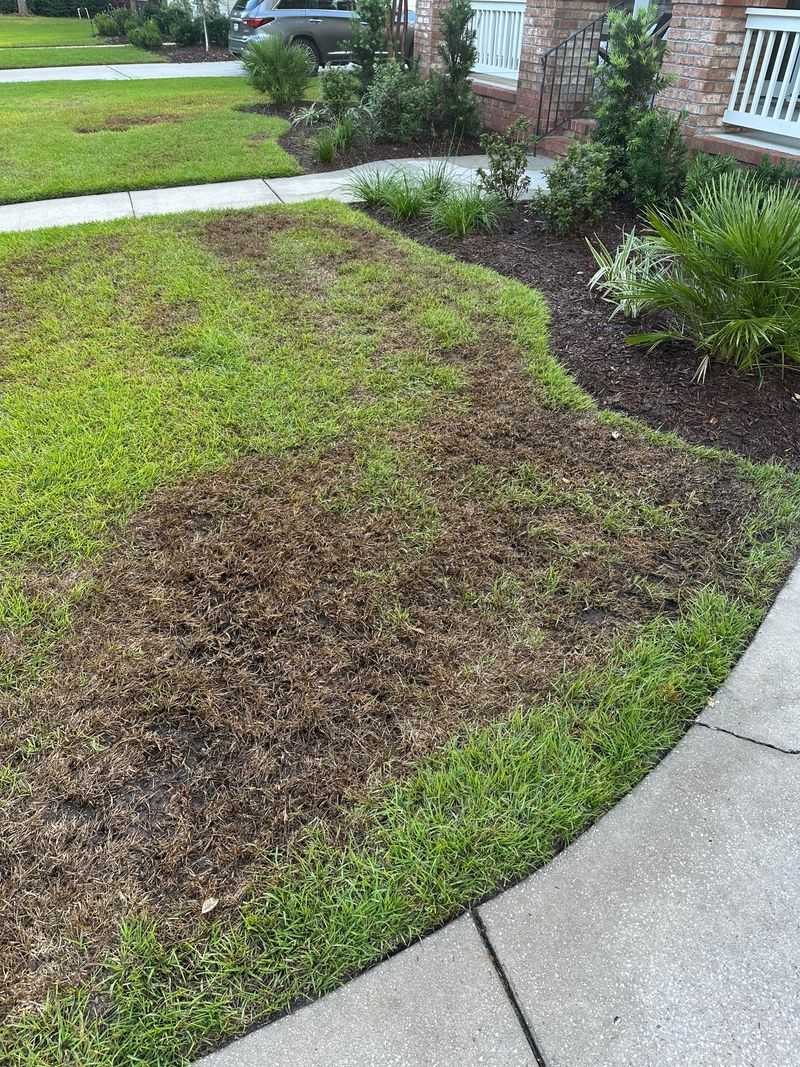
Speed matters more with fall armyworms than with almost any other lawn pest. Small groups of caterpillars can become a full-blown outbreak within 48 hours when conditions are warm and humid.
The moment you spot signs of feeding, treat the same day. Every hour you wait gives armyworms more time to consume your turf and push further into undamaged areas of the yard.
Keep a bottle of spinosad or bifenthrin on your garage shelf during armyworm season. Having a product ready means you are not scrambling to the store while your Georgia lawn disappears patch by patch.
Text a photo of the damage to your local cooperative extension office for fast identification. Extension agents can confirm the exact pest you’re dealing with.
Alert your neighbors if you spot an infestation on your property. Armyworms do not respect property lines, and a coordinated neighborhood response is far more effective than treating one yard alone.
After treatment, monitor the affected area daily for five to seven days. Armyworm moths can re-lay eggs nearby, and a second wave of caterpillars can hatch before the first treatment fully wears off.
Document each infestation with photos and notes so you can spot patterns in future seasons. Knowing when and where armyworms hit your yard last year helps you prepare smarter the next time around.
Acting fast is how you stop fall armyworms from turning your hard-earned lawn brown overnight.