10 Oregon Garden Favorites That Really Shine In Summer
Summer has a way of showing which garden plants are truly earning their space. In Oregon, the best favorites do more than look good for a few weeks.
They handle warmer days, brighten beds, and keep the yard feeling alive when spring’s first rush has passed. A plant may shine with bold blooms.
Another may stand out because it stays fresh while nearby growth looks tired. That is what makes summer favorites so useful.
They bring beauty right when the garden needs a second wave of interest. The right picks can also make borders and front beds feel more welcoming through the season.
Choose plants that suit Oregon’s summer rhythm, and your garden can feel colorful, steady, and full of life when it matters most.
1. Dahlias Bring Big Color When Summer Peaks
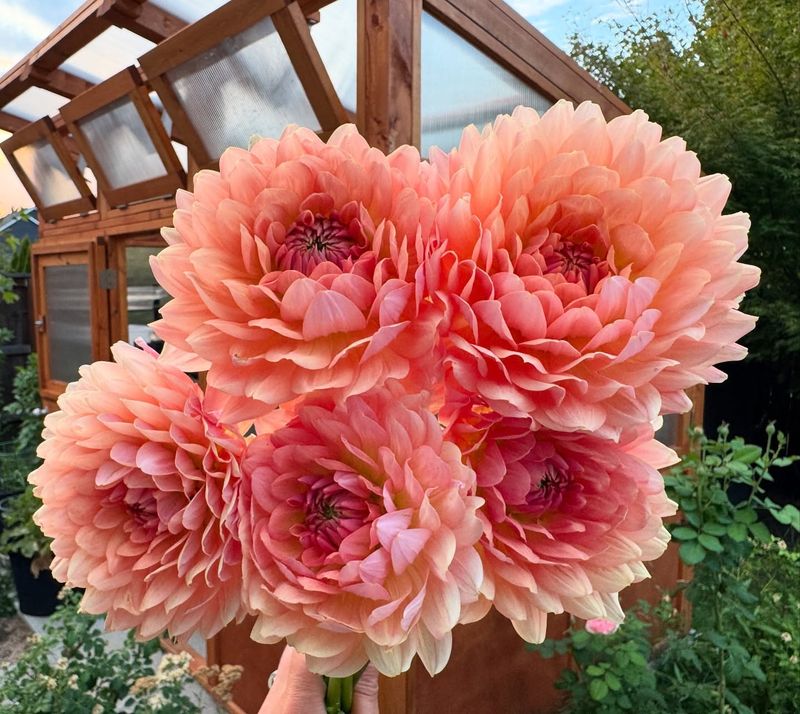
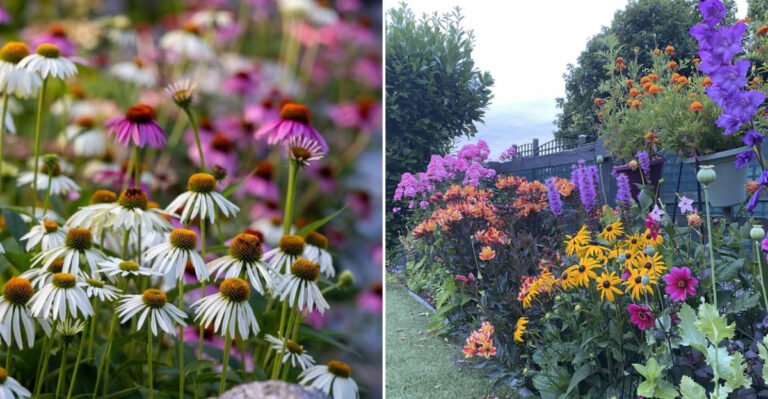
Few flowers command attention quite like a dahlia in full summer bloom. These showstoppers can grow blooms the size of dinner plates, and they come in nearly every color you can picture.
Gardeners have a long love affair with dahlias, and it is easy to see why.
Dahlias grow from tubers, which are small root clumps you plant in the ground after the last frost. In most valley areas, that means planting around late April or early May.
They like full sun and well-drained soil. Give them a spot with at least six hours of direct sunlight each day.
Once they get going, dahlias are surprisingly easy to care for. Water them deeply a couple of times a week rather than lightly every day.
That encourages deep roots and stronger plants. Stake taller varieties so summer winds do not bend them over.
Deadheading spent blooms keeps new flowers coming all the way through fall. Pinching the main stem early in the season also encourages bushier growth and more blooms.
The more you cut, the more they produce.
Dahlias are perfect for cutting gardens because fresh-cut stems last well in a vase. Local farmers markets across Oregon sell dahlia tubers in spring.
Starting with named varieties from a reputable grower gives you the best results and the most stunning summer display.
2. Lavender Handles Dry Heat With Fragrance
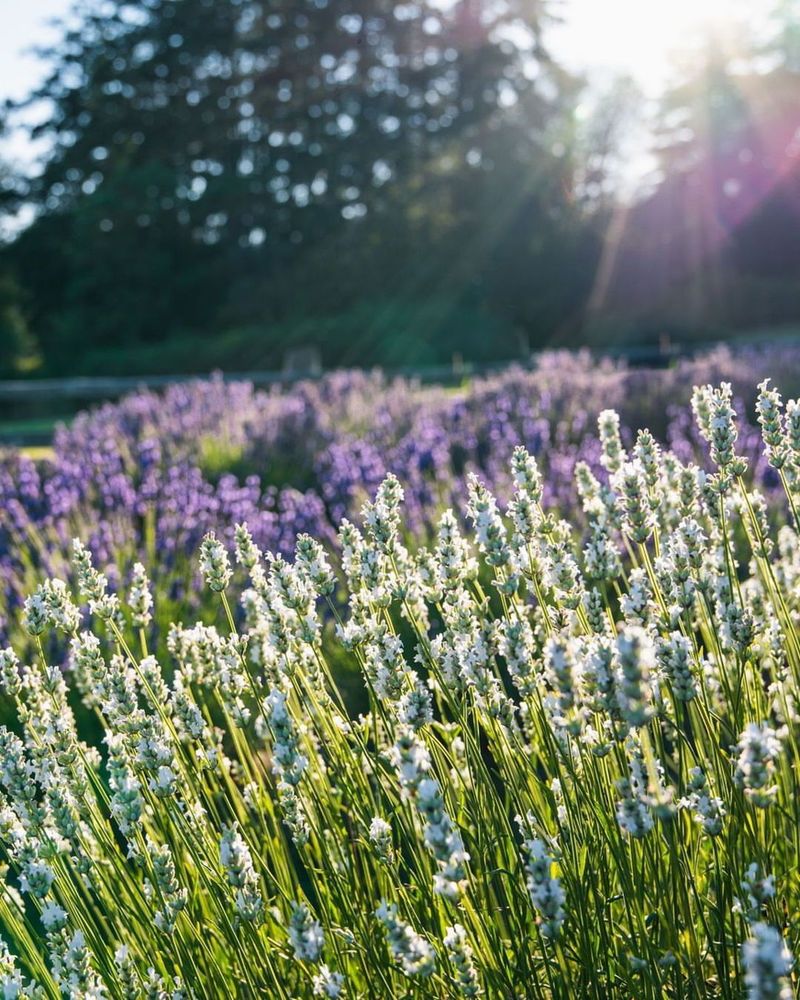
There is something almost magical about walking past a lavender plant on a hot summer afternoon. The scent hits you before you even get close.
That fragrance is part of the reason so many gardeners in Oregon are obsessed with this drought-tolerant beauty.
Lavender thrives in the dry summer heat that Oregon experiences from July through September. It actually prefers lean, well-drained soil over rich, moist garden beds.
Overwatering is the most common mistake people make with lavender. Once established, it needs very little water at all.
English lavender varieties like Hidcote and Munstead are especially popular here. They stay compact, bloom heavily, and handle the transition from wet spring to dry summer without complaint.
Plant them in full sun for the best flowering. Pruning lavender right after the first flush of blooms keeps plants tidy and encourages a second round of flowers later in summer.
Your Oregon Garden Changes Every Week. Your Plan Should Too.
Gardening in Oregon changes quickly throughout the season. Every Friday you’ll receive a simple weekly plan showing exactly what to plant, prune, fertilize, harvest, and protect so you never miss the right timing.
Cut back by about one-third, but avoid cutting into old woody stems. That can stress the plant and slow regrowth.
Lavender attracts bumblebees and honeybees in enormous numbers, making it a fantastic pollinator plant. Dried lavender bundles from your garden also make wonderful gifts and sachets.
Planting lavender along a walkway or near a patio means you get that gorgeous scent every single time you step outside during summer.
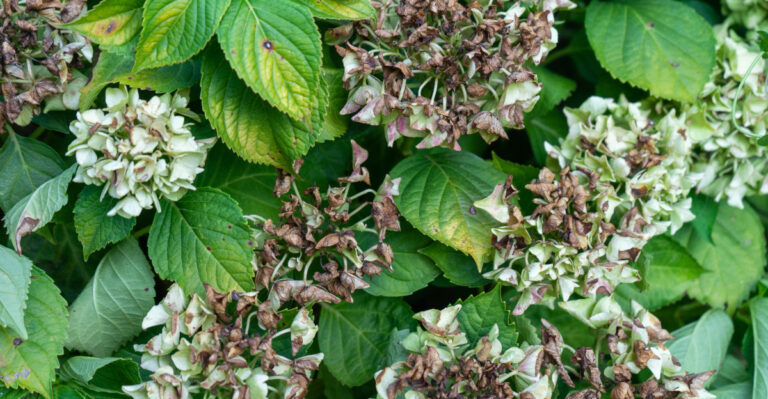
3. Hydrangeas Shine In Morning Sun And Afternoon Shade
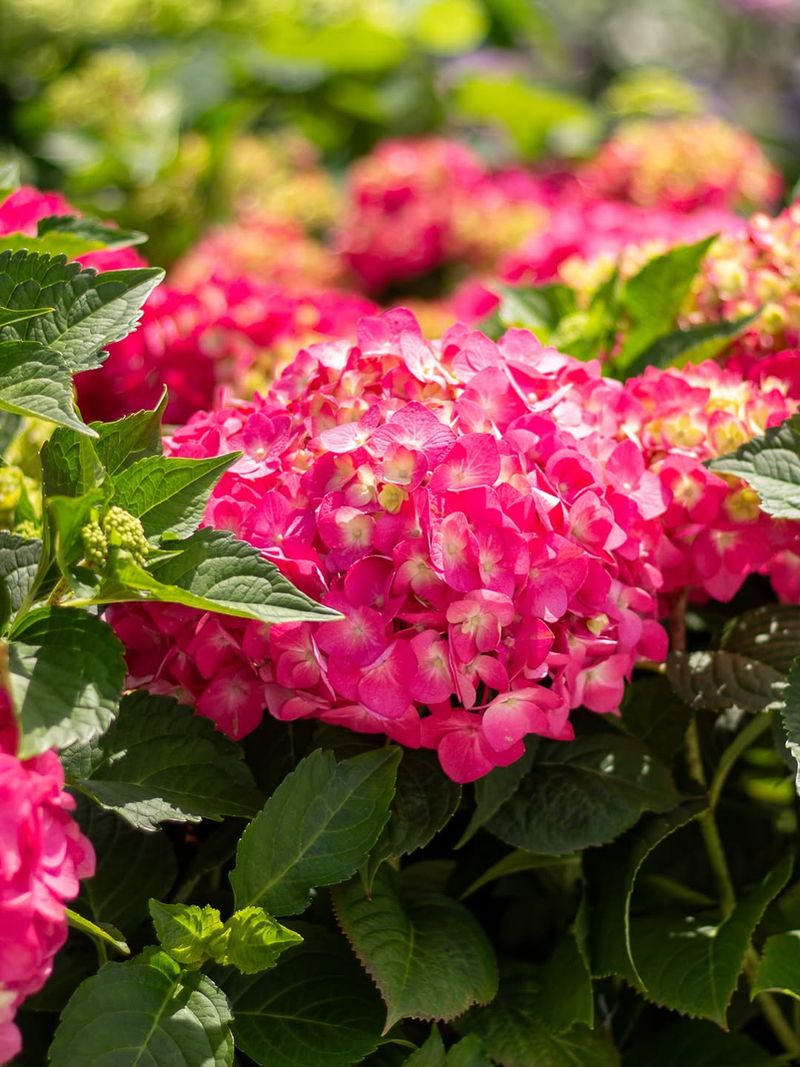
Not every summer plant wants to bake in the sun all day. Hydrangeas actually prefer a gentler approach, soaking up morning light and resting in afternoon shade.
That makes them a fantastic choice for the east-facing sides of homes and fences.
Bigleaf hydrangeas are the most popular type here. Their large, mophead blooms shift color based on soil pH.
Acidic soil produces blue flowers. More alkaline soil pushes blooms toward pink.
You can actually adjust the color by adding aluminum sulfate or garden lime to the soil around your plant.
Hydrangeas need consistent moisture, especially during hot spells. Mulching around the base helps the soil hold water and keeps roots cool.
During a heat wave, you may need to water every day to keep the leaves from wilting.
One common pruning mistake is cutting back hydrangeas at the wrong time. Bigleaf types bloom on old wood, meaning they set their buds in fall.
Pruning in late summer or fall removes those buds and you end up with no flowers the following year. Prune right after blooming ends if needed.
Smooth hydrangeas like Annabelle bloom on new wood and are much easier to manage. These varieties are also more forgiving of full sun in northern regions.
Their creamy white blooms hold up well through heat and look stunning well into late summer.
4. Daylilies Keep Borders Bright With Little Fuss
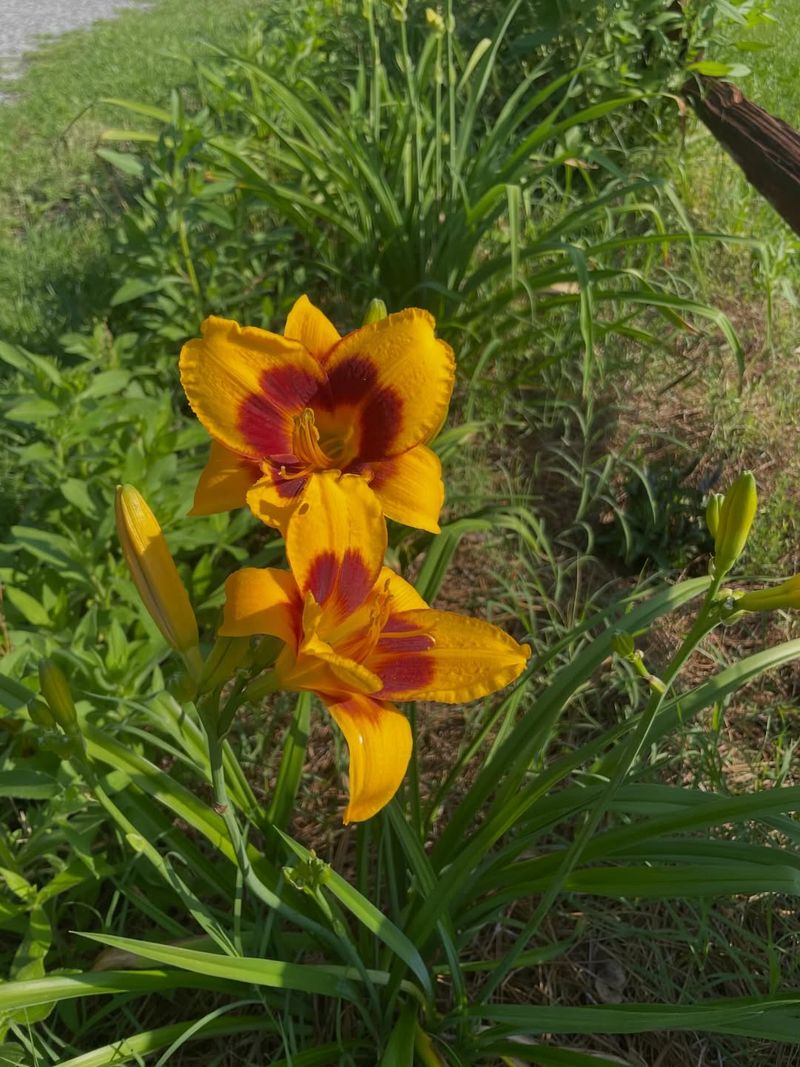
Gardeners who want maximum reward for minimum effort tend to fall hard for daylilies. Each flower only lasts one day, but the plant keeps sending up new buds for weeks at a time.
A single established clump can produce dozens of blooms over the course of a summer.
Daylilies are incredibly adaptable. They grow in almost any soil type and handle both dry spells and occasional wet periods without much drama.
Full sun is ideal, but they also perform reasonably well in partial shade, though flowering may slow down a bit.
Hundreds of named varieties exist, ranging from tiny miniatures to tall, dramatic specimens. Stella de Oro is one of the most popular because it reblooms reliably and stays compact.
Happy Returns is another excellent rebloomer that fits well into mixed borders and container gardens.
Plant daylilies in spring or early fall. Space them about eighteen inches apart to give them room to spread.
They multiply on their own over time and can be divided every three to four years to keep clumps vigorous and blooming well.
Deer tend to leave most daylily varieties alone, which is a real bonus in rural areas. They also work beautifully as a groundcover on slopes because their roots help hold soil in place.
Add a layer of mulch around the base to retain moisture and reduce weeding chores through the long summer months.
5. Russian Sage Blooms Through Midsummer Heat
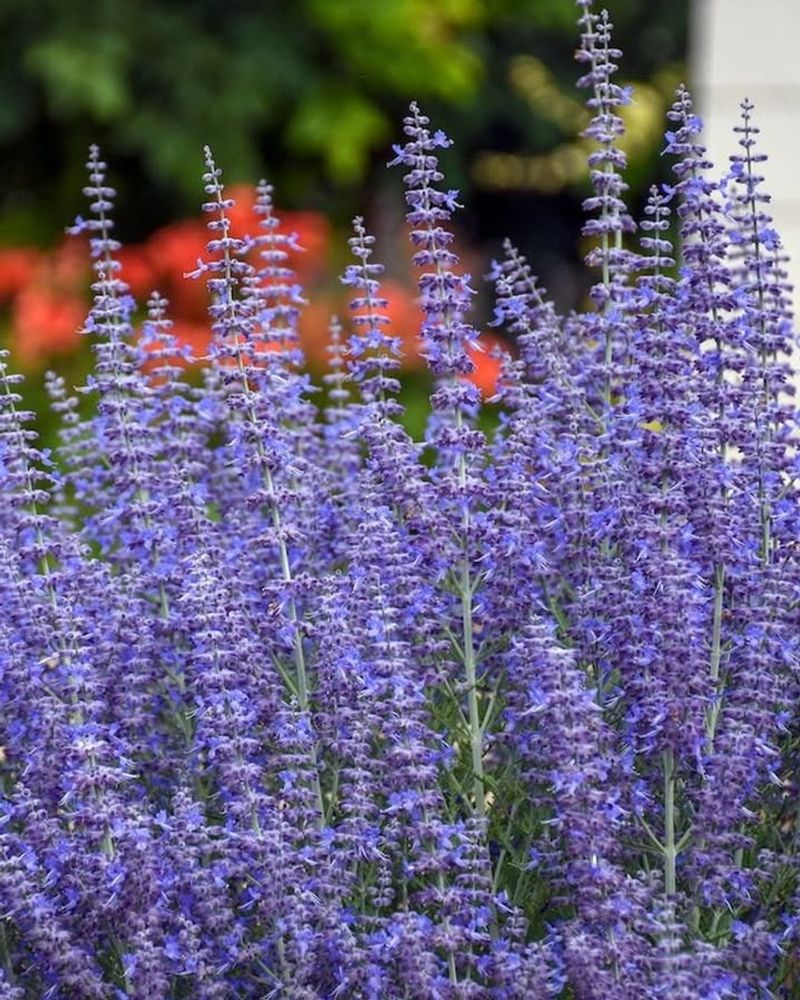
When midsummer heat settles in and other plants start to look tired, Russian sage just gets going.
Its tall, silvery stems topped with tiny purple-blue flowers create a hazy, dreamy effect in the garden that is hard to match.
It is one of those plants that looks even better from a distance.
Russian sage is not actually a true sage, but it is related to the mint family. It loves heat and dry conditions, which makes it perfectly suited to our Oregon’s dry summer season.
Once established, it rarely needs supplemental watering. That is a huge advantage during water restrictions or drought years.
This plant grows best in full sun with fast-draining soil. It dislikes wet feet and will struggle in clay-heavy ground unless you amend the soil with sand or gravel.
Raised beds work well for gardeners who have naturally heavy soil.
Russian sage blooms from late June through September, making it one of the longest-blooming perennials available. Bees and butterflies love it.
The aromatic foliage also deters deer, which is a welcome bonus in areas where deer pressure is high.
Cut plants back hard in early spring before new growth emerges. This keeps them from getting woody and floppy.
Pairing Russian sage with yellow rudbeckia or orange helenium creates a bold, warm color combination that stands up beautifully against the purple-blue haze of the sage stems.
6. Crocosmia Adds Fiery Color To Oregon Beds
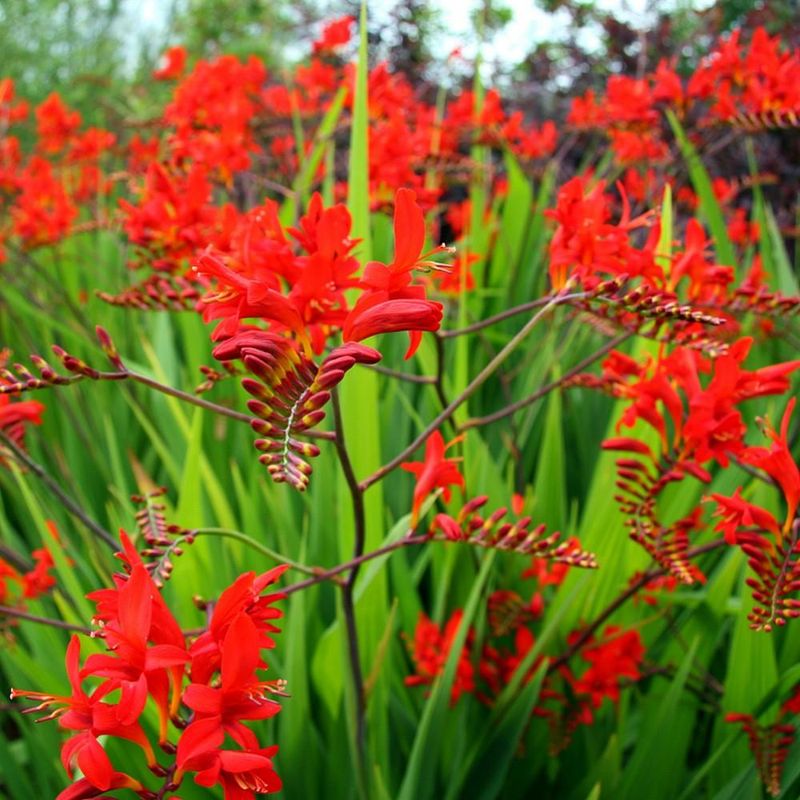
If your summer garden needs a jolt of energy, crocosmia is the answer. Its arching stems carry clusters of fiery orange and red tubular flowers that seem to glow in the summer sun.
Hummingbirds absolutely cannot resist them, and neither can most gardeners who see them in bloom for the first time.
Crocosmia grows from small corms planted in spring. It spreads readily over time, forming bold, grassy clumps of upright foliage.
The sword-like leaves add texture to the garden even before the flowers appear. In mild areas of Oregon, the corms can stay in the ground year-round.
Full sun to partial shade suits crocosmia well. It is more flexible than many summer bloomers when it comes to light conditions.
Average garden soil with decent drainage is all it really asks for. Too much fertilizer encourages leafy growth at the expense of flowers, so go easy on the nitrogen.
Lucifer is the most well-known variety, and for good reason. Its tall stems and brilliant red blooms are dramatic and bold.
Emily McKenzie offers a more compact option with orange flowers that have a reddish throat. Both perform beautifully in mixed borders.
If crocosmia spreads more than you want, simply dig up the clumps in fall and divide them. Share extras with neighbors or compost what you do not need.
Few plants offer this much fiery summer color with so little effort from the gardener.
7. Coneflowers Feed Pollinators Through Summer
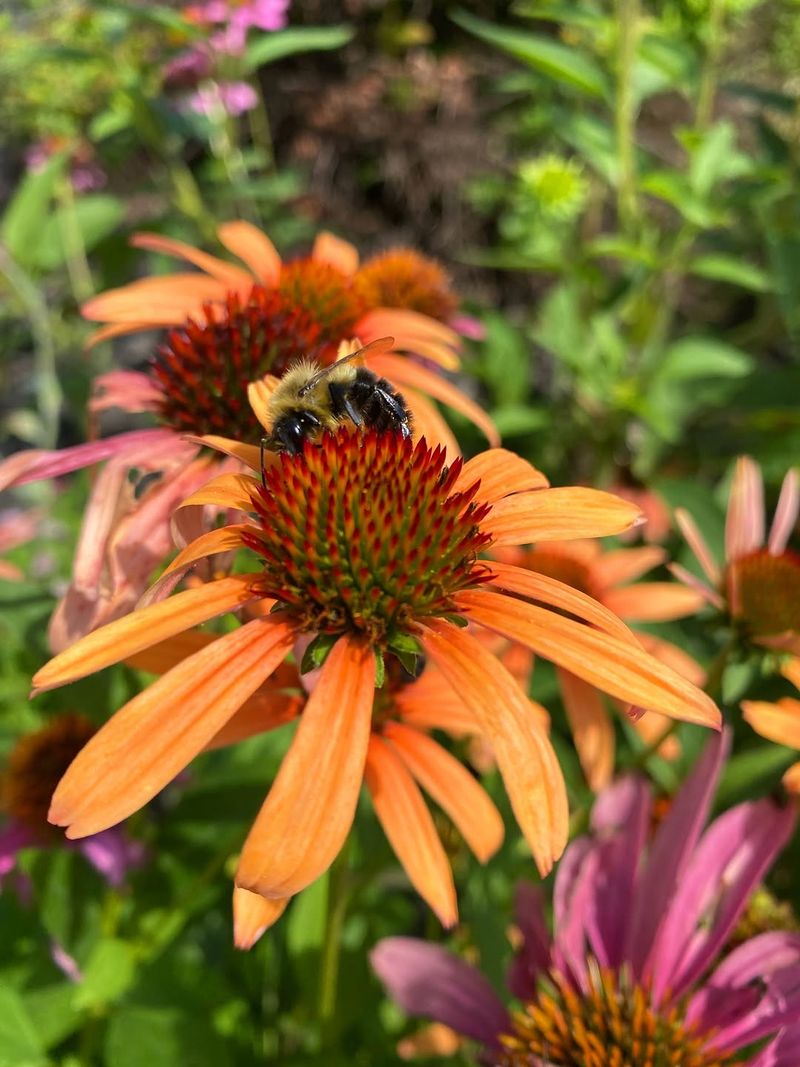
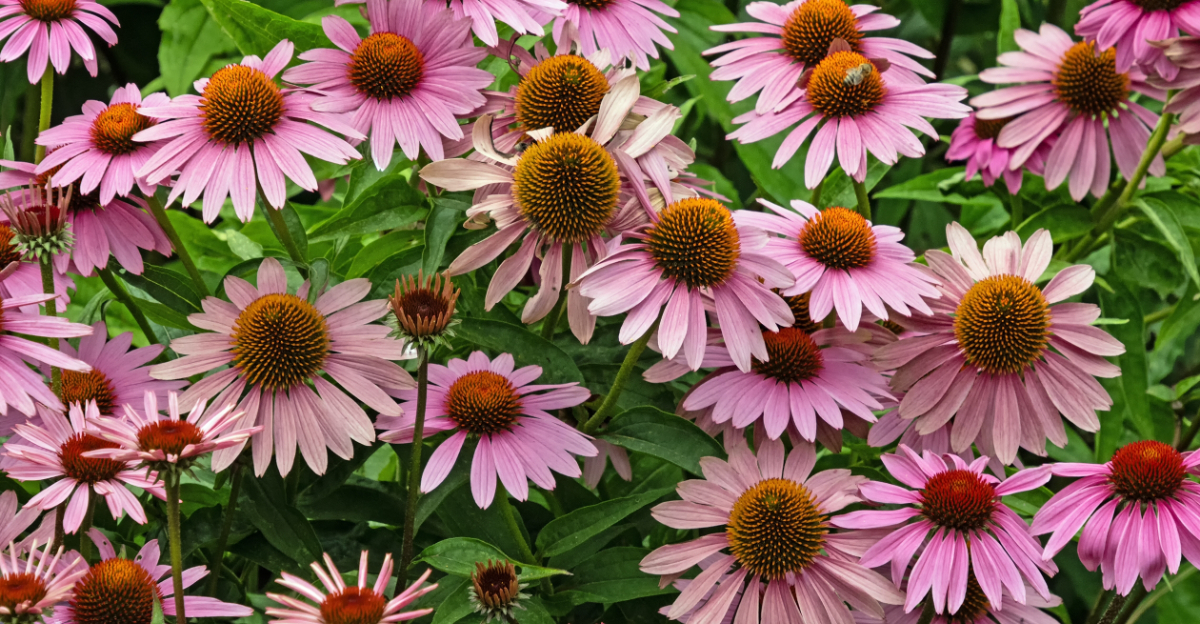
Coneflowers have earned their spot in summer gardens the honest way, by blooming reliably, shrugging off heat, and feeding pollinators from July straight through September.
These tough native perennials are as hardworking as they are pretty, and they ask for very little in return.
Also known as echinacea, coneflowers produce daisy-like blooms with a distinctive raised, spiky center cone. That cone is what butterflies, bees, and goldfinches find irresistible.
Leaving the seed heads standing after blooms fade gives birds a food source well into fall and winter.
Purple coneflower is the classic, but breeders have developed dozens of new varieties in shades of red, orange, white, yellow, and deep magenta. Magnus is a tried-and-true purple variety with extra-large blooms.
PowWow Wild Berry offers a deeper rose-purple color and compact size perfect for smaller beds.
Plant coneflowers in full sun for the strongest performance. They tolerate drought once established, but a deep watering once a week during hot, dry stretches keeps them blooming longer.
Rich soil is not necessary. Average or even slightly poor soil produces sturdy, upright plants that do not flop over.
Dividing clumps every three to four years keeps plants vigorous. Coneflowers also self-seed freely if you let the seed heads stand.
Seedlings may not match the parent plant exactly, but they are often just as lovely. For gardeners across Oregon, coneflowers are simply one of the most dependable summer investments you can make.
8. Zinnias Make Quick Color For Sunny Garden Gaps
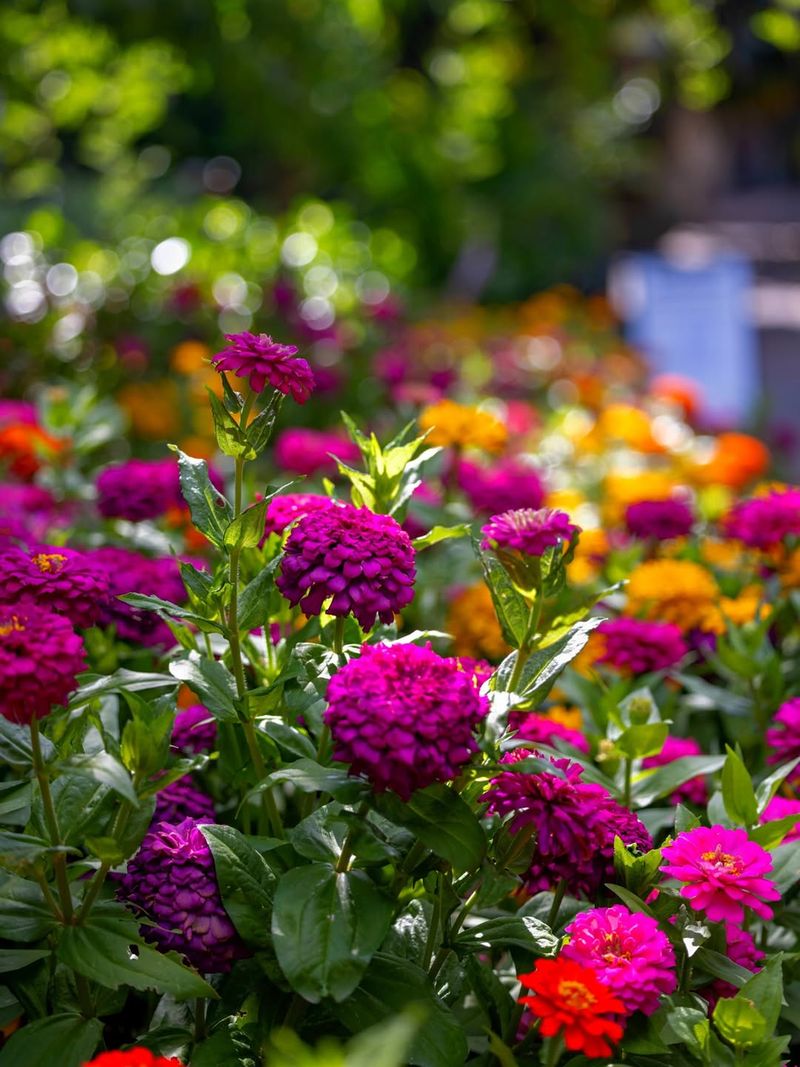
Some plants take their sweet time to get going, but zinnias are not one of them. From seed to bloom in as little as eight weeks, these fast-growing annuals are the gardener’s secret weapon for filling in empty spots with bold, saturated color all summer long.
Zinnias love heat. The hotter the summer gets, the happier they are.
That puts them in a great position in Oregon, where July and August can bring weeks of warm, dry weather. They thrive in full sun and need very little fuss once they are up and growing.
Direct seeding is the easiest approach. Scatter seeds in a sunny bed after all frost danger has passed, then thin seedlings to about six inches apart.
Zinnias do not transplant well because they resent root disturbance. Starting them right where you want them to grow gives the best results.
Deadheading spent flowers encourages continuous blooming. If you let a few blooms go to seed at the end of summer, you may get volunteer seedlings the following year.
The Benary Giant series produces enormous blooms on tall stems great for cutting. Profusion series plants stay compact and bloom nonstop without much deadheading needed.
Powdery mildew can show up on leaves in late summer, especially when nights cool down. Choosing mildew-resistant varieties and watering at the base rather than overhead helps a lot.
Zinnias also draw butterflies in impressive numbers, making them as useful as they are beautiful in any summer garden.
9. Bee Balm Keeps Pollinators Busy In Summer
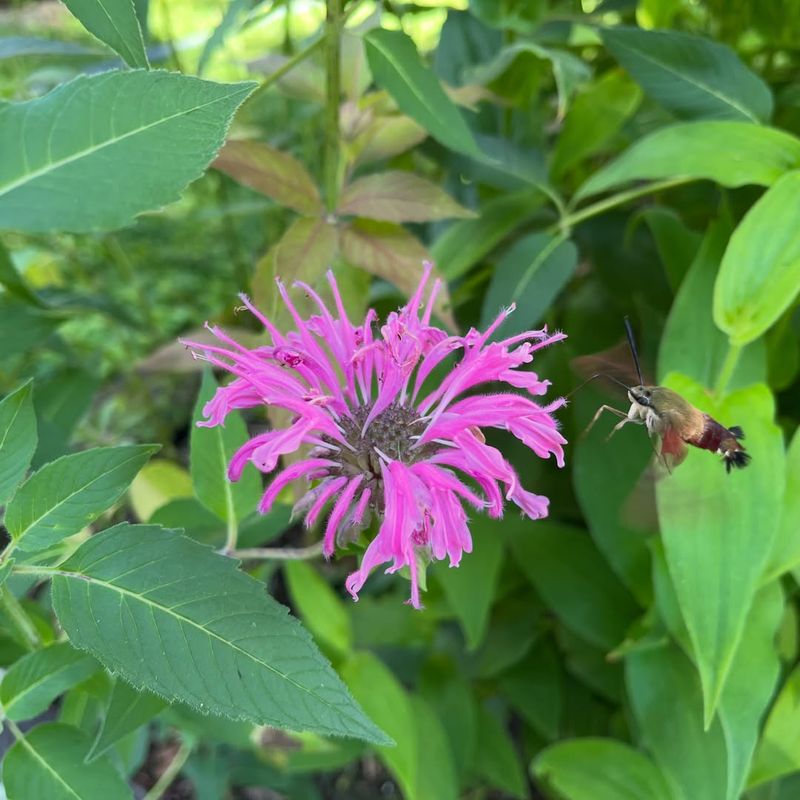
Bee balm is one of those plants that earns its keep in more ways than one. The shaggy, crown-like blooms light up the garden in shades of red, pink, purple, and white.
At the same time, they attract hummingbirds, bumblebees, and butterflies in numbers that will genuinely surprise you.
A native North American wildflower, bee balm has been used for centuries. Native communities brewed the leaves into a tea to treat colds and digestive issues.
The leaves have a spicy, oregano-like scent that makes them useful in cooking and herbal teas today as well. That history adds a layer of meaning to an already beautiful plant.
Bee balm grows best in full sun to partial shade and prefers moist, well-drained soil. It spreads by underground runners, so give it room or plan to divide it every couple of years.
Dividing in spring keeps clumps healthy and vigorous. Powdery mildew is the main challenge with bee balm. It tends to show up in late summer when air circulation is poor.
Choosing mildew-resistant varieties like Jacob Cline, Raspberry Wine, or Fireball makes a big difference. Thinning stems in early summer also improves airflow and reduces the problem significantly.
Bloom time runs from June through August, depending on variety and location. Deadheading extends the season a bit.
Cutting plants back by half after the first bloom flush often triggers a second round of flowers. Few plants match bee balm’s combination of beauty, wildlife value, and herbal usefulness in a summer garden.
10. Black-Eyed Susans Add Golden Color Through Heat
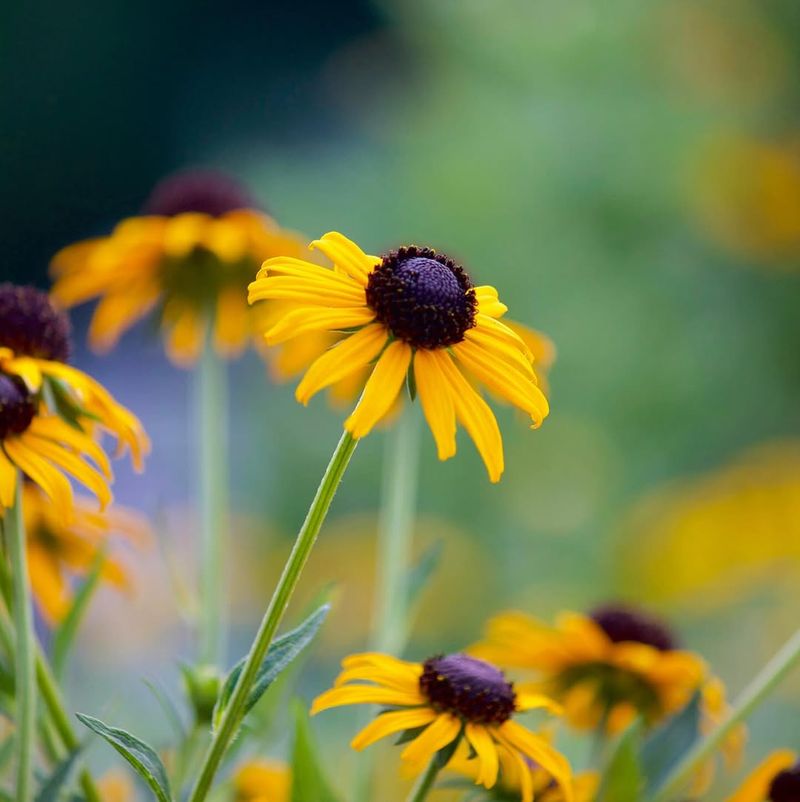
When late summer rolls around and some plants start to look worn out, black-eyed Susans are just hitting their stride.
Their cheerful golden-yellow petals surrounding a dark brown center are as sunny as the season itself.
Few flowers feel more like summer than a big patch of these beauties in full bloom.
Black-eyed Susans are native to North America and incredibly tough. They handle heat, drought, and poor soil without much complaint.
They perform especially well east of the Cascades where summers are hotter and drier. But valley gardeners love them just as much.
These plants grow as short-lived perennials or biennials depending on the variety. Rudbeckia fulgida Goldsturm is one of the most reliable perennial types.
It forms tidy clumps and blooms heavily from July through September. Indian Summer is a taller variety with extra-large blooms that make a dramatic statement in the back of a border.
Plant black-eyed Susans in full sun for the best flowering. They adapt to average soil and do not need heavy fertilizing.
Too much nitrogen produces lush foliage but fewer flowers. A light feeding in spring is usually enough to keep plants thriving all season long.
Leaving seed heads standing after blooms fade gives goldfinches a late-season feast. The seed heads also add winter interest to the garden when most other plants have faded.
Self-seeding is common, so you may find cheerful new plants popping up in unexpected spots the following spring, which is never really a bad thing.