7 Pennsylvania Shrubs That Actually Prefer Being Planted In Fall
Many Pennsylvania homeowners do their shrub planting in spring. It feels like the natural time.
Nurseries are stocked. The impulse to garden after a long winter is hard to resist. But for certain shrubs, fall is not just an acceptable planting time. It’s actually the better one. Fall planting works with the biology of these shrubs rather than against it.
Cooler temperatures reduce transplant stress. The soil still holds warmth from summer, encouraging root development without the demands of supporting new top growth at the same time.
And the weeks before hard frost give roots a real head start. These shrubs arrive in spring already settled and ready to grow rather than spending half the season recovering from being moved.
Here are the Pennsylvania shrubs that genuinely prefer fall planting and why putting them in the ground now produces better long term results than waiting until spring.
1. Hydrangea
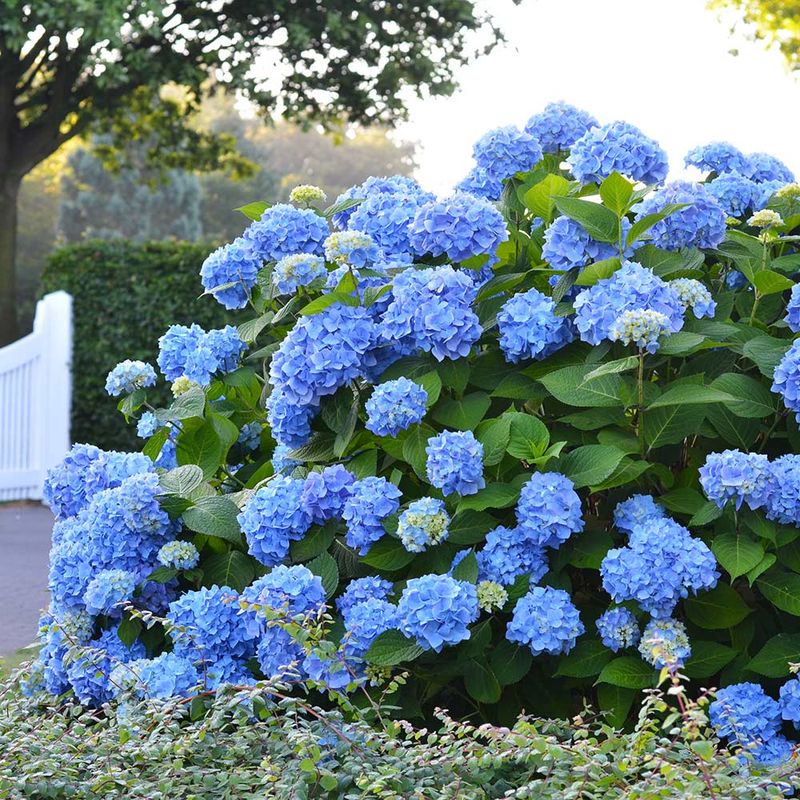
Few shrubs put on a show quite like the hydrangea, with its giant clusters of blue, pink, or white blooms. Fall planting lets this beauty settle its roots before winter, which means bigger flowers when summer rolls around.
The cooler weather is a huge help for hydrangeas. Summer heat can stress fresh transplants, but autumn soil stays warm and moist. That combo lets roots spread out slowly and comfortably.
Pennsylvania gardeners love how forgiving these plants are. Pick a spot with morning sun and afternoon shade, since too much hot light can wilt the leaves. Dig a hole twice as wide as the root ball and mix in some compost.
Here is a fun trick many folks enjoy. The color of certain hydrangeas changes based on your soil.
Acidic soil turns them blue, while sweeter soil makes them pink. You can actually tweak the shade over time.
Water your new hydrangea well after planting, then add a layer of mulch to hold moisture. The mulch also protects roots when frost arrives. You will not need to fuss much after that.
Come spring, avoid heavy pruning until you learn which type you have. Some bloom on old growth and some on new. Cutting at the wrong time means fewer flowers.
Once established, hydrangeas reward you for years with barely any effort. They fit nicely along fences, near porches, or in mixed garden beds.
For a plant that gives so much, giving it a fall start is one of the smartest moves a gardener can make.
2. Viburnum
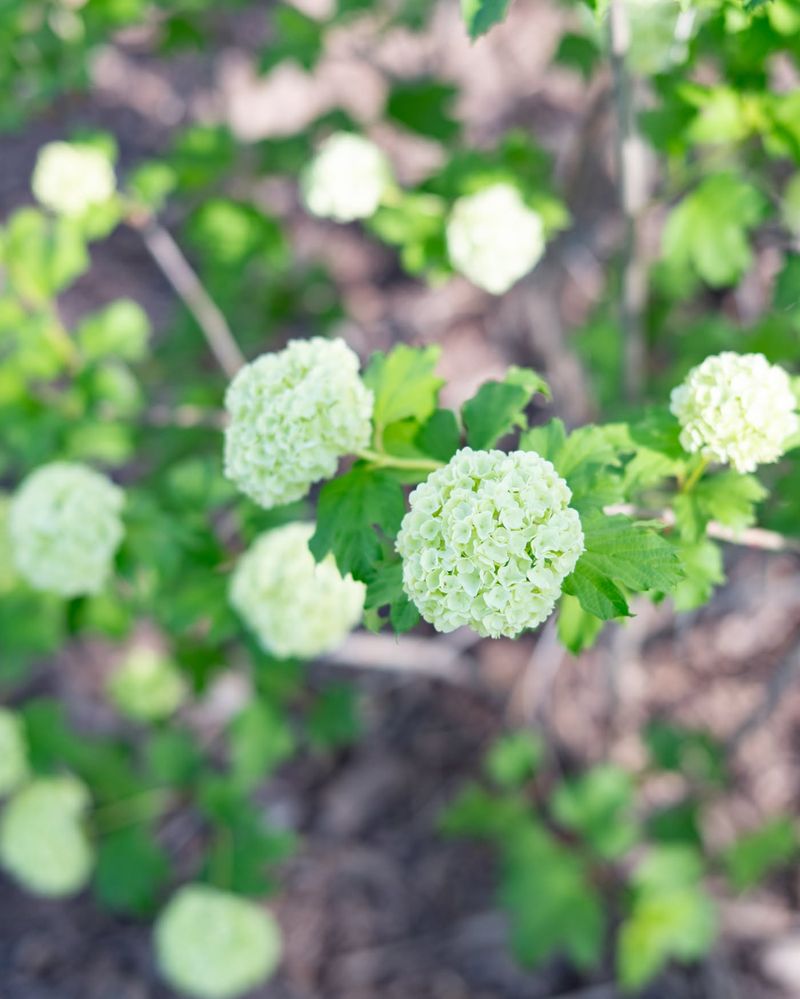
Viburnum is the kind of shrub that quietly does everything right. It offers fragrant spring flowers, colorful fall leaves, and berries that birds absolutely love.
Getting one in the ground during autumn sets it up for success. The roots have time to grip the soil while temperatures cool, so the plant faces spring feeling strong and ready.
These shrubs handle Pennsylvania winters like champs. Many types are tough and adaptable, growing well in sun or part shade. That flexibility makes them a favorite for busy gardeners.
When planting, choose a spot with decent drainage. Viburnums do not like soggy feet, so avoid low areas where water pools. Loosen the soil and give the roots room to stretch.
Your Pennsylvania Garden Changes Every Week. Your Plan Should Too.
Gardening in Pennsylvania changes quickly throughout the season. Every Friday you’ll receive a simple weekly plan showing exactly what to plant, prune, fertilize, harvest, and protect so you never miss the right timing.
One thing that surprises people is how much wildlife a single viburnum attracts. Bees visit the blooms, and songbirds feast on the bright berries later in the year. Your yard becomes a busy little habitat.
Watering is important during the first few weeks, even as the weather cools. Keep the soil damp but not drenched. After that, most established viburnums shrug off dry spells.
There are dozens of varieties, from compact bushes to tall screening plants. If you want privacy, plant a row and let them fill in over a couple seasons.
A light layer of mulch will guard the roots through cold months. Come spring, you may notice new growth appearing early.
That energy comes straight from the strong autumn start. Viburnum truly earns its place as one of the most rewarding shrubs you can plant when the leaves begin to turn.
3. Lilac
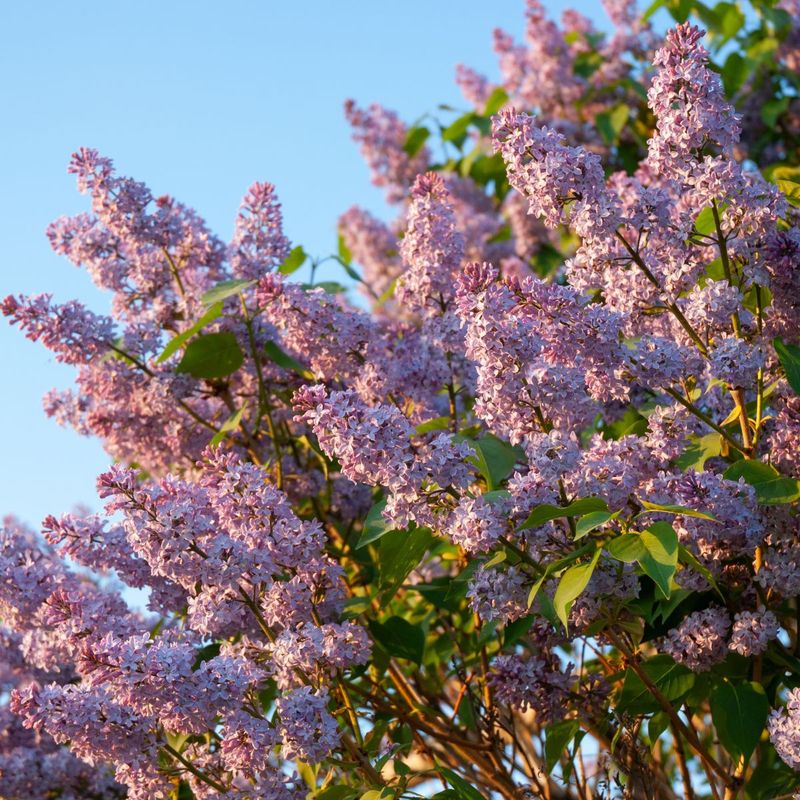
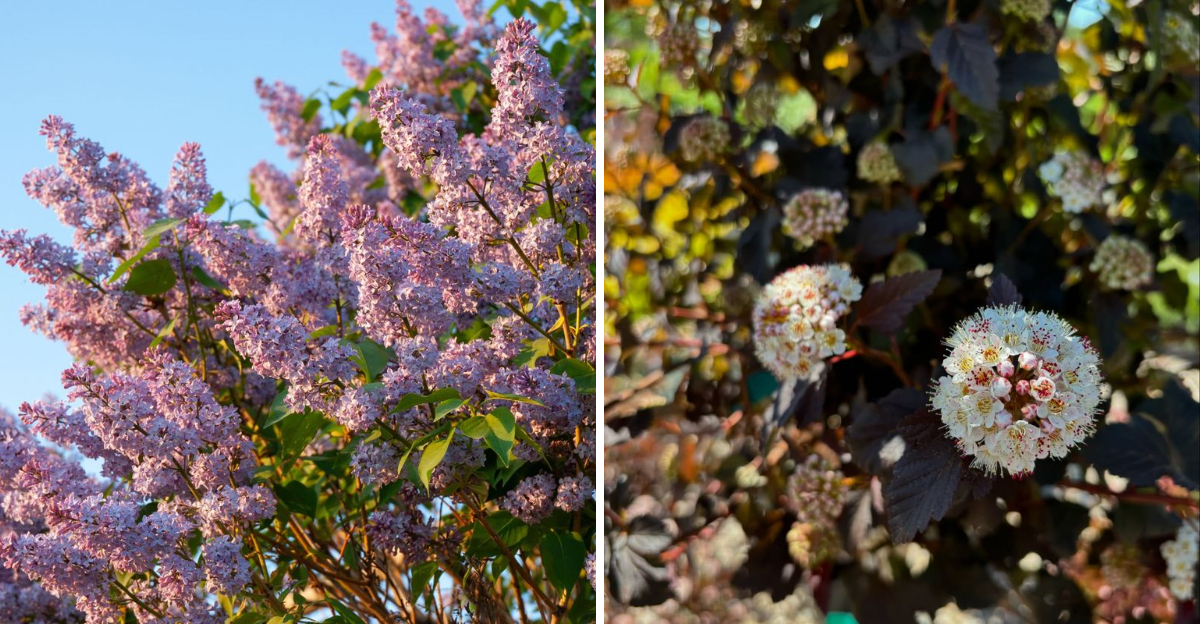
Grandmothers everywhere seem to have a lilac by the door, and for good reason. The sweet purple blooms fill the air with a scent that instantly feels like home.
Autumn is a wonderful time to plant one. Lilacs need a cold season to bloom their best, and getting settled in fall means the roots are ready when winter chills arrive.
These shrubs crave sunshine. Give a lilac at least six hours of direct light each day, or you may end up with lots of leaves and few flowers. A sunny corner is perfect.
Good drainage matters too. Lilacs dislike wet roots, so pick a higher spot or add compost to loosen heavy clay. A slightly sweet soil keeps them happiest.
Here is a neat bit of history. Lilacs have grown in American gardens since colonial times, and even some of the founding fathers planted them. Yours joins a long tradition.
After planting, water deeply and add mulch around the base. Keep the mulch a few inches away from the stem so it does not stay too damp against the wood.
Patience pays off with lilacs. Young plants may take a year or two before flowering heavily. Once they hit their stride, though, the blooms just keep coming each May.
To keep them full and healthy, prune right after flowering ends. Snip off spent blooms and thin crowded branches. That encourages fresh growth for next season.
Plant a lilac this fall and you gift your future self springtime perfume that drifts across the whole yard. Few shrubs deliver such a happy welcome.
4. Forsythia
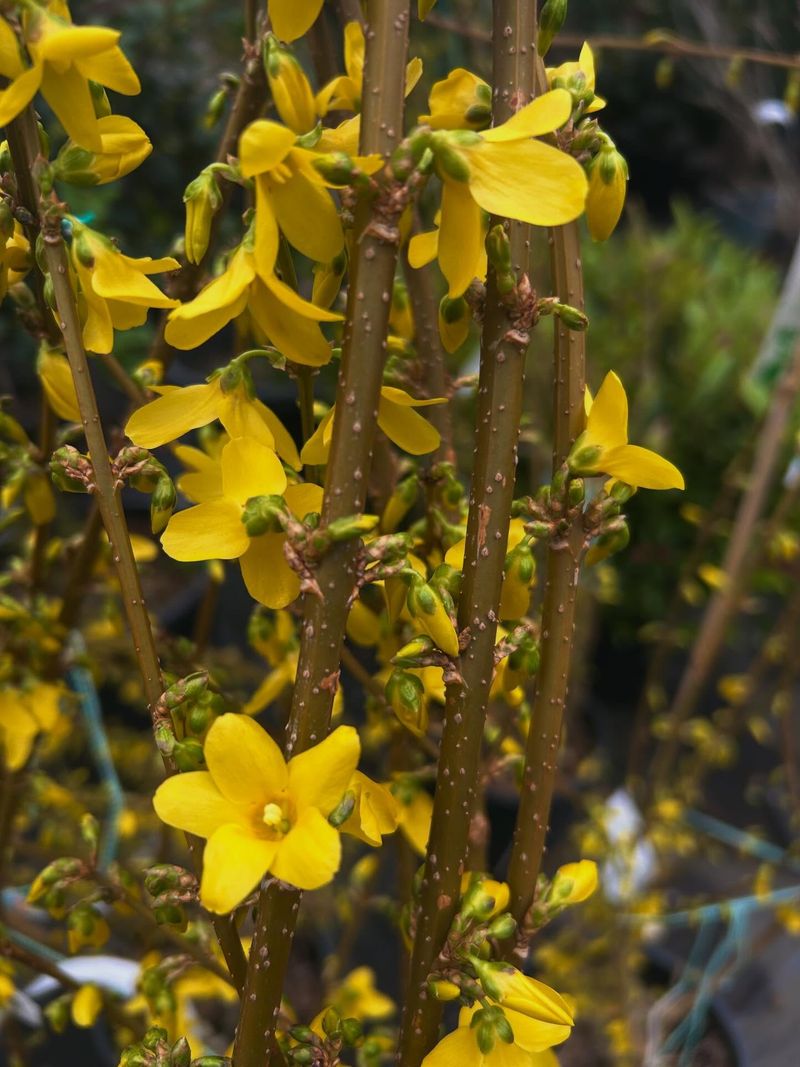
Nothing shouts that spring has arrived quite like forsythia. Its bright yellow branches burst into color before most other plants even wake up.
Fall planting gives forsythia a strong foundation. The roots dig in during the cool months, so the shrub can explode with blooms the moment warm days return.
This plant is famously easy to grow. It tolerates poor soil, handles cold winters, and rarely gets bothered by pests. Even beginner gardeners find success with it.
Pick a sunny spot for the brightest display. Forsythia will grow in part shade, but the flowers come thicker and bolder in full sun. Give it space to spread its arching branches.
When you plant, dig a wide hole and set the roots at the same depth they were in the pot. Backfill with soil, water well, and add mulch to lock in moisture.
A cool trick with forsythia is forcing branches indoors. Late in winter, cut a few stems and place them in water. Within days, cheerful yellow blooms open in your kitchen.
These shrubs grow fast, so give them room. Planted as a hedge, they create a golden wall each spring. Left alone, a single plant becomes a fountain of color.
Pruning should happen right after the flowers fade. That way you avoid cutting off next year’s buds. A light trim keeps the shape tidy and full.
Once established, forsythia asks for almost nothing. Occasional watering during dry spells is plenty.
Plant one this autumn, and you will have front-row seats to one of the earliest and happiest signs that winter is finally over.
5. Ninebark
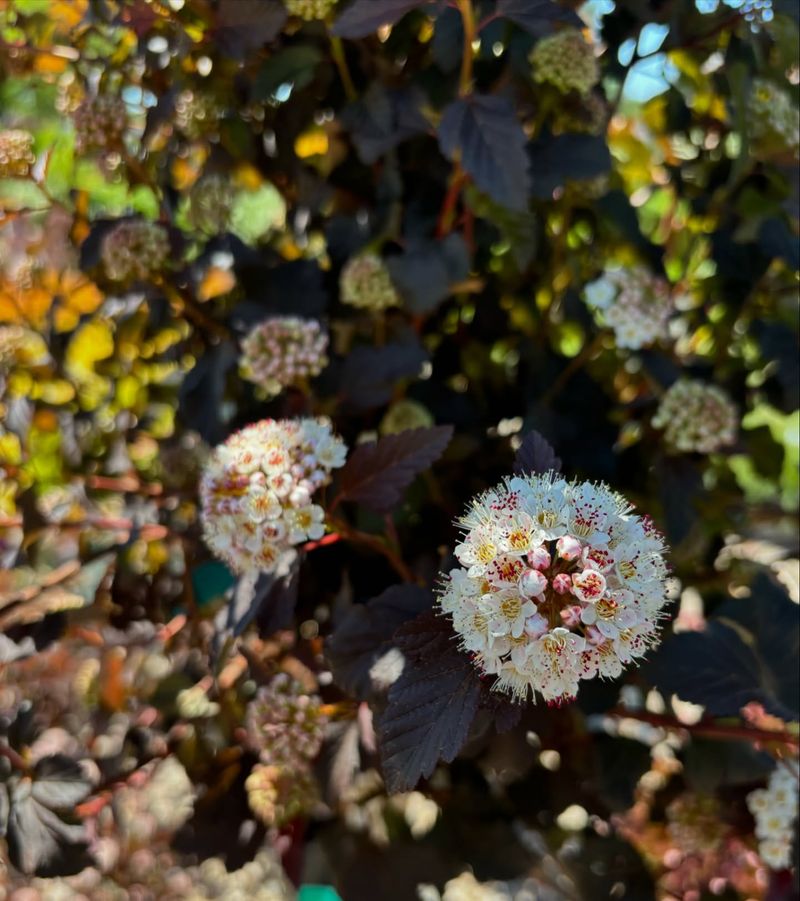
Ninebark might have a funny name, but this native shrub is a true workhorse. Its peeling bark and colorful leaves add interest all year long.
Autumn planting suits it perfectly. Being a Pennsylvania native, ninebark already loves the local climate, and cool weather helps its roots settle in without stress.
The leaves come in shades of green, gold, and deep wine red depending on the variety. That rich color makes it a standout against plainer greenery in your yard.
Toughness is where ninebark really shines. It handles clay soil, dry spells, and cold winters without complaint. Once planted, it mostly takes care of itself.
Choose a sunny or lightly shaded spot with room to grow. Dig a generous hole, loosen the roots, and set the shrub level with the ground. Water it in and mulch around the base.
The name comes from the bark, which peels away in thin layers. Old stories claimed you could peel it nine times, hence ninebark. It adds neat texture in winter when leaves are gone.
In late spring, small clusters of white or pink flowers appear. Bees and butterflies stop by often, making this shrub a friend to pollinators and a lively addition to any garden.
Birds enjoy the seed heads that follow the blooms. Leaving them through winter feeds wildlife and gives the plant a natural, wild look.
Pruning is simple. Cut a few older stems near the base each year to keep growth fresh and open.
Plant ninebark this fall for a rugged, good-looking shrub that rewards you with beauty in every single season.
6. Spirea
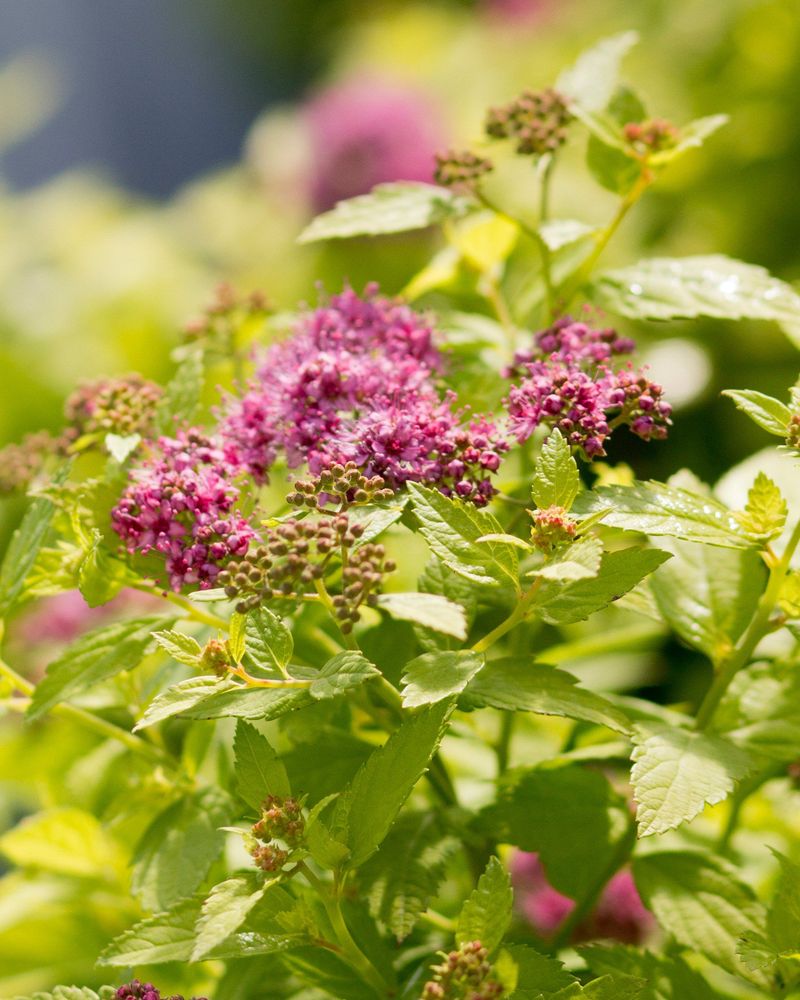
Spirea is the little shrub that keeps on giving. Compact and cheerful, it fills gardens with clouds of pink or white blooms that seem to last forever.
Planting in fall lets spirea build strong roots before spring. That early start means more flowers and healthier growth once the growing season begins.
Pennsylvania gardeners adore how low-maintenance this plant is. It shrugs off heat, cold, and less-than-perfect soil. If you want big results without lots of work, spirea delivers.
Most types stay small and rounded, making them great for borders and foundations. You can tuck them almost anywhere and they fit right in without crowding neighbors.
Full sun brings out the best color, both in the flowers and the leaves. Some varieties even show golden or orange foliage that glows in the sunshine.
When planting, space them a couple feet apart if you want a tidy row. Loosen the soil, add compost, and water well. A layer of mulch keeps roots cozy through winter.
Some summer-blooming spireas can produce another flush of flowers after being trimmed, while spring-blooming types generally do not.
Butterflies flock to the tiny blossoms, turning your garden into a fluttering show. It is a simple way to invite more life into your yard.
Care stays easy after planting. Give it water during dry stretches the first year, and prune lightly in early spring to keep it neat.
Drop a few spireas into the ground this autumn, and next summer you will enjoy a bright, bushy display that asks for almost nothing in return.
7. Winterberry Holly
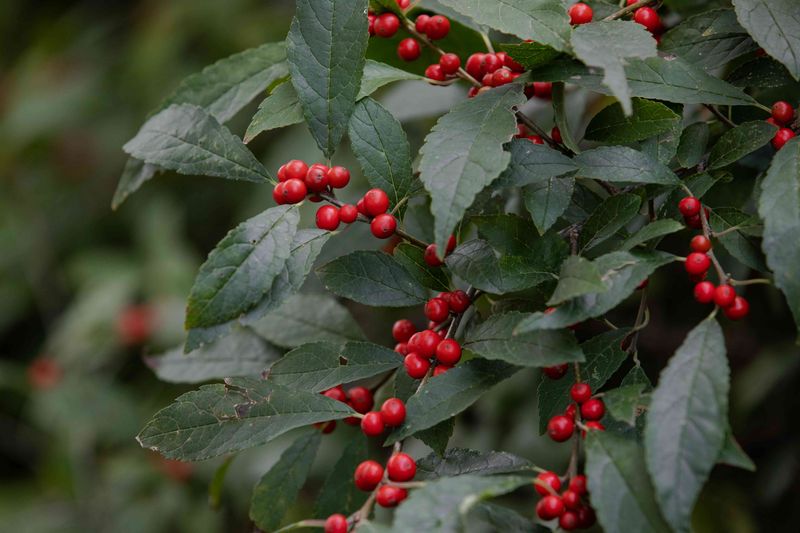
Picture a bare winter yard suddenly lit up with hundreds of glowing red berries. That magic belongs to winterberry holly, a native shrub built for the cold.
Fall is the ideal time to plant it. The roots take hold during the cool season, preparing the shrub to thrive through Pennsylvania’s frosty months and beyond.
Unlike most hollies, winterberry drops its leaves in autumn. What is left behind are branches packed with brilliant berries that pop against snow and gray skies.
Birds treasure these berries when food is scarce. Robins, cardinals, and cedar waxwings all stop by for a meal, turning your yard into a winter diner for wildlife.
Here is something important to know. You need both a male and a female plant to get berries. Only the female produces fruit, but she needs a male nearby to pollinate her.
These shrubs love moist soil and can even handle damp, low spots where other plants struggle. Plant them in full sun or part shade for the heaviest berry crop.
Dig a wide hole, set the roots level with the ground, and water thoroughly. A generous layer of mulch helps keep the soil moist, which winterberry truly appreciates.
Once established, this shrub asks for very little. It rarely needs pruning and shakes off cold weather without a worry.
The berries can also be clipped for holiday decorations. A few bright branches in a vase bring festive cheer indoors.
Plant winterberry holly this fall, and you will transform the dullest season into a colorful spectacle while feeding the birds. It is proof that gardens can dazzle even in the depths of winter.