Why Michigan Gardeners Are Removing Their Siberian Iris And What They’re Growing Instead
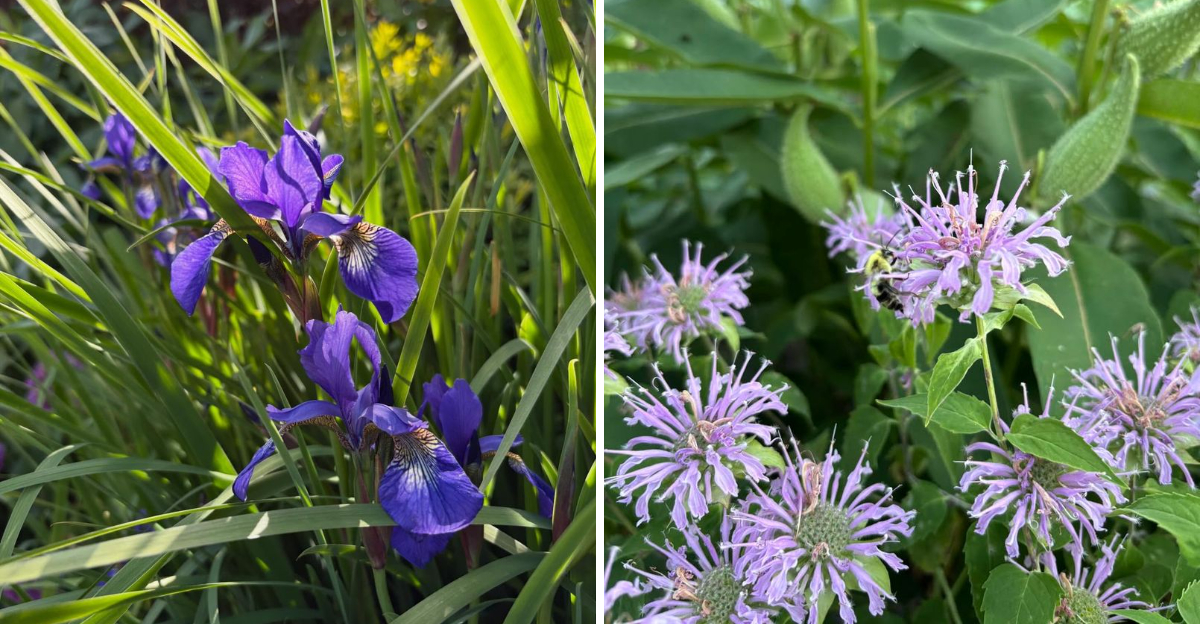
Siberian iris spent years as a reliable favorite in perennial beds, and the appreciation was earned. Those elegant blooms in late spring, the upright strappy foliage that holds its shape through summer, the general toughness in Michigan’s climate.
It used to be a great choice. However, gardeners now judge plants differently, focusing more on wildlife value, pollinator support, and ecological benefits.
By these new standards, the Siberian iris falls short because it mostly just looks pretty without truly contributing to the local ecosystem. Gardeners who’ve pulled their Siberian iris aren’t replacing it with something inferior.
The natives going in those same spots are proving more interesting across a longer season, and several of them bring the same structural quality that made Siberian iris appealing in the first place without the ecological blank space it leaves behind.
1. Siberian Iris Declines In Wet Clay Soils
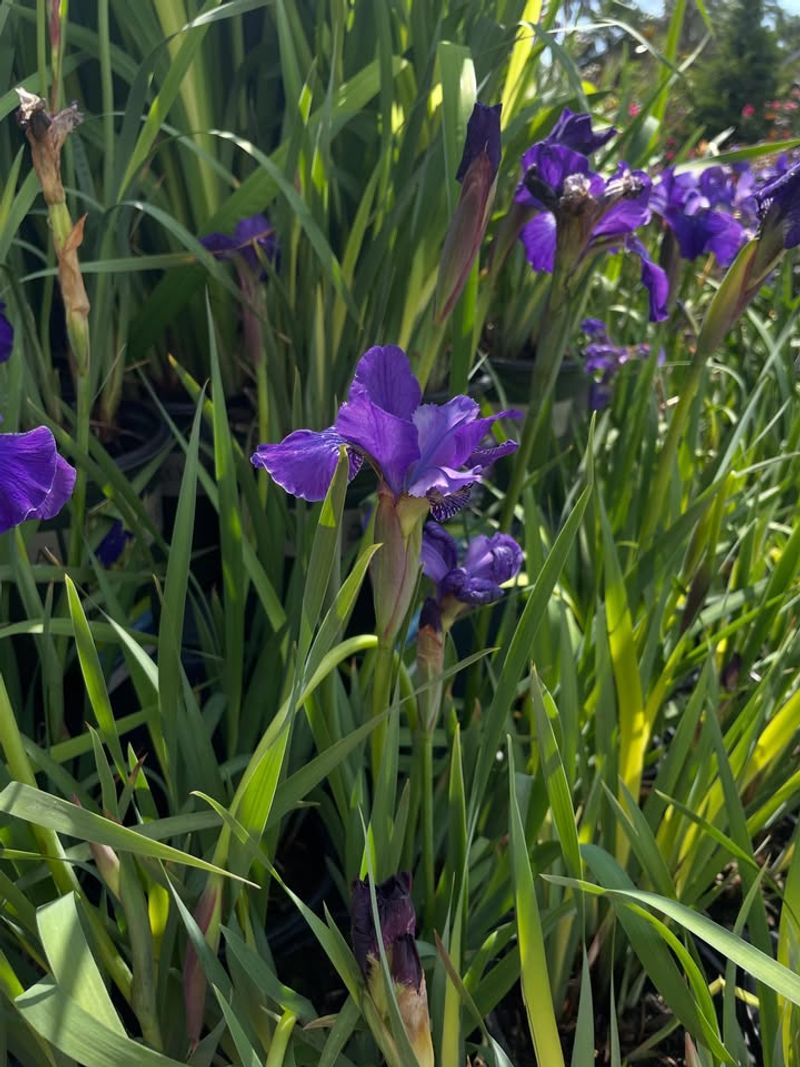
Michigan’s clay-heavy soils are notoriously slow to drain, and Siberian Iris simply wasn’t built for that kind of environment.
While it can handle moist conditions better than many irises, sitting in waterlogged soil for extended periods causes serious problems.
Roots start to suffocate, stems weaken, and the plant becomes far more vulnerable to fungal infections that spread quickly in humid conditions.
Gardeners across the state notice fewer blooms and thinner foliage when their Siberian Iris spends too much time in soggy ground. The plant puts so much energy into surviving wet roots that it has little left for flowering.
Over time, even a well-established clump can start to look sparse and tired.
Improving drainage with raised beds or adding compost can help, but those fixes take real effort and ongoing attention. Most homeowners simply don’t have the time for that level of soil management.
Native plants naturally adapted to local soil conditions offer a much smarter path forward. Switching to perennials that embrace clay soils rather than fight them saves time, money, and a whole lot of frustration in the long run.
2. Poor Summer Bloom Reliability
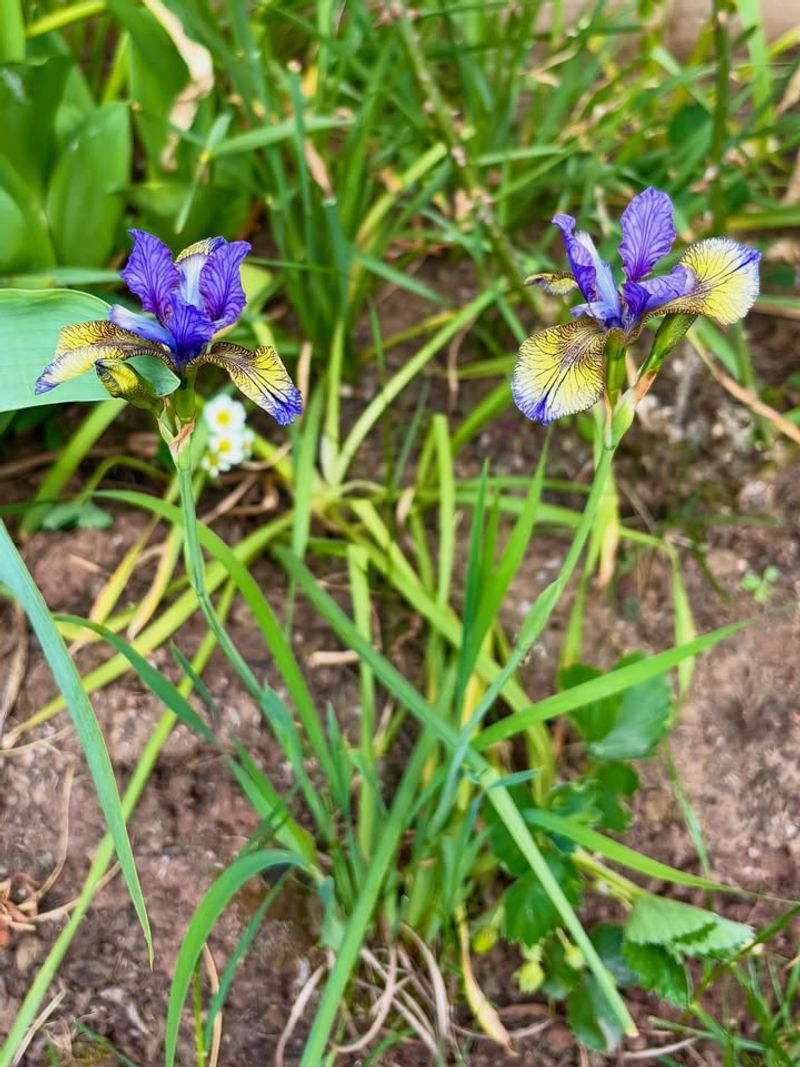
One of the biggest complaints Michigan gardeners share about Siberian Iris is how quickly the blooms come and go.
The flowering window typically lasts just two to three weeks in late spring or early summer, leaving a large section of the garden looking dull and green for the rest of the season.
When you’re investing space and care into a plant, that’s a pretty short payoff.
Hot, humid summers can make things even harder on the plant. Heat stress reduces bloom quality and sometimes causes the plant to skip flowering altogether in particularly brutal years.
Gardeners who were counting on a colorful summer display often end up disappointed when the iris underperforms right when outdoor entertaining season is in full swing.
Native perennials that bloom from midsummer through fall fill that gap beautifully without requiring extra babysitting. Plants like coneflowers and Black-Eyed Susans keep producing color week after week, even when temperatures climb.
Swapping out an unreliable bloomer for something that delivers consistent visual interest throughout the growing season just makes practical sense.
Your Michigan Garden Changes Every Week. Your Plan Should Too.
Gardening in Michigan changes quickly throughout the season. Every Friday you’ll receive a simple weekly plan showing exactly what to plant, prune, fertilize, harvest, and protect so you never miss the right timing.
Michigan summers are short enough without spending them staring at a bed full of green leaves waiting for flowers that may never come.
3. High Maintenance For Pest And Disease Control
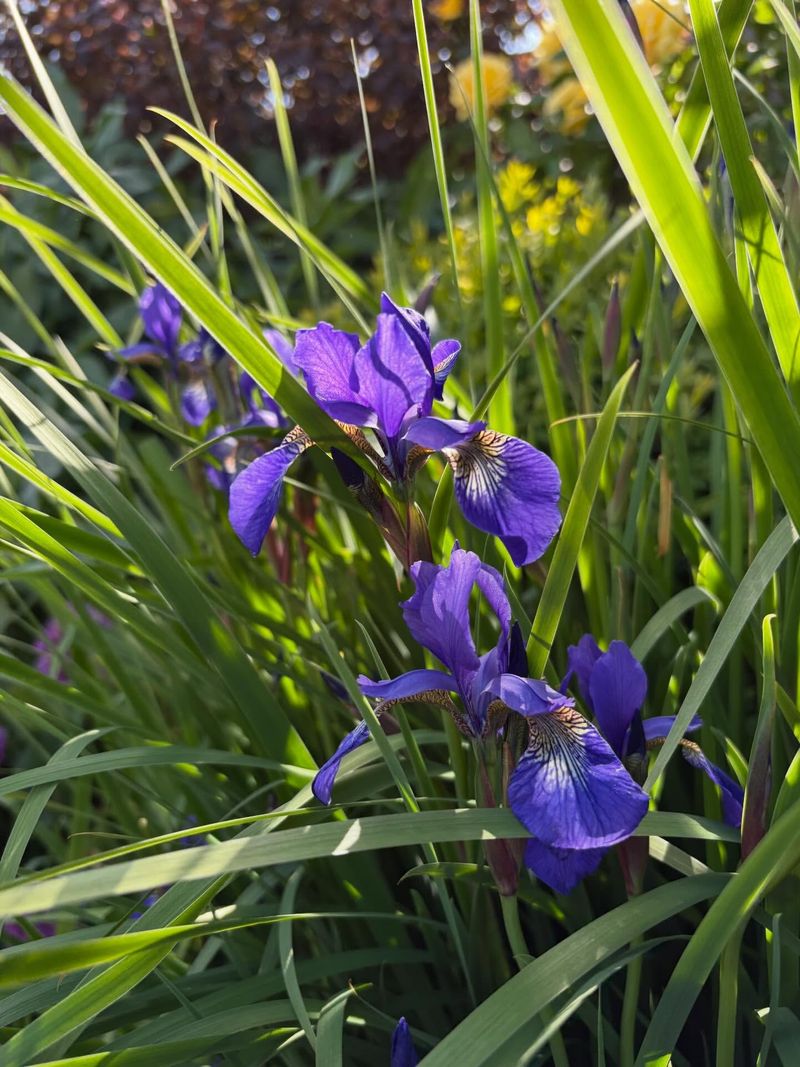
Iris borers are one of the most frustrating problems any iris grower can face, and Michigan gardens are no exception. These small but destructive caterpillars tunnel directly into the rhizomes, hollowing them out from the inside.
By the time you notice the damage, significant harm has already been done, and the plant may struggle to bounce back even with treatment.
Fungal leaf spot is another common headache, especially in years with lots of rain and humidity. The disease shows up as brown or yellow spots on the foliage, spreading rapidly if not caught early.
Keeping it under control means regular monitoring, removing affected leaves, and sometimes applying fungicides on a consistent schedule throughout the growing season.
All of that adds up to a surprisingly time-consuming maintenance routine for a single plant. Many gardeners find themselves spending more time managing problems than actually enjoying their garden.
Native perennials, by contrast, have built-in resistance to many local pests and diseases because they evolved right alongside them.
Choosing plants that work with Michigan’s ecosystem rather than against it means less spraying, less worrying, and more time spent relaxing in the yard you worked so hard to create.
4. Eastern Coneflower Is A Great Alternative
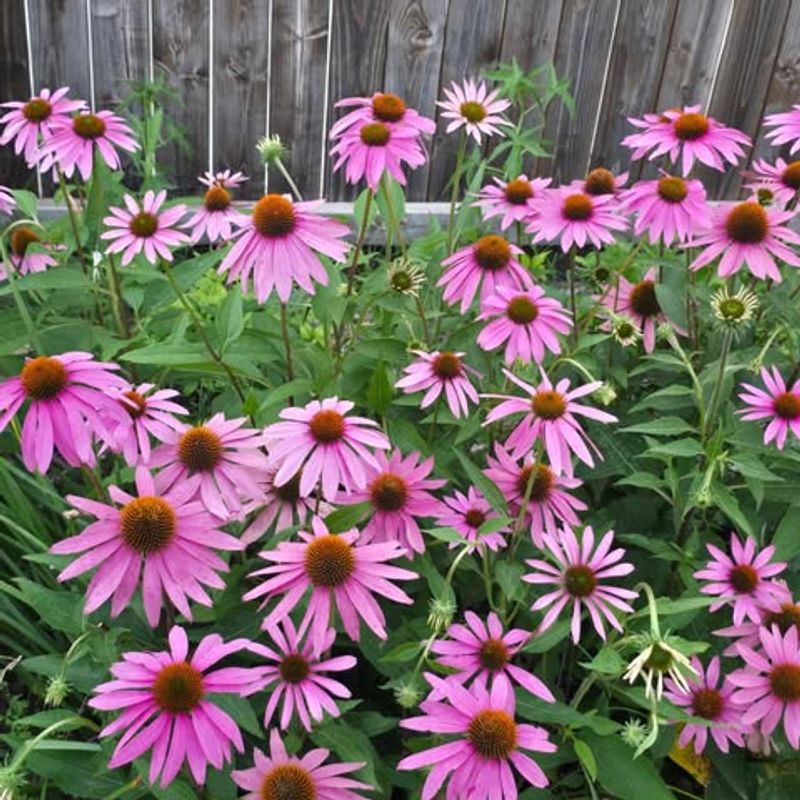
Eastern Coneflower, known botanically as Rudbeckia fulgida, is one of those plants that makes every Michigan gardener look like a pro without much effort at all.
Native to the eastern United States, it thrives in the same clay-heavy, sometimes waterlogged soils that challenge Siberian Iris.
Once established, it spreads gradually on its own, filling in bare spots and crowding out weeds naturally.
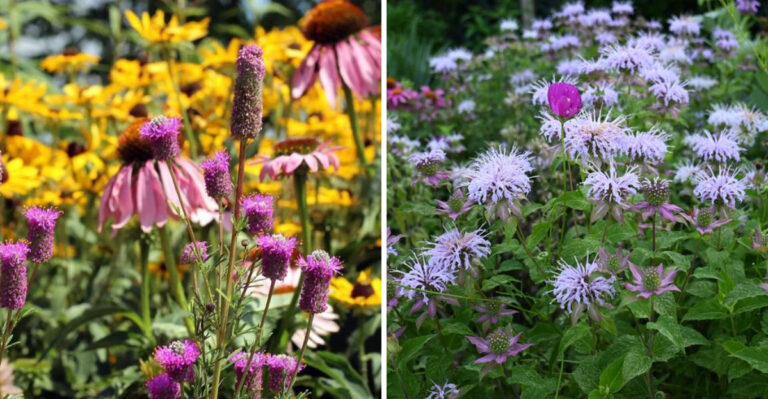
The blooms are cheerful, golden yellow with rich brown centers, and they show up reliably from midsummer all the way into fall. That means your garden stays colorful during the hottest, driest months when many other plants are struggling.
Birds love the seed heads too, so leaving them standing through winter adds wildlife value and visual texture to an otherwise bare garden.
Eastern Coneflower asks for very little in return for all it gives. Occasional watering during the first season helps it get established, but after that, rainfall alone usually keeps it happy.
No special fertilizers, no pest sprays, no complicated soil prep required. It grows in full sun to partial shade, tolerates poor soil conditions, and rebounds beautifully year after year.
For gardeners looking to replace high-maintenance plants with something truly reliable, Eastern Coneflower is a natural first choice that delivers season after season without complaint.
5. Another Great Choice Is Wild Bergamot
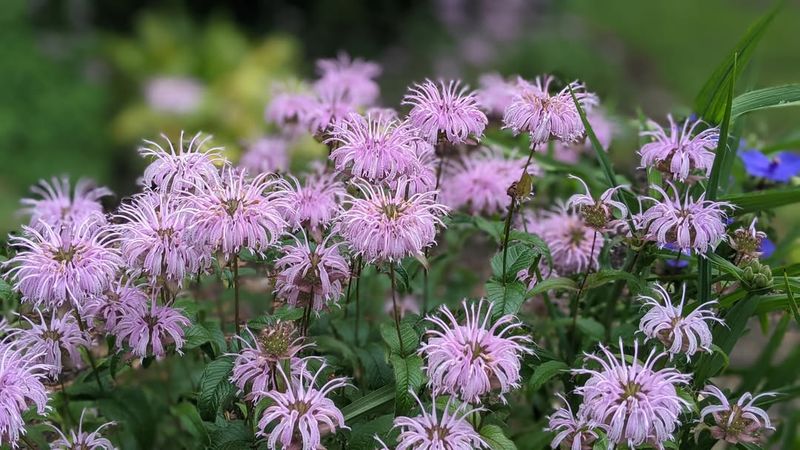
Wild Bergamot has a kind of quiet confidence that makes it stand out in any Michigan garden.
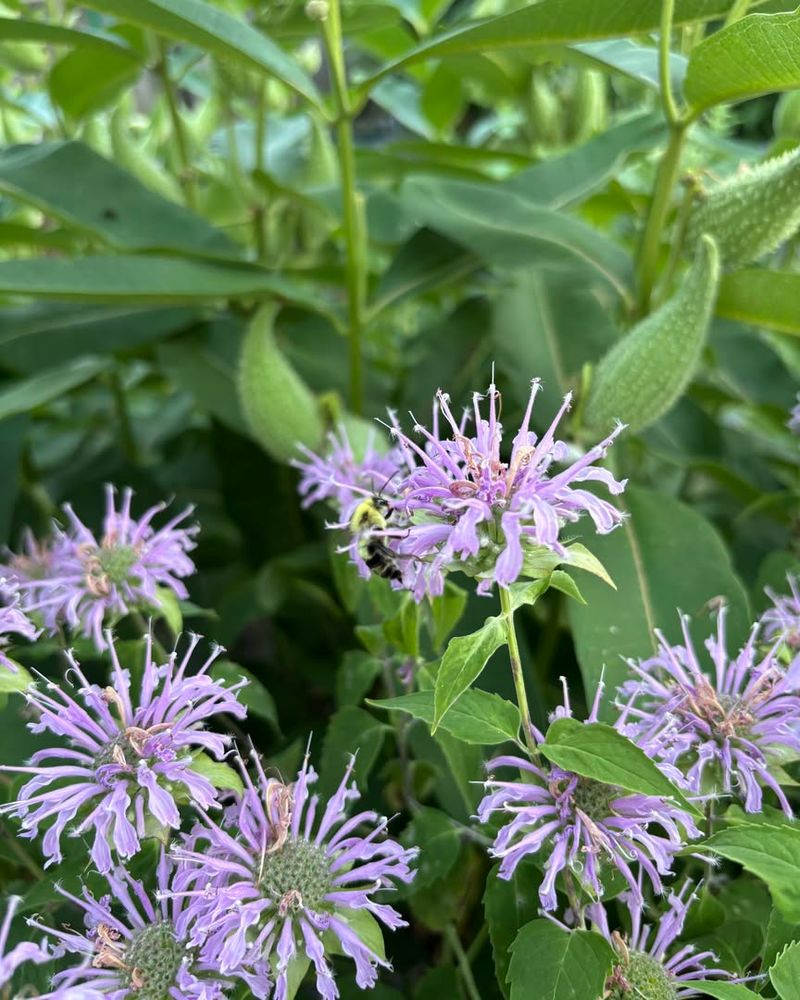
Its soft lavender-pink flower clusters bloom from midsummer onward, bringing a relaxed, meadow-like charm that feels completely at home in a naturalized planting or a more traditional border.
Beyond its looks, this native perennial is a magnet for pollinators, drawing in bees, butterflies, and hummingbirds with impressive consistency. Drought tolerance is one of Wild Bergamot’s most valuable traits for gardeners.
Once established, it handles dry spells without flinching, which is a huge advantage during the unpredictable stretches of summer heat the state regularly experiences.
Unlike Siberian Iris, which can wilt and sulk under stress, Wild Bergamot just keeps going, producing fresh blooms even when rainfall is scarce. Disease resistance is another area where this plant outperforms many alternatives.
While some Monarda varieties are prone to powdery mildew, Monarda fistulosa specifically has much stronger natural resistance, making it a smarter pick for humid Michigan summers.
Plant it in full sun with decent air circulation and it rewards you with minimal fuss season after season.
Gardeners who make the switch from Siberian Iris to Wild Bergamot often say they wish they had done it years earlier, and it is easy to understand why once you see it thriving.
6. Black-Eyed Susan Is A Common Alternative To Siberian Iris
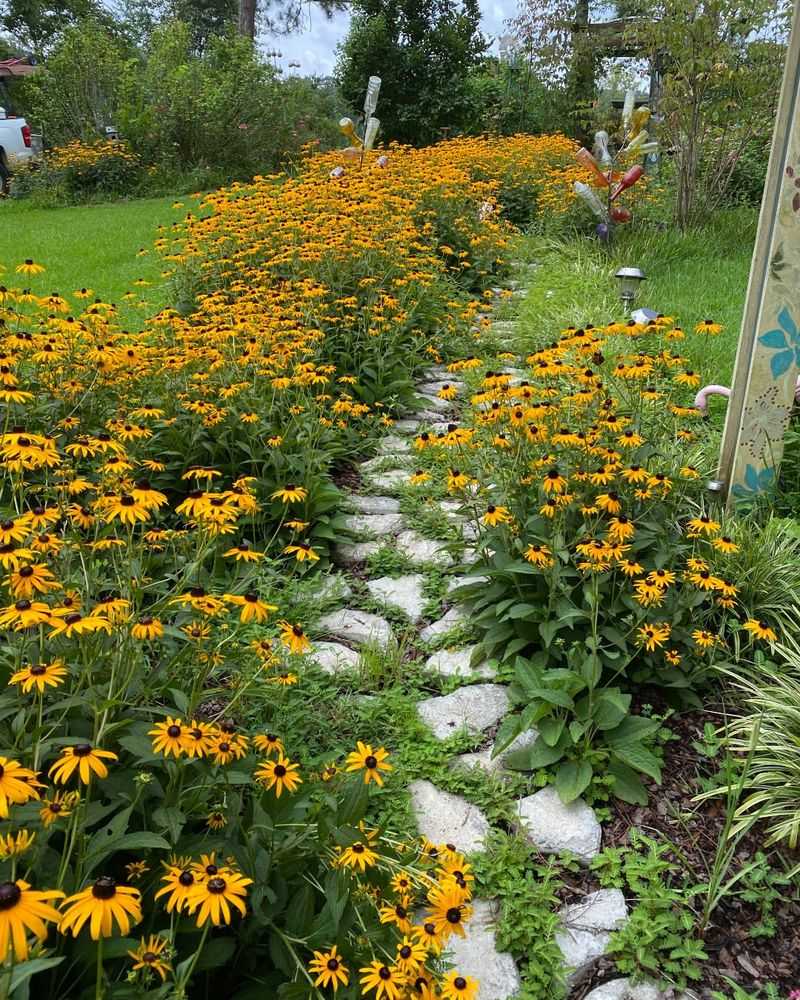
Few native plants deliver the kind of cheerful, no-fuss beauty that Black-Eyed Susan brings to a Michigan garden.
Rudbeckia hirta is a tough, adaptable wildflower that thrives in a wide range of soil types, from sandy loam to heavier clay, making it a natural fit for the varied conditions found across the state.
It handles both drought and occasional wet spells far better than Siberian Iris ever could.
Spacing Black-Eyed Susans about 18 inches apart gives each plant room to spread and fill in nicely over time. They prefer full sun but will tolerate a bit of afternoon shade without losing much of their bloom power.
The flowers appear from midsummer through early fall, providing weeks of golden color right when many other perennials are winding down for the season.
One fun fact worth knowing: Black-Eyed Susan is actually the state flower of Maryland, but it performs just as brilliantly in Michigan gardens.
The seed heads attract goldfinches and other songbirds through fall and winter, adding another layer of wildlife appeal beyond just the bloom season.
Minimal deadheading is needed, and the plants self-seed gently without becoming invasive.
For gardeners tired of babysitting finicky plants, Black-Eyed Susan offers exactly the kind of reliable, low-effort reward that makes gardening feel joyful again rather than like a second job.
7. Soil Adaptation Is Easier With Natives
One of the most practical advantages native plants bring to Michigan gardens is their natural ability to work with local soil rather than against it. Siberian Iris demands specific conditions to perform well, and when those conditions aren’t met, it shows.
Native perennials like coneflowers, Wild Bergamot, and Black-Eyed Susans evolved over thousands of years in soils very similar to what homeowners here deal with every day.
Clay-heavy soils, which hold moisture and compact easily, are no obstacle for most natives. Their root systems are often deep and fibrous, helping to break up compacted layers over time while also improving drainage naturally.
Sandy soils, common in western Michigan near Lake Michigan, are equally manageable for many native species that have adapted to low-nutrient, fast-draining conditions. Getting natives established successfully comes down to a few simple steps.
Loosen the soil about 12 inches deep before planting, mix in a couple inches of compost to add organic matter, and apply a 2-to-3-inch layer of mulch around the base of each plant to retain moisture and regulate soil temperature.
Water consistently during the first growing season, and after that, most natives take care of themselves with minimal intervention.
The result is a garden that looks intentional, thrives naturally, and requires far less ongoing effort than maintaining plants that were never quite right for the environment in the first place.
8. Wildlife And Pollinator Benefits
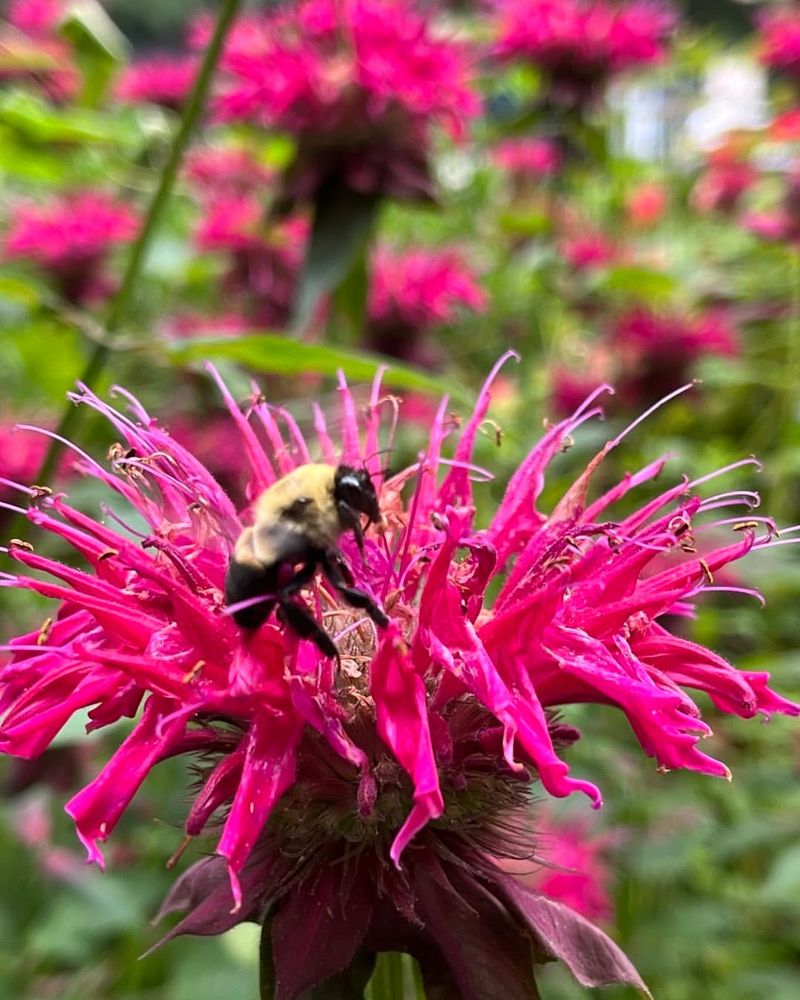
Swapping Siberian Iris for native perennials doesn’t just make your garden easier to manage. It turns your yard into a genuine hub of wildlife activity that benefits the entire local ecosystem.
Native plants and native insects evolved together over millennia, creating relationships that non-native ornamentals simply cannot replicate no matter how pretty they look.
Bees, both native species and honeybees, flock to flowers like Wild Bergamot and coneflower throughout the summer.
Monarch butterflies rely heavily on native plant corridors as they migrate through Michigan each fall, and a yard full of native perennials can serve as a critical stopping point.
Even hummingbirds make regular visits to Monarda blooms, adding an exciting layer of movement and life to the garden that a bed of Siberian Iris could never provide.
Dense native foliage also acts as a natural weed suppressant, reducing the need for manual weeding or herbicide use. As the plants fill in and spread, they shade out the soil beneath them, making it much harder for unwanted plants to take hold.
Birds are attracted by both the insects living in the foliage and the seed heads that form after flowering, providing food sources well into winter.
Creating a garden that supports wildlife while also looking beautiful and staying low-maintenance is genuinely achievable, and native perennials make it surprisingly straightforward for any homeowner.
9. Lower Maintenance Year-Round
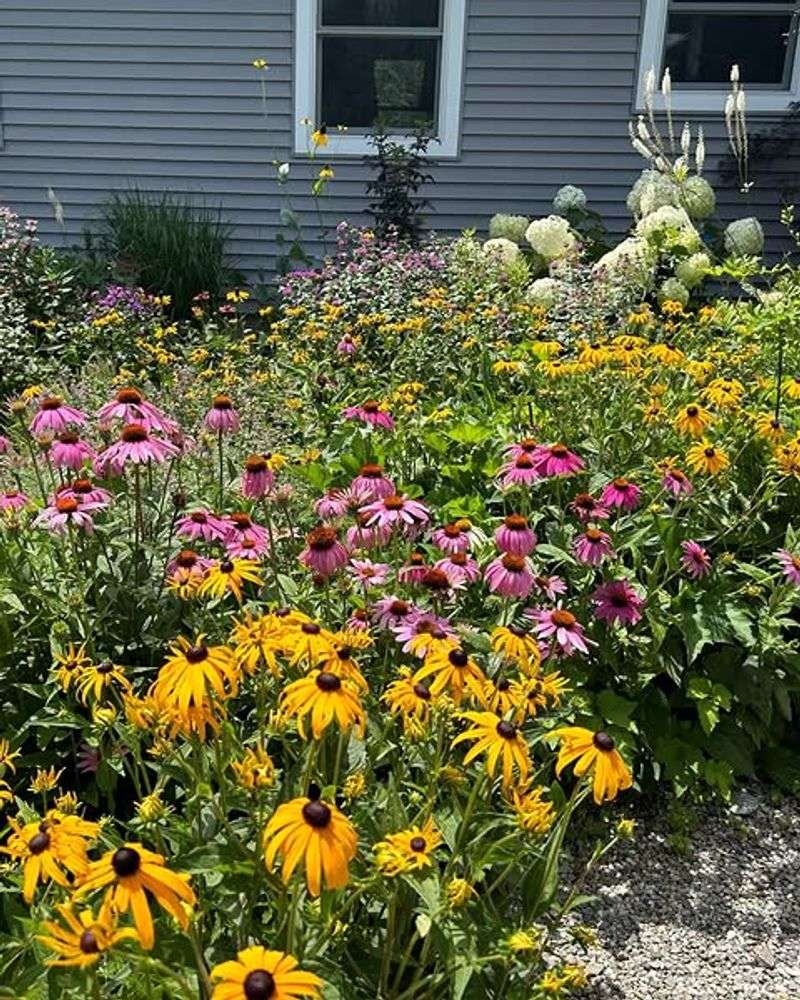
Gardening should feel rewarding, not exhausting, and that’s exactly the promise native perennials deliver when compared to the upkeep demands of Siberian Iris.
Dividing iris clumps every few years, managing pest damage, treating fungal outbreaks, and coaxing reluctant blooms takes real time and energy.
Native alternatives trim all of that down to a fraction of the effort without sacrificing beauty or garden interest.
Deadheading is largely optional with most Michigan natives. Coneflowers and Black-Eyed Susans look attractive even as their blooms fade, and leaving the seed heads standing provides winter food for birds and visual structure during the colder months.
Wild Bergamot can be cut back in late fall or simply left alone until early spring when new growth emerges naturally on its own.
Chemical intervention is rarely needed with natives that have evolved to resist local pests and diseases. Occasional division every four to five years keeps clumps vigorous and productive, but it’s far less frequent than the intensive splitting Siberian Iris often requires.
Realistic expectations for native perennial gardens include some spreading over time, which is actually a benefit since it means less bare soil and fewer weeds.
Michigan’s growing season runs roughly from May through October, and well-chosen natives stay attractive and productive throughout that entire window with minimal help from you.
That’s the kind of gardening most people actually want.