These Are The Signs Your Michigan Hydrangeas Are Stressed From Heat And What To Do Immediately
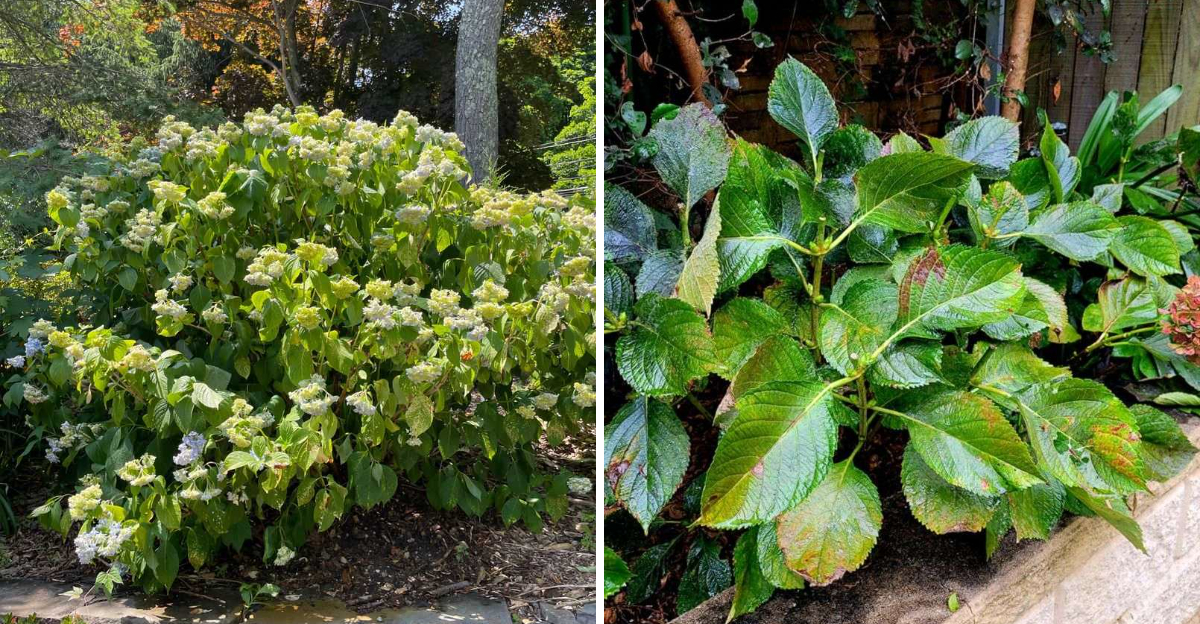
Michigan summers have gotten more intense, and hydrangeas across the state are feeling it in ways that catch gardeners off guard.
A plant that looked perfectly healthy in June can start sending distress signals by mid-July that are easy to misread or dismiss as normal summer behavior.
The tricky part is that heat stress in hydrangeas mimics several other problems, including underwatering, overwatering, and disease, so the wrong response can make things considerably worse in a short amount of time.
Knowing exactly what to look for and what each symptom is actually telling you changes how fast you can turn things around.
Some of these signs demand immediate action. Others just need a small adjustment and some patience.
Either way, catching them early is the whole game when Michigan heat is the thing working against you.
1. Wilting Leaves That Do Not Recover By Evening
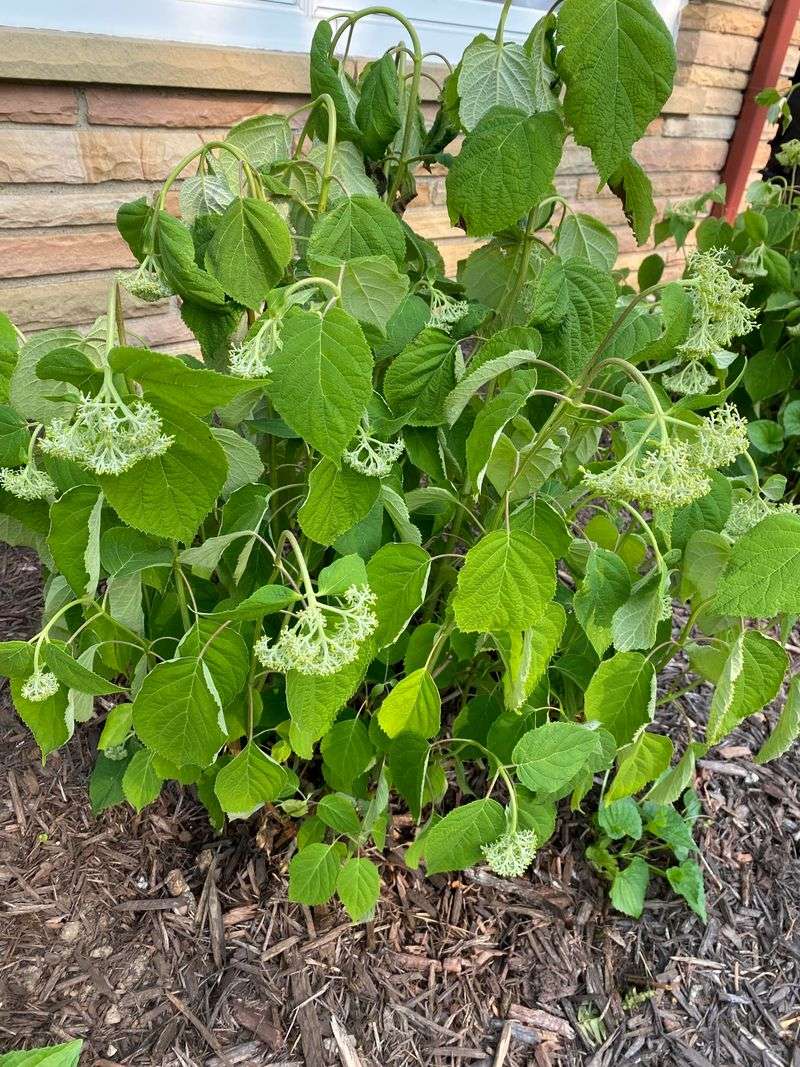
Most hydrangea gardeners have seen it before: leaves drooping dramatically in the middle of a hot afternoon, looking completely defeated.
That kind of temporary wilting is actually normal during peak summer heat, especially when temperatures climb above 85 degrees Fahrenheit.
Hydrangeas often lose water through their leaves faster than their roots can replace it, and a little afternoon droop is just the plant managing that imbalance.
The real concern starts when evening arrives and those leaves are still hanging low. Once temperatures cool down after sunset, a healthy hydrangea should perk back up within an hour or two.
If the leaves are still wilted the next morning, that is a clear signal something more serious is going on beneath the surface.
Start by checking the soil a few inches down with your finger. Dry, crumbly soil means the plant needs a deep, slow watering right away.
But if the soil feels soggy or waterlogged, overwatering or poor drainage may be suffocating the roots.
Also take note of how much direct sun the plant receives, because south- or west-facing spots in Michigan can bake hydrangeas well into the evening, making recovery much harder even when the air cools down.
2. Leaf Scorch And Brown Crispy Edges
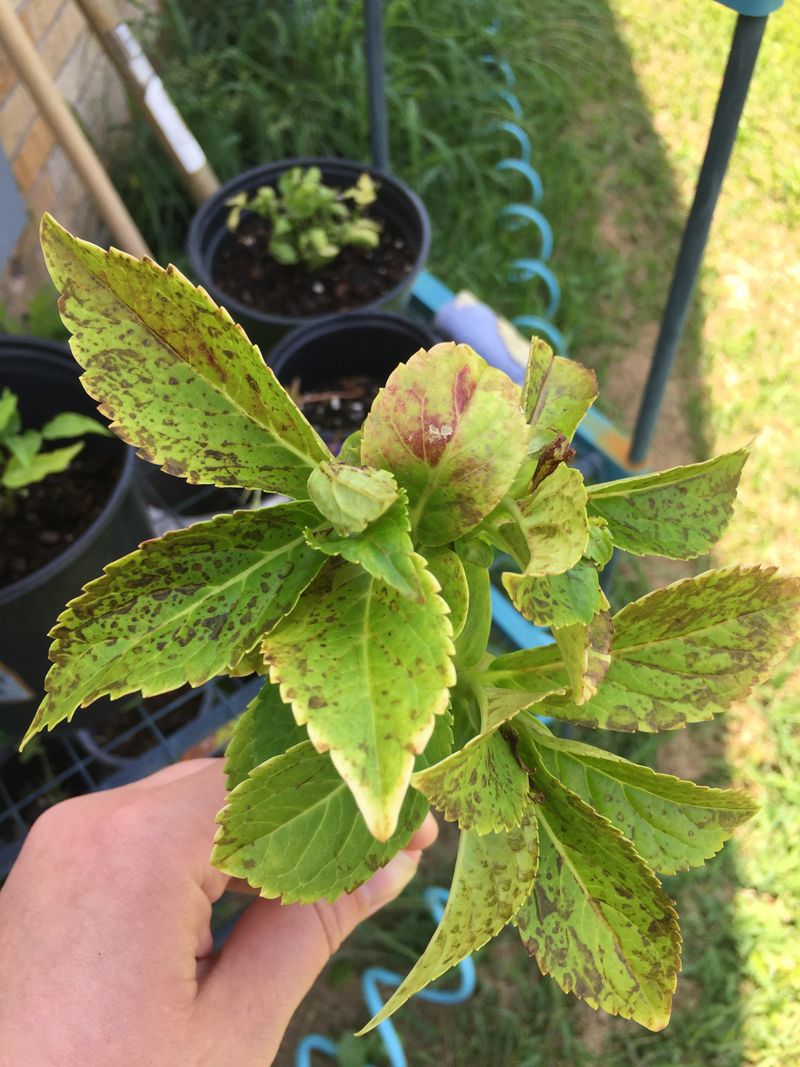
Brown, papery leaf edges on a hydrangea are one of the most recognizable signs of heat and sun stress.
Leaf scorch happens when strong sunlight, hot dry winds, and low soil moisture combine to damage leaf tissue faster than the plant can protect itself.
The damage usually starts at the outer edges and tips, leaving behind that familiar tan or brown crispiness that no amount of watering can reverse once it sets in.
Michigan gardeners sometimes confuse scorch with underwatering, but there are a few differences worth knowing. Underwatering tends to cause overall wilting and dull color throughout the whole plant.
Scorch, on the other hand, is often limited to leaves on the most exposed side of the shrub, particularly those facing afternoon sun or catching the most wind.
Older leaves at the bottom of the plant naturally yellow and drop with age, which is a completely different process.
Once you spot scorch, act quickly to stop it from spreading. Water deeply at the base of the plant early the next morning.
Your Michigan Garden Changes Every Week. Your Plan Should Too.
Gardening in Michigan changes quickly throughout the season. Every Friday you’ll receive a simple weekly plan showing exactly what to plant, prune, fertilize, harvest, and protect so you never miss the right timing.
Add a fresh layer of mulch around the root zone to hold soil moisture and lower ground temperature.
If the plant sits in a particularly harsh spot, consider rigging a piece of shade cloth over it for the hottest part of the afternoon until temperatures drop back to a more comfortable range.
3. Curling And Rolling Leaves
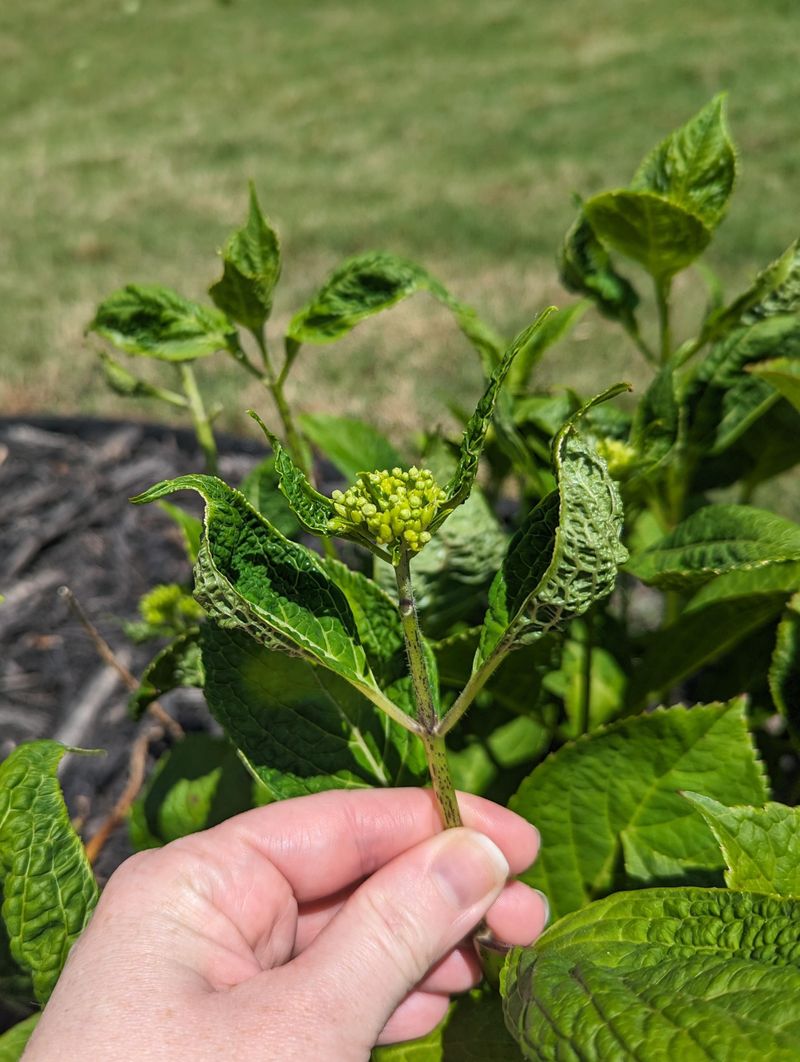
Curling leaves on a hydrangea can catch a gardener off guard, especially when the plant looked perfectly fine just a day or two earlier. What is actually happening is pretty clever on the plant’s part.
When heat becomes intense, hydrangeas roll or curl their leaves inward to reduce the surface area exposed to the sun, which slows down moisture loss. It is a built-in survival response, not a disease or pest problem.
Plants growing in south- or west-facing spots around Michigan homes tend to show this symptom first and most dramatically.
Those exposures get the hottest afternoon sun, and the reflected heat from walls, fences, or pavement nearby makes things even more intense.
If your hydrangea is tucked close to a brick wall or a concrete patio, the surrounding surfaces can radiate heat long after the sun shifts, keeping stress levels high even when the direct sun moves on.
Check soil moisture right away by pressing your finger two to three inches into the ground near the base of the plant. If it feels dry, water slowly and deeply to encourage moisture to reach the full root zone.
Temporary afternoon shade from a patio umbrella, a piece of shade cloth, or even a taller potted plant placed strategically nearby can take the edge off while the heat wave lasts. Leaves often uncurl on their own once conditions improve.
4. Faded Blooms And Reduced Flower Quality
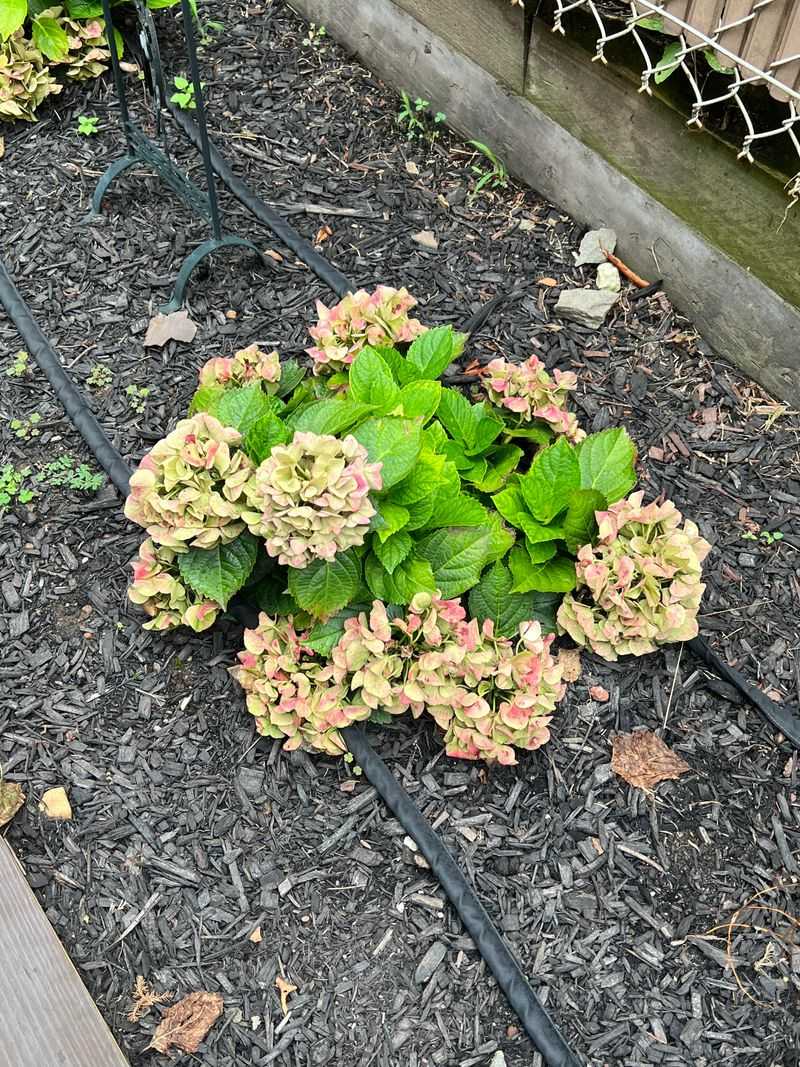
Few things are more frustrating than watching gorgeous hydrangea blooms fade before their time.
Michigan summers can be unpredictable, and when a heat wave arrives right as your hydrangeas are peaking, the flowers often suffer the most visible consequences.
Blooms may bleach out to a washed-out color, brown around the edges, or turn papery and brittle within just a few days instead of lasting their usual two to three weeks.
It helps to know the difference between natural bloom aging and heat-related decline.
Blooms that are naturally finishing their cycle tend to change color gradually and evenly across the whole flower head, often shifting to interesting antique shades of green, pink, or burgundy depending on the variety.
Heat-stressed blooms, by contrast, brown unevenly, often starting at the outer florets or the most sun-exposed side of the flower head, and the process happens noticeably faster than normal.
Keeping the soil consistently moist during a heat wave gives blooms the best chance of lasting longer. Water deeply in the early morning so roots have access to moisture throughout the hottest part of the day.
A fresh layer of mulch around the base helps the soil hold that moisture between waterings.
If the plant is in a container, moving it to a spot with afternoon shade during extreme heat can preserve the remaining blooms beautifully until cooler temperatures return.
5. The Plant Stays Wilted Even After Watering
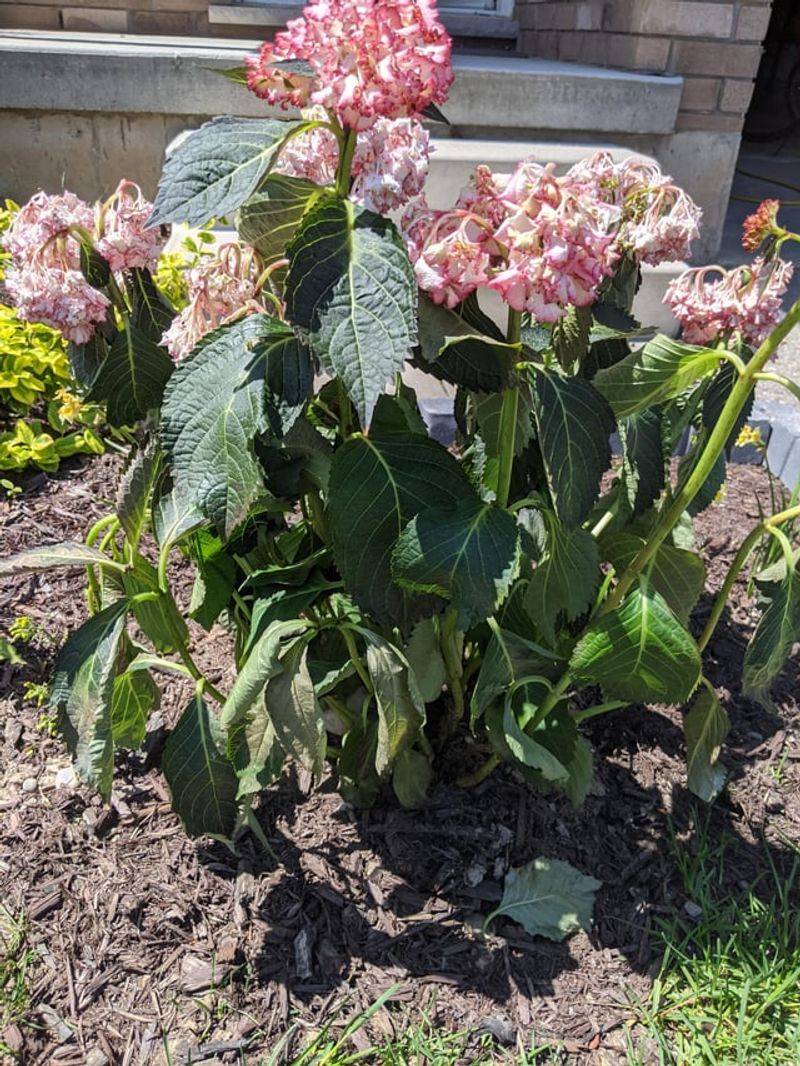
Watering a wilted hydrangea and seeing zero improvement is genuinely alarming. Most gardeners assume the plant just needs more water, but that is not always the answer.
A hydrangea that stays limp after a thorough watering is telling you something different entirely, and adding more water without understanding the cause can actually make things worse.
Compacted soil is one of the most common culprits in Michigan yards. When soil gets packed down over time, water tends to run off the surface instead of soaking in, leaving roots dry even though the ground looks wet on top.
Heavy clay soil, which is very common throughout Michigan, can hold too much water around roots when drainage is poor, essentially waterlogging the root zone and preventing roots from absorbing oxygen and nutrients properly.
To figure out what is really going on, push a finger or a wooden dowel about three to four inches into the soil near the base of the plant. Bone dry soil means the roots are not getting enough water, and slow deep watering is the fix.
Soggy, waterlogged soil means drainage is the problem, and you should hold off on watering until the soil dries out somewhat.
Root damage from extreme heat or physical disturbance can also reduce a plant’s ability to take up water efficiently, so give a properly watered plant a full day before drawing conclusions about its recovery.
6. What To Do Immediately: Deep Water At The Base
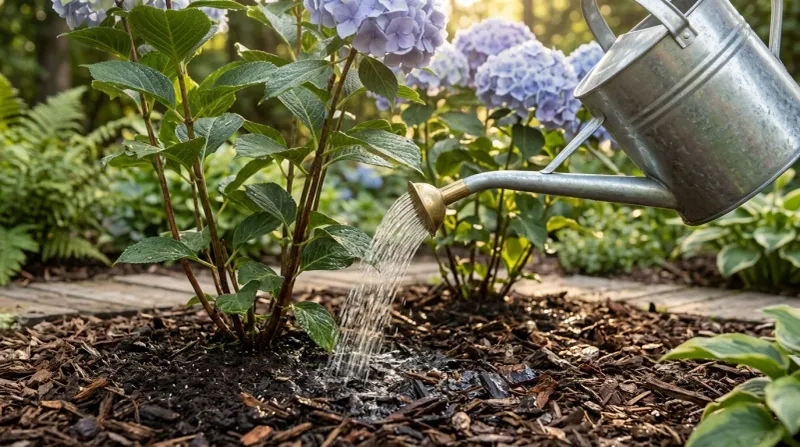
When the soil around your hydrangea is dry and the plant is clearly struggling from heat stress, deep watering at the base is the single most effective thing you can do right away.
The goal is to get moisture all the way down to where the roots actually live, not just wet the surface.
A slow, deep soak is far more helpful than a quick splash that barely penetrates an inch or two into the ground.
Early morning is the ideal time to water hydrangeas, ideally before 9 or 10 in the morning. Watering at this time gives moisture a chance to soak into the soil before the heat of the day causes evaporation.
It also keeps foliage dry heading into the evening, which reduces the chance of fungal problems developing overnight.
Avoid watering leaves directly, especially later in the day, since wet foliage sitting in humid Michigan summer nights is an open invitation for disease.
For established hydrangeas, aim to deliver water slowly over 20 to 30 minutes at the base of the plant. A soaker hose or a hose set to a trickle works really well for this.
If your soil is compacted or heavy clay, water may pool on the surface before soaking in. Pause and let it absorb in stages rather than letting it run off.
Consistent deep watering every two to three days during a heat wave keeps roots stable and plants much more resilient.
7. Apply Or Refresh Mulch Around The Root Zone
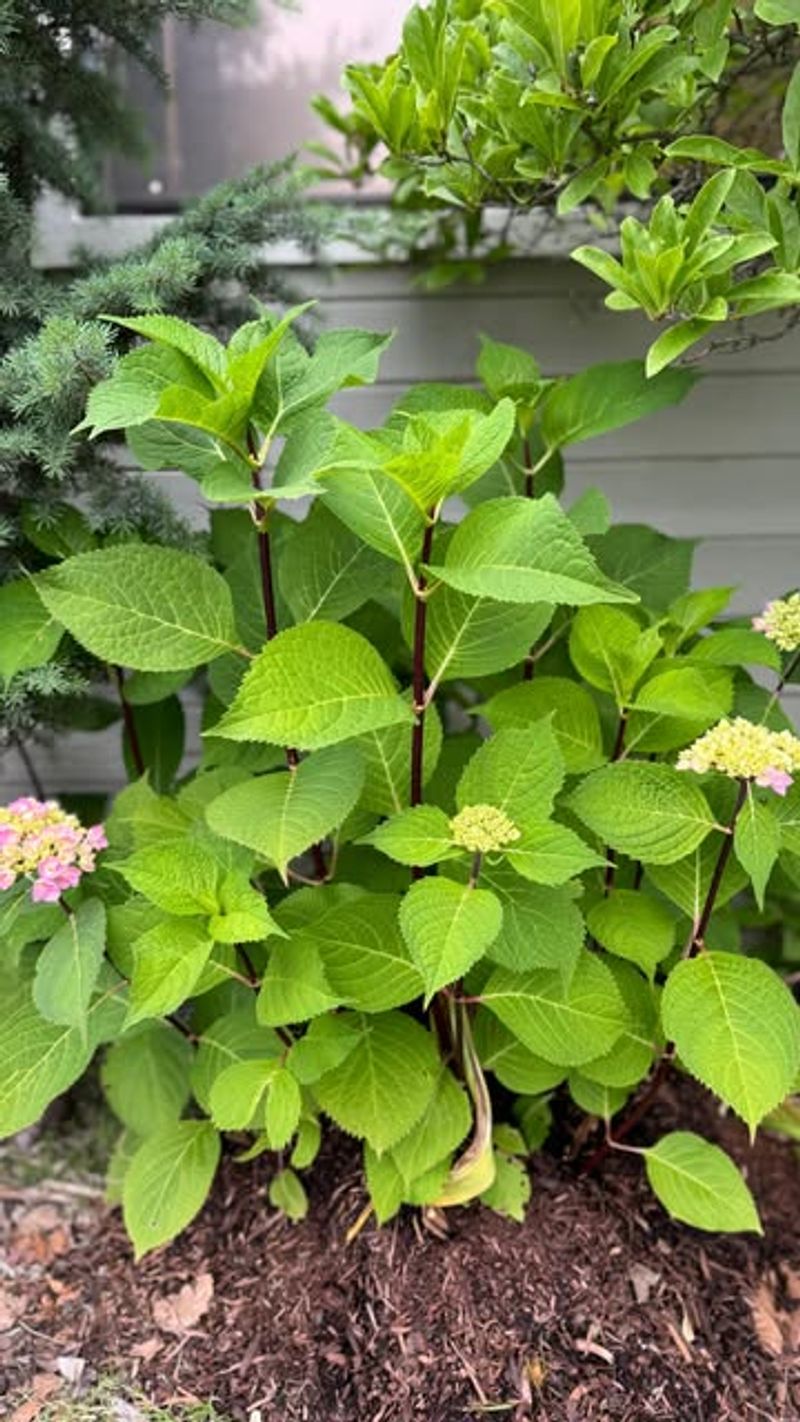
Mulch might be the most underrated tool in a Michigan gardener’s summer toolkit.
A good layer of organic mulch around your hydrangeas does three important things at once: it slows down soil moisture evaporation, it keeps soil temperatures cooler on blazing hot days, and it protects the shallow feeder roots hydrangeas rely on.
Without mulch, bare soil heats up quickly in direct sun and dries out much faster than mulched soil.
Aim for a layer about two to three inches deep, spread out to the drip line of the plant if possible. Shredded bark, wood chips, pine bark nuggets, composted leaves, and leaf mulch all work beautifully for hydrangeas.
These materials break down slowly over time, which also adds organic matter back into the soil as they decompose, improving soil structure and moisture retention over the long run.
Composted leaves are especially popular with Michigan gardeners since they are easy to source and very effective.
One thing to watch carefully is keeping mulch away from the main stem and crown of the plant. Mulch piled up against the stem traps moisture right against the bark, which can encourage rot and create a cozy hiding spot for insects and small pests.
Pull the mulch back a few inches from the base so there is a clear gap around the stem. Refreshing mulch once or twice during the growing season keeps it effective and looking neat all summer long.
8. Avoid Major Pruning During A Heat Event
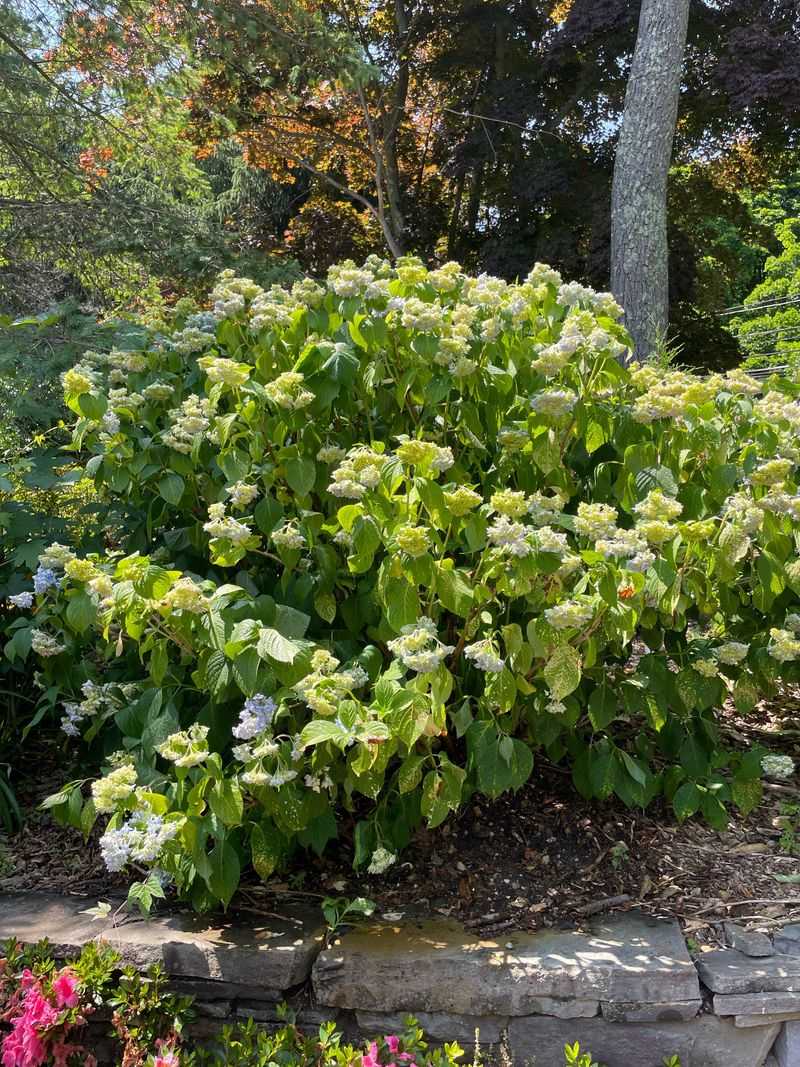
Reaching for the pruning shears when you see scorched or damaged leaves on a hydrangea is a very natural impulse. The plant looks rough, and cleaning it up feels like the right move.
But during an active heat wave, major pruning is one of the worst things you can do for a stressed hydrangea. Cutting back large portions of the plant adds a whole new layer of stress on top of the heat it is already fighting through.
Those damaged and scorched leaves, as rough as they look, are still doing something useful. They provide shade to the inner stems and younger growth below them, and they may still be moving small amounts of water and nutrients through the plant.
Stripping them away exposes more tender growth to direct sun and forces the plant to redirect energy toward healing pruning wounds rather than managing heat. That combination can send a struggling plant into a much deeper decline.
Hold off on any major shaping, heavy deadheading, or removal of large stem sections until temperatures drop back to a more comfortable range and the plant shows signs of recovery.
What is acceptable during a heat event is very limited: removing stems that are physically broken, snapping off any branches showing signs of disease, or clearing out growth that is completely beyond saving.
Keep cuts clean and minimal, and let the plant focus all of its energy on getting through the heat first.
9. Placement And Sun Exposure Determine How Badly Plants Suffer
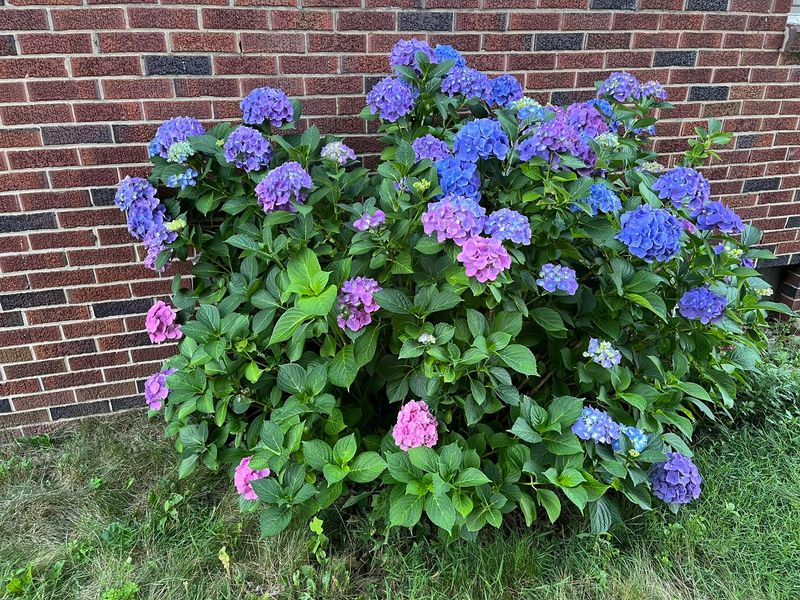
Where a hydrangea sits in your yard has an enormous effect on how well it handles Michigan summers.
Plants that receive morning sun and afternoon shade tend to sail through heat waves with far less drama than those planted in full afternoon sun.
Morning light is gentler and cooler, giving plants the energy they need for growth and flowering without the punishing intensity that afternoon sun brings between noon and five in the evening.
South- and west-facing exposures are the toughest spots for hydrangeas in Michigan. These locations get the hottest, longest sun exposure of the day, and nearby surfaces make everything worse.
Brick walls, concrete driveways, stone patios, and light-colored fences all absorb heat during the day and radiate it back toward nearby plants well into the evening.
A hydrangea planted close to any of these surfaces is essentially baking from two directions at once, from above and from the side.
If you cannot move an in-ground plant, there are practical temporary solutions that work well.
A piece of shade cloth rated at 30 to 40 percent shade, draped over a simple frame or stakes during the hottest afternoon hours, can dramatically reduce leaf and bloom damage during a heat wave.
Patio umbrellas, tall container plants positioned strategically nearby, or even a temporary trellis with a light fabric cover all work as short-term shields.
Container hydrangeas have the advantage of being moveable, so rolling them into a shadier spot during extreme heat is always a smart option.
10. Heat Stress Can Make Pest And Disease Problems Worse
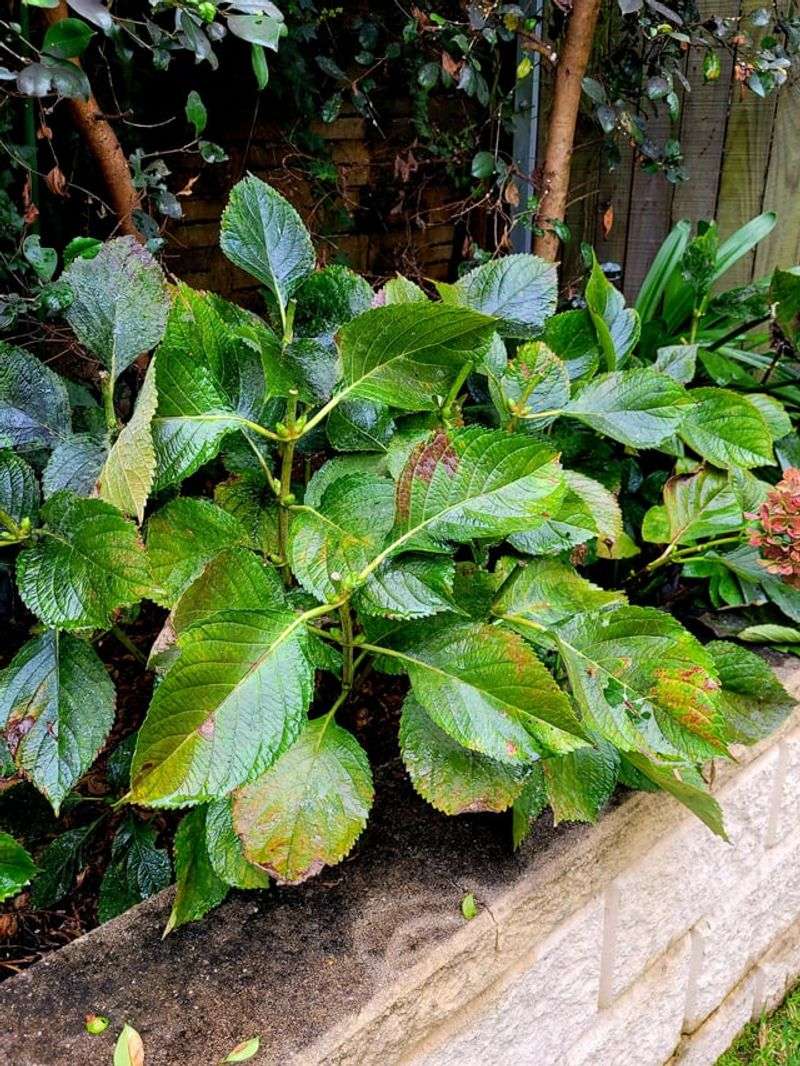
A hydrangea already worn down by heat has a harder time defending itself against the usual garden nuisances. Aphids and spider mites are two of the most common pests that take advantage of weakened hydrangeas.
Aphids cluster on new growth and the undersides of leaves, sucking sap and leaving behind a sticky residue.
Spider mites thrive in hot, dry conditions and can cause leaves to develop a dusty, speckled appearance before you even notice the tiny bugs responsible. Michigan’s humid summer weather adds another layer of challenge.
Poor airflow around densely planted shrubs, combined with warm nights and high humidity, creates exactly the right conditions for fungal issues like leaf spot and powdery mildew to take hold.
Powdery mildew shows up as a white or grayish powdery coating on leaf surfaces, while leaf spot appears as dark circular spots that can spread across the foliage if left unchecked.
The most important step is always addressing the heat and moisture stress first. A well-watered, properly mulched hydrangea with good airflow around it is far less likely to develop serious pest or disease problems in the first place.
Once the plant is stabilized, inspect leaves carefully, checking both the tops and undersides. A strong spray of water from a hose knocks aphids off effectively.
Neem oil or insecticidal soap, applied in the early morning or evening, handles mites and mild fungal issues without harsh chemicals or unnecessary damage to beneficial insects nearby.