Plants That Repel Mosquitoes In East Texas’s Humid Summer Climate
East Texas humidity creates ideal mosquito conditions from late spring through early fall, and anyone who spends time outdoors in this region knows how quickly an evening on the porch can become an exercise in swatting and retreating inside.
Sprays and candles offer temporary relief, but they wear off, need to be restocked, and cover only a small area at a time.
Growing the right plants around your outdoor spaces takes a different approach entirely. Certain plants produce natural compounds and scents that mosquitoes find genuinely disorienting or overwhelming.
In East Texas, where the growing season is long and conditions favor lush growth, these plants can establish quickly and provide coverage across a wide area.
The humidity that makes mosquitoes thrive in East Texas also happens to suit many of these plants well, which means less work for the gardener and more consistent results through the months when relief is needed most.
1. Citronella Grass
You have probably seen citronella listed as an ingredient in candles, torches, and bug sprays. But did you know the scent actually comes from a real plant?
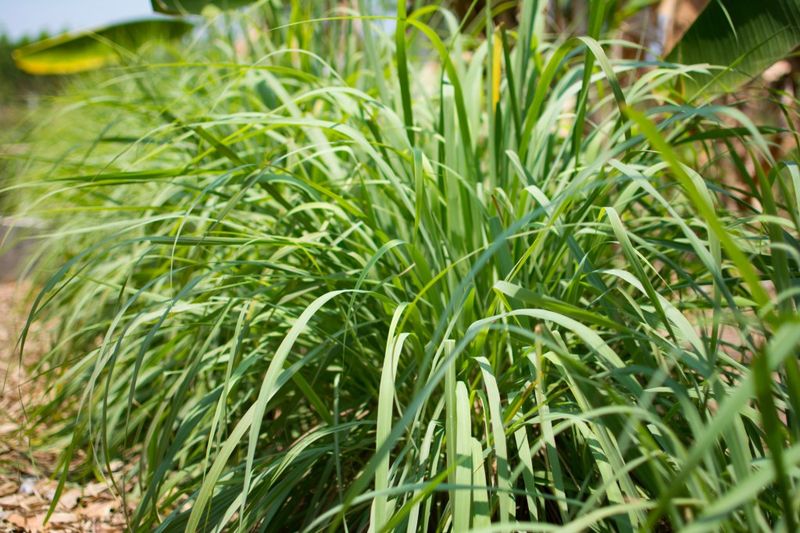
Citronella grass is a tall, clumping ornamental grass that produces the same powerful citrus fragrance you recognize from those products. Mosquitoes strongly dislike this scent, which is why it has been used as a natural deterrent for so long.
In East Texas, citronella grass does very well because it loves warm, humid conditions. It grows fast and can reach up to six feet tall, making it a great natural border plant around patios or garden edges.
Plant it in full sun and make sure it gets regular water during the hottest months. It does best in large pots or directly in the ground where it has room to spread out.
One thing to keep in mind is that simply having the plant nearby gives off some repelling effect, but crushing or rubbing the leaves releases even more of the fragrant oil. Some gardeners brush against it on purpose when walking past.
The scent that fills the air after that is fresh, lemony, and surprisingly pleasant for people, even if mosquitoes disagree.
Citronella grass is not winter-hardy in most of East Texas, so treat it as an annual or bring container plants indoors when temperatures drop. Starting fresh each spring is easy and worth the effort for a more comfortable summer outdoors.
2. Lemongrass
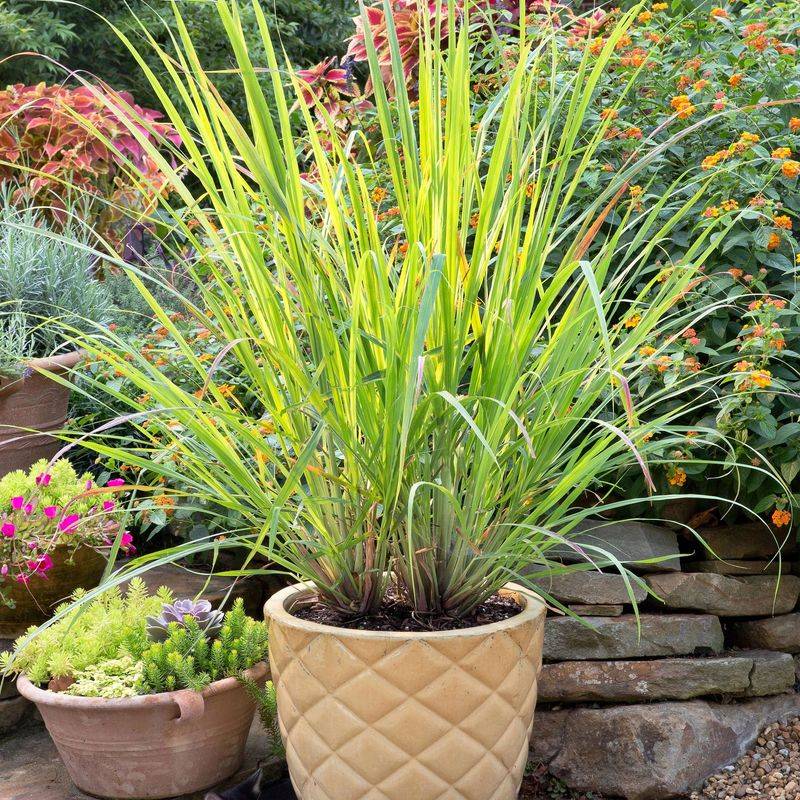
Lemongrass is one of those plants that pulls double duty in the best possible way. Not only does it push mosquitoes away with its strong citrusy aroma, but it is also a popular ingredient in cooking, especially in Thai and Vietnamese dishes.
Growing it in your yard means you get pest control and fresh herbs at the same time. That is a pretty solid deal for one plant.
East Texas gardeners love lemongrass because it handles the heat and humidity like a champ. It thrives in full sun and grows quickly into large, bushy clumps.
You can plant it directly in garden beds or keep it in big containers on the porch. Either way, it will grow tall and full throughout the summer months without much fuss from you.
Your Texas Garden Changes Every Week. Your Plan Should Too.
Gardening in Texas changes quickly throughout the season. Every Friday you’ll receive a simple weekly plan showing exactly what to plant, prune, fertilize, harvest, and protect so you never miss the right timing.
The mosquito-repelling power comes from a natural compound called citral, which is found in the plant’s essential oils. This is the same compound that gives the plant its sharp lemon scent.
Mosquitoes detect smells through their antennae, and citral essentially confuses and overwhelms that sense, making it harder for them to locate a target.
To get the most out of lemongrass, plant it near seating areas, walkways, or entryways. Brushing the leaves gently releases more of the oil into the air.
Like citronella grass, lemongrass is frost-sensitive, so plan to replant each spring or move containers inside before the first cold snap arrives in late fall.
3. Lavender
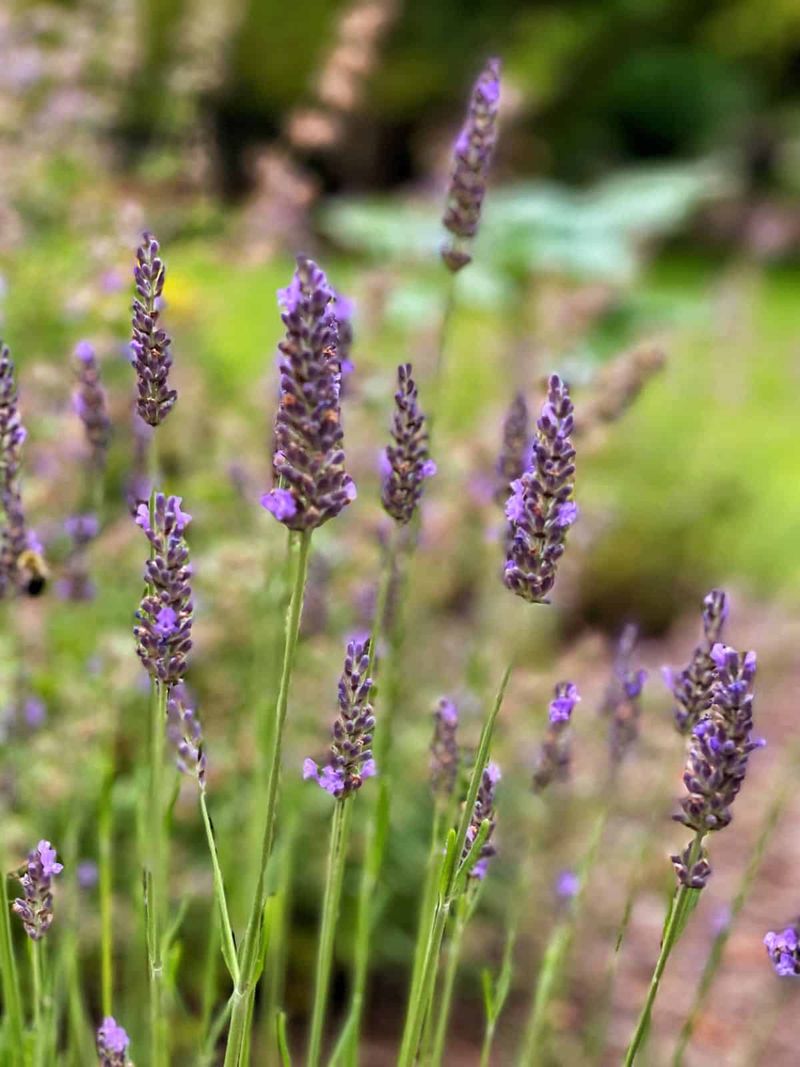
There is something almost magical about lavender. The soft purple blooms, the calming fragrance, the way it sways gently in a summer breeze.
People have loved lavender for centuries, using it in soaps, sachets, teas, and aromatherapy. But here is a fun bonus: mosquitoes are not big fans of it at all.
The same oils that make lavender smell wonderful to us are a major turnoff for biting insects.
Growing lavender in East Texas takes a little planning because the region’s high humidity can be tough on it. Lavender prefers well-drained soil and does not like sitting in wet conditions for too long.
Raised beds or containers with sandy or amended soil work really well. Choose heat-tolerant varieties like Spanish lavender or Phenomenal lavender, which are better suited to southern climates.
Place lavender along walkways, near patio edges, or around outdoor seating areas. When people brush past the plant, the leaves and flowers release their oil, sending a fresh wave of fragrance into the air.
That scent acts as a natural shield that discourages mosquitoes from hanging around. Lavender also attracts bees and butterflies, which is a bonus for anyone trying to support pollinators in their garden.
It blooms in early summer and can rebloom with proper trimming. Even dried lavender bundles placed near windows or doorways can help keep insects from wandering inside.
For East Texas gardeners willing to give it the right soil conditions, lavender is a beautiful and practical choice.
4. Mint
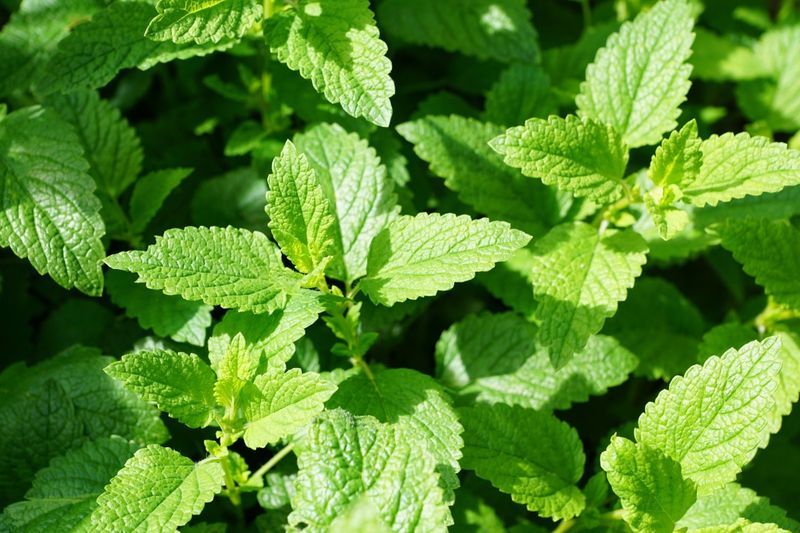
Mint is one of the easiest plants to grow, and if you are not careful, it will take over your entire garden. That sounds like a warning, but it is also a sign of just how tough and vigorous this plant really is.
Mint spreads through underground runners, popping up in new spots constantly. For mosquito control, this aggressive growth habit actually works in your favor because more plant means more scent coverage across your yard.
The strong menthol aroma that mint produces is something mosquitoes and many other biting insects actively avoid. Peppermint and spearmint are the most commonly planted varieties, and both do well in East Texas’s warm, moist climate.
Mint loves moisture, so the humidity here is actually a benefit rather than a problem. It grows in full sun or partial shade, making it flexible for different spots around your yard.
To keep mint from spreading too far, plant it in containers or use buried barriers around the edges of a garden bed. Keeping it contained also makes it easier to move pots around your patio or deck to wherever you need the most protection.
Pinching off the tops regularly keeps the plant bushy and encourages more leaf growth, which means more of that mosquito-discouraging scent.
Bonus: fresh mint is amazing in drinks, desserts, and salads. So while your yard smells great and stays a little more mosquito-free, you also have a constant supply of fresh herbs right outside your door. That is a win on every level.
5. American Beautyberry
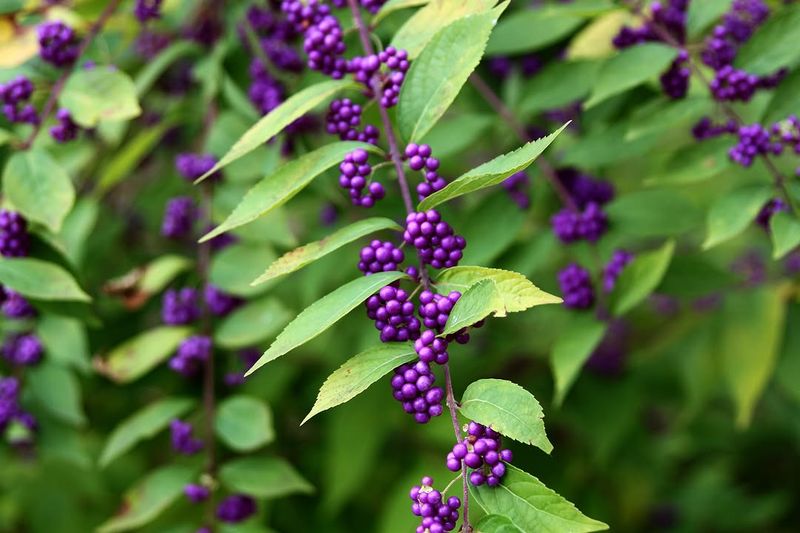
American Beautyberry might be the most underrated plant on this list. In late summer and fall, it produces stunning clusters of bright purple berries that look almost too vivid to be real.
Birds love the berries, making this shrub a favorite for wildlife gardeners. But long before scientists confirmed it, people living in rural East Texas and across the South were already using beautyberry leaves to keep mosquitoes and other biting insects away.
Traditional folk knowledge held that crushing the leaves and rubbing them on skin or placing them in hat bands would help repel insects.
Researchers at the USDA eventually looked into this and found that beautyberry does contain compounds called callicarpenal and intermedeol, which showed real repellent activity in testing.
That is old-school wisdom backed up by modern science, which is pretty cool. American Beautyberry is native to the southeastern United States, so it is perfectly suited to East Texas’s climate.
It handles heat, humidity, and even periods of drought once it is established. It prefers partial shade, which makes it ideal for spots under trees or along the shadier edges of a yard where other plants might struggle.
This shrub grows fairly large, reaching four to eight feet tall and wide, so give it space. It does not require much maintenance once it is settled in.
For homeowners looking for a plant that supports local wildlife, looks beautiful, has deep regional roots, and contributes to a less mosquito-heavy outdoor experience, American Beautyberry checks every box.
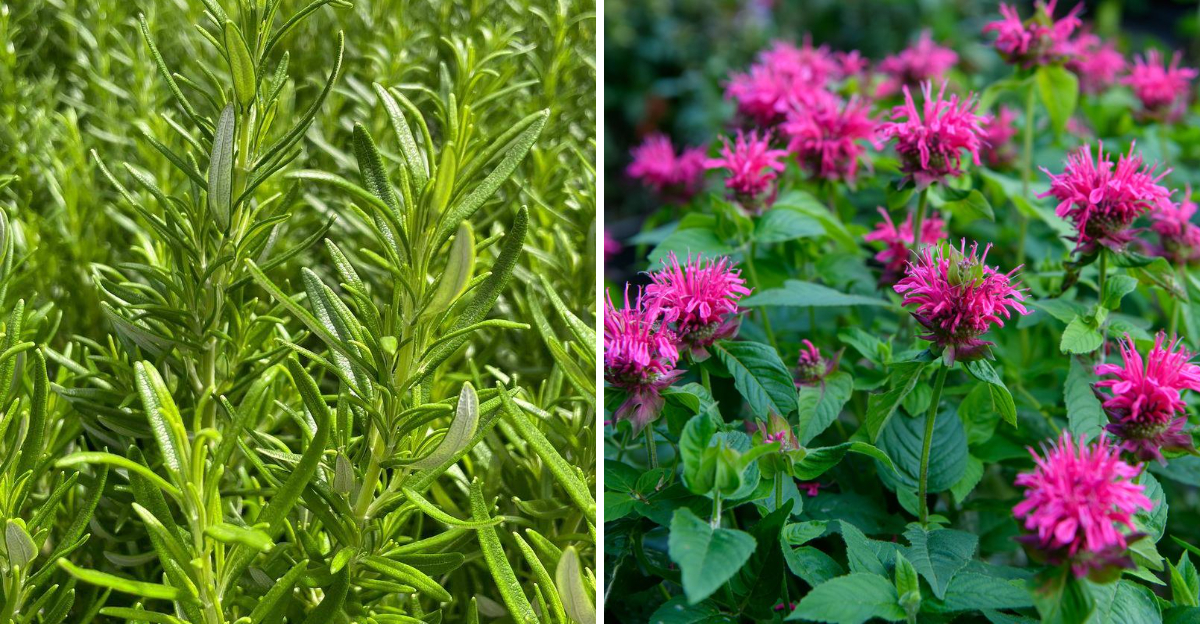
6. Rosemary
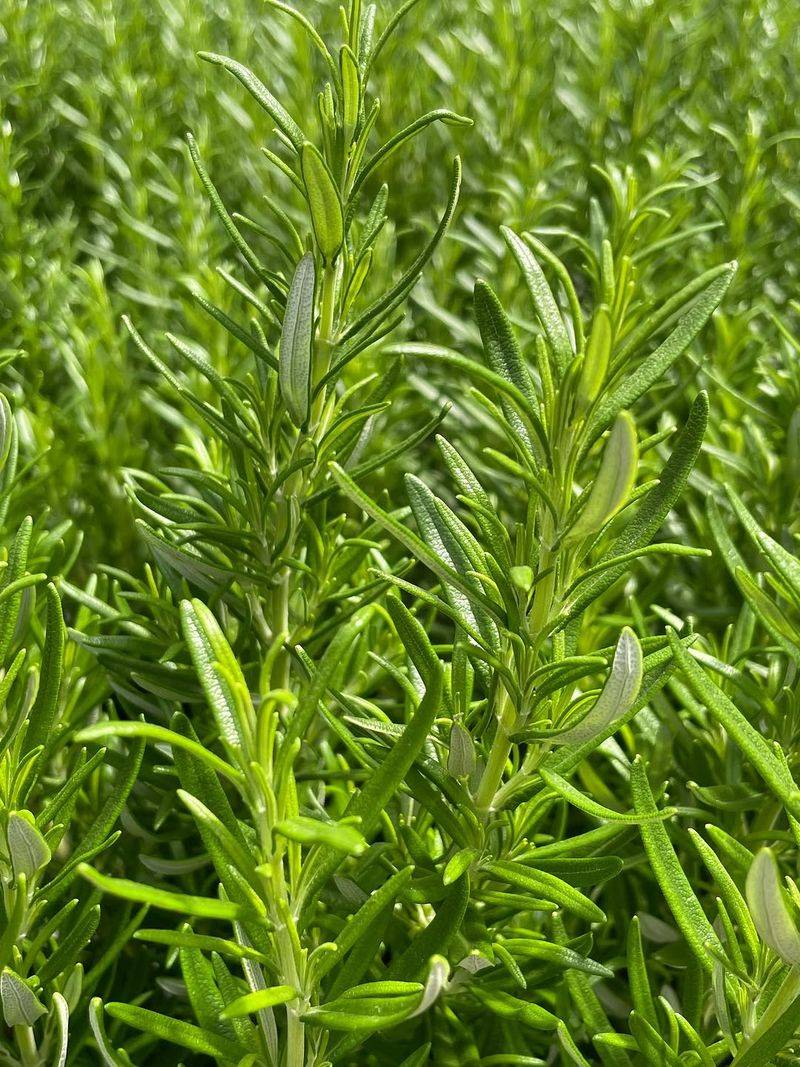
Walk past a rosemary bush on a hot summer day and brush your hand across the leaves. That sharp, piney, herby smell that hits you instantly?
Mosquitoes want absolutely nothing to do with it. Rosemary produces strong aromatic oils in its needle-like leaves, and those oils are released even more when the plant is touched or when the sun heats it up.
In a hot East Texas summer, that means your rosemary is working almost constantly. Rosemary is a tough plant that handles Texas heat better than many other herbs. Once established, it is fairly drought-tolerant and does not need constant watering.
It prefers well-drained soil and full sun, so avoid low-lying areas of the yard where water tends to collect. In East Texas, it can survive mild winters outdoors, though a hard freeze may set it back.
Many gardeners keep a large container rosemary near the patio for easy access and extra protection.
Beyond mosquito control, rosemary is one of the most useful culinary herbs you can grow. It pairs beautifully with grilled meats, roasted vegetables, and homemade bread. Having it right outside the kitchen door makes cooking feel effortless and fresh.
Some people also toss sprigs of rosemary onto the grill or into a backyard fire pit to release the fragrant smoke, which adds another layer of natural insect deterrence during outdoor gatherings.
Rosemary grows slowly but steadily into a substantial shrub over time. With minimal care, it becomes a long-lasting and hardworking addition to any East Texas garden.
7. Bee Balm
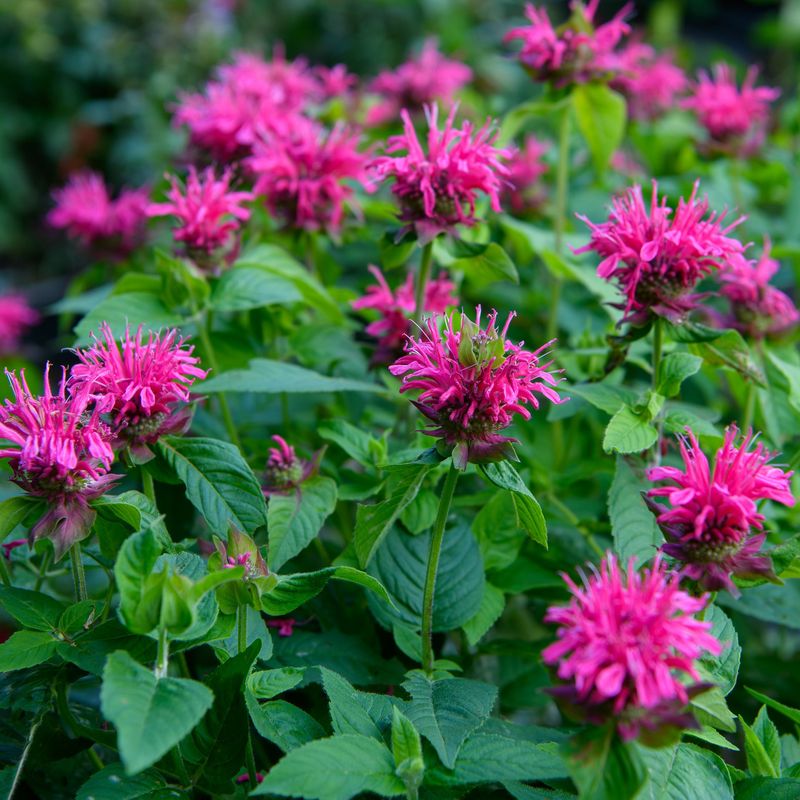
Bee Balm is the kind of plant that makes a garden feel alive. Its shaggy, firework-shaped blooms come in shades of red, pink, purple, and white, and they draw in bees, butterflies, and hummingbirds like magnets.
Gardeners who want to support pollinators often make bee balm a centerpiece of their outdoor space. What many people do not realize right away is that this cheerful, wildlife-friendly plant also carries a strong fragrance that mosquitoes tend to avoid.
Bee balm belongs to the mint family, which explains a lot. Like its minty relatives, it produces aromatic oils in its leaves and stems.
The scent is herby, slightly spicy, and very distinctive. Crushing the leaves intensifies the smell significantly.
Planting bee balm near seating areas or along garden borders gives you both a visual showstopper and a natural barrier against biting insects.
East Texas provides good growing conditions for bee balm because it enjoys warmth and moisture. It does best in full sun to partial shade and prefers rich, moist soil.
Powdery mildew can be an issue in very humid conditions, so choose mildew-resistant varieties like Jacob Cline or Raspberry Wine and make sure plants have good air circulation between them.
Bee balm spreads through underground roots, similar to other mint-family plants, so dividing clumps every few years keeps it healthy and manageable. It also has a long history in Native American herbal traditions, used for teas and as a remedy for various ailments.
Growing bee balm means connecting your garden to something with real roots in American history.