Purple Spots Are Spreading Across Maryland Hydrangea Leaves In September
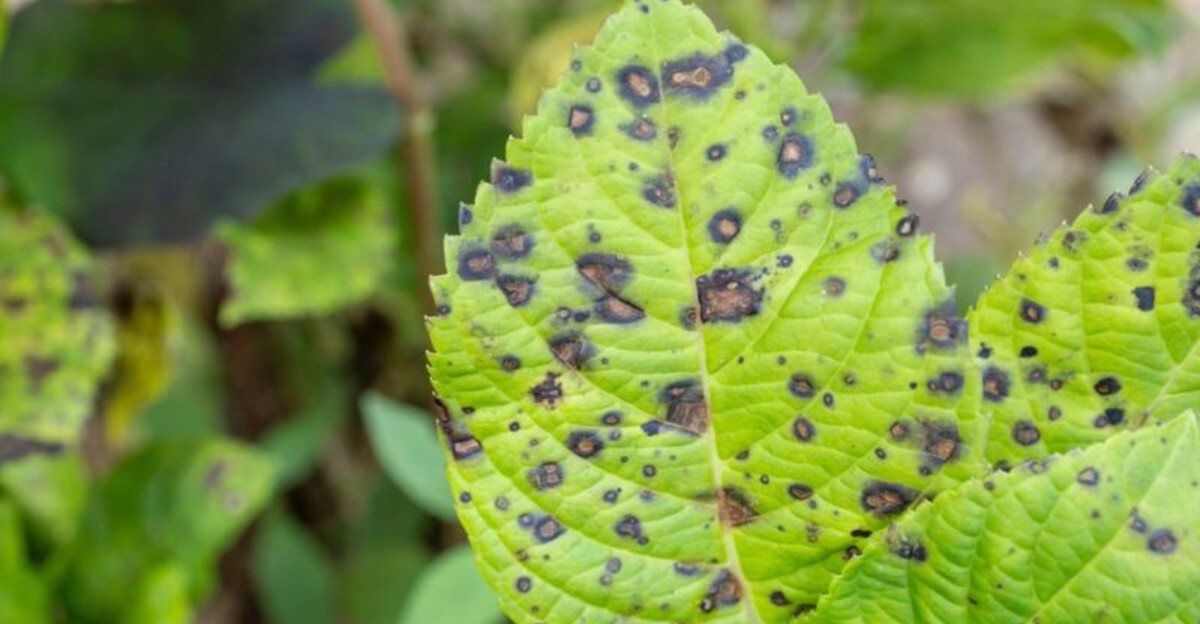
Late summer in Maryland has a sneaky way of making a proud garden look suddenly tired and blotchy. The air stays damp, mornings drip, and certain leaves begin telling secrets nobody asked them to share.
A quick glance toward the garden expects a wall of green, and something freckled catches the eye instead. Small marks show up where smooth surfaces used to be, then they quietly invite friends over.
Most folks blame the heat, the storms, or that one sticky stretch of August that refused to end. The real story usually begins weeks earlier, back when everyone was busy admiring the blooms.
A September shrub can look rough around the edges and still return gorgeous next spring. Your plants are not plotting revenge, though they are definitely gossiping about your sprinkler schedule.
The Fungus Behind Those Freckled Leaves
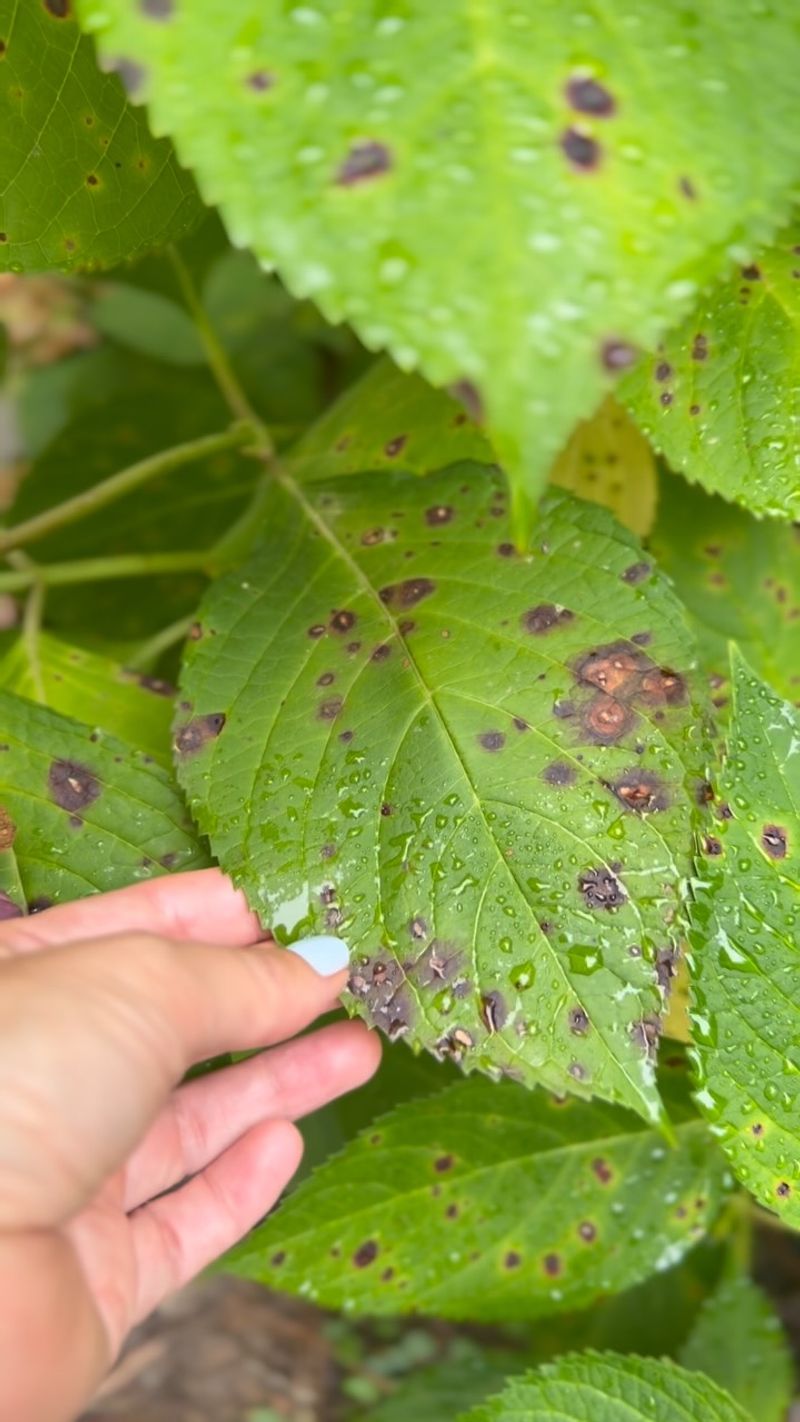
Cercospora hydrangeae is the culprit, a fungus that thrives in warm, wet weather across the mid-Atlantic. It lands on lower leaves first, where splashing water keeps everything damp for hours.
The spots start tiny and tan, then develop purple or reddish halos that spread outward. On bigleaf hydrangeas, those halos look almost like someone flicked grape juice across the foliage.
Oakleaf types show browner, angular patches instead, since leaf veins box the infection into corners. Panicle and smooth hydrangeas get hit too, though they often shrug it off faster.
Spores overwinter in fallen leaves and old plant debris sitting right beneath your shrubs. Spring rain splashes them upward, and the cycle restarts without anyone noticing a thing.
Maryland summers give this fungus everything it wants, including humidity, heat, and frequent thunderstorms. By September, weeks of quiet infection finally become visible all at once.
This problem is cosmetic more often than serious, which is reassuring. Established shrubs rarely suffer lasting harm, even when half the foliage looks speckled and sad.
Young plants and stressed transplants deserve closer attention, since repeated defoliation drains their energy reserves. Everyone else can relax slightly and start planning a smarter autumn cleanup.
Identifying the pattern matters because other leaf troubles look similar during humid Maryland autumns. Anthracnose makes larger target-shaped blotches, while powdery mildew leaves a dusty white film behind.
Scratch a spot gently and the discoloration stays put, confirming a fungal issue rather than insects. Mites and lace bugs cause stippling, which looks sandy and pale instead of purple.
Maryland Humidity Behind The Late-Season Surge
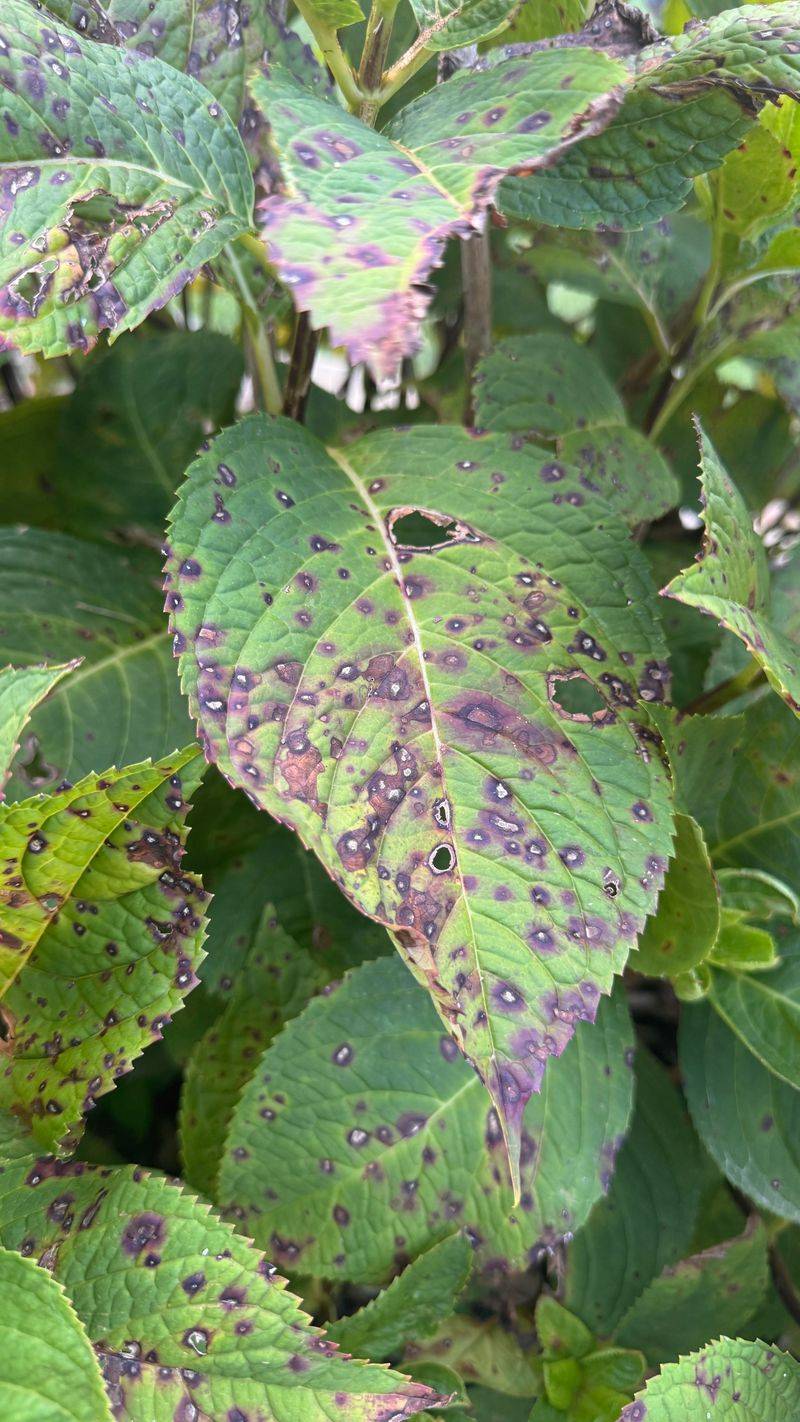
September feels like relief after August, but hydrangea leaves are still working through summer’s leftovers. Infections that began in July only show their colors now, weeks after the spores landed.
Cercospora needs leaf surfaces to stay wet for roughly twelve hours before it can settle in. Maryland delivers that easily with evening thunderstorms, heavy dew, and thick coastal plain humidity.
Temperatures between seventy-five and eighty-five degrees push the fungus into its most active stretch. Our region holds that range from June straight through the first cool nights of fall.
Shorter September days also slow leaf repair, so damage accumulates faster than the plant fixes it. Older foliage gives up first, turning yellow around the purple marks before dropping.
Your Maryland Garden Changes Every Week. Your Plan Should Too.
Gardening in Maryland changes quickly throughout the season. Every Friday you’ll receive a simple weekly plan showing exactly what to plant, prune, fertilize, harvest, and protect so you never miss the right timing.
Baltimore and Annapolis gardens often see the worst of it because of moist air off the bay. Western Maryland gardens usually escape a little longer thanks to cooler mountain evenings.
Tropical storm remnants rolling through late summer soak foliage for days without a break. Each soaking event hands the fungus another free ticket to spread upward.
Timing your response matters more than panicking about appearance during these final warm weeks. Fungicides applied now protect only healthy tissue, since existing spots cannot be erased.
Cooler October air naturally shuts the fungus down, which is why patience works surprisingly well. Most Maryland shrubs coast into dormancy with their flower buds perfectly intact.
Marking the date you first noticed spots helps you plan next spring’s protective schedule. Gardeners who track patterns tend to stay one step ahead of the weather.
Common Missteps Beyond Overhead Watering
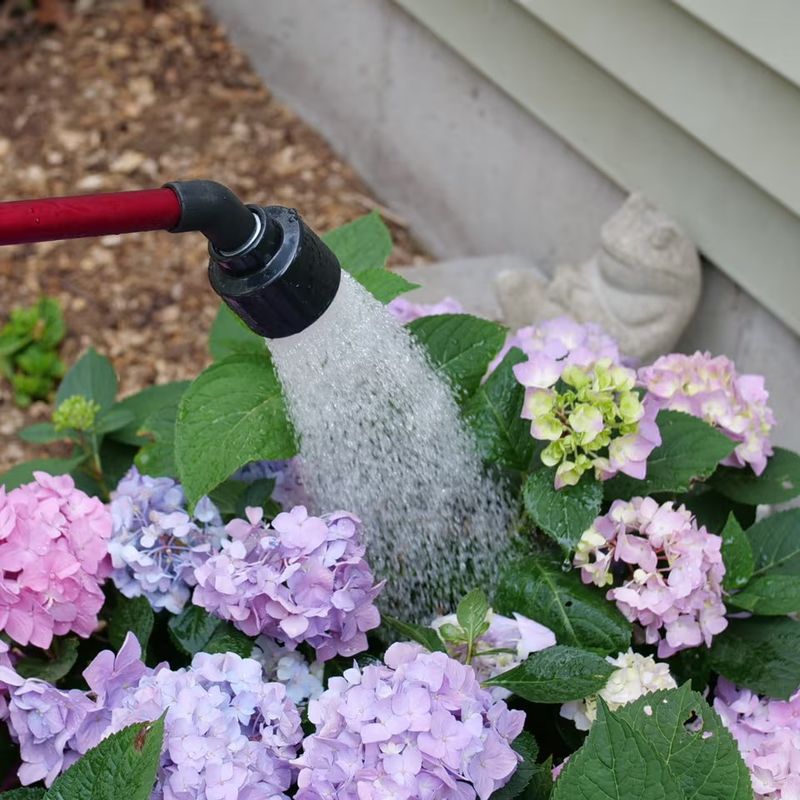
Sprinklers are the number one accomplice in this whole leafy situation, hands down. Every overhead spray coats leaves with water and gives spores a highway to travel.
Evening watering compounds the trouble, leaving foliage damp through the entire humid Maryland night. Morning watering at the base dries things out long before spores can germinate.
Crowded planting is the second big mistake, especially along foundations and tight fence lines. Air needs room to move, and packed shrubs trap moisture like a wet towel.
Leaving fallen leaves under the plant all winter practically guarantees a repeat performance. Those crispy brown pieces are loaded with spores waiting for the first spring rain.
Heavy nitrogen fertilizer in midsummer pushes soft, tender growth that fungi target easily. Skip late feedings and let your hydrangeas harden off naturally before autumn arrives.
Gardeners sometimes panic and strip every marked leaf off the shrub in one afternoon. Removing too much foliage stresses the plant far more than the spots ever would.
Dirty pruners spread trouble between plants faster than any Maryland thunderstorm ever could. Wiping blades with a disinfecting solution between shrubs takes ten seconds and saves headaches.
Mulch piled against the stems holds dampness right where the lowest leaves hang. Pull it back a few inches and let that crowded zone breathe properly.
Correcting even two of these habits usually cuts spotting dramatically by the following September. Small changes beat expensive sprays nearly every single time in a home garden.
Fall Cleanup Pruning Steps
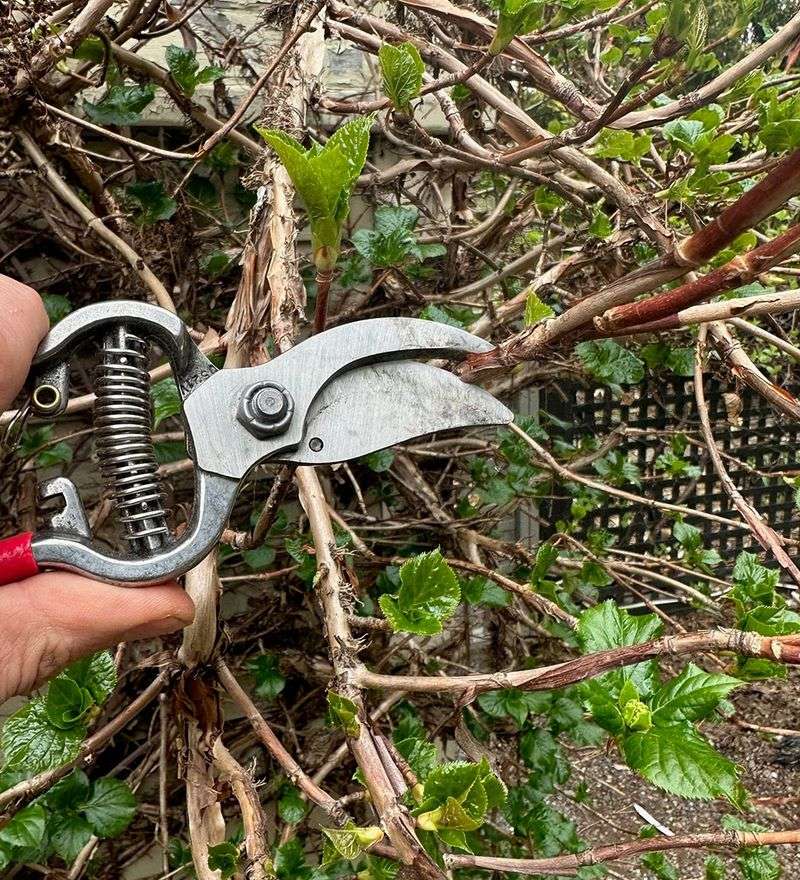
Rake first and spray later, because sanitation does more heavy lifting than any bottle. Every infected leaf you collect is one less spore source next April.
Bag fallen foliage and send it out with yard waste instead of the compost pile. Home compost rarely gets hot enough to handle fungal spores reliably.
Thin a few interior stems to open the shrub and let breezes pass through freely. Aim for roughly a third of the oldest canes on overgrown bigleaf types.
Hold major pruning on mopheads until right after they bloom next summer, since buds already formed. Cutting now trades a few spots for a flowerless June, which nobody wants.
Fungicides labeled with chlorothalonil, myclobutanil, or copper can protect the remaining healthy leaves. Treatments protect healthy tissue, not erase existing spots, so expect current spots to stay visible.
Spraying in September rarely pays off for mature shrubs heading toward dormancy anyway. Save the real effort for young plants or prized specimens you truly want protected.
Water deeply at the roots during dry September stretches so the plants stay strong. Stressed shrubs drop leaves faster, and thin plants struggle more the following spring.
Refresh mulch to two or three inches, keeping it pulled back from the crown. That layer blocks splashing soil, which carries spores upward during hard rains.
Resist the urge to fertilize your way out of trouble this late in the year. Soil, airflow, and cleanup solve this puzzle far better than plant food.
Bloom Buds Behind Next Season’s Recovery
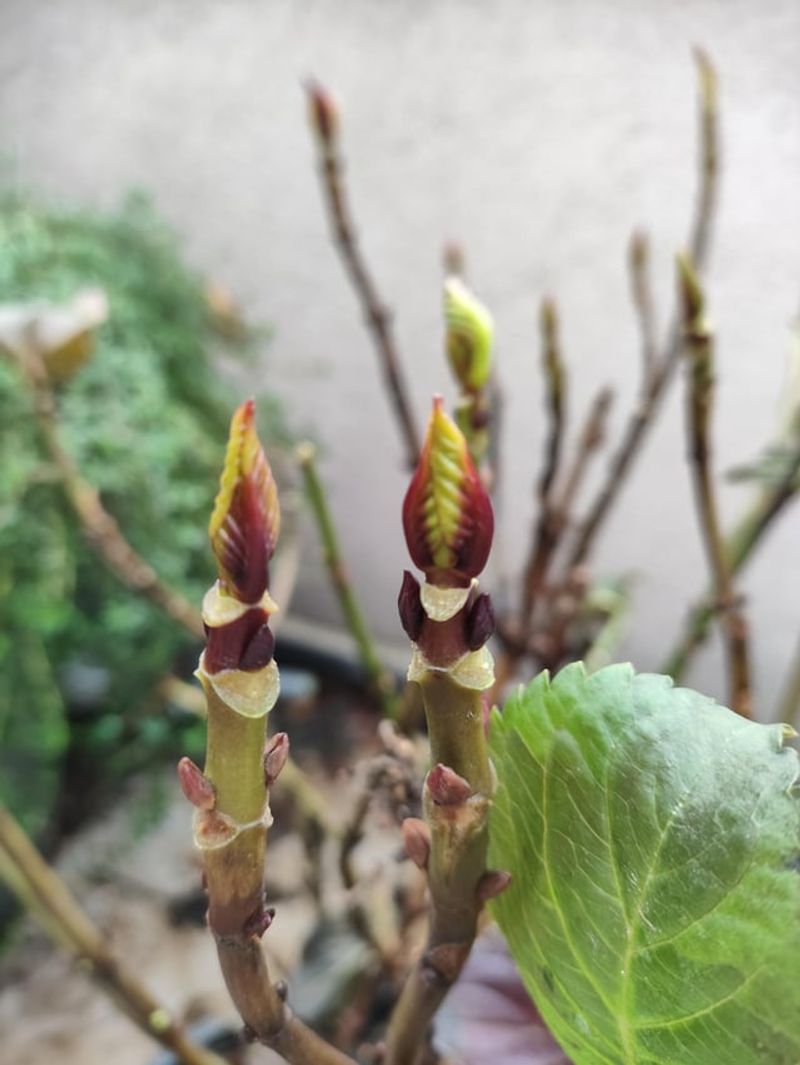
Here is the part that calms most worried gardeners down considerably. Cercospora attacks leaves only, leaving flower buds and woody stems untouched beneath the surface.
Bigleaf hydrangeas set next summer’s buds in late summer, long before spots appear. Those buds sit tucked at stem tips, safely out of the fungus’s reach.
Heavy leaf drop does reduce food production, which can trim bloom size slightly. A single bad year rarely changes anything noticeable by the following June.
Repeated defoliation three or four years running is where real weakening begins. Plants under that pattern grow slowly and become easy targets for winter injury.
New spring foliage emerges clean, which surprises people who feared permanent damage. Fresh leaves have no spots because infection cannot move inside the wood.
Spotting returns mostly based on how much debris survives the Maryland winter. Clean beds start clean seasons, and messy beds repeat the same story.
Gardeners in Howard and Montgomery counties often report cleaner plants after one thorough fall cleanup. Results show up the very next season without any spraying at all.
Panicle hydrangeas bloom on new growth, so late-season leaf loss barely affects them. Their flowers arrive on wood that has not even formed yet.
Think of September spotting as a report card rather than an emergency alarm. Your shrub is telling you about airflow and water, nothing more dramatic.
Mark a calendar reminder for March so cleanup and mulch happen before rains begin. Future you will appreciate the reminder while admiring unblemished green leaves.
Spring Prevention Habits For Better Spacing
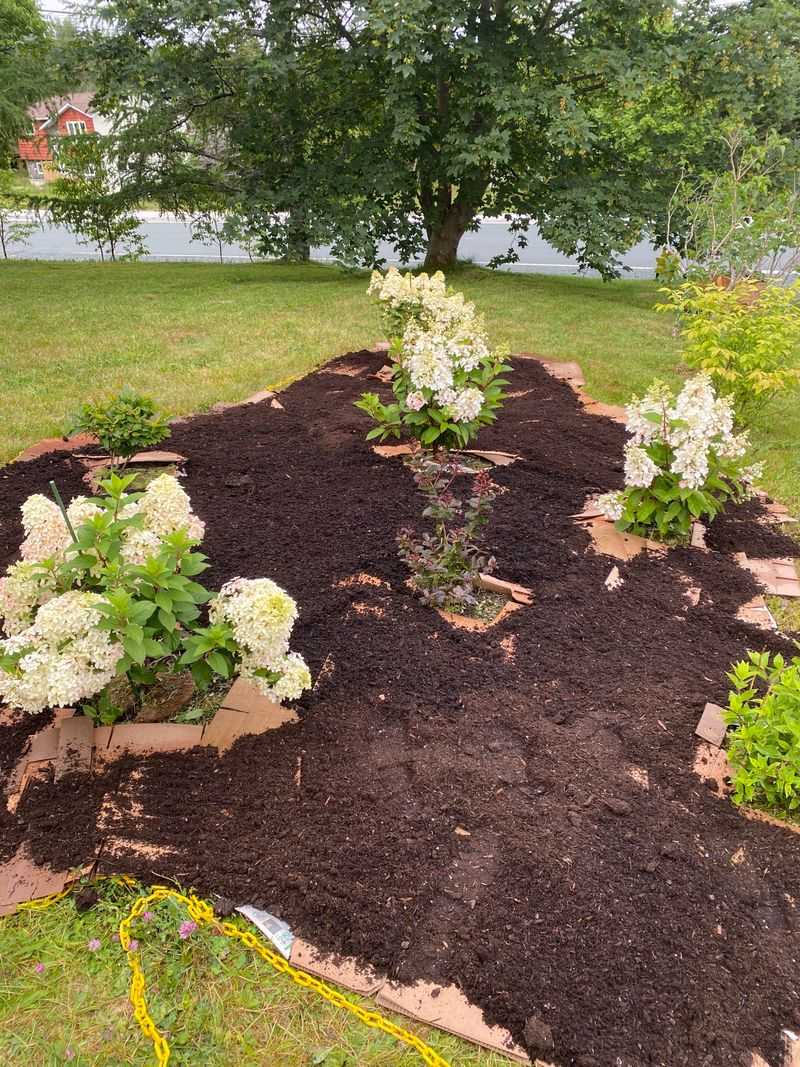
Prevention beats treatment here by an embarrassingly wide margin, and it costs almost nothing. The work happens in March and April, months before spots would appear.
Give each hydrangea at least three to five feet of breathing room from neighbors. Good spacing lets morning sun dry the leaves before the fungus wakes up.
Switch to soaker hoses or drip lines and retire the overhead sprinkler for good. Roots get the water, leaves stay dry, and everybody wins that trade.
Fresh mulch each spring stops rain from splashing soil and spores onto lower foliage. Shredded hardwood works well and holds up through Maryland’s summer downpours.
Choosing tougher cultivars pays off if you keep fighting the same battle yearly. Panicle varieties like Limelight and oakleaf selections show noticeably better resistance.
Morning sun with light afternoon shade suits most Maryland hydrangeas surprisingly well. Deep shade keeps foliage damp far longer than the plants can handle.
Preventive fungicide sprays starting at leaf-out help gardeners with a stubborn history of spotting. Two or three applications spaced two weeks apart usually cover the risky window.
Feed lightly in early spring with a balanced fertilizer and stop by early summer. Steady growth resists infection better than a sudden flush of soft leaves.
Walk your beds weekly in June and pluck the first few spotted leaves you find. Early removal slows the spread long before September turns your shrub speckled.
None of these habits require special tools, fancy products, or weekend-long projects. A hose adjustment and a rake handle most of the job beautifully.