Raking Season In Maryland Overlaps With A Second Tick Peak
Autumn in Maryland smells like woodsmoke, damp oak leaves, and the sharp bite of the first cold morning. The yard looks tidy from the porch, but the ground tells a different story.
Under that crunchy brown blanket sits a soft, humid little world that stays warm long after the air turns crisp. Something very small is waiting there, and it does not mind the chill at all.
Most folks assume the risky season ended back in July, so they rake in shorts and sneakers without a second thought. That assumption is exactly where trouble starts.
Raking this fall deserves the same caution as a summer hike through tall grass, since the ground underneath those piles is exactly where the trouble hides.
Autumn Yard Work And The Return Of Eight-Legged Trouble

Maryland homeowners tend to file ticks under summer problems, right beside mosquitoes and sunburn. The calendar says otherwise, and so does the biology. Adult tick activity climbs again from October into early December.
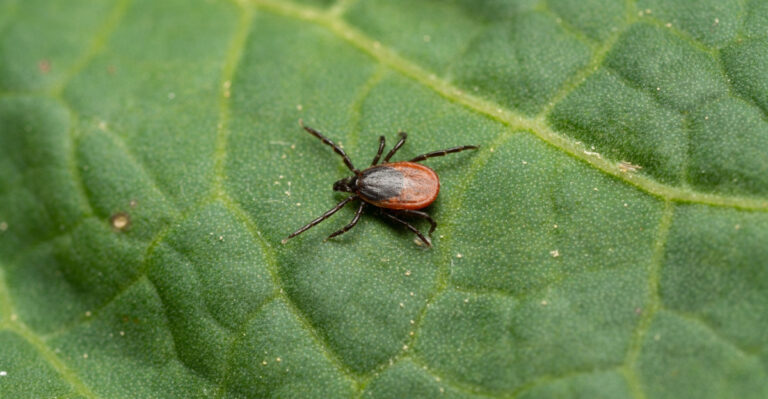
Fall brings a second peak driven mostly by adult blacklegged ticks, the same species linked to Lyme disease. Spring and early summer belong to the nymphs, which are tiny and hard to spot. Autumn belongs to the full-grown adults, which are larger but far more numerous on low brush and leaf edges.
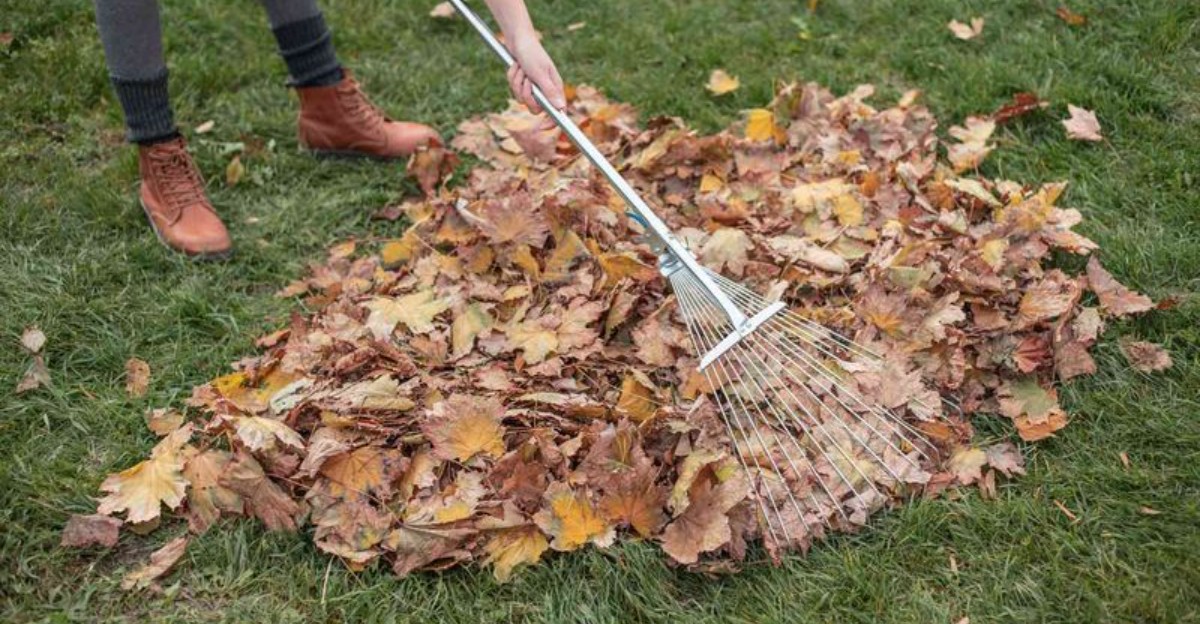
Raking happens to land squarely in the middle of that window. You are bending low, brushing against shrubs, and disturbing exactly the damp layer where these creatures rest between hosts.
Cool weather does not slow them down the way people expect. Adult blacklegged ticks stay active whenever the ground is thawed and temperatures climb above roughly 40 degrees, which describes a huge chunk of a Maryland November.
Counties across the state see this pattern, from Frederick and Carroll in the north to the wooded neighborhoods around Annapolis and the Eastern Shore. Deer wander through yards more freely in fall, dropping passengers as they go.
The practical takeaway is simple. Treat a Saturday of leaf cleanup with the same respect you would give a summer hike along the Appalachian Trail section near Boonsboro.
Awareness costs nothing. A little planning before you pick up the rake changes the whole equation.
Chelicerata, The Ancient Family Tree Behind The Bite
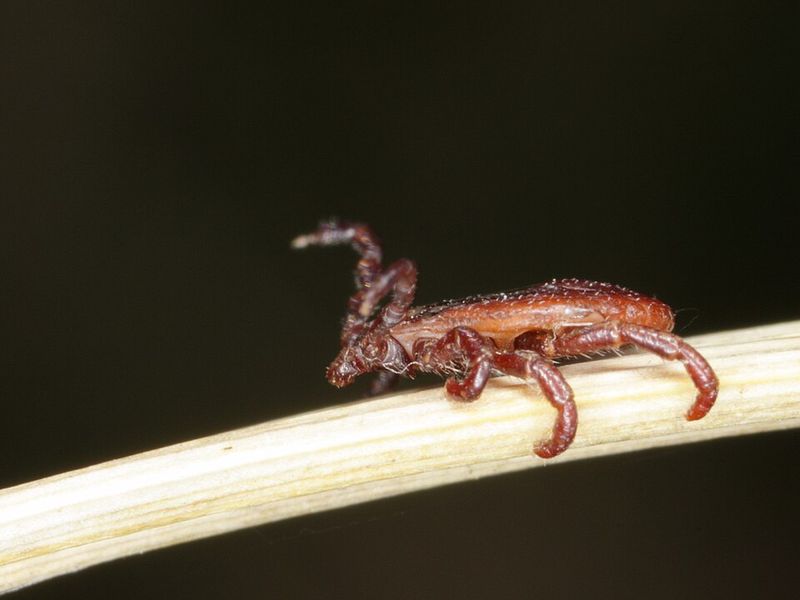
Here is a fact that surprises almost everyone at the hardware store: a tick is not an insect. It belongs to the subphylum Chelicerata, an ancient branch of the animal world that also holds spiders, scorpions, mites, and horseshoe crabs.
Chelicerates split off from insects hundreds of millions of years ago. Instead of antennae and jaws that chew sideways, they carry chelicerae, a pair of specialized mouth tools built for piercing, cutting, or grasping.
Count the legs and the difference becomes obvious. Adult ticks have eight, just like their spider cousins, while insects stop at six.
Understanding that family connection helps explain tick behavior in your yard. Chelicerates generally lack wings, so a tick cannot fly, jump, or drop from a tree branch onto your head, no matter what your neighbor swears happened.
Your Maryland Garden Changes Every Week. Your Plan Should Too.
Gardening in Maryland changes quickly throughout the season. Every Friday you’ll receive a simple weekly plan showing exactly what to plant, prune, fertilize, harvest, and protect so you never miss the right timing.
Instead they use a patient method called questing. A tick climbs a grass blade or leaf edge, extends its front legs, and waits for warmth, carbon dioxide, or vibration to signal that a host is passing.
Horseshoe crabs along Delaware Bay share that same deep ancestry, which is a strange and wonderful thought while you are holding a rake in Howard County.
Knowing the biology takes some of the mystery out of prevention. If the creature must climb and cling rather than fly, then clothing choices, tucked cuffs, and smooth fabric surfaces suddenly become powerful tools rather than fussy suggestions.
Leaf Litter As A Cozy Autumn Hideout
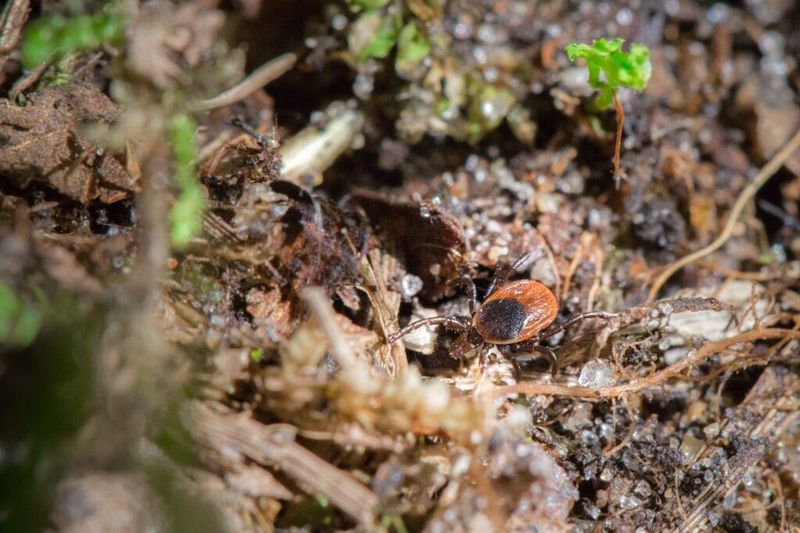
Picture the underside of a leaf pile after a rainy Maryland week. It is dim, humid, and several degrees warmer than the open lawn, which makes it prime real estate for an animal that dries out easily.
Ticks lose moisture through their bodies constantly. Without a damp shelter to retreat into, they shrivel within days, so leaf litter functions as both a hotel and a water source.
Tick activity in the mid-Atlantic consistently runs highest along the boundary where lawn meets woods. That transition strip, thick with fallen leaves and low brush, is where most yard encounters begin.
Raking stirs everything up. Each pass of the tines lifts the protective layer, tumbles the residents into open air, and sometimes flings them onto your boots or gloves.
Piling leaves creates a second issue. A tall mound sitting near the deck for two weeks becomes a concentrated shelter right beside your back door, and children love jumping into exactly that spot.
Smart timing helps a lot. Rake on a dry, breezy afternoon rather than the morning after a soaking rain, since drier conditions push these creatures deeper into cover.
Bag or haul piles the same day when you can. Leaving them for a week gives every wandering hitchhiker in the neighborhood a comfortable place to settle in near the house.
Small scheduling changes deliver real protection without any extra effort.
Cool Weather Myths That Get Marylanders In Trouble
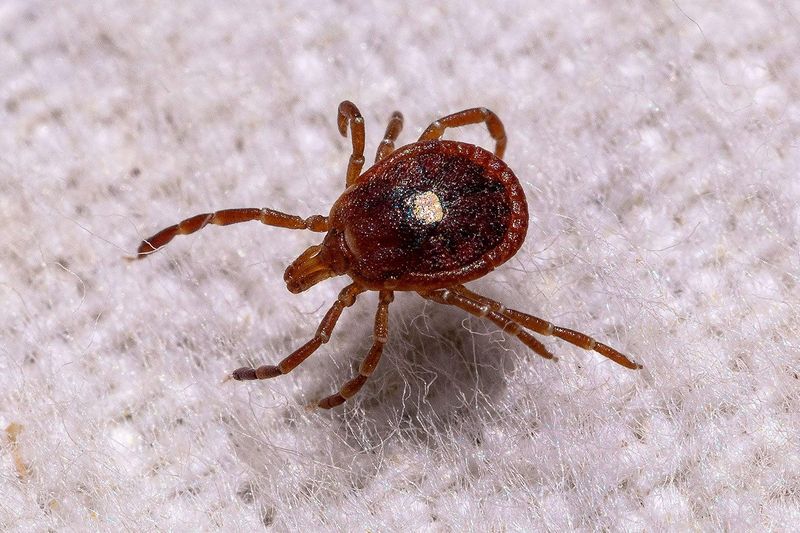
The frost showed up last Tuesday, so the ticks must be gone. That single sentence is behind a lot of October and November bites in Maryland.
Frost does not end the season. A light freeze nips tender plants, but the ground beneath the leaves stays well insulated, and adult blacklegged ticks simply wait out the cold snap and resume questing when the thermometer climbs back into the forties.
Maryland winters cooperate with them nicely. Warm stretches in December and even January regularly push afternoon temperatures into the fifties, and ticks take full advantage of every one of those thaws.
Another common belief holds that ticks only live deep in the forest. These ticks show up regularly in manicured suburban yards, along fence lines, under ornamental shrubs, and around woodpiles stacked against the garage.
People also assume they would feel a bite immediately. Tick saliva contains compounds that numb the skin, which is why so many go unnoticed for a day or more.
Then there is the bullseye rash myth. Roughly a quarter to a third of Lyme cases show no such rash, so waiting for a ring before calling the doctor is a poor strategy.
Dropping these outdated ideas costs nothing and changes behavior fast. Once autumn feels like a genuine risk window rather than a safe zone, the rest of the precautions start to feel reasonable instead of excessive.
Dressing And Treating Gear For A Day Of Raking
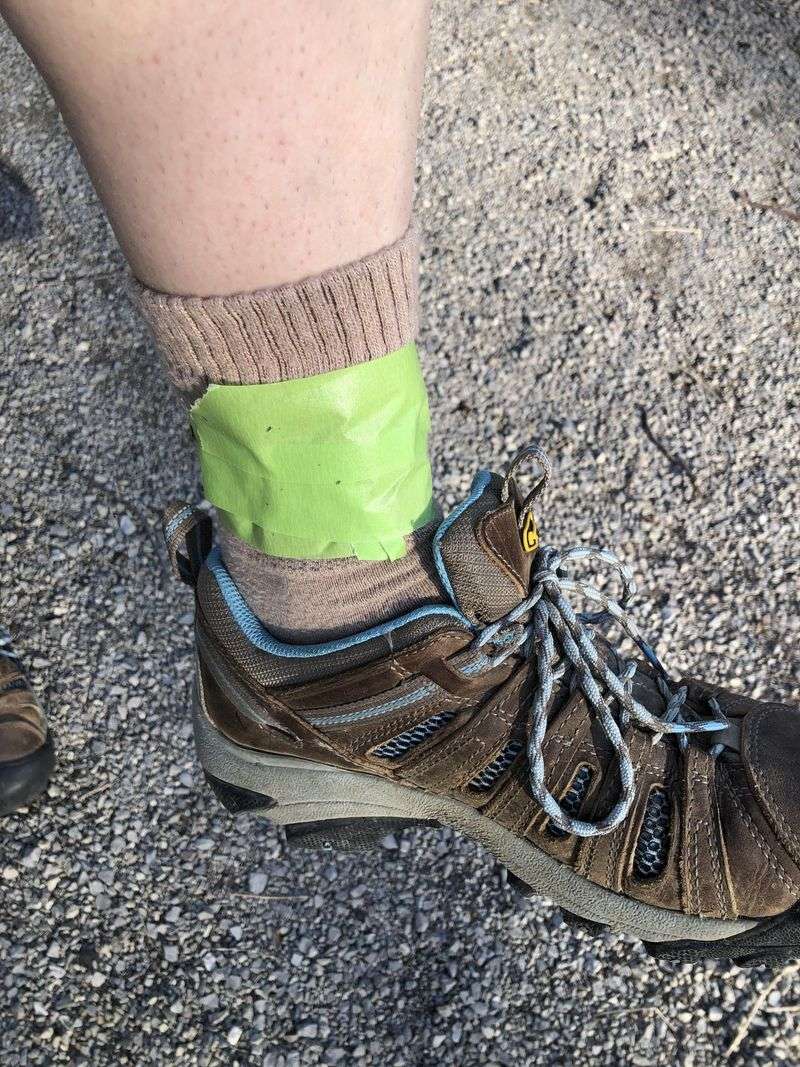
Ask a Maryland park ranger about fall clothing and you’ll likely hear the same short list. Long pants, socks pulled over the cuffs, closed shoes, and light colors that make a dark speck easy to spot.
Tucking pants into socks looks goofy. It also works, because a questing tick climbs upward and that fabric barrier sends it wandering across the outside of your clothing where you can see it.
Permethrin treated clothing has become the standout tool for anyone spending real time outdoors. Sprayed on boots, socks, and pants, it bonds to fibers and stays effective through multiple washes.
Treat the gear outdoors and let it dry fully before wearing. The spray belongs on fabric rather than skin, and cats should stay away until everything is fully dry.
For exposed skin, repellents containing DEET, picaridin, or oil of lemon eucalyptus all hold up well. Ankles, wrists, and the back of the neck deserve attention since those are the entry points that get missed.
Gloves matter more than people think. Grabbing armfuls of damp leaves puts your bare hands directly into the humid layer where these creatures wait.
Keep a lint roller in the garage. Running one over your pants before stepping inside catches surprising numbers of unattached hitchhikers.
None of this requires special equipment or a big budget. Ordinary yard clothes plus one bottle of treatment covers an entire Maryland autumn.
After The Rake, The Routine That Finishes The Job

The rake goes back in the shed and the job feels finished. Twenty more minutes of routine is what actually closes the loop.
Clothes come off first, ideally in the laundry room or garage rather than the bedroom. Toss everything straight into the dryer on high heat for ten to fifteen minutes, since dry heat handles ticks far better than washing does.
A shower within two hours follows nicely. Warm water rinses away anything still crawling and gives you a natural moment to run hands over the skin.
Check the hidden spots deliberately. Behind the knees, along the waistband, in the armpits, around the ears, and through the hairline are the classic hiding places, and a mirror or a family member helps with the areas you cannot see.
Dogs need the same attention after romping through leaf piles. Run fingers along the collar line, between toes, and inside the ear flaps.
If you find one attached, skip the folk remedies. Fine tipped tweezers, a firm grip close to the skin, and steady upward pressure remove it cleanly without squeezing the body.
Clean the area, note the date, and watch for fever, aches, or a spreading rash over the following weeks. Maryland doctors see tick illness regularly and take these reports seriously.
Handled this way, a yard full of leaves stays what it should be. Good exercise, fresh air, and a satisfying view from the kitchen window.