9 Reasons Barred Owls Are Showing Up In Missouri Neighborhoods More Than Ever
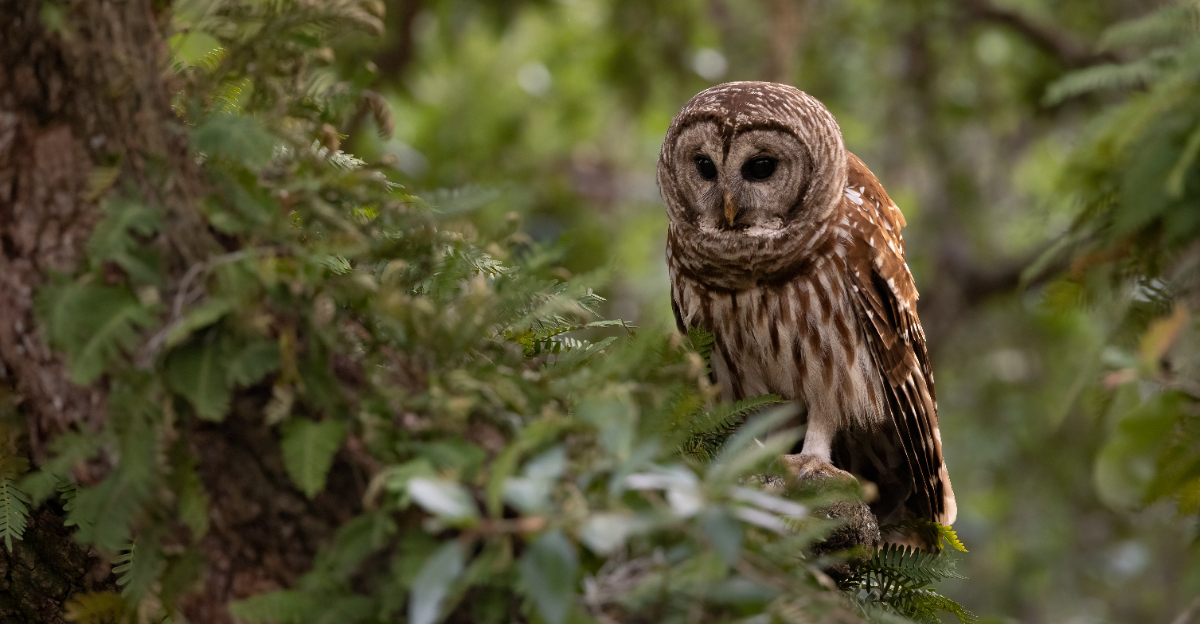
Eyes track your every movement from the darkness above. You feel watched long before you spot the owl.
Barred owls now claim Missouri porches like they own them. Neighbors describe encounters that felt unthinkable long before now.
Wildlife biologists say this shift keeps accelerating across Missouri. Cities quietly offer shelter, food, and fewer natural threats.
Suburban sprawl pushes these birds toward porches and fences. Streetlights help them hunt long after sunset fades.
Mature trees near occupied homes give them perfect cover. Locals often mistake their calls for human voices.
Every sighting adds another data point for researchers tracking growth. Dusk brings them closer than you expect.
Curiosity replaces fear once you understand their behavior. Knowledge quickly turns unsettling encounters into genuine fascination.
Patterns emerge once you know where and why to look. Understanding these birds changes how you see your surroundings. This shift is worth understanding as it continues.
1. Suburban Canopies Double As Nesting Grounds
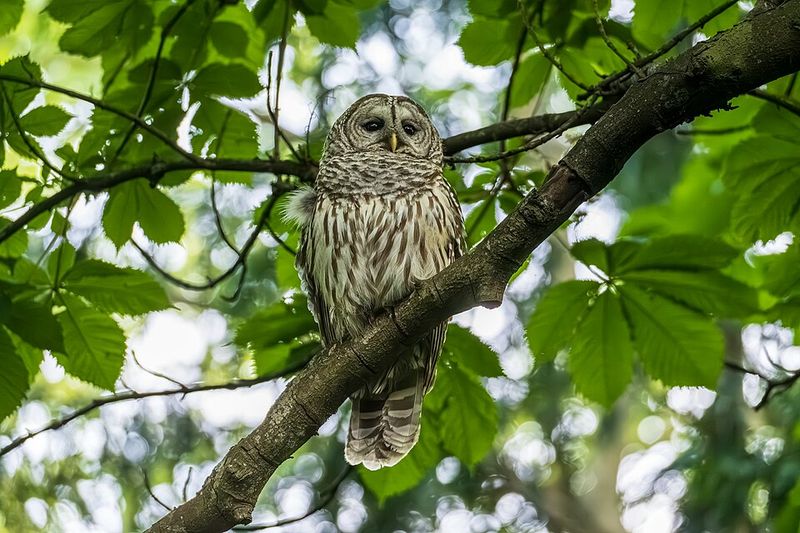
Mature trees lining quiet streets look like a forest to a barred owl. Neighborhoods with old oaks, maples, and elms create a canopy that mimics wild woodland habitat. You might walk past one of these trees every single day.
Missouri’s older neighborhoods hold more of this cover than newer developments. That difference alone can determine whether owls move in or move on.
Barred owls nest in tree cavities, and suburban yards often have plenty of those. Lifeless branches and hollow trunks give nesting pairs exactly what they need.
A single cavity tree can support a nesting pair for years. Removing that tree often pushes owls elsewhere.
Homeowners who skip the chainsaw are unknowingly rolling out a welcome mat. A hollow oak in your front yard could be someone’s nursery right now.
Many Missouri suburbs have tree cover that rivals state forest edges. That overlap between human space and owl habitat is shrinking fast.
When a neighborhood has enough canopy, owls stop treating it like an obstacle. They start treating it like home territory they can defend and raise chicks in.
Barred owls in Missouri are not wandering lost through subdivisions. They are settling in because the trees make staying worthwhile.
2. Greenbelts Pull Owls In From Wild Edges
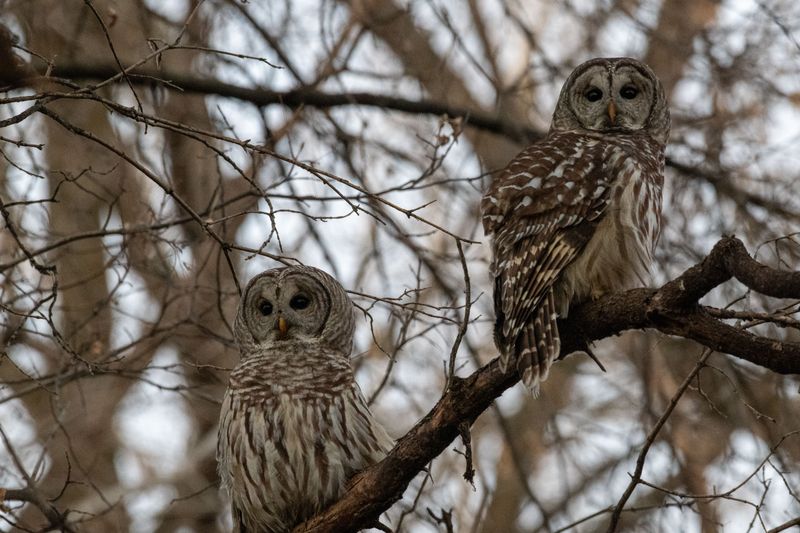
Trail corridors and creek greenbelts act like highways for wildlife. Barred owls follow these green strips right into the middle of developed neighborhoods. What looks like a scenic walking path to you looks like a migration route to an owl.
Missouri has invested heavily in greenway systems connecting parks and natural areas. Those well-meaning paths give owls a low-stress route from deep woods to your backyard. Planners rarely design trails with owls in mind, yet the birds benefit anyway.
An owl does not need a massive forest block to thrive. A connected ribbon of trees along a stream is enough to guide it toward new territory. Even a narrow line of cottonwoods can function as a functional corridor.
Greenbelts reduce the stress of crossing open ground, which owls avoid. They hop from tree cluster to tree cluster until suddenly they are perched above a cul-de-sac. This gradual movement often goes completely unnoticed until an owl shows up at eye level.
Your Missouri Garden Changes Every Week. Your Plan Should Too.
Gardening in Missouri changes quickly throughout the season. Every Friday you’ll receive a simple weekly plan showing exactly what to plant, prune, fertilize, harvest, and protect so you never miss the right timing.
Cities like Columbia and Kansas City have invested in expanding trail networks in recent years as part of broader greenway planning efforts.
Each new green corridor is essentially a new owl migration lane. More trails inevitably mean more overlap between owl territory and human streets.
Wildlife biologists call this edge connectivity, and it matters enormously for species like barred owls. Once an owl finds a greenbelt route, it tends to return season after season.
Your neighborhood might sit at the end of one of those routes without anyone realizing it. The trees connecting your yard to a distant forest play a meaningful ecological role.
3. Easy Prey Access Increases Owl Presence
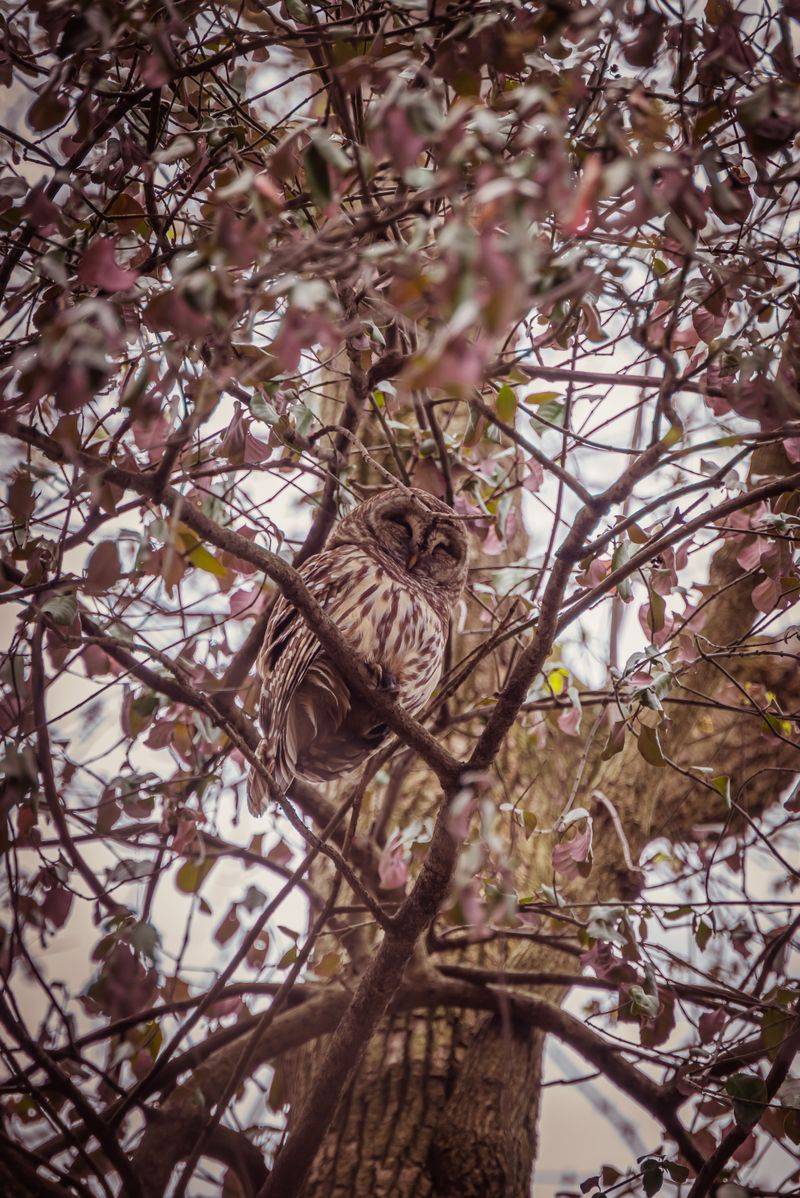
Suburbs offer an abundant food source for a hungry owl. Mice, voles, chipmunks, and small rabbits thrive in the manicured edges of residential yards. Nobody plants a garden expecting to feed a predator, yet that is exactly what happens.
Bird feeders attract seed-eating rodents, and those rodents attract barred owls. Your backyard feeder might be feeding more than just finches. Spilled seed beneath a feeder can support a rodent colony within weeks.
Lawn edges where grass meets garden beds are prime hunting zones. Owls watch these transition strips from above and drop down with pinpoint accuracy. That thin strip of mulch along your fence line is basically a hunting blind.
Suburban prey populations often run higher than in deep forest. Rodents love the mix of shelter, spilled seed, and compost that human yards provide. Compost piles in particular act like rodent apartment complexes.
A barred owl typically needs to catch several small mammals per night to meet its energy needs, according to wildlife biologists.
Neighborhoods with active rodent populations make that goal easy to hit. Hunting success rates climb sharply when prey clusters this densely.
Pest control companies report high rodent activity in many Missouri suburbs. Reducing rodent populations can also reduce owl activity nearby.
When prey is abundant and easy to catch, owls have little reason to leave. A neighborhood with a reliable food source becomes a permanent hunting ground fast.
4. Old Trees Make Ideal Hunting Posts
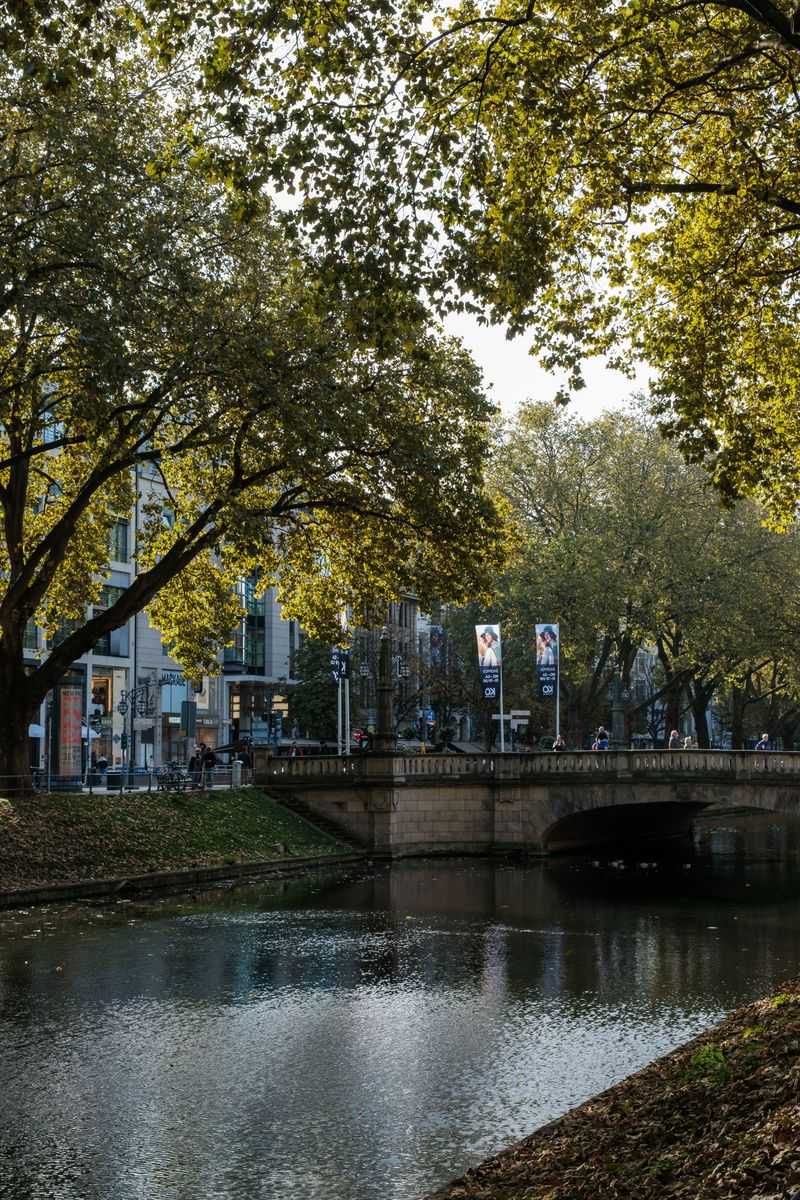
Height and visibility are everything to a hunting owl. Old trees with wide, open branches give barred owls the perfect perch for spotting movement below.
A century-old oak in a front yard offers something a young sapling never can. The thick, bare lower branches create unobstructed sightlines to the ground.
Missouri neighborhoods with historic tree stock are especially attractive to owls. Towns like Kirkwood and Webster Groves are known for their old-growth street trees.
From a high perch, an owl can hear and see prey moving through leaf litter below. It waits silently, then drops fast and quiet when the moment is right.
Old trees also hold more insect life, which attracts small birds and rodents. That chain reaction makes a single ancient tree a whole ecosystem for an owl.
Preservation of old trees is often debated in neighborhood planning meetings. Few people realize those trees are supporting capable predators right in the community.
When a big old tree stays standing, it keeps an owl close to your street. That silent sentinel above your driveway is likely doing more pest control than you know.
5. Fewer Threats Let Numbers Climb
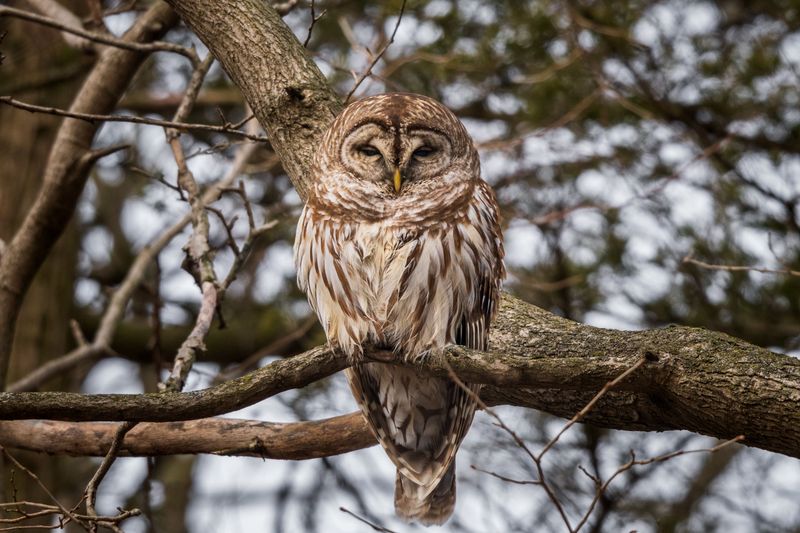
Barred owl populations have grown steadily across the eastern United States. Reduced hunting pressure and stronger wildlife protection laws have helped numbers rebound.
Decades ago, owls were sometimes shot or trapped out of fear or misunderstanding. Today, federal protection under the Migratory Bird Treaty Act keeps them safer.
Public attitudes have shifted too, and that matters more than people think. Homeowners now tend to celebrate an owl sighting rather than chase the bird away.
Fewer large predators in suburban zones also reduces owl mortality. Coyotes are present in many areas, but barred owls are smart enough to roost out of reach.
Owl populations that were once suppressed are now expanding into available habitat. Suburbs with mature trees happen to be some of the best available habitat around.
Conservation education programs in Missouri schools have raised a generation of owl-friendly adults. Those adults are now the homeowners who leave standing snags in place and skip the pesticides.
More owls surviving to adulthood means more owls looking for territory. Suburban neighborhoods are absorbing that overflow population, which brings both benefits and trade-offs for local ecosystems.
6. Weather Shifts Redraw Owl Ranges
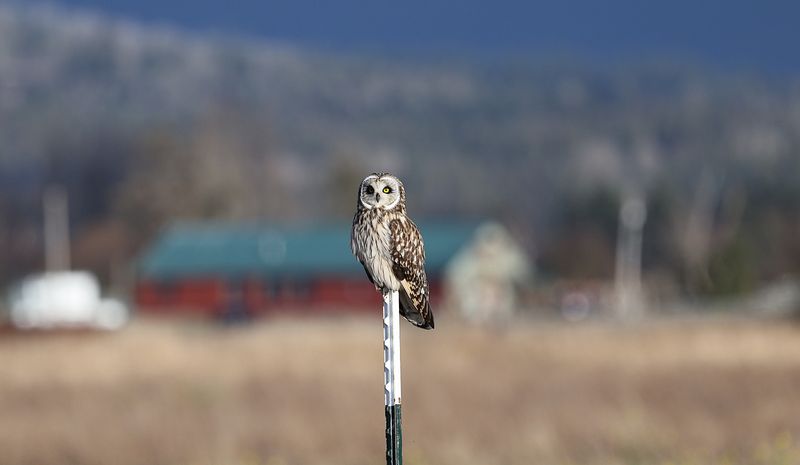
Winters in Missouri have trended milder in recent decades, a pattern consistent with broader regional climate data. That shift affects which animals stay, move, or expand into new areas.
Barred owls are year-round residents, but milder winters make suburban survival easier. Less snow means prey stays active longer, which keeps owls fed through the cold months.
When prey does not burrow deep or go dormant, owls do not need to roam far. Suburban neighborhoods with open lawns and mulched beds stay accessible all winter long.
Milder springs also mean earlier breeding seasons for barred owls. Pairs that nest earlier have more time to raise chicks before summer heat sets in.
Earlier nesting extends the window for successful chick survival. More surviving chicks means more young owls searching for territory come fall.
Those young owls push into new zones, including neighborhoods they might not have explored before. Climate-driven range shifts are happening slowly, but the direction is clear.
Barred owls are adapting to changing conditions faster than many other species. Missouri suburbs are catching the overflow of a population that is quietly thriving in a shifting climate.
7. Forest Loss Moves Owls Toward Suburbs
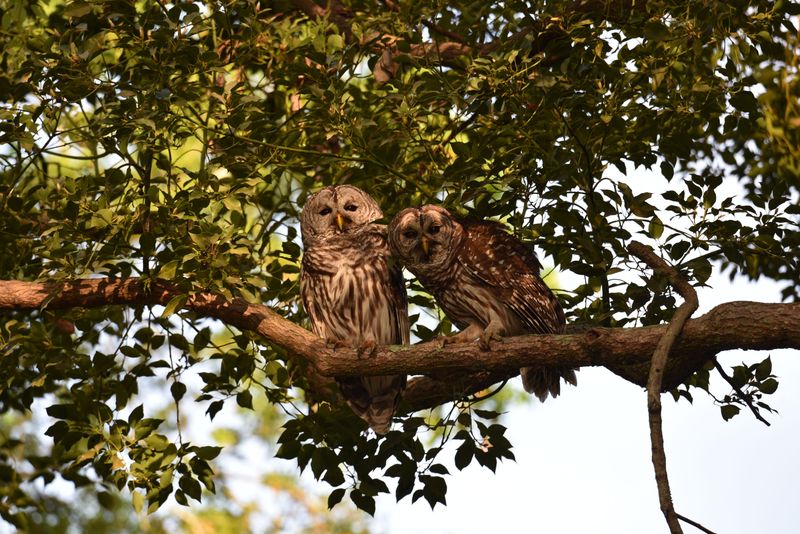
Forest loss is a significant driver pushing barred owls toward neighborhoods. When their woodland habitat shrinks, owls move to the next best option available.
Missouri continues to lose forestland to development each year, a trend widely tracked by state land-use reports. Owls that once nested in those areas have to find somewhere new to live.
Suburbs sit right at the edge of that development pressure. They offer fragmented tree cover, which is imperfect but workable for an adaptable species like the barred owl.
Barred owls are more flexible than many other woodland birds. They can tolerate smaller habitat patches as long as food and nesting spots are present.
That flexibility is both a strength and a survival strategy. While other forest species struggle with habitat loss, barred owls pivot and push into new zones.
The same construction that displaces owls often creates the suburban neighborhoods they later move into, a cycle worth noting.
Protecting remaining forests would reduce this pressure over time. Until then, Missouri neighborhoods will keep absorbing the owls that development has displaced from the wild.
8. Peaceful Yards Feel Like Woods
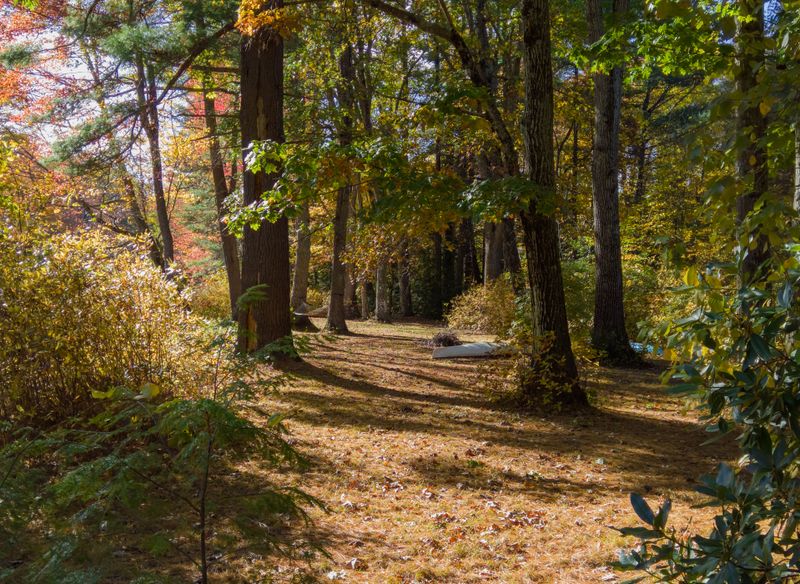
Quiet streets at night feel surprisingly similar to a forest understory. Low traffic, dim light, and minimal human activity after dark make suburbs feel safe to an owl.
Barred owls are most active between dusk and dawn, when most neighborhoods go still. That overlap between owl peak hours and human quiet hours works in the bird’s favor.
Yards with dense shrubs, garden beds, and leaf piles resemble forest floor habitat. An owl scanning from above sees structure and cover that match what wild woodland offers.
Many homeowners have shifted toward natural landscaping in recent years. Native plants, brush piles, and unmowed patches create micro-habitats that support the whole food web owls depend on.
A yard that feels wild to a human feels genuinely functional to a barred owl. The less manicured a space is, the more useful it becomes for hunting and resting.
Noise levels also matter more than most people realize. A calm, low-traffic street allows owls to hear the rustle of prey that would otherwise be drowned out.
When your neighborhood goes quiet after nine p.m., barred owls are more likely to become active nearby.
9. Nearby Water Brings Varied Prey
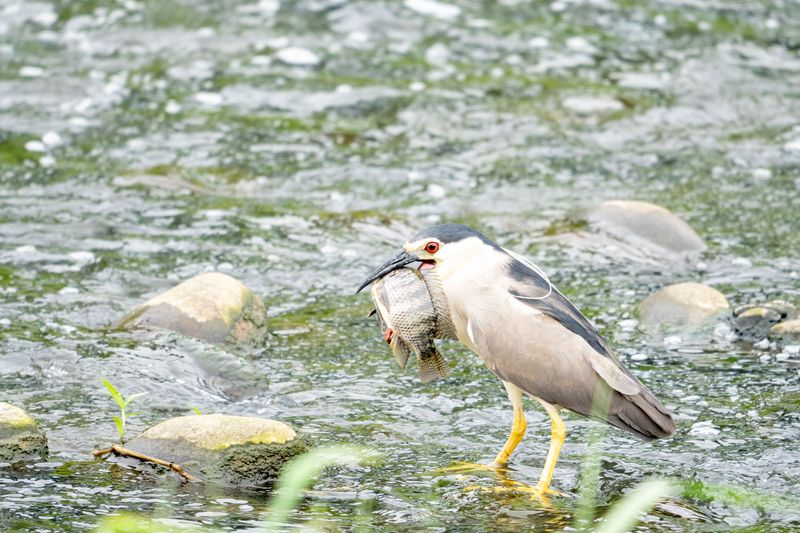
Creeks, ponds, and retention basins in suburban areas attract a surprising variety of wildlife. Barred owls take full advantage of the extra prey that water sources bring in.
Crayfish, frogs, and small fish are all fair game for a hungry barred owl. Water edges also attract voles and muskrats, which are high-value targets for a hunting bird.
Missouri neighborhoods built near rivers or creek drainages sit in prime owl territory. The combination of trees and water creates a habitat mosaic that owls find irresistible.
Retention ponds, which are common in newer subdivisions, serve the same ecological role as natural wetlands. They draw in prey species that in turn draw in predators like barred owls.
Even a modest backyard water feature can make a difference. A small pond or birdbath adds to the neighborhood’s overall prey diversity and keeps owls checking in regularly.
Water also supports amphibians, which are a key part of the barred owl’s seasonal diet. Spring nights near a pond can get loud with frogs, and owls show up to listen.
Barred owls in Missouri neighborhoods near water sources tend to stay year-round. That reliable food variety makes leaving feel unnecessary when everything they need is right there.