5 Reasons Hanging Petunias Wilt By Afternoon And What To Do About It
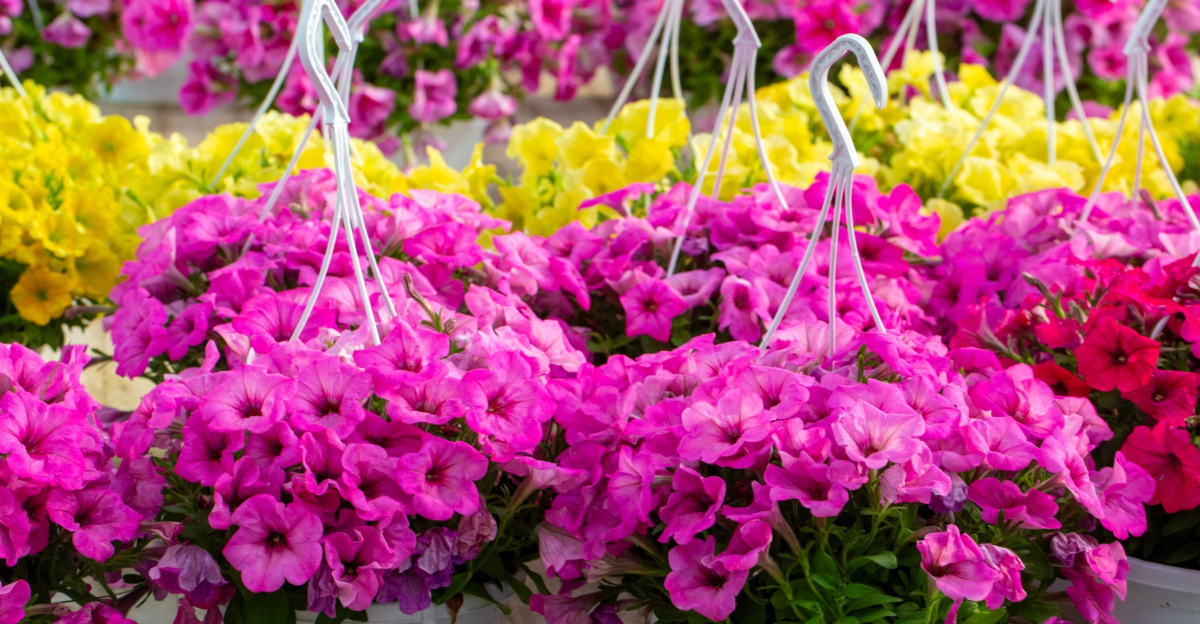
Why do your hanging petunias look perfectly happy in the morning and completely wilted by noon?
You are not overreacting, and you are definitely not a bad gardener. These bold, beautiful bloomers are simply among the thirstiest plants you can grow in a container.
They drink fast, they dry out faster, and the summer heat only makes things worse. But here is what most gardeners do not realize: there are specific, fixable reasons behind all that wilting.
Factors like pot size, wind exposure, soil type, and heat all work against your petunias every single day.
Once you understand what is actually happening, small changes to your routine can deliver big results.
No more twice-a-day watering panic. No more wondering if your flowers are beyond saving.
The right knowledge turns a frustrating guessing game into a garden you can genuinely show off and enjoy.
1. Small Baskets Are Setting Your Petunias Up To Fail
A basket the size of a salad bowl cannot hold enough water for a thirsty plant in full bloom.
Most standard hanging baskets sold at garden centers are only 10 to 12 inches wide.
That sounds reasonable until you realize petunias are aggressive growers that pack roots fast.
Small soil volume means less water storage, plain and simple.
When the sun beats down on a tiny basket, that limited moisture evaporates within hours.
You water in the morning and by noon the basket feels bone dry again.
The fix is straightforward: go bigger.
Upgrade to a 14 or 16-inch basket and you immediately give roots more room and soil more holding capacity.
More soil means more moisture stays available between waterings.
Use a horticultural wetting agent, or soak the basket thoroughly to rehydrate dry mix.
These crystals absorb water and slowly release it back to the roots over time.
You can find them at any garden supply store for just a few dollars.
Lining wire baskets with thick coconut coir or burlap also slows moisture loss from the sides.
Many wire baskets let water escape from every angle, not just the bottom.
A good liner acts like a buffer and keeps that precious water exactly where the roots can always reach it. Choosing a larger container from the start is the single best decision you can make for hanging petunias.
It saves you time, reduces stress on the plant, and means fewer emergency waterings on hot afternoons. Bigger really is better here, and your petunias will reward you for it.
2. Your Petunias Are Fighting Sun And Wind Every Day
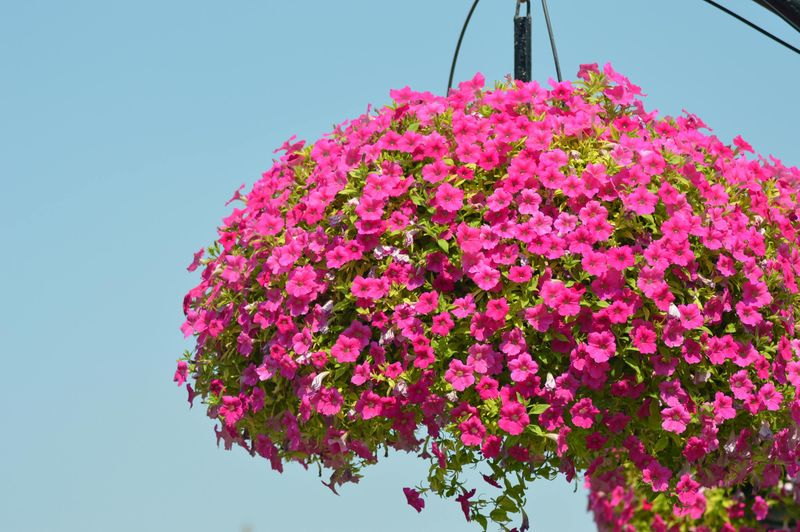
Wind is the silent thief no one talks about when it comes to hanging petunias drying out fast.Most gardeners blame the sun, and yes, heat absolutely speeds up water loss.
But a steady breeze can pull moisture from leaves and soil just as aggressively as a blazing afternoon sun.
Petunias love sunlight and need at least six hours a day to bloom well.The problem comes when they hang in a spot that gets full sun from morning to evening with no shade break.
Combine that with wind and you have a recipe for a plant that cannot keep up with its own water demands.
Moving your baskets to a spot with afternoon shade makes a noticeable difference almost immediately.Eastern exposures are ideal because the plant gets gentle morning sun and natural shade in the hotter hours.
Even a few hours of afternoon relief can cut your watering needs significantly.
Wind barriers help too.Hanging baskets near a fence, trellis, or wall can reduce wind exposure without sacrificing light.
This simple placement change protects the plant and slows moisture loss from the soil surface.
Applying a thin layer of moss or coconut fiber on top of the soil in the basket also reduces evaporation caused by both sun and wind.Think of it as a tiny mulch layer working in the basket.
It traps moisture right where the roots need it most.
Hanging petunias thrive when conditions are balanced.
A little thought about placement goes a long way toward keeping them hydrated and healthy all season long.
3. Your Soil Is Repelling Water
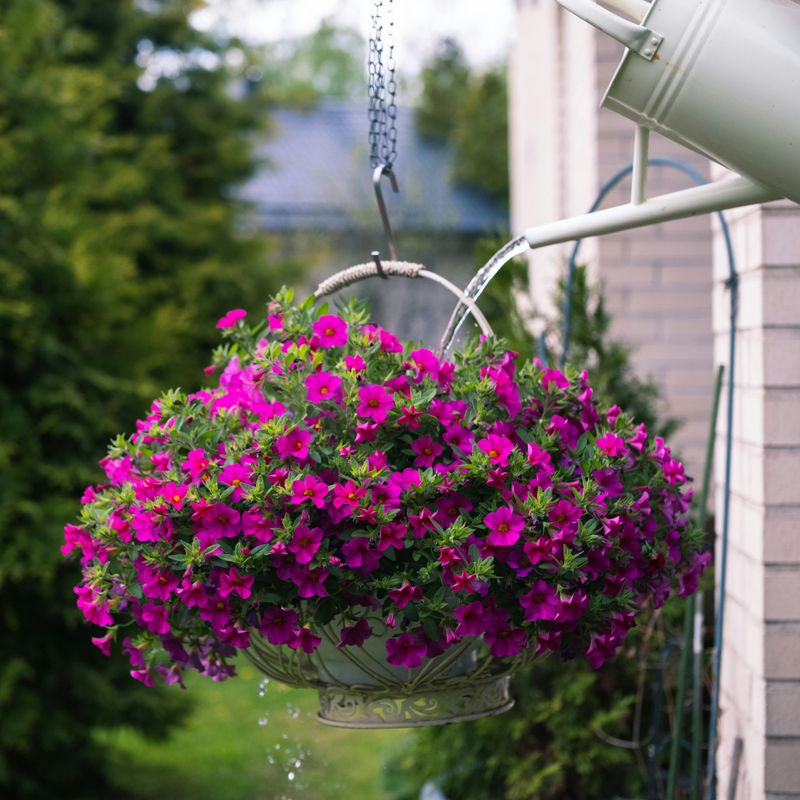
You pour water in and it pours right back out.
The soil never absorbs a single drop.
If that sounds familiar, your soil has gone hydrophobic.
This is one of the most common and most frustrating problems with hanging baskets, and most gardeners have no idea it is happening.
Hydrophobic soil has dried out so completely that it actually repels water instead of absorbing it.
The organic matter in potting mix breaks down over time and loses its ability to absorb moisture.
Water runs straight off the surface instead of soaking in.
You can water every single day and the roots still stay parched.
The good news is this problem is completely fixable.
Soak the entire basket in a bucket or tub of water for 20 to 30 minutes.
This slow soak forces the soil to rehydrate fully and breaks down that water-repelling layer.
Adding a tiny drop of dish soap to your watering can once a month also helps.
The soap acts as a mild surfactant that reduces surface tension and helps water penetrate the soil more easily.
Just a small drop is enough, no need to go overboard.
Replacing old potting mix at the start of each season prevents this issue from developing in the first place.
Fresh potting soil has better structure and holds moisture far more effectively than soil that has been sitting in a basket for two or three years.
Old mix compacts, loses air pockets, and becomes almost cement-like over time.
Once you fix hydrophobic soil, watering becomes dramatically easier.
Your hanging petunias will finally get the moisture they have been missing all along.
4. Your Petunias Have Outgrown Their Home
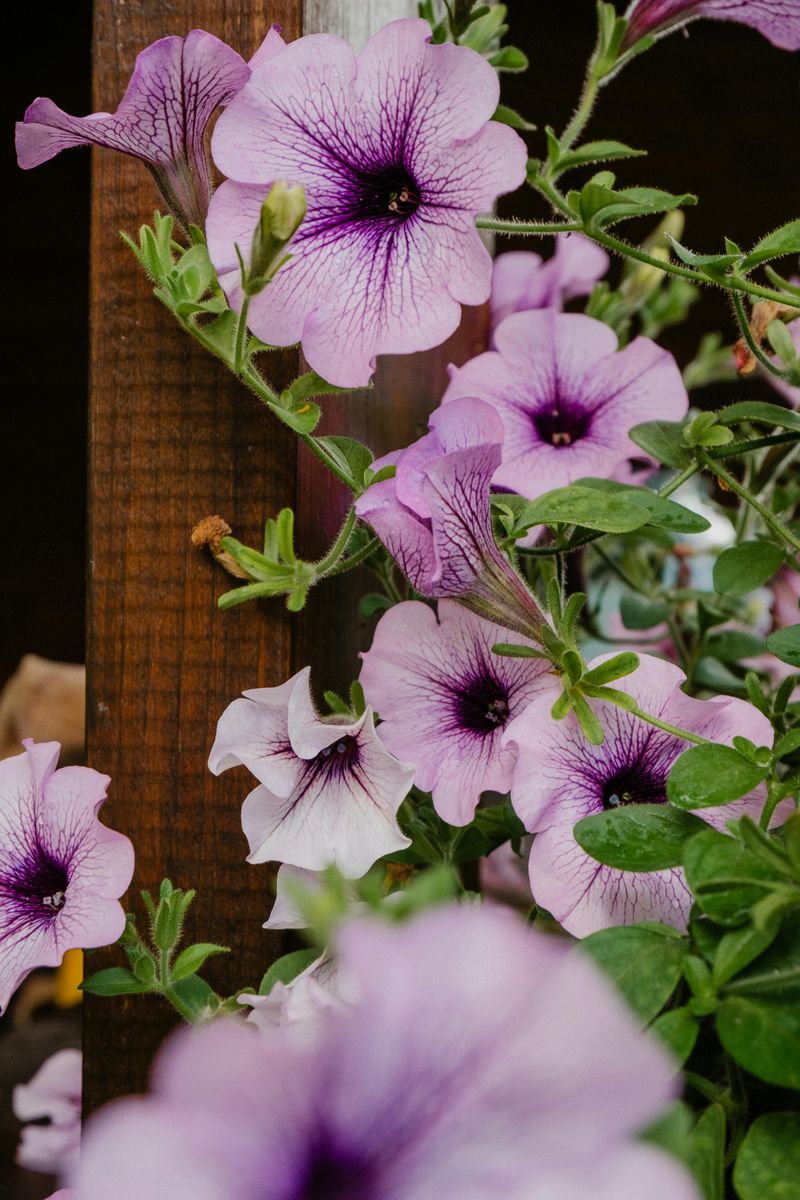
Pull back the soil and you might find roots twisted into a dense, tangled ball.
That is a clear sign your petunias have completely outgrown their home.
A rootbound plant has used up nearly every inch of available soil space.
When roots dominate the container, there is almost no room left for water to be stored.
Petunias grow fast.
By midsummer, a plant that looked perfectly comfortable in May can become severely rootbound.
At that point, watering feels pointless because water passes through the dense root mass and drains away before the plant can absorb much of it.
Gently removing the plant from its basket and inspecting the root ball tells you everything you need to know. If the roots are tightly wound and covering the entire outside of the soil, it is time to act.
You have two solid options: repot into a larger container or carefully trim back the roots and refresh the soil. Root pruning sounds scary but it works remarkably well with just a little patience and the right tools.
Using clean scissors, trim away about one third of the outer root mass.
Then replant in fresh potting mix with a little slow-release fertilizer mixed in.
Sizing up the basket by two inches in diameter gives roots fresh territory to spread into.
New soil means new water-holding capacity and a plant that can actually sustain itself between waterings. The difference in how quickly the basket dries out will surprise you.
Keep your petunias from outgrowing their space and the difference will be obvious fast.
Fuller blooms, happier roots, and a lot less time spent chasing a watering can.
5. Irregular Watering Is Quietly Stressing Your Petunias
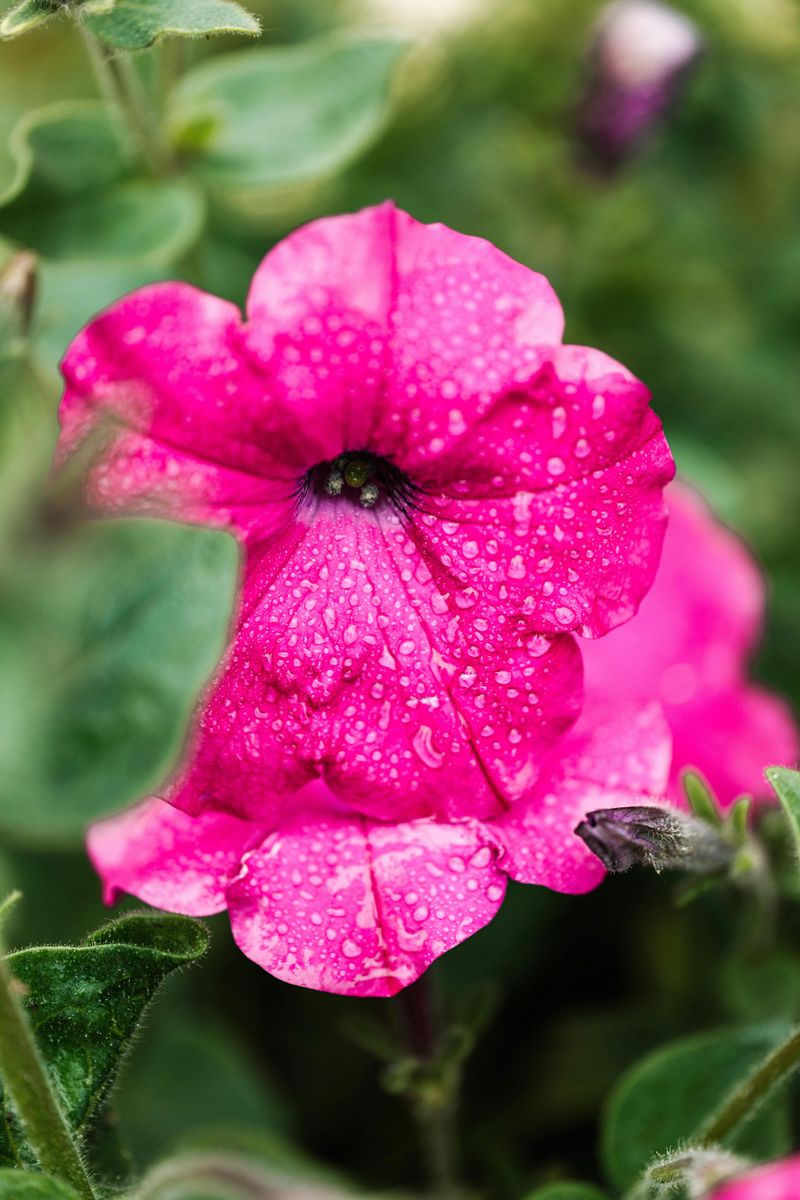
Missing a day of watering is easy to brush off.
Hanging petunias, though, feel every single missed drink.
These plants have high water demands, especially during peak summer heat.
An inconsistent watering schedule stresses the roots repeatedly, and stressed roots struggle to absorb water efficiently even when moisture is available.
Many gardeners underestimate how much water a hanging basket actually needs.
A mature petunia basket in full sun during summer can need a full quart or more of water per day.
A quick splash from a watering can is often not nearly enough to saturate the soil all the way through.
The best method is slow, deep watering until you see water flowing steadily from the drainage holes.
This confirms the entire root zone has received moisture, not just the top layer.
Shallow watering trains roots to stay near the surface, making the plant even more vulnerable to drying out quickly.
Setting a daily watering reminder on your phone during hot spells is a simple habit that genuinely protects your plants all season long.
Consistency matters more than perfection.
Even slightly irregular watering causes the plant to cycle through drought stress repeatedly, which weakens it over time.
Self-watering inserts and reservoir-style hanging baskets are worth considering if your schedule is unpredictable.
These systems hold extra water at the base of the basket and release it slowly as the soil dries.
They are widely available and take a lot of pressure off busy gardeners.
Your hanging petunias deserve a reliable routine.
Give them steady, thorough watering and they will reward you with blooms that last well into fall.
6. Mulching The Basket Is A Step Most Gardeners Skip
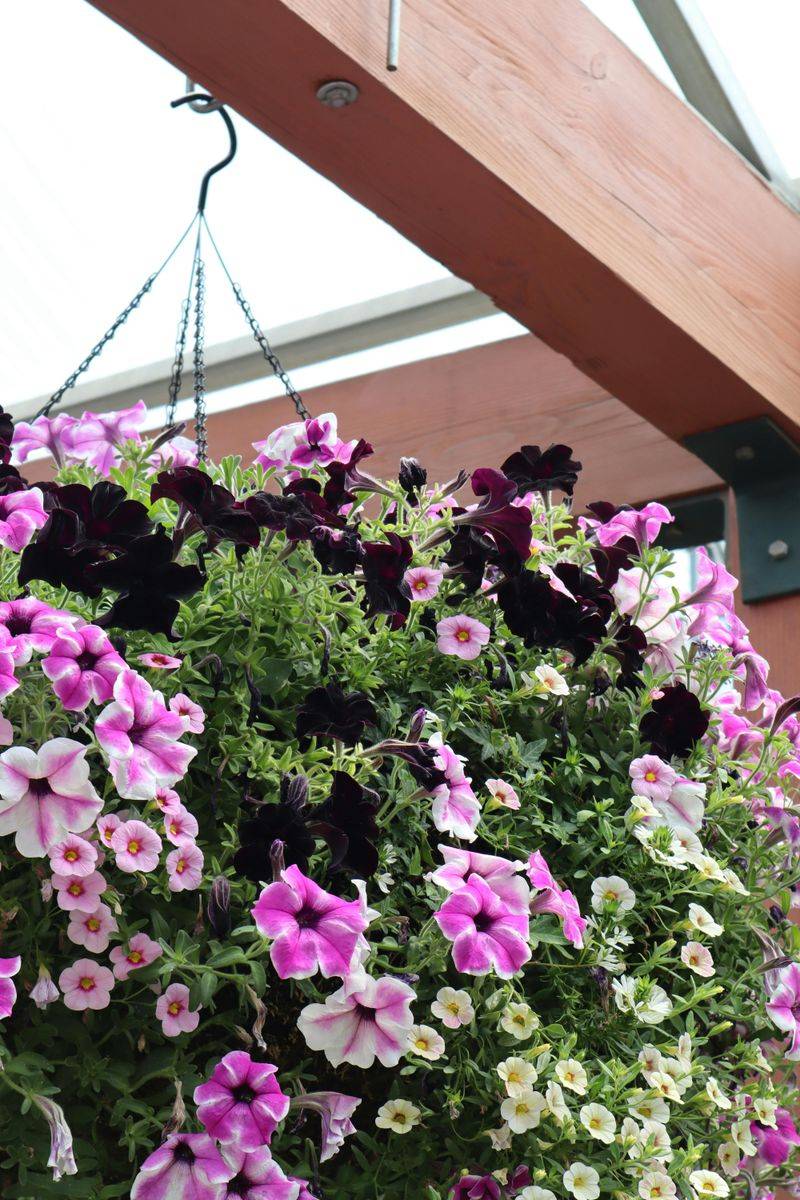
Mulching a hanging basket is one of the simplest tricks most gardeners have never tried.
That oversight is quietly costing your petunias moisture every single day.
The soil surface in a hanging basket is completely exposed to sun, wind, and heat from every angle. Without any protective cover, that surface dries out rapidly and pulls moisture away from the roots below.
A simple layer of material on top of the soil changes everything.
Moss, coconut fiber, and fine bark are all excellent options that are easy to find and easy to apply.
Each one acts as a small but powerful barrier between your soil and the elements working against it.
Press a half inch layer across the top of your potting mix and you immediately reduce surface evaporation. The soil underneath stays cooler, holds moisture longer, and delivers a steadier water supply to your roots throughout the day.
This is especially valuable during afternoon heat when evaporation rates are at their highest.
Coconut fiber is particularly popular because it is lightweight, natural looking, and fits neatly into the aesthetic of most hanging baskets.
Moss gives a lush, finished appearance while doing the same protective job.
Neither option requires any special skill or tools to apply.
You simply press it gently into place and let it work.
Gardeners who try this small addition are often surprised by how much less frequently they need to water. One simple layer on top of your basket can transform how your petunias perform all season long.
7. Your Watering Method Matters As Much As Your Schedule
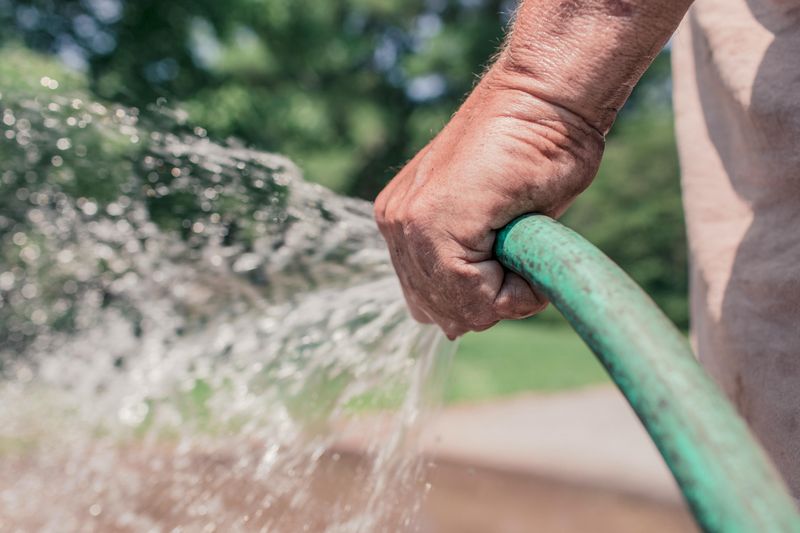
Daily watering sounds like great plant care.
The method behind that watering, though, matters just as much as how often you do it.
A quick pour from a can often does far less than most gardeners assume.
Water applied too fast runs along the edges of the soil and drains out the bottom before the roots ever benefit from it.
The top layer looks wet while everything below stays completely dry.
Your petunias are thirsty even though you just watered them.
Slow, thorough watering is the approach that actually works.
Take your time and apply water gradually, giving the soil a chance to absorb each pour before adding more. Keep going until you see water flowing steadily and consistently from the drainage holes at the bottom of the basket.
That steady flow tells you the moisture has traveled through the entire root zone, not just the surface.
A watering wand with a gentle, wide head makes this process easier and more controlled.
It delivers water softly without disturbing the soil or washing away your potting mix.
Morning watering is worth building into your routine as well.
Giving your petunias a full drink before the heat of the day peaks means they enter the hottest hours already well supplied.
Any surface moisture that remains evaporates cleanly in the morning air, which also helps reduce the conditions that lead to fungal issues over time.
Getting the method right and staying consistent with timing changes everything.
Stronger stems, richer color, and longer lasting blooms are exactly what follows.