8 Popular Arizona Yard Plants That Quietly Wreck Pipes, Pools, and Block Walls
A thirsty root in desert soil can slip through a pipe joint thinner than a credit card. Once inside, it feeds on steady moisture and grows into a dense mat that slowly chokes your drain.
Arizona yards create the ideal setup for this sneaky habit, because irrigation lines and pools hold the most reliable water around. Roots follow moisture underground, so leaky joints and sweating pool shells act like quiet invitations.
I have to admit that several of my favorite shade makers turned out to be the biggest troublemakers in my yard. You might notice early clues, like a lifted paver near the patio or a hairline crack in a block wall.
October kicks off prime planting season across the low deserts of Arizona, so this is a great moment to plan smarter. Which popular yard favorites deserve a little more distance from your plumbing and pool?
1. Mesquite Tree
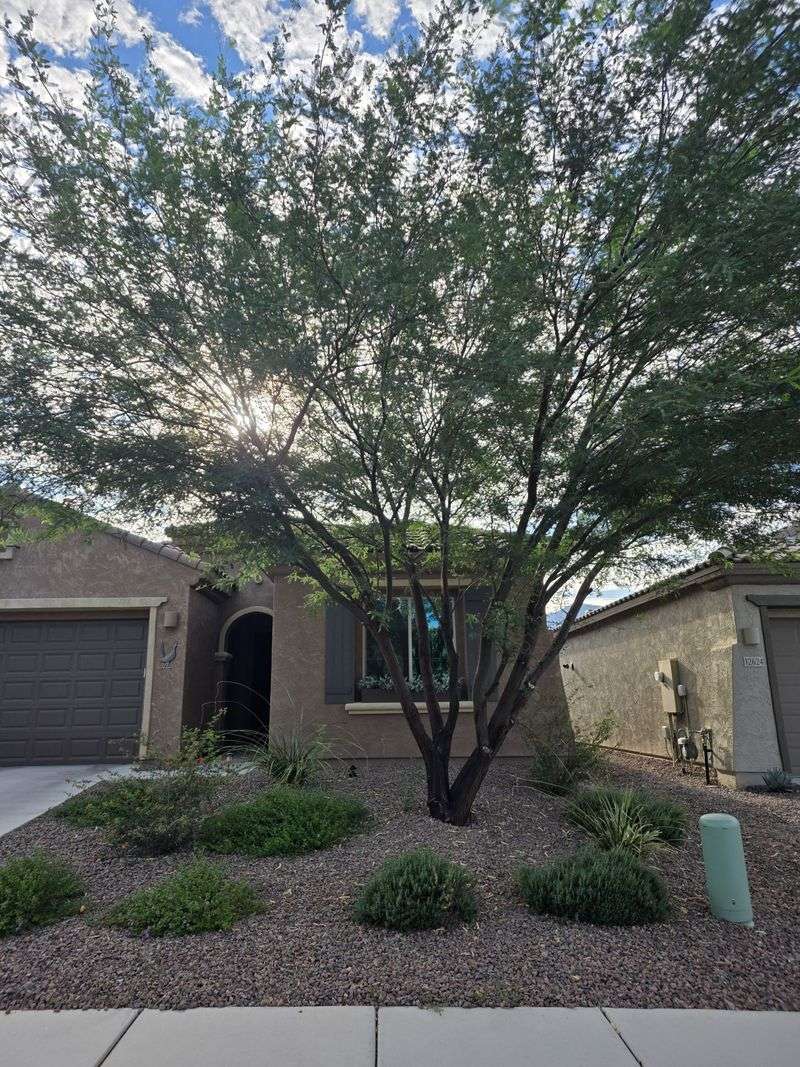
Mesquite roots have been found growing more than 150 feet deep, one of the deepest root records in the plant world. That talent for chasing water makes these trees desert legends, but it also explains trouble near pools and pipes.
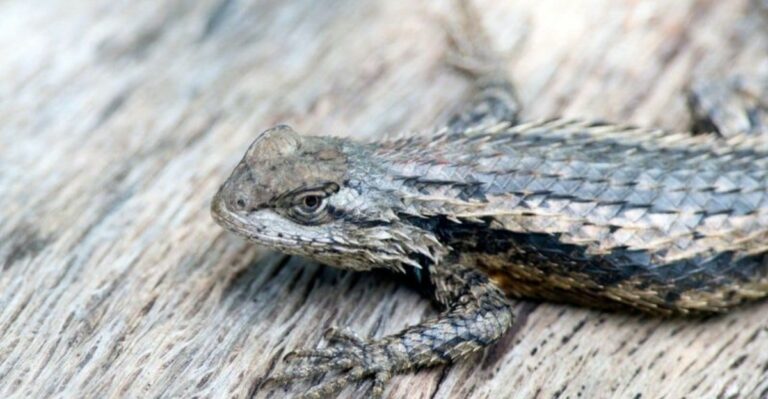
I love how native mesquites feed quail and native bees with their spring catkins and sweet summer pods. The shade below them also shelters lizards and roadrunners that happily snack on scorpions and crickets around your patio.
Problems usually start when a mesquite gets planted right beside a pool deck or a leaky irrigation manifold. Overwatered trees grow shallow lateral roots that heave concrete and squeeze into cracked lines looking for easy moisture.
You need to give these trees roughly fifteen to twenty feet of space from pools and sewer lines. Deep, infrequent watering at the canopy edge encourages roots to travel downward instead of crawling under your hardscape.
October is a smart month to plant native mesquites in the low desert, since cooler weather helps roots establish. Choose an open spot well away from structures, and let this tough native earn its keep without threatening your plumbing.
2. Ficus Nitida
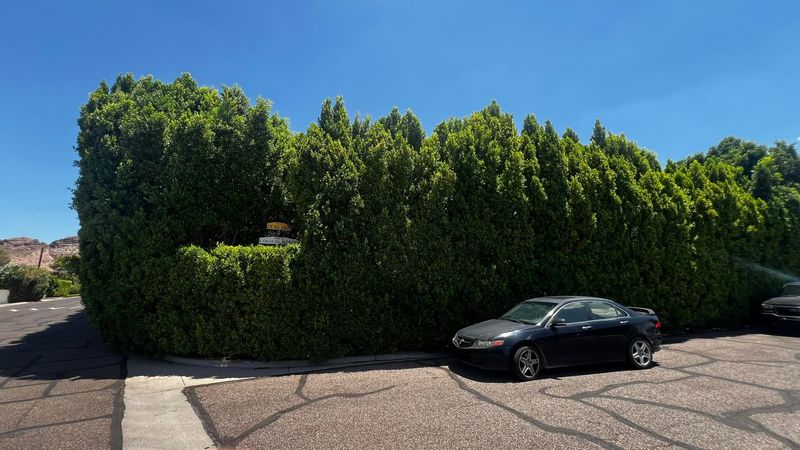
Glossy and lush, Indian laurel fig looks like it belongs at a tropical resort rather than a desert backyard. Nursery tags often say Ficus nitida, though botanists now list this popular tree as Ficus microcarpa.
Underneath that polished canopy lives a root system that loves to run just below the soil surface. Those thick roots commonly lift sidewalks and crack block walls while hunting down sewer lines with surprising persistence.
Personally, I wince whenever I see a ficus hedge planted tight against a pool fence or patio slab. Many experts suggest at least ten feet from sidewalks and twenty feet from foundations to reduce costly repairs later.
Hard frost can scorch the leaves in colder pockets of the low desert, so winter protection matters for young trees. Higher elevations are mostly too cold for this fig, which limits it to warmer valley neighborhoods.
If you already have one, root barriers installed along walls can redirect growth downward and buy you time. Keep pool equipment and irrigation valves clear of the root zone, since small leaks reward the tree generously.
For a native screen with fewer surprises, consider desert hackberry, a thorny shrub that shelters insect-eating songbirds. Those birds become a free pest patrol, a bonus no glossy ficus hedge has offered my yard.
3. Sissoo Tree
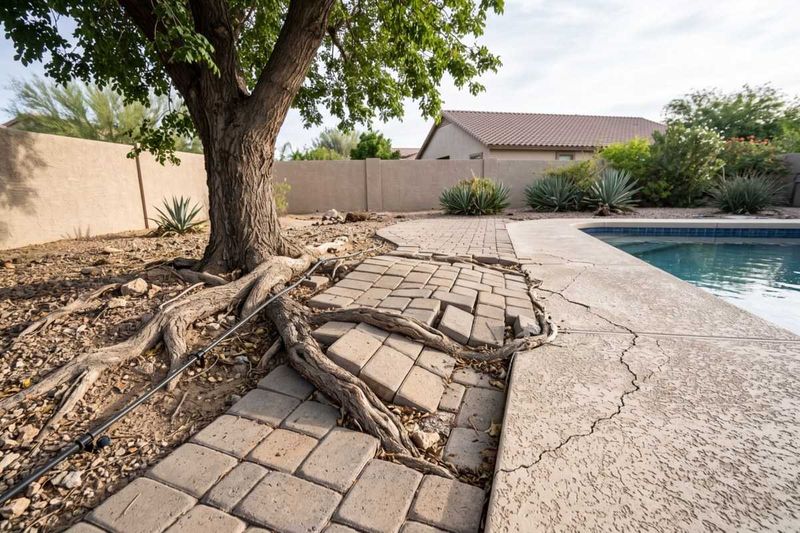
Few trees have triggered as many frustrated calls to Phoenix arborists as the fast-growing sissoo. Homeowners loved its quick shade and bright green leaves, until roots started showing up in very strange places.
Sissoo roots grow shallow and spread wide, often lifting driveways and tilting sections of block wall. They also invade irrigation lines and pool plumbing, especially when the tree sits in heavily watered lawn areas.
What surprises me most is how quickly suckers can pop up across a yard after the tree gets stressed or cut. Those sprouts emerge from roots far from the trunk, sometimes poking through gravel right beside the pool.
Native to India and Pakistan, this rosewood relative drops a heavy load of leaves during late winter and early spring. Frost can damage young trees, so established specimens mostly thrive in warm low-desert neighborhoods.
You might want a certified arborist to evaluate any sissoo growing within twenty feet of a structure. Removing a problem tree often costs less than repairing a cracked pool shell or heaved patio down the road.
October offers a comfortable window to plant a better shade option, such as a native palo verde. Its yellow spring blossoms draw native bees, and its roots are generally far less troublesome near hardscape.
4. Oleander
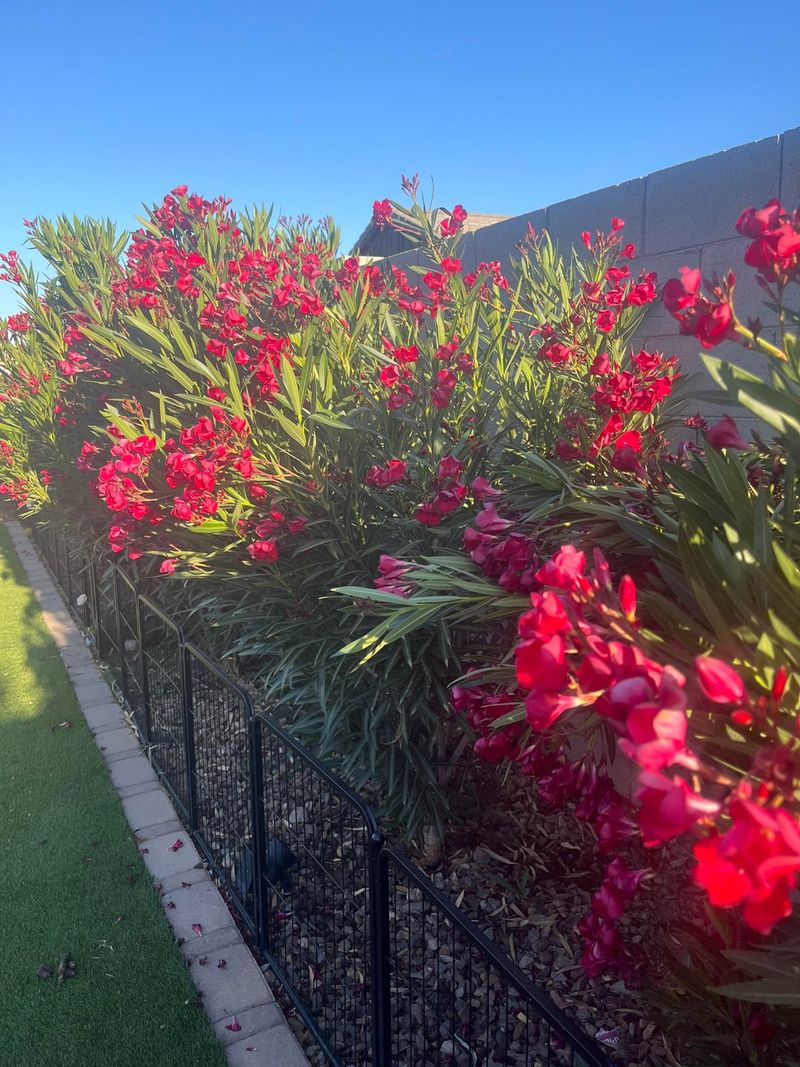
Stroll through almost any older desert subdivision and you will spot towering oleander hedges hugging the back walls. They shrug off brutal heat and reflected light, which explains why builders planted them by the thousands.
Their roots are less notorious than sissoo roots, yet they spread wide and fairly shallow under heavy irrigation. Over many years, a dense hedge pressed against a block wall can stress footings and crack mortar joints.
I have to admit the bigger worry for me is the toxin found in every part of the plant. Leaves, flowers, and sap contain cardiac glycosides, so keep clippings away from curious pets and small children.
Oleander leaf scorch, a bacterial disease spread by sharpshooter insects, has caused many hedges to decline around the Phoenix area. Thinning, struggling plants offer a natural moment to swap in safer native shrubs instead of replanting.
Fall trimming causes less stress than summer pruning, and bagging the clippings prevents accidental exposure. Give any remaining hedge several feet of breathing room from pool plumbing, and fix drip leaks quickly.
Native alternatives like desert hopbush or jojoba create sturdy privacy screens with far less toxic baggage. Jojoba also shelters quail and small lizards that help keep crickets and other bugs under control.
5. Running Bamboo
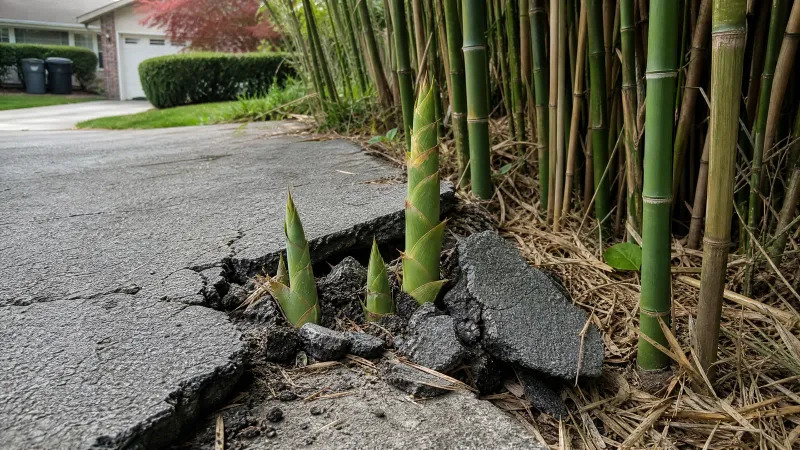
Bamboo might seem like an odd choice for the desert, yet thirsty running types still appear in irrigated Phoenix backyards. Gardeners plant them for fast privacy, then discover what the underground rhizomes have been doing quietly.
Running bamboo spreads by horizontal rhizomes that can travel many feet in a single growing season. Those tough stems slip beneath fences and patios, lifting pavers and crowding into irrigation lines along the way.
Personally, I would not plant running bamboo anywhere near a pool, since rhizomes readily exploit tiny cracks in decking. Clumping types stay much tighter, making them a more reasonable pick for gardeners who adore the look.
If running bamboo already lives in your yard, a sturdy HDPE barrier around the planting helps contain it. Experts commonly recommend barriers buried about two feet deep, with a few inches left above the soil.
Check that barrier edge every fall, since rhizomes sometimes arch over the top and escape into nearby beds. October works well for this inspection, before growth slows and fresh runners get harder to spot.
Bamboo also drinks a lot of water, which feels out of step with desert conservation goals. A native screen of desert willow would trim the water bill and welcome hummingbirds to your yard as well.
6. Eucalyptus Tree
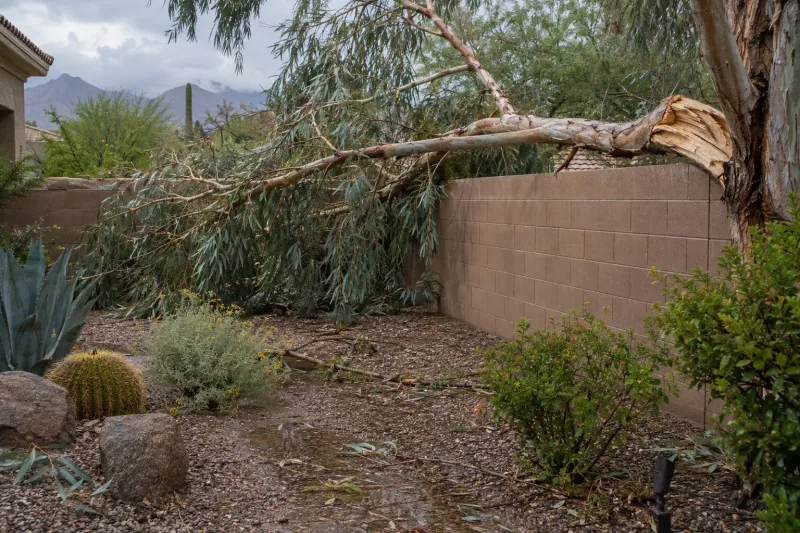
Crush a eucalyptus leaf and the sharp, minty scent instantly explains why so many people fell for these Australian giants. Some species shoot up several feet a year, offering shade long before most desert trees mature.
That speed comes with roots that spread wide near the surface, often reaching well beyond the canopy edge. Reports describe eucalyptus roots extending dozens of feet while hunting for moisture in pipes and septic systems.
You might notice curbs lifting or sidewalks buckling near older eucalyptus trees planted along streets and parks. Inside home lots, those same roots can crack pool decking and slip into aging clay or cast-iron pipes.
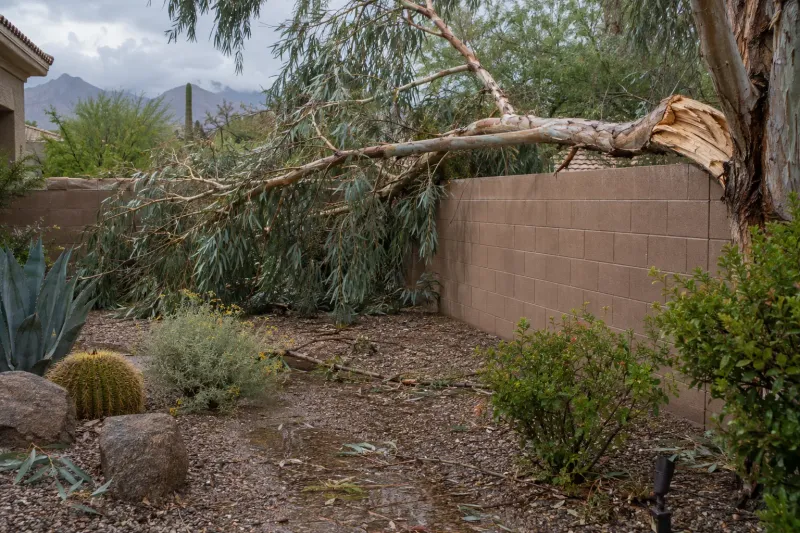
I believe the other issue gets overlooked, since some large species drop heavy limbs during summer monsoon winds. Peeling bark and leaf litter also clog pool skimmers, adding weekly chores for anyone with a backyard pool.
Smaller species like red-cap gum stay more compact and may suit modest yards better than towering river red gums. Many arborists still suggest keeping any eucalyptus about thirty feet from pools and sewer laterals.
October brings milder temperatures that make structural pruning easier on both you and the tree. Thinning weak limbs now reduces wind risk well before the next monsoon season rolls through your neighborhood.
7. Globe Willow
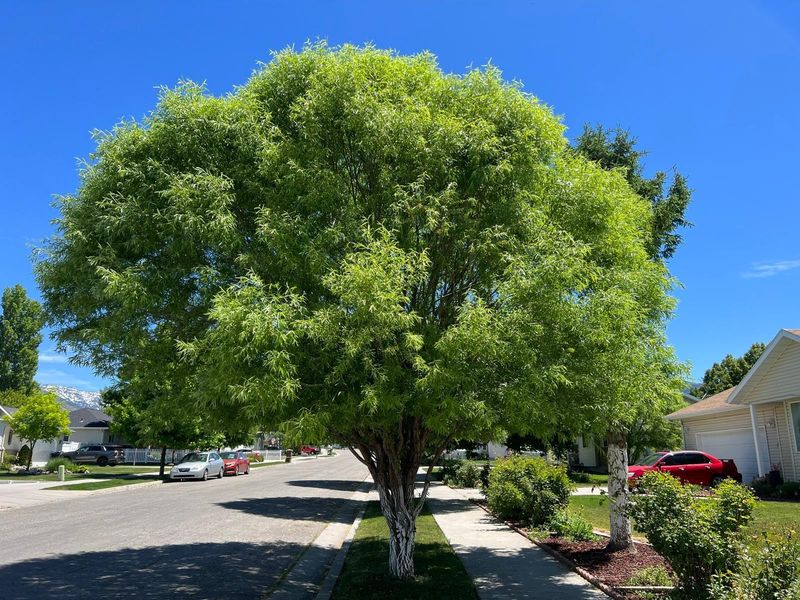
With its perfectly rounded crown, the Navajo globe willow looks like a giant green lollipop dropped into the desert. Fast growth made it a favorite for quick shade in older Arizona neighborhoods during past decades.
True willows evolved along rivers, so their roots relentlessly chase water wherever it hides underground. Sewer laterals and pool plumbing become easy targets when the tree sits within reach of them.
What surprises me most is how short the globe willow’s lifespan often runs in desert heat. Many trees decline within about twenty or thirty years, often weakened by borers or problems from heavy irrigation.
Brittle wood adds another layer of risk, because limbs can snap during monsoon storms and land on block walls. Regular inspections by an arborist help catch weak branch unions before they fail over your pool.
If you want that willowy look without the water bill, desert willow makes a charming native stand-in. Despite its name, it belongs to the trumpet creeper family and behaves far better around hardscape.
Planting in October lets roots settle during the mild months ahead, setting up a strong first summer. Its orchid-like blooms later attract carpenter bees and other pollinators that make a yard feel alive.
8. Chinese Elm
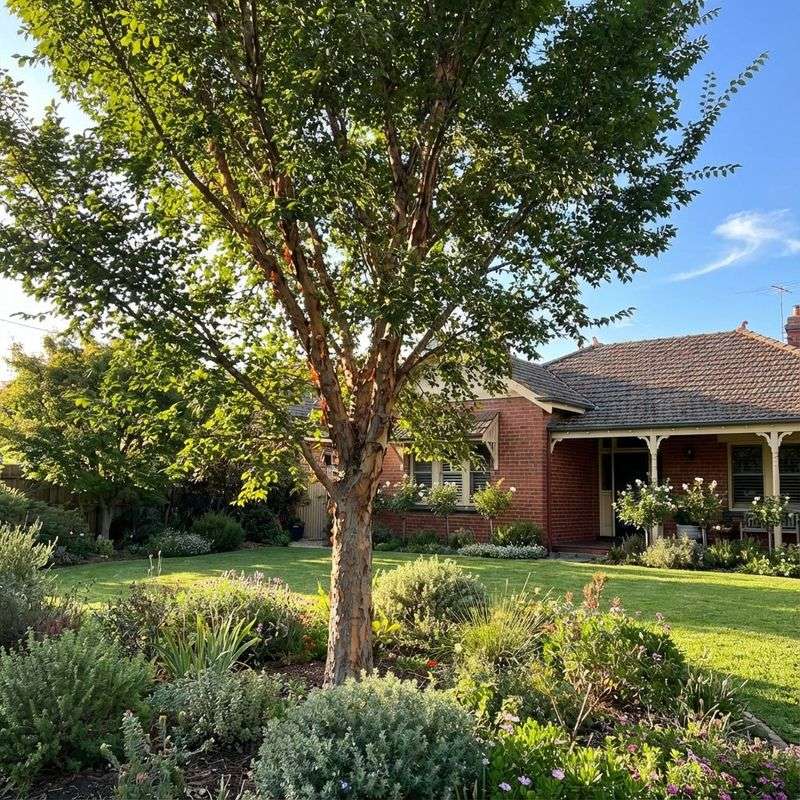
Mottled bark in patches of orange and gray gives the Chinese elm a camouflage look that many people adore. Its graceful, slightly weeping branches cast dappled shade that feels wonderful on a hot afternoon patio.
Often sold as evergreen elm or lacebark elm, it handles desert heat well when given regular deep watering. That watering, however, encourages surface roots that can lift pavers and heave brick edging over time.
Personally, I have seen elm roots wrap around drip tubing until the line split under the pressure. Older clay sewer pipes also invite trouble, since roots enter loose joints and slowly create clogs and backups.
Keep this tree roughly fifteen to twenty feet from foundations and pools to give its roots room. Watering deeply at the drip line rather than near the trunk helps steer roots away from nearby walls.
Chinese elm is not the same as Siberian elm, which is weedier and considered invasive across much of the West. Double-check the label at the nursery so you bring home the better-behaved species.
Its shade also invites insect-eating birds like verdins, which forage through the canopy for aphids and tiny caterpillars. That natural pest control makes a well-placed elm a genuine asset rather than a plumbing headache.