The Florida September Bougainvillea Mistake That Produces Leaves Instead Of Flowers
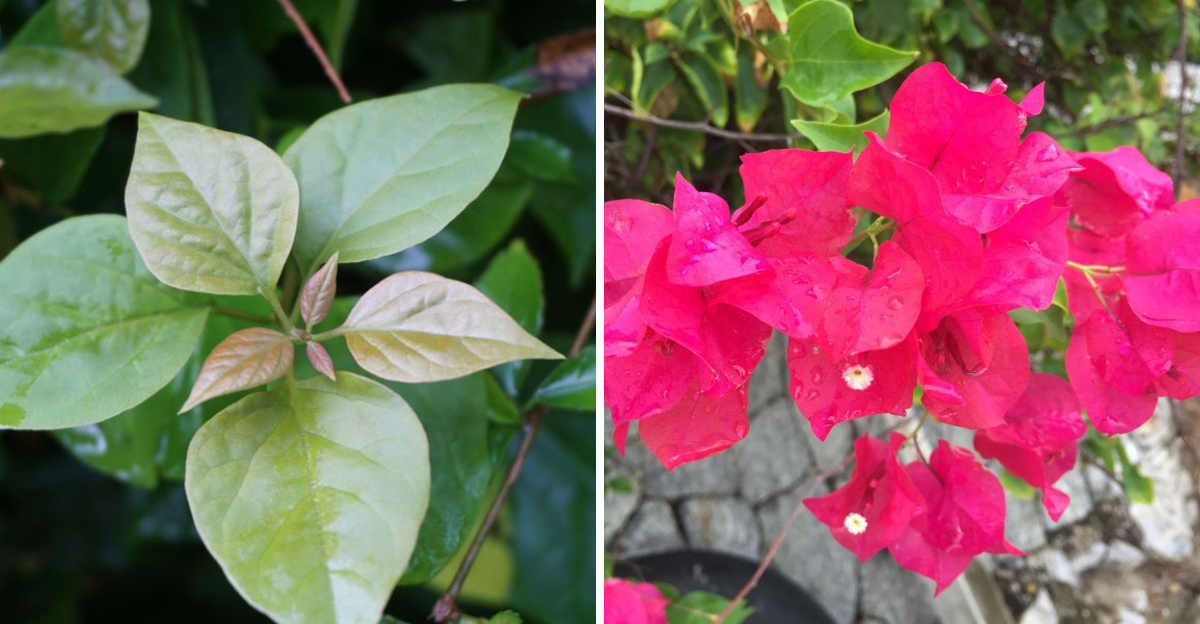
A bougainvillea covered in glossy green leaves can look healthy enough to fool you. Then September passes with barely a splash of color, and all that lush growth starts to feel suspicious.
Florida’s long heat can keep the plant active deep into the year, but more growth does not always mean more flowers. In fact, the wrong kind of care can push a bougainvillea to spend its energy on stems and foliage while the bright bracts you wanted never arrive.
That makes late summer especially tricky. The plant may look vigorous, respond quickly, and still move farther away from a strong fall display.
By the time you notice the imbalance, the habit behind it may already be part of your routine. September is a good month to look past all that green and ask a harder question: are you helping your bougainvillea bloom, or just helping it grow?
1. September Feeding Can Push Leaves Instead Of Flowers
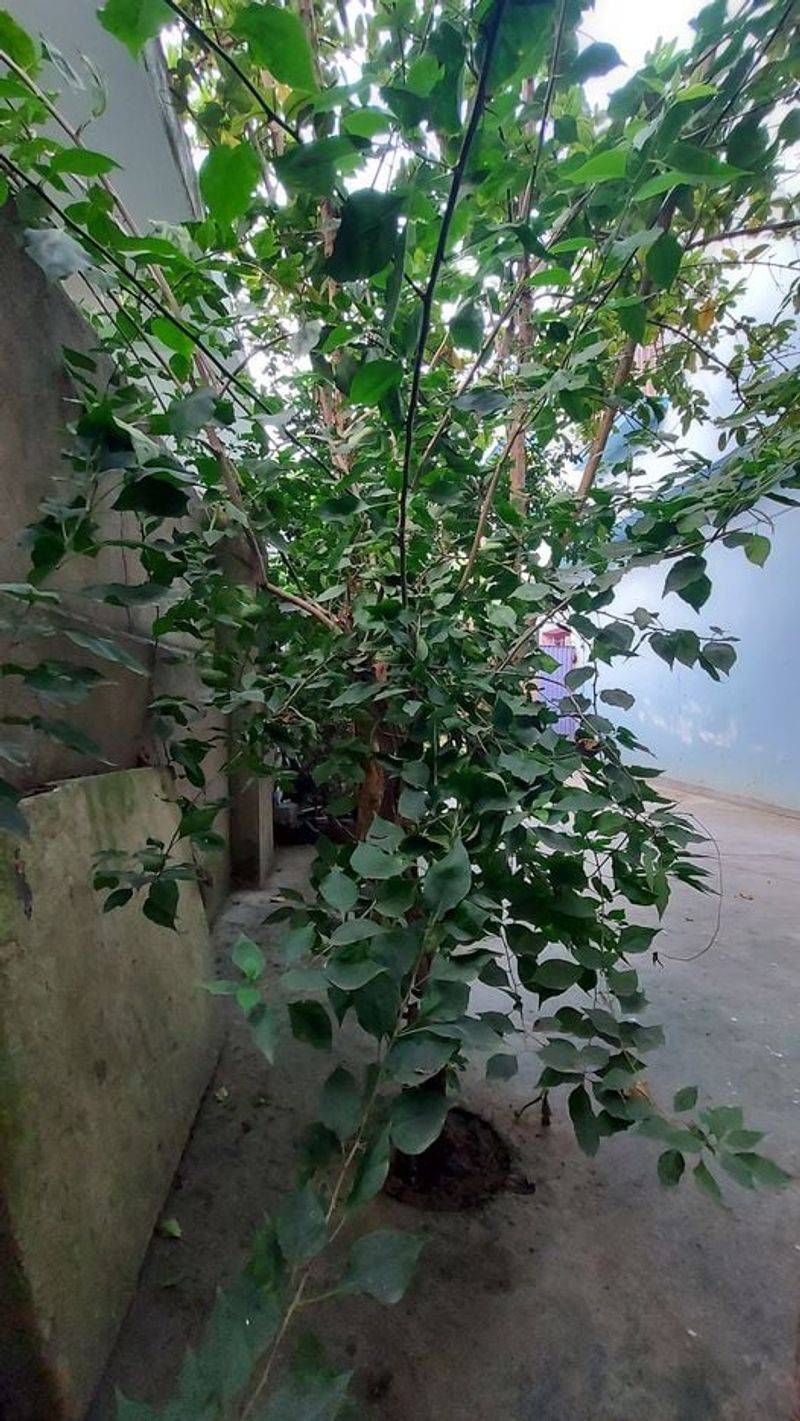
Grab a fertilizer scoop and hold off for a moment. A bougainvillea that looks full and green in September but shows little color can be genuinely confusing.
The instinct to feed it more makes sense on the surface, but that instinct can make things worse.
According to UF/IFAS guidance, excessive fertilizer can push bougainvillea toward producing more leaves and stems. This is especially true when the plant receives more nitrogen than it currently needs.
Normal, balanced fertilization is not the problem. Feeding beyond what the plant actually requires is where the mistake happens.
Gardeners sometimes see a flower-poor plant and assume it is hungry. So they apply another round of fertilizer in hopes of triggering color.
Instead, that extra feeding can fuel another round of leafy vegetative growth, continuing the cycle.
September is a practical seasonal hook for this conversation because summer feeding habits are still fresh. However, the plant does not recognize September as the last chance.
The biology stays the same throughout the warm months. One extra feeding in September will not automatically eliminate your flower display.
Repeated excess feeding over time, though, can consistently steer the plant toward leaves instead of color. Checking your recent fertilizer history before adding more is a smart first move.
2. Nitrogen Is What Drives The Leafy Growth
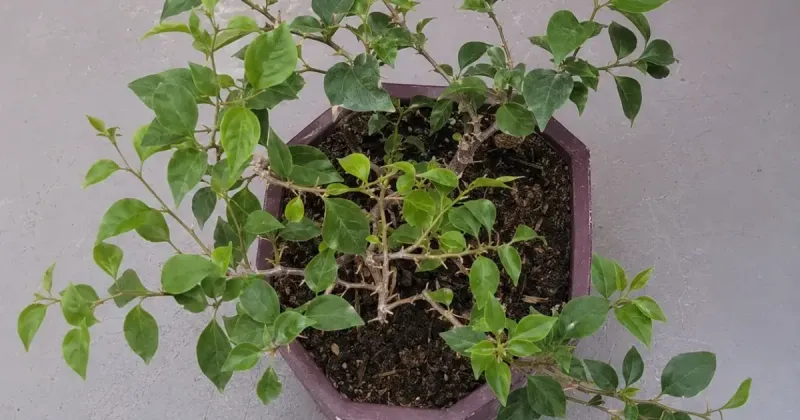
Leafy stems stretching in every direction without a bract in sight are often telling you something specific. Nitrogen is the nutrient most directly responsible for vegetative growth, meaning it encourages leaves, stems, and overall green bulk in plants.
Bougainvillea does need some nitrogen to stay healthy. A plant that receives no nitrogen at all will eventually look weak and pale.
The trouble starts when nitrogen supply outpaces what the plant needs for basic health. At that point, the plant channels its energy into producing more foliage rather than shifting toward reproductive growth and flowers.
A bougainvillea that looks lush, deep green, and vigorous may actually be showing the effects of excess nitrogen rather than ideal health. The plant looks great by some measures but delivers little of the color that makes it worth growing.
Your Florida Garden Changes Every Week. Your Plan Should Too.
Gardening in Florida changes quickly throughout the season. Every Friday you’ll receive a simple weekly plan showing exactly what to plant, prune, fertilize, harvest, and protect so you never miss the right timing.
That disconnect is the heart of this mistake.
UF/IFAS Extension notes that bougainvillea responds to certain stresses, including reduced nitrogen, by moving toward flowering. Adequate nutrition supports the plant.
Excess nutrition, particularly excess nitrogen, can work against the flower display. Avoiding a high-nitrogen fertilizer during periods when you want the plant to bloom is a reasonable adjustment.
Check the first number on any fertilizer label, because that number represents the nitrogen percentage in the product.
3. A Green Plant May Not Be Asking For More Fertilizer
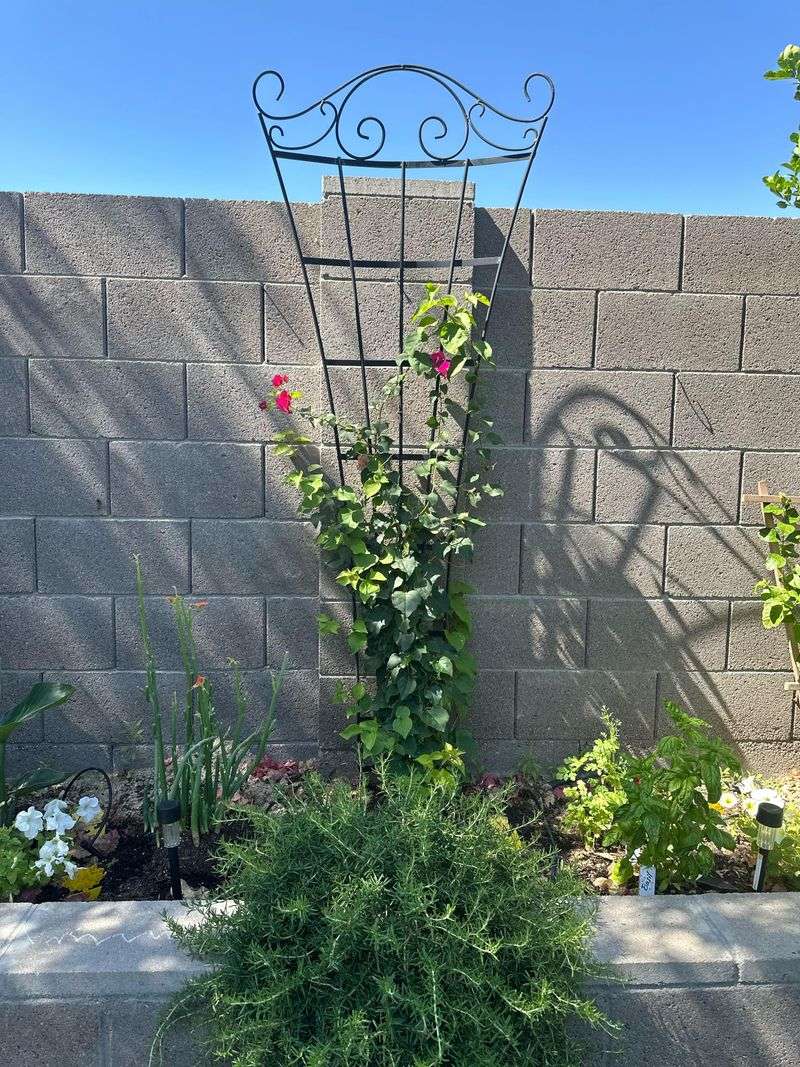
Strong new stems shooting out in multiple directions and leaves that look rich and healthy are signs of a plant doing very well vegetatively. Reading those signs correctly before reaching for the fertilizer bag can save you a frustrating season.
A bougainvillea already producing plenty of vigorous growth is not signaling that it needs more fuel. Adding fertilizer at that point can push the plant further into leaf and stem production when it could otherwise begin shifting toward blooms.
Poor flowering alone is not a reliable diagnosis of nutrient deficiency. Many things affect flowering, and a green, robust plant is not a hungry plant.
UF/IFAS Gardening Solutions notes that bougainvillea generally performs well with moderate fertilization. It does not require a heavy feeding schedule to stay healthy.
Gardeners who feed frequently out of habit rather than need can unintentionally keep the plant locked in a vegetative cycle.
Pausing before adding fertilizer and asking what the plant is actually showing you is a useful habit. Abundant healthy foliage without flowers suggests the plant has plenty of resources for growth already.
Giving it time, adjusting sunlight exposure, and pulling back on fertilizer may do far more for your flower display than another scoop from the bag ever could. Observation beats assumption in this situation.
4. Full Sun Matters More Than Another Scoop From The Bag
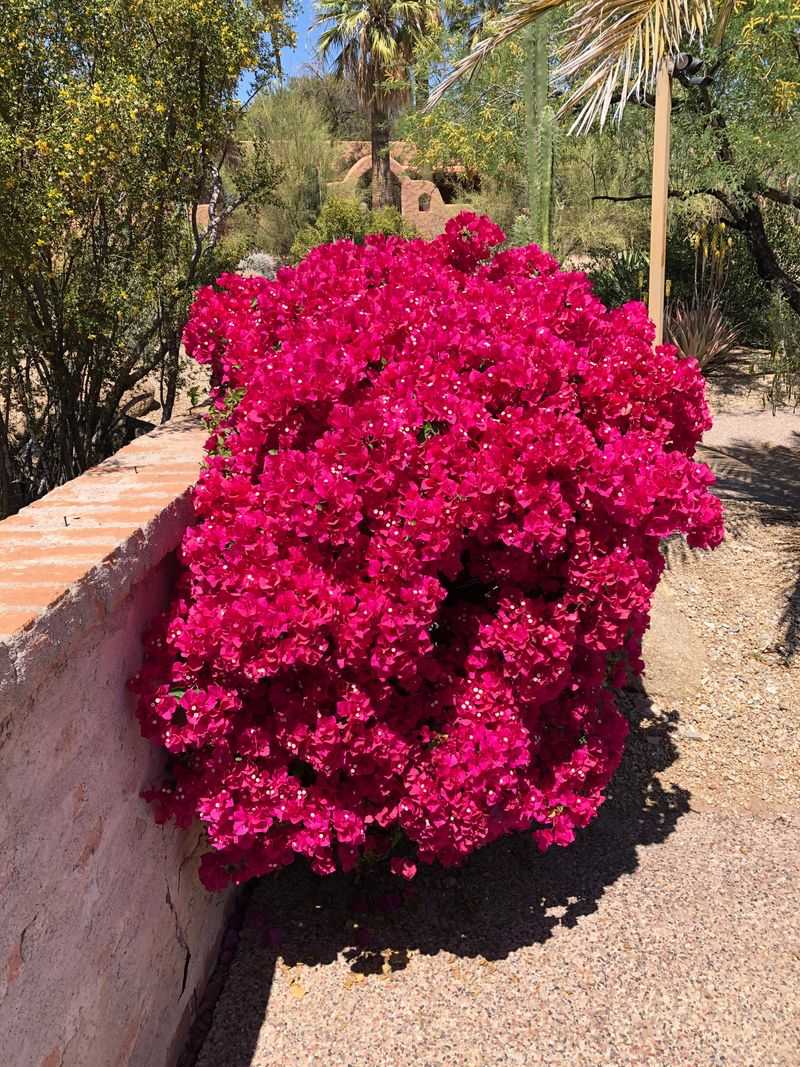
A sunny wall or open fence line can make a bigger difference to a bougainvillea flower display than almost any fertilizer change. Strong, direct sunlight is one of the most important requirements this plant has, and it is also one of the easiest factors to overlook.
UF/IFAS Extension recommends that bougainvillea receive at least six hours of direct sun daily for reliable flowering. Plants receiving morning light but heavy afternoon shade can stay green and vigorous.
The same is true when a tree canopy blocks enough sunlight to prevent a strong flower display. Adding fertilizer to a shaded plant does not compensate for missing sunlight.
A gardener who feeds a shaded bougainvillea repeatedly hoping to force flowers will likely see more leaves instead. The plant needs light energy to drive the flowering process, and no amount of fertilizer replaces that.
Checking the actual sun exposure a plant receives throughout the day is a more productive step than adjusting the feeding schedule.
Relocating a container bougainvillea to a sunnier spot is often straightforward. For a plant in the ground, pruning nearby shrubs or trees to let in more light can help.
Before adding anything to the soil, spend a day watching how much direct sun the plant actually receives. That information will guide you better than the fertilizer label will.
5. Too Much Water Can Keep The Plant In Growth Mode
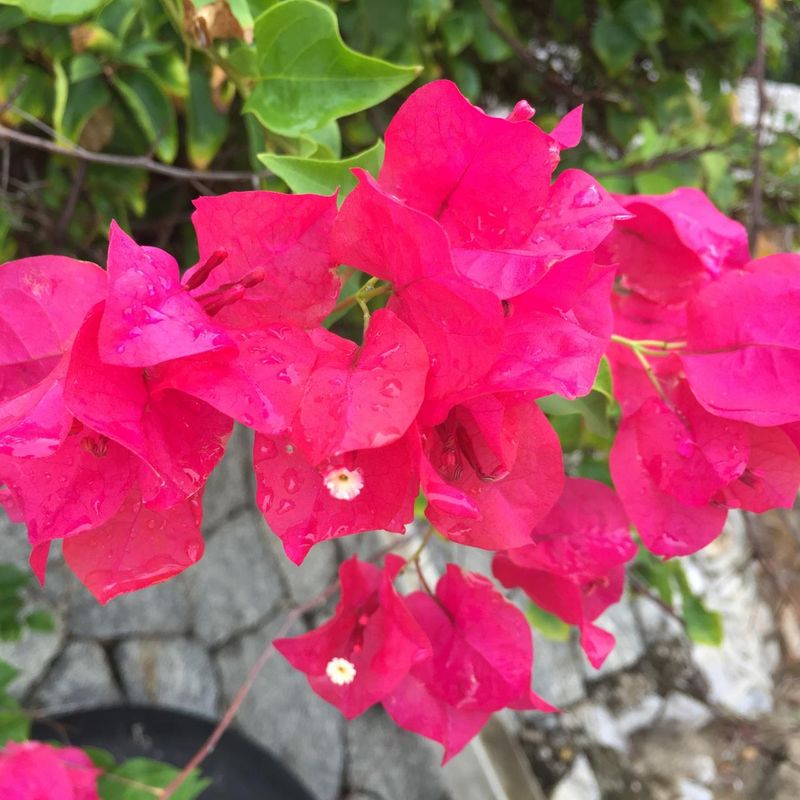
Wet soil around the roots of a bougainvillea is often working against the flower display, especially in late summer when Florida rainfall is already generous.
Established bougainvillea is well known for its drought tolerance, and that tolerance is part of why it performs differently from many other flowering plants.
Keeping the root zone consistently moist can hold the plant in an active vegetative growth mode. Roots that always have access to water have little reason to signal the plant to shift priorities.
A mild, temporary dry period, not severe drought stress, can be part of what encourages a bougainvillea to move toward flowering.
September in Florida often brings regular afternoon thunderstorms that can deliver substantial rainfall on their own. An automatic irrigation system running on a fixed schedule on top of that rainfall can keep the soil far wetter than the plant benefits from.
Adjusting the irrigation timer to account for recent rain is a simple and practical step.
UF/IFAS guidance on bougainvillea care notes that overwatering is a common issue and that the plant generally prefers to dry out somewhat between waterings. Letting the top few inches of soil dry before irrigating again is a reasonable approach.
Stopping irrigation completely is not the goal. Avoiding unnecessary extra moisture during a period when you want more flowers is the practical adjustment worth making.
6. Late Pruning Can Remove The Winter Color You Want
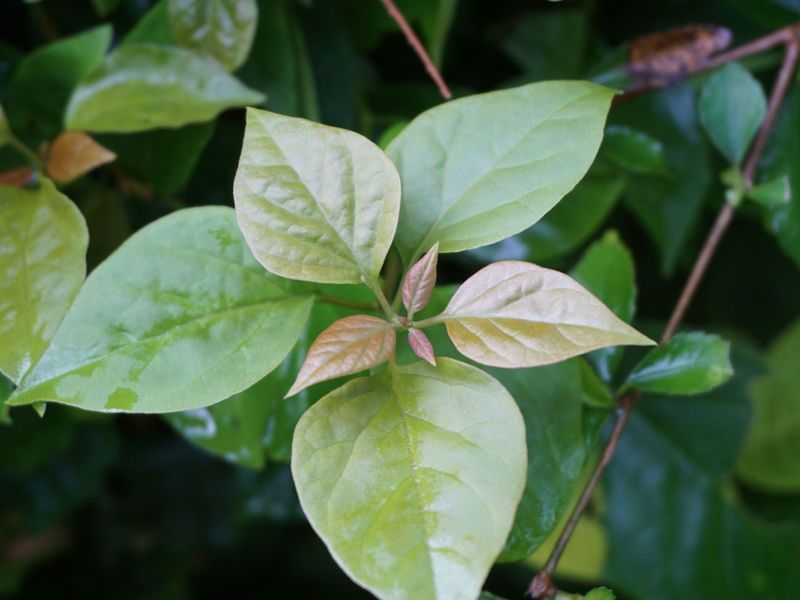
Pruning shears in hand and a bougainvillea covered in long, leafy shoots can make a hard cut feel very satisfying. However, timing that cut in late summer or early fall can cost you the winter flower display you were hoping to see.
Bougainvillea produces flowers on mature wood rather than on brand-new growth. A heavy pruning in September removes the stems that were developing toward flowering and forces the plant to put energy into producing new vegetative growth instead.
That new growth then needs time to mature before it can support flowers, often pushing the bloom cycle further out.
Heavy feeding and heavy pruning can work together to create a frustrating loop. Excess nitrogen pushes long, leafy shoots.
Those shoots look messy, so they get cut back hard. The plant then grows more shoots.
The cycle continues without ever producing the color show the gardener wants.
A light corrective cut, removing only what is truly necessary, is different from a major September reshaping. Removing a damaged branch or tidying an awkward stem will not necessarily affect flowering the way a full cutback would.
UF/IFAS guidance suggests timing major bougainvillea pruning after the main flower flush. Avoid heavy pruning just before the period when you want color.
Restraint with the pruning shears in fall can pay off in vivid winter color.
7. South Florida Gets More Growing Time But Not Different Biology
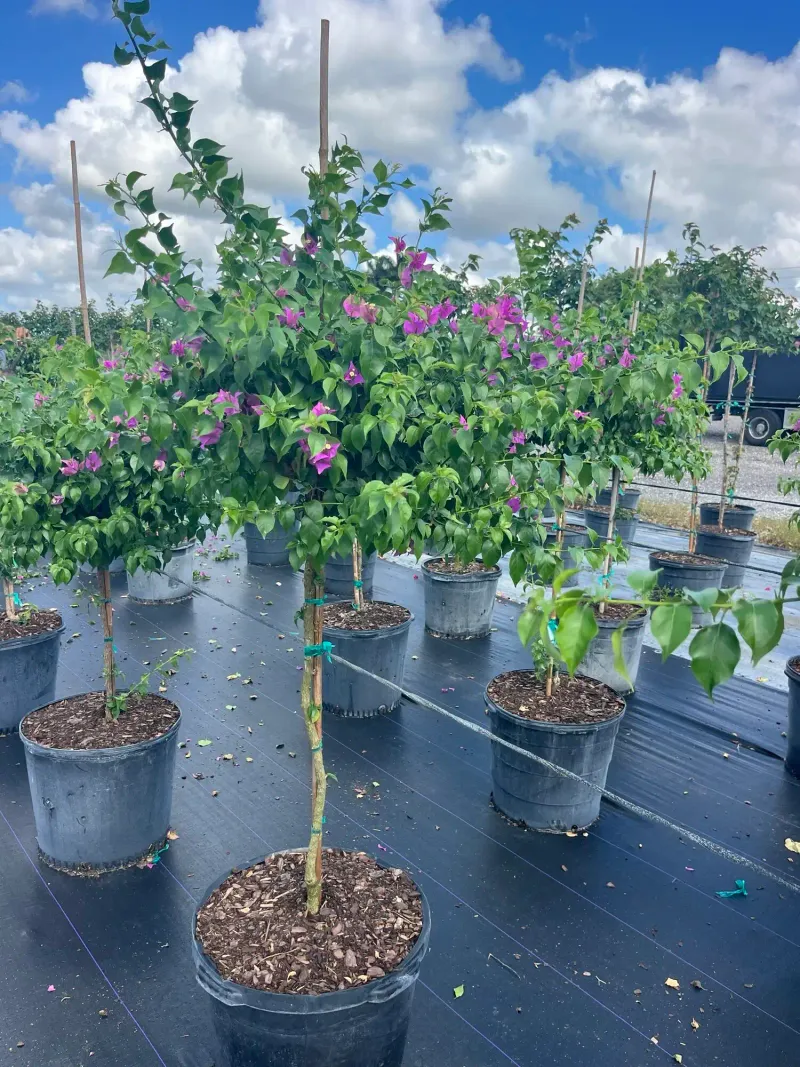
Miami, Orlando, Gainesville, and Pensacola all sit in the same state, but September feels very different in each of those cities. South Florida has a much longer growing season than northern parts of the state.
That difference matters when deciding how to care for bougainvillea.
A gardener in Miami in September is still dealing with peak summer heat and humidity. A gardener near Pensacola may already be noticing cooler nights and slower plant growth.
These differences affect how long bougainvillea stays in active vegetative mode and how much remaining warm weather it has to set up a winter flower display.
However, the basic plant response to excess nitrogen does not change based on zip code. A bougainvillea in South Florida fed more nitrogen than it needs will still push leafy growth at the expense of flowers.
Late-season pruning in Miami can still remove stems that were developing toward blooms, just as it would farther north.
Warmer southern locations may allow more flexibility in timing, since the plant has a longer season to recover and reset. However, that flexibility does not mean excess feeding or aggressive late pruning become harmless in South Florida.
The biology of the plant stays consistent. What changes is the timeline, not the underlying response to nitrogen, light, water, and pruning decisions.
8. Back Off And Let The Next Flower Flush Develop
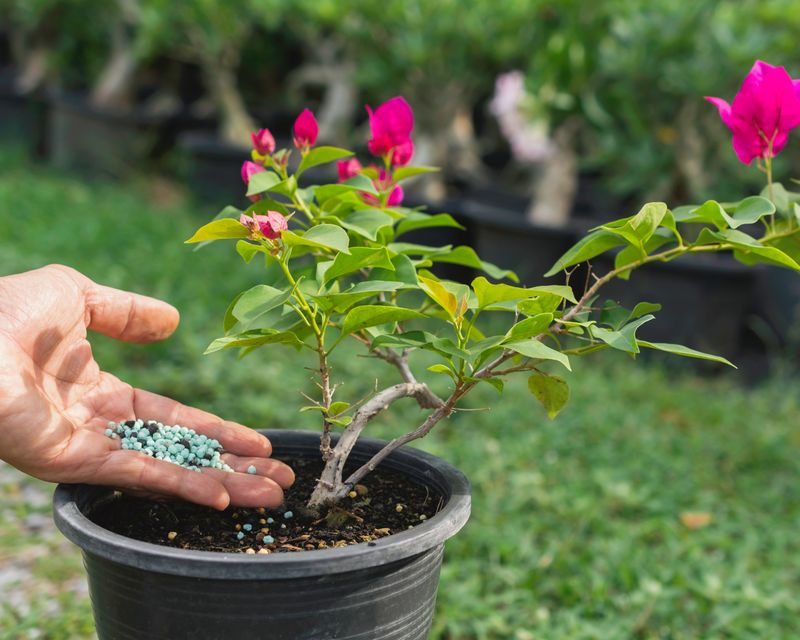
Stepping back from the fertilizer bag can feel counterintuitive when a plant is not performing the way you want.
However, a bougainvillea covered in leaves and pushing vigorous growth in September is often a plant that needs less intervention rather than more.
Adequate sunlight is the foundation. Without enough direct sun, no amount of feeding or schedule adjustment will produce a reliable flower display.
Checking and improving sun exposure is always the first practical step before changing anything else.
Restrained watering lets the root zone dry slightly between irrigation cycles, especially when late-summer rain is already providing regular moisture. Avoiding excess moisture removes one of the factors that can keep a bougainvillea locked in vegetative mode.
Sensible pruning means holding off on major reshaping until after the flowering period rather than cutting back hard just before you want color.
Avoiding excess nitrogen ties all of these adjustments together. A plant already producing abundant foliage does not need more fuel for vegetative growth.
Pulling back on feeding, improving light, managing irrigation, and timing pruning thoughtfully can work together to let the plant shift its energy toward flowers.
A leafy September bougainvillea with little color is sending a clear message. Adding more fertilizer at that point can push exactly the growth the gardener does not want.
Giving the plant room to redirect its energy is often the most effective move you can make.