Why Mosquitoes Take Over Florida Yards After A Week Of Storms And What Helps
The rain finally stops, the sky turns that soft Florida gold, and you step outside barefoot. Ten seconds later, you are slapping your ankles and retreating indoors like a cartoon character.
Something shifted in your yard while you were watching the radar. Puddles you barely noticed became tiny nurseries, and the timing was almost suspiciously perfect.
Most homeowners blame the swamp down the road or the neighbor who never mows. The real culprit is usually sitting within twenty feet of the back door, holding about a cup of water.
That quiet chain of events explains how you handle the week after a storm. It also saves you money on gadgets that promise a lot and deliver very little.
The Storm Water Left Behind Turns Your Yard Into A Nursery
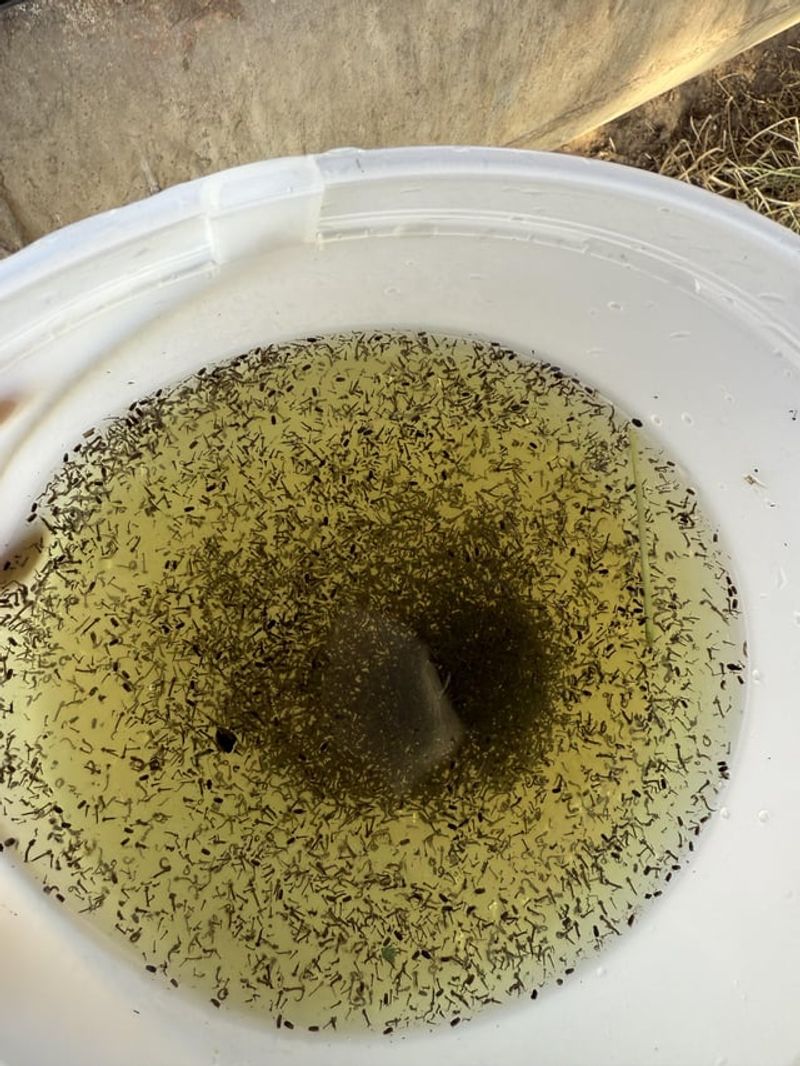
Picture a plant saucer holding half an inch of warm rainwater on a Tampa patio. That small pool is prime real estate for an insect that needs almost nothing to get started.
Florida mosquitoes do not need ponds or canals. Container breeders like the yellow fever mosquito and the Asian tiger mosquito prefer small, still water close to homes. A bottle cap can technically work, and a forgotten bucket is practically a resort.
A week of storms fills every low spot at once. Tarps sag, wheelbarrows tip, clogged gutters pool, and bromeliad cups brim over. Each one becomes an independent hatching site running on its own schedule.
Warm water speeds everything up. In Florida summer temperatures, eggs can hatch within a day or two, and larvae move through their wiggling stage fast. That is why the yard feels fine on Tuesday and unbearable by the weekend.
Another twist makes storms especially effective. Some eggs sit dry on container walls for months, waiting patiently. When rising water touches them, they get the signal to hatch, so a single downpour can trigger a backlog of eggs laid weeks earlier.
Walk the property with fresh eyes after the rain clears. Look under the deck, behind the shed, inside old tires, and along the fence line where toys collect.
The pattern usually surprises people. Trouble rarely comes from the marsh across town, it comes from the quiet corners of your own lot.
The Seven To Ten Day Window That Explains The Sudden Swarm
Timing is the part that trips everyone up. Homeowners swear the mosquitoes appeared overnight, and in a sense they did.
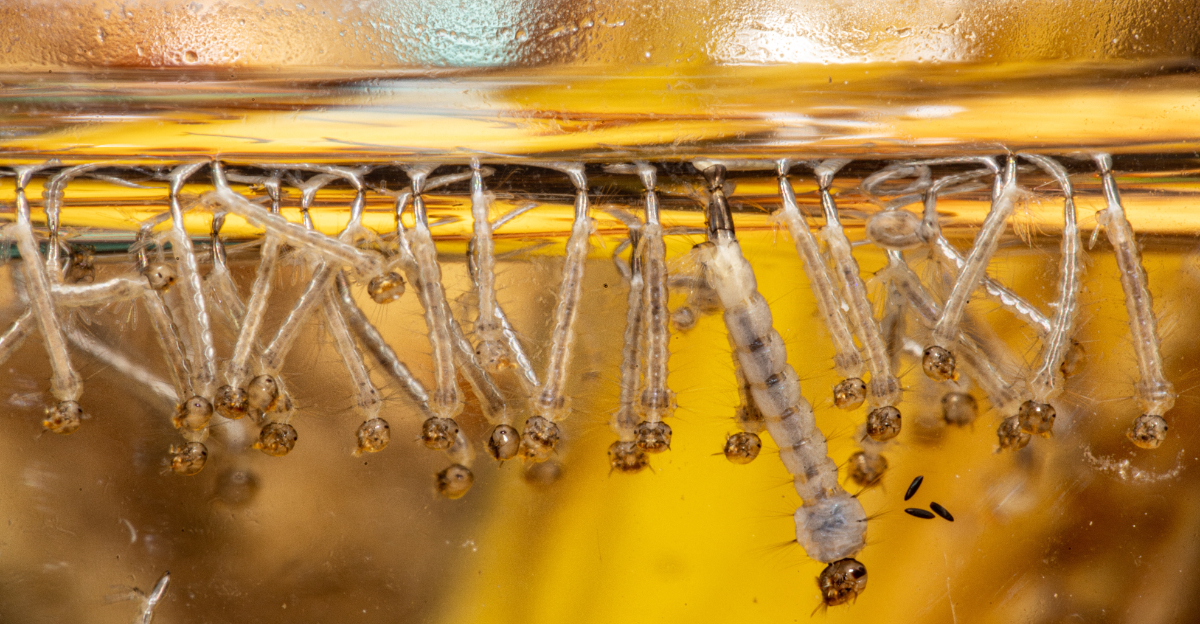
Here is the schedule. An adult female lays eggs on damp container walls or directly on water. Once flooded, those eggs hatch into larvae, the little comma-shaped swimmers people call wigglers.
Larvae feed on tiny bits of organic matter in the water for roughly four to seven days when temperatures sit in the upper eighties. Then they become pupae, which tumble around like commas with attitude for another day or two.
Add it up and you get a week to ten days from raindrop to biting adult. That lines up almost exactly with the misery most Florida families feel after a stretch of afternoon thunderstorms.
Your Florida Garden Changes Every Week. Your Plan Should Too.
Gardening in Florida changes quickly throughout the season. Every Friday you’ll receive a simple weekly plan showing exactly what to plant, prune, fertilize, harvest, and protect so you never miss the right timing.
Understanding the clock gives you leverage. If you tip out water within five days of a storm, you interrupt the cycle before anything takes flight. Wait past day eight and you are treating adults instead of preventing them.
There is a helpful habit built into that math. Pick one day each week, maybe trash day, and do a quick water patrol around the property. Consistency beats intensity here.
Rain gauges help too. When you see two inches or more in a short window, mark your calendar for a follow up walk three days later.
Storm season rewards people who think in weeks rather than moments.
Hidden Water Sources Most Homeowners Walk Right Past
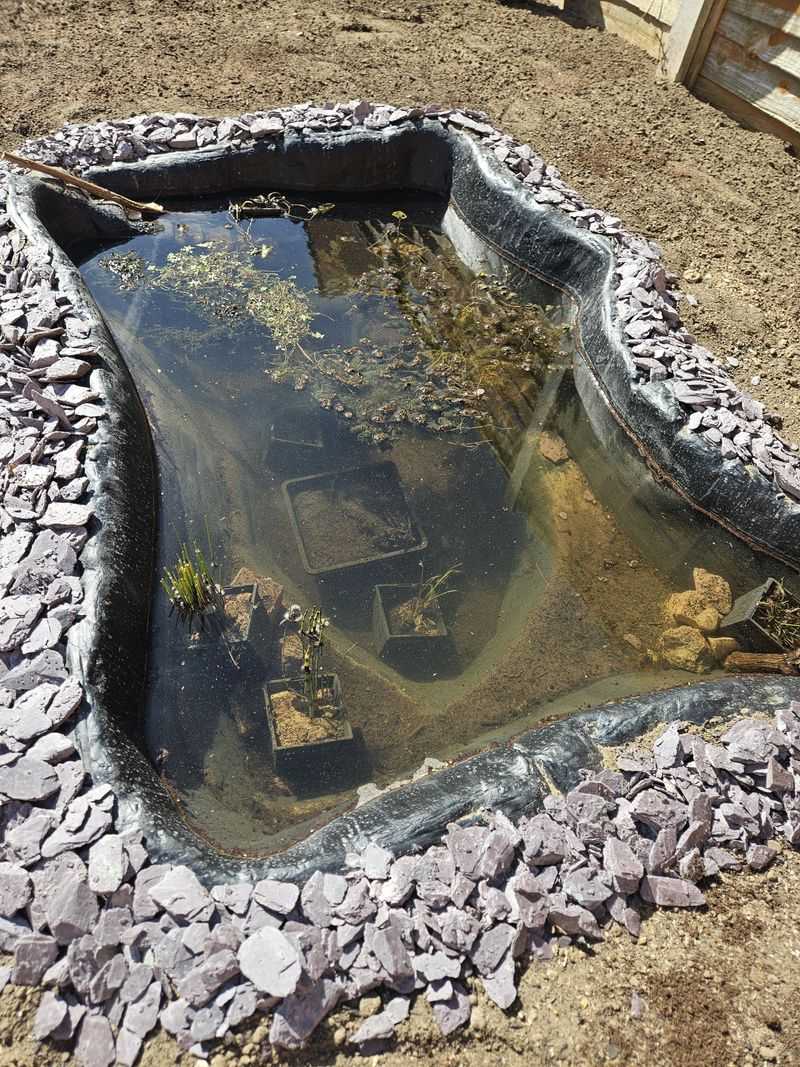
Pest control technicians often find far more breeding spots per yard than homeowners expect. That number sounds high until you actually start looking.
Gutters top the list. Palm fronds, oak leaves, and roof grit build a dam, and the trapped water sits invisible from the ground. A ladder check twice a season solves a shocking amount of trouble.
Bromeliads deserve a special mention in Florida landscaping. Their central cups hold water by design, which makes them lovely and also convenient for certain species. Flushing them with a hose every few days pushes larvae out before they mature.
Corrugated drain pipe is another sneaky one. The ridges hold shallow pockets of water even when the pipe drains, creating a long tube of tiny nurseries.
Then come the ordinary suspects. Trash can lids, recycling bins, boat covers, grill covers, kiddie pools, dog bowls, birdbaths, saucers under potted plants, and the rim of an upside down bucket that never sits quite flat.
Air conditioner condensate lines drip into the same soft spot day after day, keeping a small mud puddle constantly refreshed. A little gravel under the drip point breaks that up.
Even a tarp over a woodpile counts. Any dip in the fabric holds a cup or two.
Grab a flashlight and check after dusk if you want to feel motivated. Seeing the wigglers in person is far more convincing than any article.
The Fogging Mistake That Buys A Few Hours And Little Else
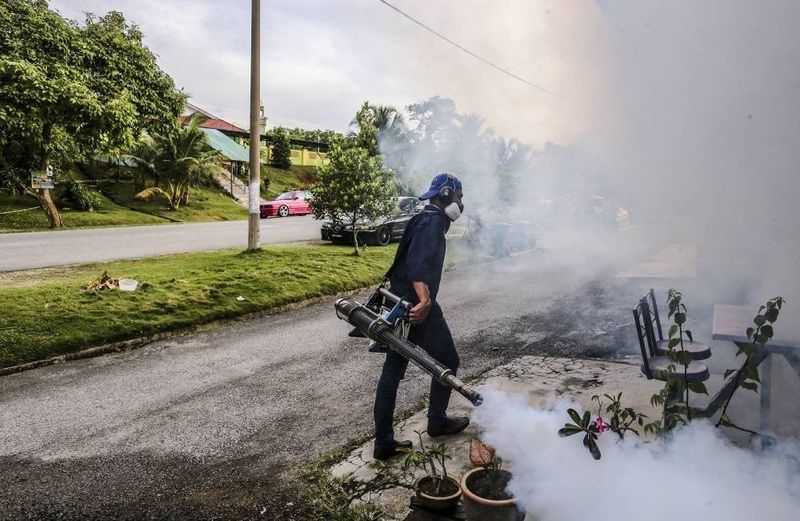
Nothing feels more satisfying than firing up a fogger and watching the mist roll across the lawn. The satisfaction usually lasts about as long as the mist does.
Space fogging knocks down adults that happen to be flying in the cloud at that moment. It does nothing to water sitting in the wheelbarrow, and it does nothing to eggs waiting on a container wall.
By the next afternoon, fresh adults emerge from those containers and the yard feels unchanged. People then fog again, more often and at higher rates, which is where problems stack up.
Repeated broad spraying pushes local populations toward resistance and also affects pollinators, dragonflies, and predatory beetles that were quietly helping you keep numbers down.
Another common misstep involves bug zappers. Studies of trapped insects show mosquitoes make up a tiny slice of the catch, while beneficial moths and beetles make up most of it.
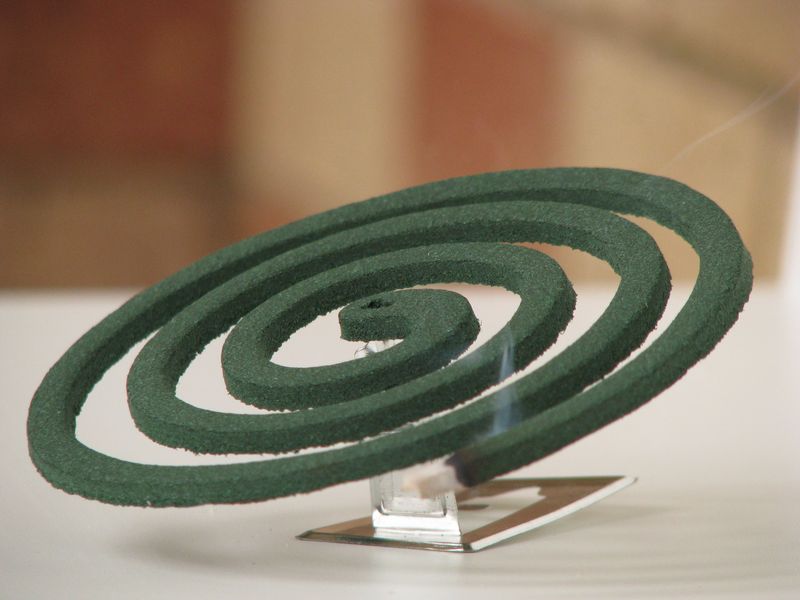
Citronella candles get overrated too. They help slightly in still air right beside you, but a breeze erases the effect.
The smarter sequence puts source reduction first, then targeted treatment of resting areas like dense shrubs and shady fence lines, then adult knockdown only before an event.
Think of fogging as a party trick rather than a plan. It has a place, just not at the front of the line.
Source Reduction And Larvicides Do The Real Heavy Lifting
Ask any county mosquito control district what wins, and the answer is boring. Empty the water.
Tip, toss, cover, and store is the whole strategy in four words. Turn buckets upside down, drill drainage holes in tire swings, store toys under cover, and replace plant saucers with pot feet or a layer of coarse sand.
Birdbaths and pet bowls stay useful as long as you refresh them every two or three days. Moving water helps, so a small solar bubbler in a birdbath makes it far less appealing to egg laying females.
For water you cannot remove, larvicide products handle the job. Bti, a naturally occurring soil bacterium sold as floating dunks or granules, targets larvae specifically and leaves birds, fish, and pets alone.
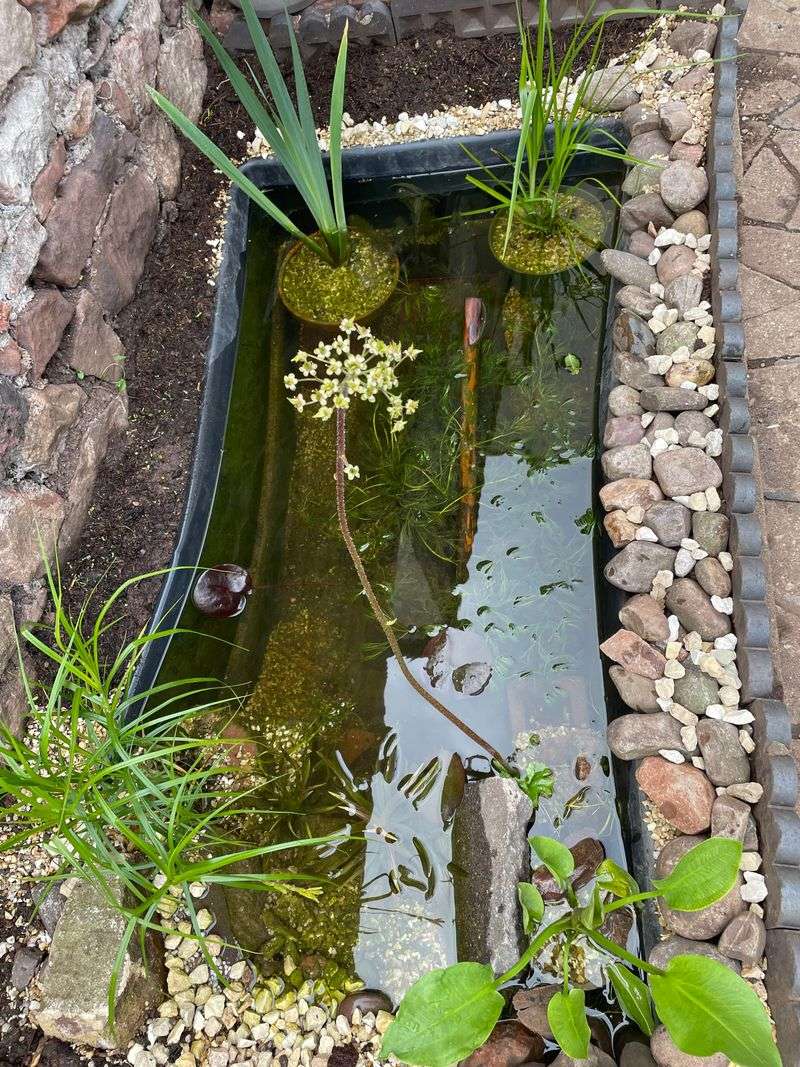
One dunk treats roughly one hundred square feet of surface water for about thirty days. Rain barrels need fine mesh screens over openings. Ornamental ponds do better with mosquitofish or a small pump keeping the surface moving.
Gutters get cleaned, French drains get checked, and low spots in the lawn get filled with topsoil so they drain instead of puddling.
Talk to neighbors as well. Mosquitoes that breed in containers rarely travel more than a few hundred feet, so an untended pool two doors down affects your evenings directly.
None of this photographs well or feels exciting. It simply works better than anything sold in a spray can.
Yard Habits That Keep Evenings Comfortable Through Storm Season
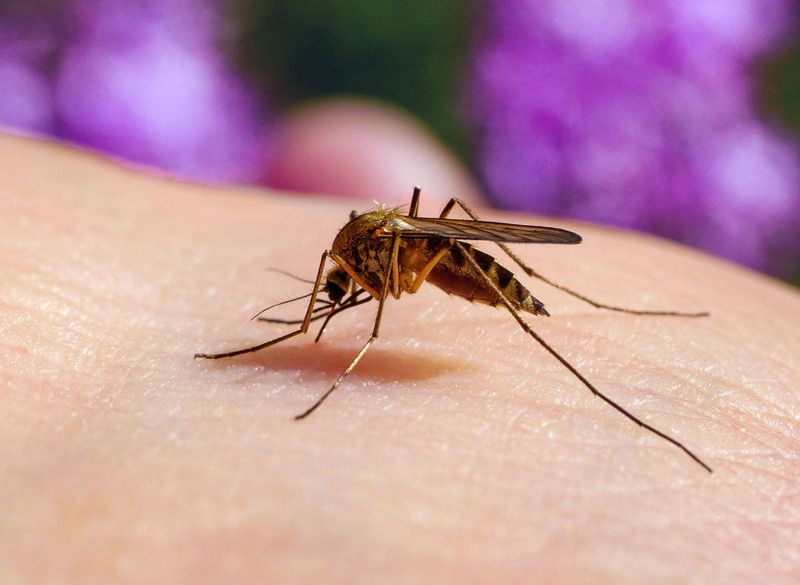
Long term comfort comes from stacking small advantages rather than chasing one miracle product. A yard that stays dry, breezy, and trimmed simply hosts fewer biters.
Airflow deserves more credit than it gets. Mosquitoes are weak fliers, and a basic oscillating fan on a patio scatters them along with the carbon dioxide plume that draws them toward you. Two fans on a screened lanai can change the whole evening.
Vegetation management matters next. Adults rest during the day in cool, humid shade under dense shrubs, tall grass, and ground cover near the house. Thinning those areas and keeping the lawn cut reduces the daytime hideouts.
Mulch depth plays a quiet role too. Thick layers hold moisture for days, so keeping mulch around two inches deep helps the soil dry between storms.
Timing your outdoor plans helps as well. Many Florida species peak at dawn and dusk, though the Asian tiger mosquito bites happily at midday, so repellent with DEET, picaridin, or oil of lemon eucalyptus stays worthwhile.
Long sleeves in light colors make a difference, since darker fabrics attract more attention. Loose fits also prevent bites through clothing.
Report chronic swamp or ditch flooding to your county mosquito control district. They handle large scale sources that no homeowner can manage alone.
Stack these habits and storm week stops ruining the following week. Your yard becomes usable again, which was the entire point.