Should You Clean Outdoor Plant Pots Before Bringing Them Indoors In North Carolina
Dirt-crusted pots that spent all summer outside might seem like a cosmetic afterthought, but skipping a proper cleaning before moving them indoors can bring along more problems than most North Carolina gardeners expect.
Pest eggs, fungal spores, and even weed seeds can cling to the outside and rim of a pot without being visible to the naked eye, waiting for the warm, stable conditions of an indoor home to become active again.
A simple scrub with soapy water, followed by a thorough rinse, removes most of this hidden risk before it has a chance to spread to other houseplants nearby.
This step matters even for pots that look perfectly clean, since many of the organisms capable of causing indoor problems are far too small to spot with a quick glance.
Taking a few extra minutes now can prevent a much bigger headache once everything is settled back inside for the season.
1. Yes, Cleaning Pots Keeps Outdoor Problems Outside
Your porch has been a busy place since spring. Rain, pollen, bugs, and summer storms have all left their mark on your containers, even if the plants inside look healthy and happy.
When you carry those pots into the living room, every speck of that outdoor life comes along for the ride.
Months outside turn a pot into a tiny habitat. Dirt cakes onto the sides, green algae creeps across the surface, and insects tuck their eggs into cracks and rims where you would never think to look.
Fungal spores settle on bottoms and saucers too, waiting for the right moment to spread to your houseplants.
The good news is that the fix is simple. For pots that still hold plants, scrub the outside with a brush and some soapy water, paying close attention to the rim, base, and drainage holes.
Empty pots and saucers deserve a deeper cleaning, which you can read about in the tips below.
Timing makes a big difference. Plan to do the work outdoors a few days before the move, so you have room to splash water and time for everything to dry. A driveway or patio on a mild afternoon works perfectly.
Here in North Carolina, the growing season stretches long, warm, and sticky. From April through October, pests and algae have months to settle in and multiply on your containers, much longer than in cooler states up north.
That extra time means more buildup, so a good scrub pays off in a big way. Think of it as closing the door on outdoor trouble. A little effort now keeps your indoor jungle clean, healthy, and bug-free all winter long.
2. Pests Hide Under Pots And In Drainage Holes
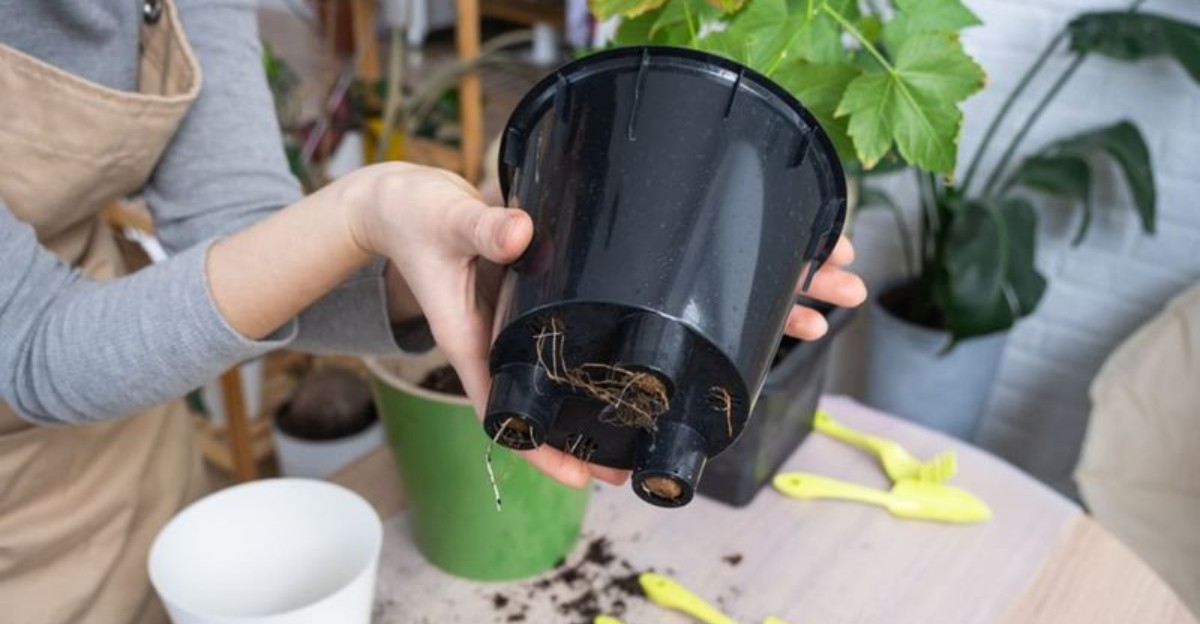
Lift a pot that has sat on your deck all summer, and you might get a surprise. Slugs, earwigs, pill bugs, ants, and even cockroaches love to camp out underneath containers.
Some squeeze right up into the drainage holes and settle into the soil. Why there? The space under a pot stays shaded, cool, and damp, even on hot days.
Your North Carolina Garden Changes Every Week. Your Plan Should Too.
Gardening in North Carolina changes quickly throughout the season. Every Friday you’ll receive a simple weekly plan showing exactly what to plant, prune, fertilize, harvest, and protect so you never miss the right timing.
For bugs that dry out easily, like pill bugs and slugs, that little pocket of moisture feels like a five-star hotel.
Checking is easy. Pick up each pot, tip it gently, and look closely at the bottom and inside every drainage hole. Then grab the hose and give the base a good rinse to wash away anything clinging to it.
For a deeper clean, try the soak method. Fill a bucket or tub with water and set the pot inside so the water rises just above the soil line for about 15 to 20 minutes.
Hiding pests will crawl or float to the top, and you can brush them away before letting the pot drain completely.
North Carolina fall nights bring cool, dewy air that sends these critters hunting for shelter, and your pots are prime real estate. Humid weather only adds to the appeal.
Keep an eye out for friendly visitors too, since small tree frogs and green anoles sometimes tuck themselves into containers.
Those little neighbors help control bugs in the garden, so they deserve a kind exit. Gently scoop them out and set them in a leafy spot outdoors. Your plants go inside pest-free, and the frogs keep their home.
3. Check For Fire Ants In Containers
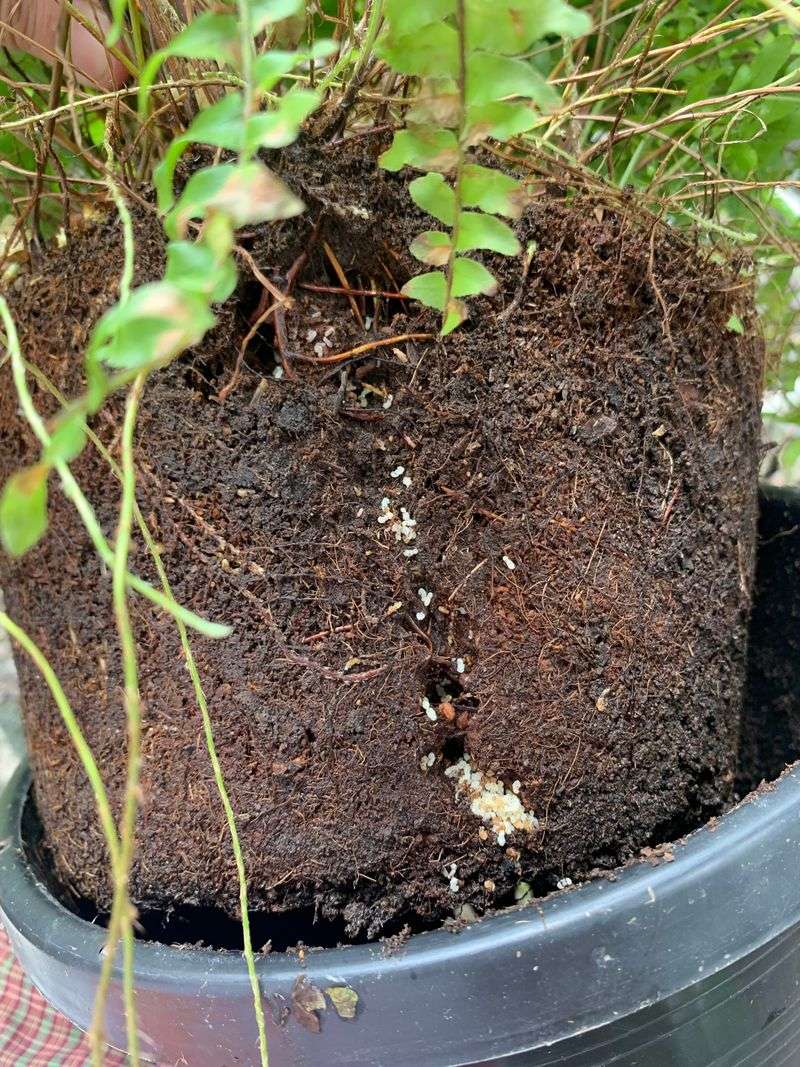
Ouch! Anyone who has stepped on a fire ant mound knows the burning sting that follows. Few gardeners want that same colony marching across the kitchen floor.
Red imported fire ants are clever builders. Undisturbed pots with loose, moist soil make cozy nesting spots, especially containers that have sat in one place for weeks or months.
You might not notice anything until the colony has fully moved in. Bringing an infested pot indoors can lead to painful stings for you, your kids, or your pets. Worse, the ants may leave the pot and spread into walls, cabinets, and carpets.
Testing takes just a few seconds. Tap firmly on the side of the pot with a stick or trowel, then watch the soil surface. If reddish-brown ants come boiling up in an angry swarm, you have found a nest.
Flooding is one of the simplest fixes. Submerge the whole pot in a tub of water for about 20 minutes, which forces the ants out of the soil so you can rinse them away.
Another option is to repot the plant in fresh potting mix, but always wear thick gloves and tuck your sleeves in first.
Location matters a lot with this tip. Fire ants are widespread across the Piedmont and Coastal Plain, from Charlotte and Raleigh down to Wilmington.
Gardeners in the Mountains see them far less often, since the colder winters and higher elevations make life harder for these invaders.
Even so, a quick tap test costs nothing. Checking every pot, no matter where you live, is a smart habit worth keeping.
4. Scrub Off Algae, Mold, And White Crust
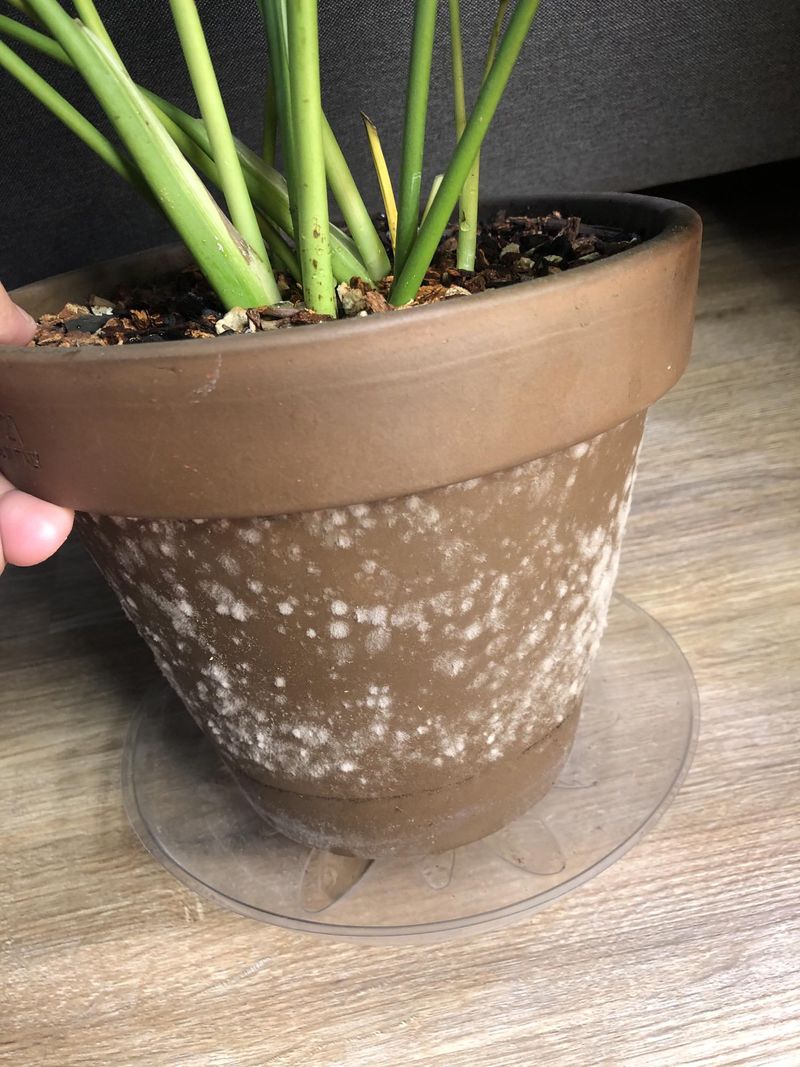
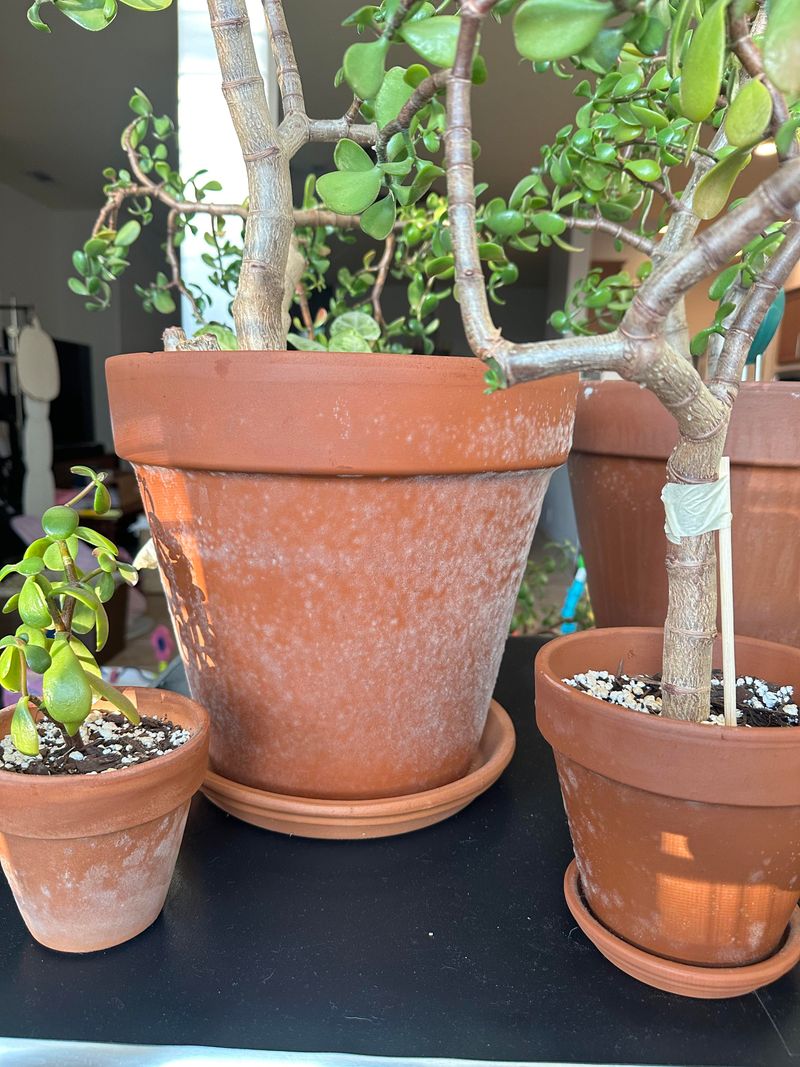
Terracotta pots start the season looking warm and orange. By fall, many look like they have aged ten years, with green streaks, fuzzy patches, and a chalky white coating.
Each of those marks has a different cause. Algae and mold love damp surfaces in shady spots, so they spread across pots that rarely dry out.
The white crust is something else entirely: minerals and fertilizer salts left behind when water evaporates through the pot walls.
Terracotta shows this crust the most because the clay is porous. Water seeps through the sides, and the salts stay put on the surface. Plastic and glazed pots can build up crust too, usually around the rim.
Cleaning it off is easier than it looks. Mix equal parts white vinegar and water in a bucket, then scrub the pot with a stiff brush. The vinegar loosens the mineral crust so it wipes away with far less effort.
Rinse the pot well afterward so no vinegar stays behind. For green algae and general grime, switch to warm, soapy water and scrub again until the surface feels clean. An old dish brush or a scrub pad works great for tight curves and rims.
In North Carolina, summer humidity often climbs past 70 percent, keeping pot surfaces damp for hours after every rain or watering. That lingering moisture gives algae and mold the perfect chance to grow.
A good scrub before the move keeps those green guests from following your plants indoors, and your pots will look almost brand new.
5. Wash Saucers That Held Standing Water
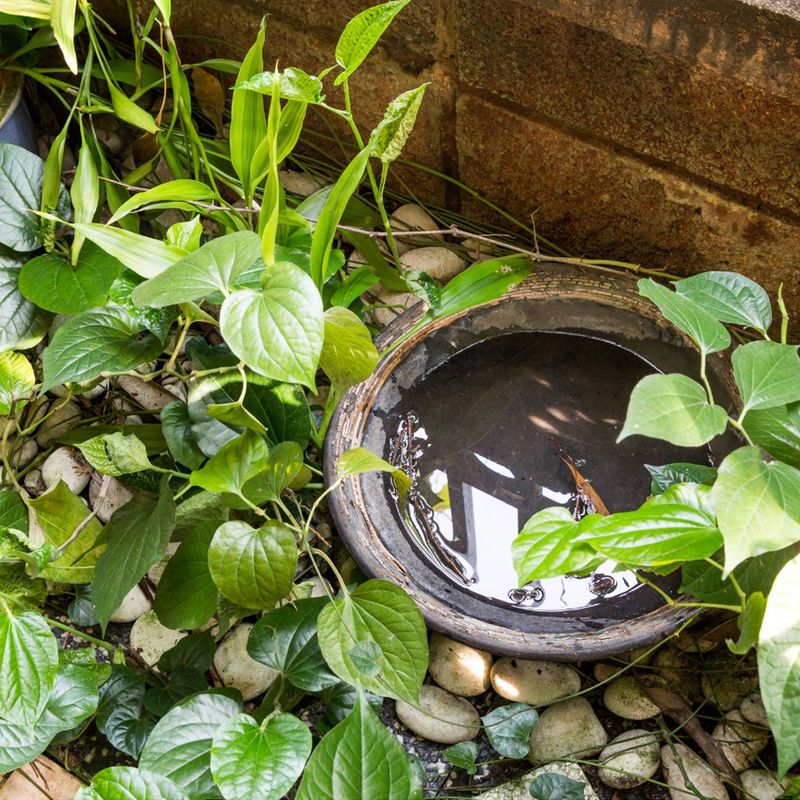
Saucers are the quiet workhorses of container gardening. They catch runoff, protect decks, and rarely get a second glance. Before they move indoors, though, they deserve a closer look.
All season long, those shallow dishes hold standing water. Leaves, dirt, and pollen drift in and settle at the bottom, and a slimy layer of algae often follows. Worst of all, a saucer with just a little water can become a nursery for mosquito larvae.
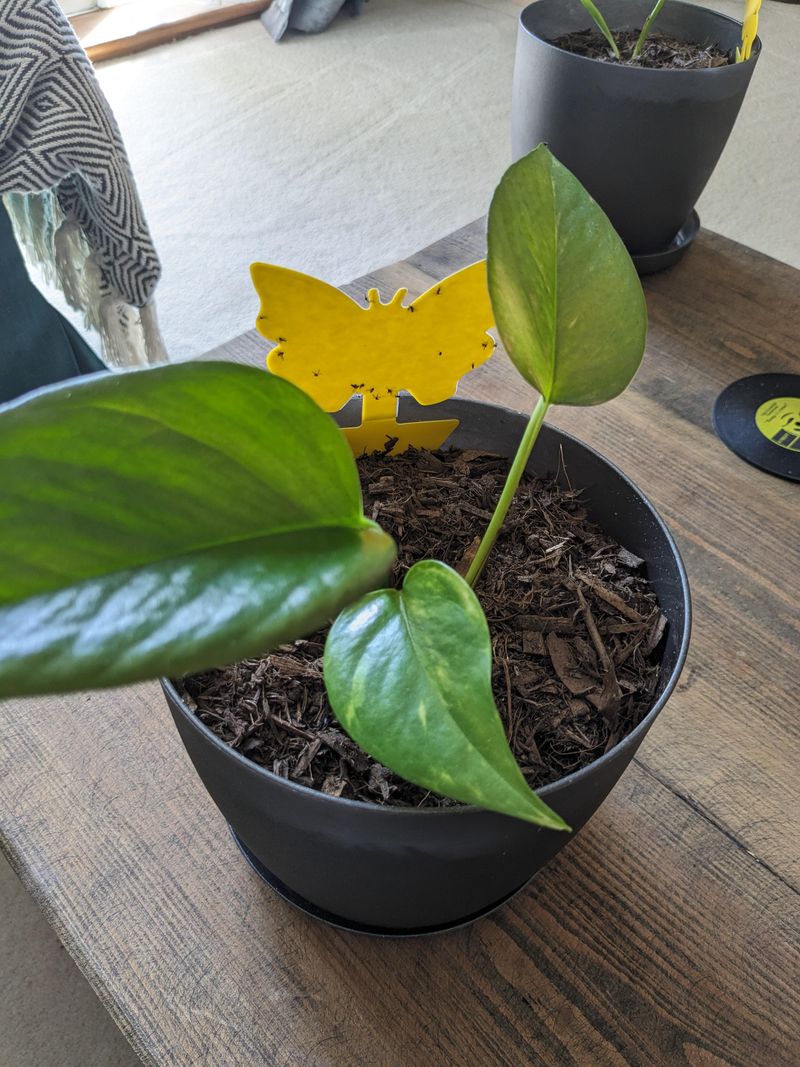
Gnats and other tiny insects like saucers too. The damp debris gives them food and shelter, so a dirty saucer can bring a small swarm into your home.
Start by dumping out any water and debris. Scrub every saucer with warm, soapy water and a sponge or brush, working around the inner edge where gunk likes to collect. Rinse well so no soap film remains.
Drying matters as much as washing. Set saucers upside down in the sun until they are completely dry, then place them under your pots once they come inside. A dry start helps keep mold and musty smells away.
Here is a fact that surprises many people: some mosquitoes can go from egg to adult in about a week in warm weather. Asian tiger mosquitoes, common across North Carolina, are especially fond of small containers like saucers, buckets, and bottle caps.
They stay active well into fall, often until the first frost arrives. Every clean, dry saucer means fewer bites for you and your neighbors. Tipping out standing water around the yard once a week is a great habit, too.
6. Disinfect Empty Pots That Held Diseased Plants
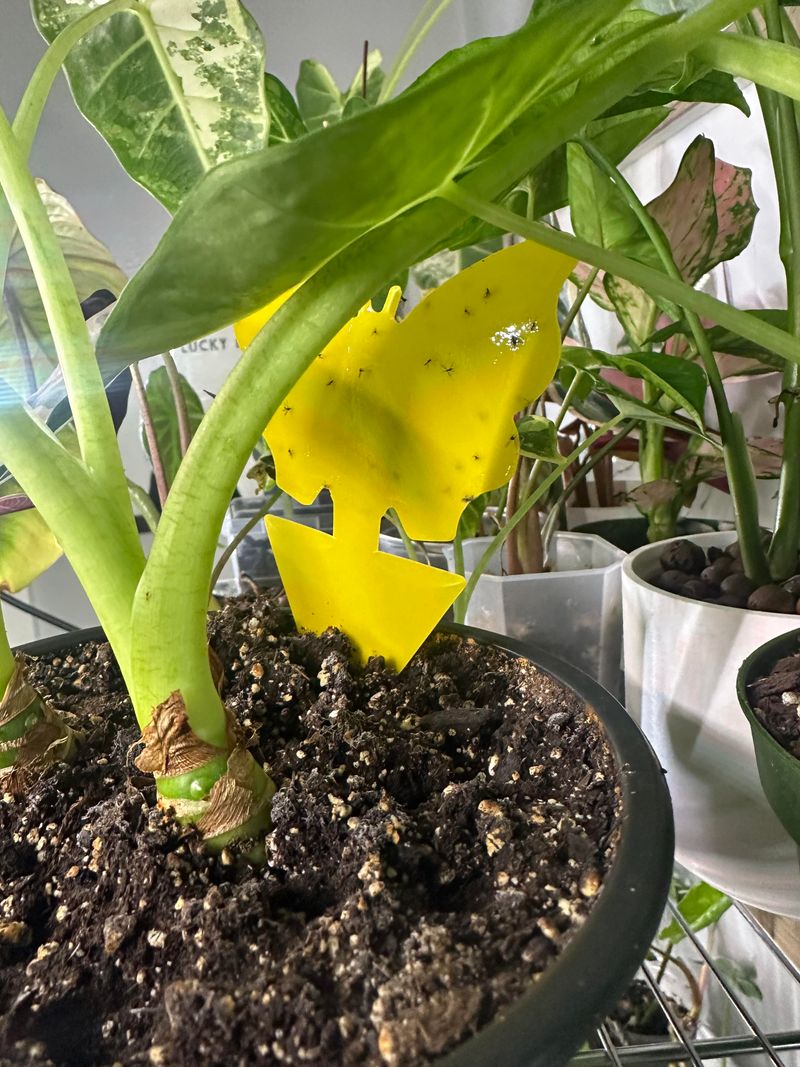
Remember that tomato plant that wilted in July, or the begonia with mushy stems? Those problems may not be gone, even though the plant is.
Disease organisms can linger on the inside of an empty pot, ready to attack the next plant you grow.
Fungi and bacteria are tough little survivors. Some cling to bits of old soil and roots, while others hide in the tiny pores of clay pots.
Plant something new without cleaning, and you could be starting the whole problem over again.
Disinfecting takes a little time but very little money. First, brush out all the old soil and root pieces with a stiff brush. Next, wash the pot inside and out with warm, soapy water to remove grime.
Now comes the bleach soak. Mix 1 part household bleach with 9 parts water in a bucket or tub, and let the pot soak for about 10 minutes.
Wear gloves, work in a spot with fresh air, and never mix bleach with vinegar or other cleaners.
Rinse the pot thoroughly with clean water to wash away any bleach. Let it air dry completely before filling it with fresh potting mix. Old soil should never go back into a cleaned pot, since it may still carry disease.
North Carolina summers are hot and humid, and those conditions invite root rot, damping-off, and other container diseases.
Overwatered pots and afternoon thunderstorms make it even easier for trouble to take hold. A careful soak gives your next plant a clean slate and a healthy start indoors.
7. Clean The Plant And Soil Surface Too
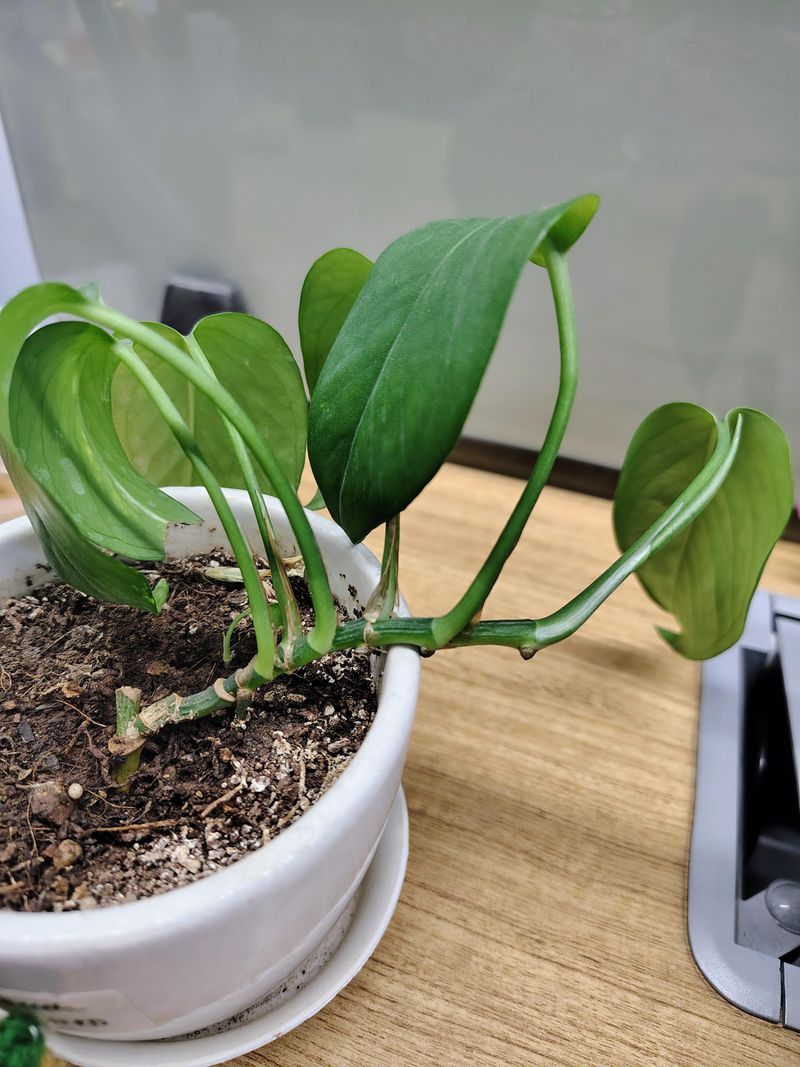
A sparkling pot is a great start, but it only tells half the story. Pests and eggs can still ride inside on leaves, stems, and the soil surface. Cleaning the whole package at once gives your plant the best shot at a smooth move.
Here is the problem. Aphids, spider mites, and whiteflies love to hide on the undersides of leaves, where they are easy to miss. Fallen petals and old leaves on the soil also hold fungal spores and give pests a place to tuck in.
Grab your hose and set it to a soft shower or mist. Gently rinse the leaves from top to bottom, then tilt the plant and spray the undersides too. Be careful with delicate plants, and let the water drain before moving on.
Next, do a little grooming. Pinch or snip off yellowing leaves and spent flowers, and pick up any debris resting on the soil. Clean scissors or pruners help prevent spreading problems from one plant to another.
Refreshing the top layer of soil is a smart final touch. Scoop out about the top inch of potting mix and replace it with fresh mix.
Fungus gnats lay their eggs in that moist top layer, so removing it can cut their numbers way down.
Gardeners in North Carolina often keep plants outside from spring through October, sometimes even longer near the coast. That long stretch gives pests plenty of chances to move in and multiply.
After a thorough clean, keep new arrivals away from other houseplants for a couple of weeks to catch any hidden hitchhikers.
8. Let Pots Dry Before They Come Inside
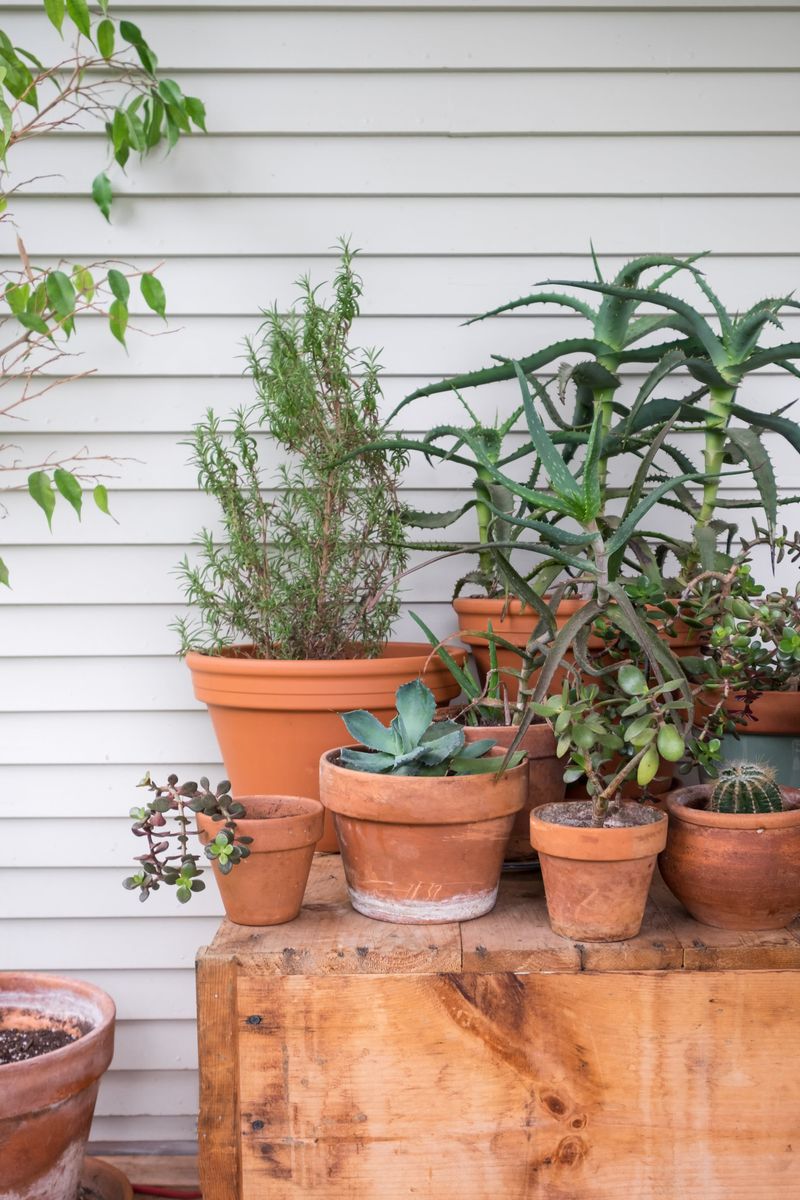
Patience might be the most underrated gardening tool. After all that scrubbing and soaking, it is tempting to carry pots straight inside. Waiting just a little longer can save your floors and furniture from trouble.
Wet pots leave rings, stains, and water marks on wood floors, rugs, and tabletops. Trapped moisture under a pot can also encourage mold to grow on the surface below. Nobody wants a fuzzy surprise on their favorite side table.
Terracotta needs the most time. Clay soaks up water like a sponge and releases it slowly, so a pot can feel dry on top while staying damp deep inside the walls. Glazed ceramic and plastic dry faster, but their bottoms and rims still need attention.
Choose a sunny, breezy day for your cleaning session. Set pots in an open spot where air can move around them, and turn them upside down if they are empty. Then give them a full day or two to air dry before the big move.
Once inside, place a saucer or waterproof tray under every pot. Cork mats and plastic trays add an extra layer of protection, especially under clay. A few felt pads under the saucer help air flow and keep floors scratch-free.
North Carolina falls can stay surprisingly humid, particularly in the Coastal Plain and during foggy mornings. Damp air slows evaporation, so pots may take longer to dry than you expect.
If a pot still feels cool or looks darker in spots, give it another day in the sun. Your plants will settle in happily, and your home will stay clean and dry all season.