Should You Mow Your Ohio Lawn During a November Warm Spell?
Grass roots can keep growing in soil that sits near 40 degrees, long after the blades above look sleepy. That fact surprised me the first time I read it.
Your lawn is busier in late fall than it lets on.
A mild November afternoon in Ohio can feel like a borrowed day from September. The sun warms your shoulders, the air smells like crushed leaves, and the turf still looks green.
I can’t imagine a gardener who doesn’t glance at the shed and wonder.
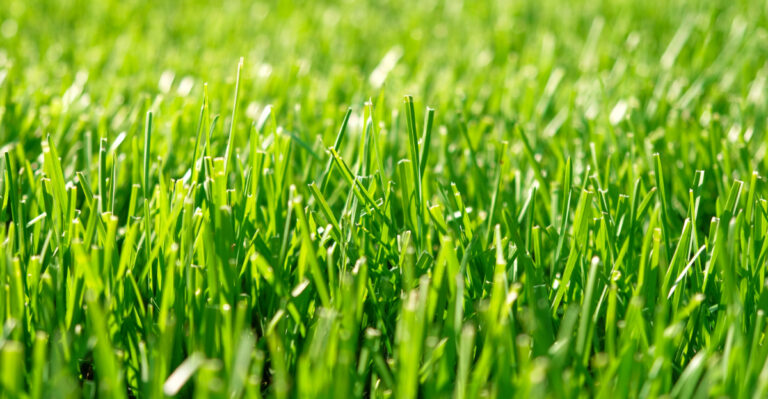
Cool-season grasses like Kentucky bluegrass, tall fescue, and perennial ryegrass love these crisp, bright days. They quietly stock up on sugars for the cold months ahead.
A few extra inches of growth can sneak up on you.
Whether to fire up the mower one more time isn’t as obvious as it seems. The right move depends on one simple clue hiding in plain sight.
Those Green Grass Blades Are Dropping a Big Hint
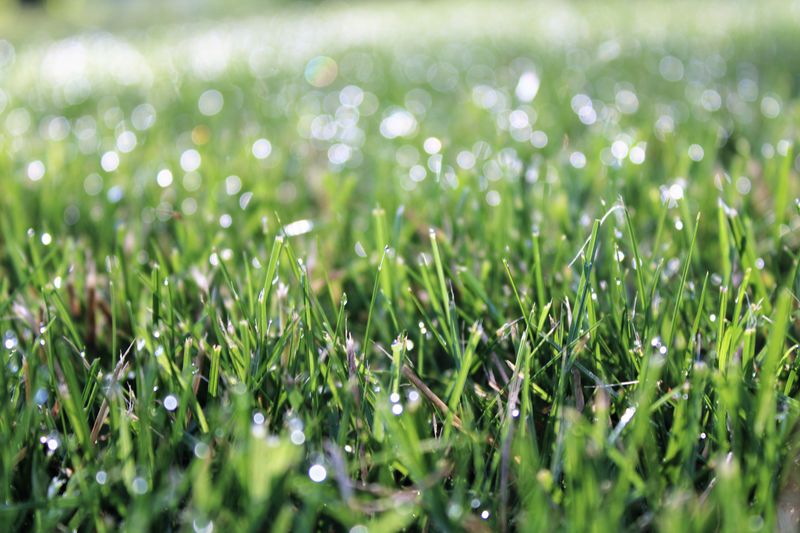
Your calendar says the season is over, but your lawn may disagree. Cool-season grasses grow best when air temperatures sit roughly between 60 and 75 degrees.
A warm November stretch lands right in that comfort zone.
So the real answer is simple. If your grass is still getting taller, you should mow it.
If it has stopped growing, you can put the mower away without guilt.
I like to use a quick check rather than a guess. Stick a ruler into the turf, note the height, and check again after five or six days.
Any noticeable gain means the blades are still active.
Many lawns in the state keep growing slowly into mid or late November. Southern counties near the Ohio River often stay active a bit longer than lawns near Lake Erie or in the northeast snowbelt.
Your own yard tells the story better than any date.
Shady spots and areas under trees may slow down first. Sunny, south-facing patches can keep pushing new growth on warm afternoons.
Treat that green color as an invitation, not an emergency. One or two more tidy cuts are often all a growing lawn needs before winter settles in for good.
Aim Your Last Mow for About 2.5 to 3 Inches
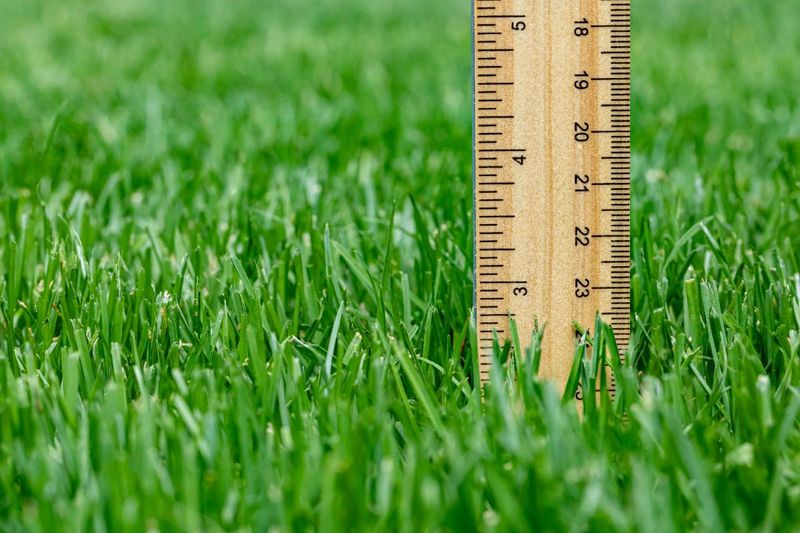
Picking the right height for that final cut matters more than most folks expect. Ohio State University Extension generally suggests mowing cool-season lawns at about 3 inches or a bit higher during the growing season.
For the last mow, many turf pros drop that slightly, to roughly 2.5 inches.
Why trim a little lower? Slightly shorter grass is less likely to flop over and mat under snow.
Matted turf holds moisture, and that dampness can encourage winter lawn diseases.
Going too short brings its own problems, though. Scalping the lawn to 1.5 inches exposes the crowns, the growing points near the soil, to cold and drying winds.
It also leaves room for weeds to move in next spring.
Tall fescue lawns tend to look and perform best on the higher end of the range. Kentucky bluegrass and perennial ryegrass handle the lower end a bit more easily.
Personally, I set my deck one notch down from summer and call it done. A ruler on the lawn takes the guesswork out of it.
That small adjustment gives your grass a neat, sturdy starting point for winter.
Lower That Mower Deck a Little at a Time
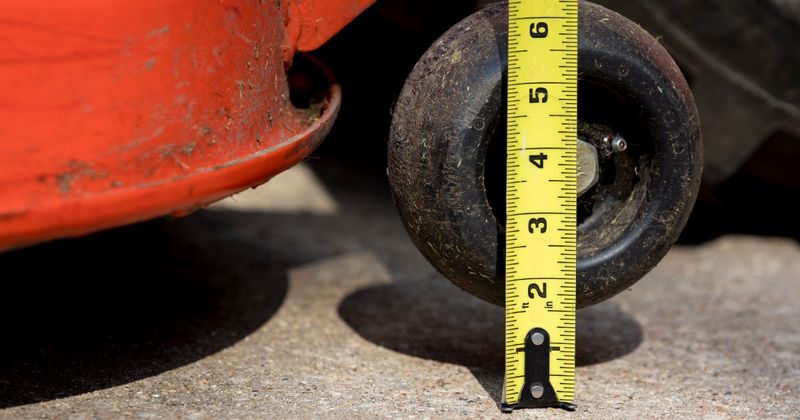
Turf experts love one rule above most others. Remove no more than one-third of the grass blade in a single mowing.
It sounds fussy, but your lawn will thank you for it.
Say your grass has grown to 4.5 inches during a warm week. Cutting it straight down to 2.5 inches removes almost half the blade.
That kind of chop stresses the plant right when it should be storing energy.
A better plan is a two-step trim. Mow to about 3.5 inches first, then wait several days before taking it down to your final height.
Grass blades act like tiny solar panels. They make the sugars that roots stash away for winter survival and spring green-up.
Taking too much leaf at once cuts that food supply short.
Big clumps of clippings are another reason to go slowly. Heavy piles can smother patches of turf and stay soggy for weeks in cool weather.
Sharp blades help, too. A dull mower tears the leaf tips and leaves ragged, brownish edges.
Ten minutes with a blade sharpener before your final cuts makes the whole lawn look cleaner.
Frosty Grass Blades Should Stay Off Limits
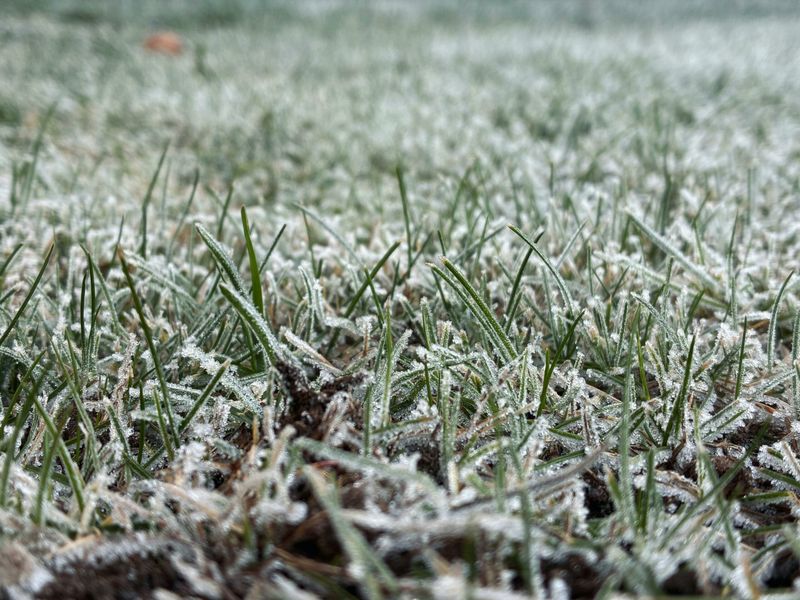
A sparkly white lawn at sunrise looks lovely from the kitchen window. It is also the worst moment to start the mower.
November warm spells often come with chilly, frosty mornings in between.
Frozen grass blades are stiff and brittle because ice forms inside and between the plant cells. Wheels, mower blades, and even boots can crush that tissue.
A day or two later, you may spot brown or blackened footprints and tire tracks across the yard.
The fix is pure patience. Wait until the frost melts and the blades dry, which is often late morning or early afternoon on a sunny day.
Midday is usually the sweet spot for November mowing anyway.
Wet grass causes trouble of its own. It clumps, clogs the deck, and leaves uneven cuts.
Damp soil can also compact under a heavy mower or create ruts.
Keep kids and pets off a frozen lawn when you can, too. I learned that one the hard way after a backyard game of fetch left a trail of tan paw prints.
A dry, frost-free afternoon makes the job easier on you and gentler on the grass.
Matted Grass Under Snow Can Invite Snow Mold
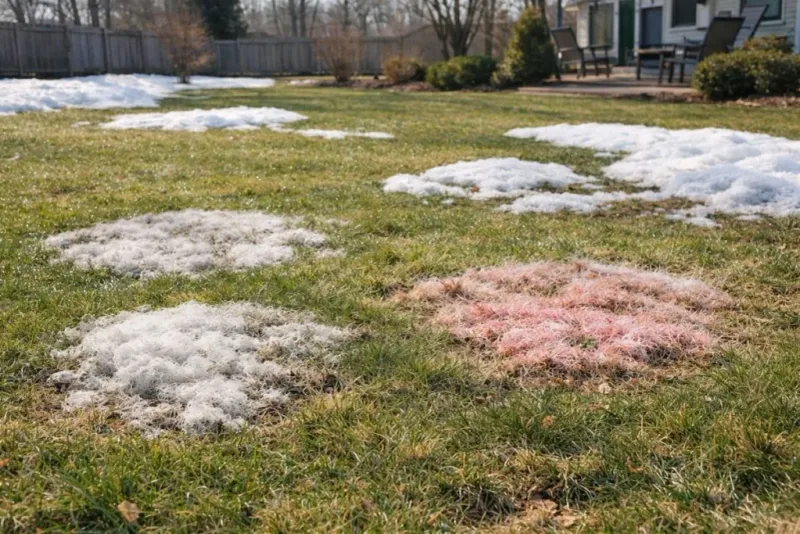
Spring snowmelt sometimes reveals a strange surprise. Circular patches of matted, grayish or pinkish grass show up where snow sat longest.
Those spots are usually snow mold, a fungal disease common in northern lawns.
Gray snow mold needs long-lasting snow cover to really get going. Pink snow mold, also called Microdochium patch, can develop in cool, wet weather with or without snow.
Ohio sees both, especially in northern counties.
Long, floppy grass gives these fungi a cozy, damp home. Thick mats of leaves do the same.
Mowing to a sensible height and clearing debris in fall are two of the best ways to reduce the risk.
Heavy nitrogen applied too early in autumn, while grass is still growing fast, can add lush growth that diseases enjoy. Timing your feeding wisely helps.
Snow piles from shoveling or plowing are another trigger. Try spreading snow around rather than building one giant mound on the same patch of lawn.
Most snow mold damage is cosmetic. A light raking in spring fluffs up the matted blades, and the grass often recovers as temperatures warm.
Fungicides are rarely needed for home lawns.
Fallen Leaves and a Late Feeding Deserve Your Attention
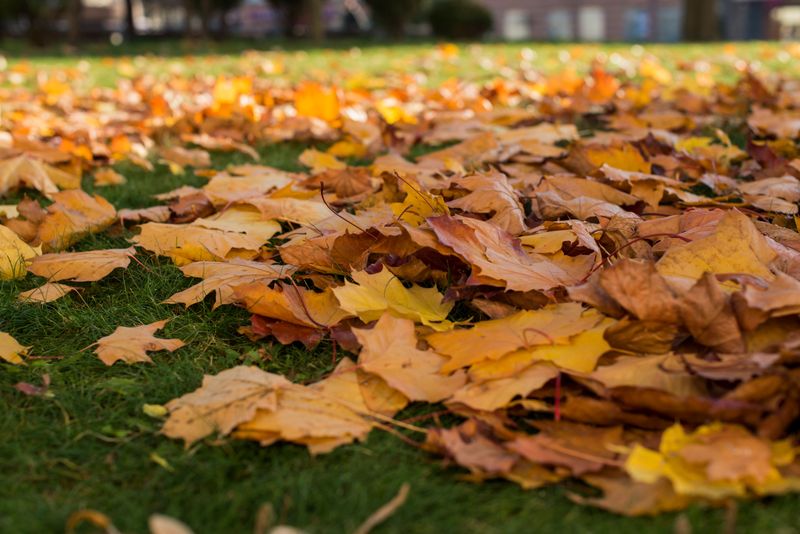
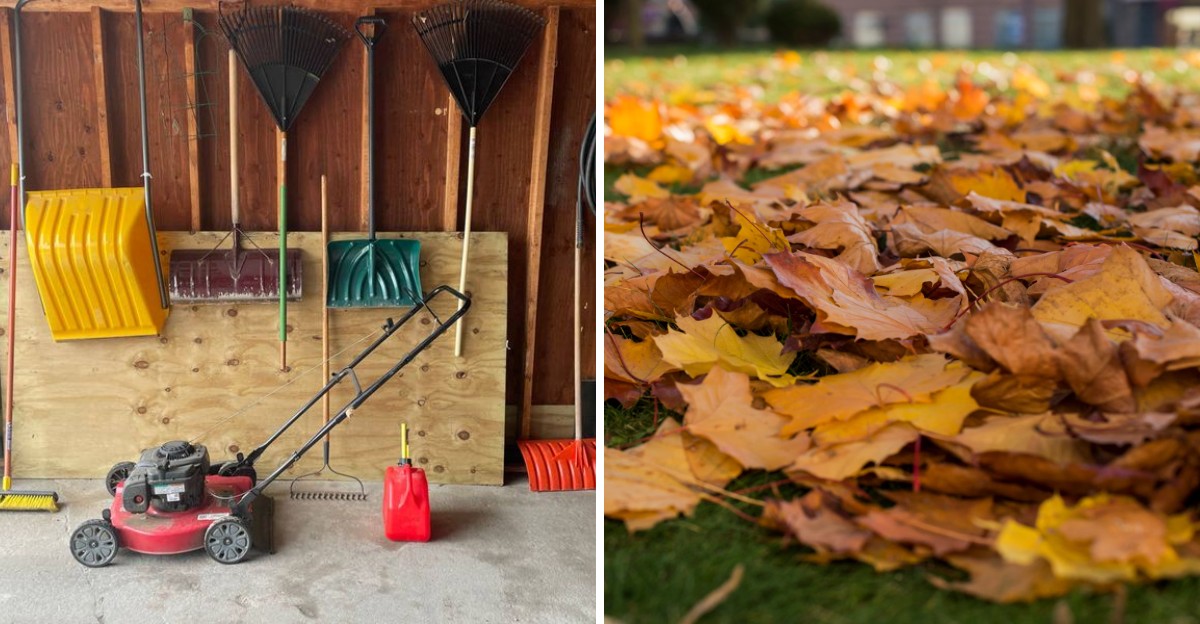
Mowing on a warm November day pairs nicely with leaf cleanup. Maples, oaks, and sycamores drop a lot of foliage across Ohio this time of year.
A thick, wet blanket of leaves can block light and smother turf.
Your mower is a handy tool here. Research at Michigan State University found that mulching leaves into a lawn with a mower can be fine for the turf.
Chop them small enough that you can see grass between the pieces.
Heavier layers are a different story. Rake or bag those piles, then add them to a compost bin or a garden bed as free mulch.
Fall is also a smart time to feed cool-season lawns. OSU Extension notes that a late-season nitrogen application, often around early to mid November while grass is still green, helps roots store energy and supports earlier spring green-up.
Skip feeding if the ground is frozen or heavy rain is coming. Fertilizer on frozen soil can wash into storm drains and streams.
Sweep any granules off sidewalks and driveways, too. That small habit keeps nutrients on your lawn where they belong.
Put the Mower to Bed Once the Grass Takes Its Winter Nap
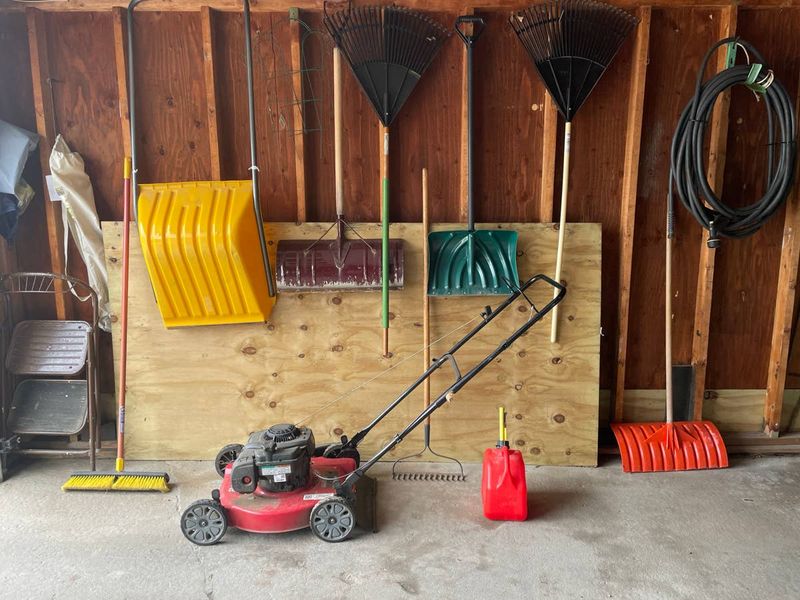
Eventually, the warm spells fade and growth stops for real. Your ruler check shows no gain, and the blades take on a dull, tan tint.
That is your signal to wrap up the season.
Give the mower a little care before storing it. Scrape caked grass from under the deck, check the blade, and clean the air filter.
Fuel needs attention, too. Many manufacturers suggest adding a fuel stabilizer or running the engine until the tank is empty.
Old gas can gum up a carburetor over winter. Battery mowers do best stored indoors with a partial charge, so check your manual.
Walk the yard one last time. Pick up sticks, toys, and hoses that could press the grass flat under snow.
Plan for spring while the details are fresh. Note thin spots, heavy shade, and soggy areas so you know where to seed or adjust next year.
A November warm spell is a gift, not a chore. Mow if the grass is growing, keep it near 2.5 to 3 inches, and let the lawn rest when it is ready.
Your spring yard will show the payoff.