What Florida Gardeners Should Do With Their Hibiscus In July To Survive The Hottest Weeks
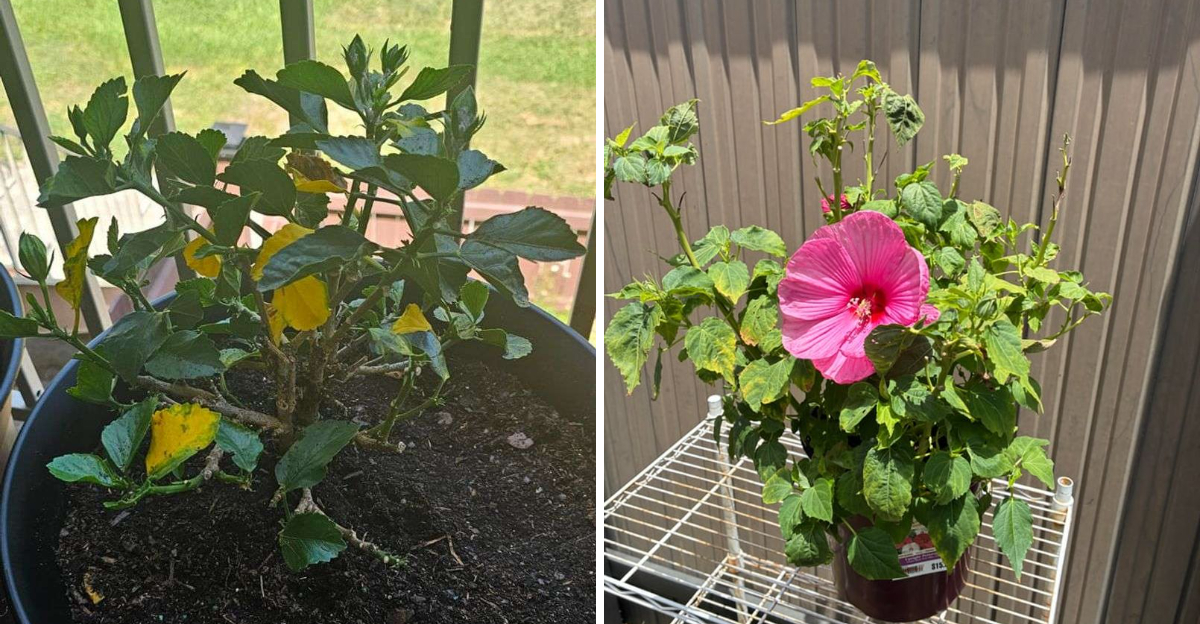
Hibiscus in Florida looks like it was built for July. Tropical, bold, seemingly designed for heat and humidity.
That appearance is a little misleading. Florida’s hottest weeks push even hibiscus past its comfort zone.
The plants that come through looking their best are the ones that had some help before the worst of it arrived. July is not the month to ignore hibiscus and assume it will handle itself.
It is the month where a few targeted decisions make the difference between a plant that coasts through the heat and one that struggles. Without that help, hibiscus can drop leaves, stop blooming, and spend August in recovery mode.
Most Florida gardeners either do too much or too little with hibiscus in July. Both extremes cost the plant something it cannot easily get back mid-season.
There is a middle path. It is straightforward, it does not demand much time, and hibiscus responds to it fast.
1. Check Soil Moisture Before Hibiscus Wilts Hard
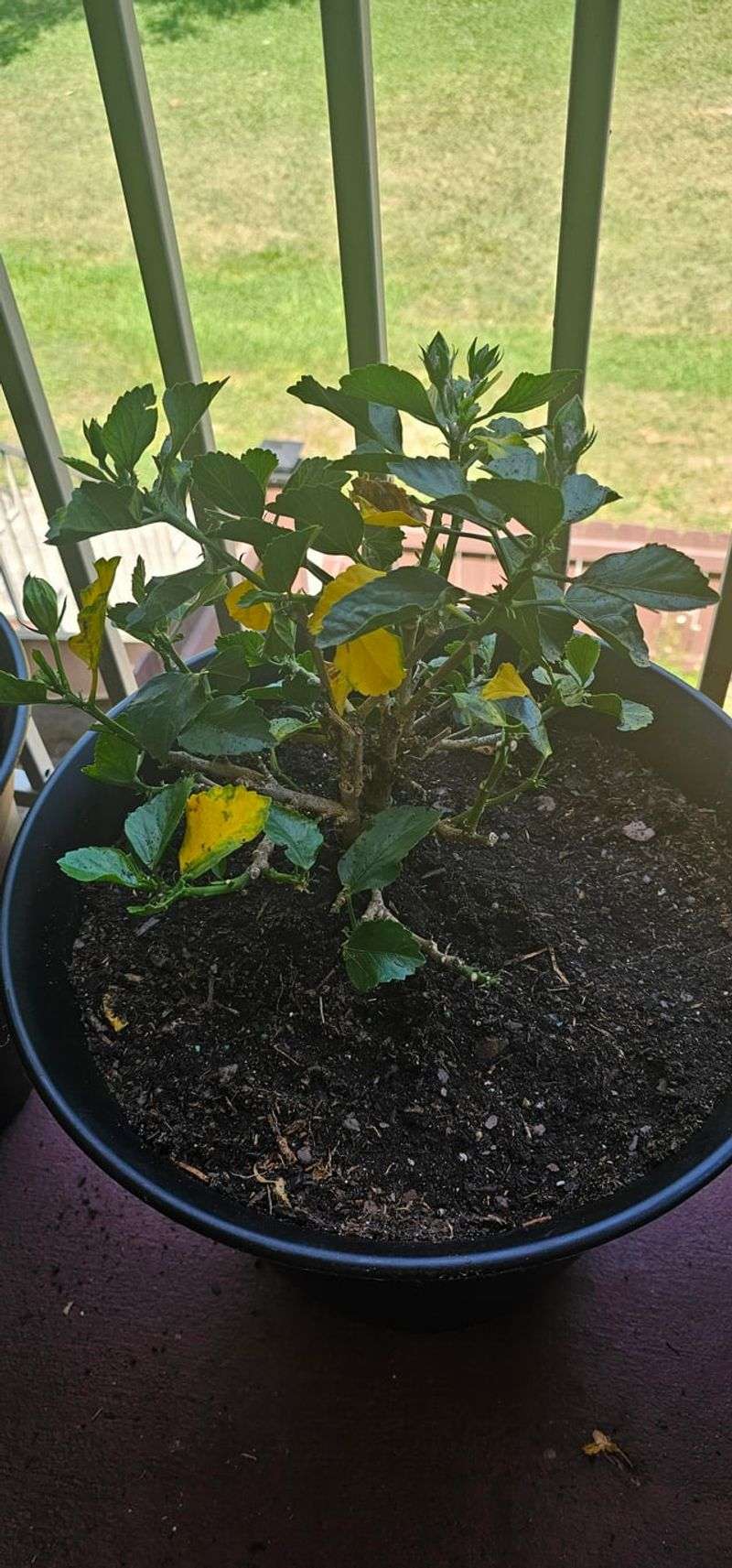
A drooping hibiscus on a July afternoon can send any gardener straight for the hose. Before watering, though, it pays to check what is actually happening at the root zone.
Surface soil in sandy Florida ground can feel dry while moisture still lingers a few inches below. Poking a finger two to three inches into the soil gives a much more reliable read than a quick surface glance.
Pots and raised beds tend to dry out faster than in-ground beds, especially on exposed patios and pool decks where air temperature and reflected heat work together. Small containers can go from moist to bone dry within a single afternoon.
Larger pots and in-ground plantings hold moisture longer, but sandy soil drains quickly regardless of container size.
Wilting does not always mean drought. Roots sitting in soggy soil can also cause a hibiscus to droop because waterlogged roots struggle to move oxygen and nutrients up the plant.
Transplant stress, pest damage, and certain root diseases can produce the same drooping appearance. Checking both moisture level and drainage before adding more water helps avoid making the situation worse.
Look for soil that feels evenly moist but not wet or compacted. When the top two to three inches feel dry and the deeper layer matches, that is a reliable sign that watering is actually needed.
2. Water Deeply Without Keeping Roots Soggy
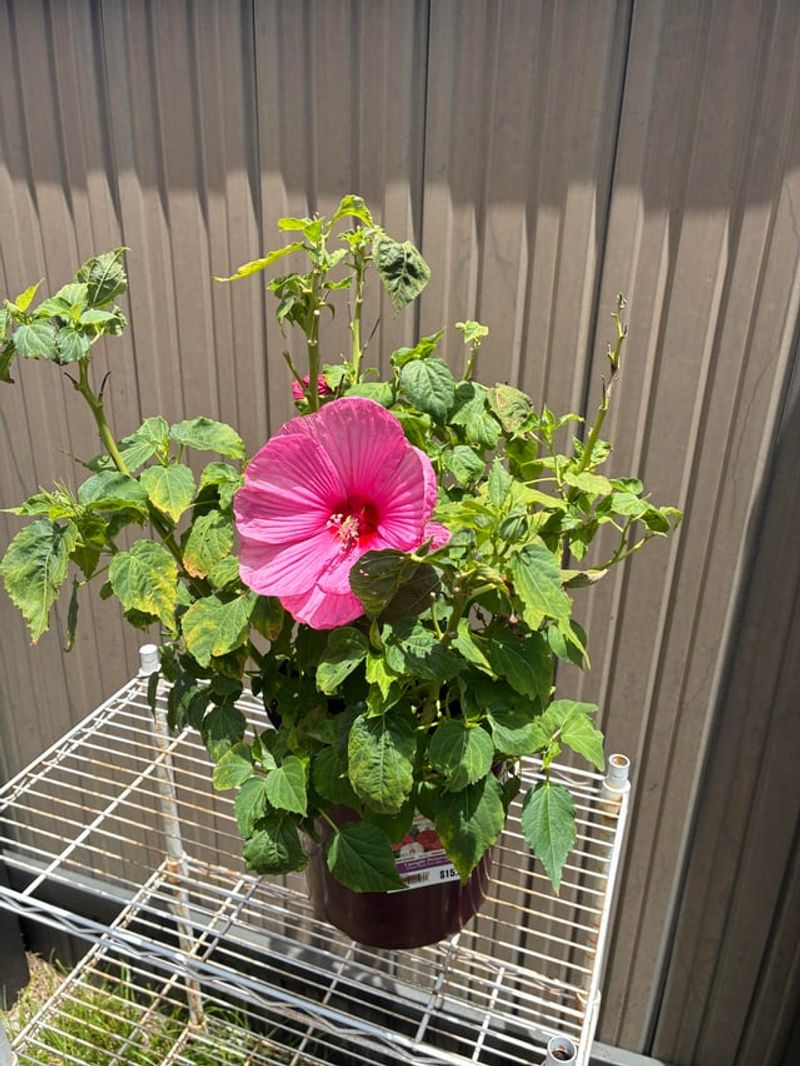
Steady moisture matters for tropical hibiscus in July, but soggy roots are just as damaging as dry ones. Watering deeply and slowly encourages roots to reach downward rather than staying shallow near the surface.
A slow, thorough soak works better than a quick splash that barely penetrates the top inch of sandy soil.
Containers need drainage holes that actually work. Saucers that collect standing water after a rain or a watering session can keep roots wet far longer than the plant tolerates.
Emptying saucers after heavy rain is a simple habit that prevents a common July problem. Raised beds and in-ground plantings need to drain freely as well, especially during the rainy season when several inches of rain can fall in a single week.
Your Florida Garden Changes Every Week. Your Plan Should Too.
Gardening in Florida changes quickly throughout the season. Every Friday you’ll receive a simple weekly plan showing exactly what to plant, prune, fertilize, harvest, and protect so you never miss the right timing.
Rigid watering schedules often cause trouble during summer. A day of heavy afternoon storms may mean the plant needs no supplemental water for two or three days.
A stretch of dry, windy weather may push the need to water more often than usual. Watching the plant and checking the root zone gives more useful information than a fixed calendar routine.
According to UF/IFAS guidance, hibiscus in well-drained soil benefits from consistent moisture but should never sit in standing water.
Letting excess water drain fully after each watering session is one of the most reliable ways to keep roots stable through the hottest weeks.
3. Move Potted Hibiscus Out Of Afternoon Blast
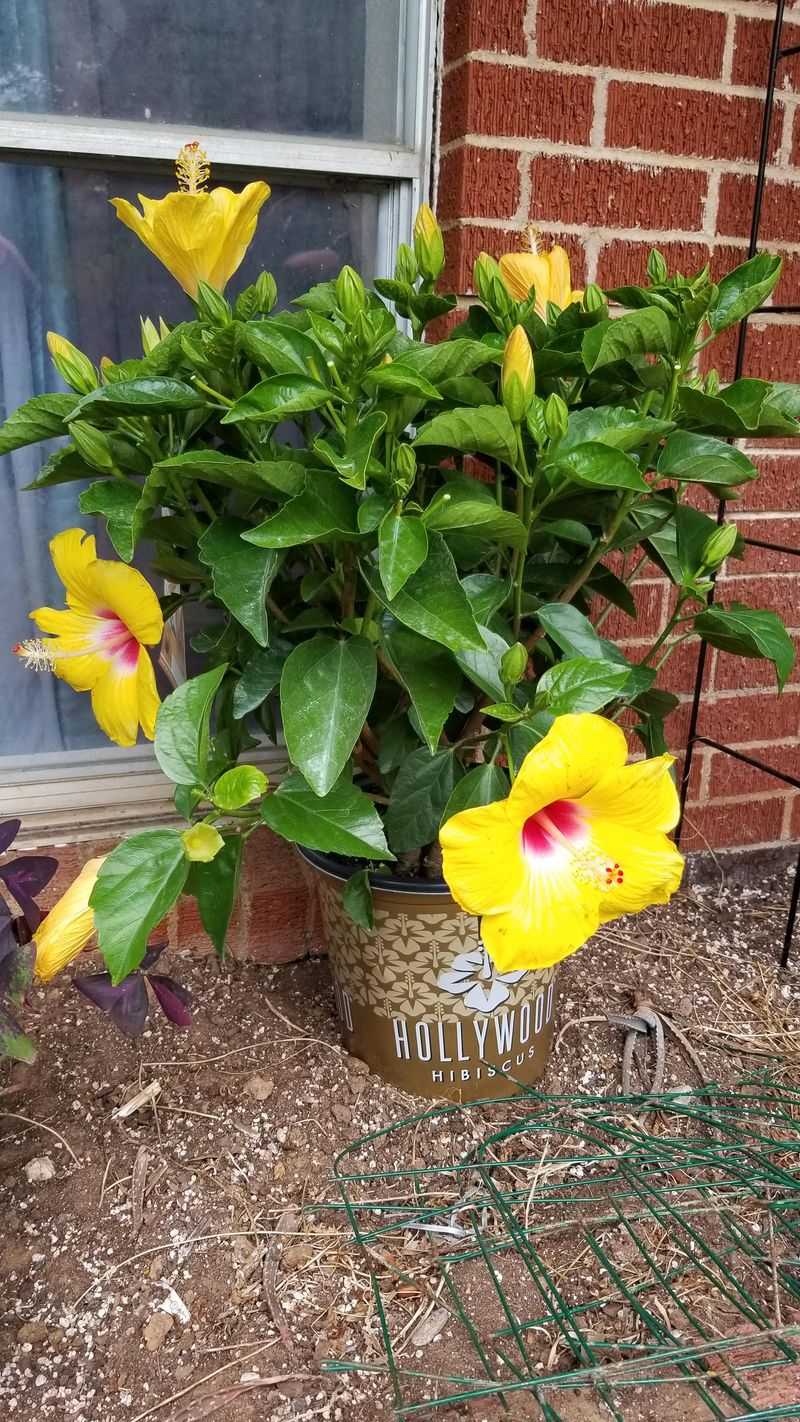
Patios, balconies, pool decks, and driveways can become surprisingly brutal environments for container hibiscus by mid-afternoon in July.
Concrete and pavers absorb heat throughout the day and radiate it back upward, raising the temperature around the pot well above air temperature.
Dark-colored containers absorb even more heat, which can push root zone temperatures high enough to cause stress even when the air feels manageable.
West-facing walls are particularly tough. Afternoon sun hits those surfaces directly during the hottest part of the day.
The combination of direct light and reflected heat from the wall can overwhelm a tropical hibiscus in a small or medium pot.
Moving containers to a spot with bright morning sun and natural afternoon shade from a tree, roof overhang, or structure can ease that heat load noticeably.
Deep shade is not the answer. Tropical hibiscus (Hibiscus rosa-sinensis) needs good light to produce blooms.
Moving a plant into full shade to protect it from heat usually results in weak, stretched growth and very few flowers. The goal is to reduce harsh afternoon exposure while keeping enough bright light for the plant to stay productive.
Morning sun for four to six hours, with filtered or indirect light in the afternoon, tends to work well for potted tropical hibiscus during the hottest summer weeks.
Check the new spot after a few days to make sure the plant is responding positively before settling it there long-term.
4. Refresh Mulch Before Roots Overheat
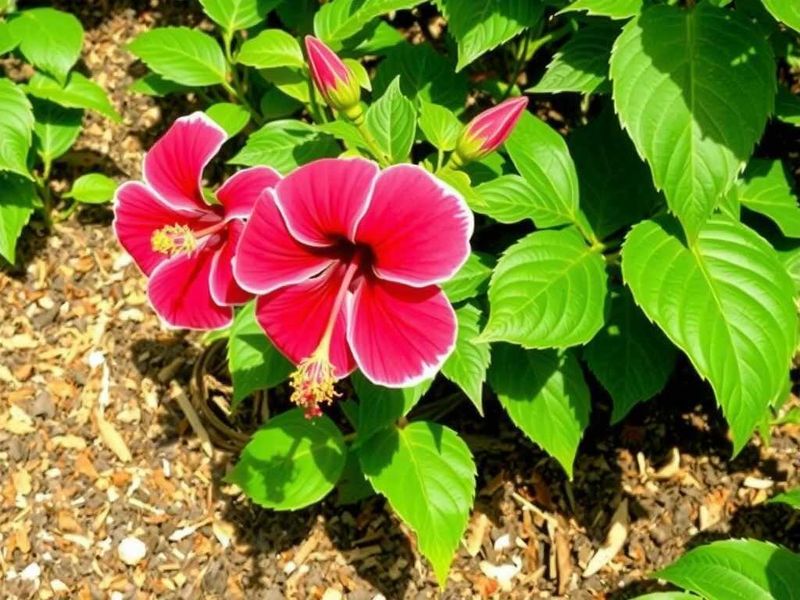
Bare soil around hibiscus roots bakes quickly under a July sun. A thin or patchy mulch layer that may have been adequate in spring can break down or shift by midsummer, leaving the root zone exposed to direct heat and rapid moisture loss.
Refreshing that layer before the hottest stretch of the season is a straightforward step that pays off through the weeks ahead.
Organic mulch such as wood chips, pine bark, or shredded leaves can help moderate soil temperature and slow evaporation. It also protects the shallow feeder roots that hibiscus relies on for moisture and nutrients.
UF/IFAS and Florida-Friendly Landscaping guidelines generally recommend two to three inches of mulch for most landscape beds. Pulling any old, compacted mulch aside and adding fresh material on top restores that protective layer without much effort.
Keeping mulch away from the base of the stem matters. Mulch piled against the crown or trunk can trap moisture and encourage rot or fungal problems, which are already more common in humid summer conditions.
Leave a few inches of clear space around the main stem. Mulch helps reduce stress, but it will not compensate for a plant placed in poorly draining soil or one that is already struggling from a deeper problem.
Think of it as a supportive tool rather than a standalone fix. In-ground and native hibiscus beds both benefit from refreshed mulch during July.
5. Trim Spent Blooms Without Hard Summer Pruning
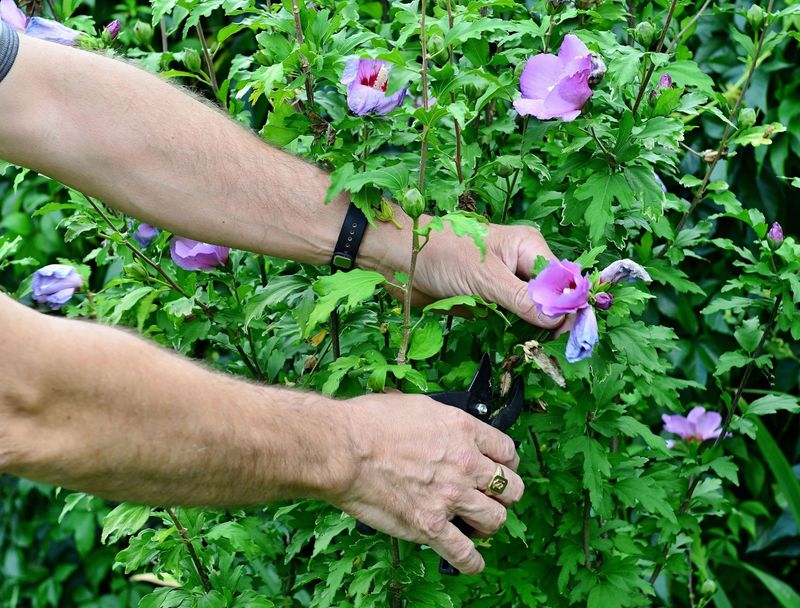
Faded blooms and a few broken or ragged stems can make a hibiscus look more worn down than it actually is.
Light cleanup during July keeps the plant tidier and can improve airflow around the foliage, which matters in humid summer conditions where fungal issues can develop.
Snipping spent flowers and clearly damaged stems with clean, sharp tools is a low-stress task the plant handles well even during peak heat.
Hard pruning is a different story. Removing large amounts of foliage or cutting back major stems during intense heat adds stress.
The plant is already working hard to regulate temperature and maintain moisture. Tropical hibiscus responds best to major shaping when it is not under peak summer pressure.
Late summer or early fall, when heat begins to ease, is a more appropriate window for significant pruning according to UF/IFAS Extension guidance.
Removing too much foliage at once also reduces the plant’s ability to photosynthesize, which can slow recovery rather than speed it up.
A reasonable approach is to remove individual spent blooms, any stems that are clearly broken or fully brown, and leaves that show signs of disease or severe pest damage.
Avoid stripping large sections of healthy green growth just to tidy the shape. Good airflow through the canopy helps reduce humidity buildup around leaves and stems, which can lower the risk of fungal problems during rainy weeks.
6. Pause Heavy Fertilizer During Heat Stress
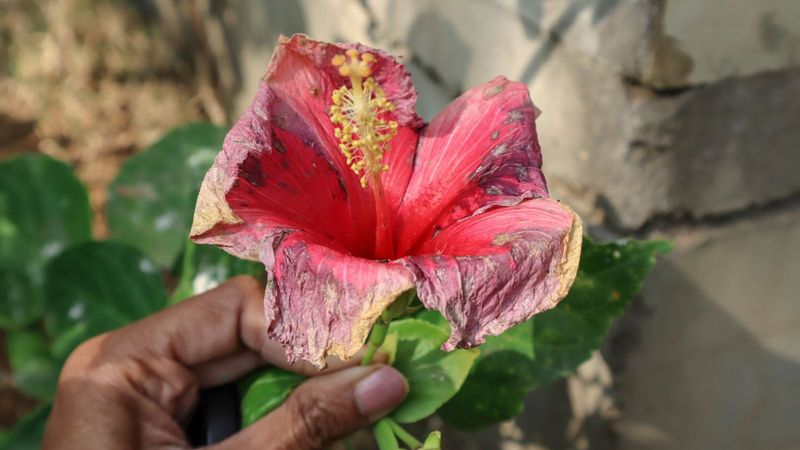
Reaching for fertilizer when hibiscus looks rough is a common instinct, but a stressed plant in July may not be in the right condition to use heavy feeding productively.
Roots under heat stress, water stress, or drainage problems have a reduced capacity to absorb nutrients efficiently.
Applying a large dose of fertilizer to a struggling plant can sometimes worsen the situation rather than help it recover.
Overfertilizing can push weak, soft new growth that becomes attractive to pests and more vulnerable to heat damage. It can also contribute to salt buildup in containers and sandy soil, which creates additional root stress.
Before adding fertilizer, it makes sense to stabilize water, drainage, and placement first. Once the plant shows signs of stability, such as firmer leaves, fresh growth, and improved color, a measured application may be appropriate.
UF/IFAS guidance on tropical hibiscus generally supports regular fertilization during the growing season, but timing and rate matter.
A balanced, slow-release fertilizer applied according to label directions tends to be safer during summer than heavy liquid applications.
Native hibiscus species typically need less fertilizer overall and can be sensitive to excess nitrogen. If a plant is actively showing heat or water stress, correcting those conditions is the first priority.
Fertilizer works best as a support tool for a plant that is already stable, not as a rescue measure for one that is still struggling with basic environmental stress.
7. Watch For Pests On Tender New Growth
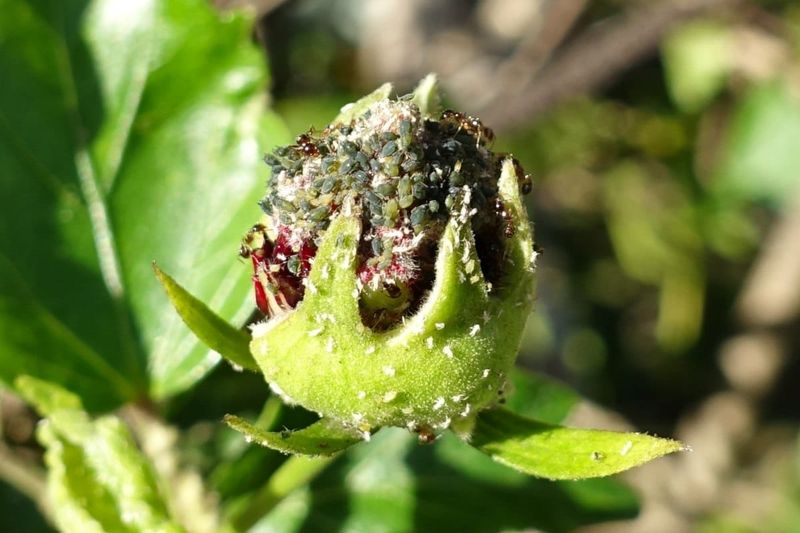
New growth on hibiscus in July can attract pest activity fast. Aphids, whiteflies, mealybugs, scale insects, thrips, and spider mites are among the pests that UF/IFAS and Extension sources associate with hibiscus in warm, humid conditions.
Tender new shoots and buds offer soft tissue that many of these insects feed on readily. A plant already under heat or water stress may have a harder time tolerating pest pressure on top of everything else.
Checking the undersides of leaves, the base of buds, and the newest stems gives a clearer picture of what is actually present. Sticky residue on leaves or surfaces below the plant can signal honeydew from aphids, whiteflies, or scale.
Sooty mold, a dark coating that grows on honeydew, is a visible sign that a sucking insect has been active nearby. Distorted or curled new leaves often point to thrips or mite activity.
Catching pest problems early makes management much simpler. A strong spray of water from a hose can dislodge aphids and reduce whitefly populations on smaller plants.
Reducing plant stress through proper watering and placement also helps, since healthy plants tend to recover from mild infestations more readily. Broad pesticide applications are not always necessary and can disrupt beneficial insects.
Following UF/IFAS Extension-recommended controls for the specific pest identified gives the most reliable and targeted results for this state’s summer conditions.
8. Give Recovery Time Before Judging The Plant
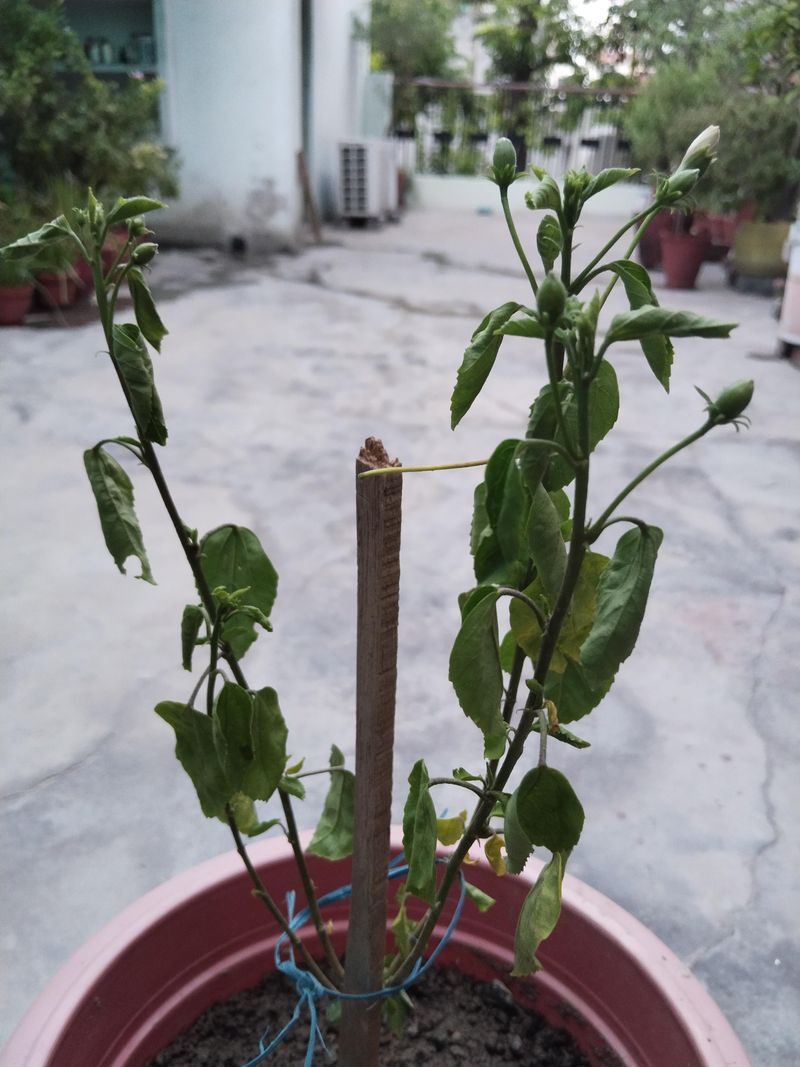
A hibiscus that looks rough in the middle of July is not automatically a lost cause. Dropped buds, faded blooms, and a scattering of yellow leaves are common responses to heat stress, water fluctuation, or a combination of stressors hitting at once.
Plants that have had their conditions improved often need a week or two before visible improvement shows up. Those improvements may include better watering, adjusted placement, refreshed mulch, or reduced pest pressure.
Watching for early signs of recovery helps set realistic expectations. Fresh green growth pushing from the tips of stems is one of the most encouraging signals.
Leaves that feel firmer rather than limp or papery suggest the plant is regaining moisture balance. Buds that begin to form again after a period of dropping indicate that stress levels have dropped enough for the plant to redirect energy toward flowering.
Replacing a plant before giving it reasonable recovery time often means losing one that could have come back with a little patience and the right adjustments.
That said, some plants do decline beyond recovery, especially if root rot, severe pest damage, or a fundamentally wrong planting location is involved.
Honest observation over two to three weeks gives a much clearer picture than a snap judgment during a brutal July afternoon. If fresh growth is emerging and the stem still feels firm and green when scratched lightly, the plant is likely still recovering.
It is worth continuing to support.