These Low-Water Texas Shrubs Make Front Yards Look More Expensive
A great front yard doesn’t have to mean a high maintenance front yard. But somewhere along the way, a lot of Texas homeowners ended up with landscapes that demand constant watering, trimming, and attention just to look presentable.
And in a state where summer water bills can already feel punishing, keeping up with thirsty shrubs starts to feel like a losing battle. The good news is that low water and high impact are not mutually exclusive.
There are Texas shrubs that are drought tolerant, native or well adapted to the climate, and genuinely beautiful in a way that makes a front yard look polished and intentional.
The kind of curb appeal that looks like you hired a landscape designer, even if you just made a few smart plant choices.
These shrubs stay looking good through the heat, require minimal fuss, and keep your water bill from spiraling.
1. Texas Sage
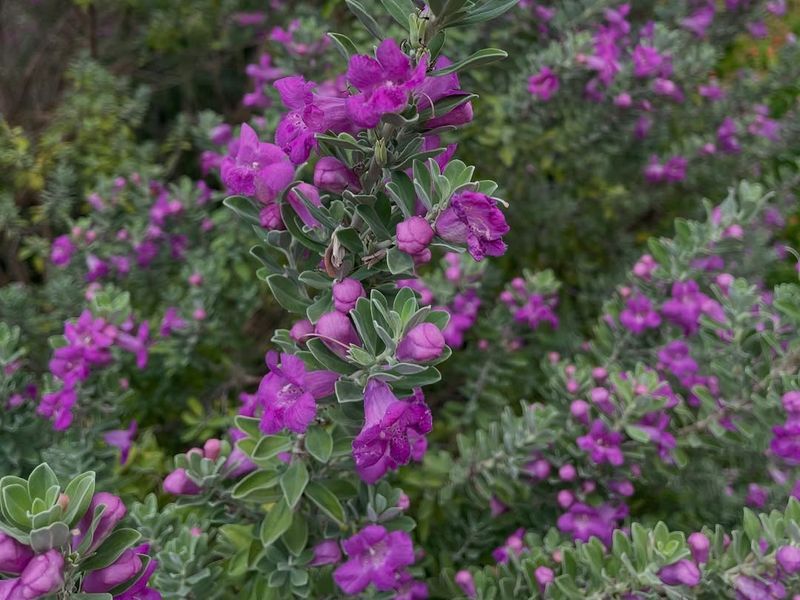
Walk past a Texas Sage after a good rain and you will see something almost magical. The whole shrub bursts into a cloud of purple blooms almost overnight.
Locals call it the “barometer bush” because it tends to flower right before or after rainfall, making it a natural weather watcher in your yard.
The silvery-gray leaves are soft and fuzzy, and they catch the light in a way that makes your yard look polished without any extra effort. That cool, metallic color pairs beautifully with warm brick homes, white fences, and desert-style landscaping.
It creates a high-contrast look that feels intentional and well-designed. Texas Sage is evergreen, which means it keeps its foliage year-round. You get structure and color no matter the season.
It is also one of the most drought-tolerant shrubs available in Texas, thriving in rocky or sandy soils where other plants would struggle.
Plant it along a foundation, as a border shrub, or even as a low privacy hedge. It grows slowly and stays tidy, so you will not spend your weekends trimming it back.
It can reach four to eight feet tall depending on the variety, giving you flexibility in how you use it.
One tip: avoid overwatering. Too much water actually reduces blooming and can cause root rot.
Once established, rainfall alone is usually enough to keep it healthy and happy. For a front yard that looks expensive with almost zero effort, Texas Sage is hard to beat.
2. Autumn Sage
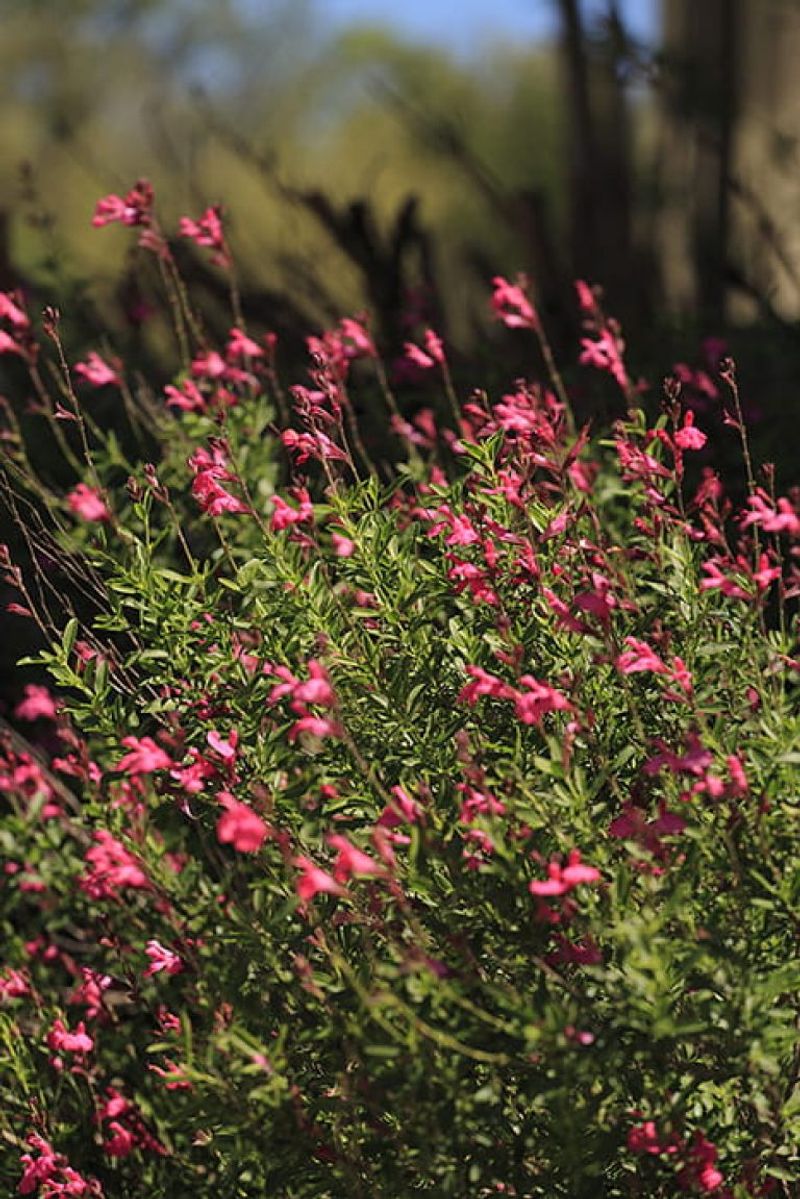
If your front yard feels a little flat and forgettable, Autumn Sage is the plant that changes everything. It produces a non-stop show of tubular flowers in shades of red, pink, coral, and white from spring all the way through the first frost.
That is months of color without any fuss. Hummingbirds absolutely love it. Plant a few of these near your walkway and you will have tiny, jewel-toned visitors hovering around your yard all season long.
Butterflies and bees show up too, giving your front yard a lively, garden-magazine kind of energy that is genuinely hard to fake.
One of the best things about Autumn Sage is how low-maintenance it really is. Once it is established, it needs very little water.
Your Texas Garden Changes Every Week. Your Plan Should Too.
Gardening in Texas changes quickly throughout the season. Every Friday you’ll receive a simple weekly plan showing exactly what to plant, prune, fertilize, harvest, and protect so you never miss the right timing.
It handles Texas heat without wilting or dropping its blooms. A light trim after each big flush of flowers encourages even more blooming, but it is not required.
It typically grows two to three feet tall and wide, which makes it ideal for layering in front of taller shrubs or lining a pathway. The fine-textured foliage is aromatic when brushed, adding a subtle sensory detail that makes your yard feel more special.
Autumn Sage is also incredibly versatile. It works in containers, raised beds, and traditional garden borders.
Choose a warm red variety near a brick home for a striking, coordinated look. Or go with soft pink near a white or gray house for something more elegant. Either way, you get long-lasting curb appeal with very little water and even less work.
3. Dwarf Yaupon Holly
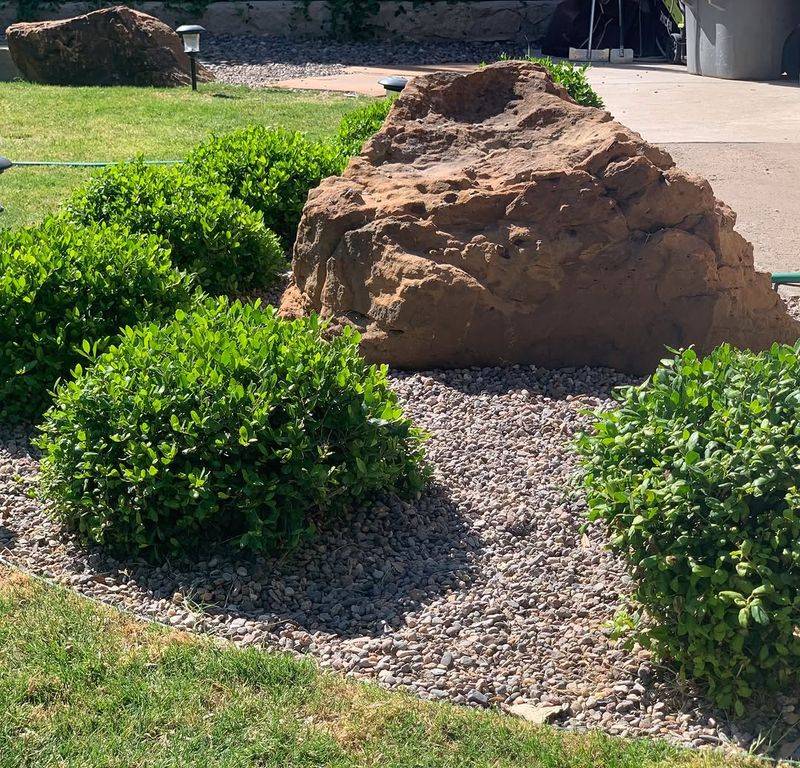
There is something timeless about a perfectly trimmed hedge lining a front walkway. Dwarf Yaupon Holly gives you that classic, refined look without demanding the constant attention that traditional boxwood hedges require.
In fact, it is one of the most forgiving foundation shrubs you can plant in Texas.
The deep green, glossy leaves stay on year-round, giving your yard consistent structure through every season. Unlike many ornamental shrubs, it does not go bare in winter or look ragged in summer heat.
It just keeps showing up, looking neat and dependable, no matter what the weather does.
Dwarf Yaupon Holly is also remarkably adaptable. It grows in full sun or partial shade, tolerates clay or sandy soils, and handles drought conditions with ease.
It is native to Texas, which means it is already perfectly suited to local conditions. You are essentially working with nature instead of against it.
It grows slowly to about three to four feet tall and wide, making it ideal for low borders, foundation plantings, or framing an entryway.
Because it holds its shape naturally, you only need to trim it once or twice a year to keep it looking sharp. That saves serious time compared to high-maintenance alternatives.
Fun fact: the Latin name “vomitoria” sounds alarming, but the plant is perfectly safe for landscaping. Indigenous peoples used a related species in ceremonial drinks, which is where the unusual name originated.
Set that history aside and focus on what matters: this little shrub makes front yards look put-together, expensive, and effortlessly stylish.
4. Rockrose
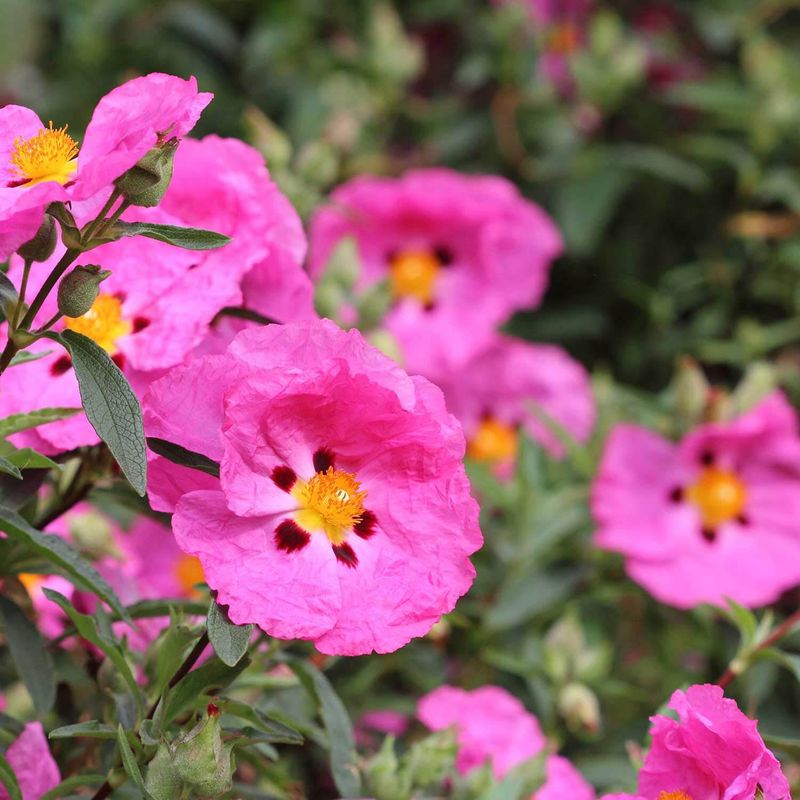
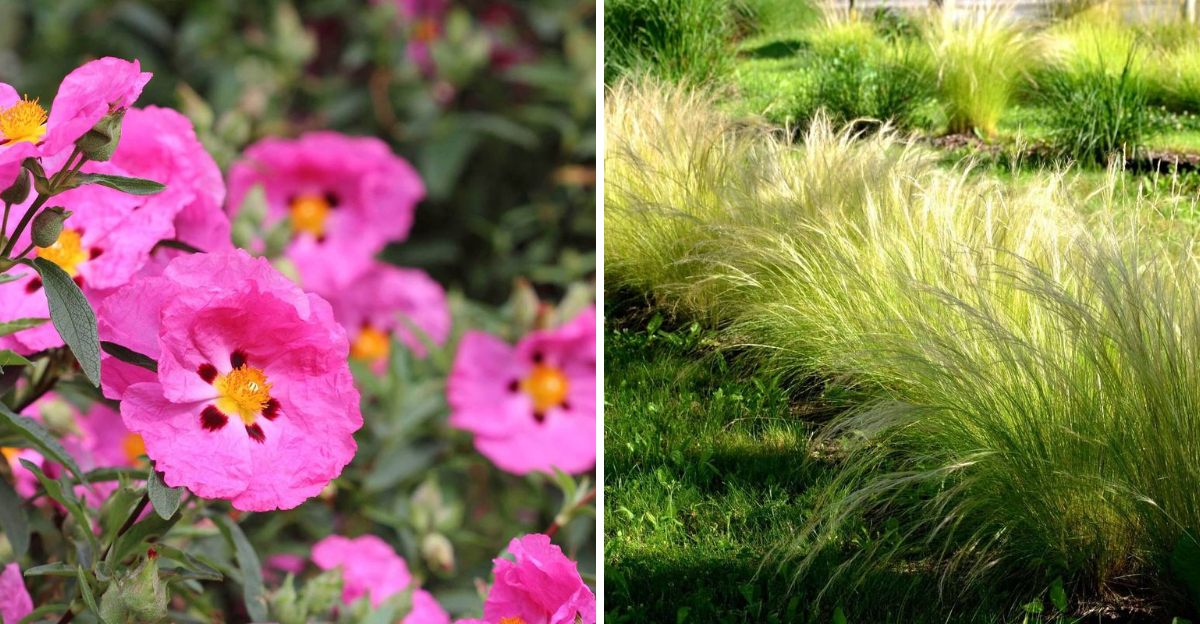
Picture a shrub that blooms from June through October, covered in cheerful pink flowers that look like miniature hibiscus.
That is exactly what Rockrose brings to a Texas front yard, and it does it all while barely needing any water. It is one of those plants that makes neighbors stop and ask what it is.
The flowers are a warm, rosy pink with a delicate crepe-paper texture. They open fresh every morning and close in the evening, creating a daily rhythm that feels almost theatrical.
Even on the hottest summer days, when most plants are struggling, Rockrose keeps blooming without missing a beat.
Rockrose is a Texas native, which gives it a serious advantage in local landscapes. It evolved here, so it knows how to handle the heat, the poor soils, and the dry spells that come with a Texas summer.
Once established, it needs very little supplemental watering and almost no fertilizer. It grows three to five feet tall and has a slightly loose, airy form that adds softness to a yard. That texture is actually an asset.
Paired with structural plants like Dwarf Yaupon Holly or agave, Rockrose adds a layer of movement and visual interest that makes a front yard feel professionally designed.
Hummingbirds visit the blooms regularly, which is a bonus that no amount of yard decor can replicate.
Plant Rockrose in a sunny spot with well-drained soil, give it a little water while it gets established, and then step back. It takes over from there and rewards you with months of vibrant, eye-catching color.
5. Desert Willow
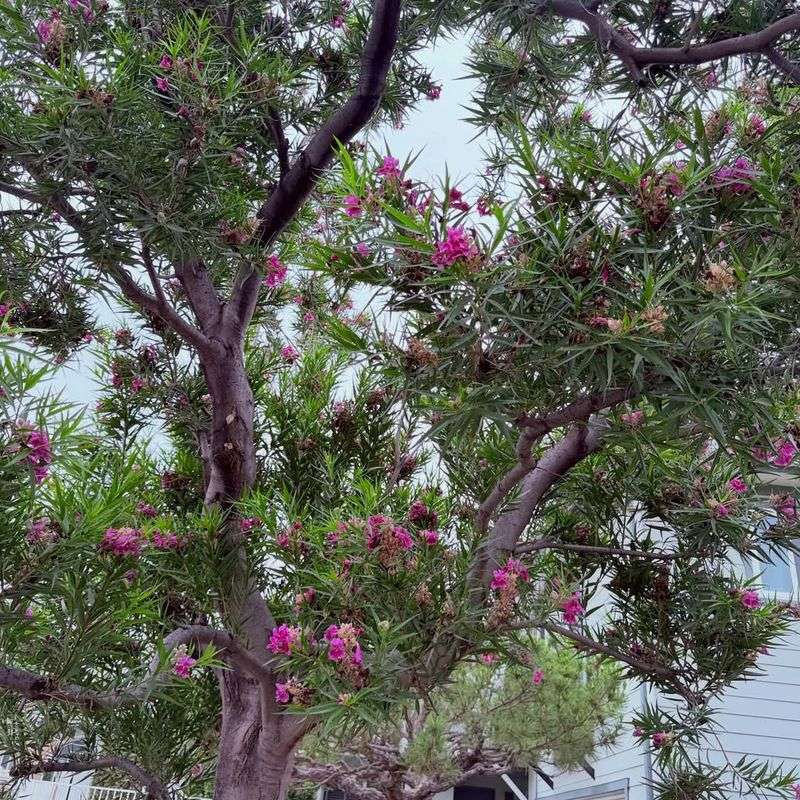
Desert Willow is the kind of plant that makes a front yard look like it was designed by a professional landscaper.
It has long, slender leaves that sway gently in the breeze and produces stunning trumpet-shaped flowers in shades of pink, lavender, white, and deep burgundy.
The blooms show up in late spring and keep coming through summer, often with a second flush in fall.
Despite the name, Desert Willow is not a true willow and does not need anywhere near the water that willows typically demand.
It is incredibly drought-tolerant once established, making it a smart choice for Texas homeowners who want big visual impact without big water bills. It handles full sun and rocky or sandy soils with ease.
Hummingbirds are drawn to the tubular flowers in large numbers. If you want your front yard to feel alive and dynamic, a Desert Willow near your entrance will do the job better than almost any other plant.
The combination of elegant structure and wildlife activity creates a yard that looks thoughtfully curated.
It typically grows as a large shrub or small tree, reaching ten to twenty-five feet tall depending on conditions and pruning. You can train it into a single-trunk tree form for a more formal look, or let it grow naturally for a relaxed, organic feel.
Either approach looks intentional and upscale. Water it regularly for the first season to help it establish strong roots. After that, occasional deep watering during extended dry spells is all it needs.
For front yards that need height, structure, and serious flower power, Desert Willow delivers on every level.
6. Mexican Feather Grass
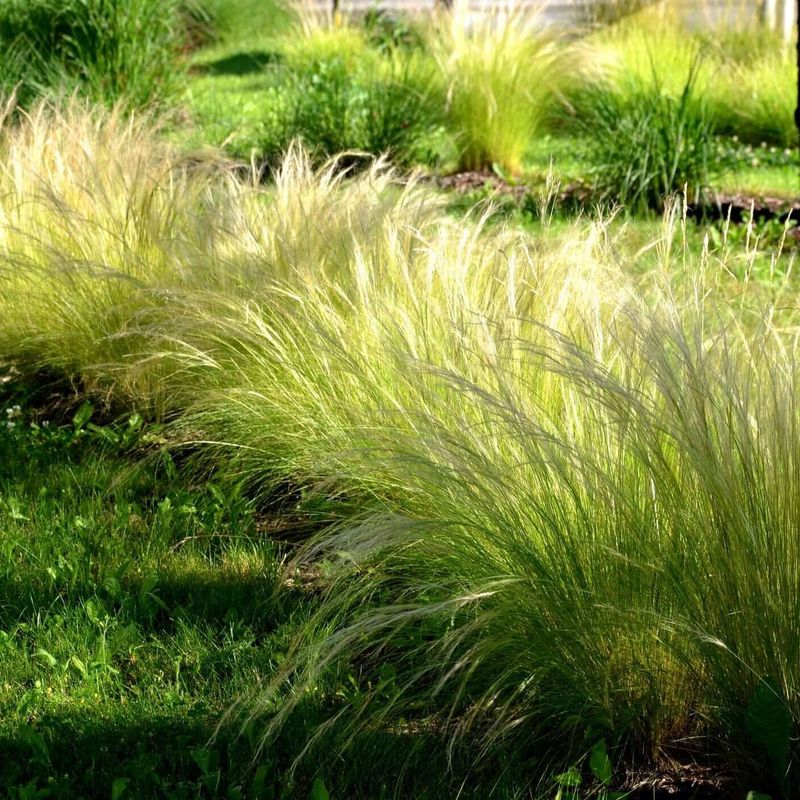
Some plants add color. Some add structure. Mexican Feather Grass adds something harder to define: movement. The ultra-fine, hair-like blades catch even the slightest breeze and ripple like silk across your front yard.
That kind of graceful, flowing texture is what separates a good yard from a truly stunning one.
The grass starts out a bright, fresh green in spring and shifts to golden blond as summer heats up. By fall, it glows in the afternoon light with a warm, honey-toned shimmer that looks almost backlit.
That color shift through the seasons means your yard never looks the same twice, which keeps it interesting all year long.
Mexican Feather Grass is extremely low-water once established. It thrives in full sun and well-drained soil, two things Texas has in abundance.
It does not need fertilizer, rarely needs trimming, and spreads gently to fill in gaps over time. In the right spot, it practically takes care of itself. The real magic happens when you pair it with structural plants.
Place it alongside Cenizo, agave, or Dwarf Yaupon Holly and the contrast between rigid structure and flowing softness creates a layered, high-end look that landscape designers charge good money to achieve.
It is one of the easiest ways to make a yard look more expensive. One thing to keep in mind: Mexican Feather Grass can reseed freely in warm climates. Deadhead the seed heads in late summer if you want to manage its spread.
Used thoughtfully in borders and rock gardens, it adds a luxurious, airy elegance that no other low-water grass quite matches.