Skip The September Goldenrod Cleanup In Ohio, Your Garden Is Still Feeding Pollinators
September in Ohio smells like warm dust, mown grass, and something faintly sweet drifting from the back fence. The air hums in a low, busy way that August, for all its noise, could not quite manage.
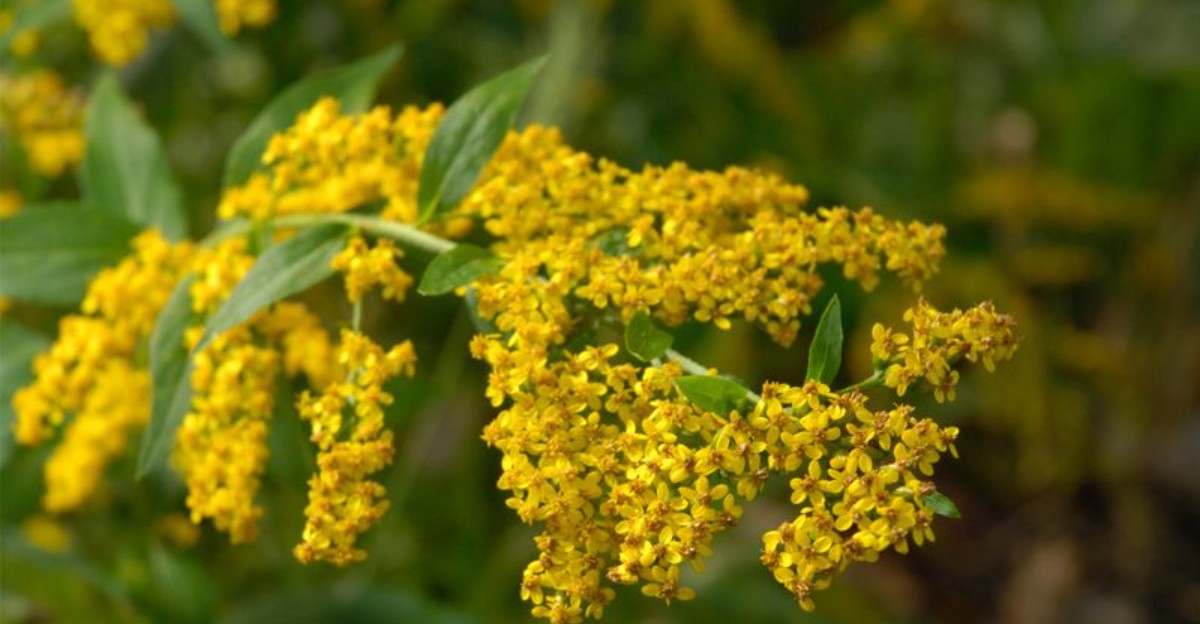
Out along the back border, a scruffy tangle of yellow has quietly claimed the fence line again. It looks untidy, leans sideways, and swarms with more small wings than you can count.
Your pruners are waiting on the porch step, making quiet, judgmental noises about order and curb appeal. Two houses down, every stem has already been clipped, bagged, and hauled to the curb.
Hold off a little longer, and that messy gold corner quietly pays you back with interest. The rake, meanwhile, will have to find a different hobby for the next few weeks.
Ohio’s Last Great Nectar Source Of The Season
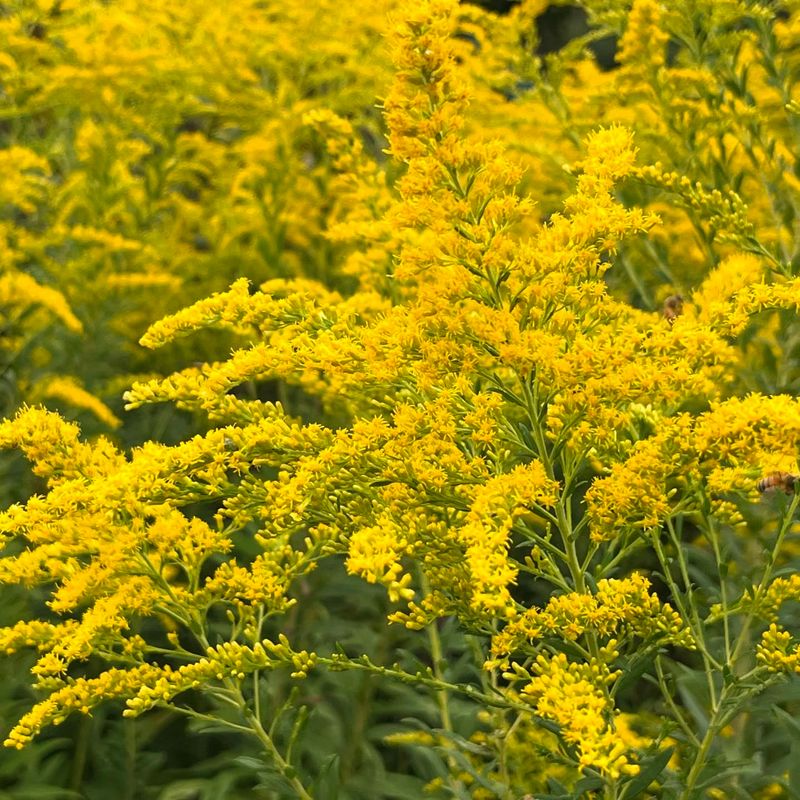
By early September, most Ohio flower beds have quietly run out of steam and gone to seed. The gold along ditches and fence rows is doing the heavy lifting now.
Goldenrod blooms when almost nothing else does, roughly from late August into mid October. Honey bees, bumble bees, and small native bees depend on that timing to stock up.
Entomologists have documented well over a hundred insect species that depend on goldenrod through the season. That fuzzy yellow plume is basically a crowded diner at lunch rush.
Bumble bee queens use that late pollen to build fat reserves before they tuck into the soil. Without it, fewer queens make it to spring to start new colonies.
Monarchs passing through Ohio on their way to Mexico refuel on the same flowers. A butterfly needs fuel to make it across a continent.
Cutting the patch down in September removes that food right when demand peaks. Leaving it standing costs you nothing but a Saturday afternoon of guilt-free laziness.
Think of the patch as a gas station on a long highway with very few exits. Closing it early leaves a lot of travelers stranded.
Ohio hosts several goldenrod species, from towering tall goldenrod to the neat gray-stemmed kinds. All of them bloom late, and all of them draw crowds.
So the simplest fall garden win is also the laziest one available to you. Put the shears down and let September finish its own work.
Bloom Timing From Labor Day To First Frost
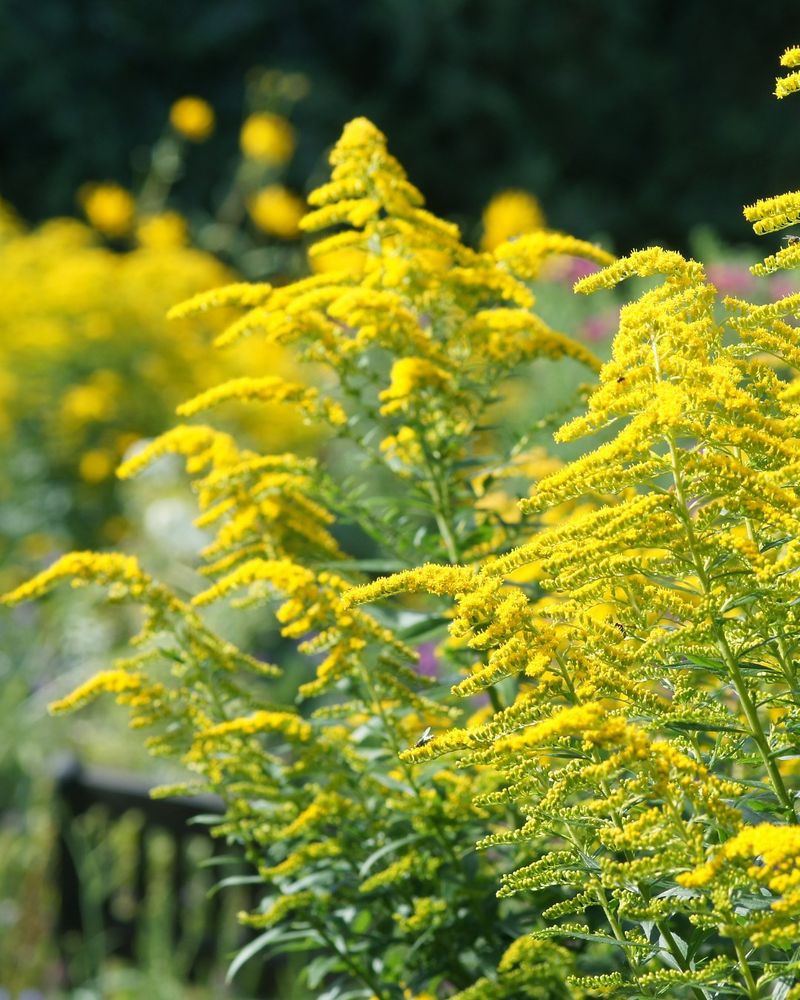
Goldenrod in Ohio usually opens its first flowers in late August, depending on the species and site. Peak bloom lands somewhere in the middle of September for most of the state.
First frost in northern Ohio often arrives in early to mid October. Southern counties can stay frost-free until late October or even early November.
That gap between peak bloom and frost is exactly when pollinators are most desperate. Cutting during that window takes the plate away mid-meal.
Once frost blackens the flowers, nectar production stops on its own. At that point the plant has already handed over everything it had.
Seed heads form through October, and goldfinches and juncos work them over all winter. The fluff also lines bird nests the following spring.
Your Ohio Garden Changes Every Week. Your Plan Should Too.
Gardening in Ohio changes quickly throughout the season. Every Friday you’ll receive a simple weekly plan showing exactly what to plant, prune, fertilize, harvest, and protect so you never miss the right timing.
Hollow stems shelter small native bees and other insects through the cold months. Chopping them in September evicts tenants who have nowhere else to go.
A better calendar is simple, so leave stems standing until mid or late April. By then, temperatures are warm enough for overwintering insects to crawl out.
Gardeners who cannot stand the look can compromise and wait until November. Frost will have finished the show, and the seeds will mostly be gone.
Mark it on the calendar and let the weather run the schedule. Ohio Octobers rarely need help from a pair of pruners.
Watch the patch instead of the calendar, and the timing becomes obvious. When the bees stop showing up, the buffet has closed.
The Tidy Garden Mistake Made Every September
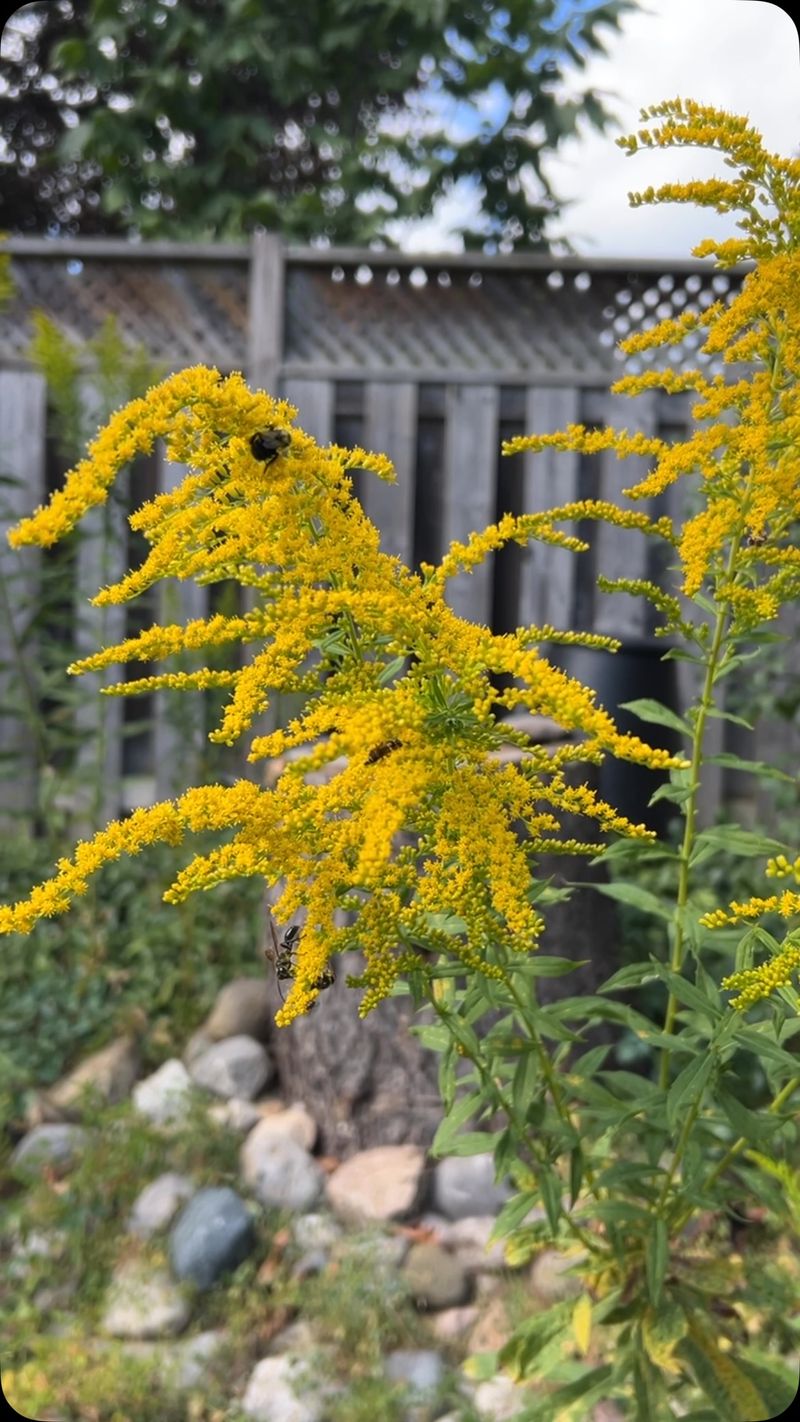
Plenty of gardeners yank goldenrod because they blame it for September sneezing fits. The real culprit is ragweed, blooming quietly at the very same time.
Goldenrod pollen is heavy and sticky, built for insect legs rather than wind. It rarely travels far enough to bother your nose.
Ragweed, meanwhile, releases clouds of light pollen that drift for miles. It just happens to have boring green flowers that nobody notices.
Another common misstep is treating fall cleanup exactly like spring cleanup. Beds do not need to be bare before the snow arrives.
Bagging every stem and hauling it off also removes free mulch and free habitat. Ohio landfills take in tons of yard waste each autumn.
Some folks cut early because a mower or a helper happens to be free that weekend. Convenience, not plant biology, ends up setting the schedule.
Clipping flowers at peak bloom also wastes the plant’s whole year of effort. Those roots stored energy all summer for exactly this moment.
The fix costs nothing and takes almost no effort at all. Skip the September pass and reclaim your Saturday for something better.
One quick trick for tidy-minded neighbors is a small pollinator habitat sign. People read it, nod, and suddenly your messy border looks intentional.
Several Ohio garden clubs and extension offices hand those signs out for free. Apparently the fastest way to fix a mess is paperwork.
Smarter Fall Cleanup For The Goldenrod Patch
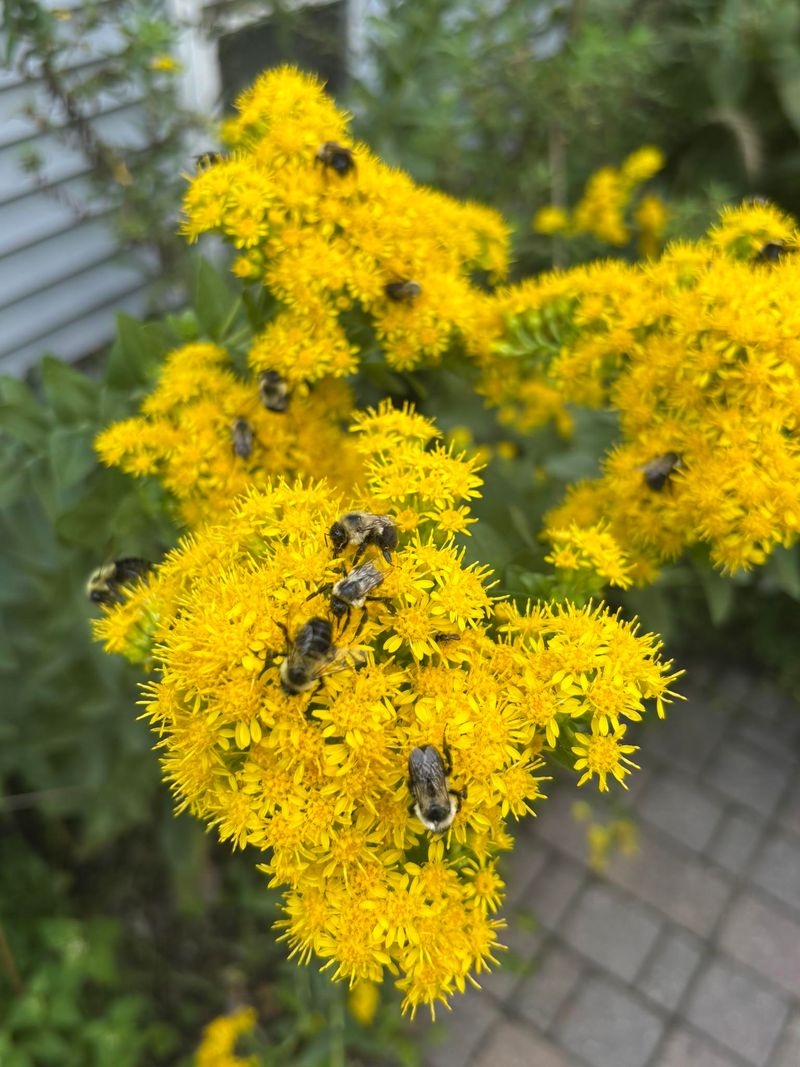
Nobody is asking you to let the whole yard turn into a thicket. Editing works far better than erasing, especially on a small Ohio lot.
Trim the front two feet of the border so the edges look deliberate. Leave the back three-quarters standing tall and busy with wings.
Mow a crisp path or a strip of lawn right beside the patch. A clean line signals care, even when the middle looks wild.
Rake leaves off the sidewalk, but let them stay under shrubs and along fences. Fallen leaves shelter caterpillars, fireflies, and resting bumble bee queens.
If one stem flops across the walkway, cut just that one. Spot fixes beat wholesale clearing in nearly every situation.
Stack any stems you do remove in a loose pile behind the garage. Insects tucked inside will still finish their winter in peace.
Hold the big cutback for April, then chop the stems into short pieces. Tuck them under plants as mulch instead of bagging them up.
Skip the fall fertilizer and the leaf blower while you are out there. Goldenrod thrives on neglect, which is a rare gift in gardening.
Come spring you will face less work and count more bees. That is a trade most Ohio gardeners are happy to make.
The Payoff In Bees, Monarchs, And Winter Birds
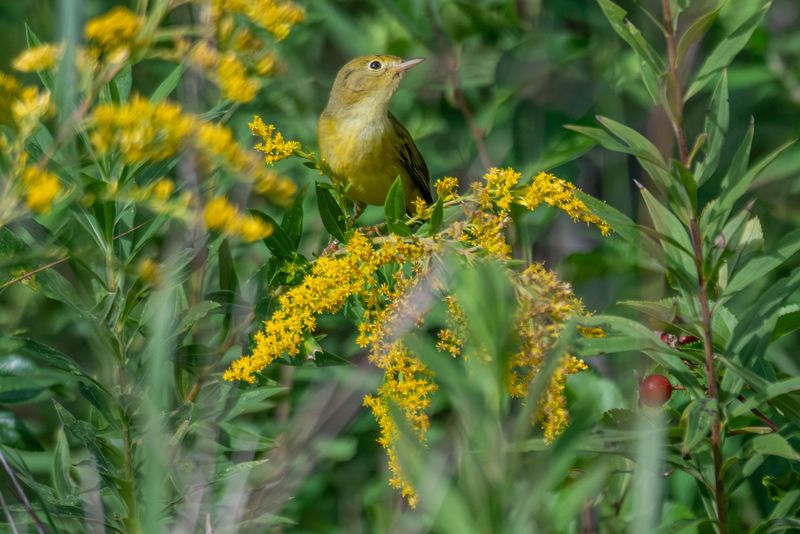
Stand next to an uncut patch on a warm October afternoon and just listen. The sound alone explains why leaving it standing pays off.
Honey bee colonies often gather their final surplus from goldenrod nectar. Beekeepers know the smell, which is famously close to old gym socks.
Bumble bees, sweat bees, soldier beetles, and tiny wasps crowd the same blooms. Those predatory insects help control garden pests the following season.
Migrating monarchs stop for nectar as they drift south through the state. Painted ladies, sulphurs, and skippers do exactly the same thing.
By November the flowers have turned to seed and the birds move in. American goldfinches, chickadees, and juncos pick the heads clean.
Standing stems catch snow and give the winter garden some welcome structure. A frosted seed head at sunrise beats bare brown mulch.
Spiders, lady beetles, and small native bees ride out the cold inside hollow stalks. In April they emerge and start eating aphids for you.
Few native perennials in Ohio support as many insect species as goldenrod does. Very little else in the yard works that hard for free.
So the reward for doing nothing much is a yard that feeds itself. Laziness has rarely looked this responsible in public.
Boundaries For Goldenrod That Spreads Too Freely
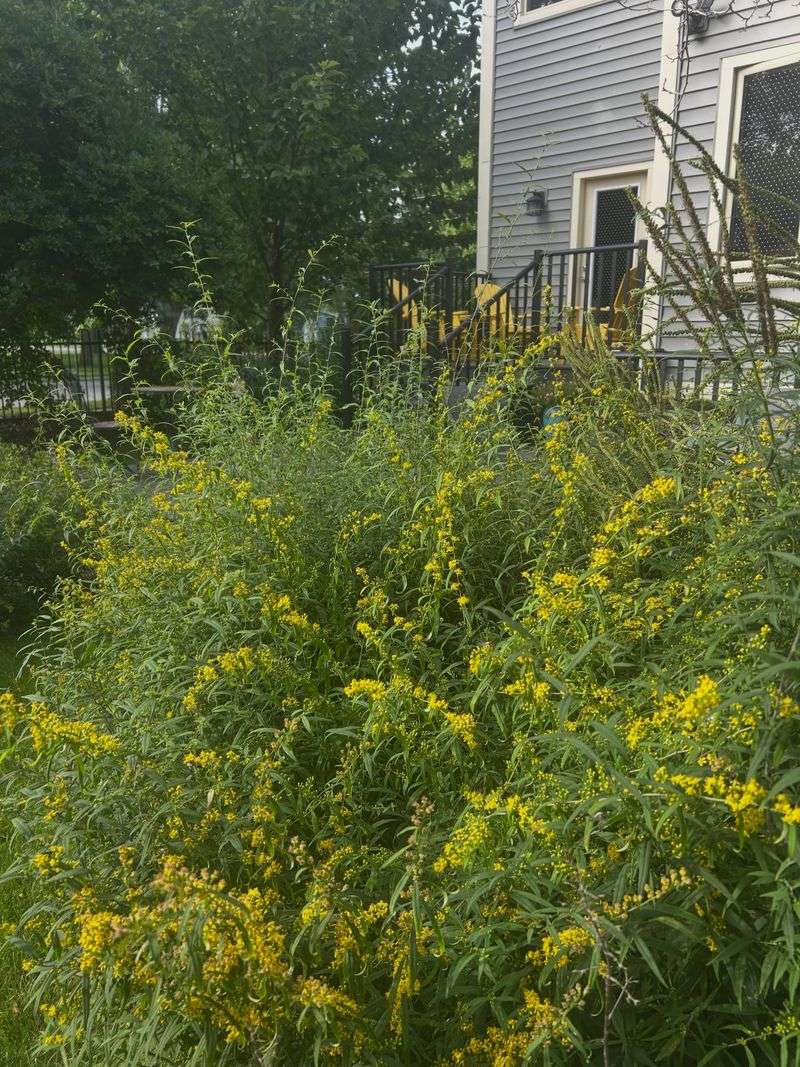
Fair warning, some goldenrods travel, and Canada goldenrod travels like it owns the neighborhood. Underground runners creep sideways and can swallow a small bed.
Control the spread without losing the bloom by clipping seed heads after the birds finish. Late winter is a fine time for that job.
Slice a spade around the edge of the patch each spring to sever runners. Ten minutes of edging keeps the whole colony honest.
Pull wandering shoots in May while the soil is soft and stems are tender. Young growth usually comes up with the roots attached.
Better yet, plant the well-behaved species that stay where you put them. Showy, stiff, and zigzag goldenrod form clumps instead of colonies.
Zigzag goldenrod even handles shade under Ohio maples and oaks. It tops out near two feet and rarely flops over.
Pair the patch with New England asters, little bluestem, or mountain mint. Strong neighbors compete for space and keep each other in line.
A Chelsea chop in early June shortens the stems by about a third. Shorter plants stand upright and still flower right on schedule.
Manage it in spring, admire it in fall, and ignore it through September. Your pollinators get fed, and your spade gets a well-earned nap.