Smart Tricks Ohio Gardeners Should Use To Keep Weeds Out Of Flower Beds All Summer
Weeds do not take summers off in Ohio. The moment temperatures climb and rain shows up on schedule, every bare patch of soil in your flower beds turns into an open invitation.
Most gardeners spend the season playing catch-up, pulling the same weeds in the same spots week after week, wondering why nothing they try actually sticks. Sound familiar?
The problem is rarely effort. Ohio gardeners put plenty of work into their beds.
The problem is strategy. Pulling weeds without addressing the conditions that keep bringing them back is a loop with no exit.
But a handful of smart, low-effort moves can genuinely change how your beds behave all season long. Not perfectly weed-free, because that is not realistic.
But manageable in a way that stops weeds from taking over every time you turn your back. A few of those moves are worth using right now before summer gets any further along.
1. Pull Small Weeds Before Their Roots Settle In
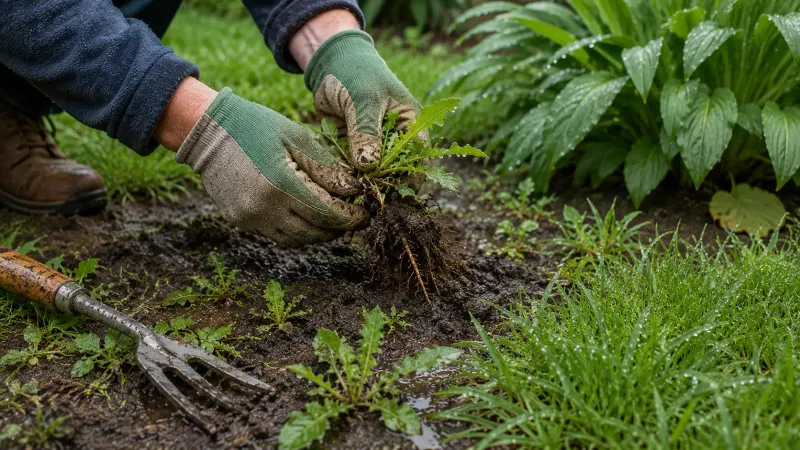
A tiny weed pulled today takes about three seconds. That same weed left alone for two more weeks can develop a root system that requires a trowel, a firm grip, and a fair amount of patience to remove.
Small weeds are far easier to pull than established ones, and catching them early is one of the most effective habits any Ohio gardener can build.
Checking your beds right after a soaking rain or after watering is one of the best times to pull. The soil is soft, roots release more cleanly, and you are less likely to snap the weed off at the surface and leave the root behind.
A root left in the soil will often regrow, putting you right back where you started.
One important note: avoid digging or cultivating the soil too deeply when weeding. Weed seeds can sit dormant in the soil for years.
Disturbing the ground too aggressively brings those buried seeds closer to the surface where light and warmth can trigger germination. A shallow hand-pull or a quick pass with a hoe near the surface is usually enough.
Removing weeds before they flower or set seed is just as important as removing them early. A single weed that goes to seed can scatter dozens or even hundreds of seeds across a bed.
Catching weeds at the seedling stage, before any flower forms, cuts off that cycle before it starts and reduces next season’s weed pressure too.
2. Mulch Bare Soil After Flowers Start Growing Strong
Bare soil is an open invitation. Any patch of exposed ground in a flower bed is a place where weed seeds can sprout.
Those seeds may be blown in by wind, dropped by birds, or already present in the soil. Mulch is one of the most reliable tools for slowing that process down.
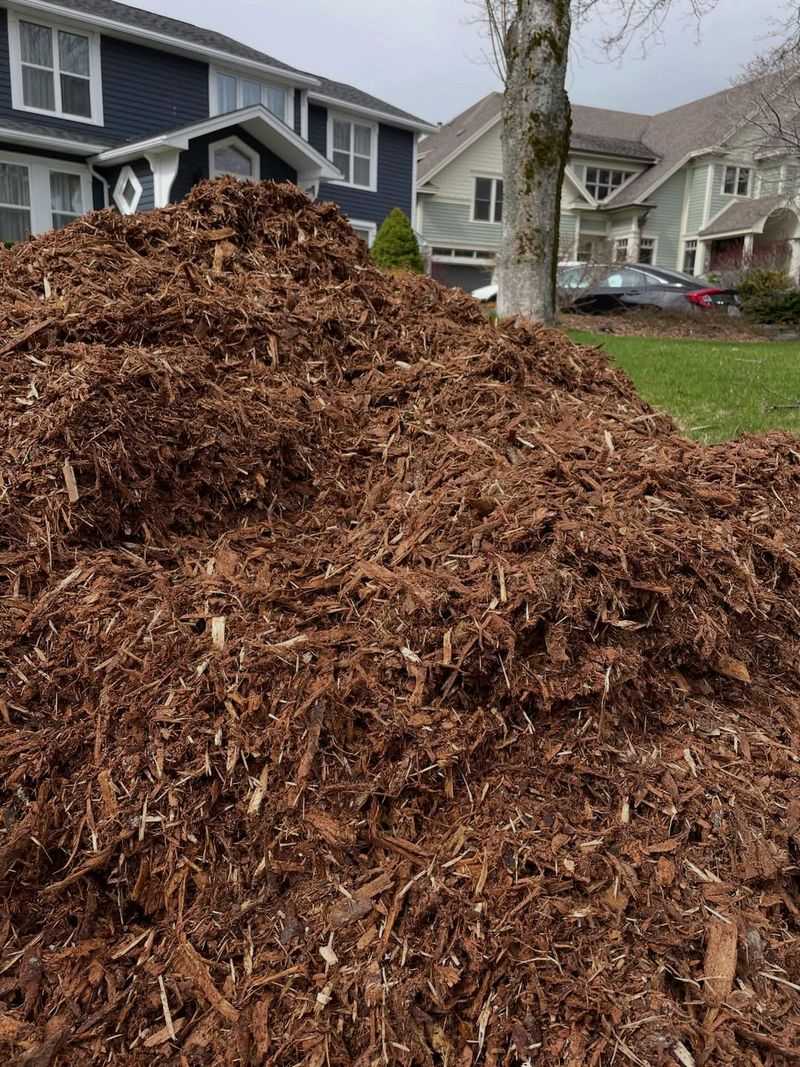
A two to three inch layer of organic mulch, such as shredded bark, shredded leaves, pine straw, or composted leaf mold, helps block light from reaching the soil surface. Less light means fewer weed seeds germinating successfully.
Your Ohio Garden Changes Every Week. Your Plan Should Too.
Gardening in Ohio changes quickly throughout the season. Every Friday you’ll receive a simple weekly plan showing exactly what to plant, prune, fertilize, harvest, and protect so you never miss the right timing.
Mulch also holds moisture and keeps soil temperatures more stable. It also reduces the kind of soil splash that can move weed seeds from one part of the bed to another during heavy rain.
Timing matters with mulch. Applying it too early in spring, before the soil has warmed and plants are growing well, can slow down the very flowers you are trying to help.
Wait until your perennials and annuals are established and actively growing before adding a fresh mulch layer. That timing gives your plants the early warmth they need and still covers bare ground before summer heat kicks in.
One caution worth repeating: never pile mulch directly against flower stems or crowns. Mulch pushed up against a plant creates a moist, airless environment around the base that can cause rot and invite pests.
Keep mulch a couple of inches away from stems and spread it outward across the open soil instead.
3. Plant Densely Enough To Shade Open Ground
Open soil grows weeds. It is that straightforward.
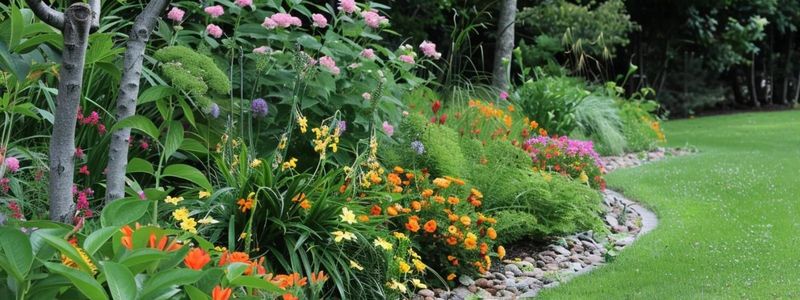
Every patch of bare ground in a flower bed is a spot where something uninvited can take root. One of the most natural ways to reduce that open space is to let your plants do the work by filling in the ground with their own foliage and canopy.
Healthy perennials, spreading annuals, and low-growing ground-covering plants can shade the soil enough to make conditions less favorable for weed seeds.
When leaves and stems spread across the ground, less light reaches the surface, and weed germination slows.
This is not a complete fix on its own, but it is a genuine reduction in weed pressure that builds over time as plants mature and fill in.
The goal is thoughtful spacing, not crowding. Plants still need airflow around their stems and foliage, especially during the humid stretches that are common in summer gardens across this state.
Overcrowding can reduce circulation, create damp conditions, and make plants more vulnerable to fungal problems. Use the mature size listed on plant tags to guide your spacing decisions.
Layering works well here. Taller plants in the back or center, medium plants in the middle, and low spreading plants along the front edge of borders can create a tiered canopy.
That canopy covers soil at multiple levels. Low front-of-border plants like creeping phlox, ajuga, or catmint can be especially effective at shading the soil along the edges where weeds tend to creep in first.
4. Edge Flower Beds Before Lawn Weeds Creep In
Creeping lawn grasses and weeds that spread along the ground are some of the most persistent visitors a flower bed can get. They do not arrive from the air or drop in from a bird.
They simply move, inch by inch, from the turf into the bed along the edge. Keeping that boundary clear is one of the most useful things you can do to reduce weed pressure near the perimeter of your beds.
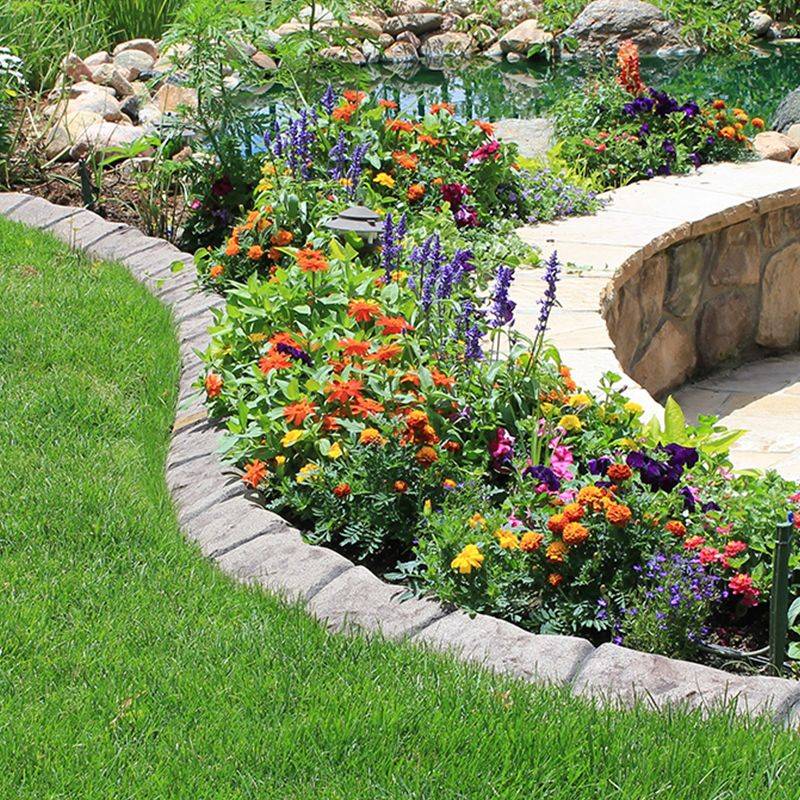
A clean cut edge acts as a small physical barrier. Using a sharp half-moon edger, a spade, or a dedicated edging tool can create a crisp line between the lawn and the bed.
That trench slows the horizontal spread of grass runners and creeping weeds. That trench does not stop everything, but it slows the movement and makes the invaders easier to spot and remove before they get far.
Metal edging strips, natural stone borders, or even a maintained shallow trench can all serve a similar purpose. The key is consistency.
An edge that gets cut once and then ignored for the rest of summer will lose its effectiveness quickly. Checking and refreshing the edge every few weeks, especially along sunny borders where lawn weeds spread fast, keeps the barrier working.
Edging is especially useful along the south and west sides of beds where warm soil and full sun encourage aggressive lawn grasses.
Staying on top of the edge through June, July, and August takes only a few minutes each time and saves considerable pulling later in the season.
5. Keep Weed Seeds From Blowing In Nearby
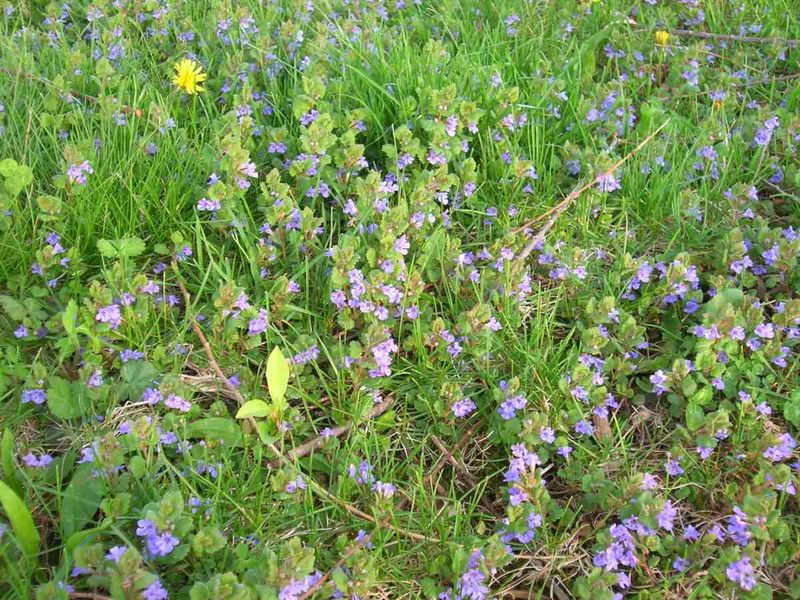
A flower bed that looks perfectly clean can still fill up with weeds if the surrounding areas are loaded with seed-producing plants. Seeds travel.
Wind carries them. Birds drop them.
Rain water moves them along paths and driveway edges. Addressing the weed sources closest to your beds is just as important as managing the weeds inside them.
Fence lines are a common problem spot. Weeds along fences often go unnoticed until they are tall, flowering, and actively scattering seeds.
The same goes for unmowed corners, the edges of vegetable beds, gravel paths, driveways, and any vacant or neglected patches near your garden. Removing those weeds before seed heads form cuts off a major source of new arrivals in your flower beds.
Compost piles deserve a mention here too. Tossing mature weed seed heads into a compost pile is risky unless that pile heats up enough to break down the seeds.
A cold or slow compost pile may not reach the temperatures needed to make seeds unviable. Weeds that go to seed should be bagged for yard waste pickup rather than added to a pile that might return them to the garden.
Staying consistent about nearby weed removal through June and July, before the main seed-set period of summer, pays off significantly. You will never stop every seed from arriving.
But reducing the volume of seeds coming from nearby sources makes a real difference in how many new weeds sprout in your beds over the course of the season.
6. Water Flowers At The Root Instead Of The Whole Bed
Overhead watering wets everything, including the bare soil between plants where weed seeds are waiting. Moisture and warmth together are exactly what most weed seeds need to germinate, and a sprinkler that soaks the whole bed delivers both at once.
Changing how you water is a simple adjustment that can make a real difference in how many new weeds sprout between your flowers.
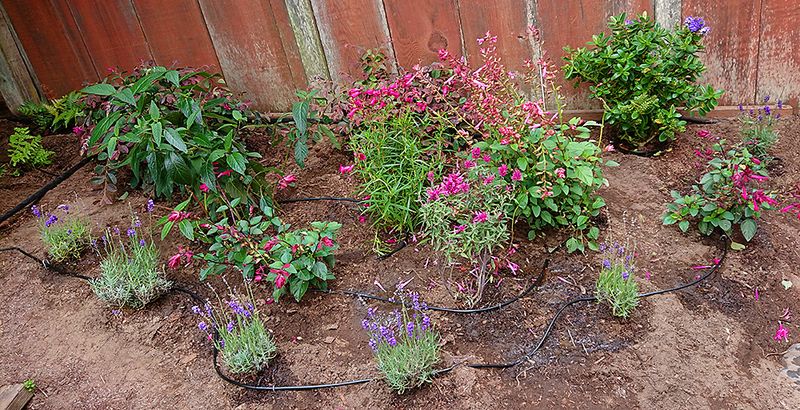
Watering at the root zone puts moisture where your plants actually need it and keeps the open soil between them drier. A watering wand with a gentle head lets you direct water right to the base of each plant without splashing the surrounding soil.
Soaker hoses and drip irrigation lines work well for larger beds, running water slowly along the root zone while leaving the soil surface between plants relatively dry.
Targeted watering has another benefit during summer. Keeping foliage drier reduces the chance of fungal problems that can develop in humid conditions.
Many summer gardens in this state deal with powdery mildew, black spot, and similar issues that thrive when leaves stay wet. Watering at the base of plants instead of overhead helps keep that moisture off the foliage where it causes trouble.
For smaller beds, a simple watering can aimed carefully at the base of each plant works just fine. The goal is not perfection.
It is just reducing the amount of unnecessary moisture landing on bare soil between plants. Even a modest shift in watering habits can slow weed germination noticeably over the course of a long, warm summer.
7. Walk The Beds Weekly Before Weeds Take Over
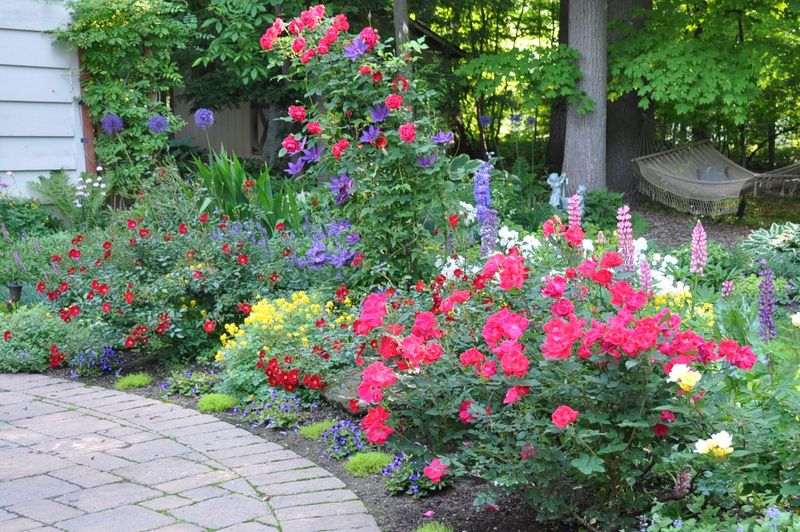
A single afternoon of neglect rarely ruins a flower bed. But three or four weeks of skipping the garden can turn a handful of tiny seedlings into a full-scale weed problem that takes hours to address.
The most reliable way to stay ahead of weeds through summer is also the simplest: walk your beds once a week and deal with small problems before they grow into big ones.
A weekly walk does not have to be a formal chore. Carry a small bucket and a hand tool and just move slowly along the edges and through the middle of each bed.
Look for tiny seedlings just poking through the mulch and creeping lawn grass sneaking in from the edges. Also check for weeds hiding low under perennial foliage where they are easy to miss.
Seed heads forming near the bed edges deserve immediate attention.
Most weeks, the work will take ten or fifteen minutes. You will pull a few small weeds, nudge some mulch back into place, and notice anything that needs a closer look.
That short investment of time each week prevents the kind of buildup that turns into a two-hour project. Consistency is genuinely more effective than one massive cleanup session every month.
Think of the weekly walk as a reset rather than a task. Each pass through the garden gives you a chance to notice what is thriving and what needs water.
It also helps you catch small weed problems before they flower, seed, or spread. Staying present in the garden regularly is the habit that keeps everything else working.