Smelly Shield Shaped Visitors Are Settling Into New Jersey Homes And Not Just For Warmth
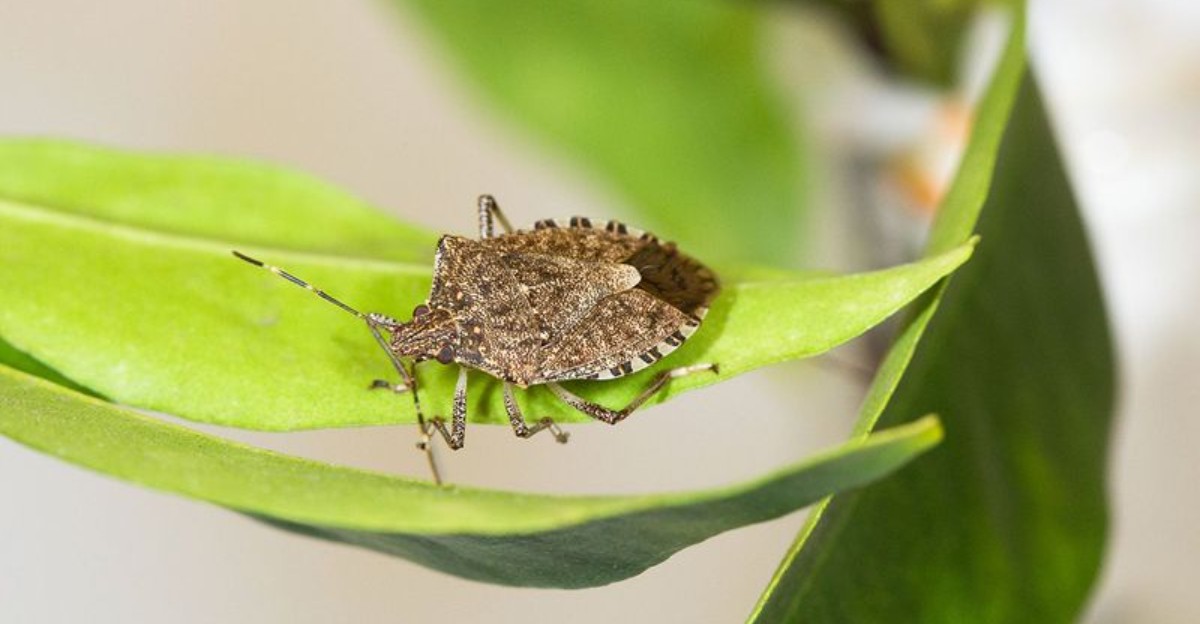
A tiny brown shield is wandering across your lampshade, and it did not come alone. Nudge it, and a scent of toasted cilantro and gym socks fills your room.
These shield-shaped visitors have quietly settled across New Jersey, and your house may qualify too. Warm radiators and toasters do not explain why they picked your house.
Their real agenda is recruiting relatives for a winter stay under your roof. Curtain folds, shutters, and old window frames make ideal bunkhouses.
You might spot a few stragglers or uncover a crowd behind the shutters. Pheromones can drift from your attic, summoning neighbors from several blocks away.
Caulk and door sweeps help, but your timing decides their real payoff. Pressing one releases a strong odor, so a gentler method works far better indoors. Spot October’s signs that New Jersey’s guests chose your windows.
A Sleepy Winter Hideout And A Scent That Calls Friends
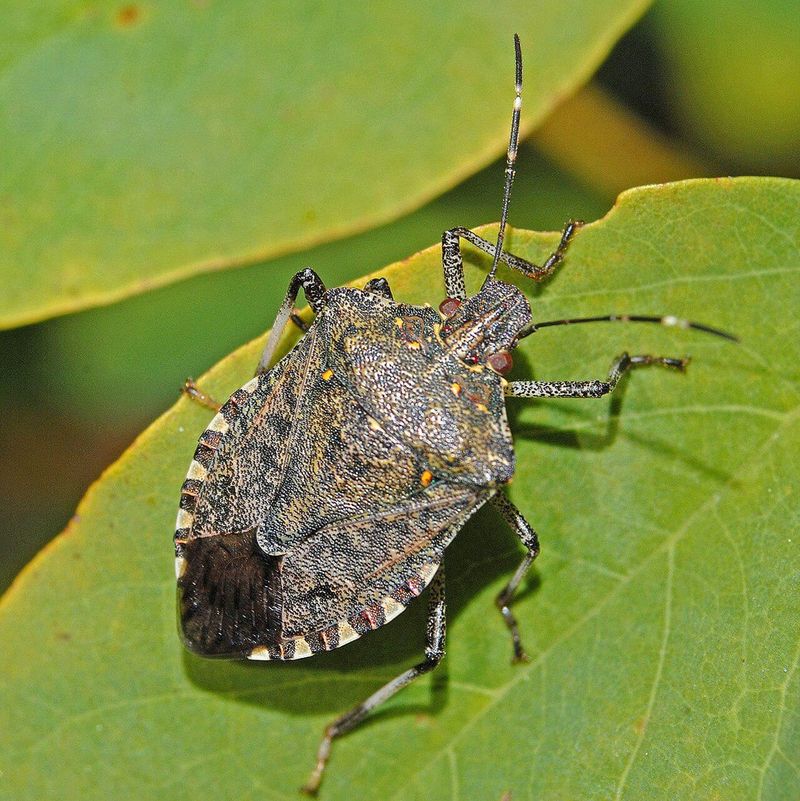
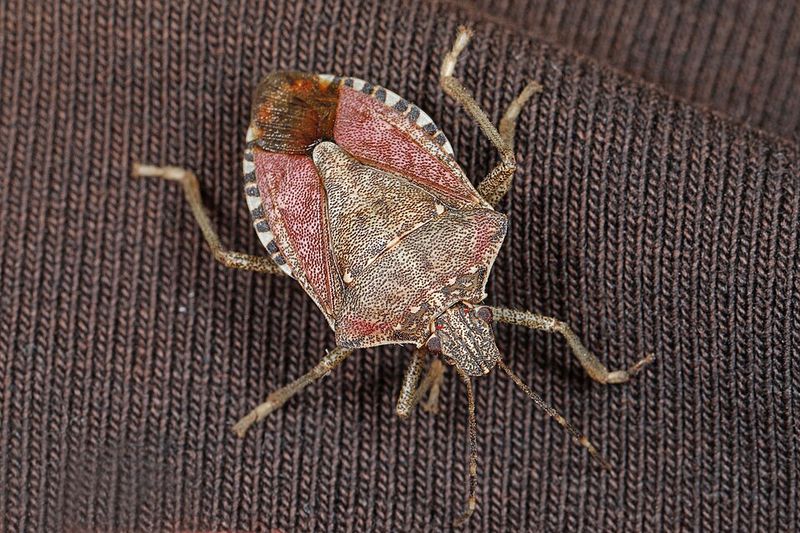
Brown marmorated stink bugs are not moving in just to toast their tiny toes. They are looking for a quiet, sheltered spot to sleep away the whole winter.
Scientists call this long winter nap diapause, and it works a bit like hibernation for insects. During it, the bugs stop eating, stop breeding, and mostly just sit very still.
Outdoors, they would normally squeeze under loose tree bark or into fallen logs. Your house, sadly, looks like a much fancier hotel with better walls and fewer woodpeckers.
Here comes the less obvious part that surprises many homeowners. When one bug finds a good crack, it releases a chemical signal that tells others to follow.
That signal is called an aggregation pheromone, which is a fancy way of saying a group invitation. It is not the same as the stinky defense smell you notice when they feel threatened.
Because of this chemical signal, one bug can be followed by many others. Homes with many gaps can end up hosting hundreds over the season.
The bugs also seem drawn to tall buildings that stand out in the landscape. Some researchers suggest these look like the rocky cliffs and large trees they used in Asia.
Spotting the early arrivals gives you a head start on sealing things up. Fewer scouts mean fewer invitations sent to the rest of the neighborhood.
So the next time you spot one, think of it as the first party guest. The rest of the crowd may already be checking the address.
October Sunshine On The South Side Of The House
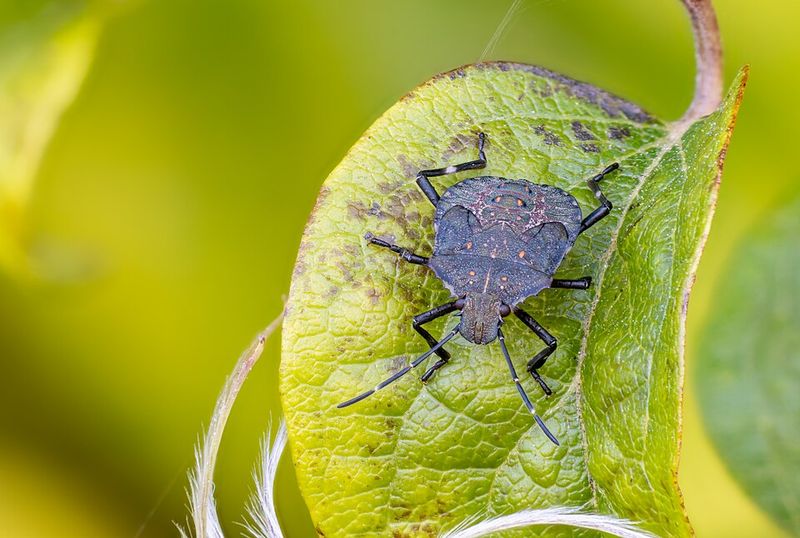
Ask any New Jersey homeowner about late September and October, and you may hear a groan. That is prime moving season for these shield-shaped visitors.
As days get shorter and nights dip into the fifties, the bugs sense that winter is coming. Shorter daylight acts like an alarm clock telling them to find shelter fast.
On sunny autumn afternoons, you might see them gathering on the south and west sides of houses. Those walls soak up the most sunshine and stay warm the longest.
Your New Jersey Garden Changes Every Week. Your Plan Should Too.
Gardening in New Jersey changes quickly throughout the season. Every Friday you’ll receive a simple weekly plan showing exactly what to plant, prune, fertilize, harvest, and protect so you never miss the right timing.
Picture dozens of little brown shields sunbathing on your siding like tourists at the Jersey Shore. It looks almost peaceful, but they are actually scouting for cracks to crawl through.
The busiest days tend to follow a cool night and a bright, warm afternoon. That temperature swing seems to push them into action all at once.
Window frames, door edges, attic vents, and outdoor light fixtures get the most traffic. Siding seams and spots where pipes or cables enter the walls are popular too.
Keep an eye on these sunny walls during the first few weeks of October. If you see a crowd forming, that is your cue to check for openings nearby.
Once temperatures stay cold, the outdoor crowds thin out and the action moves inside your walls. By then, many bugs are already tucked away and quietly waiting for spring.
Timing matters, because sealing entry points before fall works far better than chasing bugs in January. Think of October as your last chance to catch stragglers before they settle in.
Why Crushing Stink Bugs Is Unhelpful
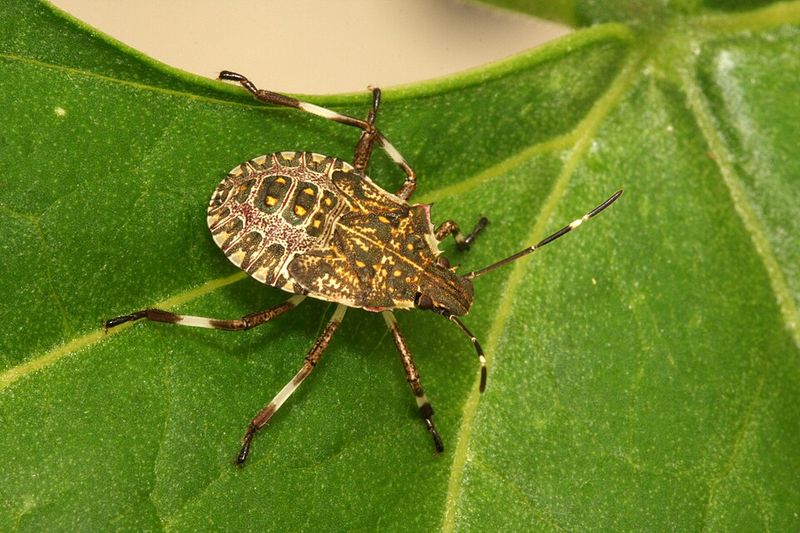
Crushing one releases a strong, lingering odor. Many people find that flattening a stink bug is counterproductive.
When crushed or scared, these bugs release a strong odor from special glands on their bodies. People describe it as cilantro, burnt rubber, or dirty socks mixed with something sour.
That smell can cling to carpets, curtains, and fingers for hours after the deed is done. It can sometimes leave a yellowish stain on light fabrics.
Some folks try flushing them down the toilet, which works but wastes a lot of water. Others reach for bug spray, but indoor sprays are not very helpful here.
Many sprays leave chemicals around your home without stopping the bugs hiding inside your walls. Those sprays can also bother kids, pets, and anyone with allergies or asthma.
Another common slip is swatting them off curtains with a bare hand. A startled bug may release its odor right onto your skin before falling.
Bug zappers and sticky traps placed randomly around the house usually catch only a few. They make you feel busy without solving the real problem of open cracks.
Staying calm and gentle is the smarter move with these smelly visitors. A slow, careful approach keeps both your nose and your furniture much happier.
Remember, they cannot bite you or damage your home’s wood or wiring. Some people may notice skin irritation or allergic reactions, though. The main nuisance is odor on your favorite fuzzy blanket.
A Vacuum, A Sock, And A Bucket Of Soapy Water
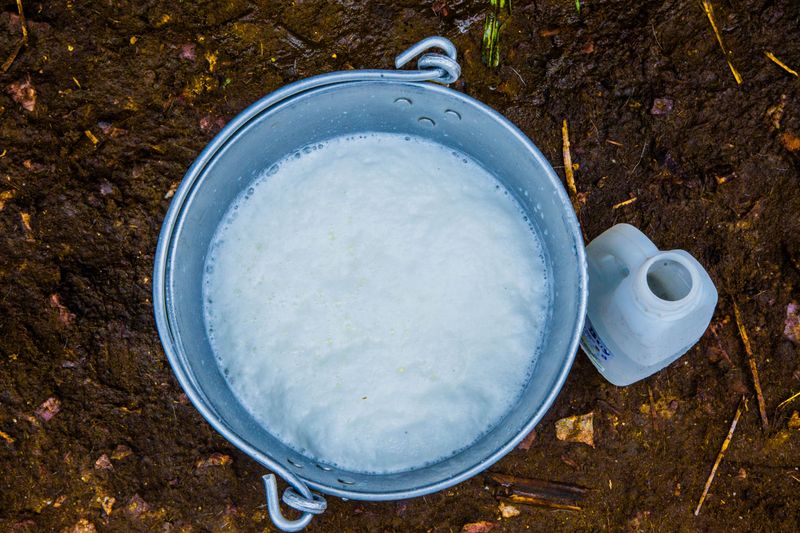
A simple household trick often works as well as store-bought gadgets. All you need is a bucket, some water, and a squirt of dish soap.
Fill a container about halfway with warm water and add a few drops of liquid soap. The soap breaks the surface tension, so bugs sink instead of floating and climbing out.
Hold the container under the bug and gently tap it with a stick or card. Stink bugs tend to drop straight down when disturbed, landing right in the soapy water.
For bugs on ceilings or high windows, a vacuum cleaner is a useful tool. Slip an old sock or knee-high stocking into the hose and secure it with a rubber band.
The sock catches the bugs before they reach the vacuum bag and stink up the machine. Afterward, pull off the sock, tie it shut, and drop it in soapy water or the trash.
Some families keep a dedicated bug vacuum just for this job each fall. A small handheld model works well and keeps your main vacuum smelling fresh.
You can also build a simple light trap using a pan of soapy water under a lamp. Set it in a dark room at night, and curious bugs may wander toward the glow.
Check your trap each morning and empty it outside or in a sealed bag. Wearing gloves helps keep any lingering odor off your hands.
Patience pays off, since bugs trickle out of hiding slowly over several weeks. A few minutes of daily collecting keeps the problem small and manageable.
Spring Wake Ups And Garden Damage Ahead
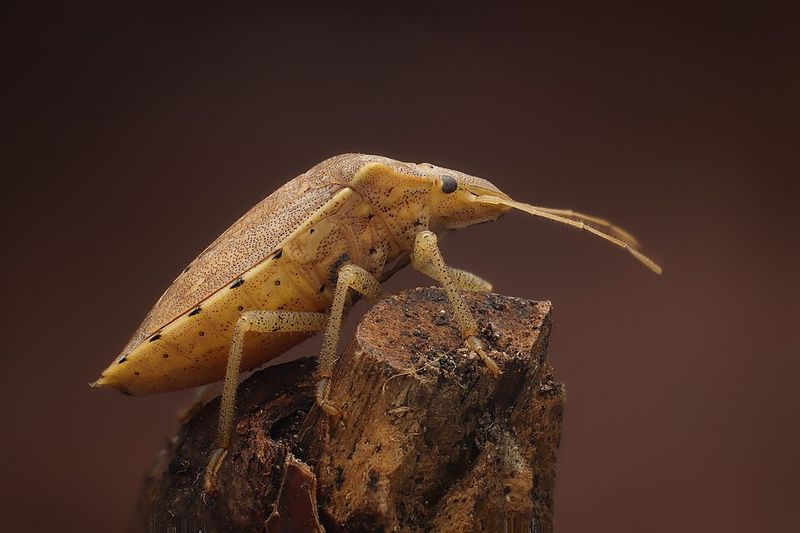
Spring cleaning in New Jersey sometimes comes with a surprise buzzing against the windows. Bugs that spent the winter in your walls wake up active and searching for food.
As the house warms up, many crawl toward light instead of heading outside where they belong. That is why you might find them on sunny windowsills in March and April.
Once they escape outdoors, they start looking for food and mates right away. Their favorite meals include peaches, apples, tomatoes, peppers, sweet corn, and green beans.
They poke fruit with a straw-like mouth and suck out the juices inside. This leaves behind sunken spots, mushy patches, and odd dimples on your harvest.
New Jersey farmers know this pest well, especially orchard growers in the southern part of the state. Since arriving from Asia in the 1990s, the bug has cost farmers millions in damaged crops.
Backyard gardeners feel the sting too, finding scarred tomatoes and twisted pepper plants by midsummer. A few bugs may not seem like much, but each female lays dozens of eggs.
Those pale green egg clusters often appear on the undersides of leaves in late spring. Checking leaves and scraping off eggs can save a surprising amount of produce.
Covering young plants with light row covers also blocks feeding adults from landing. Just remove the covers when flowers need visits from bees.
In other words, catching bugs indoors this fall may mean fewer garden pests next summer. Your tomatoes will thank you, even if they cannot say so out loud.
Caulk, Screens, And A Tighter Home For Next Fall
A tube of caulk is a useful tool to keep in your garage. Sealing small gaps by late summer is a reliable way to keep these bugs outside.
Walk around your house on a sunny day and look closely at window and door frames. Any crack wider than about one sixteenth of an inch can let a stink bug squeeze through.
Fill those gaps with good silicone or silicone-latex caulk that stays flexible in cold weather. Expanding foam works well for bigger openings around pipes, wires, and cable lines.
Next, inspect your window and door screens for rips or loose corners. Even a tiny tear can act like a welcome mat for a whole bug crowd.
Replace worn weather stripping and add door sweeps to the bottoms of exterior doors. Light peeking under a closed door means bugs can find their way in too.
Attic vents and chimneys need attention as well. Covering them with fine mesh screening keeps airflow moving while blocking crawling visitors.
For dryer vents, use only the manufacturer’s louvered cover, since mesh traps lint. Window air conditioners are another often overlooked entry point. Remove them before October, or seal the edges with foam strips or tape.
Outside, trim back plants touching the house and fix any loose siding or roof trim. Fewer hiding spots near walls make your home a less tempting winter hotel.
Plan your sealing project for August or early September, before the big fall rush begins. Your future self will enjoy a stink-free couch and a much calmer October.