8 houseplants that clean your Wisconsin indoor air while the windows stay shut all winter
When Wisconsin winters roll in, we seal up our homes tight to keep the cold out, but that also traps stale air and pollutants inside. Things like paint fumes, cleaning sprays, and smoke from candles can build up when fresh air can’t get in.
The good news is that certain houseplants act like little green air filters, quietly cleaning the air and adding much-needed moisture to dry rooms. Here are seven easygoing plants that can help you breathe better all season long.
1. Snake Plant (Sansevieria trifasciata)
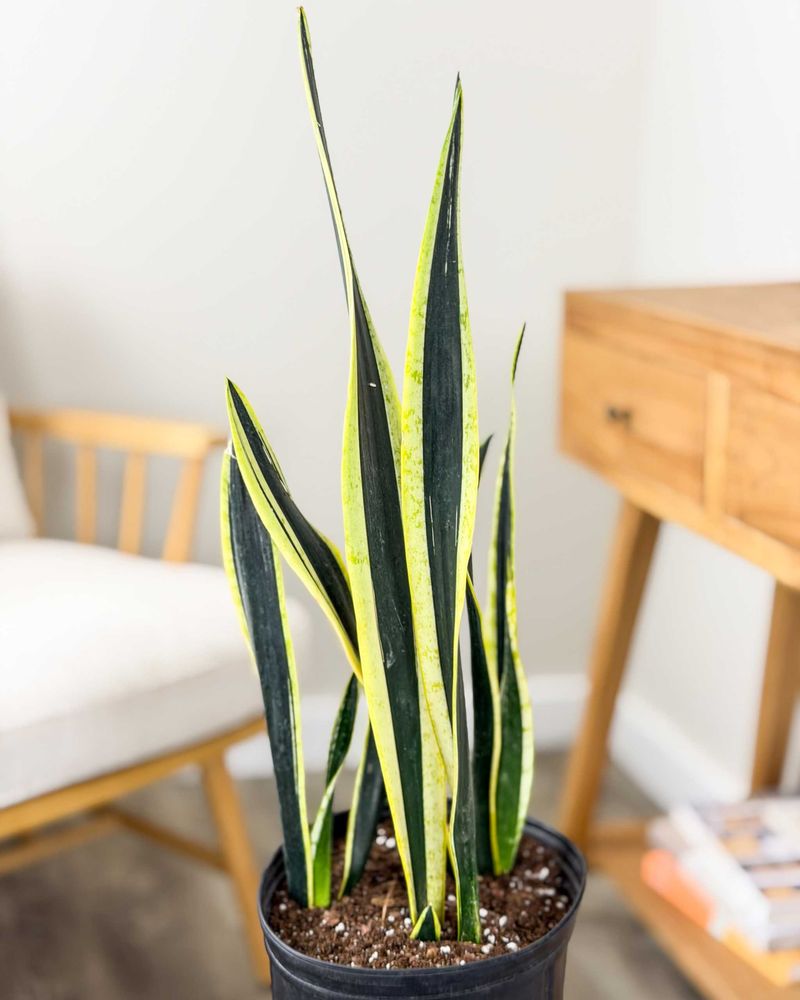
Tough as nails and nearly impossible to kill, the snake plant earns its spot at the top of the list for people who forget to water. Sometimes called Mother-in-Law’s Tongue, its stiff, sword-like leaves shrug off the dry, heated air that fills Wisconsin homes once the furnace kicks on.
What sets it apart is its night shift. Most plants pause their oxygen production after dark, but the snake plant keeps absorbing carbon dioxide and releasing oxygen while you sleep.
That makes it a smart pick for a bedroom.
On the cleaning side, it pulls formaldehyde, benzene, trichloroethylene, and xylene out of the air, all of which can sneak in from furniture and cleaning supplies. Give it low light and a drink every couple of weeks, and it will thrive through the darkest Wisconsin winter without complaint.
2. Spider Plant (Chlorophytum comosum)
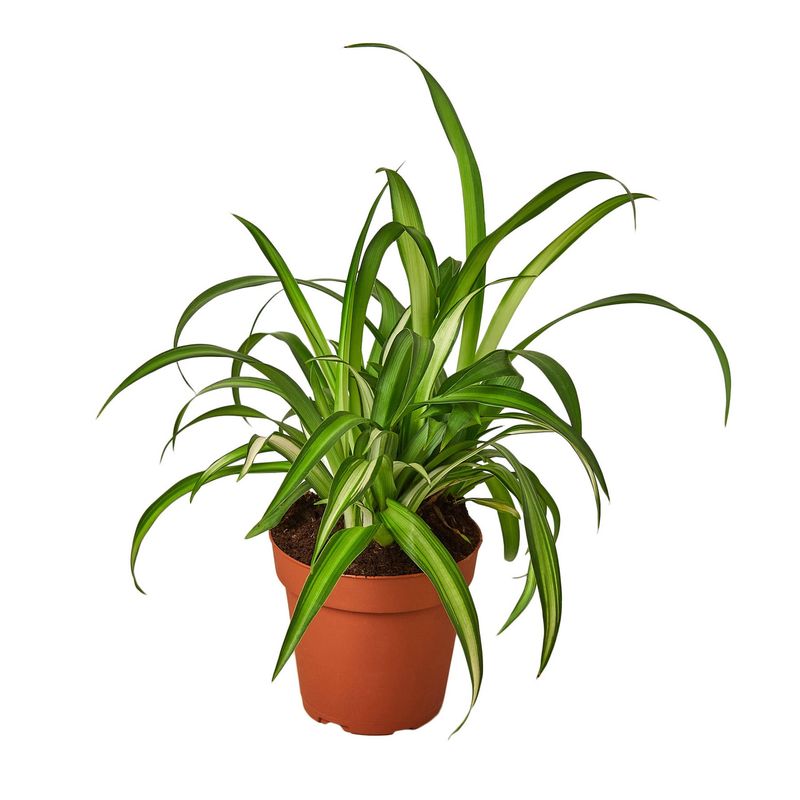
Few plants are as forgiving as the spider plant, which bounces back even after a rough stretch of neglect. Its arching, ribbon-like leaves and tiny dangling “spiderettes” make it a favorite for beginners across Wisconsin.
Temperature swings and low humidity don’t faze it much, which matters when your thermostat is fighting a February cold snap. It quietly filters formaldehyde, xylene, and toluene, common leftovers from paints and household products.
Fun fact: those baby plantlets can be snipped off and rooted in water, so one spider plant can turn into gifts for the whole neighborhood. Just water it now and then and it keeps on working, no fuss required during the busy holiday months in Wisconsin.
3. Peace Lily (Spathiphyllum)
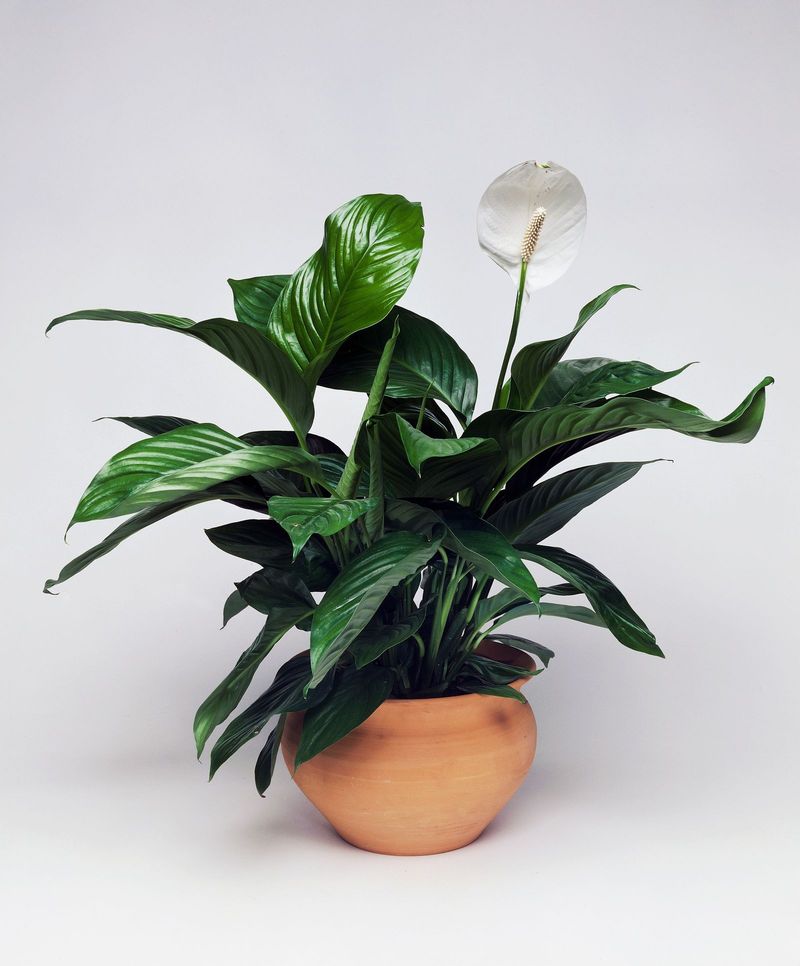
Elegant white blooms rising above glossy green leaves make the peace lily look far more high-maintenance than it actually is. Beyond its good looks, it’s a heavy hitter when it comes to scrubbing the air.
Benzene, ammonia, formaldehyde, and trichloroethylene all get filtered out, and studies suggest it can remove a surprising share of certain airborne toxins in just a day. That’s a lot of work from one graceful plant.
It also releases moisture into the air as it breathes, a welcome bonus when Wisconsin winter heating leaves your skin and sinuses feeling parched. Keep its soil lightly moist and tuck it in a low-light corner, and it will reward you with blooms even in the gray months.
4. Golden Pothos (Epipremnum aureum)
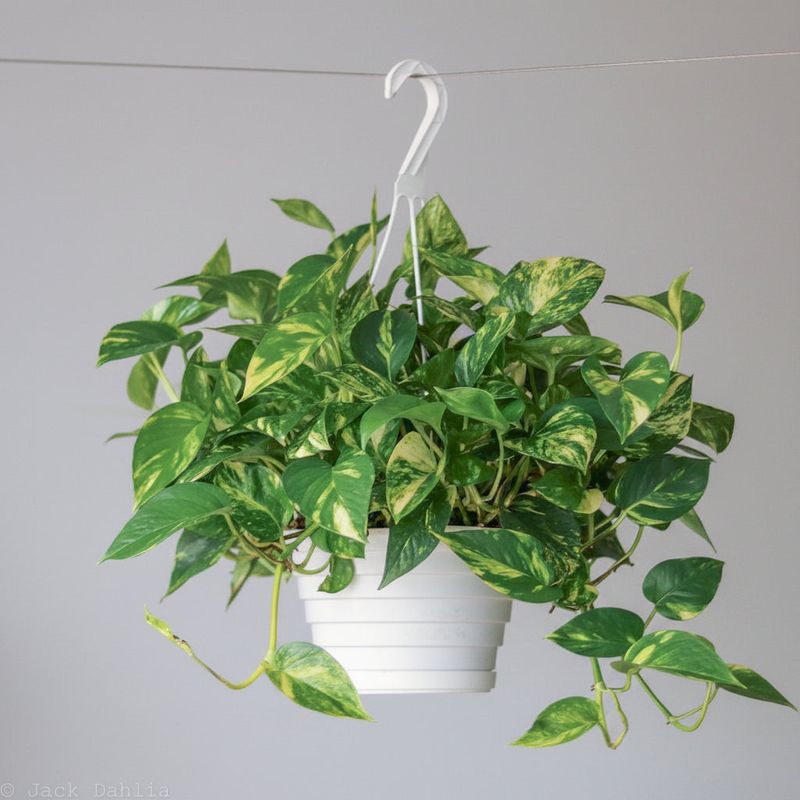
If you’ve ever seen a plant thriving in an office cubicle with almost no attention, chances are it was a golden pothos. Its heart-shaped leaves and cascading vines make it the ultimate no-drama roommate.
Your Wisconsin Garden Changes Every Week. Your Plan Should Too.
Gardening in Wisconsin changes quickly throughout the season. Every Friday you’ll receive a simple weekly plan showing exactly what to plant, prune, fertilize, harvest, and protect so you never miss the right timing.
Low light, cool rooms, and dry air are no match for its determination, which is exactly what you want when a Wisconsin winter tests every plant in the house. It tackles formaldehyde, xylene, and toluene with ease.
Let the vines trail from a high shelf or train them along a windowsill, and they’ll soften up any room. Water it only when the top of the soil feels dry, and this hardy climber will keep purifying the air month after month in your Wisconsin home.
5. Dracaena (Dracaena spp.)
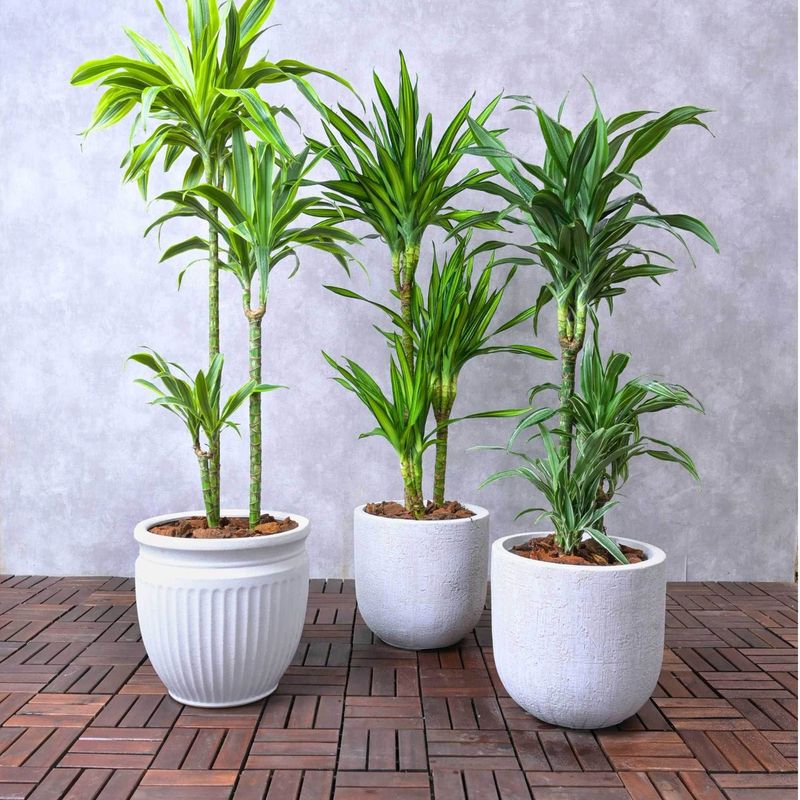
Reaching skyward with slender, colorful foliage, dracaenas bring a bit of drama to any room. There are dozens of varieties, from the spiky red-edged Dracaena marginata to the leafy Cornstalk Dracaena, so you can pick the personality that fits your space.
All of them share a talent for filtering formaldehyde, benzene, trichloroethylene, and xylene, making them versatile helpers for cleaner indoor air.
These tropical plants like indirect light and soil that stays lightly moist, and they settle right into the typical 65 to 70 degree indoor temperatures found in most Wisconsin homes. A word of caution for pet owners: dracaenas can upset cats and dogs if nibbled, so place taller ones out of curious reach in your Wisconsin household.
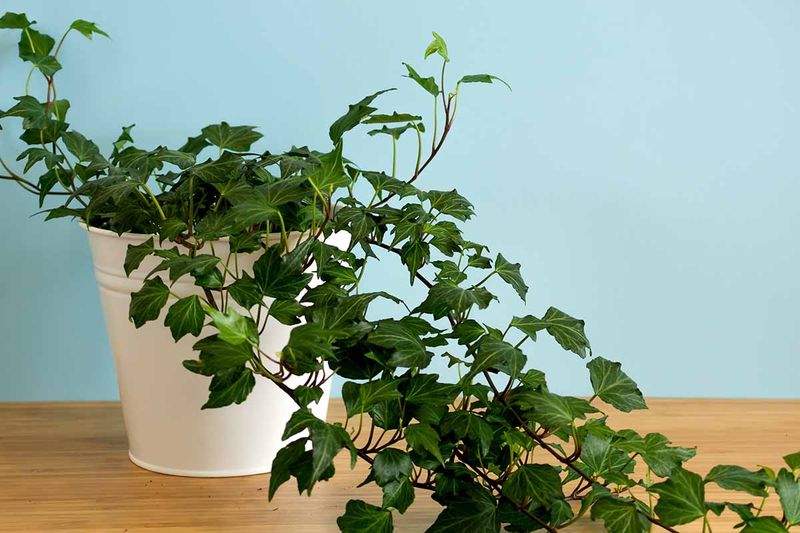
6. English Ivy (Hedera helix)
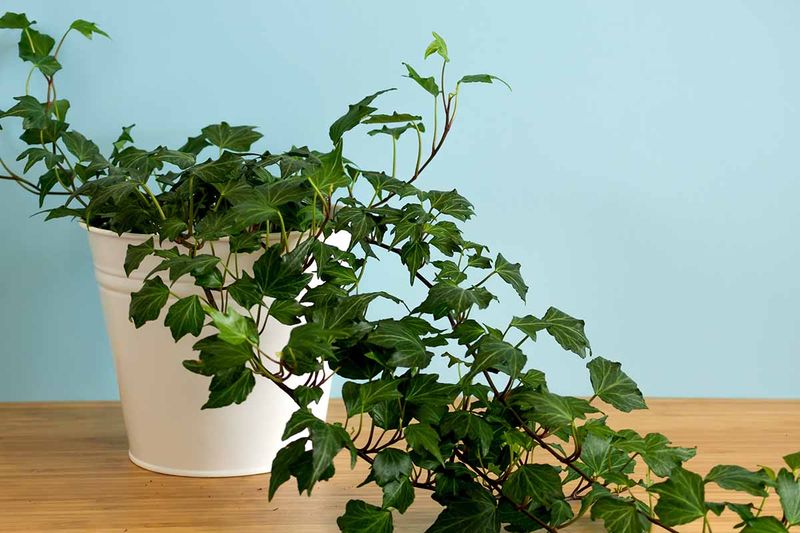
Old-fashioned charm meets serious air-cleaning power in English ivy. This trailing climber has decorated homes for generations, and it turns out it’s earning its keep the whole time.
Benzene is its specialty, and in lab tests it removed about 90 percent of that pollutant within just 24 hours. It also chips away at small amounts of other common toxins floating around a closed-up house.
Its cascading vines look great spilling from a shelf or hanging basket, adding greenery without taking up floor space, which is handy in a snug Wisconsin winter home. Give it bright, indirect light and let the soil dry slightly between waterings, and keep it away from pets since the leaves are not meant to be eaten.
7. Boston Fern (Nephrolepis exaltata)
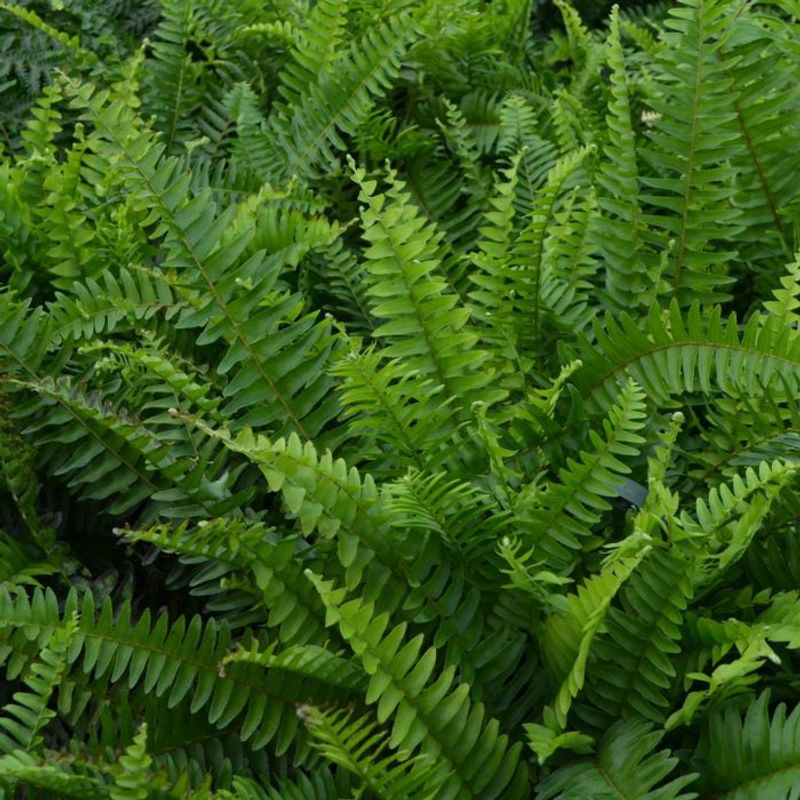
Feathery, full, and delightfully bushy, the Boston fern brings a lush jungle vibe to gray winter days. It’s been a beloved houseplant for well over a century, and its air-cleaning credentials keep it popular.
Formaldehyde and xylene are its main targets, and it’s often ranked among the most efficient natural filters you can grow indoors.
The trade-off is that ferns crave humidity, which can be tricky when the furnace dries everything out. A weekly misting or a pebble tray of water does the trick, and spots like a bathroom or kitchen give it the moisture it loves.
Set one up in a brighter, damper corner of your Wisconsin home and it will thank you with vibrant green fronds all winter long.