That Fast Many-Legged Bug In Your Illinois Basement Is Venomous And It’s Secretly Your Home’s Best Pest Controller
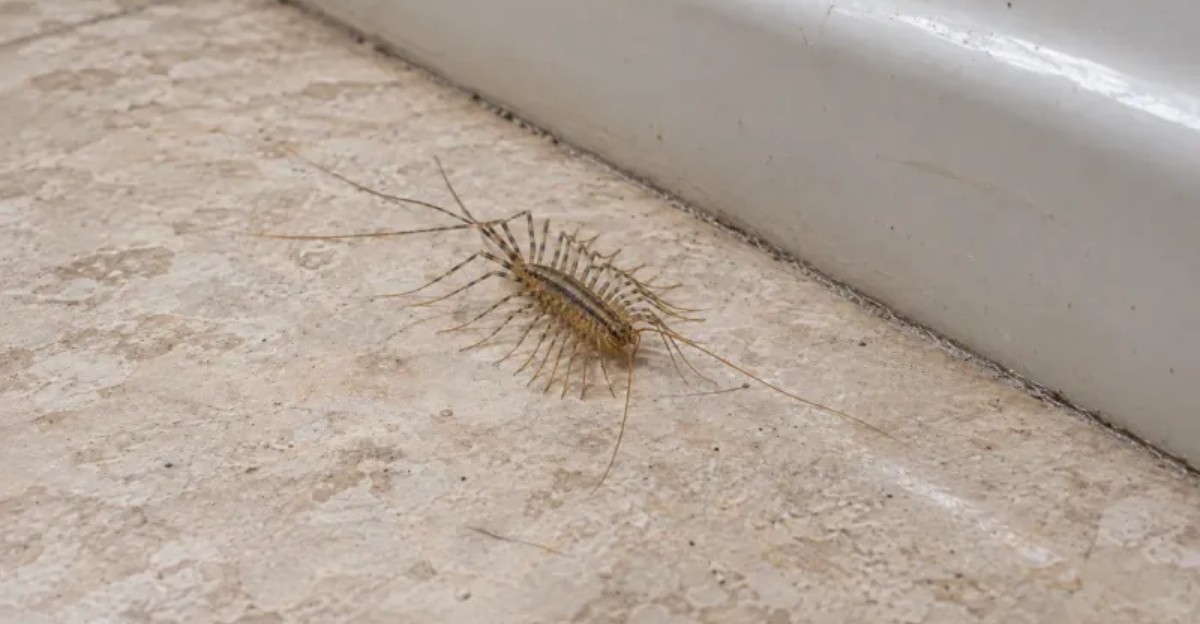
The fastest hunter in my house carries venom in a pair of legs, not in its mouth. It can cover more than a foot of floor in one second.
I learned that after one shot past my laundry basket in Illinois and made me yelp like a startled cat.
That little sprinter has 15 pairs of legs, and the back ones stretch longer than its whole body. It hunts at night while you sleep. It rarely bothers people at all.
I used to grab a shoe the moment I saw one in my Illinois basement. A little reading changed my mind fast.
You might notice fewer silverfish and spiders once you understand what this visitor eats. Whether it is a creepy intruder or a free night guard, the answer surprised me more than the bug did.
That Blur Of Legs Under Your Basement Stairs Has A Name
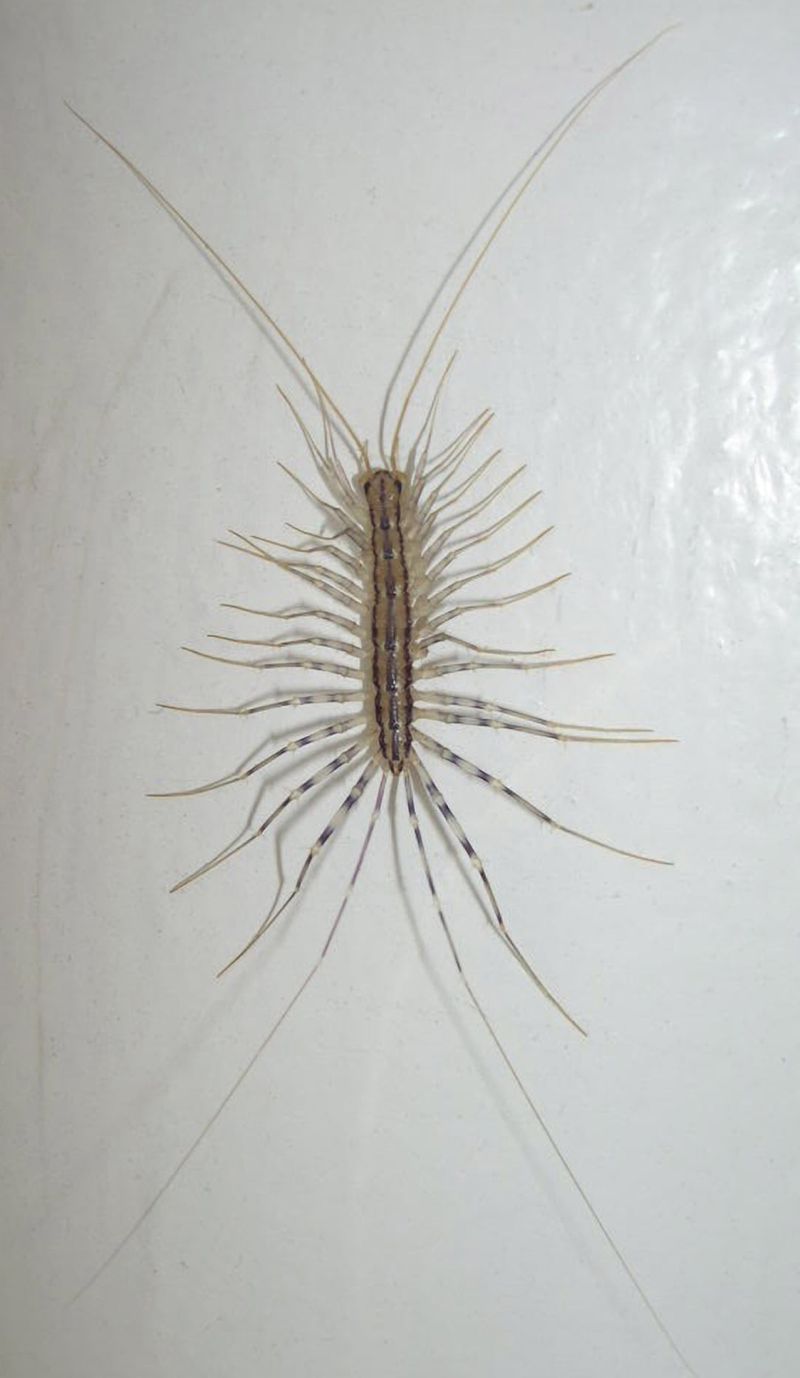
The first time I got a clear look at one, I counted stripes instead of legs. The house centipede, known to scientists as Scutigera coleoptrata, wears three dark stripes down its yellowish-gray body.
Its banded legs make it look like a tiny feathery comb sliding across the floor. Adults usually measure about one to one and a half inches long. Add the legs and antennae, and they look much bigger.
They have 15 pairs of legs, and the rear pair is so long it can resemble a second set of antennae.
Speed is their signature trick. Experts report they can move around 16 inches per second, which explains why most sightings feel like a gray flash. Those long legs also help them pin down prey.
Fun fact for curious readers: this species is not native to North America. It likely came from the Mediterranean region and spread through homes across the continent, including much of the Midwest.
Unlike many centipedes that stay outdoors, this one can live its full life indoors. Once you know what you are looking at, the panic fades.
You are not dealing with a strange mutant spider. You are meeting one of the most common basement residents in the country.
Venom Hides In Those Front Legs, Not A Stinger
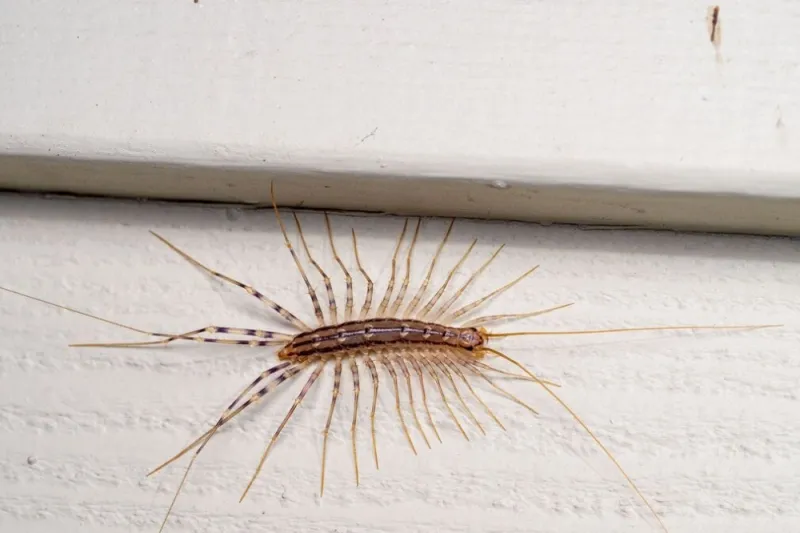
Yes, it really is venomous. The venom does not come from a stinger or fangs, though. It flows through a pair of modified front legs called forcipules, which curve around the head like little pincers.
That venom is designed for small insects and spiders. It works fast enough to stop a cockroach or silverfish so the centipede can eat. For people in Illinois, the risk is low.
House centipedes rarely bite humans. Most bites happen when someone grabs one or presses it against skin, like when stepping barefoot on it or rolling over on one.
Their forcipules often struggle to break through human skin at all, even in an Illinois basement.
When a bite does land, many people compare it to a mild bee sting. Expect a bit of pain, redness, and slight swelling for a short time. Washing the spot with soap and water and using a cold pack usually handles it.
Anyone with a history of strong allergic reactions to insect stings should watch for unusual symptoms and call a doctor if they appear. That kind of reaction is uncommon.
For most Illinois families, kids and pets included, the main danger is a spilled coffee mug from surprise.
Silverfish And Cockroaches Are On The Night Menu
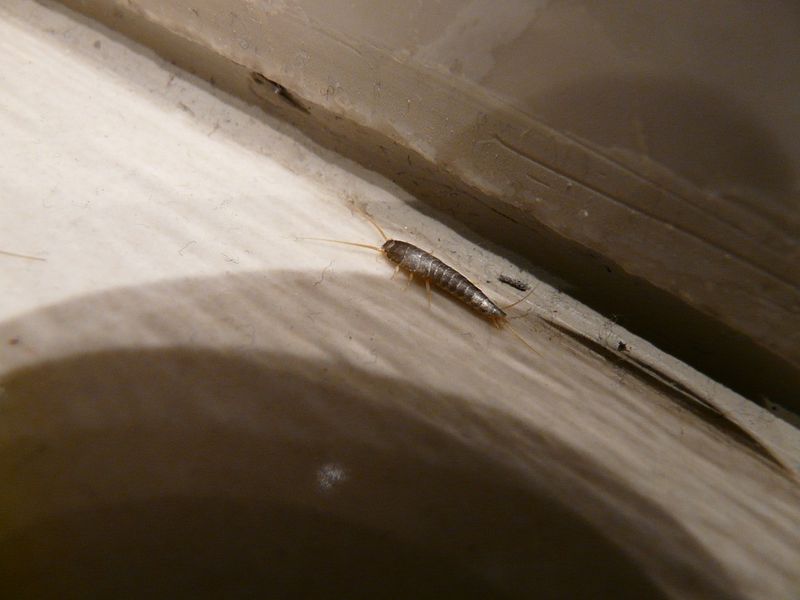
Here comes the part that won me over. House centipedes are meat eaters, and their favorite targets are the bugs most of us like even less. They patrol after dark, using their antennae to sense movement.
Their menu includes silverfish, cockroaches, spiders, termites, bed bug nymphs, flies, moths, crickets, earwigs, and ants. Instead of building webs, they chase or jump on prey.
Some researchers have even watched them wrap their legs around a victim, a hunting style sometimes called lassoing.
I noticed fewer silverfish around my storage bins after I stopped squashing every centipede I saw. That is just my own observation, not a lab result. Still, it matches what pest experts describe.
These hunters also cause no structural harm. They do not chew wood, fabric, or food, and they are not known to spread disease.
They are not a cure-all, though. One centipede cannot clear out a heavy roach problem, and relying on them alone is not a real pest plan.
Think of them as a helpful sign of balance in a quiet corner. They are a small, free night crew working shifts you will rarely see.
Damp Basement Corners And Floor Drains Feel Like Home

Moisture is the magnet. A house centipede’s outer shell does not hold water well, so it dries out quickly in arid air. Damp, dark spaces help it stay alive.
That makes Illinois basements a near-perfect fit. Humid summers, cool concrete, sump pits, and floor drains create pockets of steady moisture.
Many sources point to humidity above roughly 60 percent as ideal for them. You will usually find them in a few favorite spots: Near floor drains and sump pumps. Under sinks and around laundry hookups.
Inside cardboard boxes stacked on concrete. Along cracks in foundation walls and around basement windows.
Seasons matter too. Outdoors they hide under mulch, rocks, and leaf piles during warm months.
As fall nights cool off across the state, some move indoors, though many live inside year-round. Bathrooms and bathtubs are common surprise spots because they slip in looking for water and then struggle to climb the smooth sides.
A basement that feels clammy to you feels like a resort to them. Paying attention to where you spot them can point you straight to hidden leaks or damp corners worth fixing.
Lots Of Centipede Sightings Point To A Hidden Bug Buffet
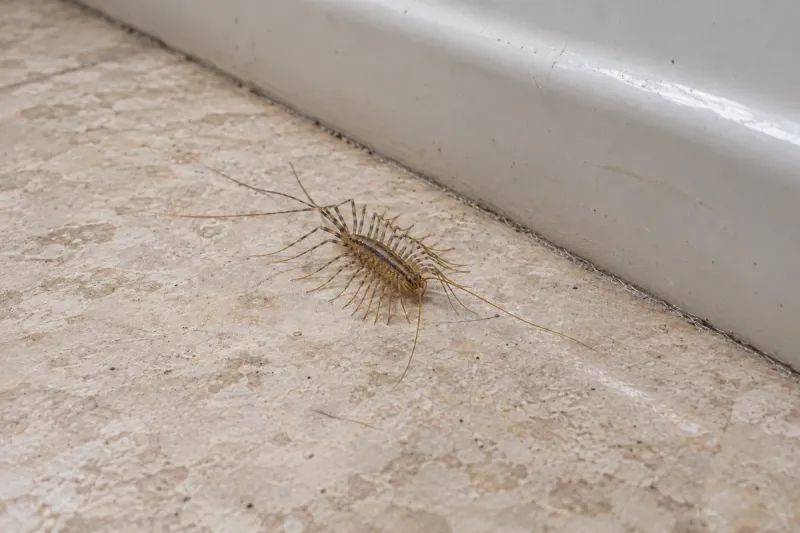
One sighting a month? Honestly, I shrug and let it go about its business. Several a week tells a different story.
Centipedes follow food. When you see many of them, there is often a healthy population of something else for them to eat.
That might be silverfish in old paper, crickets near the sump, or spiders tucked behind shelves.
So the centipede is often the messenger, not the main problem. Treating only the visible hunter misses the real issue.
Look for the prey insects and the conditions feeding them. Try a simple check. Set a few sticky traps along basement walls for a week or two. The catch will show you which insects are active and where they gather most.
Other clues to watch for include shed insect skins, small droppings, and chewed paper or cardboard. A musty smell can signal moisture that supports both prey and predator.
If you suspect termites, call a licensed professional for an inspection, since that problem needs more than a dehumidifier. For most homes, though, a crowd of centipedes simply means the basement is a bit too damp and a bit too buggy.
A Cup And A Paper Can Move A House Centipede Outdoors
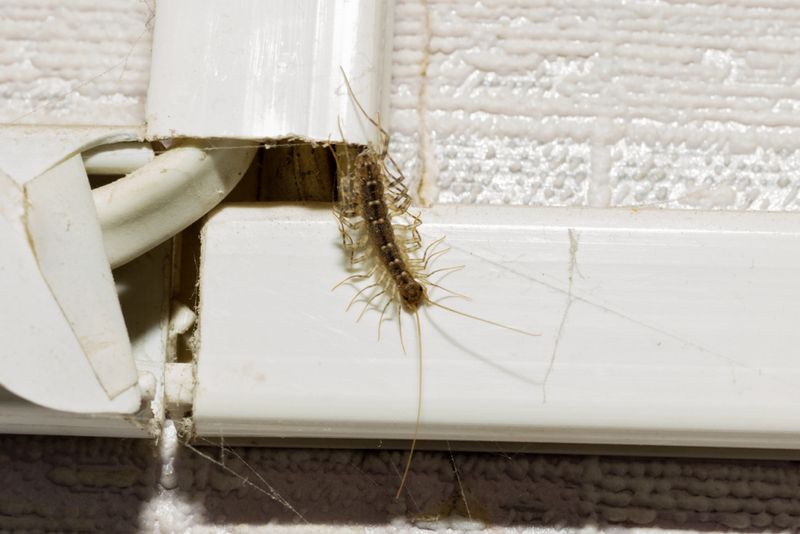
Peace treaty or polite eviction? You get to choose. Some folks happily share space with these hunters, while others want them gone from living areas.
If one turns up in the bathroom or bedroom, the cup trick works well. Place a clear cup over it, slide a stiff piece of paper underneath, and carry it outside.
Release it near mulch or a woodpile, away from your doors. Be quick and calm. They really are fast, and they can drop a leg when threatened. Lost legs can regrow over later molts, so a missing one is not a disaster for the bug.
Skip bug sprays as a first move. A spray treats only the centipede you see and does little about the moisture and prey that drew it in.
Many indoor sprays also leave residue where pets and kids play. My approach is a compromise. Centipedes in the unfinished basement stay put and keep hunting.
Any that wander into the upstairs living space get a free ride outside. That small rule keeps the household calm and still lets the basement crew work.
A Dehumidifier And Sealed Cracks Send Them Packing

Dry air does more than any spray. Lower the moisture, and both centipedes and their prey lose interest in your basement.
Start with a dehumidifier. Aiming for indoor humidity around 50 percent or lower makes the space far less inviting.
An inexpensive humidity meter helps you track progress. Next, fix the drips. Leaky pipes, sweating water lines, and slow faucets all add moisture.
Check that gutters and downspouts send rainwater well away from the foundation, especially during wet Illinois springs.
Then close the doors they use. Caulk cracks in foundation walls, add weatherstripping to basement doors, and seal gaps around windows and pipes.
Screens on floor drains can help too. Clutter counts as well. Swap cardboard boxes for sealed plastic bins and lift storage off the floor.
Outside, pull mulch, leaf piles, and firewood back from the foundation. My takeaway is simple. A fast, leggy visitor is a hint, not a threat.
Listen to what it tells you about moisture and hidden insects, fix those issues, and you will see fewer of both. Any centipedes that stay will be the quiet helpers you hardly notice.