What Happens When You Mow Over Leaves On Your Texas Lawn
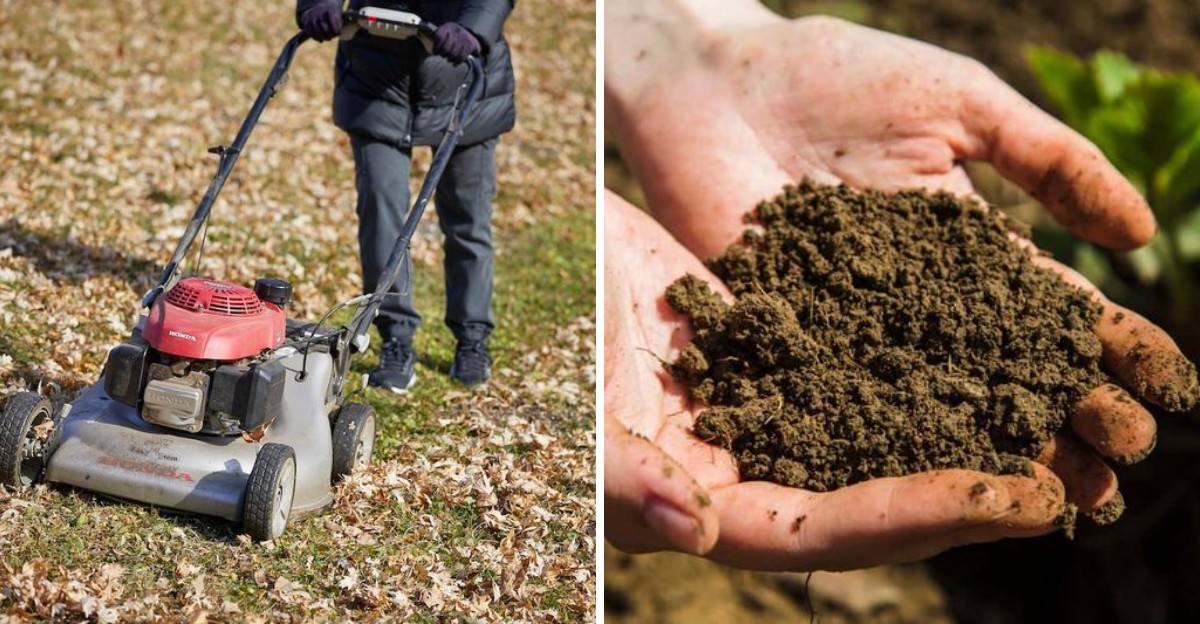
Texas soil can be tough on lawns. Heavy clay packs down hard, sandy soil drains too fast, and rocky ground in the Hill Country barely holds anything.
What many yards are missing is organic matter, the crumbly, nutrient-rich material that helps soil hold water and feed grass roots. Every fall, a free supply of it drops onto your lawn.
Instead of raking and bagging those leaves, many Texans are simply running the mower over them. The blades chop the leaves into tiny pieces that settle between the grass.
Over time, those bits break down, feeding the soil and helping it hold more moisture during dry spells. It also saves hours of raking and keeps bags out of the landfill.
There’s a catch, though. Too many leaves at once can smother dormant grass and invite disease. Doing it the right way can turn fall cleanup into a lawn boost.
1. Leaves Get Shredded Into Tiny Pieces
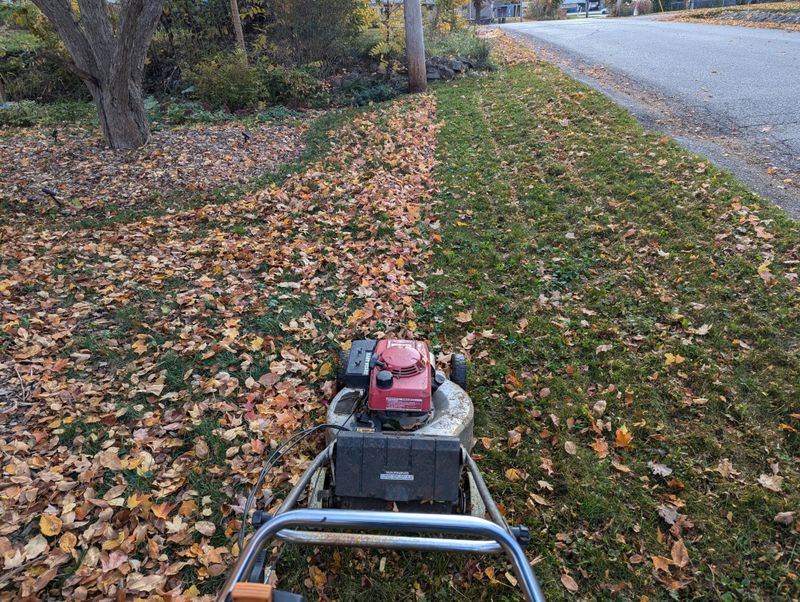
Your lawn mower is basically a giant leaf blender on wheels. As the blade spins, it slices dry leaves into small flakes about the size of a dime or smaller. Those little bits fall right down between your grass blades.
Whole leaves are flat and wide. When they pile up, they form a mat that sits on top of the grass like a blanket. Shredded leaves act very differently because they are small enough to slip down toward the soil.
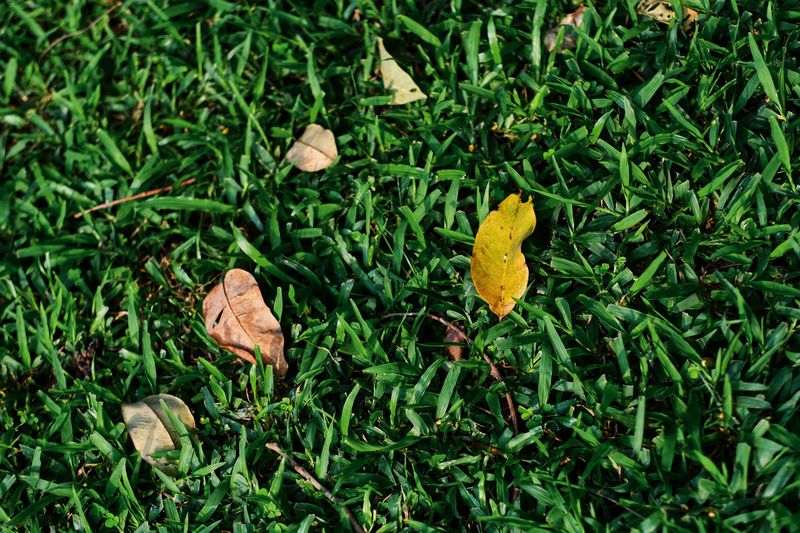
After one or two passes, most people are surprised. The yard that looked brown and messy now looks mostly green again. The leaf pieces are still there, but they hide under the grass where you can barely see them.
Want the best results? Mow when the leaves are dry. Wet leaves clump together and stick to your mower deck. Dry leaves crunch and break apart much more easily.
Set your mower blade at a normal or slightly high height. For St. Augustine, that is often around 3 to 4 inches. Bermuda grass can be cut a bit lower. Cutting too short can stress your grass, so do not scalp it just to grab leaves.
A mulching mower or a mulching blade works even better. These tools keep the leaves under the deck longer, so they get chopped several times. A regular mower still does a good job, though, especially if you go over the area twice.
Fun fact: one big shade tree can drop hundreds of thousands of leaves in a single season. Shredding them turns a mountain of yard work into a quick weekend chore. Your back will thank you, and so will your grass.
2. They Break Down And Improve Your Soil
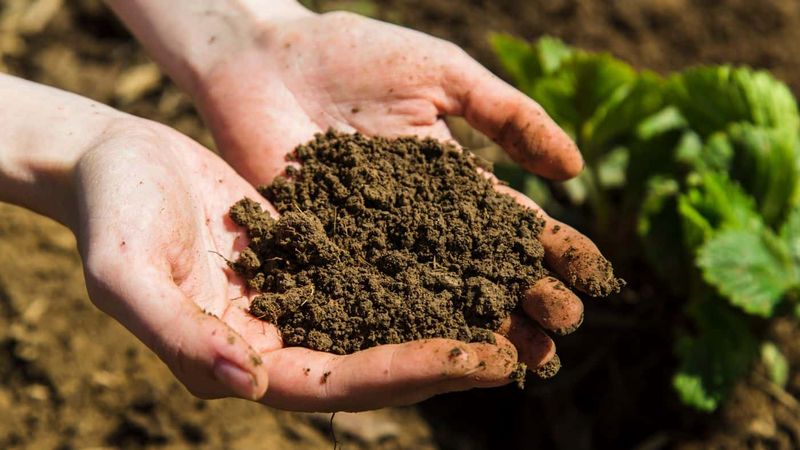
Here is a secret that gardeners have known for ages. Leaves are full of good stuff that came from deep in the ground. Tree roots pull up minerals, and those minerals end up stored in every leaf.
Once shredded leaves settle into your lawn, they start to rot slowly. Rain, heat, and tiny living things break them down over a few weeks or months. As they fall apart, they add organic matter back to your soil.
Your Texas Garden Changes Every Week. Your Plan Should Too.
Gardening in Texas changes quickly throughout the season. Every Friday you’ll receive a simple weekly plan showing exactly what to plant, prune, fertilize, harvest, and protect so you never miss the right timing.
Organic matter is just a fancy name for once-living material. It works like a sponge and a pantry at the same time. It holds water and slowly releases nutrients like nitrogen, potassium, and calcium for your grass.
Texas soil really needs that help. Much of the state has heavy clay, like the black gumbo in Dallas and Houston.
Clay gets sticky when wet and hard as brick when dry. Other areas, like the Hill Country, have thin, rocky soil that dries out fast.
Adding leaf bits year after year can slowly change both kinds of soil. Clay becomes a little looser and drains better. Thin, rocky soil holds more moisture so your grass does not wilt as quickly in July.
Some studies have found that mulching leaves into lawns can help grass green up in spring and may even cut down on weeds like dandelions. Results vary, but the soil benefit is real.
You do not need to buy anything special to get these perks. Just keep mowing those leaves back into the lawn each fall. Think of it as free compost that falls from the sky every year, right where you need it most.
3. Earthworms And Soil Life Get A Boost
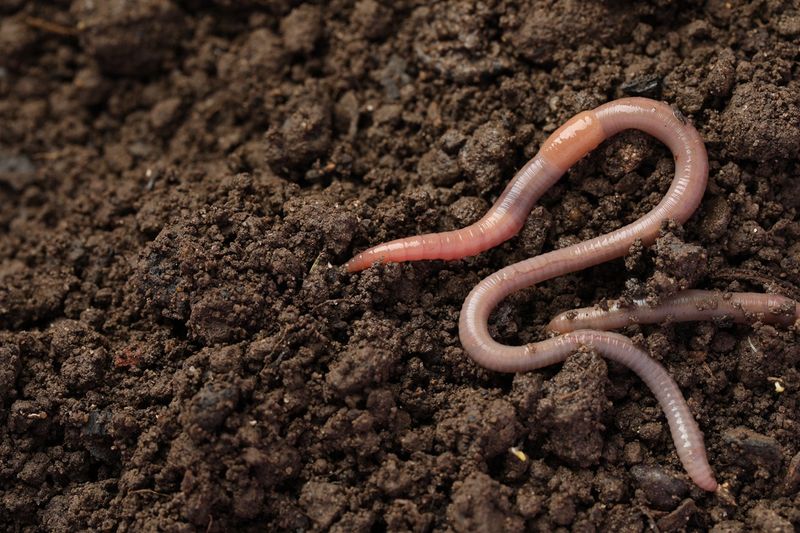
Meet the hardest workers in your yard. They have no legs, no eyes, and no paycheck. Earthworms still show up every night to help your lawn grow.
When shredded leaves land on the soil, worms treat them like a buffet. They grab little leaf bits and drag them down into their tunnels. Down there, they munch away and leave behind castings, which are rich little piles of natural fertilizer.
Worms are not alone in this job. Billions of tiny microbes, like bacteria and fungi, also feed on the leaf pieces.
You cannot see them, but a single spoonful of healthy soil can hold more living things than there are people on Earth. Pretty wild, right?
All that activity does great things for your ground. Worm tunnels make little pathways for air and water. Compacted soil, the kind that feels hard when you step on it, slowly gets looser and softer.
Better soil means water soaks in instead of running off into the street. That matters a lot in Texas, where storms can dump heavy rain in a short time. It also helps during droughts, since moisture stays in the root zone longer.
Want to check your worm crew? After a good rain, dig up a small square of soil about a shovel deep. If you count several worms, your soil is in decent shape. Few or none means your yard could use more organic matter.
Go easy on harsh chemicals if you want to keep these helpers happy. Feed them leaves, water your lawn deeply but not too often, and let nature handle the rest.
4. You Save Time And Reduce Waste
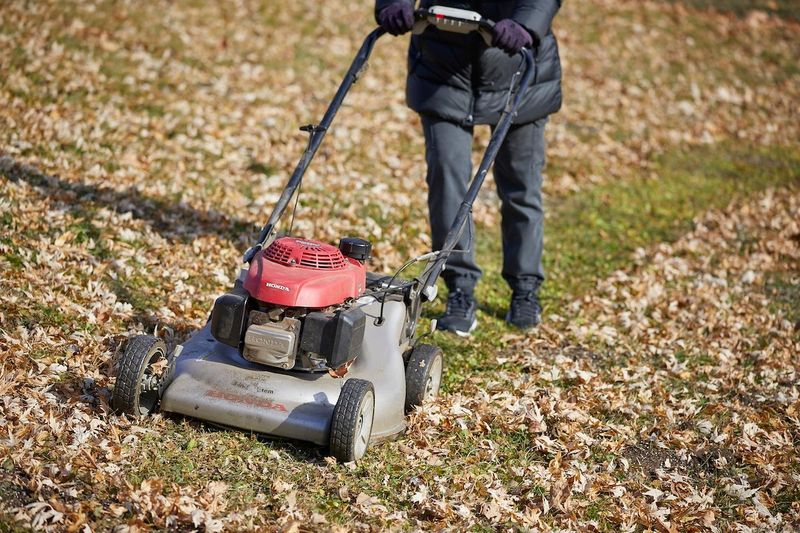
Ask anyone who has raked a big yard, and they will tell you it is no fun. Blisters, sore shoulders, and a stack of bags at the curb are the usual results. Mowing leaves into the lawn skips most of that hassle.
A job that takes all Saturday with a rake might take less than an hour with a mower. You are already cutting the grass anyway, so the leaves just come along for the ride. That leaves more time for football, family, or a nap in the hammock.
You also save money. Leaf bags cost a few dollars per pack, and big yards can fill dozens of them. Some Texas cities even charge extra fees for heavy yard waste pickup or limit how many bags you can set out.
Then there is the landfill problem. According to the EPA, yard trimmings make up millions of tons of waste in the United States every year.
Leaves buried in a landfill break down without much air, which can release methane, a gas that warms the planet.
Keeping leaves at home turns that trash into treasure. Your grass gets free nutrients, and you buy less fertilizer over time. Some lawn experts say mulched leaves can supply a good portion of what your lawn needs in fall.
Here is a smart tip. Many Texas cities, like Austin and San Antonio, encourage residents to leave grass clippings and leaves on the lawn. Check your city website for programs, free compost days, or tips.
Less work, less spending, and less waste is a pretty sweet deal. Your mower might just become your favorite fall tool.
5. Too Many Leaves Can Cause Problems
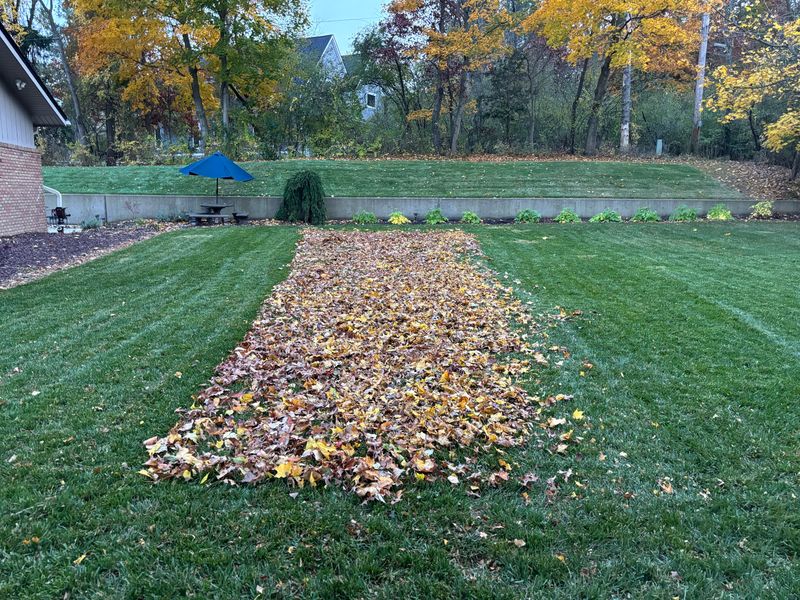
Even good things can go wrong when you overdo them. Leaves are no different. A thick pile can turn from lawn food into a lawn problem pretty fast.
Grass needs sunlight to make its food. When a heavy layer of leaves covers it, the blades underneath stay in the shade. They turn yellow, grow weak, and may thin out by spring.
Moisture is another trouble spot. Wet leaves trap water against the grass and soil. In cool, damp fall weather, that is perfect for fungus to grow.
St. Augustine owners should pay close attention. A disease called large patch, sometimes called brown patch, loves those conditions.
It shows up as round areas of yellow or brown grass that can spread several feet wide. Zoysia lawns can get it too.
So how much is too much? Try this easy test after mowing. Look down at your lawn. If you can still see plenty of green grass blades poking through the leaf bits, you are fine. If the ground looks mostly brown, there are too many.
The fix is simple. During peak leaf drop, mow every few days instead of once a week. Smaller amounts are easier to shred and spread out.
When the leaves keep piling up, attach your bagger and collect the extra. Do not toss it, though. Spread those shredded leaves in flower beds, around shrubs, or in your vegetable garden as mulch.
You can also add them to a compost pile. A little balance keeps your lawn healthy while still giving it a tasty fall snack.
6. Timing Can Be Different In Texas
Most of the country has one leaf season. Texas, of course, likes to do things its own way. Depending on your trees, you might be mowing leaves in November and again in March.
Pecans, red oaks, cedar elms, and Bradford pears follow the usual plan. They drop their leaves in fall, usually from late October through December. North Texas often sees leaf drop a bit earlier than South Texas and the coast.
Live oaks are the rebels of the bunch. They stay green almost all year, so many people think they never lose leaves. In reality, they shed most of their old leaves in late winter and early spring, right as fresh new ones push out.
Anyone with a big live oak knows the drill. One week in March, the yard suddenly gets buried in small, tough leaves. Tiny flowers called catkins and pollen often fall at the same time, making things extra messy.
Spring timing changes how you handle the leaves. Your warm-season grass is just waking up then, so it needs sunlight more than ever. Mow those live oak leaves often so they do not shade the new growth.
Live oak leaves are thick and waxy, so they break down slower than pecan leaves. Shred them well, and bag extras if they start piling up.
Here is a handy plan. Mark your calendar for fall leaf duty and spring leaf duty if you have live oaks. Keep your mower blade sharp for both seasons.
Knowing your trees helps you stay one step ahead. Your lawn stays clear, green, and ready for whatever Texas weather comes next.