7 Steps Pennsylvania Gardeners Take To Get A Thanksgiving Cactus Blooming By The Holiday
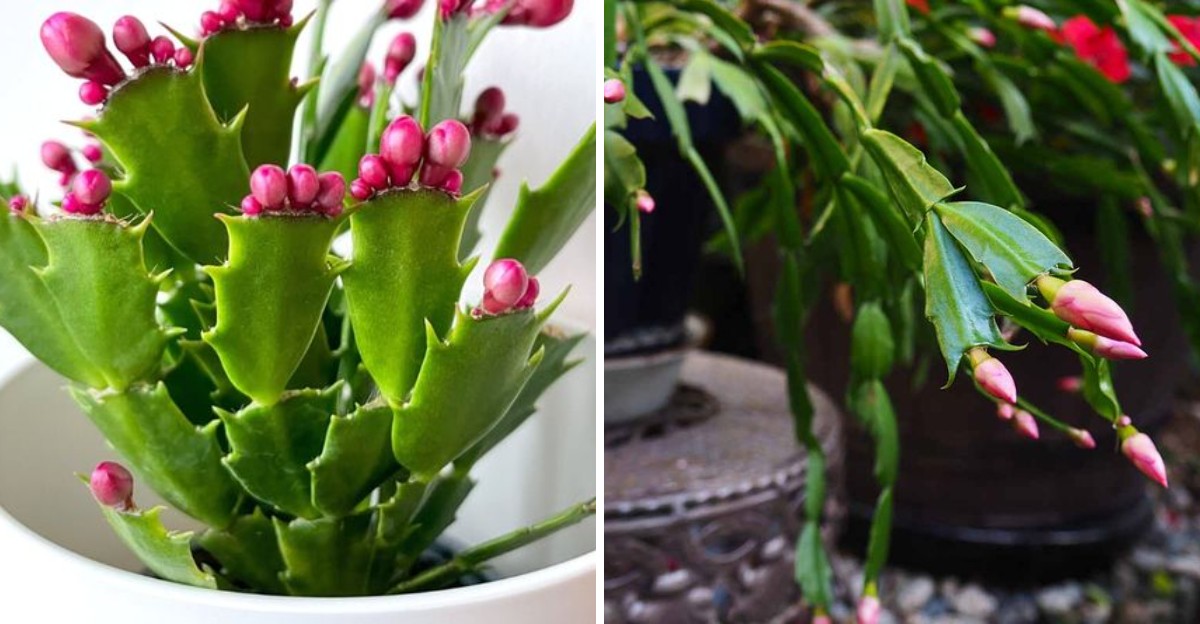
A plant that grows high on tree branches in Brazilian mountain forests ends up flowering on Pennsylvania windowsills each November. Its flower buds do not respond to a calendar, because darkness and cool air are the real signals.
Shop labels often call it by the wrong holiday name, which confuses plenty of shoppers every single year. Its stems look like flat green links, and the hot pink blossoms can dangle like tiny paper lanterns.
I have to admit that my first one sulked for two years before I figured out its quirky schedule. You might notice the same stubborn green behavior, especially in a warm living room with lamps glowing late.
Experienced Pennsylvania growers have learned a handful of simple tricks that line up blooms with the turkey and pie. Here’s what your plant secretly needs from you before the big November family feast arrives.
1. Bring Your Holiday Cactus Indoors Before Pennsylvania Frost
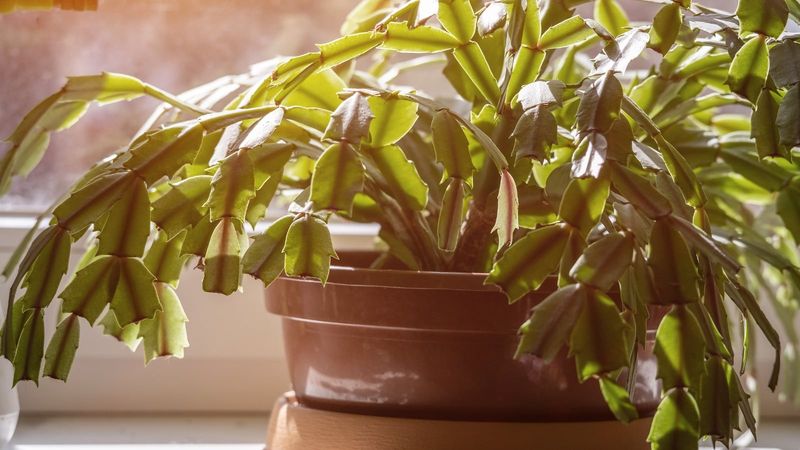
My cactus spends every summer on a shady porch, and it comes back indoors looking plump and proud. A season outside in dappled light helps the stems build energy that later turns into flower buds.
Penn State Extension notes these plants enjoy outdoor time in summer, as long as they avoid harsh afternoon sun. Bright shade under a tree or a covered porch suits them nicely, much like their native forest homes.
Cool autumn nights outdoors actually help the bloom process, since chilly air nudges the plant toward setting buds.
Many growers leave pots outside into early fall, watching the forecast closely and enjoying the free chill.
Frost is the real danger, because these tropical stems cannot handle freezing air for even one night. Across much of the state, the first frost often arrives in October, so plan your move ahead.
I like to bring my pots inside once nights dip toward the low forties, which offers a safe cushion. Check carefully for hitchhikers like slugs or mealybugs before the plant joins your other houseplants indoors.
Indoors, pick a bright spot near an east window where morning light warms the stems without scorching them.
A cool spare bedroom or sunporch works even better, since warm living rooms can slow down bud formation.
Moving the plant early also gives it time to settle before buds appear, which reduces stress later. Once buds show up, a sudden change of scenery can cause them to drop before opening.
2. Pointed Claw Tips Confirm You Have A Thanksgiving Cactus
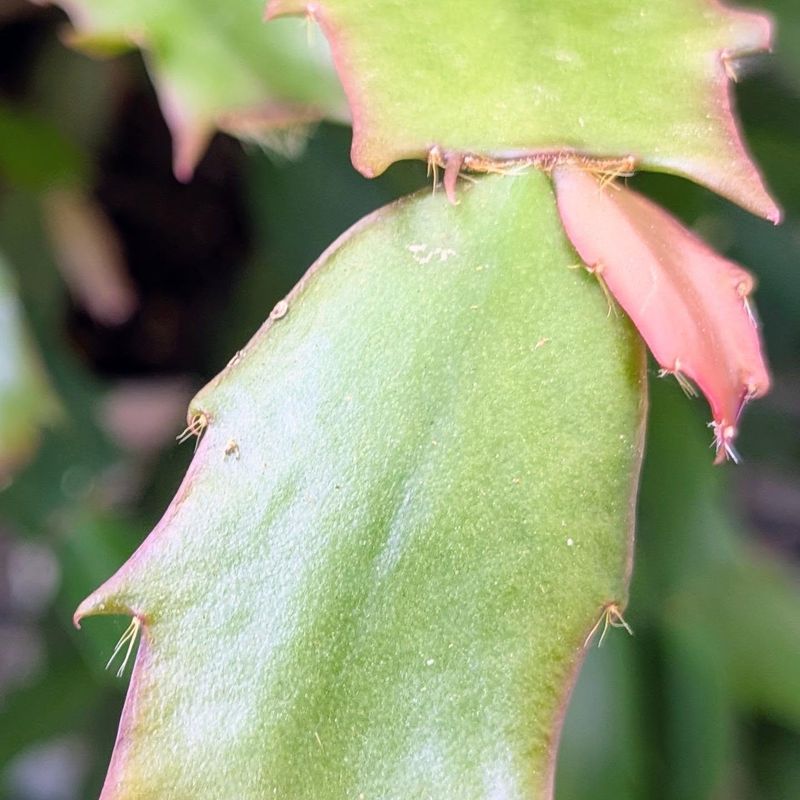
Those little pointed teeth on the stem edges look like crab claws, and they reveal which holiday plant you own.
Thanksgiving cactus, Schlumbergera truncata, has sharp, jagged lobes on each flat segment, unlike its smoother Christmas cousin.
Christmas cactus has rounded, scalloped edges, while the Easter cactus has bristly segments and blooms in spring.
Knowing the difference matters, because each type follows its own clock and flowers at a different time of year.
What surprises me most is how often stores sell Thanksgiving cactus wearing a Christmas cactus tag. Growers prefer it because it blooms earlier, which means it is ready for holiday shelves before December.
Take a close look at the tips of your stems right now, and count the pointy projections. Two or more curved points along each segment usually mean you have the Thanksgiving type on your windowsill.
Flower shape gives another clue, since Thanksgiving blooms often hold their pollen-covered anthers in yellow tones.
Christmas cactus flowers typically carry purplish-brown anthers, so a quick peek inside a blossom can settle the question.
Many plants sold today are hybrids, so you might find features that blend both types in one pot. That is perfectly fine, because the same care steps work for both, with only small timing differences.
I keep a little note in my calendar about which plants are which, since my collection keeps growing. Once you know your plant, you can start the bloom routine at just the right moment this fall.
3. Long Dark Nights Trigger Thanksgiving Cactus Buds
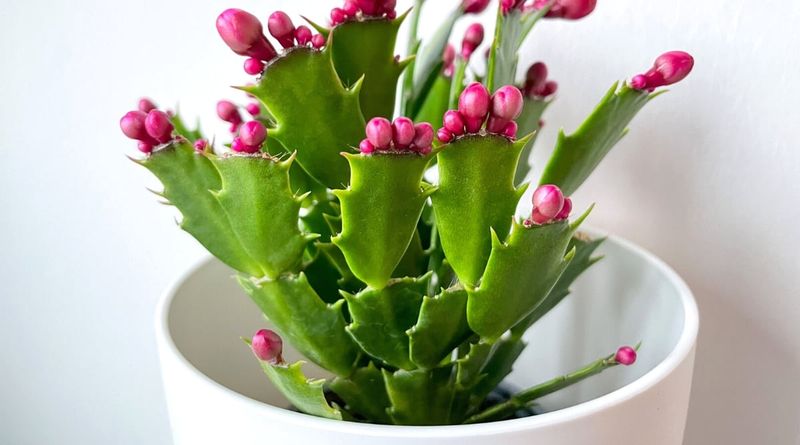
Darkness is the secret ingredient here, and even a reading lamp left on late can scramble your plans. Thanksgiving cactus is a short-day plant, which means long nights tell it that flowering season has arrived.
University extension experts recommend about 12 to 14 hours of uninterrupted darkness each night for several weeks.
Starting around late September or early October gives the plant enough time to form buds before the holiday.
Personally, I move my pots into a spare bedroom where nobody flips on the overhead light after dinner. A closet works too, as long as you bring the plant back into bright light each morning.
Some gardeners simply cover the plant with a dark box or thick cloth every evening around five o’clock. Remove the cover the next morning, since the stems still need daylight to fuel all that bud production.
Even a few minutes of light during the night can interrupt the signal and delay your flowers. Streetlights shining through a window or a television glow can sometimes cause trouble, so check your chosen spot.
Natural fall days in Pennsylvania help a lot, since daylight shrinks steadily as autumn moves toward winter.
The challenge is mostly indoor lighting, which keeps our homes bright long after the sun goes down outside.
Tiny buds usually appear within three to four weeks once the dark routine settles into place. After buds are clearly visible, you can relax the strict schedule and enjoy watching them swell each day.
4. Cool Night Temperatures Help Holiday Cactus Set Flower Buds
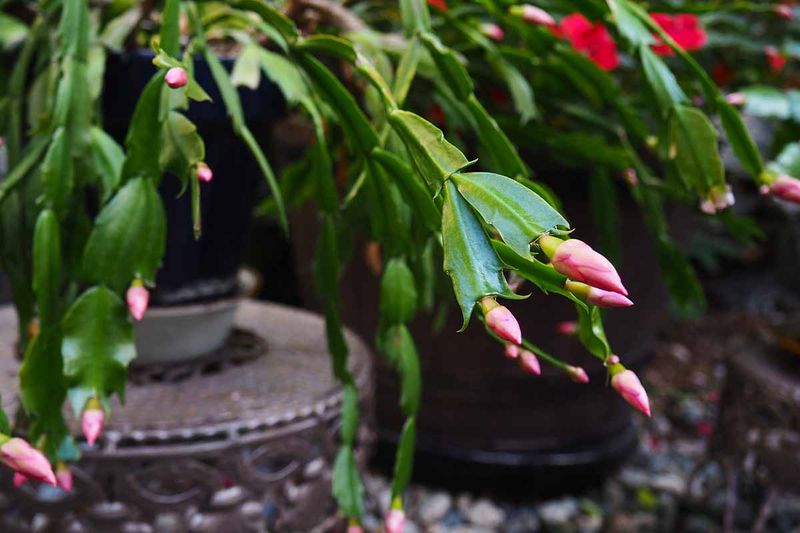
Chilly evenings feel unpleasant to me, but my holiday cactus seems to love every one of them. Cool nights act as a second bloom signal, working alongside darkness to push the plant toward flowering.
Extension sources suggest nighttime temperatures between about 50 and 60 degrees Fahrenheit for the best bud set.
At temperatures near 55 degrees, many plants will form buds even without following a strict darkness routine.
That cool range is often easy to find in an unheated sunporch or a chilly guest room. Older homes with drafty windows can be surprisingly perfect places for these plants during the early autumn weeks.
Warm rooms above 70 degrees can slow bud formation, so keep the plant away from heat registers. Fireplaces and space heaters also dry the air quickly, which adds stress your plant does not need.
Pennsylvania homes often switch on the furnace in October, right when your plant wants cooler air. I lower the thermostat in my spare room and close the vent, which keeps the space nicely crisp.
Watch out for the opposite problem too, because temperatures below about 40 degrees can cause harm. A frosty windowpane can chill stems pressed against the glass, so leave a few inches of space.
Combining cool nights with long darkness gives you the most reliable shot at a pretty November display. Once buds open, a slightly cool room also helps the flowers last longer on the plant.
5. Ease Up On Watering As Holiday Cactus Buds Form
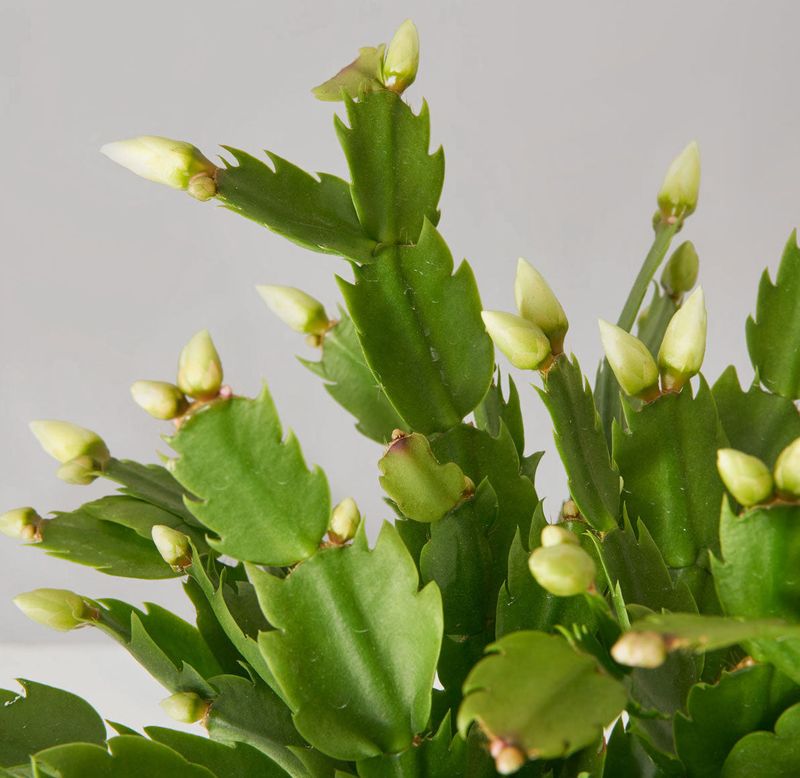
Soggy roots sink more holiday cacti than any other mistake, at least in my experience on the windowsill. These forest plants grow in pockets of leaf litter on trees, so their roots crave air as much as water.
During summer growth, water thoroughly whenever the top inch of potting mix feels dry to your fingertip. Let extra water drain from the bottom, and empty the saucer so the pot does not sit in puddles.
As fall arrives, many experts suggest watering a bit less often to help encourage the bloom cycle. Allow the top layer of mix to dry slightly more between drinks, but avoid letting the stems shrivel.
Wrinkled, limp segments usually mean the plant is too thirsty, while mushy bases often signal too much water.
Checking the soil every few days beats following a strict calendar, since indoor heat changes things quickly.
Once flower buds appear, return to steady, even moisture so the developing blooms stay plump and healthy. Letting the pot dry out hard during bud development is a common reason buds fall off early.
A fast-draining mix makes this balance much easier, so I blend regular potting soil with extra perlite. Some growers add fine orchid bark as well, which mimics the airy debris found in tree branches.
Room-temperature water works best, since an icy blast from the tap can shock sensitive roots in cool rooms. Small, thoughtful sips at the right time help your plant hold onto every single bud it sets.
6. Stop Fertilizing Your Thanksgiving Cactus In Late Summer
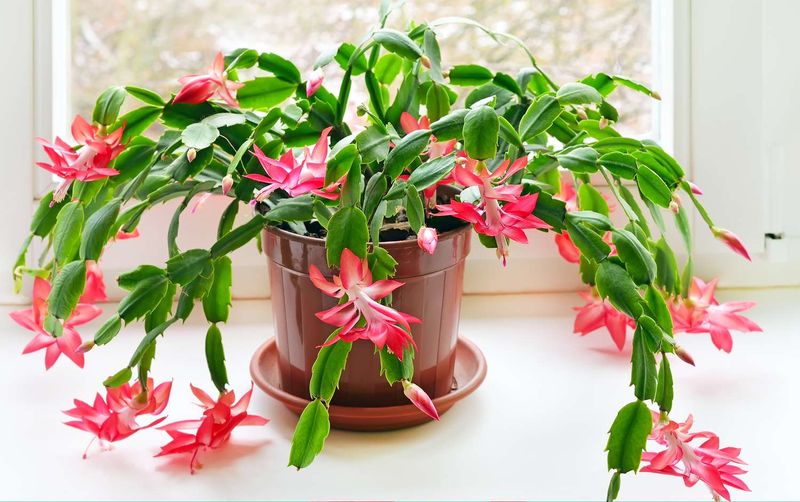
Feeding a plant less sounds backward, yet holding back fertilizer is one of the smartest bloom tricks around. Extra nutrients in fall keep the plant busy making green stems instead of focusing on colorful flower buds.
From spring through summer, a balanced houseplant fertilizer applied at half strength supports healthy new growth. I feed mine about once a month during those warm months, which keeps the segments thick and glossy.
By late summer, many university extension guides suggest stopping fertilizer so the plant can shift its energy.
That pause lines up nicely with the cooler nights and shorter days already arriving in Pennsylvania.
High-nitrogen products are the biggest troublemakers here, since nitrogen mostly fuels leafy growth rather than lovely blossoms. If you feel unsure about amounts, giving a little less food is far safer than giving too much.
Some growers also add Epsom salt for magnesium, though the evidence for this habit is mostly anecdotal. If you try it, use about one teaspoon per gallon and apply it separately from regular fertilizer.
Keep the fertilizer bottle on the shelf while buds form and flowers open on your plant this season.
Resume feeding once blooming ends and fresh green growth begins again in late winter or early spring.
Personally, I find this resting period oddly satisfying, since the plant seems to gather itself for the show. Your restraint now pays off later, when those bright blossoms finally spill over the edge of the pot.
7. Keep Holiday Cactus Buds Steady And Avoid Moving The Pot
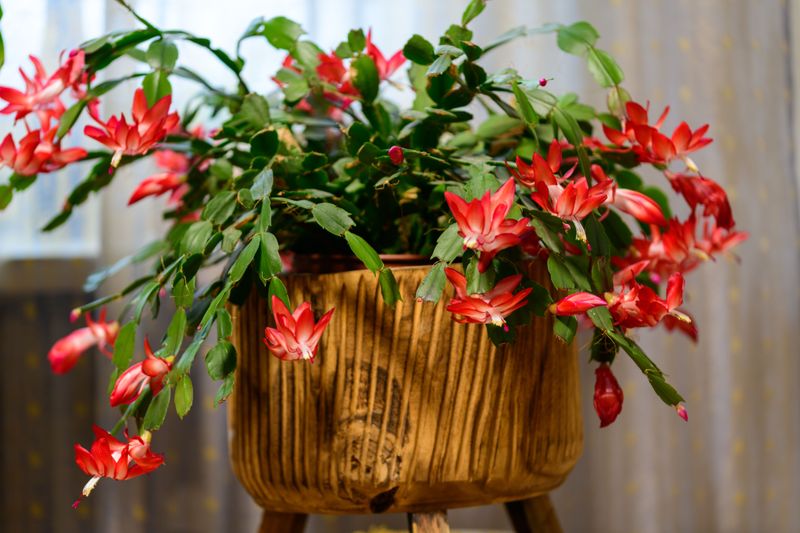
Nothing stings quite like watching fat pink buds tumble onto the windowsill just days before the holiday dinner.
Bud drop is common with these plants, and it usually happens after some sudden change in their surroundings.
Moving the pot to a new room or setting it near a hot heat vent can trigger it. Once buds form, pick a final display spot and leave the plant there through the whole blooming season.
I have to admit that I once rotated my plant daily for even growth and lost half the buds. Since then, I let it face the same direction, and the flowers open beautifully without any fuss.
Dry indoor air from furnaces can also stress developing buds, especially during colder weeks in Pennsylvania. A tray of wet pebbles under the pot raises humidity nicely, as long as the pot sits above the water.
Grouping your cactus with other houseplants adds a little extra moisture to the air around its stems. Misting offers only brief relief, so steady solutions like pebble trays or a small humidifier work better.
Bring the plant to the dinner table only on the day itself, then return it to its usual spot. Short trips like that rarely cause problems, though long stays in a warm, crowded room might shorten bloom life.
After flowering, give the plant a short rest with slightly less water before spring growth begins again.
Then you can repeat these steps next year and enjoy another round of cheerful blossoms right on schedule.