7 Signs A Groundhog Is Living Under Your Pennsylvania Shed
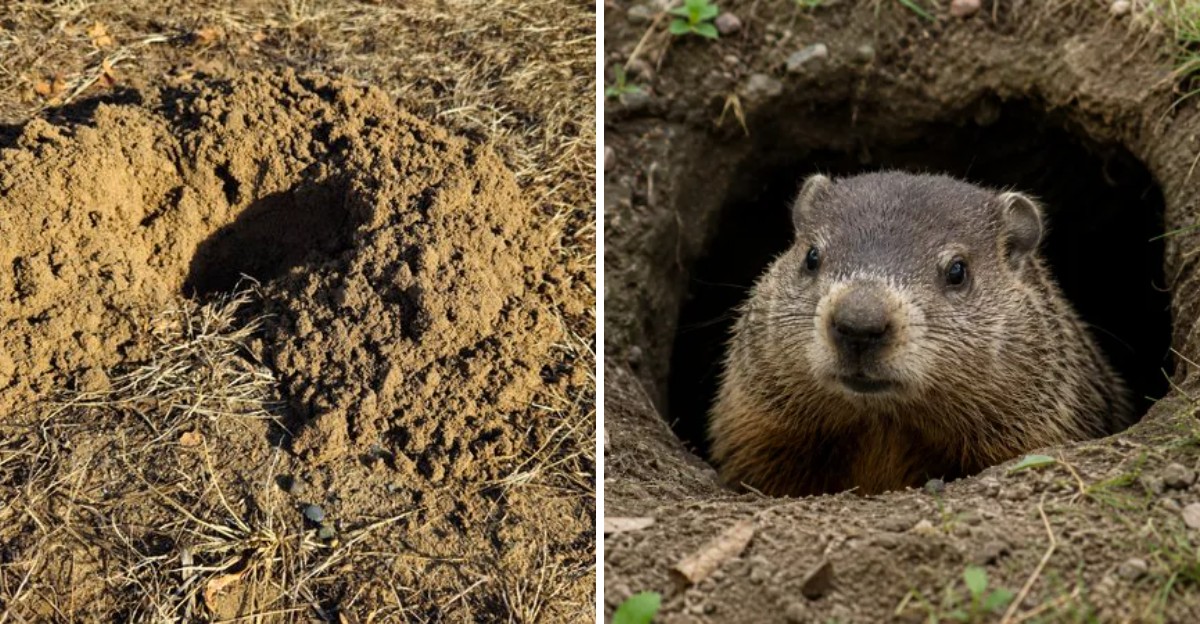
The tunnel hiding under a backyard shed can stretch more than forty feet and include a private bathroom chamber. Yes, a wild digger in your yard may be tidier about bathroom habits than some college roommates I remember.
Across Pennsylvania, these hidden homes often sit beneath sheds and decks where the soil stays dry and protected. The builder is a chunky, whistling vegetarian that can strip a row of young beans in one afternoon.
I used to walk right past the loose dirt by my own shed, blaming it on rain. Then my lettuce vanished overnight, and I finally realized someone was renting the space underneath without asking.
You might be hosting the same guest right now, especially if your yard borders fields or woodland edges. So how do you tell a quiet tenant from plain old soggy soil and bad luck?
1. A Big Round Burrow Hole Beside The Shed Foundation
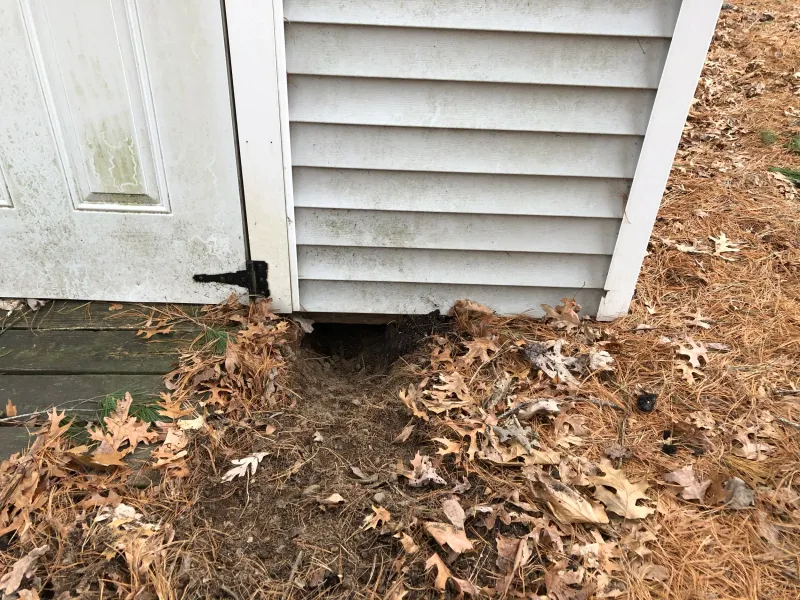
Nothing announces a new neighbor quite like a dark hole the size of a dinner plate beside your shed.
Groundhog entrances usually measure ten to twelve inches across, which is far bigger than any chipmunk or vole hole.
I remember kneeling beside mine and feeling cool, earthy air drifting up from the opening like a tiny cellar. The tunnel often dives down at a steep angle before leveling out somewhere under the floor of your shed.
Most burrow systems have more than one doorway, so finding a single hole rarely tells the whole story. Penn State Extension notes a groundhog often digs two or more entrances for quick escape routes.
Secondary holes, sometimes called plunge holes, are dug from inside and usually lack any dirt pile around them. They can hide under tall grass or stacked firewood, so they are surprisingly easy to miss on a quick walk.
You need to walk the whole perimeter of the shed slowly, checking every corner and the gap beneath the floor. A flashlight helps, and so does gently poking a stick into suspicious spots for hollow space.
Personally, I mark every hole I find with a small garden flag so I can track which ones stay active. Loosely stuff each opening with crumpled newspaper, then check after a day to see which ones were reopened.
Any hole that gets cleared overnight is a strong clue that someone furry is still living underneath your shed. That simple test saves you from guessing and helps you plan the next step with real confidence.
2. A Fan Shaped Mound Of Fresh Dirt By The Shed
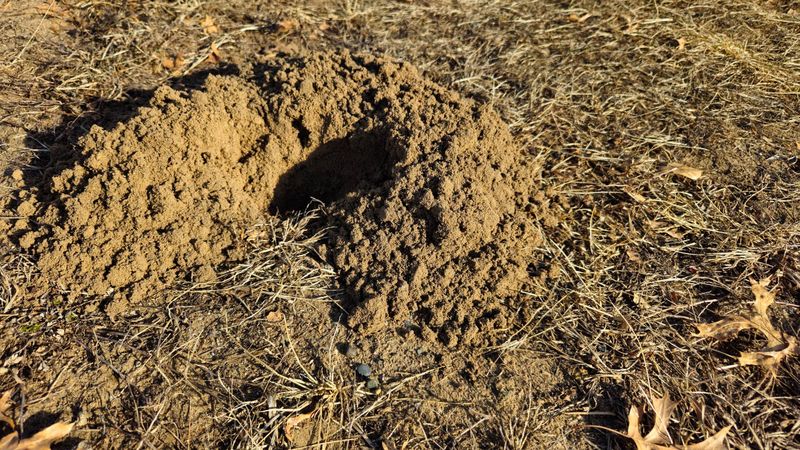
Groundhogs are messy excavators, and they rarely bother hiding the soil they kick out of their tunnels. Near the main entrance, you will usually spot a fan of loose dirt spilling across the grass.
I have to admit, the first time I saw one, I assumed a contractor had dumped leftover fill. The mound often contains small rocks and clay chunks pulled up from several feet below the surface.
Groundhog burrows can reach about five feet deep, with tunnels that sometimes stretch dozens of feet underground. All that digging adds up to a surprising amount of soil, which has to land somewhere near the door.
Fresh dirt looks darker and feels moist, while older piles turn pale and crusty as the weeks go by. Rake the mound flat one evening, then check it the next morning for new soil on top.
A refreshed pile means your tenant is actively remodeling, which groundhogs do throughout their busy warm season.
In Pennsylvania, that activity typically picks up in early spring after they wake from winter hibernation.
Watch for dirt pushed out from under the shed floor itself, since some groundhogs dig directly beneath the boards. Soil spilling from a gap along the skirting is easy to mistake for erosion after a heavy rain.
Personally, I love that this clue needs no fancy tools, just a rake and a bit of patience. Wear gloves when handling burrow soil, because wild animal waste can carry germs you would rather avoid.
3. Chewed Beans And Lettuce Cut Down To Stubs

Few things sting like strolling out with your morning coffee and finding your bean row mowed to little green nubs. Groundhogs are serious vegetarians, and a garden right beside their shed home is basically an all-you-can-eat salad bar.
Penn State Extension reports that one adult can eat around one to one and a half pounds of plants daily. Favorites include beans and peas, along with tender lettuce and clover growing in nearby lawns and fields.
I once lost an entire row of young soybeans in a single weekend, and the culprit lived thirty feet away. Groundhogs usually feed within fifty to one hundred fifty feet of their burrow, so close gardens suffer most.
Look for clean, low bites on stems and leaves, often with plants sheared off near ground level. Rabbits leave similar damage, but groundhog feeding tends to be heavier and starts close to the burrow.
Ripe tomatoes and squash with a single bite missing are another classic calling card of these hungry neighbors. They seem to sample a little from everything, which feels personal when you grew it from seed.
Sturdy fencing helps, and extension experts suggest burying the bottom at least ten to twelve inches deep. Leave the top foot loose and floppy, bent outward, so climbing groundhogs tip backward instead of over.
A fence about three to four feet tall usually works well when paired with that buried apron. You will wonder why you waited so long once your lettuce finally makes it to the dinner table.
4. A Sharp Whistle Coming From Under The Shed
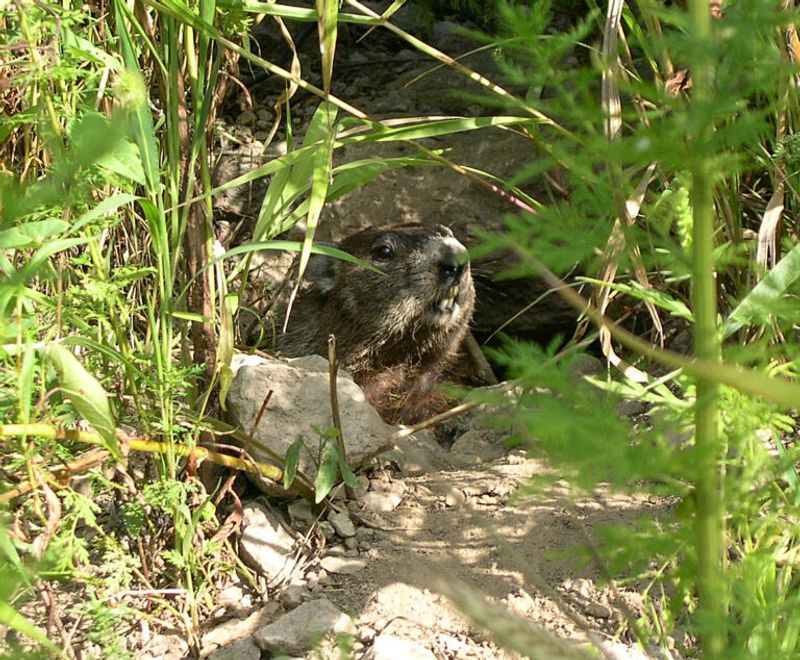
Groundhogs earned the nickname whistlepig honestly, and hearing one for the first time can make you jump. When startled, they let out a shrill, high-pitched whistle that cuts right through a quiet backyard evening.
Believe it or not, I first mistook the sound for a bird hiding somewhere in my lilac bush. Then I noticed it came from low near the shed, right where the loose dirt had been piling up.
The whistle works as an alarm, warning other groundhogs nearby that a dog or person is getting close. Groundhogs also chatter their teeth and make soft squeaks or growls, especially when they feel cornered.
You are most likely to hear these noises in daylight, since groundhogs sleep through the night in their burrows. A quick whistle followed by a rustle and silence often means someone just dove underground for safety.
Try sitting quietly on a lawn chair about thirty feet from the shed for twenty minutes or so. Morning and late afternoon are prime listening times, and a sudden whistle tells you your hunch was right.
Scratching or thumping sounds beneath the floorboards can also point to digging, though other animals make noise too.
Skunks and raccoons sometimes move into old groundhog burrows, so pair sounds with other clues before deciding.
What surprises me most is how loud such a round, roly-poly animal can be when it feels nervous. Keep pets inside while you listen, because a curious dog will send every whistlepig straight back underground.
5. A Chunky Brown Groundhog Sunning On The Dirt Mound
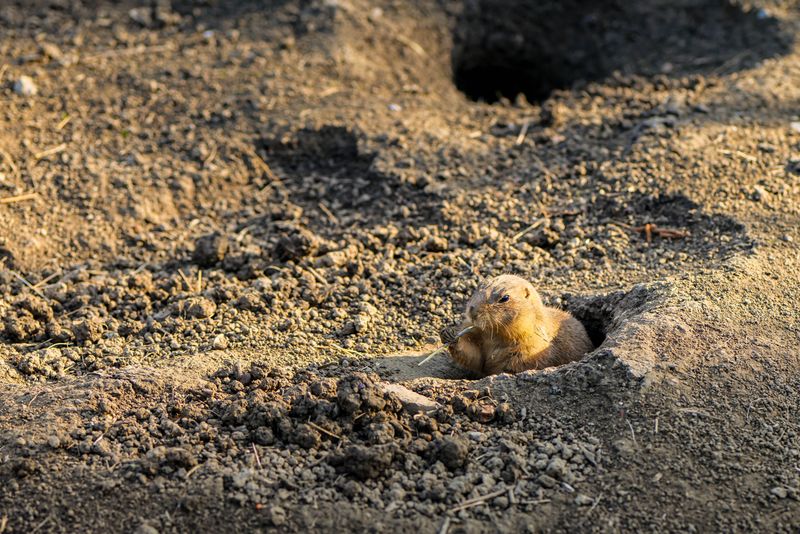
Sometimes the best evidence waddles right out into the open and sits there chewing clover like it owns the place. Groundhogs are active by day, so spotting your tenant is often easier than tracking down nighttime pests.
Adults usually weigh about five to ten pounds, with grizzled brown fur and a short, bushy tail. They belong to the squirrel family, which explains why some climb fences and low tree branches surprisingly well.
I love how they freeze upright on the mound, front paws tucked close, scanning the yard like tiny lifeguards. That alert pose lets them spot danger early and scoot back into the burrow in a split second.
Early morning and late afternoon are the best viewing windows, when groundhogs leave home to feed. Position yourself near a window with a clear view of the shed, and keep your movements slow.
A trail camera is another handy option, especially if you work during the day and miss the action. Point it at the main hole, and you might capture a whole family popping out in early summer.
Pennsylvania groundhogs usually hibernate from late fall into late winter, so sightings drop sharply during the coldest months. Fresh activity in February or March often means males are waking early to seek out mates.
Give any groundhog plenty of space, since a cornered one may bite or scratch to defend itself. Watching quietly from a distance is part of the fun, and it keeps everyone safely on their own turf.
6. A Sinking Or Tilted Shed Floor Above Groundhog Tunnels

My potting bench started wobbling one spring, and I blamed the old floorboards until I found the real problem. A groundhog had hollowed out the soil under one corner, and the whole shed was slowly leaning sideways.
Burrows can run about five feet deep, and the soil removed from them leaves empty pockets underground. Over time, those voids weaken the ground supporting your shed, especially when heavy rains soften the earth.
Watch for doors that suddenly stick or floors that feel soft and bouncy when you step inside. Cracks in a concrete pad or patio nearby can also hint that the soil underneath has shifted.
Groundhogs sometimes gnaw on wooden skirting or support posts too, leaving rough, splintered edges near the burrow. Their teeth grow continuously, so chewing on wood helps keep those front incisors worn down to size.
Take a closer look at any buried lines too, since tunnels can disturb irrigation pipes and low-voltage wiring.
Before digging anything yourself, contact Pennsylvania One Call by dialing 811, which state law requires for most excavation.
Once the groundhog has moved out, fill the tunnels with gravel or soil and tamp it down firmly. Burying an L-shaped skirt of welded wire around the shed base helps stop future digging beneath it.
Extension guides suggest burying that wire about a foot deep and bending it outward another foot. I truly believe that one weekend project saves far more money than repairing a sagging shed later on.
7. Flattened Grass Trails Leading From The Garden To The Shed

Groundhogs are creatures of habit, and their chubby bodies press the same narrow path into your lawn day after day. Before long, a faint trail appears, linking the shed to the clover patch or vegetable bed they love most.
Morning dew makes these trails easier to spot, since the bent grass reflects light differently than untouched blades. I like walking the yard early with a mug in hand and following them like a little treasure map.
Groundhog paths tend to be narrow, connecting the burrow directly to favorite feeding spots with few detours. Follow one back toward the shed, and you may find a hidden entrance you missed before.
Slight dips or soft spots in the lawn can also signal tunnels running just beneath the surface. Mow carefully around these areas, since a collapsed tunnel can twist an ankle or tip a mower wheel.
Trails help you decide where protection matters most, especially if a groundhog keeps raiding one particular bed. Placing a fence across a well-used route often convinces the animal to rethink its daily commute.
If you want the groundhog gone, the Pennsylvania Game Commission can explain current rules on trapping and relocation.
Many homeowners hire licensed wildlife control operators, who know local regulations and handle animals humanely and safely.
Timing matters too, because evicting a mother in late spring can leave hungry babies trapped underground. Waiting until midsummer, when young groundhogs head off on their own, is often the kindest approach.