Still Haven’t Planted Garlic in Michigan? It May Not Be Too Late
A single garlic clove can sit in frozen ground all winter and still split into a fat bulb of ten cloves by July. That cold is not a threat to the plant. It is the signal the clove needs before it can divide.
I know how frustrating it can be when a bag of seed cloves sits forgotten in the garage while the leaves pile up outside. Then the first hard frost arrives, and the guilt kicks in.
Here is something you might not expect, though. Many Michigan gardeners give up weeks before the soil truly closes for the season. Frosty mornings and a crunchy lawn do not mean the ground underneath is locked up yet.
I tend to think late gardeners deserve a second chance. So grab a trowel and check your soil today. How deep can you dig before you hit ice?
1. Frozen Lawns Do Not Mean Your Garlic Bed Is Closed
Frost on the grass fools a lot of us into packing up the garden tools. The top of the lawn freezes fast on a clear night, but the soil a few inches down often holds onto warmth for weeks.
Michigan State University Extension notes that garlic can often go into the ground until the soil freezes solid.
The usual target window runs from late September through October, roughly four to six weeks before a hard freeze. Missing that window is a setback, not a final verdict.
A quick test tells you more than any calendar. Push a trowel or shovel into your bed in the middle of the afternoon. If it slides in and you can turn the soil without breaking ice chunks, you still have a chance.
A soil thermometer helps too. Readings in the 40s at planting depth mean roots can still form, even if slowly. Once the ground stays frozen and your shovel bounces off, it is time to try another plan.
Late-season weather in this region swings wildly. A cold snap in early November is often followed by a mild spell, and those warm days are perfect for sneaking cloves into the bed.
2. Garlic Cloves Actually Need a Long Michigan Winter
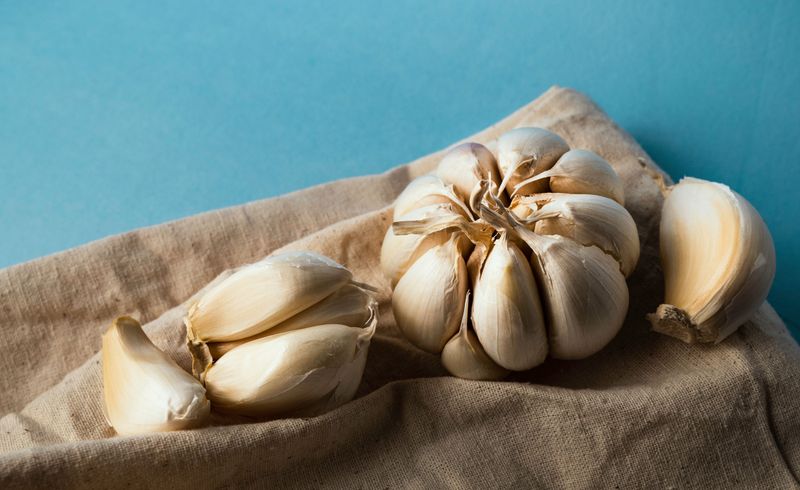
Garlic is a little odd. It wants to be cold for a good while before it decides to grow a big, divided bulb.
Scientists call this chilling period vernalization. Cloves usually need several weeks of temperatures roughly between 32 and 50 degrees Fahrenheit to trigger bulb splitting. A Michigan winter supplies that cold with plenty to spare.
Skipping the chill often leads to disappointment. Garlic planted in spring without enough cold can form small bulbs or single, round cloves called rounds. They still taste fine, but they are not the fat heads most of us want.
Fall planting also lets roots get started before the ground locks up. Those roots soak up moisture and nutrients the moment spring arrives, giving the plant a jump on the season.
A late planting does both jobs, just with less time for root growth. The cloves still get their cold treatment, and they still wake up early in spring.
Fun fact: garlic has been grown for thousands of years, and ancient Egyptian records mention it among the foods given to laborers.
Our hardy northern types descend from varieties adapted to cold Central Asian winters, which explains why they shrug off snow so well.
3. Pile On Straw Mulch to Tuck Late Garlic In
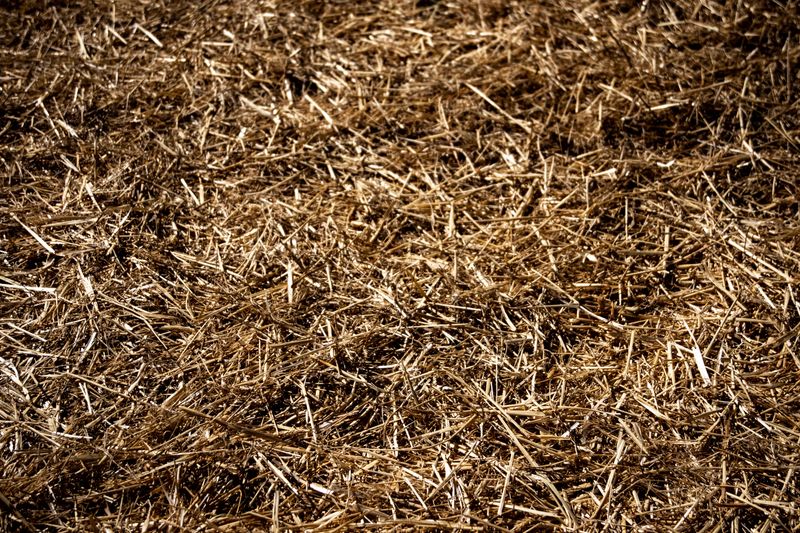
My favorite part of late garlic planting is the mulch. It feels like tucking a kid into bed with an extra quilt.
Mulch matters even more for cloves that went in late. Their roots are shallow and young, so they need help holding steady through freezing and thawing cycles. Without cover, those cycles can push cloves up out of the soil, a problem called frost heaving.
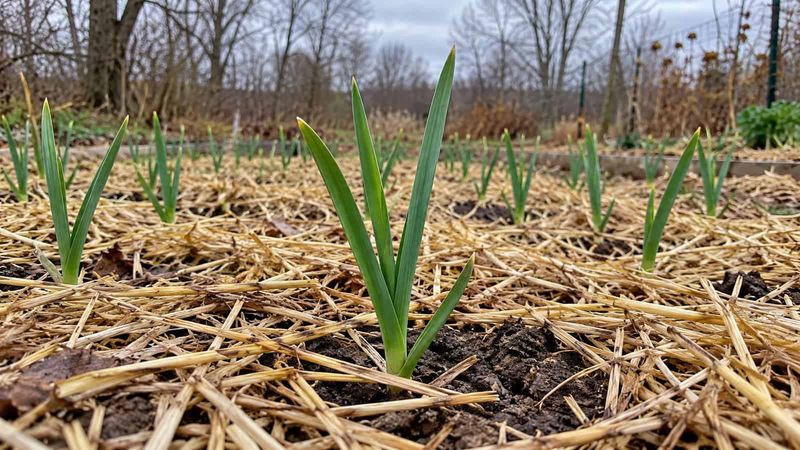
Clean straw is a classic pick. Shredded leaves work well too, and plenty of yards have a free supply this time of year. Aim for about 3 to 4 inches in southern parts of the state.
Gardeners in northern lower Michigan and the Upper Peninsula often go thicker. Six to 8 inches of loose straw gives better insulation where winters run long and harsh.
Spread the mulch after the soil cools and the cloves are planted. Wait for a dry day so you are not trapping a soggy mess.
Choose straw rather than hay when you can. Hay often carries weed seeds that sprout next spring. In April, you can pull some mulch back to help the soil warm, then leave the rest to block weeds and save water.
4. Hardneck Garlic Bulbs Handle Cold Snaps Best
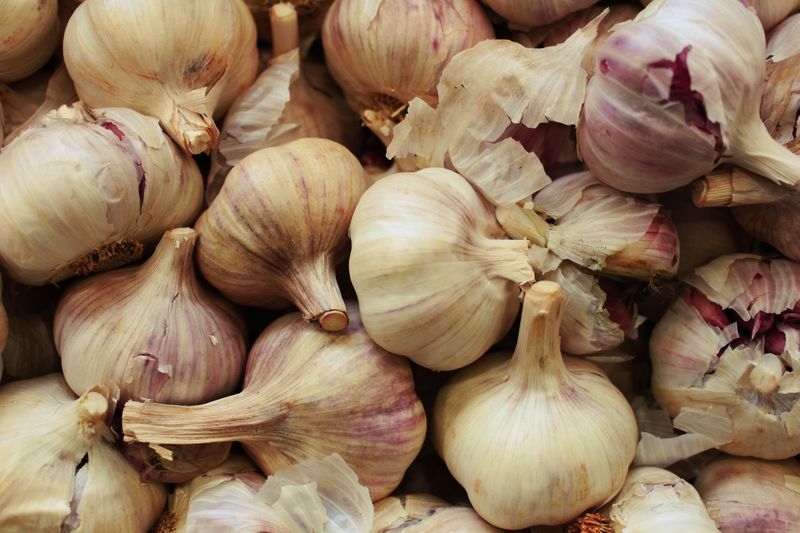
Ask any northern grower about their favorite garlic, and you will probably hear about hardnecks. Varieties such as Music, German Extra Hardy, and Chesnok Red are popular picks for cold climates.
Hardneck types grow a stiff central stalk and usually produce fewer but larger cloves. They are generally more winter hardy than softneck garlic, which shines in milder regions and stores longer.
Where you buy matters a lot. Grocery store garlic is often a softneck grown in warmer places, and some is treated to slow sprouting. Seed garlic from a garden center, farm market, or trusted supplier is a safer bet for healthy plants.
Late in the season, supplies can run thin. Call local nurseries or check with Michigan garlic growers at farm markets, since some keep extra stock into November.
Break the bulb apart right before planting, not days ahead. Keep the papery skin on each clove, and choose the biggest cloves, because large cloves tend to grow large bulbs.
Toss any cloves that look soft, moldy, or shriveled. Planting them only invites trouble. A firm, plump clove is your best ticket to a good summer harvest.
5. Plant Each Clove Pointy End Up and a Bit Deeper
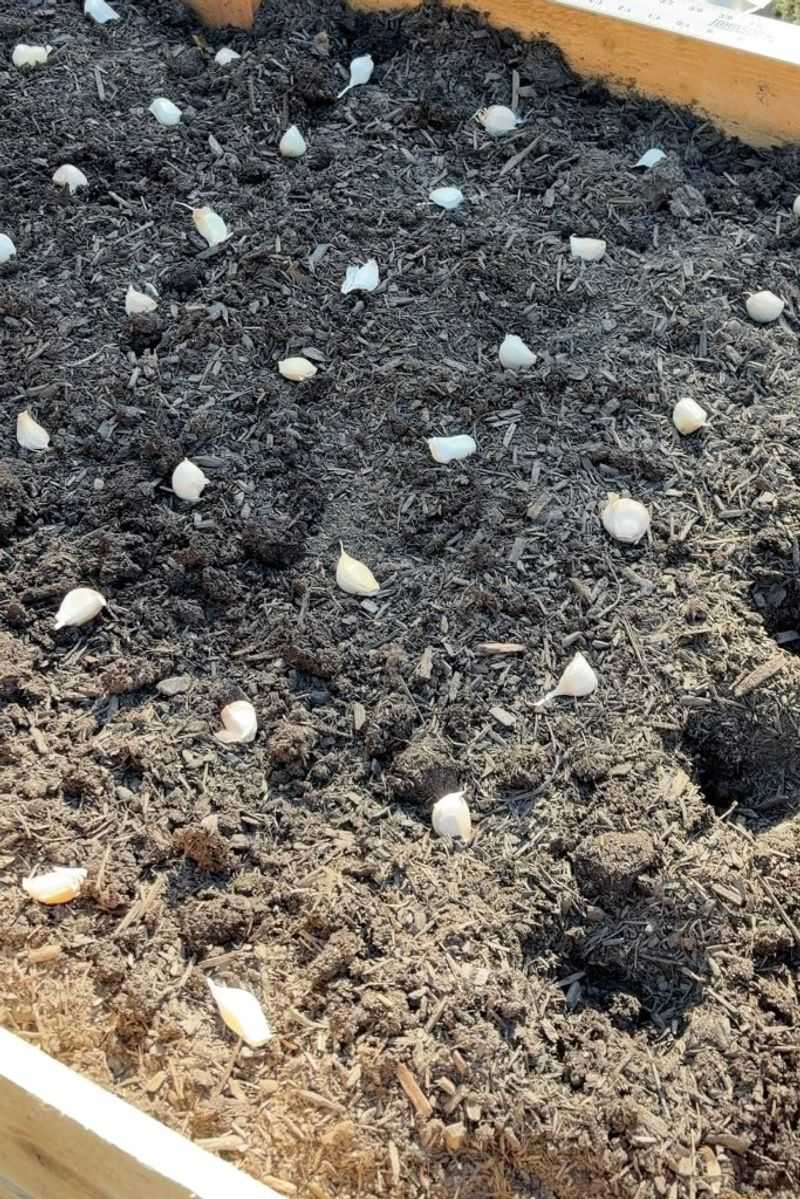
Planting garlic takes about as much skill as planting a tulip. You need a clove, a hole, and the right direction.
Set each clove with the pointed tip facing up and the flat root end facing down. Cover it with about 2 to 3 inches of soil above the tip. In colder spots or for very late plantings, going an inch deeper can add some winter protection.
Spacing helps the bulbs size up. Leave around 4 to 6 inches between cloves and about 12 inches between rows. Crowded garlic tends to make smaller heads.
A dibber or the handle of a hoe speeds things up when the air is chilly and your fingers are numb. Poke holes along a string line, drop in the cloves, and firm the soil gently.
Labels are worth the effort. By summer, you may forget which row held which variety, and tracking results helps you plan better next year.
Water the bed once after planting if the soil is dry. That settles soil around each clove and gets roots moving. Then add your mulch, and the job is done for the year.
6. Soggy Clay Soil Can Rot Your Garlic Bulbs
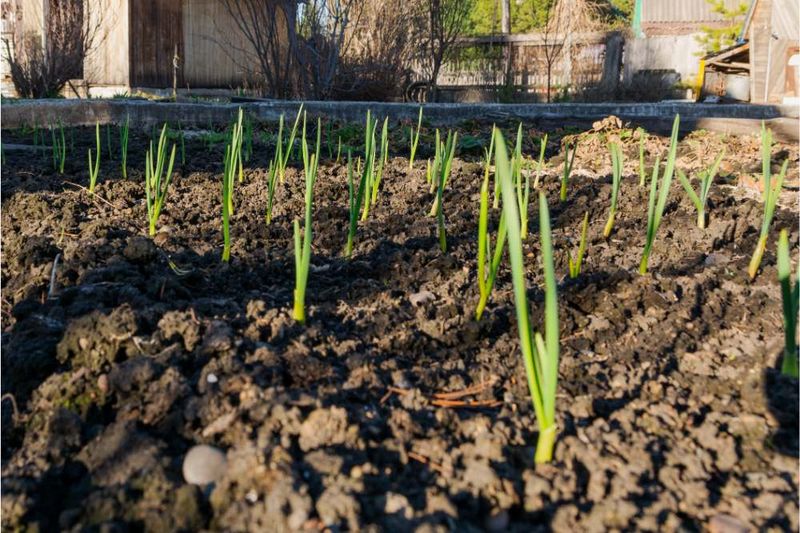
Garlic hates wet feet. In heavy clay that holds water all winter, cloves can rot before they ever send up a green shoot.
Full sun and well-drained soil give garlic its best shot. Loose, crumbly ground rich in organic matter is ideal. Much of Michigan has clay pockets, so a quick check is worth the time even when you are rushing.
Dig a small hole and fill it with water. If it still sits there hours later, drainage is poor. Mixing in a few inches of compost loosens the soil and feeds the plants at the same time.
Raised beds are a smart shortcut. They drain faster, warm sooner in spring, and are often easier to dig in late fall when garden rows feel stiff and cold.
Skip working soil that is sticky and wet. Squeezing a handful into a ball that does not crumble means it is too wet, and digging it can create hard clods.
Garlic is a fairly heavy feeder. Compost now plus a nitrogen boost in early spring supports strong leaves, and more leaves mean bigger bulbs, since each leaf corresponds to a wrapper around the bulb.
7. Smaller Garlic Heads Are a Fair Trade for Late Planting
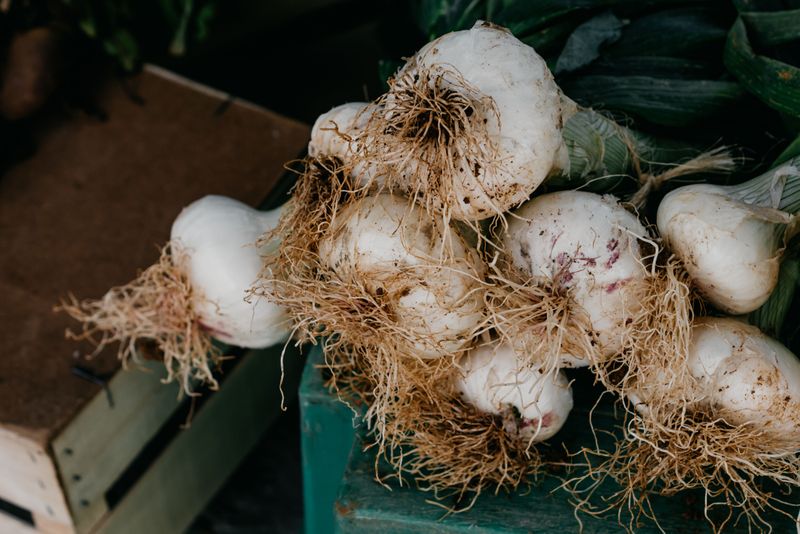
Let me be honest about what to expect. Garlic planted in late November or early December may produce somewhat smaller bulbs than cloves planted in October.
Less fall time means fewer roots before winter. Those plants start spring a little behind, and that can show up in bulb size. Still, a modest harvest of homegrown garlic beats an empty bed.
Some gardeners worry when green shoots pop up after a warm fall spell. A few inches of top growth is usually fine. Leaf tips may brown in the cold, but the plants typically push out fresh leaves in spring.
Roots are the real goal before winter, not leaves. Mulch helps protect any early sprouts and keeps soil temperatures steadier.
Keep an eye out for cloves heaved out of the ground after freeze and thaw cycles. Gently press them back in when the soil softens.
If the ground freezes before you plant, you have options. Some gardeners pot cloves and keep them in an unheated garage, then plant in early spring. Results vary, and the bulbs may be small, but it is a fun experiment that sometimes pays off.
8. Snap Off Garlic Scapes Next Spring for Bigger Bulbs
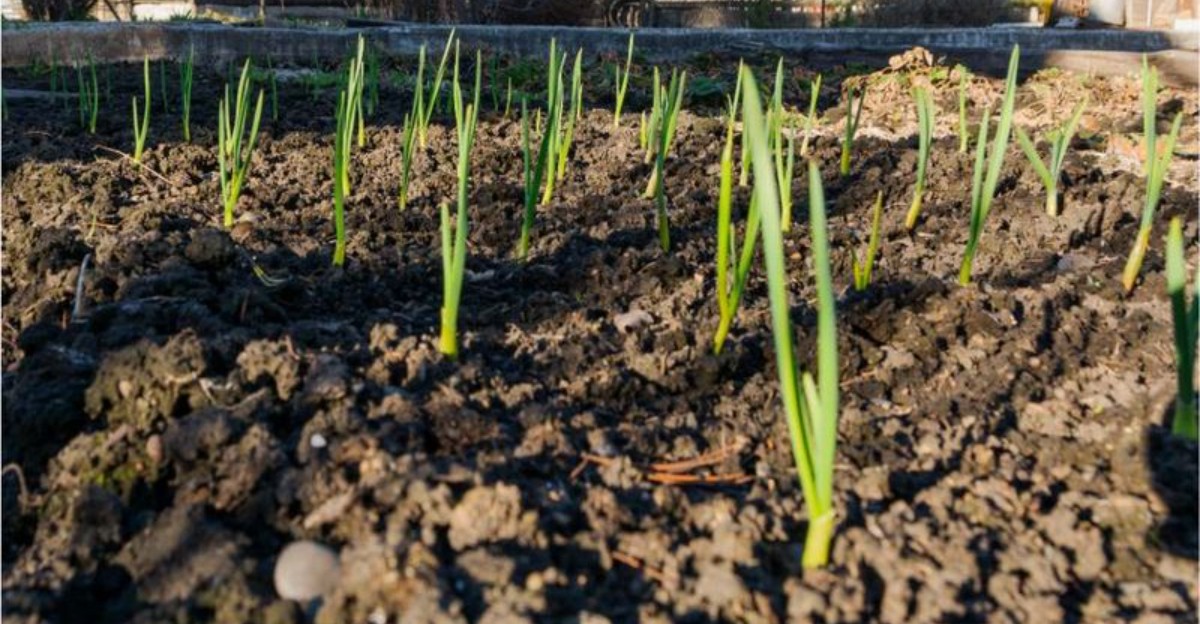
The fun really starts once the snow melts. Your patience in the cold pays off with bright green spears poking through the mulch.
Weeds are garlic’s biggest bully. The skinny leaves cast little shade, so weeds easily crowd them out. Pull them early and often, and keep mulch in place to slow them down.
Water matters once the weather warms. Garlic does well with about an inch per week during spring growth, especially as bulbs swell in late spring. Ease off watering a couple of weeks before harvest so bulbs cure better.
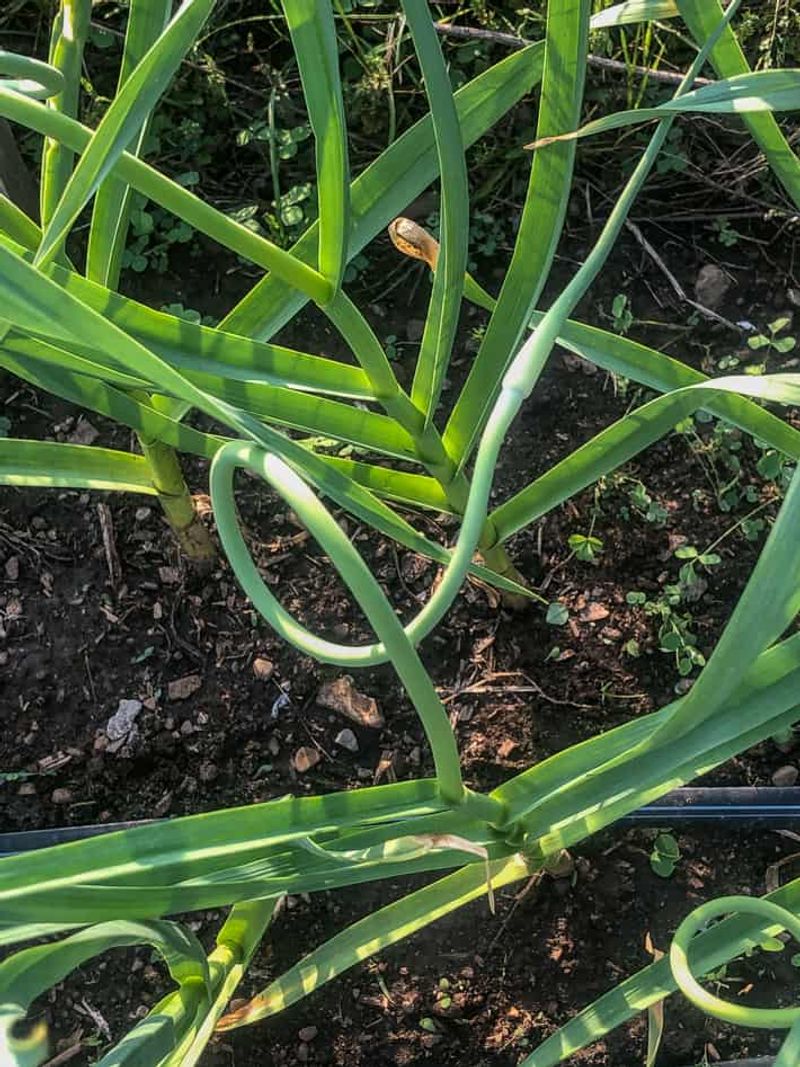
In June, hardneck plants send up curly stalks called scapes. Snap them off once they loop. That sends more energy into the bulb, and the scapes themselves are tasty in stir-fries and pesto.
Harvest usually comes in July across much of the state. Dig when the lower leaves turn brown but several upper leaves stay green.
Cure bulbs in a shady, airy spot for a few weeks. Then save your biggest heads for next fall’s planting. Mark a September date on your calendar too, so next year you are right on time.