That Fast Many-Legged Bug in Your Virginia Basement Is Venomous but Helpful
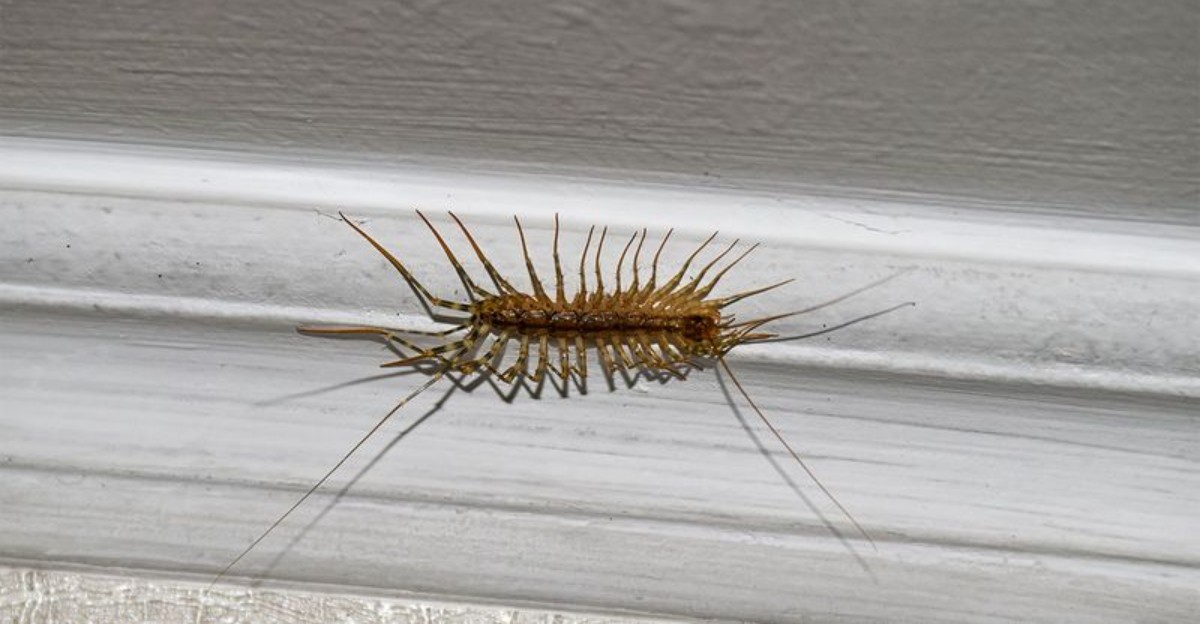
It has fifteen pairs of legs, and the back pair can stretch longer than its whole body. When it runs across a Virginia basement floor, it moves so fast your eyes barely keep up.
Truth be told, I used to grab the nearest shoe. I would jump, yelp, and then feel silly for being scared of something the size of a paperclip. My basement taught me a different lesson.
That speedy visitor carries venom. It also hunts the cockroaches, silverfish, and spiders you would rather not meet in the dark. In my own house, fewer of them showed up only after I fixed a damp corner.
So is it a creepy intruder or a free night watchman with too many legs? The answer surprised me more than its sprint across the laundry room did. You might change your mind about that shoe too.
That Blur of Striped Legs Has a Name and a Job
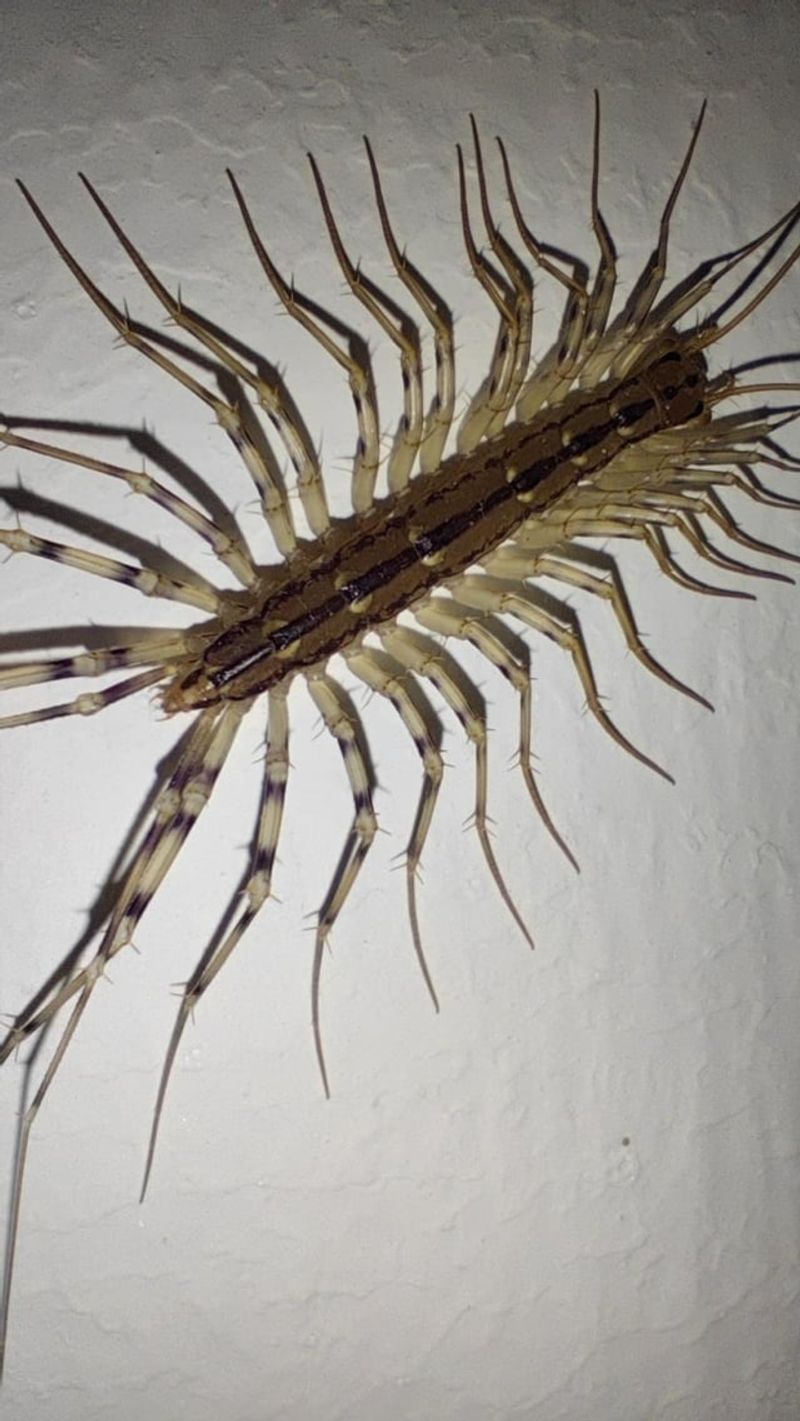
Most folks only catch a flash of it near the water heater. That flash is the house centipede, known to scientists as Scutigera coleoptrata.
It is the long-legged speedster in many Virginia homes.
Its body measures about an inch to an inch and a half. Those long, banded legs make it look much bigger, often three or four inches from tip to tip.
The body is yellowish gray with three dark stripes running down its back.
Adults carry 15 pairs of legs. Young ones hatch with only four pairs and gain more each time they molt.
That means the small ones you spot near a drain may still be growing into their full set.
Here is a fun bit of trivia for your next cookout. House centipedes likely came from the Mediterranean region and spread across North America over many decades.
Now they are a normal part of basement life up and down the East Coast.
They also have surprisingly good eyes for a centipede. Their compound-like eyes help them spot motion in dim rooms.
That eyesight, plus those legs, makes them sharp hunters.
So the next time something zips past your boots, pause for a second. You are looking at one of the most common and least harmful bugs living alongside you.
Knowing its name is the first step to calming down.
House Centipede Venom Is Built for Bugs, Not for You
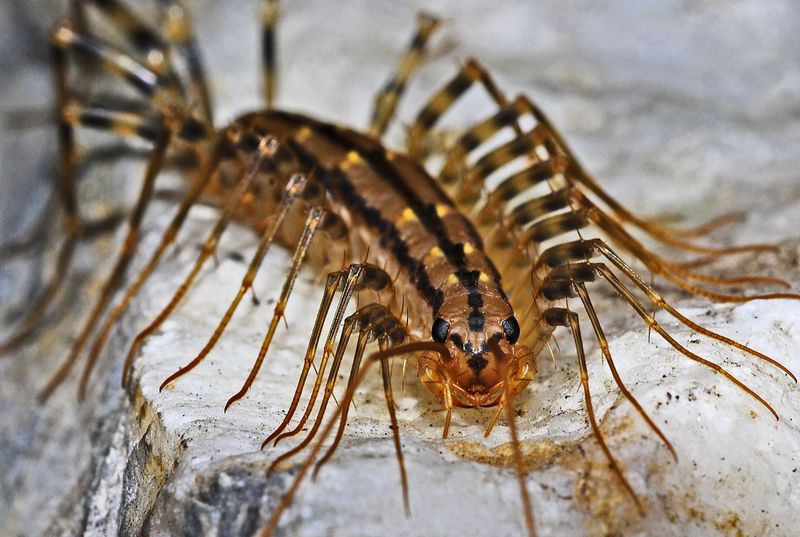
Yes, the venom is real. House centipedes inject it through a pair of modified front legs called forcipules.
Those claws grab prey and deliver a quick dose that stops a small insect in its tracks.
That system works beautifully on a silverfish. On a human, it barely registers.
The claws are small and weak, so they often struggle to pierce skin at all.
Bites are rare. They usually happen only when someone presses or grabs a centipede, like rolling over one in bed or picking it up barehanded.
A cornered bug will defend itself, and honestly, I would too.
When a bite does occur, most people compare it to a mild bee sting. Expect some redness, a bit of swelling, and soreness that fades within hours or a day or two.
Wash the spot with soap and water, then add a cold pack.
A few people react more strongly, much like with insect stings. Watch for spreading swelling, hives, or trouble breathing, and call a doctor if any of that shows up.
Pets usually ignore them or swat them without trouble.
If you ask me, the word venomous sounds scarier than the reality. Respect the bug, skip the bare hands, and you will rarely have any reason to worry.
Cockroaches and Silverfish Are on the Centipede Menu
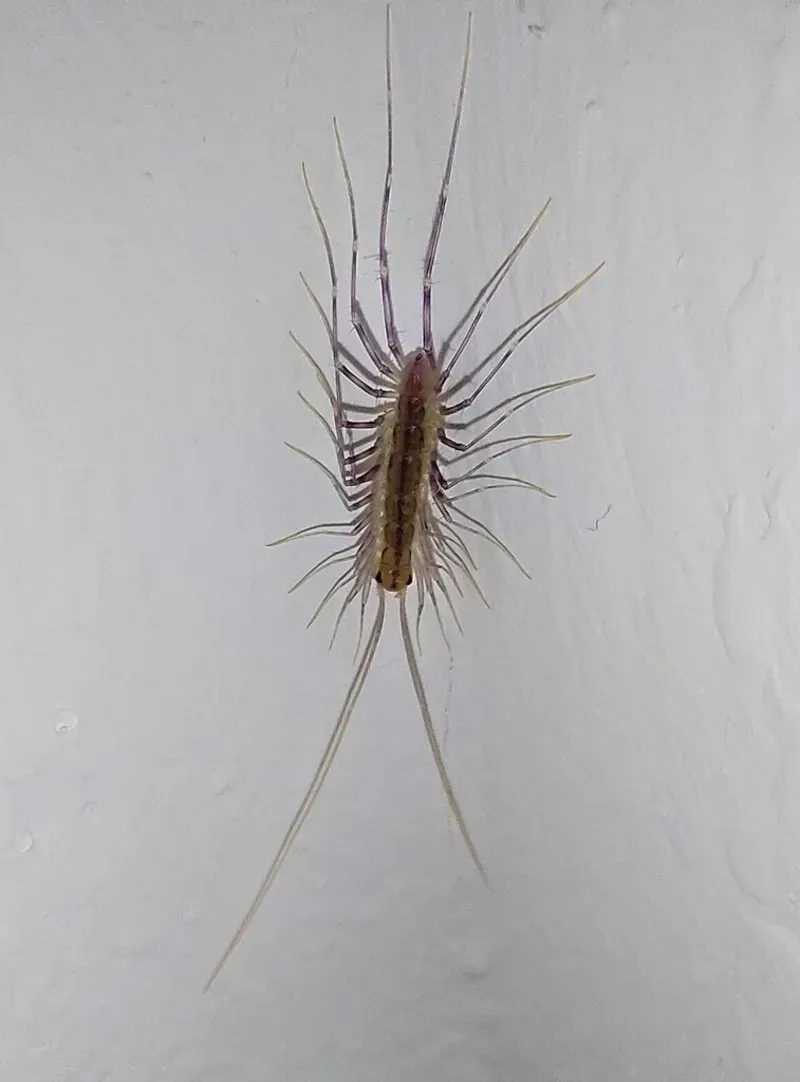
Let me save you some guesswork about the helpful part. House centipedes eat other bugs, and only other bugs.
They skip your pantry, your houseplants, and your furniture.
Their menu reads like a list of household headaches. Cockroaches, silverfish, firebrats, carpet beetle larvae, spiders, ants, termites, and even bed bugs can end up as dinner.
Outdoors, they also take crickets and other small critters.
The hunting style is pretty clever. A centipede may lasso its prey with several legs at once, almost like a tiny net, and then bite.
Some will hold one meal while grabbing a second.
Most of this happens at night when you are asleep. That is why many people never realize how much work is going on under the stairs.
You only notice the hunter, not the pests it quietly removed.
Funny thing is, a centipede sighting can act like a little clue. If you see several, they likely found steady food.
It may be worth checking for silverfish in old boxes or roaches near drains.
I started using sticky traps in a few corners just to see what else lived down there. The results explained a lot about my many-legged visitors.
Try it in your own basement and see what the traps reveal.
Damp Basements Feel Like Home to These Speedy Hunters

Moisture is the magic word here. House centipedes love cool, humid, dark spaces where they can hide during the day.
Unfinished basements, crawl spaces, and bathrooms fit that description perfectly.
Virginia offers plenty of humidity, especially in the warm months. From Tidewater homes near the coast to older farmhouses in the Shenandoah Valley, many basements stay damp much of the year.
That moisture also attracts the insects centipedes like to eat.
Unlike many bugs, these hunters can live their whole lives indoors. They breed inside, lay eggs in damp spots, and can live for several years.
A single home might host a few generations without you knowing.
You may notice more of them in fall. As nights cool and outdoor conditions shift, some centipedes wander inside looking for shelter.
Rainy stretches can push them indoors too.
Common hiding spots include cardboard boxes, laundry piles, floor drains, and gaps under baseboards. They also slip behind stored firewood and old paint cans.
Anywhere dark and a little musty is fair game.
I am still learning which corners of my own basement stay damp longest. A cheap humidity gauge helped a lot.
If yours reads above 50 percent, you have likely found the welcome mat these bugs keep following.
Bathtub Surprises Happen Because Centipedes Cannot Climb Back Out
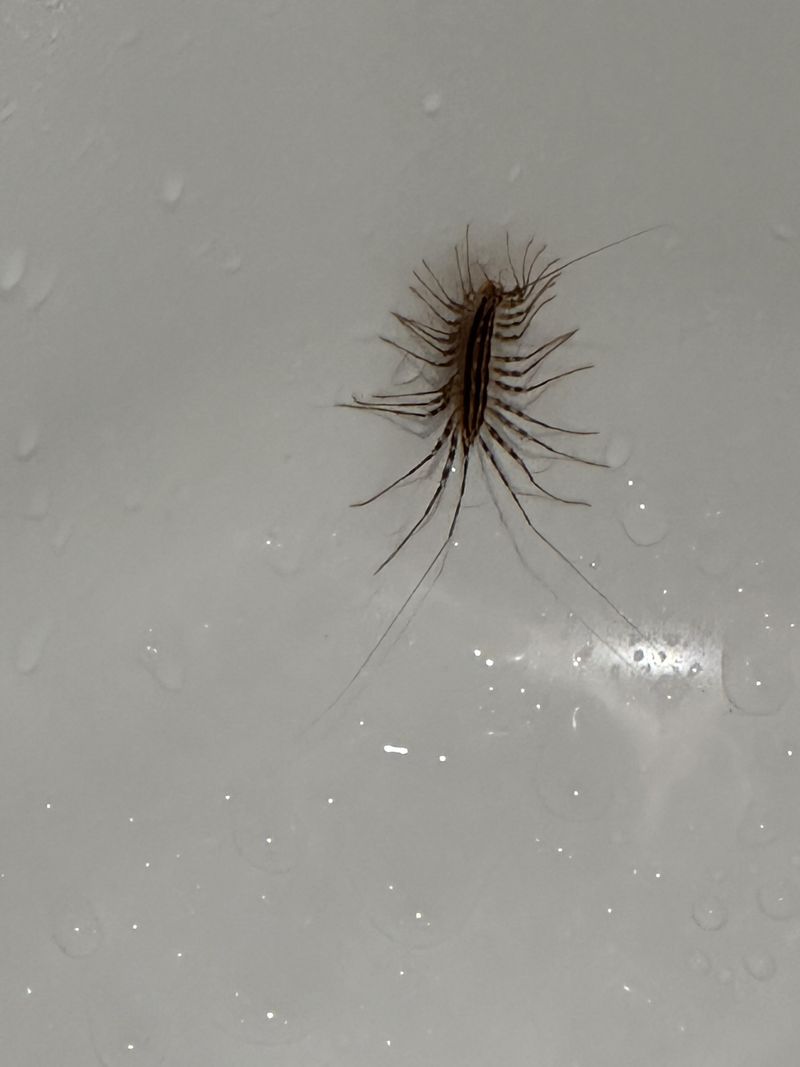
Ever found one stuck in the tub and assumed it crawled up the drain? I believed that for years.
The real story is simpler and a little funny.
Centipedes wander into bathrooms because they like the humidity. Then they slip over the edge of a smooth tub or sink.
Those long legs grip walls and ceilings well, but slick porcelain gives them trouble.
So that panicked centipede is not plotting anything. It is just stuck, much like a spider trapped in the same spot.
Most of the time, it came from the floor, not the pipes.
You can help it out with a cup and a stiff piece of paper. Slide the paper under the cup, then carry it outside or to a basement corner.
Gloves or a paper towel make it even easier.
Night owls notice them more often too. Centipedes do most of their roaming after dark, so a midnight bathroom trip is prime time for a sighting.
Flip on the light, and they often freeze for a moment before racing off.
Fewer tub visitors usually follows better bathroom airflow. Run the exhaust fan during showers and for a while after.
Wiping up standing water also takes away a favorite hangout.
Those Legs Can Snap Off on Purpose When Predators Grab Them
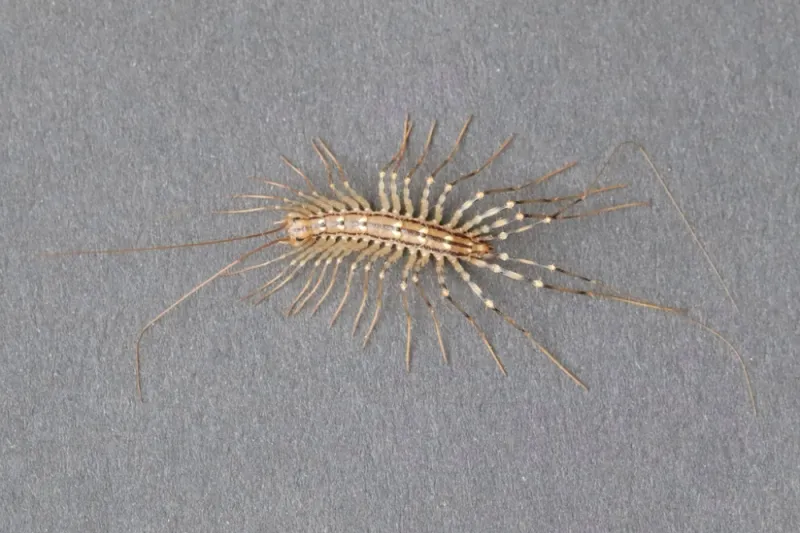
Here is a trick that caught my attention. A house centipede can drop a leg when something grabs it.
The loose leg may even twitch for a bit, which distracts the attacker while the centipede escapes.
That leg grows back over time as the centipede molts. Spotting one with a few short legs usually means it survived a close call.
Pretty tough for something so delicate looking.
Speed is their other big defense. House centipedes can cover over a foot per second, which is wildly fast for their size.
That is why they seem to vanish the moment you look.
Their long back legs serve another purpose too. They point backward and look a bit like antennae.
Scientists think that may confuse predators about which end is the front.
Now for the practical side. Because they drop legs so easily, swatting often leaves a messy, half-finished job.
Catching and moving them is usually simpler and cleaner.
I keep a clear plastic cup on a basement shelf just for this. It takes ten seconds and spares me the cleanup.
If you would rather keep them around, just let them run. They will find a hiding spot far faster than you could ever chase them.
A Dehumidifier and Caulk Gun Send Basement Centipedes Packing
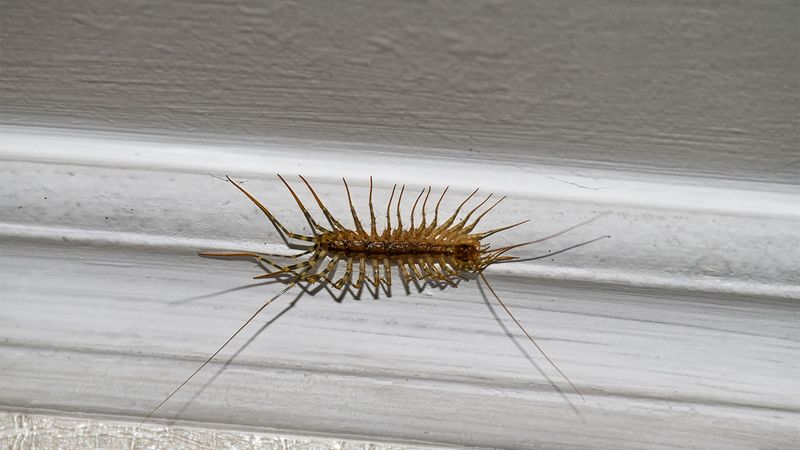
Maybe you appreciate their work but still do not want roommates with thirty legs. I get it.
Luckily, the best fixes are simple and do not require spraying chemicals everywhere.
Start with moisture. Run a dehumidifier in the basement and aim to keep humidity below 50 percent.
Fix leaky pipes, clean gutters, and make sure downspouts carry water away from the foundation.
Next, cut off their hiding spots. Swap cardboard boxes for sealed plastic bins and lift stored items off the floor.
Clear away clutter near walls where bugs like to tuck in.
Then look at entry points. Seal cracks in the foundation, gaps around pipes, and spaces under doors with caulk or weatherstripping.
Repair torn window screens too.
Outside, pull mulch, leaf piles, and firewood back several inches from the house. Those moist spots shelter centipedes and their prey right next to your walls.
Keeping that zone dry helps a lot.
Don’t make my mistake of reaching for bug spray first. Sprays rarely solve the root cause, and the bugs often return.
Sticky traps can help you catch a few and also show which pests are drawing them in. Handle the food supply and dampness, and the centipedes mostly move along on their own.
Outdoor Centipedes in Your Garden Deserve a Second Look
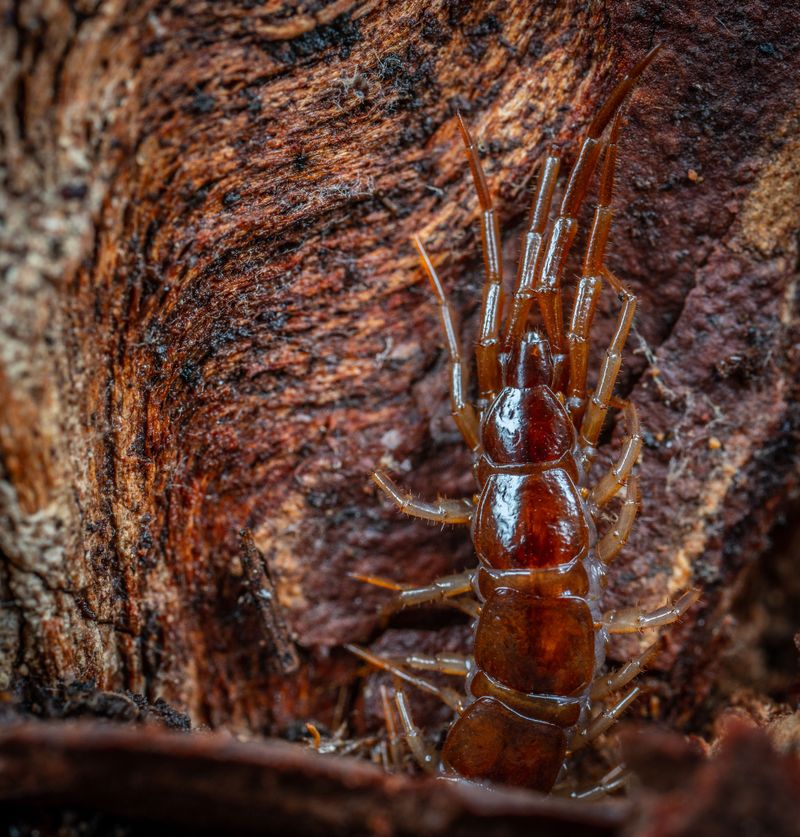
Lift a stepping stone in the garden and you might spot a different kind of centipede. These are often stone centipedes or soil centipedes.
They are shorter legged, brownish, and much slower than the basement sprinter.
Garden centipedes are also predators. They hunt grubs, insect larvae, slugs, and other small soil dwellers.
In my own beds, I treat them as part of the cleanup crew.
Do not mix them up with millipedes. Millipedes are rounder, slower, and have two pairs of legs per body segment.
They mostly eat decaying plant material rather than other bugs.
Virginia does have a larger outdoor species, the bark centipede. Bites from it can sting more, but no centipede in the state poses a serious threat to healthy people.
Wear gloves when moving logs, rocks, or old boards, and you will usually be fine.
So what is the big takeaway? Centipedes inside or out are signs of a busy, living ecosystem.
The basement ones point to moisture and other pests worth fixing.
My garden taught me to look before I squish. Learn the difference between a hunter and a plant eater, manage the damp spots, and let these quick little helpers do their thing.
Your home and garden both benefit when you work with nature instead of against it.