Stinging Insects Are Still Active Around Maryland Homes This Late in Fall
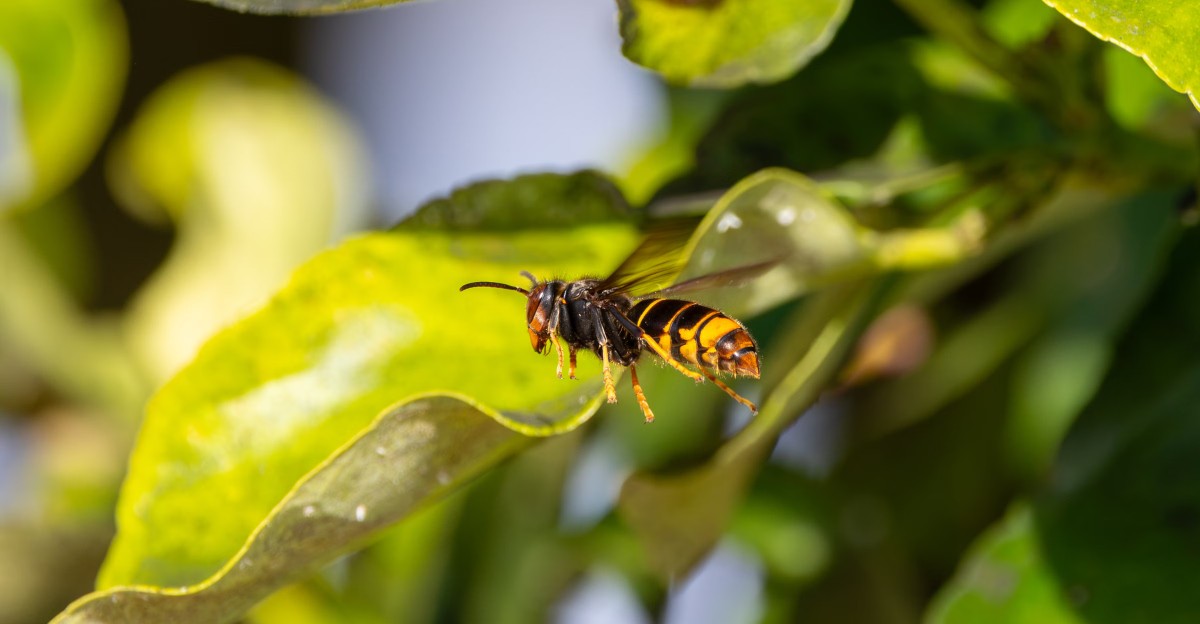
A single yellow jacket nest can hold thousands of workers by early fall, and every one of them is hungry for sugar. I learned that the hard way while raking apples under my tree last October.
Not going to lie, I used to pack away my caution along with the patio cushions. Cooler nights felt like a promise that the buzzing season was over. Then a sip from a forgotten soda can on my porch changed my mind fast.
Here in Maryland, mild afternoons often stretch well into October and even November. Those sunny breaks keep colonies moving, foraging, and guarding their homes longer than most of us expect.
So why do these visitors seem bolder now than they did in July? The answer has a lot to do with what is happening inside their nests, and it might change how you clean up your yard this weekend.
Those Late Season Yellow Jackets Have A Brand New Craving
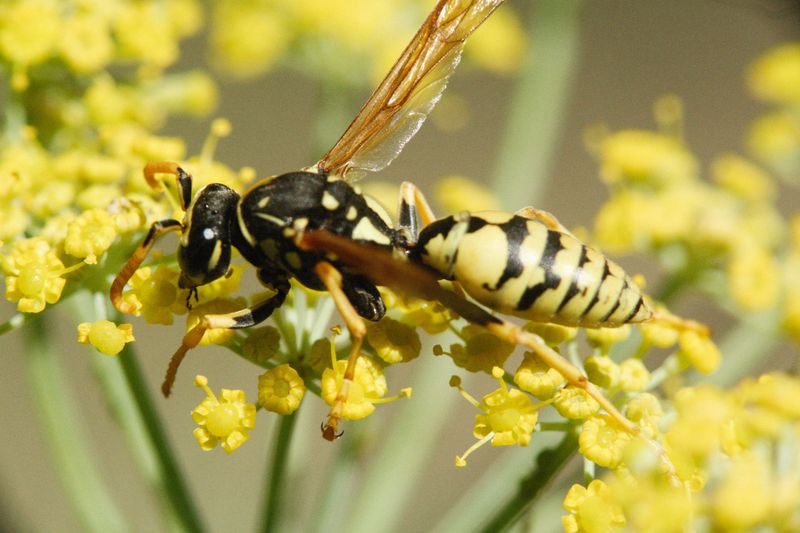
Something big shifts inside a yellow jacket colony as summer fades. All season long, workers hunt caterpillars, flies, and other protein to feed the growing larvae back at the nest.
In return, those larvae give the adults a sweet liquid that keeps them fueled. It is a neat trade, and it keeps the workers fairly busy and focused.
By late summer and fall, the queen slows down and stops laying worker eggs. With fewer larvae to feed, that sugary reward dries up, and the adults go looking for sweets on their own.
That is why late fall wasps seem to show up the moment you open a juice box or slice a pie outside. Colonies are also near their largest size now, so there are simply more mouths searching for food.
Hunger plus crowding can make them more defensive near food and nests. They are not out for revenge, but they are less patient than they were in spring.
Knowing this helps you plan. Keep sweet drinks covered, check cups before sipping, and move snacks indoors when you notice a few scouts circling. A little awareness during these weeks can spare you a painful surprise on a warm autumn afternoon.
Fallen Apples And Open Trash Cans Are Wasp Magnets
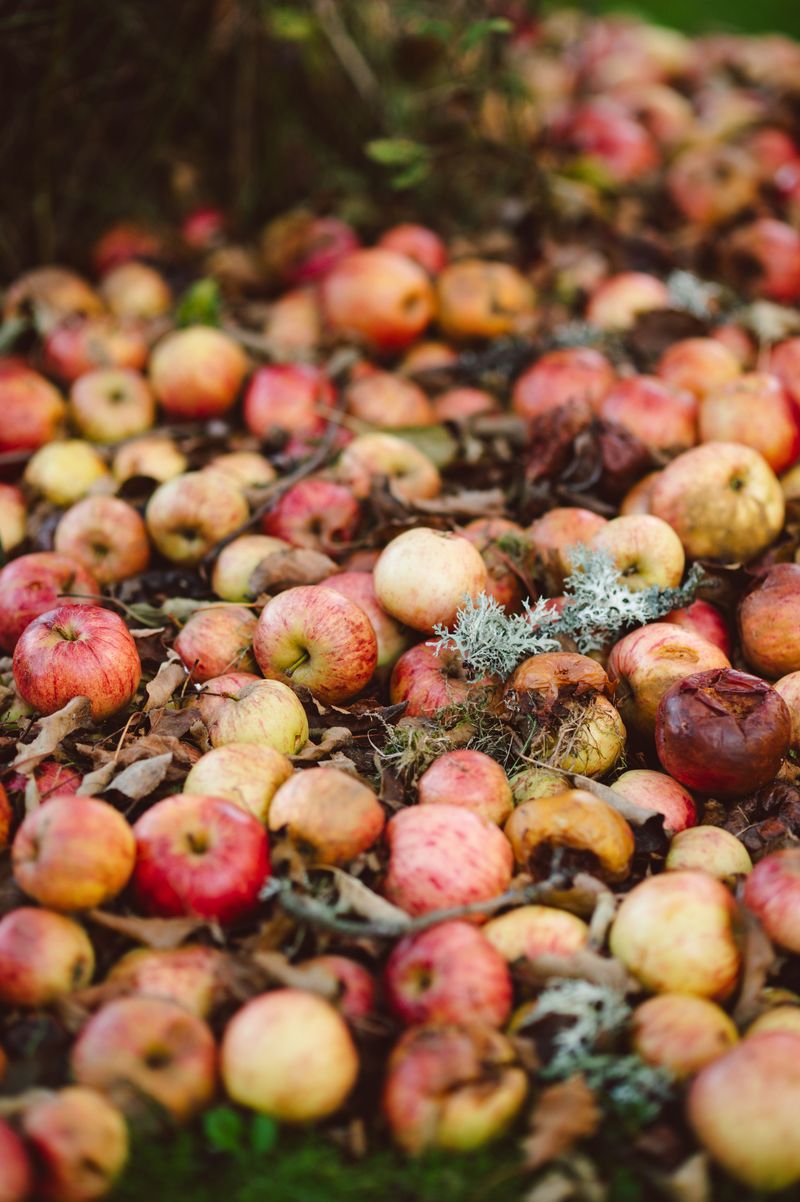
Walk under any fruit tree in October and you might hear the hum before you see the culprits. Overripe apples, pears, and persimmons are a feast for sugar-hungry wasps.
Fermenting fruit smells especially strong, and yellow jackets will tunnel right into soft spots. Stepping on one barefoot or grabbing it with bare hands is a classic way to get stung.
Trash cans come in a close second. Soda cans, juice boxes, and food scraps draw crowds, especially when lids are loose or bags sit outside.
Compost bins can attract visitors too, particularly when fruit peels sit on top. Pet food bowls left on the porch offer an easy snack as well.
Fixing this is simple but takes routine. Pick up dropped fruit every day or two, wearing gloves and using a rake or scoop.
Use tight-fitting lids on trash and recycling bins, and rinse sticky containers before tossing them. Bury fresh fruit scraps under browns like dry leaves in your compost pile.
Feed pets indoors or remove bowls after meals. Fewer snacks around your yard usually means fewer wasps hanging out near your doors.
Warm Afternoons Keep Wasps Buzzing Until The Hard Frost
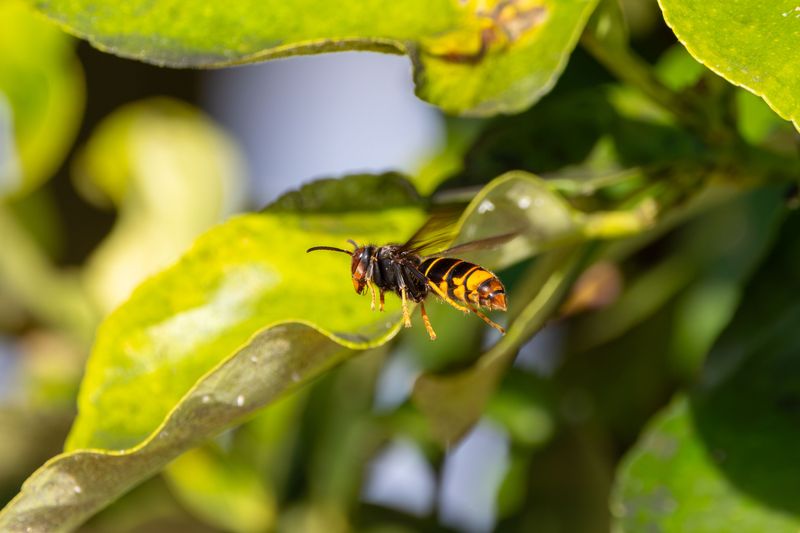
Temperature matters more than the calendar for these insects. Wasps and hornets slow down on chilly mornings, then perk up again once the sun warms things into the 50s and 60s.
Many Maryland autumns bring plenty of those mild days, especially on the Eastern Shore and in central counties. Western mountain areas like Garrett County often cool off sooner, so activity there tends to fade earlier.
Frost timing varies across the state too. Higher ground may see its first freeze in early October, while spots near the Chesapeake Bay and in urban areas can stay frost-free into November.
Until a hard freeze arrives, workers keep foraging whenever the weather allows. You may notice them most around midday on sunny walls, decks, and south-facing porches.
I keep an eye on the forecast and plan outdoor chores with that in mind. Early morning yard work, when insects are sluggish, often means fewer close encounters.
Even after a light frost, a few stragglers may appear on a warm day. A truly hard freeze usually ends worker activity for good, but until then, it pays to stay alert outdoors.
Know Which Stinger Built That Nest Near Your Porch
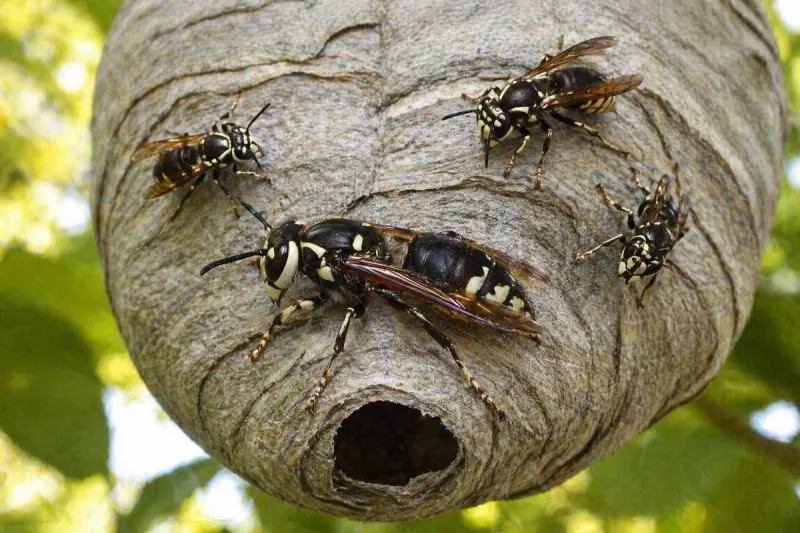
Not every buzzing insect is the same, and telling them apart helps you react wisely. Maryland homeowners commonly meet four main stingers in the fall.
Eastern yellow jackets are black and yellow and often nest underground in old rodent holes. Some species also build inside wall voids, so a steady stream of insects entering a gap is a big clue.
Paper wasps are slender with dangling legs. Their open, umbrella-shaped nests hang under eaves, porch ceilings, railings, and grill covers.
Bald-faced hornets are black and white and technically a type of yellow jacket. They build gray, football-shaped paper nests in trees, shrubs, and sometimes on buildings.
European hornets are the biggest of the group, with brown and yellow markings. They nest in hollow trees or wall cavities and are unusual because they fly at night and bump into lit windows.
Fun fact: these insects make paper by chewing wood fibers and mixing them with saliva. You can sometimes hear them scraping on a weathered fence.
Honey bees and bumble bees also forage in fall. They are generally calmer and important pollinators, so give them space rather than treating them as pests.
Mowers And Leaf Blowers Can Stir Up Hidden Ground Nests
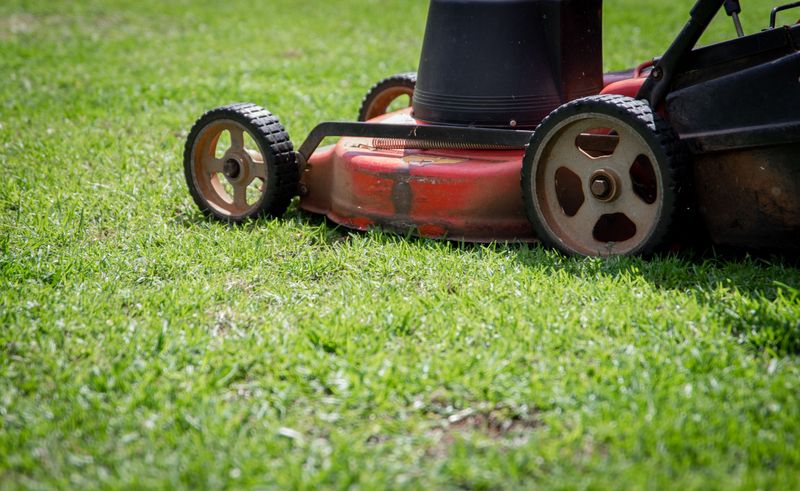
Fall cleanup season puts gardeners right on top of hidden yellow jacket homes. A nest the size of a basketball can sit just under the turf with only a small hole showing.
Mower vibrations and leaf blowers can trigger a defensive response quickly. Workers pour out and may chase you a fair distance, so prevention beats running.
Before mowing or raking, take a slow walk around your yard on a sunny afternoon. Watch for insects flying straight in and out of one spot in the grass, mulch, or a stump.
Mark any suspicious holes with a flag or stake so everyone in the family knows to steer clear. I tie a bright ribbon on a garden stake, and it works like a charm.
Wear closed shoes, long sleeves, and light-colored clothing for yard work. Skip scented lotions and perfumes, which can draw curious insects.
If insects start chasing you, walk or jog away calmly and head indoors. Avoid swatting, since crushing a yellow jacket can release scents that alert others.
Never pour gasoline into a ground nest. It is dangerous, harms soil, and is not a safe control method.
Big Hornet Nests This Late Are A Job For The Pros
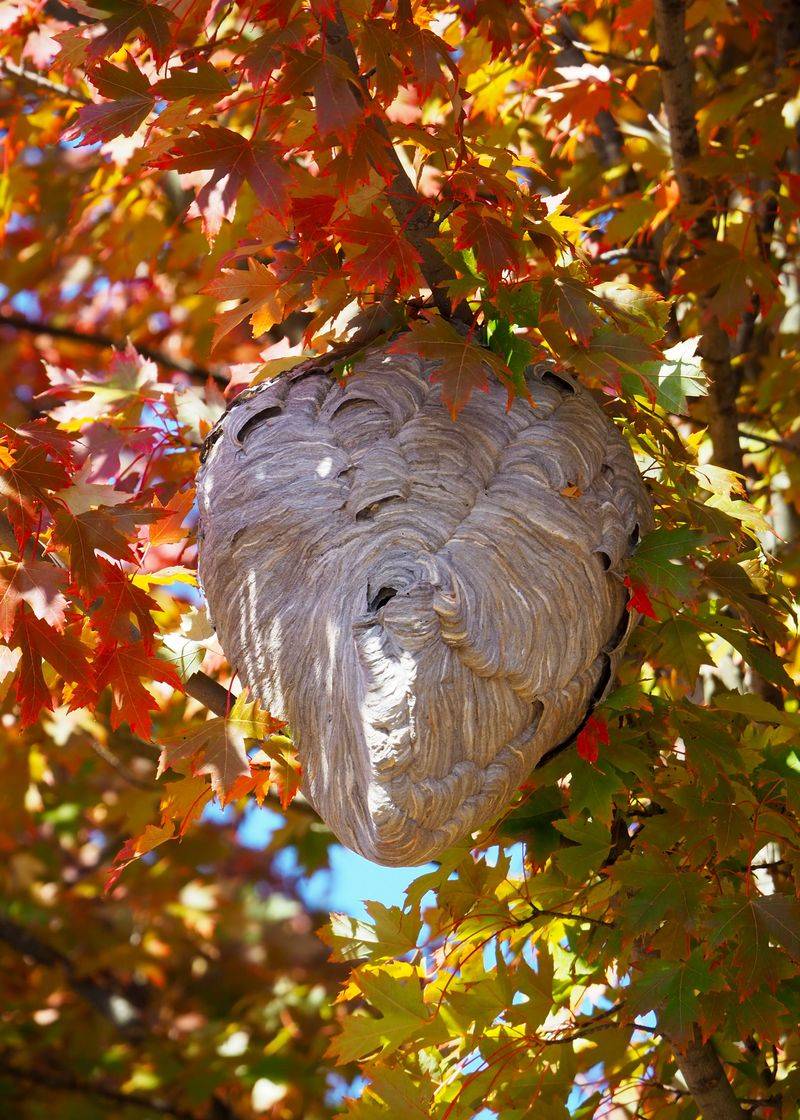
Late fall is the worst time to play hero with a ladder and a spray can. Nests are at peak size now, and guards defend them hard.
A small paper wasp nest found early in spring is one thing. A full hornet nest in October can hold hundreds of insects.
Nests inside walls are especially tricky. Blocking the entrance from outside can push yellow jackets into your living space instead.
Call a licensed pest professional when a nest sits near doors, play areas, walkways, or inside your home’s structure. Maryland requires commercial pest applicators to be certified through the state Department of Agriculture, so ask to see credentials.
Professionals have protective gear and the right products to treat nests safely, often at dusk when insects are inside. That timing matters more than most people realize.
Sometimes the best choice is patience. If a nest sits high in a tree away from activity, you can often leave it alone until a hard freeze ends the colony.
Anyone with a known sting allergy should keep prescribed epinephrine handy. Seek emergency help for swelling of the face, trouble breathing, or dizziness after a sting.
Seal Those Siding Gaps Before Queens Move In
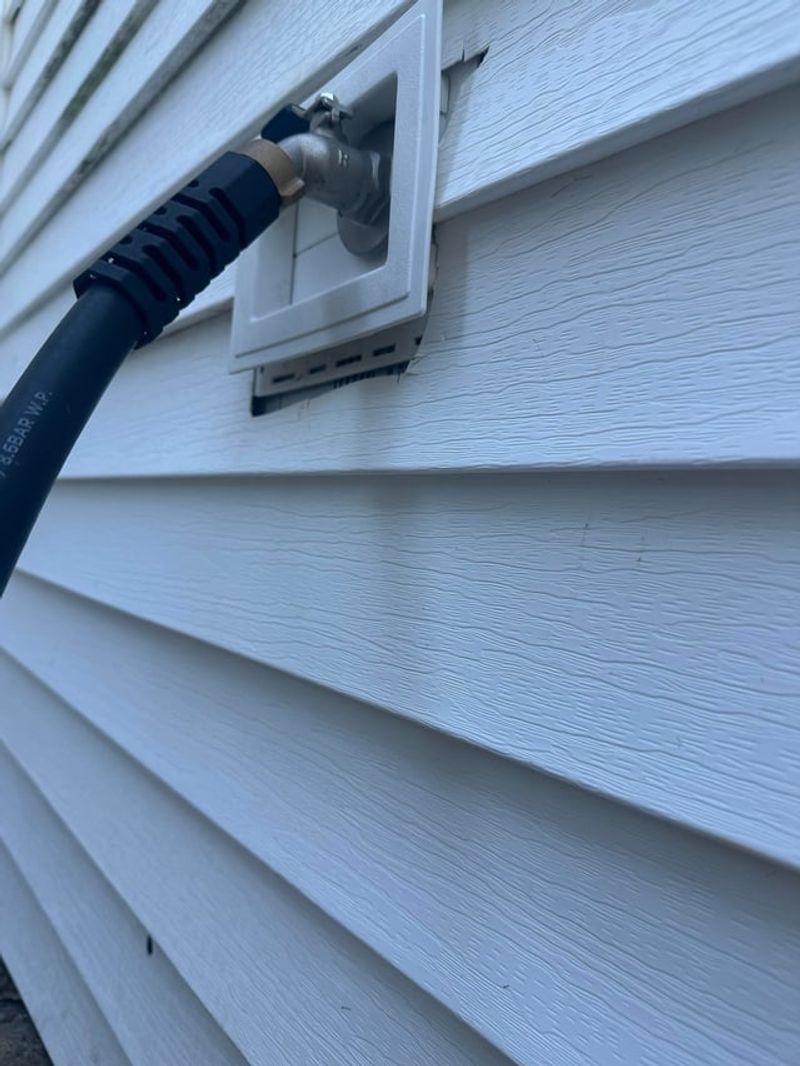
Here is a twist many people miss. While workers decline as winter approaches, newly mated queens go hunting for cozy places to spend the cold months.
In nature they tuck under loose bark, inside rotting logs, or in leaf litter. Around homes, they may slip into attics, wall gaps, or behind shutters.
Occasionally a queen wanders indoors on a warm winter day, which can be startling. She is usually slow and not interested in a fight, but it is still smart to keep them out.
Spend an afternoon inspecting your siding, soffits, and window frames. Look for cracks, loose trim, torn screens, and gaps around pipes or wires.
Fill small openings with exterior caulk and cover vents with fine mesh. Repair damaged screens and add weatherstripping where doors leave light showing.
Wait for a cool day and confirm no active nest uses that opening before sealing it. Trapping a live colony inside a wall can send insects indoors.
The bonus is real. Sealing gaps also helps block stink bugs, ladybugs, and drafts, and your heating bill may thank you.
Empty Paper Wasp Nests Tell You Spring Is The Next Battle
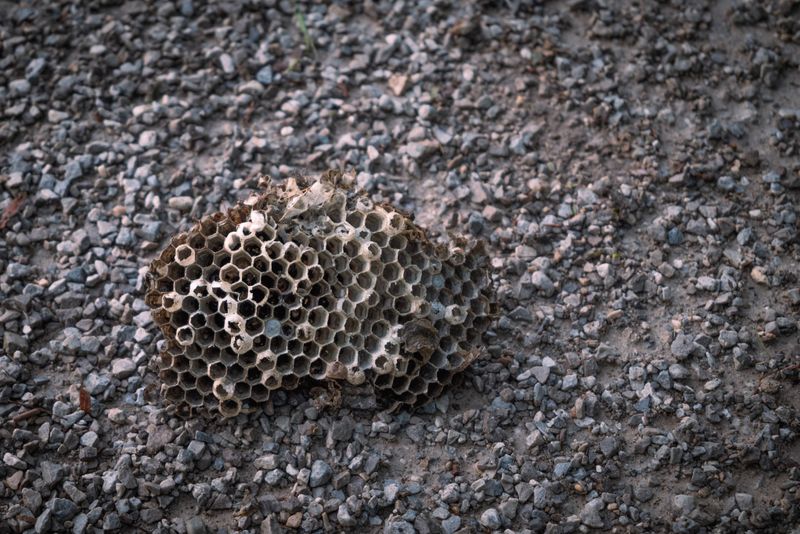
Once a hard freeze settles in, the yard gets wonderfully quiet. Workers and old queens of yellow jackets, hornets, and paper wasps decline, and the nests empty out.
Only the young queens survive the winter, resting in sheltered spots. In spring, each one starts a fresh colony from scratch.
Those old nests are not reused the next year. After several cold weeks, you can safely knock down an empty nest under your eaves with a long broom.
Spring is your chance to get ahead. Check porch ceilings, sheds, and play sets in April and May, when new nests are tiny and only the queen tends them.
A golf-ball-sized nest is far easier to handle than a football-sized one in September. Keep notes on where nests appeared this year, since those sheltered spots often attract builders again.
Remember that wasps also do helpful work, catching caterpillars and other garden pests. Leaving nests far from busy areas can be a fair trade.
My takeaway each fall is simple. Clean up fruit, cover food, watch your step, and let winter finish the job while you plan for spring.