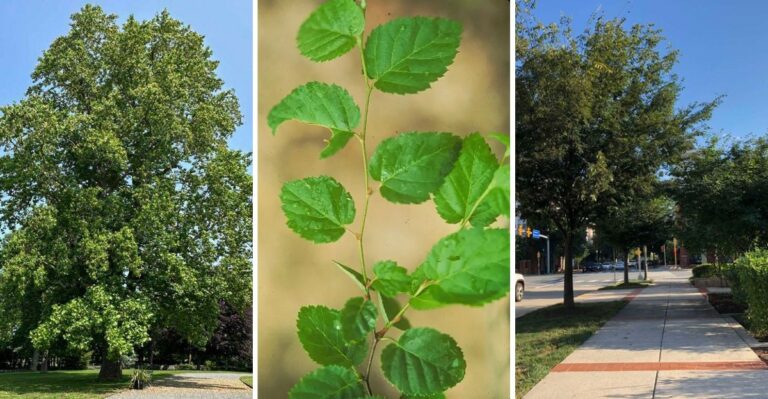
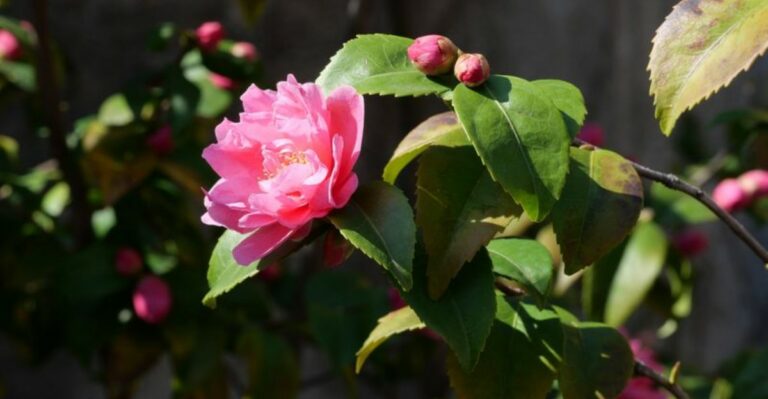
Your Virginia Houseplants Suddenly Dropped Their Leaves In November, And There’s A Reason
A ficus can drop a huge pile of leaves just because you moved it a few feet. That fussy habit surprised me the first time it happened in my living room.
In Virginia, November brings shorter days, chilly nights, and furnaces clicking on for the first time. Your plants notice every one of those changes, even behind glass.
Light drops, the air dries out, and the soil stays wet longer than it did in July.
I panicked the first fall my favorite plant shed half its leaves. I swept them up and blamed myself for weeks.
You might be doing the same thing right now, staring at a bare stem and wondering what went wrong.
The truth is far less scary than it looks. Most of the time, your plant is sending a clear message.
Learning to recognize that message can make all the difference in how you care for it this November.
1. That Pile Of Fallen Ficus Leaves Is A Message, Not A Mistake
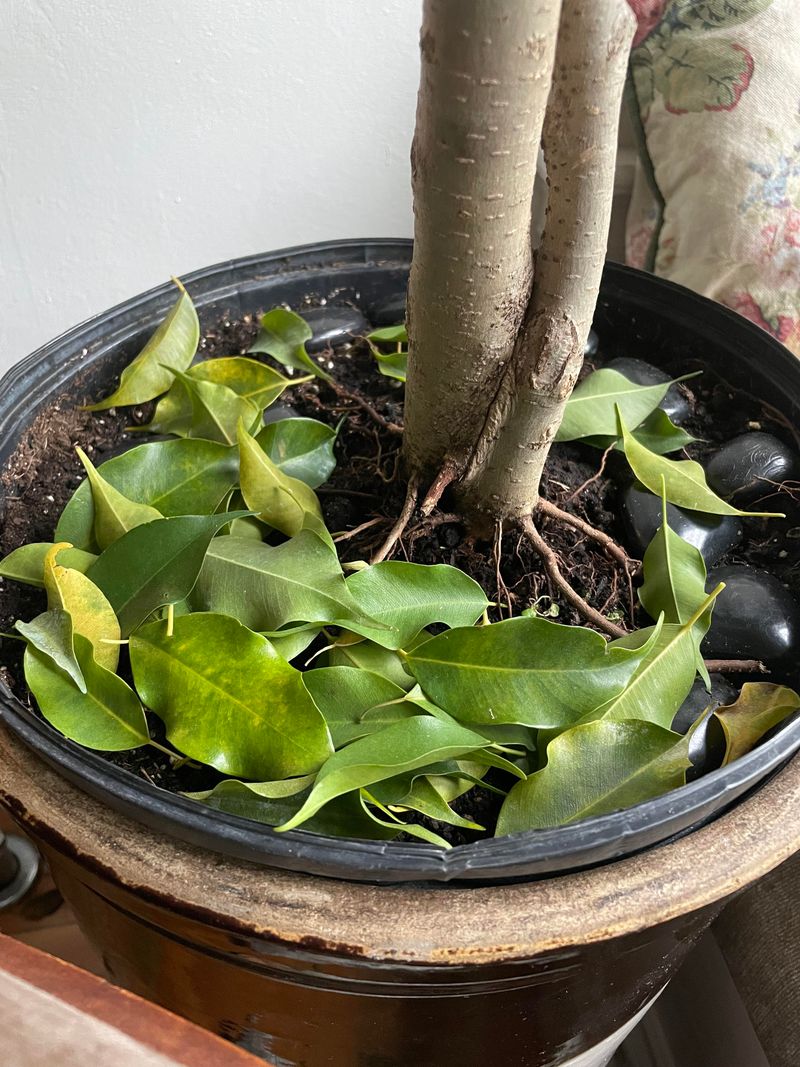
Leaf drop looks alarming, but it is usually a plant adjusting, not a plant giving up. Houseplants shed leaves to balance what they can support with what their surroundings offer.
Fall in Virginia changes a lot at once. Light fades, indoor heat dries the air, and plants that spent summer on a porch suddenly live in a very different world.
A weeping fig is famous for this reaction, but pothos, croton, schefflera, and hibiscus can do it too.
Look at which leaves fell first. Older, lower, or inner leaves turning yellow and dropping often point to lower light or a natural slowdown.
Lots of green leaves falling at once usually signals sudden stress, like a move, a draft, or a big temperature swing.
Check the stems before you worry. Scratch one lightly with a fingernail.
Green and moist tissue underneath means the plant is still very much alive and capable of regrowing.
New buds near the tips are another hopeful sign. Many plants recover within a month or two once conditions settle down.
Patience matters here more than any product. Pick one cause at a time, fix it, and give your plant a few weeks before judging the results.
2. Shorter November Days Leave Your Pothos Hungry For Sunlight
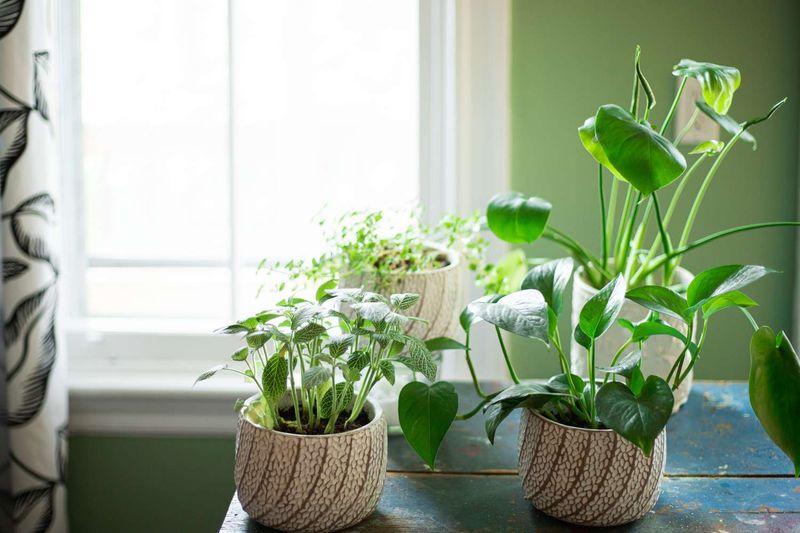
By late November, Richmond gets roughly ten hours of daylight, compared with nearly fifteen in June. Your plants feel that loss deeply.
Leaves are tiny solar panels. When winter sun hangs low and weak, a plant cannot power every leaf it grew over summer, so it lets the weakest ones go.
Older leaves deep inside the plant or facing away from the window usually leave first.
I like to treat late fall as moving season for my plants. A south or west window is often your best bet now, since the low winter sun shines in at a gentle angle.
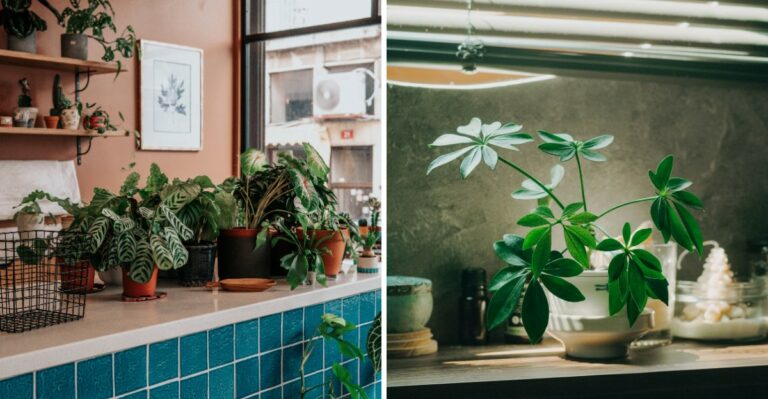
East windows work well for ferns and calatheas that prefer softer light.
A few easy fixes help a lot:
Wash your windows, since dirty glass blocks more light than you might expect. Wipe dusty leaves with a damp cloth so they can soak up every bit of brightness.
Turn pots a quarter turn every week or two for even growth.
If your home is dim, an inexpensive LED grow light can make a real difference. Running it for twelve to fourteen hours a day keeps many tropical plants steady until spring returns.
3. Furnace Heat Can Turn Your Living Room Into A Desert For Ferns
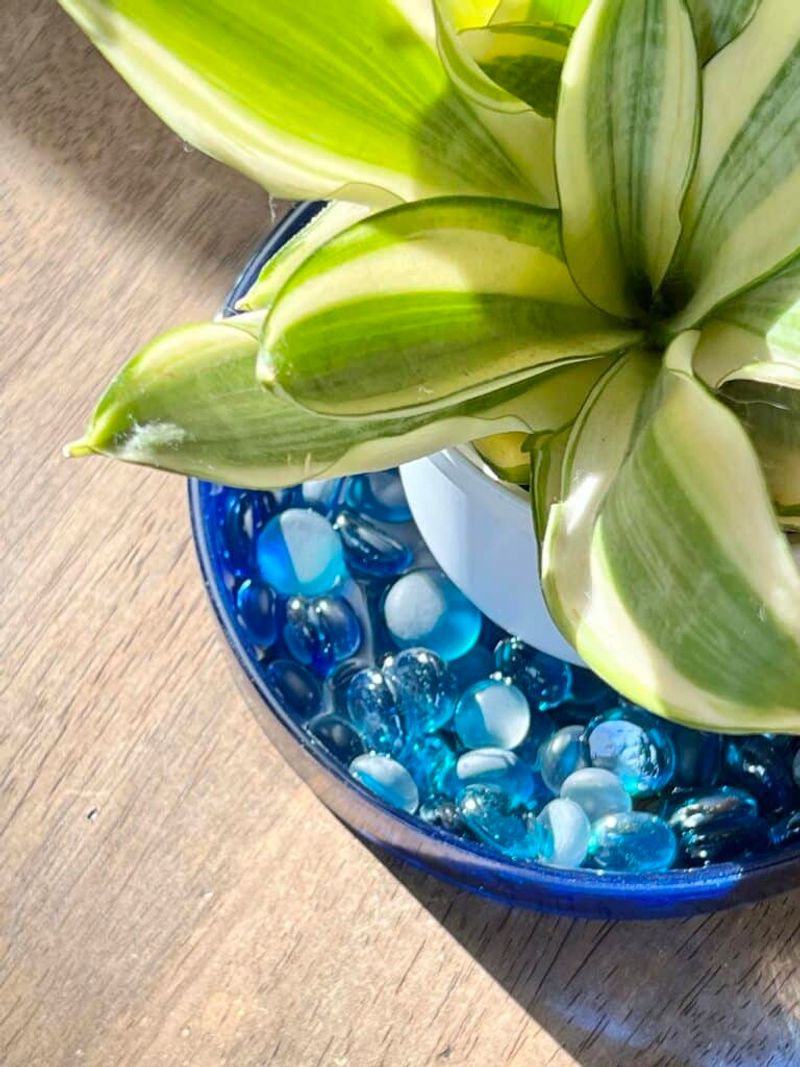
Turning on the heat feels wonderful for you. For a Boston fern, it can feel like moving to Arizona overnight.
Heating indoor air lowers its relative humidity, and indoor humidity in winter often falls to 20 or 30 percent.
Most tropical houseplants are happiest closer to 40 to 60 percent. When the air gets that dry, leaves lose water faster than roots can replace it.
The signs are easy to spot once you know them. Crispy brown tips, curling edges, and sudden leaf drop are classic clues, especially on ferns, calatheas, and prayer plants.
A cheap hygrometer will tell you exactly how dry your home is. Seeing that number was a real eye-opener for me.
Raising humidity does not take much effort:
Run a small humidifier near your plant group. Cluster pots together, since plants release moisture and help each other.
Set pots on trays of pebbles and water, keeping the pot bottoms above the waterline.
Misting feels helpful but only raises humidity for a few minutes. A bathroom or kitchen with a bright window can also be a cozy winter home for moisture lovers.
4. Your Summer Watering Can Habit Could Be Drowning The Roots
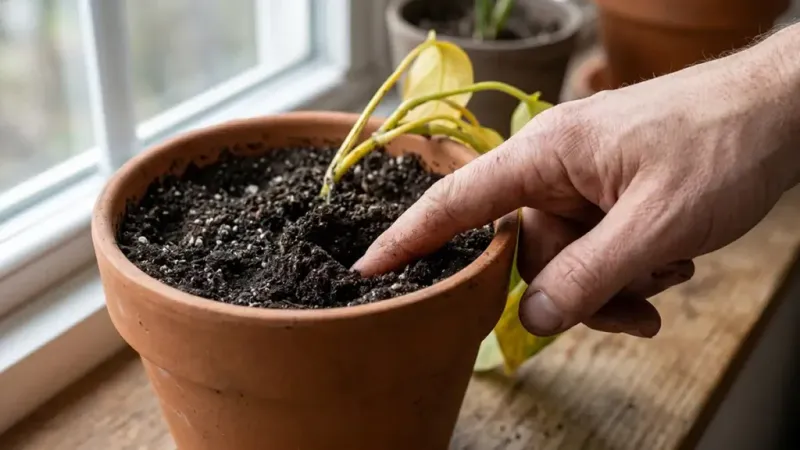
Here comes the twist that catches so many plant lovers. Your plants may be dropping leaves because they are getting too much water, not too little.
Growth slows down in fall as light and warmth fade. A plant that drank thirstily in August now uses far less, so the soil stays soggy for days.
Wet soil pushes oxygen away from the roots, and roots that cannot breathe start to rot.
Overwatered plants often show soft yellow leaves, mushy stems, a sour smell from the soil, or tiny fungus gnats buzzing around. Leaves may fall even though the soil feels wet, which confuses lots of people.
Underwatering causes trouble too. Dry, crispy, wilted leaves that drop point toward a thirsty plant.
The fix is simple. Push your finger an inch or two into the soil and water only when it feels dry at that depth.
Succulents and snake plants can stay dry even longer in winter.
Make sure every pot has a drainage hole. Empty the saucer after watering so roots are not sitting in a puddle.
Room-temperature water is also kinder than icy tap water on chilly days.
5. Hibiscus Brought In From The Porch Need Time To Adjust
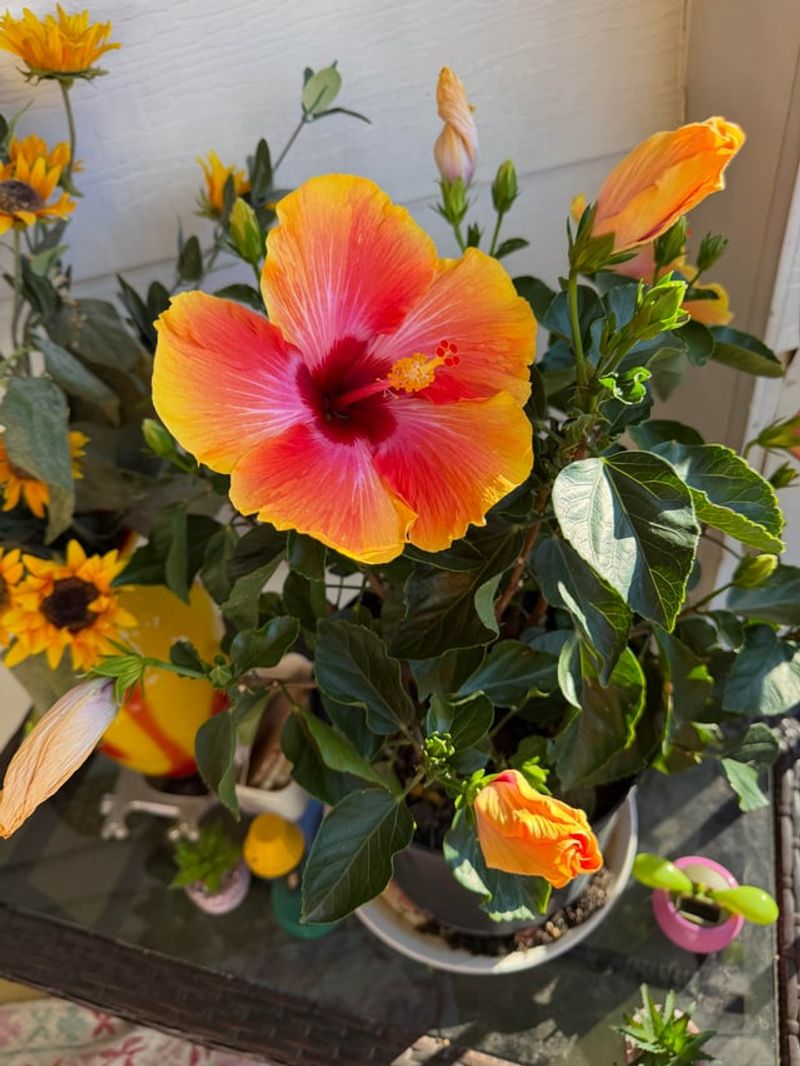
Remember that gorgeous hibiscus or mandevilla that bloomed all summer on your deck? Bringing it inside is one of the biggest shocks a plant can face.
Outdoors, it enjoyed bright sun, fresh breezes, and humid air. Indoors, light can be many times dimmer, even near a window.
That sudden change often triggers a wave of yellow leaves within a week or two.
Virginia Cooperative Extension suggests bringing tropical plants in before nights dip into the 40s, which often happens by October across much of the state. Plants moved after a cold snap tend to struggle more.
Expect some leaf loss for several weeks, and do not panic. Your plant is trading sun leaves for leaves better suited to lower light.
A few habits ease the move. Give it your brightest window, skip fertilizer until spring, and let the soil dry slightly between waterings.
Avoid repotting right now, since that adds another stress on top of the move.
Next year, try a gradual shift. Move pots to a shady porch spot for a week or two before bringing them inside, so the change feels less dramatic.
6. Cold Drafts And Hot Vents Keep Croton Leaves Falling
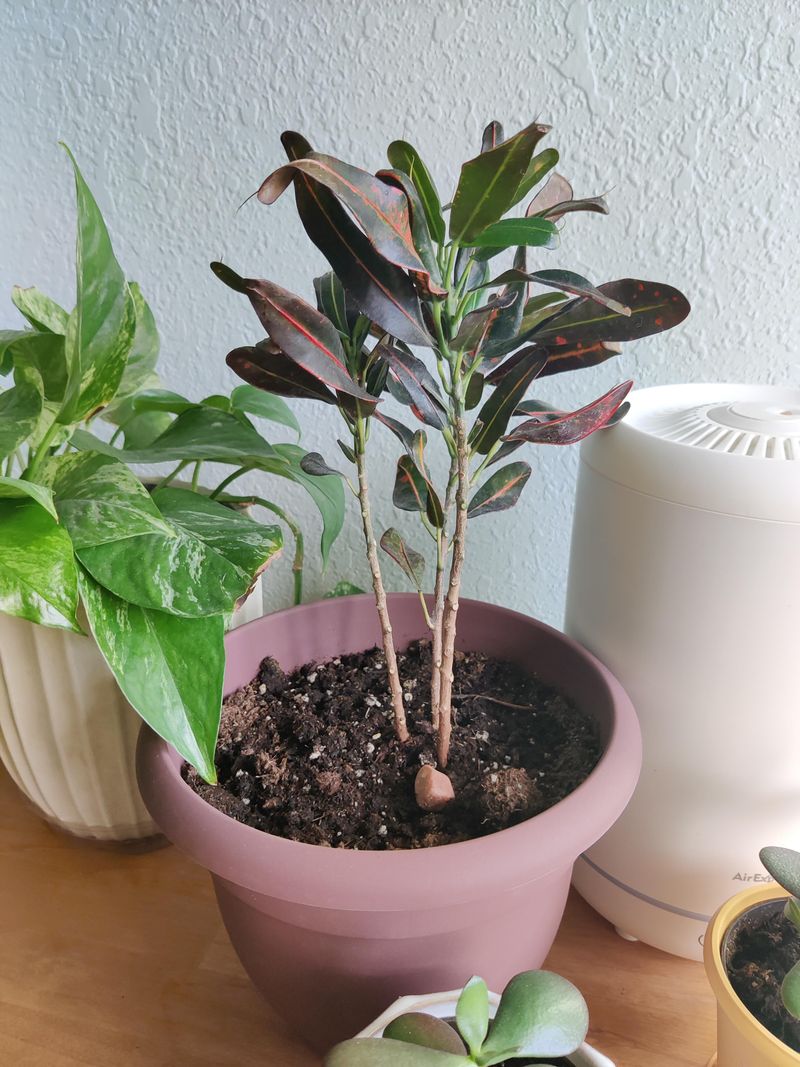
A drafty window can feel harmless when you walk past. To a croton, that cold blast is a big deal.
Most tropical houseplants prefer steady temperatures between about 60 and 75 degrees. When a plant sits against cold glass on a frosty night, its leaves can chill quickly.
Some plants show damage as dark patches, while others simply let leaves fall.
Heat causes trouble from the other side. Pots placed above floor vents or beside radiators get blasted with hot, dry air, which dries leaves and soil fast.
Walk around your home on a cold evening and feel for chilly spots. Entry doors that open often, single-pane windows, and sunrooms can swing wildly in temperature between day and night.
Small moves make a big difference. Pull pots a few inches away from window glass at night.
Keep plants clear of heating vents, fireplaces, and space heaters.
Leaves touching a frosty window are a quick way to get damage, so check for that. A thin curtain between plant and glass on very cold nights helps too.
Your plant will thank you with steadier, healthier foliage.
7. Check Under Those Leaves For Spider Mites And Mealybugs
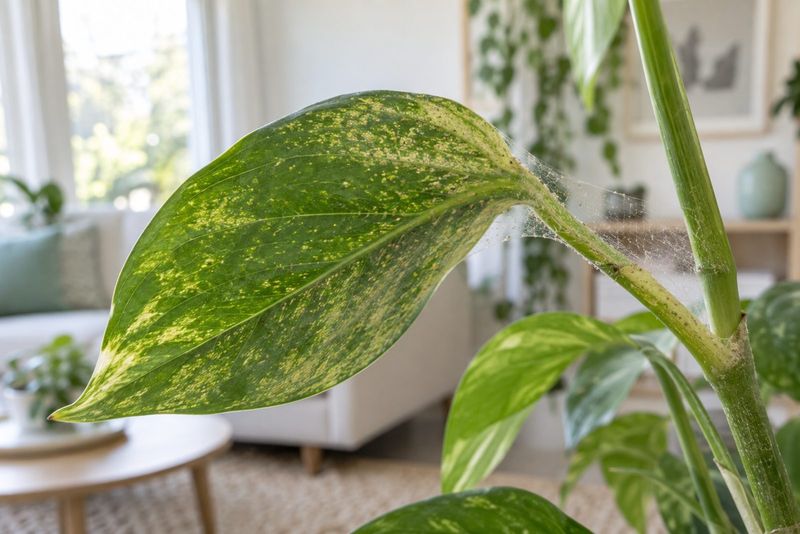
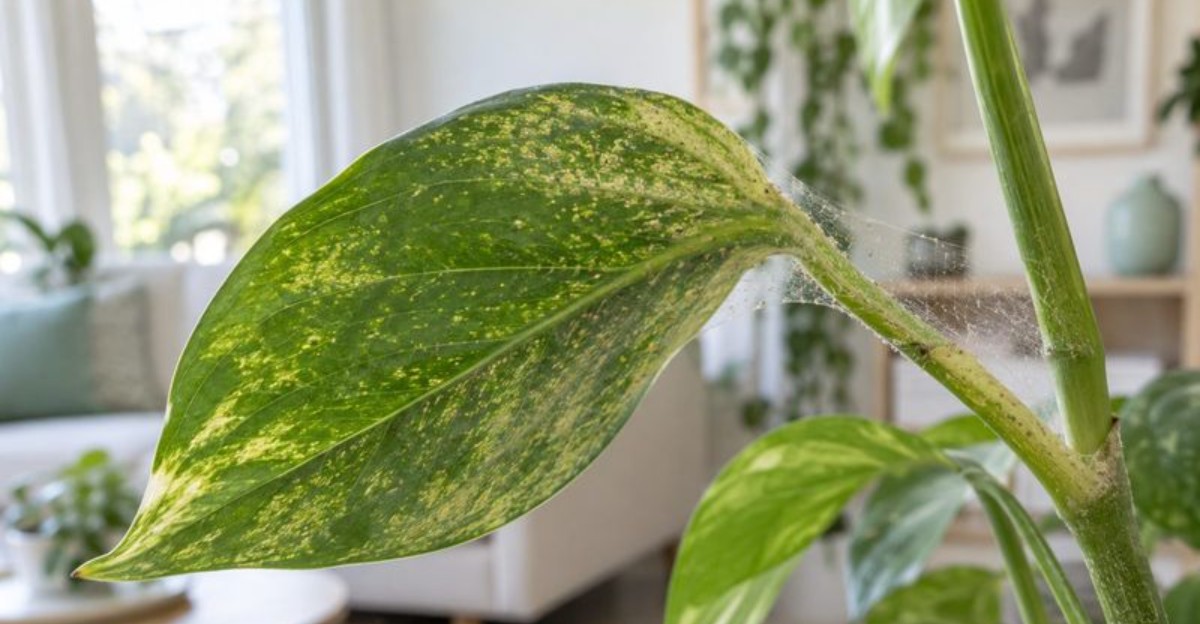
Sometimes the real troublemakers are almost too small to see. Spider mites, mealybugs, scale, and aphids love the warm, dry air of a heated home.
Many of these pests sneak inside on plants that spent summer outdoors. They feed on plant sap, which weakens leaves until they yellow, speckle, or fall.
Spider mites leave fine webbing and tiny dots on leaves, while mealybugs look like bits of white cotton tucked into leaf joints.
Grab a flashlight and check the undersides of leaves every week or so. I like using a magnifying glass, which makes the hunt surprisingly fun.
If you spot pests, move that plant away from the others right away. Rinse leaves in the shower to knock off mites.
Remove mealybugs gently with a damp cotton swab.
Insecticidal soap or horticultural oil works well for stubborn problems, as long as you follow the label. Repeat treatments weekly, since eggs keep hatching.
Raising humidity helps discourage spider mites too. Once pests are under control and light, water, and warmth are steady, most plants push out fresh leaves by spring.
Keep watching, adjust gently, and enjoy the comeback.